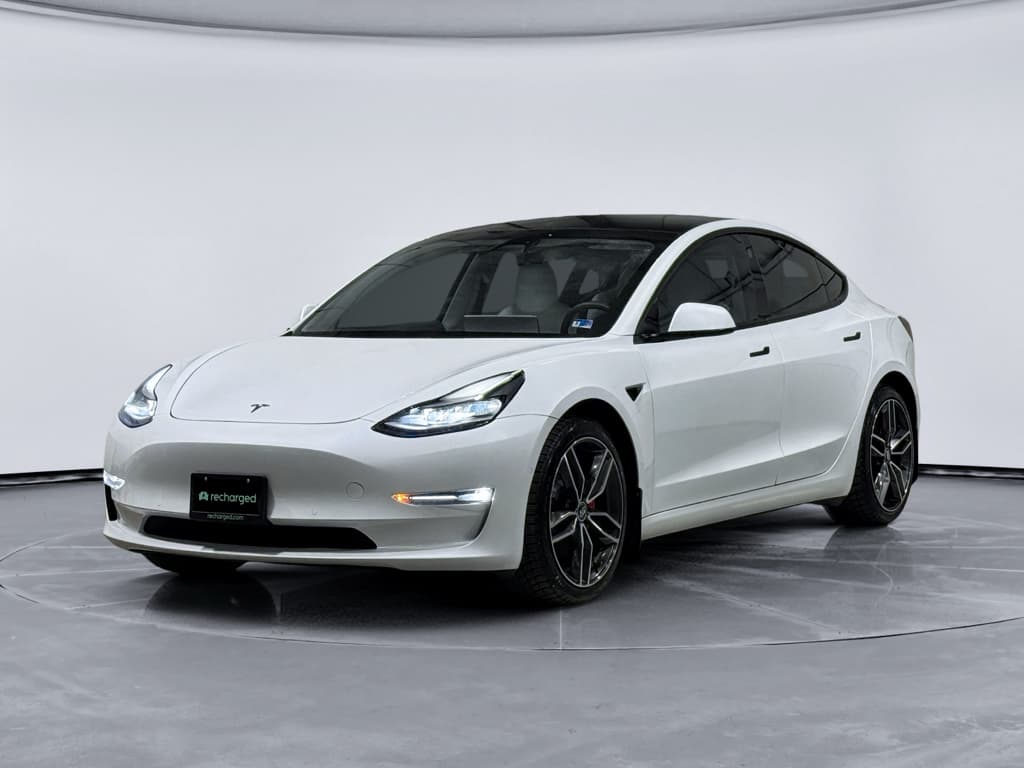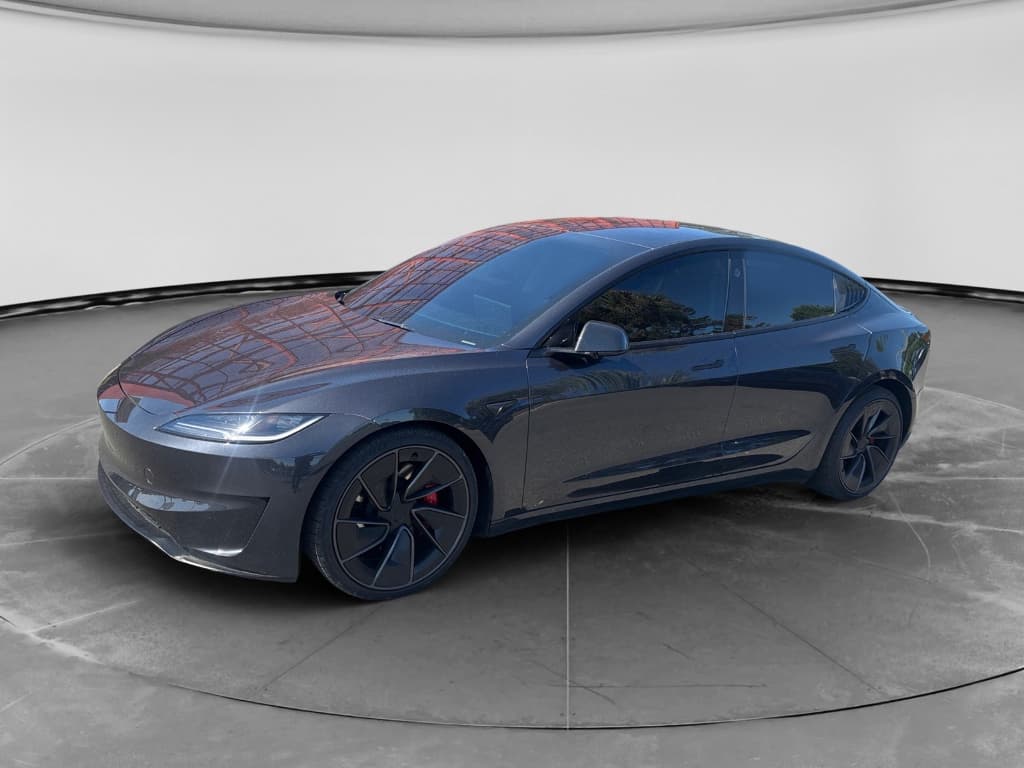
If you’re eyeing a used 2019 Tesla Model 3, you’ve probably heard two very different stories: owners love how it drives, but there are plenty of tales about build quality gremlins, software oddities, and repair delays. This guide walks through the most common 2019 Tesla Model 3 problems, how serious they really are in 2026, and what you should inspect before you buy.
Context for 2019 Model 3 shoppers
Is the 2019 Tesla Model 3 a good used buy?
Why the 2019 Model 3 is appealing
- Still offers strong range (up to ~310 miles when new for Long Range RWD/AWD trims).
- Over-the-air software updates have improved features, efficiency, and UI since launch.
- Performance and driving dynamics still feel modern compared with newer EVs.
- Depreciation has brought prices into reach for many first-time EV buyers.
Where you need to be cautious
- Early build quality issues: paint, panel gaps, trim and wind noise.
- Electronics quirks: touchscreen freezes, camera and sensor glitches.
- Mixed owner reports on service experience and repair timelines.
- By 2026, most original warranties are partially or fully expired.
Quick take
Big-picture reliability: how the 2019 Model 3 has aged
2019 Tesla Model 3 reliability snapshot
Early on, the Model 3 bounced on and off recommendation lists because of reliability. In 2019, publications flagged issues like paint defects, panel gaps, and hardware glitches. As Tesla refined production, later cars and earlier builds that received fixes improved enough that the Model 3 climbed back into recommended status and now lands in the middle of the pack for reliability among EVs. That sounds lukewarm, but for a first high‑volume EV from a young brand, it’s a decent place to be.
Early-build lottery
Most common 2019 Tesla Model 3 problems
Top problem categories on 2019 Model 3
What owners report most often, and what it means for you
Body & paint defects
The single biggest theme in owner complaints: thin paint, mismatched panels, and trim that doesn’t quite line up.
- Chipping or peeling clear coat.
- Uneven panel gaps around trunk, doors, or charge port.
- Water leaks or wind noise from misaligned seals.
Electronics & sensors
With nearly every function running through software, small glitches have big visibility.
- Frozen or rebooting center screen.
- Rear camera intermittently blank.
- Parking sensors or Autopilot cameras acting up.
Suspension & hardware wear
Less common than cosmetic issues, but more expensive if ignored.
- Premature wear of suspension links or bushings.
- Occasional clunks over bumps.
- Loose brake caliper bolts in certain recalled cars.
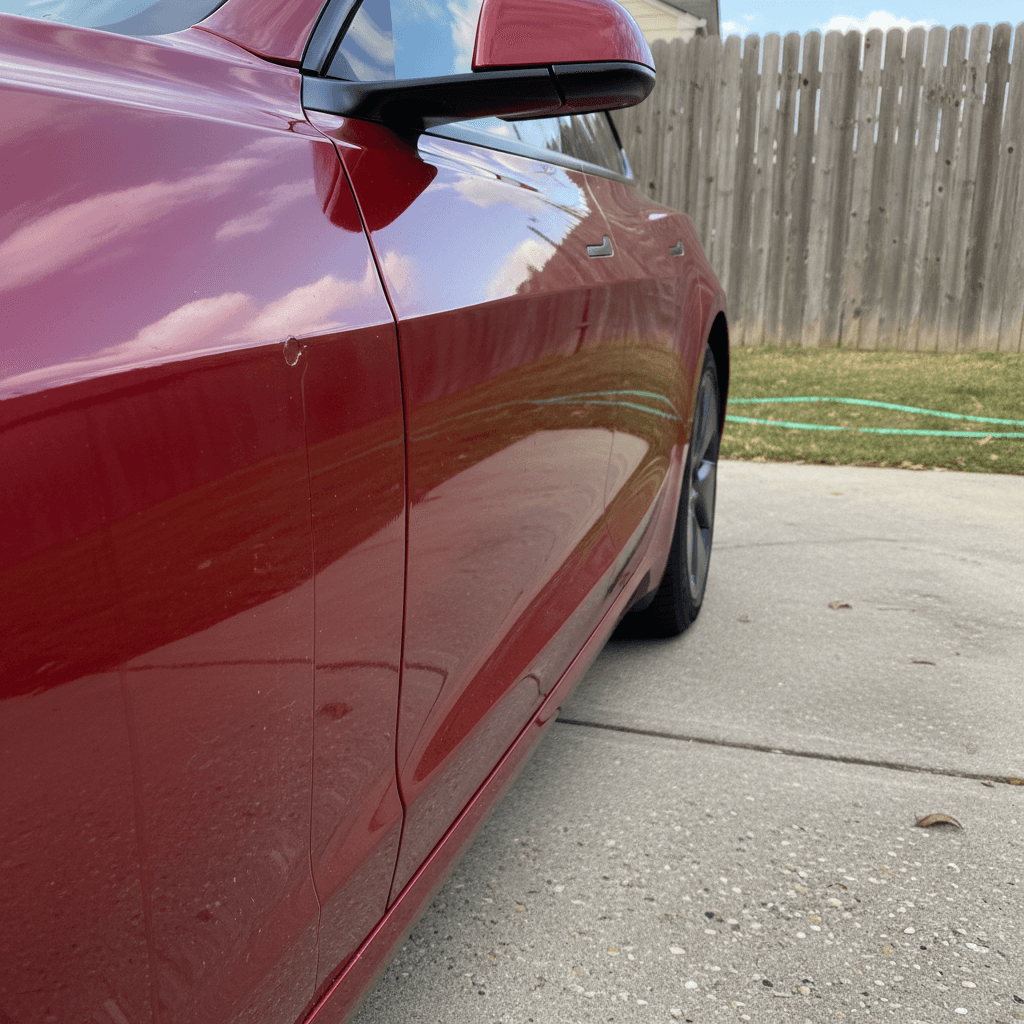
On the cosmetic front, you’re playing quality inspector: look for signs of cheap repairs that tried to hide factory flaws. On the mechanical side, you’re listening for clunks, rattles, and squeaks that hint at worn suspension components or loose hardware, especially on high‑mileage or heavily driven cars.
Quick summary of common 2019 issues
Battery and charging issues on 2019 Model 3
The high-voltage battery is the heart of any used EV purchase. The good news for the 2019 Model 3: catastrophic battery failures are relatively rare compared with early fears. The more realistic concern is gradual range loss and how the previous owner used and charged the car.
- Typical real-world degradation for a 2019 Model 3 after ~7 years is often in the single digits to low teens percent, depending on mileage and charging habits.
- Cars that fast‑charge constantly or live in very hot climates tend to see more range loss than garage‑kept, mostly home‑charged cars.
- Some owners report temporary range drops after software updates or long periods at 100% charge; these often normalize after a few charge cycles.
How to sanity-check battery health
Charging-related complaints on 2019 Model 3
Most are fixable, if you know what you’re looking at
Home charging problems
- Car won’t start a charge or stops after a few minutes.
- Reduced charge speed compared with what the wall unit should deliver.
- Inconsistent charging when using portable Level 2 adapters.
These can stem from outlet wiring, the EVSE (charger), or the car’s onboard charger. A proper diagnosis matters before blaming the battery.
Public fast-charging quirks
- Failure to initiate a DC fast-charge session at non‑Tesla networks.
- Supercharging capped at lower kW on some high‑mileage cars.
- Occasional stalls that require unplug/replug to start charging.
Software updates and station-side issues account for many of these. Look for patterns in the service history, not one‑off hiccups.
Red flags with 2019 battery packs
Software and infotainment glitches
The 2019 Model 3 was one of the first cars that truly felt like a rolling smartphone. That’s a blessing, you keep getting new features, and a curse, because some problems arrive via software update. Owners have reported issues like the audio system or emergency-call (eCall) function cutting out after an update, and center screens that randomly reboot while driving.
- Touchscreen freezes or goes black briefly, then reboots.
- Rearview camera image intermittently disappears, especially when shifting quickly from Reverse to Drive.
- Bluetooth and phone key connectivity can be finicky after some software updates.
- Occasional bugs where the UI shows speed but omits the unit (mph/km/h), later corrected via update.
The upside of over-the-air fixes
“Owners love the Model 3’s performance and efficiency, but its software-first design means glitchy updates can feel more like a beta test than a finished product.”
2019 Model 3 recalls you should check
By 2026, the 2019 Model 3 has been covered by a long list of recalls, over twenty campaigns in total. That sounds terrifying until you realize many of them are quick software changes or simple hardware inspections. The key is making sure they’ve been completed on the specific car you’re considering.
Key recall themes affecting 2019 Tesla Model 3
Not a complete list, but the high-impact areas you should ask about.
| Area | Example issues | Typical fix | Why it matters |
|---|---|---|---|
| Brakes | Loose brake caliper bolts that could contact the wheel rim | Inspect and re‑torque or replace bolts | Prevents loss of tire pressure or braking issues |
| Seat belts | Improperly secured front shoulder belt fasteners at the B‑pillar | Inspect and reattach or replace fasteners | Ensures belts perform correctly in a crash |
| Steering & suspension | Under‑torqued suspension links or, in rare cases, missing steering column bolt | Inspect torque, replace hardware if needed | Maintains safe vehicle control |
| Cameras & UI | Rearview camera harness failure, side repeater camera issues, UI missing speed units | Replace harnesses/cameras or apply software update | Restores proper visibility and driver information |
| eCall & audio | Software update disabling emergency call audio subsystem in certain builds | Revised software update pushed over the air | Ensures crash and emergency alerts work properly |
Always run the VIN through NHTSA’s recall lookup and confirm documentation from the seller or Tesla service.
How to verify recall completion
Repair costs and warranty reality check
Seven years on, most 2019 Model 3s are past, or approaching the end of, major warranty coverage. Tesla originally backed the battery and drive unit for 8 years (with varying mileage caps by trim), but the 4‑year / 50,000‑mile basic warranty has expired on every 2019 by now. That puts more risk on you if something big fails.
Ballpark repair costs on an out-of-warranty 2019 Model 3
Actual pricing varies by region and whether Tesla or an independent shop does the work
Cosmetic fixes
- Paint correction or respray of a panel: hundreds to low thousands of dollars.
- Panel alignment & seal adjustments: a few hundred dollars.
Insurers may cover previous damage repairs; ask for body shop invoices.
Suspension & hardware
- Control arms, links, or bushings: often $500–$1,500 installed, depending on parts and labor.
- Brake hardware replacement outside recall: similar to other premium sedans.
Electronics & infotainment
- Camera or harness replacement: typically hundreds of dollars.
- Out‑of‑warranty screen or computer failures: four figures is not unusual.
Many glitchy behaviors are fixable with software and don’t require parts.
Why a pre‑purchase inspection matters
What to inspect before buying a 2019 Model 3
2019 Tesla Model 3 pre‑purchase checklist
1. Exterior and bodywork
Walk the car in good daylight. Look for mismatched paint, thin or peeling clear coat, rust at rockers or wheel arches, and inconsistent panel gaps around the trunk, doors, and charge port. Check for water in tail lights or trunk carpet after rain.
2. Glass, seals, and wind noise
Inspect windshield and roof glass for cracks or stress marks. On a test drive, listen at highway speeds for excessive wind noise from the mirrors or door seals, it can hint at alignment or seal issues.
3. Suspension and brakes
Drive over broken pavement and speed bumps. Note any clunks, pops, or looseness. During braking from moderate speed, the pedal should feel firm and the car should track straight with no grinding sounds.
4. Battery health & charging behavior
Ask the seller to show the estimated full‑charge range and typical charging habits. If possible, plug into Level 2 or a DC fast charger during the inspection and confirm that charging starts promptly and reaches expected speeds.
5. Electronics, cameras, and Autopilot
Test the center screen for lag or random reboots. Check rearview and side cameras, parking sensors, and basic driver‑assist features on a short drive. Verify that any optional Autopilot features the seller is advertising are actually active in the software.
6. Service history & recalls
Review Tesla service records or screenshots from the app. Confirm regular tire rotations, any suspension or brake work, and recall completion. Gaps in history aren’t a deal‑breaker, but they are a negotiation point.
Bring a used-EV specialist if you can
When to walk away from a used Model 3
Not every 2019 Model 3 is worth trying to save. Some cars are simply too rough, too modified, or too mysterious in their history to justify the risk, especially with high‑voltage components involved.
- Evidence of major crash damage that wasn’t repaired by a reputable body shop or doesn’t line up with Carfax or insurance records.
- Obvious high‑voltage tampering: aftermarket battery work, non‑factory wiring, or hacked charging hardware.
- Multiple open recalls with a seller who shrugs instead of scheduling service.
- Severe range loss (for example, a Long Range car showing far below expected full‑charge range) with no clear explanation or documentation.
- A seller who refuses a professional inspection or won’t provide the VIN up front.
Your best leverage is your willingness to walk
How Recharged evaluates used Tesla Model 3s
A 2019 Tesla Model 3 is not the kind of car you evaluate with just a quick spin around the block. That’s why every vehicle sold through Recharged comes with a Recharged Score Report. For a Model 3, that means we go well beyond a standard used‑car checklist.
Inside a Recharged Tesla Model 3 evaluation
How we separate the great cars from the problem children
Battery & charging diagnostics
Body & build-quality review
Software, recalls & road test
Ready to find your next EV?
Browse VehiclesShop nationwide, inspect like you’re there
2019 Tesla Model 3 problems: FAQ
Frequently asked questions about 2019 Model 3 problems
Bottom line: should you buy a 2019 Model 3?
A 2019 Tesla Model 3 is not a perfect car, and it never pretended to be. It’s an ambitious early mass‑market EV that mixed cutting‑edge tech with some rough‑around‑the‑edges build quality. If you go in with eyes open, armed with a careful inspection and clear records, it can still be a fantastic everyday EV in 2026: quick, efficient, and increasingly affordable on the used market.
If you’d rather not play detective, consider shopping through a platform that’s already done the homework. At Recharged, every used EV comes with a Recharged Score Report that spells out battery health, condition, and pricing fairness in plain language. Whether you buy from Recharged or not, use the same standards: verify the battery, vet the service history, check for recall completion, and don’t be afraid to walk away from a 2019 Model 3 that doesn’t add up.