If you’re looking at a used 2019 Chevy Bolt EV, you’ve probably heard two very different stories: owners who love their cheap-to-run electric hatchback, and headlines about battery fires and recalls. The truth about 2019 Chevy Bolt EV reliability lives in between, and if you understand the history, a used Bolt can still be a smart, affordable way into EV ownership.
Quick take
2019 Chevy Bolt EV reliability at a glance
2019 Bolt EV reliability snapshot
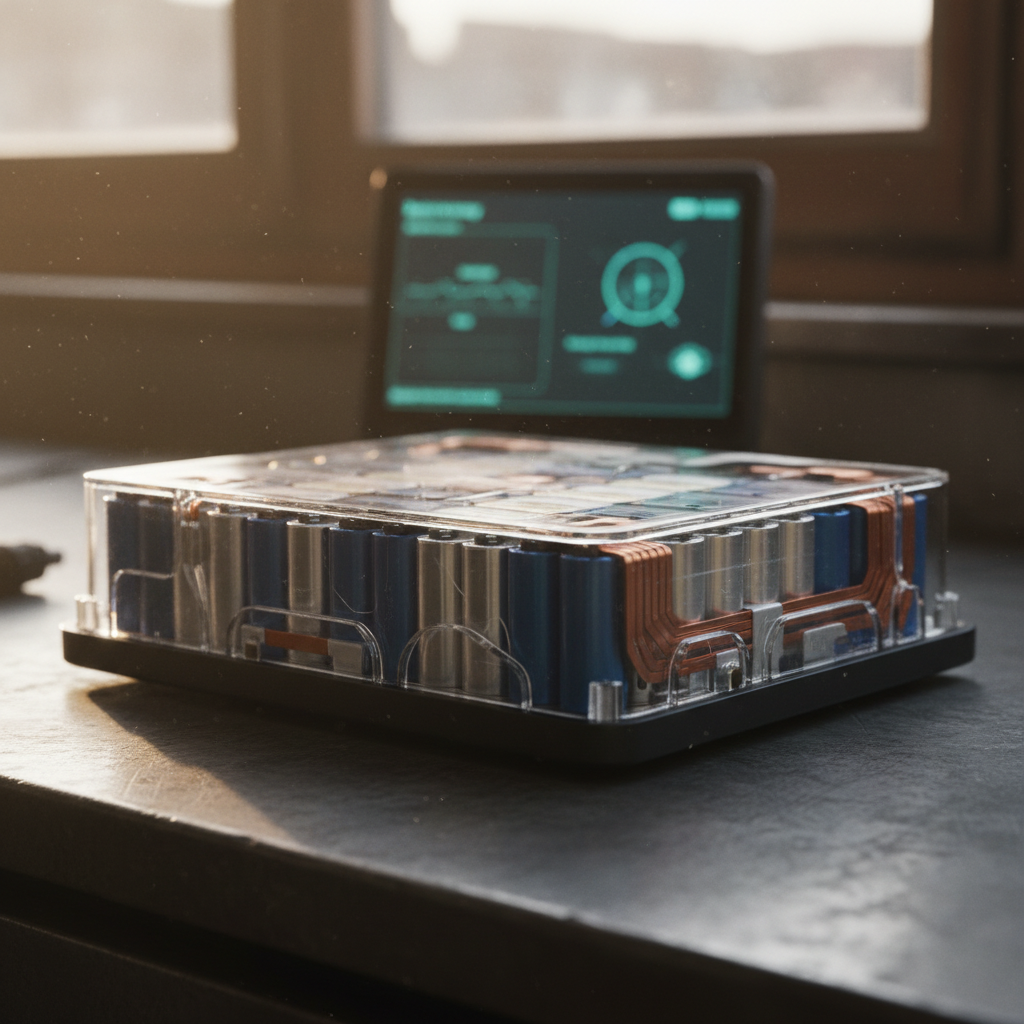
On paper, the 2019 Bolt is a relatively simple EV: a single front motor, no multi-speed transmission, no turbochargers, and very few moving parts compared with a gas car. That simplicity generally shows up in low rates of drivetrain failures. Where reliability gets complicated is the high-voltage battery pack: defective LG cells led to a massive recall of 2017–2022 Bolts, with 2019 models squarely in the high-risk group.
Model years matter
The big asterisk: 2019 Bolt EV battery fire recall
Between 2020 and 2022, GM and its cell supplier LG Energy Solution were forced into one of the most sweeping EV recalls to date. After a series of high‑voltage battery fires in 2017–2019 Bolts, the companies traced the problem to two rare manufacturing defects in some cells: a torn anode tab and a folded separator. In the wrong combination, those defects could cause an internal short circuit and, in extreme cases, thermal runaway and fire.
- The recall ultimately expanded to cover every Chevy Bolt EV and EUV built from 2017–2022.
- 2019 cars with battery packs built at LG’s Korean plant were considered among the highest‑risk vehicles.
- GM’s early "software fix" didn’t fully solve the problem, so the final remedy became full battery pack replacement for affected vehicles.
- While owners waited, GM and NHTSA told them to park outside, avoid charging above 90%, and keep charge above roughly 30%, severely limiting day-to-day usability.
"In hindsight, the initial software-only remedy was always going to fall short of consumer expectations. When the risk involves an entire vehicle burning to the ground, only a hardware fix or a buyback really restores confidence."
From a used‑buyer perspective, this history creates a sharp dividing line in 2019 Bolt reliability. A car that has already received a full LG replacement pack is very different from one that is still driving around on an original high‑risk pack or only has the early software patch. When you’re shopping, you want documentation that the final recall remedy, a new pack or verified good modules, has been completed.
Non‑negotiable check
Common 2019 Chevy Bolt EV problems
Once you get past the battery story, the 2019 Bolt looks more like a typical compact hatchback with a few EV‑specific quirks. Here are the most commonly reported trouble spots and how serious they really are for long‑term ownership.
Most reported 2019 Bolt EV trouble spots
Which issues are nuisances and which really matter?
High‑voltage battery / recall
Severity: High
Frequency: Limited but critical
The battery recall is the headline issue. Fires have been rare relative to the fleet size, but the consequences are severe. A full pack replacement dramatically reduces risk and often restores full range.
In‑car electronics & infotainment
Severity: Low–Moderate
Frequency: Fairly common
Owners report glitches like frozen touchscreens, intermittent backup camera issues, and Bluetooth problems. Annoying, but usually fixable with software updates or module replacement.
Charging & DC fast‑charge behavior
Severity: Moderate (for road‑trippers)
Frequency: Design trait more than defect
2017–2019 Bolts are notorious for aggressive DC fast‑charge tapering. Above roughly 55–70% state of charge, charge rates drop sharply, which makes long highway trips slower than in many newer EVs.
Brake and regen feel
Severity: Low
Frequency: Some owners
Reports include brake pulsation, early pad/rotor wear, or odd transitions between regenerative and friction braking. Usually addressable under warranty or standard brake service.
On‑board charger / charge port
Severity: Low–Moderate
Frequency: Uncommon
A minority of owners report AC charging failures from bad charge ports, faulty EVSEs, or control modules. Most are one‑off defects rather than a systemic problem.
Sudden loss of propulsion (rare)
Severity: High but rare
Frequency: Low
There are documented cases of sudden power loss or the car dropping itself into Park due to faults in high‑voltage disconnects or control modules. GM has technical service bulletins addressing these, but they’re not widespread.
How this compares to gas cars
Battery health, range and how the recall affects them
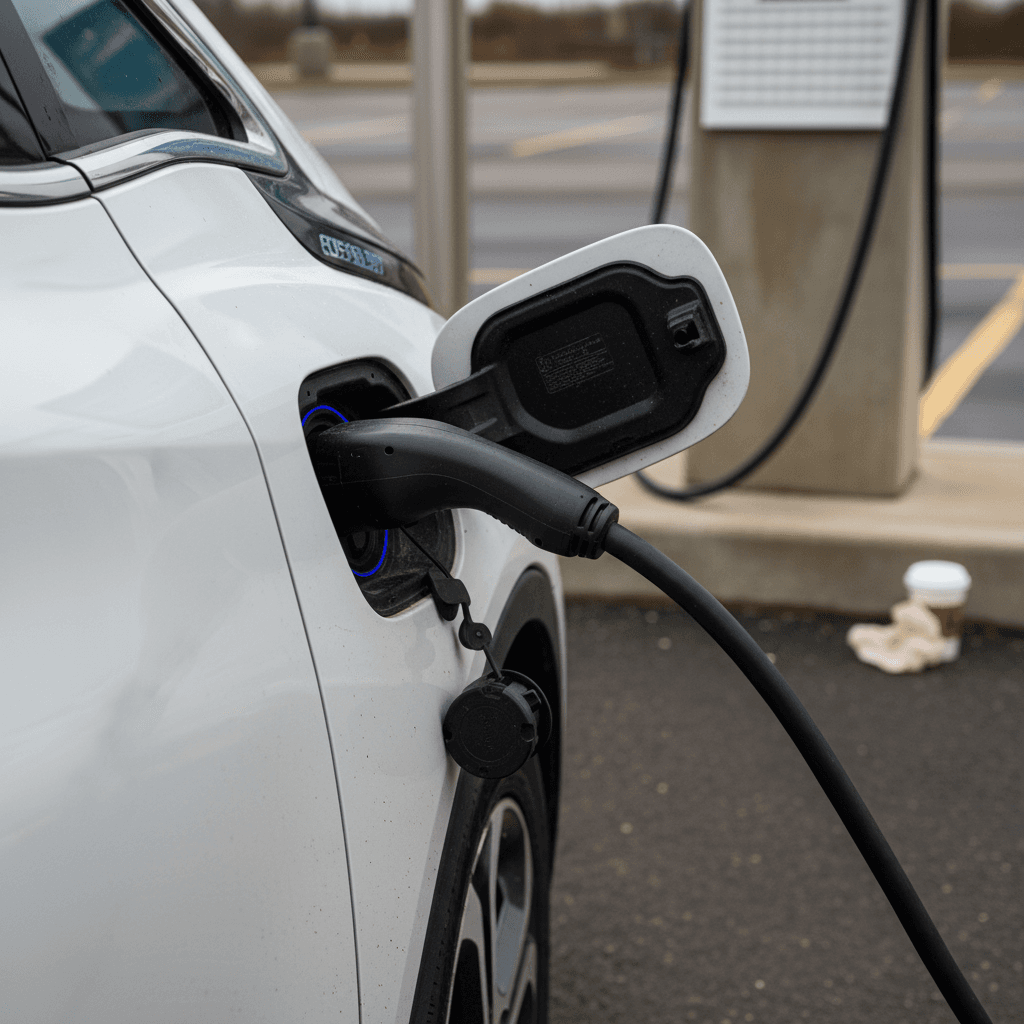
The 2019 Bolt EV came with a 60 kWh pack and a 238‑mile EPA range rating. In real‑world mixed driving, many owners see anywhere from 180–220 miles on a full charge, depending on climate, speed and driving style. The recall complicates this picture in two ways: some owners lived with artificially limited charge windows for years, while others now have brand‑new LG packs installed.
Cars still on original packs or interim software
- Range limits: Owners were told to cap charge at ~90% and avoid going below ~30%, effectively cutting usable range to about half on long days.
- Anxiety factor: Parking outside, avoiding overnight charging, and fire‑risk headlines all added stress for many drivers.
- Resale drag: Until a full remedy is done, these cars tend to be worth less and are harder to insure or finance in some situations.
Cars with full replacement packs
- Fresh battery: Many 2019 Bolts now have packs manufactured years later, effectively resetting the clock on their most expensive component.
- Restored usability: No more recall restrictions; owners can charge to 100% and park in garages as normal, according to GM.
- Potential upside: For used buyers, a documented new pack can be a reliability advantage over similarly aged EVs with original batteries.
Why a replaced pack can be a plus
Of course, you still need to verify actual battery health on the specific car you’re considering. Range readouts can be skewed by recent trips or climate control use, and many sellers won’t have the tools to interpret deeper battery data. This is exactly why Recharged built the Recharged Score: a battery‑centric inspection that quantifies pack health and flags any anomalies before you buy.
Charging performance: commuting vs. road trips
How "reliable" a 2019 Bolt feels in daily life depends a lot on how you use it. For an urban or suburban commuter who mostly charges at home, the car’s limitations are minor. For frequent long‑distance road‑trippers, its charging behavior and thermal management look dated next to newer EVs.
2019 Bolt EV charging characteristics
What to expect when you plug in, and how it affects perceived reliability.
| Scenario | What to Expect | Impact on Reliability Perception |
|---|---|---|
| Daily Level 2 home charging | 7.2 kW on a 32A/240V circuit; full charge from low to full typically overnight. | Very convenient, "just works" for most owners, with few reports of recurring AC charging failures. |
| Public Level 2 | Similar performance to home, though some stations may deliver less than 7 kW. | Generally dependable; issues are more often with the station network than the car. |
| DC fast charging 10–55% | Peak around 50 kW on most 125A stations, often adding ~100–150 miles in about an hour in good conditions. | Adequate for occasional trips, but clearly slower than newer EVs that can sustain higher power. |
| DC fast charging above ~55–70% | Aggressive intentional taper; charge power steps down to ~38 kW, then ~24 kW and lower as you approach full. | On road trips, this makes the car feel "slow to charge" and pushes you to stop more often at lower states of charge. |
| Cold‑weather charging | Charging and regen are reduced until the pack warms up; energy use rises significantly below freezing. | Not a defect, but can surprise new owners. Planning and preconditioning become important in winter states. |
These traits are shared across 2017–2019 Bolt EVs and stem from their original hardware and software design.
Winter reliability tip
Safety, warranty and ownership costs
From a crash‑safety perspective, the 2019 Bolt performs well. It earned top marks in major U.S. crash tests, and despite the battery fire headlines, statistically it remains far less likely to be involved in a fuel‑related fire than a gasoline car. Still, the recall understandably shook confidence in EV safety for many shoppers.
Ownership profile of a 2019 Bolt EV
Where it shines and where to stay alert
Safety & recalls
Crash safety: Strong crash‑test results and a rigid battery structure.
Battery fire recall: The major outlier. You want a car with the final remedy documented.
Maintenance & repairs
No oil changes, no timing belts, and far fewer moving parts than a gas car.
Common maintenance items are tires, cabin air filters, brake fluid, and occasional brake service, costs are usually modest.
Warranty coverage
The 8‑year/100,000‑mile battery and electric‑drive warranty will be partially or fully expired on most 2019 cars by 2026–2027.
However, packs replaced under recall may carry their own warranty terms, worth confirming with a dealer.
Insurance and resale considerations
How to shop for a used 2019 Bolt EV
If you treat the battery recall as a filter rather than a deal‑breaker, shopping for a 2019 Bolt becomes a lot more straightforward. Here’s a practical checklist to reduce risk and get a car that will actually fit your life.
2019 Bolt EV used‑buyer checklist
1. Confirm recall status by VIN
Run the VIN through GM’s recall tool or NHTSA, and ask for dealership service records. You’re looking for documentation of the <strong>final battery recall remedy</strong>, ideally a full pack replacement, not just an early software update.
2. Verify battery replacement documentation
If the pack has been replaced, ask for paperwork showing the work order, pack serial, and completion date. A fresh pack in 2022 or later is a major reliability plus.
3. Evaluate real‑world range
On a full charge in mild weather, take a mixed‑driving test route and see what the car estimates for range. Watch how quickly miles drop on the gauge versus miles driven. Large discrepancies could indicate battery health or calibration issues.
4. Test AC and DC charging
Plug into a Level 2 station and, if possible, a DC fast charger. Make sure the car initiates charging reliably and that charge rates look normal for state of charge and temperature. You don’t want surprise charging faults to show up later.
5. Check infotainment and cameras
Cycle through the touchscreen menus, Bluetooth pairing, backup camera, and any driver‑assist features. Glitches here are common but usually fixable, still, they’re useful negotiation points.
6. Get an EV‑specific inspection
A generic pre‑purchase inspection won’t tell you much about battery health. Look for a seller that can provide a <strong>quantitative battery report</strong>, or work with a platform like Recharged that bakes this into every vehicle listing.
Be careful with private‑party "deals"
How Recharged derisks a used 2019 Bolt purchase
This is exactly the kind of car where transparency makes or breaks the ownership experience. Two 2019 Bolts can look identical on a listing, yet one has a brand‑new recall pack and clean history while the other still carries all the baggage of the early recall years. Recharged is built to make that difference obvious.
What you get with a Recharged Bolt EV
Battery‑centric transparency, from search to delivery
Recharged Score report
Every vehicle on Recharged includes a Recharged Score: a detailed, third‑party report with verified battery health, charging behavior, and pack condition. For a 2019 Bolt, that means you see quantified degradation rather than guessing from a dash gauge.
Verified recall & service history
We confirm recall completion and major warranty work, including battery replacements. If a Bolt hasn’t received the final recall fix, or if paperwork is unclear, we either resolve it before listing or don’t offer the car.
End‑to‑end EV‑specific support
Recharged specialists help you understand whether a 2019 Bolt fits your commute, charging setup and budget. We offer financing, trade‑in options, instant offers or consignment, plus nationwide delivery and an in‑person Experience Center in Richmond, VA.
Ready to find your next EV?
Browse VehiclesWhy buy a Bolt through an EV‑focused marketplace
2019 Chevy Bolt EV reliability: FAQ
Frequently asked questions about 2019 Bolt EV reliability
Bottom line: Is a 2019 Chevy Bolt EV a good used buy?
Taken at face value, the 2019 Chevy Bolt EV is a simple, efficient electric hatchback with average reliability, high safety scores and very low running costs. The catch, and the opportunity, is the battery recall. If you ignore recall status, you’re gambling with usability, safety perceptions and resale value. If you lean into it and actively seek out cars with documented replacement packs and proven battery health, you can end up with a capable, inexpensive EV whose most expensive component is effectively reset.
If that sounds appealing, your next move shouldn’t be scrolling random classifieds, it should be finding a seller that treats the battery as the centerpiece, not an afterthought. That’s the entire premise of Recharged: verified battery diagnostics, fair‑market pricing, financing and trade‑in options, and EV‑savvy guidance from first click to delivery. For the right buyer, a well‑vetted 2019 Bolt isn’t just reliable enough; it’s one of the most cost‑effective on‑ramps to electric ownership on the used market today.