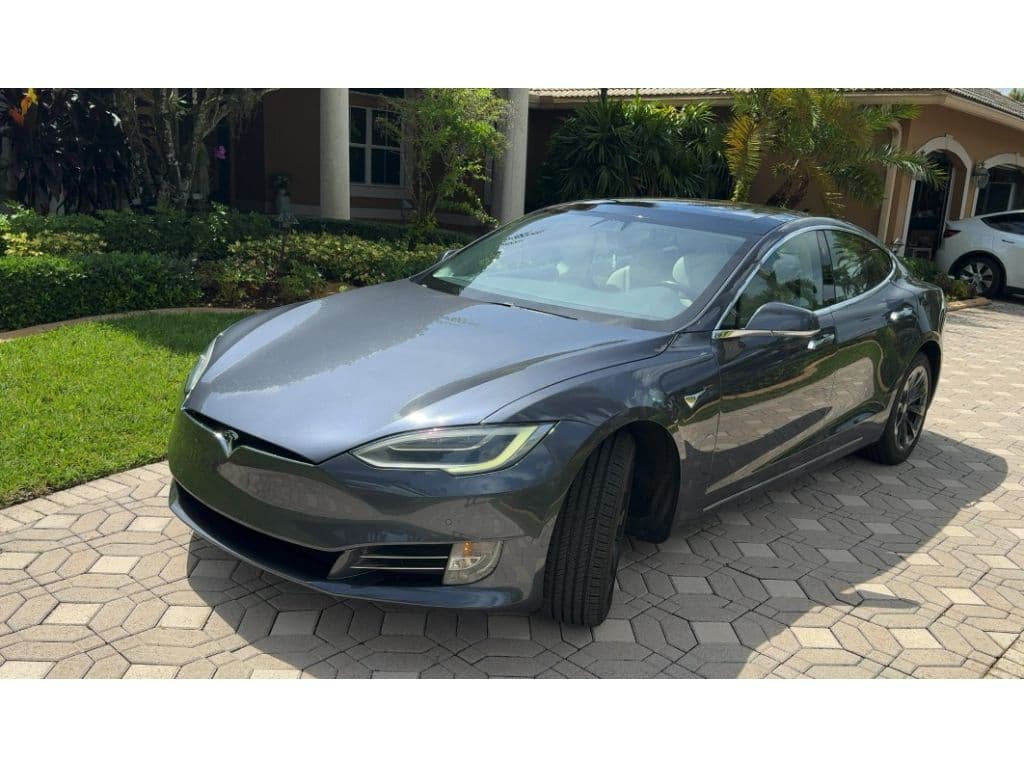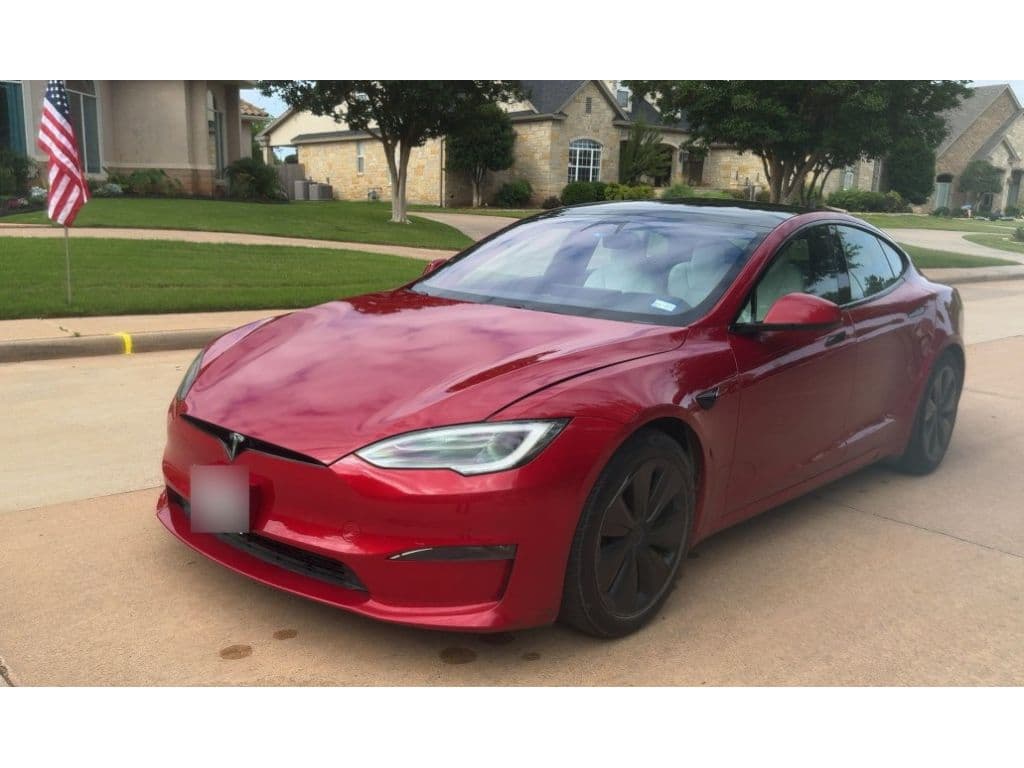
If you’re shopping for a used luxury EV, a 2018 Tesla Model S is probably high on your list. It was the flagship electric sedan of its day: long range, blistering acceleration, and that clean, minimalist interior anchored by a giant touchscreen. But it’s also eight model years old now, and buying one in 2026 means thinking hard about battery health, software support, and depreciation, not just 0–60 times.
Who this 2018 Model S review is for
Overview: Why the 2018 Model S Still Matters
By 2018, Tesla had already ironed out many of the rough edges from the early Model S years. The car had more mature software, widespread access to the Supercharger network, and the second‑generation Autopilot hardware that paved the way for today’s driver‑assist features. The 2018 Model S landed right before the big styling and interior changes that came in the 2021 refresh, which means you get the classic look with relatively modern tech.
2018 Tesla Model S at a Glance
The headline is simple: a well‑cared‑for 2018 Model S still delivers genuinely useful range and supercar‑grade performance for the money. The trade‑offs come in the form of aging infotainment hardware, mixed build quality, and the usual questions around an EV battery that’s been on the road for 6–8 years.
Key Specs and Trims: 75D, 100D, and P100D
In 2018, U.S. buyers mainly saw three Model S variants: 75D, 100D, and the high‑performance P100D. All are dual‑motor all‑wheel drive; the differences are battery size and tuning.
2018 Tesla Model S Trims Compared
Key specs for the most common 2018 Model S variants you’ll see on the used market.
| Trim | Battery (usable) | EPA range (mi) | 0–60 mph (approx.) | Top speed | Drive |
|---|---|---|---|---|---|
| 75D | ~72–75 kWh | 259 | 4.2 sec | 140 mph | AWD |
| 100D | ~95 kWh | 335 | 4.1 sec | 155 mph | AWD |
| P100D | ~95 kWh | 315 | 2.5 sec (Ludicrous) | 155 mph | AWD |
Exact numbers can vary slightly by wheel size, software, and test cycle, but this chart captures the big picture.
Shopping tip: 100D is the sweet spot
Performance and Driving Experience
You don’t buy any Model S to be slow. Even the 75D will outrun many sport sedans from the same era, and the P100D is the sort of car that makes passengers swear and reach for the armrest.
On‑Road Character by Trim
All quick, but they have different personalities.
75D: Quick & Calm
The 75D feels like a well‑sorted luxury sedan with a heavy right foot. Power is strong rather than shocking, and it’s ideal if you value comfort over bragging rights.
100D: Effortless Pace
The 100D pulls harder at highway speeds and suits long‑distance drivers. It’s quiet, composed, and deceptively rapid when you need to pass.
P100D: Ludicrous
With Ludicrous mode, the P100D launches like a roller coaster. It’s entertaining, but also hard on tires and can make the ride feel harsher on 21‑inch wheels.
Steering is light and a bit numb, but the car turns in eagerly, helped by a low center of gravity from that big battery pack. Air suspension was common and gives the 2018 Model S a supple ride in its standard setting, though the car can feel firm on optional 21‑inch wheels and low‑profile tires.
Watch those big wheels
Range and Charging: What You’ll See in the Real World
On paper, the 2018 Model S still looks impressive. The 100D was EPA‑rated around 335 miles of range, with the P100D at about 315 miles, and the 75D around 259 miles. On the highway at 70–75 mph, most owners see something closer to 200–270 miles depending on battery size, temperature, and driving style.
Real‑world expectations in 2026
- 75D: Think of it as a comfortable 170–210‑mile highway car today, depending on battery health.
- 100D: Still one of the best, 220–270 miles at typical U.S. highway speeds when healthy.
- P100D: Similar to 100D, but aggressive driving and sticky tires can eat into that range.
Those numbers assume a healthy pack and charging mostly to 80–90% for daily use.
Charging experience
- Home: On a 240V Level 2 charger (40–48 amps), you’re usually looking at an overnight 0–100% charge.
- DC fast charging: Access to Tesla’s Supercharger network is a huge plus, especially for road trips.
- Peak rates: Older Model S packs don’t always hit the newer Teslas’ charging speeds, so expect solid but not class‑leading fast‑charge performance.
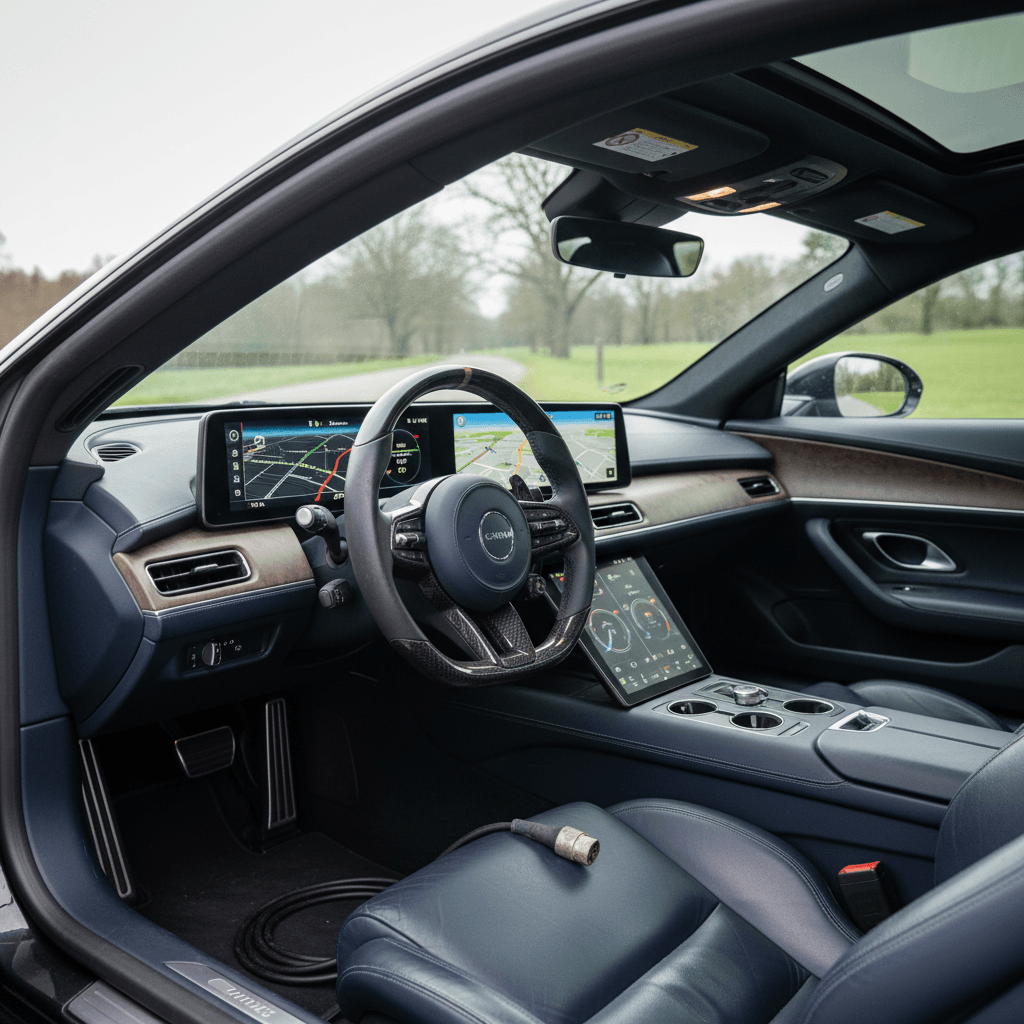
Supercharging access on a used Model S
Interior, Comfort, and Tech
Step inside a 2018 Model S and you’re greeted by a clean, almost Scandinavian take on luxury: simple lines, a low cowl for good forward visibility, and that enormous center screen. It feels airy and modern, even if the materials don’t always match traditional German luxury sedans in fit and finish.
2018 Model S Interior Highlights
The good, the bad, and the very big touchscreen.
Tech‑heavy cockpit
The 17‑inch touchscreen runs controls for climate, navigation, media, and vehicle settings. Over‑the‑air updates brought new features, but the older hardware can feel slower compared with Tesla’s latest screens.
Comfortable seating
Front seats are supportive for long drives. Optional rear‑facing jump seats turn the Model S into a 7‑seater for small kids, but they’re rare and best for occasional use.
Hatchback practicality
Because it’s a liftback, the 2018 Model S swallows luggage like a crossover. You get a roomy rear cargo area plus a front trunk for smaller bags or charging cables.
MCU and screen aging
Reliability, Battery Health, and Known Issues
By 2018, the Model S was more sorted than the pioneering 2012–2014 cars, but it still isn’t a set‑and‑forget appliance. Think of it as a high‑performance luxury car with a powerful computer bolted in the middle, fantastic when everything works, occasionally fussy when it doesn’t.
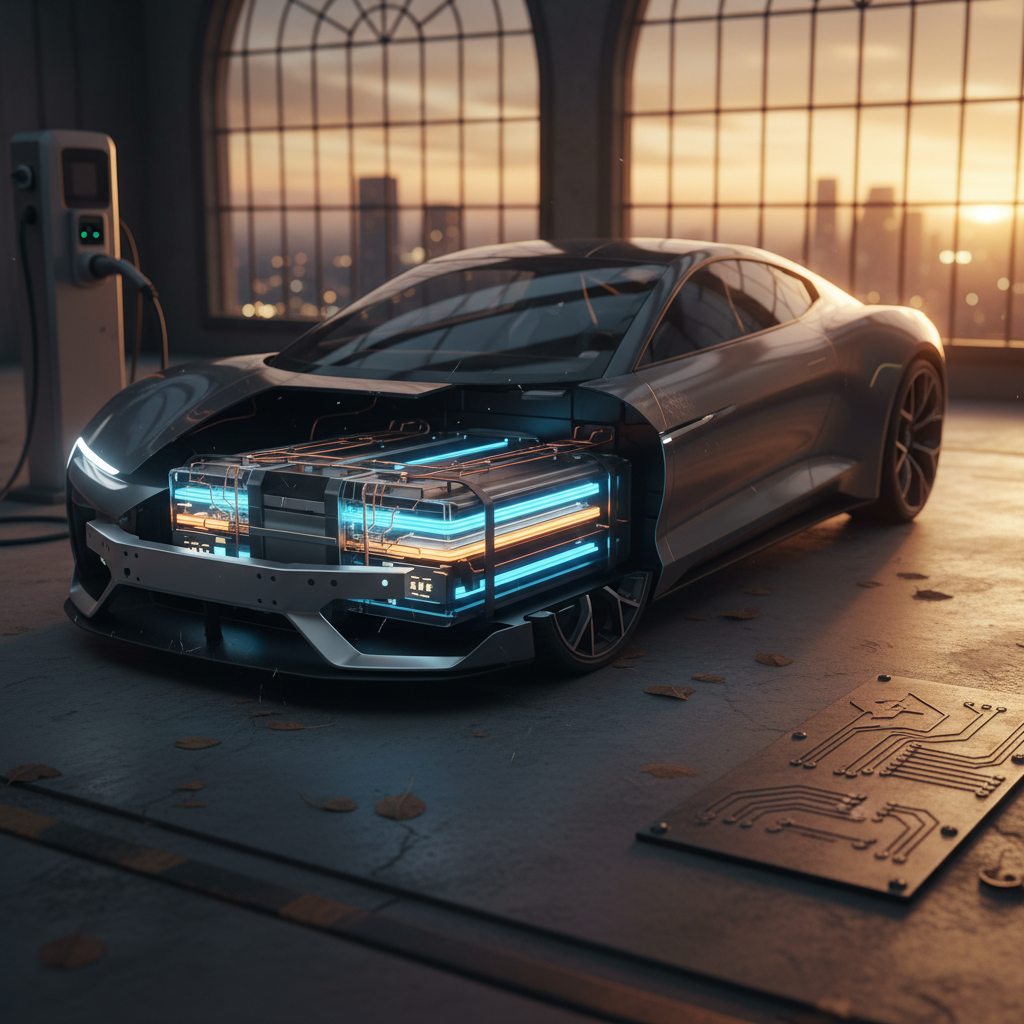
- Battery and range consistency: Overall pack reliability has been solid, but some owners report real‑world range not matching the displayed estimate, especially after years of fast‑charging or frequent 100% charges.
- Touchscreen and eMMC issues: The earlier media control units can suffer memory wear, leading to blacked‑out screens, lost backup camera, and other glitches. Many cars have already had updated hardware installed.
- Autopilot quirks: Lane‑keeping and adaptive cruise are impressive for the era but not infallible. Some owners have reported sudden braking or the car tracking poorly in complex situations, especially on older software.
- Build quality: Paint chips, panel gaps, and squeaks or rattles are more common than in rival German sedans, though many issues are cosmetic rather than mechanical.
Safety and driver‑assist mindset
Depreciation and Used Pricing in 2026
Luxury EVs depreciate faster than mainstream crossovers, and the 2018 Model S is no exception. Market data shows these cars have kept roughly around half of their original value after several years, which lines up with what we’re seeing across the used market today.
The 2018 Model S Value Story
In other words, you’re the one who benefits from the steep early‑years drop if you’re buying now. A used 2018 Model S can deliver flagship performance and long‑distance capability for less than many new compact crossovers, if you pick the right car.
2018 Model S vs. Newer EVs: How Does It Compare?
Where the 2018 Model S still shines
- Range: A healthy 100D can still out‑range many brand‑new EVs.
- Performance: Even the mid‑level trims pull hard; the P100D is in a different galaxy.
- Charging network: Access to Tesla’s Supercharger footprint remains a major advantage for road‑trippers.
- Space: Huge hatchback cargo area and an airy cabin make it road‑trip friendly.
Where it shows its age
- Infotainment hardware: Graphics and responsiveness lag behind Tesla’s newest systems and the latest from legacy brands.
- Driver aids: Newer EVs from Mercedes, BMW, and Hyundai offer smoother lane‑centering and smarter adaptive cruise behavior.
- Noise and refinement: The cabin isn’t as hushed as a current‑generation S‑Class or EQE.
- Warranty: Many 2018s are now out of basic warranty; battery and drive unit coverage may still apply depending on mileage and time.
Who should pick a 2018 Model S?
What to Look For When Buying a Used 2018 Model S
With any used EV, you’re really buying three things: the battery, the software, and whatever the previous owner did (or didn’t do) to maintain the car. Here’s how to stack the deck in your favor with a 2018 Model S.
2018 Model S Used‑Buying Checklist
1. Verify battery health
Check displayed range at 100% and compare it with original EPA range for that trim. A professional battery health scan, like the Recharged Score, gives you a much clearer picture than guessing from the dash.
2. Confirm MCU and screen status
Ask whether the car has had the infotainment recall or MCU upgrade. Test the touchscreen for lag, reboots, or dead spots, and make sure the backup camera and defrost settings work correctly.
3. Inspect for Autopilot hardware & options
Confirm which Autopilot hardware the car has (and which software options are actually enabled in the Tesla account). Don’t pay for "Full Self‑Driving" unless it’s clearly active and you truly want it.
4. Look underneath the glamour
Check for curb rash on big wheels, uneven tire wear, and suspension clunks over bumps. A quiet, straight‑tracking test drive tells you a lot about alignment and prior abuse.
5. Review service and recall history
Ask for Tesla service records and confirm there are no outstanding safety recalls. Pay attention to repeat complaints around the screen, door handles, or charging hardware.
6. Evaluate charging behavior
If possible, observe the car at a Level 2 charger or Supercharger. Slow ramp‑up or very low peak speeds can indicate pack wear or software‑limited charging.
Bring a specialist, virtually or in person
How Recharged Helps You Buy a 2018 Model S With Confidence
A used 2018 Tesla Model S can be an incredible car, or an expensive way to learn about EV diagnostics. This is exactly the gap Recharged is built to close.
Why Consider a 2018 Model S from Recharged?
We focus on battery health, transparency, and an easy buying process.
Recharged Score battery report
Every vehicle includes a Recharged Score Report with verified battery health and range insights, so you’re not guessing about pack condition, or stuck relying on a dash estimate.
Fair, data‑driven pricing
We benchmark each car against the market, factoring in mileage, options, battery diagnostics, and condition. That means transparent, fair market pricing from the start.
EV‑first buying experience
From EV‑savvy support and financing to trade‑ins, instant offers or consignment, and nationwide delivery, Recharged is designed to make owning a used Tesla as simple as ordering it online.
Ready to find your next EV?
Browse VehiclesIf you’d rather touch and feel before you click buy, Recharged also operates an Experience Center in Richmond, VA where you can see vehicles in person, talk through trims and range needs, and get honest answers about whether a 2018 Model S fits your life, or if another EV would be a better match.
FAQ: 2018 Tesla Model S
Frequently Asked Questions About the 2018 Model S
Bottom Line: Is a 2018 Tesla Model S Still Worth It?
The 2018 Tesla Model S sits at a sweet point in the car’s evolution: newer Autopilot hardware and mature software, but before prices and complexity climbed even higher. In 2026, it’s no longer the tech darling it once was, yet a good example still feels special every time you walk up to it, plug in, and pull away in near silence.
If you find a car with clean history, strong battery health, and up‑to‑date hardware, you’re getting one of the most capable long‑range EVs on the road for a fraction of its original cost. And if you’d rather not navigate all those variables alone, browsing 2018 Model S inventory that already includes a Recharged Score Report and EV‑specialist support can turn a complicated used‑EV decision into a confident one.