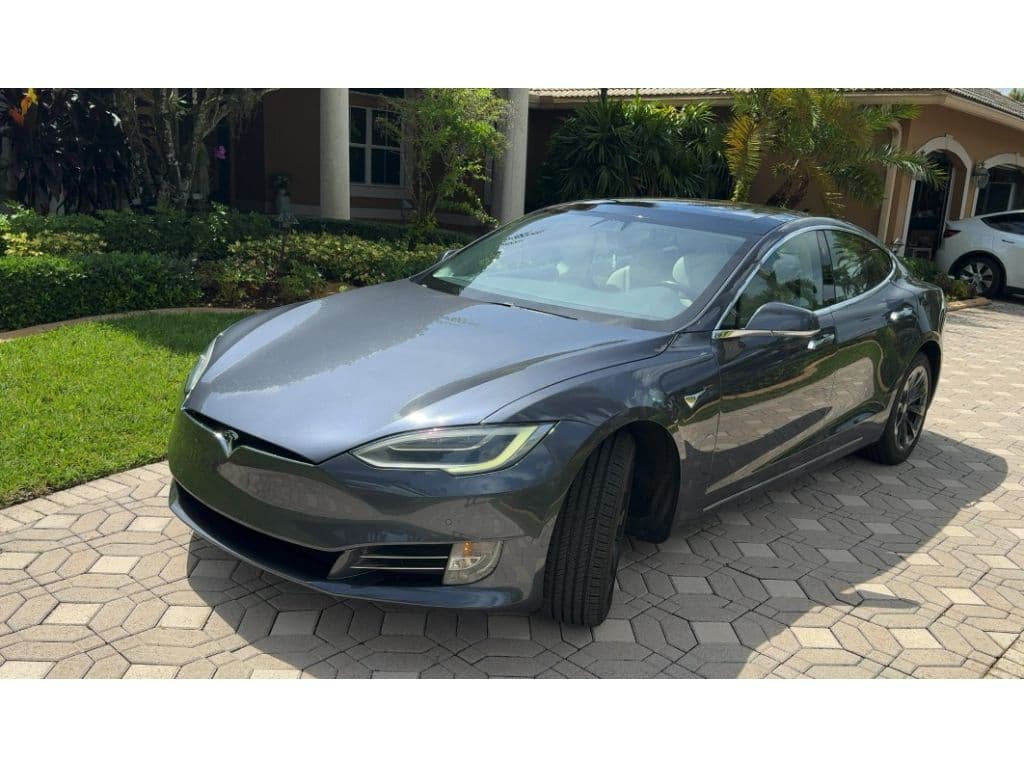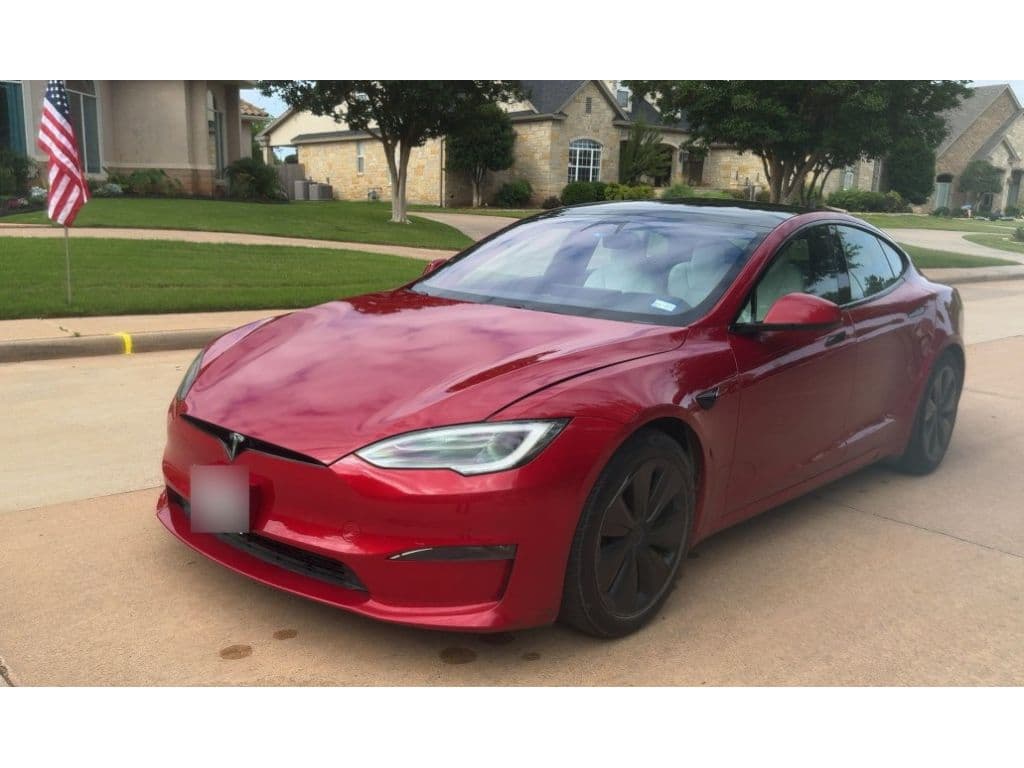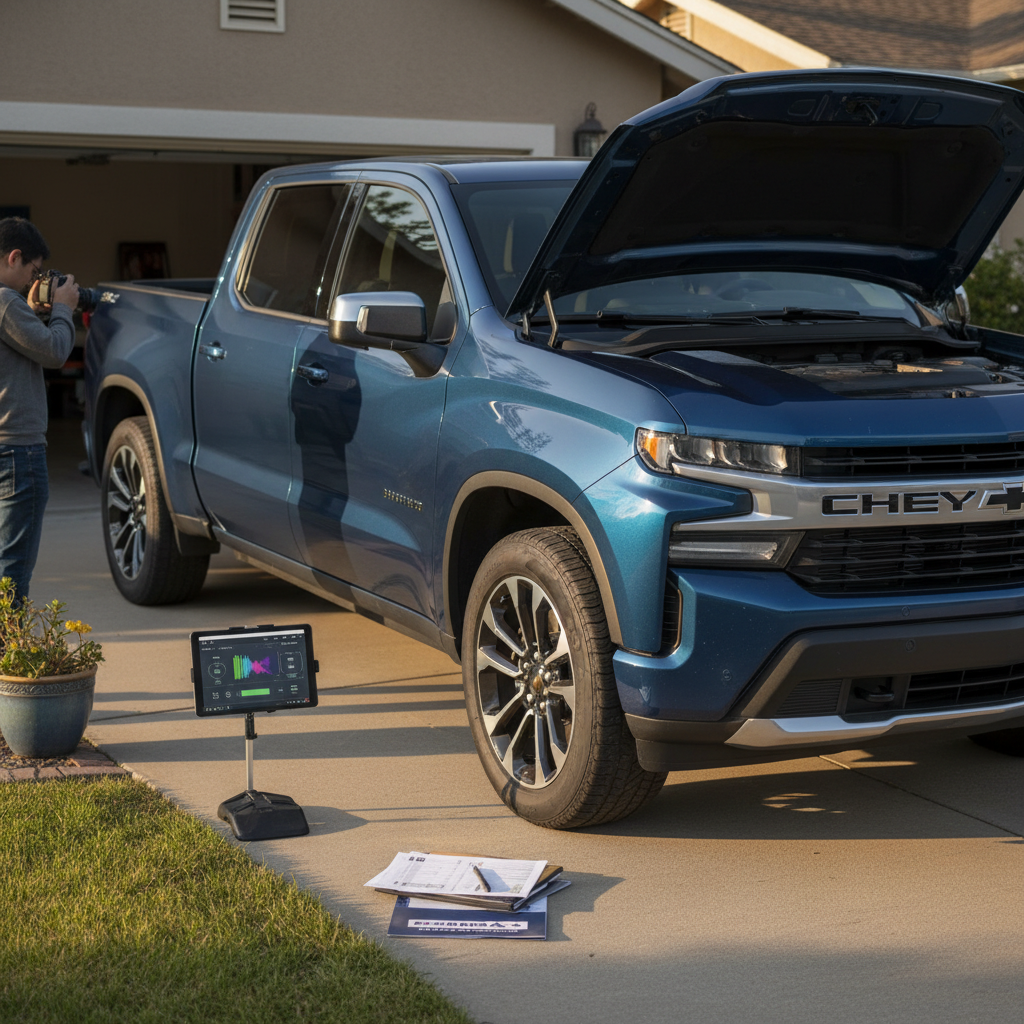
If you’re looking at a 2018 Tesla Model S, the big question isn’t just what the window sticker once said. It’s what kind of **real‑world range** you can count on today, after years of use, software updates, and battery aging. This guide pulls together lab numbers, independent tests, and what we know about Tesla battery degradation to give you a practical 2018 Tesla Model S range test you can use when you’re shopping, or sanity‑checking your own car.
Quick answer
Why 2018 Model S range still matters in 2026
The 2018 Tesla Model S was a landmark year for electric range. The **75D and 100D** trims both offered long legs compared with other EVs at the time, and even in 2026 they can out‑range many newer competitors. If you’re cross‑shopping used EVs, understanding how those original numbers translate into today’s real‑world range is critical for road‑trip planning and daily comfort.
- Longer‑range battery packs mean fewer charging stops on road trips.
- Tesla’s Supercharger network still gives the 2018 Model S a practical advantage over many rivals.
- Battery degradation is real, but typically modest if the car’s been treated well.
- Range is a key driver of resale value, strong range tends to mean stronger pricing.
Used‑buyer insight
2018 Model S range by trim: EPA vs real world
Tesla changed battery options frequently, but in 2018 the key U.S. trims were **75D**, **100D**, and **P100D**. Here’s how their official range numbers stack up against typical real‑world expectations when new.
2018 Tesla Model S range by trim (when new)
EPA ratings vs common real‑world highway range when the cars were new, before degradation.
| Trim (2018) | Battery | EPA rated range (mi) | Typical 65–70 mph range when new (mi)* | Typical 75 mph range when new (mi)* |
|---|---|---|---|---|
| 75D | ~75 kWh | 259 | 220–235 | 200–210 |
| 100D | ~100 kWh | 335 | 280–300 | 255–275 |
| P100D | ~100 kWh | 315 | 260–280 | 240–260 |
All range figures assume mild weather, 19‑inch wheels, and highway‑heavy driving.
About those 100D test numbers
Those gaps between EPA and real‑world numbers aren’t a Tesla problem; they’re an EV reality. Third‑party test programs across multiple brands routinely find **5–20% lower range** in mixed real‑world driving than in lab cycles. What matters is where the Model S lands against that backdrop, and it still stacks up very well.
Highway range testing: what 75 mph really looks like
Most U.S. buyers care about **interstate range at 70–75 mph**, not the last few miles in a lab cycle. Here’s a practical way to think about a 2018 Model S range test on the highway today, assuming a well‑maintained car.
2018 Model S highway range snapshots (healthy battery)
Approximate real‑world ranges for a car in good condition, starting from 100% and stopping around 5–10% state of charge.
75D – mild weather (60–75°F)
- Speed: Steady 70–75 mph
- Expected range now: ~190–220 miles
- Stop planning at: 150–180 miles for comfort
100D – mild weather
- Speed: Steady 70–75 mph
- Expected range now: ~230–270 miles
- Stop planning at: 190–230 miles
P100D – driven normally
- Speed: 70–75 mph, no repeated launches
- Expected range now: ~220–250 miles
- Stop planning at: 180–210 miles
Cold weather penalty
If you’re trying to validate a car’s health, a **simple out‑and‑back 75‑mph loop**, starting from 90–100% and ending around 10–15%, is far more useful than chasing every last mile to 0%. The goal is consistency and repeatability, not bragging rights.
How much range has a 2018 Model S lost by now?
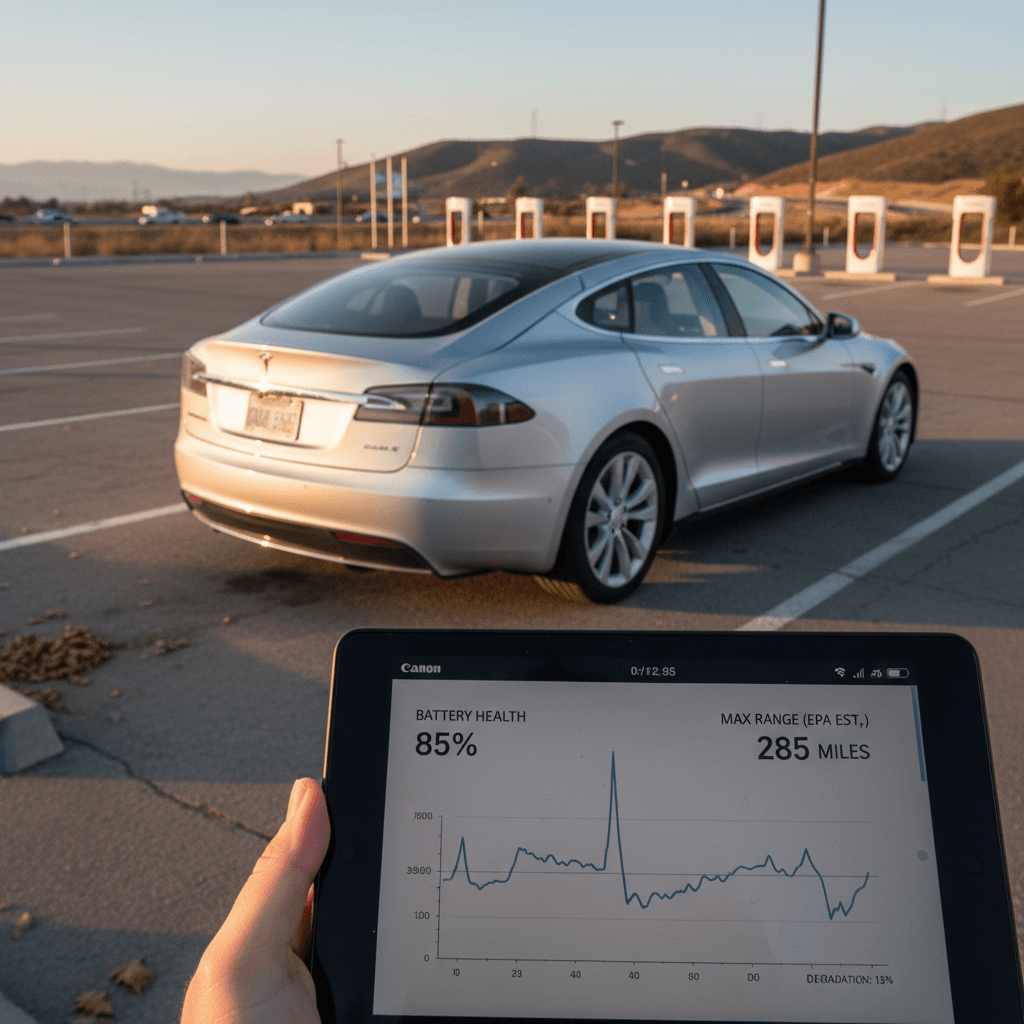
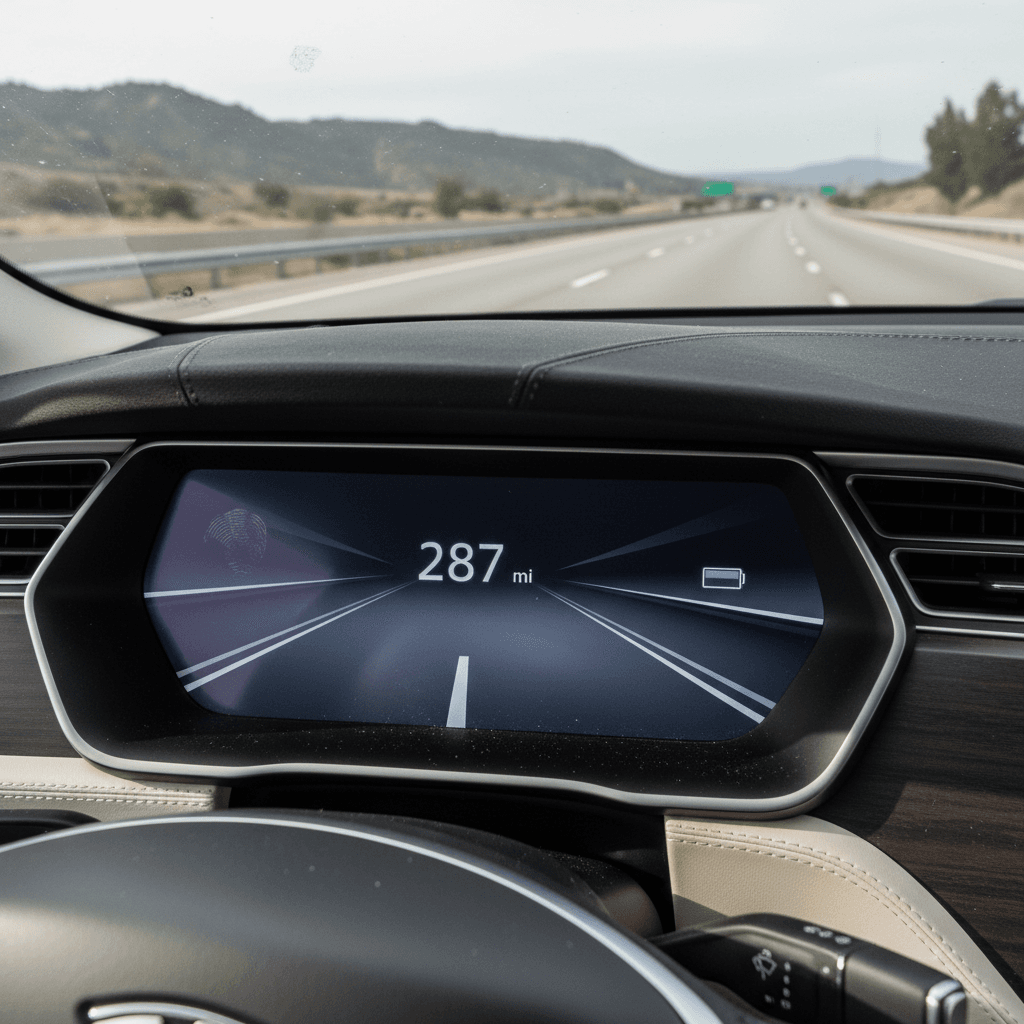
By 2026 a 2018 Model S is eight years old. The good news: Tesla’s large‑pack batteries in the Model S and X have generally aged well. Real‑world data suggests many cars retain **80–90% of original capacity** even past 150,000–200,000 miles, assuming reasonable care and moderate climates.
Typical 2018 Model S battery health in 2026 (rules of thumb)
In the real world, that means a **2018 Model S 100D** that started at 335 miles EPA might realistically show something like **285–305 rated miles** at 100% today if it’s healthy. A 75D that began around 259 miles may now sit around **215–235 rated miles**. Extreme climates or heavy fast‑charging can push those numbers lower; gentle use in mild weather can keep them on the higher side.
Warranty backstop
Conditions that can make or break your range
Range testing isn’t done in a vacuum. Your **climate, driving style, and wheel setup** can swing a 2018 Model S range test by dozens of miles either way. When you see big differences between two owners’ numbers, it’s usually these factors, not magic.
Factors that reduce range
- Cold weather: Cabin and battery heating can easily cost 20–35% on winter days.
- High speeds: Jumping from 65 to 80 mph can shave 15–25% off range.
- 21-inch wheels & sticky tires: Great for grip, not for efficiency.
- Strong headwinds & heavy rain: Extra aerodynamic drag hurts EVs more than most people expect.
- Roof racks & cargo boxes: Anything that disturbs airflow costs miles.
Habits that protect range & battery health
- Charging to 70–80% daily: Reserve 90–100% for trips, not every night.
- Letting the pack cool: Avoid fast‑charging immediately after long high‑speed runs when possible.
- Parking in shade/garages: Reduces thermal stress, especially in hot climates.
- Keeping software up to date: Efficiency tweaks and range‑estimation improvements arrive via OTA updates.
- Driving smoothly: The car rewards gentle throttle inputs with noticeably better consumption.
Red flag for used shoppers
How to run your own 2018 Model S range test
You don’t need lab equipment to do a meaningful range test on a 2018 Model S. What you want is a **controlled, repeatable drive** that shows how the car behaves on the kind of trips you actually take.
DIY 2018 Model S range test (about 2–3 hours)
1. Start with a full or near‑full charge
Charge to **90–100%**, note the displayed rated range, and record outside temperature, wheel size, and tire type. If you’re shopping a used car, take a quick photo of the screen.
2. Set up your route
Pick an out‑and‑back freeway loop with **light traffic** and few elevation changes. Aim for at least **80–100 miles total** so you can see meaningful consumption.
3. Lock in a steady speed
Use Autopilot or cruise control where safe to hold **70–75 mph**. Sudden bursts to 85+ mph will skew your results more than you might think.
4. Watch energy use, not just miles
On the Energy graph, select the **30‑mile or 15‑mile projection** and compare it to the rated range. A healthy 2018 Model S should keep projected and rated range within the same ballpark, not diverge wildly.
5. Drive down to 10–15%
You don’t need to hit 0%. Stopping around **10–15% state of charge** is enough to calculate real‑world miles from the portion of the pack you actually used.
6. Do the math
If you used, say, **70% of the battery** to drive **170 miles**, that implies a full‑pack range of about 243 miles (170 ÷ 0.7). Compare that to what you’d expect for that trim, climate, and age.
What “good” looks like
Shopping used: how to judge real‑world range
When you’re buying a used 2018 Model S, you’re not just buying a luxury fastback, you’re buying a **battery pack with a history**. Getting a handle on that pack’s current health is the difference between a great deal and a car that doesn’t fit your lifestyle.
Four simple range checks for a used 2018 Model S
You can do most of these during a standard test drive or remote video walk‑through.
Ask for a full‑charge photo
Take a short highway drive
Review charging history
Get an independent battery health report
How Recharged can help
2018 Tesla Model S range FAQ
Frequently asked questions about 2018 Model S range tests
Key takeaways for 2018 Model S range
- The **2018 Model S 100D** remains one of the strongest long‑range EVs on the used market, even after typical degradation.
- Expect **real‑world highway range** to be about **15–25% lower** than the original EPA numbers at 70–75 mph, and lower still in freezing weather.
- A healthy 2018 pack usually retains **80–90% of its original capacity** by year eight; significantly worse numbers deserve extra scrutiny.
- Simple DIY testing, backed by a **professional battery health report** when you’re serious about a purchase, can tell you far more than published specs alone.
- If you want a 2018 Model S but don’t want to guess on battery health, consider shopping through a retailer like Recharged that includes **independent diagnostics, financing, trade‑in options, and nationwide delivery** for used EVs.
If you approach the 2018 Tesla Model S with realistic expectations, a bit of math, and a willingness to look past the original EPA sticker, you can still end up with an EV that comfortably covers hundreds of miles between stops. Whether you’re testing your own car or shopping for a used one, focus on **how the car performs today**, not just how it performed in 2018, and let objective battery data guide your final decision.