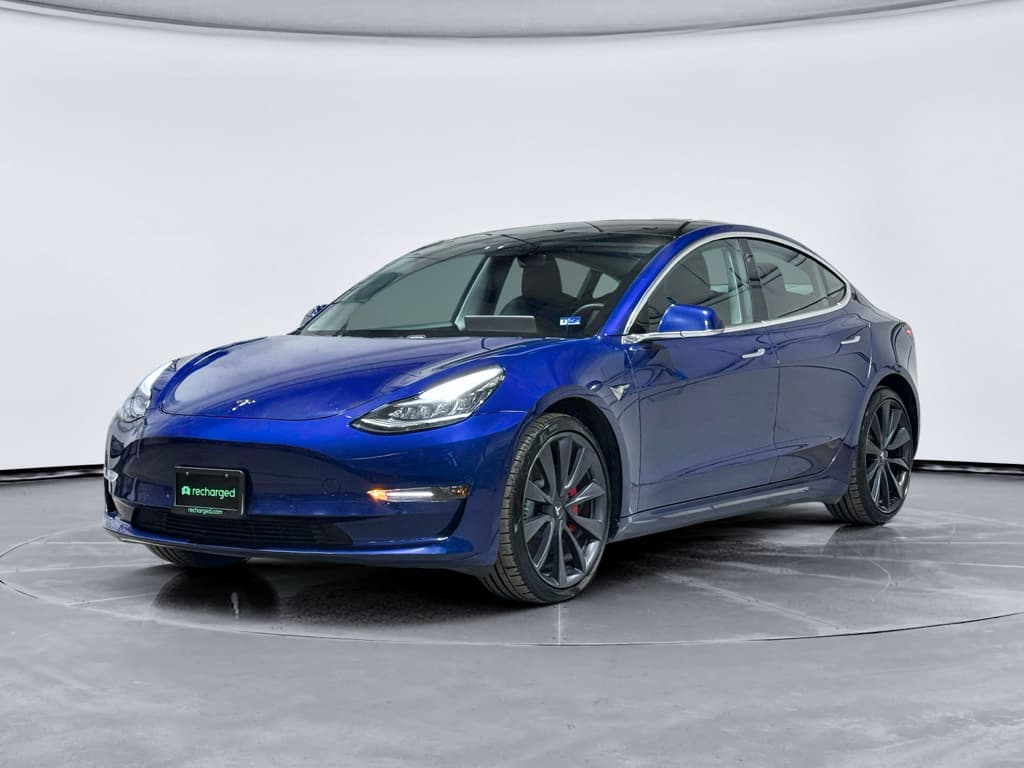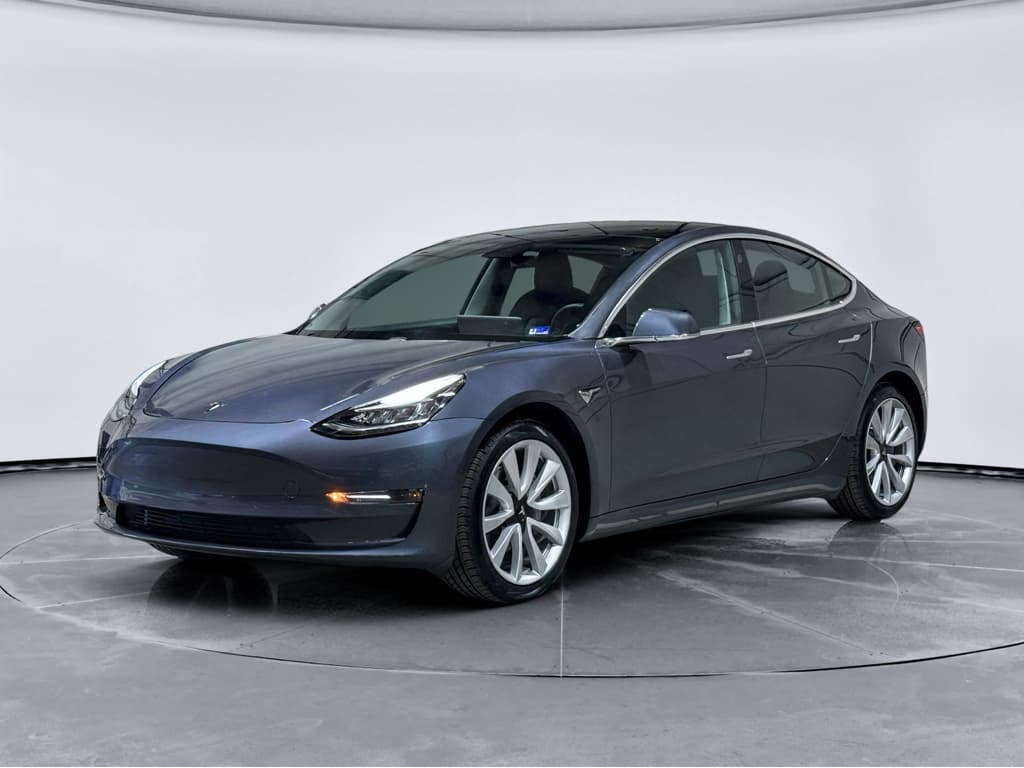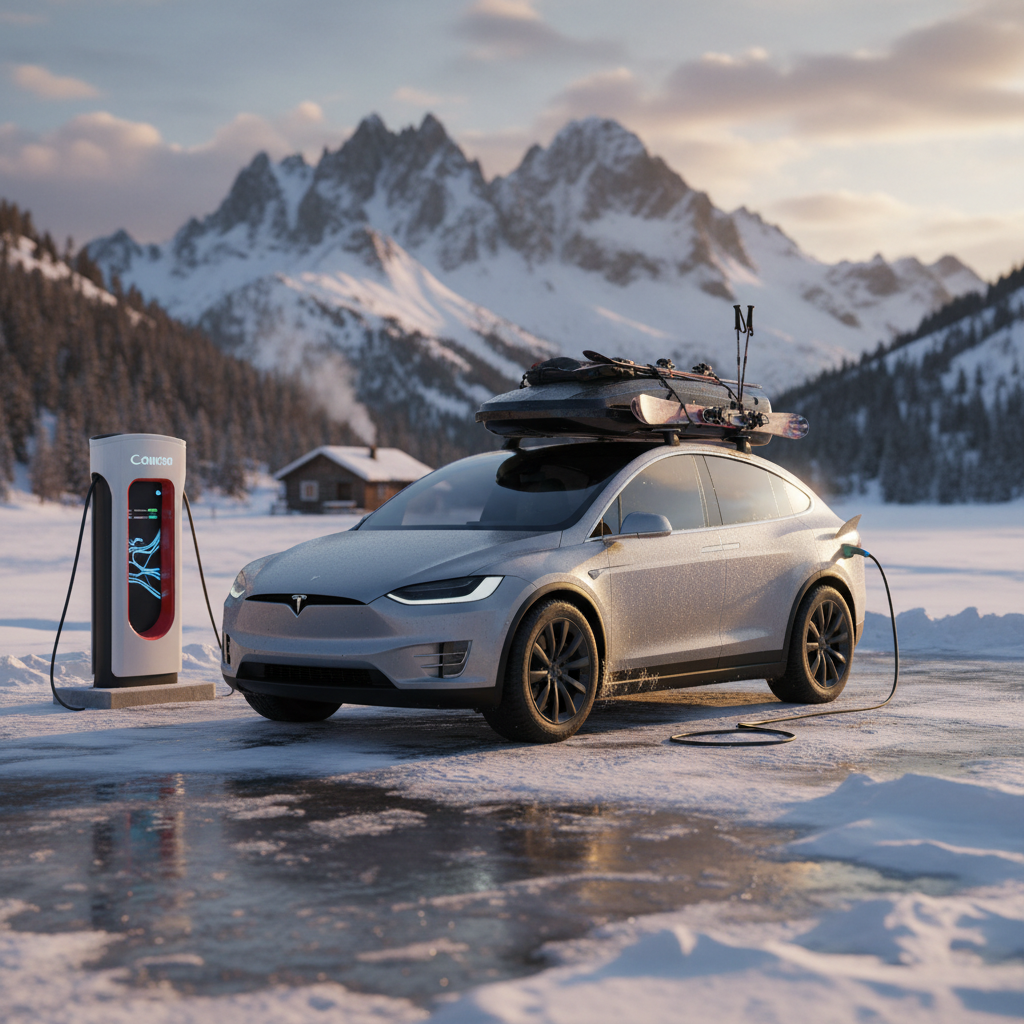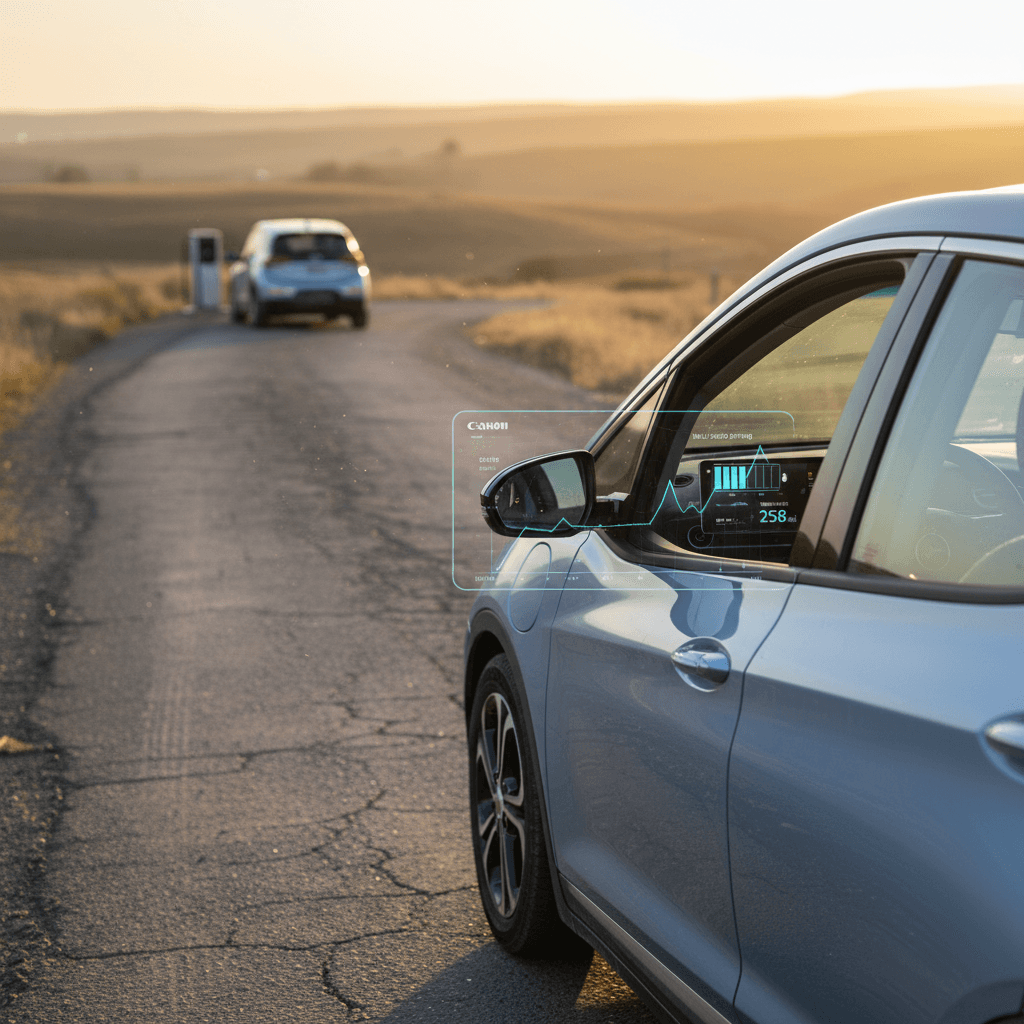
Search for “2018 Tesla Model 3 range test” today and you’ll find a mix of lab numbers, early impressions, and scattered owner anecdotes. Helpful, but incomplete, especially if you’re looking at a used 2018 Model 3 in 2026 and want to know: how far will this car actually go on a charge now?
Quick answer
Why 2018 Model 3 range still matters in 2026
The 2018 Tesla Model 3 Long Range was the car that made 300‑mile electric range feel mainstream. With a 75 kWh pack and an EPA rating of 310 miles, it set the benchmark for affordable long‑range EVs. For used shoppers today, that first wave of Model 3s is now 7–8 years old, squarely in the sweet spot for value, but only if the battery and range still hold up.
Range isn’t just a marketing number. It determines whether you can comfortably do a 200‑mile family visit without extra charging, how often you need public fast charging on a road trip, and how much cushion you have in winter. That’s why serious buyers go beyond the brochure specs and look for real‑world range tests and verified battery health data before signing anything.
2018 Tesla Model 3 range specs at a glance
2018 Tesla Model 3 Long Range: key numbers
Most 2018 Model 3s relevant to range discussions in the U.S. fall into three buckets:
- Long Range RWD (early 2018): 310‑mile EPA rating, single‑motor rear‑drive.
- Long Range Dual Motor (AWD, later 2018): also 310‑mile EPA rating, with higher performance and traction.
- Mid Range RWD (late 2018 into 2019): 62 kWh pack with about 260 miles EPA of range when new.
Pro tip on trims
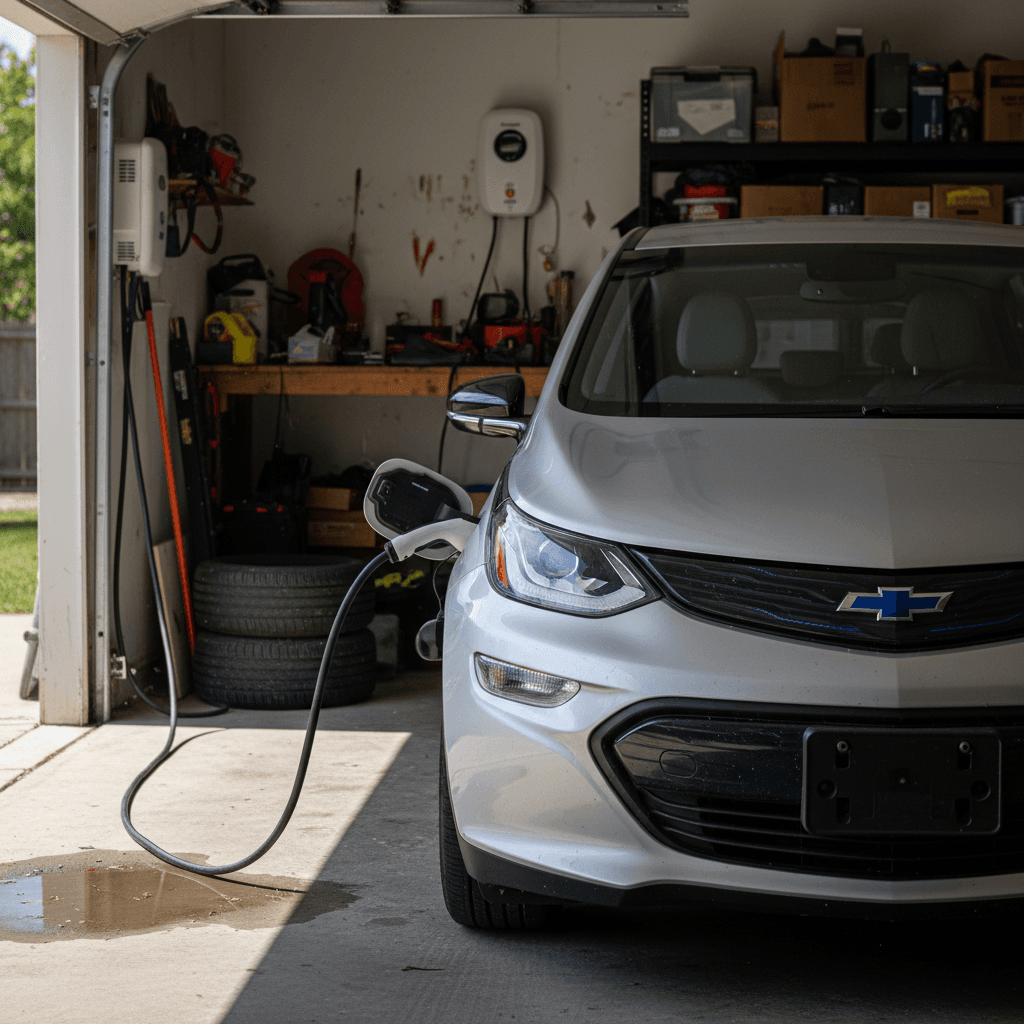
EPA vs. real‑world: 2018 Model 3 range tests explained
The headline number you see in listings, “310 miles of range”, comes from the U.S. EPA test cycle. It mixes simulated city and highway driving at moderate speeds in controlled conditions. It’s a useful apples‑to‑apples benchmark, but it’s not what you’ll see on a 75 mph interstate run in February.
What the EPA number tells you
- Relative efficiency vs. other EVs sold the same year.
- Combined city/highway driving at moderate speeds.
- Tested on a new car with a fresh battery.
- No heavy cargo, big wheels, or strong headwinds.
What real‑world tests add
- Highway‑only range at 70–75 mph.
- Cold‑ or hot‑weather performance.
- Impact of hills, passengers, and cargo.
- How an older battery actually behaves today.
When Car and Driver instrument‑tested an early 2018 Model 3 Long Range on a 75‑mph loop, they recorded roughly 200 miles of range, well short of the 310‑mile EPA rating. That test, however, was run at about 28°F on winter tires, conditions that can easily cut range by 20 percent or more compared with mild weather.
Don’t panic over one “200‑mile” result
Highway range test: what to expect from a 2018 Model 3 today
By 2026, a typical 2018 Model 3 Long Range has 60,000–90,000 miles and a handful of long trips behind it. That raises two big questions: how much capacity has the battery lost, and what does that do to real‑world highway range?
Approximate real‑world highway range for a healthy 2018 Model 3
Assumes Long Range battery, typical degradation, sea‑level terrain, and starting near 100% down to about 5–10% state of charge.
| Scenario | Speed | Weather | Estimated usable miles |
|---|---|---|---|
| Moderate highway commute | 65 mph | Mild (55–70°F) | 230–250 mi |
| Fast interstate cruising | 75 mph | Mild (55–70°F) | 190–220 mi |
| Winter highway driving | 65 mph | Cold (20–35°F) | 180–210 mi |
| Winter highway driving | 75 mph | Cold (20–35°F) | 160–190 mi |
| Mixed suburban & highway | Varied | Mild (55–70°F) | 240–270 mi |
These are estimates, not guarantees, your results will vary with wind, elevation, and driving style.
RWD vs. Dual Motor
If you’re test‑driving a used 2018 Model 3, pay less attention to the original window‑sticker number and more to current highway behavior: how quickly the percentage drops at 70–75 mph, how accurate the trip computer is versus miles actually driven, and whether the indicated full‑charge range feels consistent with the car’s age and mileage.
Winter and weather: how conditions hit your range
Weather is the wildcard in any 2018 Tesla Model 3 range test. The same car that comfortably covers 230 highway miles on a mild April day can struggle to clear 180 miles in January with snow tires and a headwind.
How conditions affect 2018 Model 3 range
Three big levers: temperature, speed, and wind/terrain.
Cold temperatures
Below ~40°F, the battery and cabin heat soak up energy.
- 20–30% hit is common in deep winter.
- Short trips suffer most; highway runs fare better.
Wind & hills
Headwinds and long climbs quietly eat range.
- Plan extra buffer in mountain regions.
- Tailwinds and net downhill can help.
High speeds
Aerodynamic drag rises with speed.
- Going from 65 to 80 mph can cut range by 15–25%.
- Staying near the flow of traffic pays off.
Winter range best practices
Battery degradation on 2018 Model 3s: what we’re seeing
Battery degradation is where used‑EV buyers get nervous, and where data helps. Real‑world owner reports from 2018 Model 3s with roughly 60,000–80,000 miles commonly show 10–15% capacity loss. That means a Long Range car that once displayed 310 miles at 100% might show something like 260–280 miles today on the dash.
That drop typically isn’t linear. Many Model 3 packs see a relatively quick slide of a few percent in the first couple of years, then a long plateau. Hard use, hundreds of DC fast‑charge sessions, frequent 100% charges left to sit hot, or constant high‑speed driving in extreme heat, can accelerate wear, but most 2018 packs appear to be aging more gracefully than early EV skeptics predicted.
Good news for used shoppers
How to run your own 2018 Model 3 range test
If you’re serious about buying, or you already own, an older Model 3, running a simple, controlled range test is the best way to cut through speculation. You don’t need lab equipment; just a safe route, time, and a bit of discipline.
DIY 2018 Model 3 highway range test
1. Start with a known state of charge
Charge to 90–100% at home or a Level 2 station. Note the indicated percentage and rated miles at departure. Use the same starting point for future tests so you can compare apples to apples.
2. Pick a simple highway route
Choose an out‑and‑back stretch of interstate or divided highway with consistent speed limits. Avoid huge elevation changes if possible. Set cruise control to a realistic speed (65–75 mph).
3. Log distance and energy
Use the trip meter to track miles driven and kWh used. Drive until around 10–15% state of charge, then turn back or stop at a fast charger. Record ending percentage and total miles.
4. Note conditions
Temperature, wind, rain/snow, passengers, cargo, wheel size, and HVAC use all matter. Write them down so you can interpret results later or repeat the test in different seasons.
5. Compare to expectations
If your healthy 2018 Long Range car only manages ~150 highway miles from nearly full to about 10% in mild weather, something may be off. If you’re seeing 190–230 miles in similar conditions, you’re in the expected band.
6. Repeat in another season
If you live with real winters, do one test in cold weather and one in spring or fall. You’ll learn exactly how much seasonal swing to expect from your specific car and routes.
Range test safety reminder
Used-buyer checklist: range & battery health questions
When you’re shopping a used 2018 Model 3, you don’t have to guess about range. The right questions and a short drive will tell you almost everything you need to know about the pack’s health and real‑world capability.
Questions to ask and checks to make
Ask for a recent full‑charge photo
A screenshot of the dash at 100%, showing the rated miles, gives a rough snapshot of remaining capacity. Compare it to the original 310‑mile rating for a Long Range car.
Review DC fast‑charging history
Heavy fast‑charging isn’t a deal‑breaker by itself, but frequent 100% DC sessions in hot climates can accelerate wear. Ask how the car was typically charged: home Level 2, workplace, or road‑trip fast charging.
Check software and firmware
Teslas rely on over‑the‑air updates for efficiency tweaks and battery management. Make sure the car is on a current software version and that there are no charging‑related warnings or limits.
Drive at highway speeds
On your test drive, include 10–15 minutes at 65–75 mph. Watch how quickly the percentage drops relative to actual miles covered. Abrupt drops or wildly optimistic predictions can be a red flag.
Scan for warnings
Look for any battery or charging alerts on the screen. A healthy 2018 Model 3 should have a clean bill of health in the service menu and no messages about reduced power or charging limitations.
Get a third‑party report if possible
A professional battery health report, like the <strong>Recharged Score</strong> included with every vehicle on <a href="https://www.recharged.com">Recharged</a>, uses diagnostic data to estimate remaining capacity and real‑world range more precisely than a glance at the dash.
How Recharged evaluates 2018 Model 3 batteries
Because range and battery health make or break the value of a used EV, every Tesla we list at Recharged goes through a battery‑focused diagnostic process before it ever hits the site.
Inside the Recharged Score for a 2018 Model 3
More than a guess at state of charge.
Pack health diagnostics
We use data from the car’s onboard systems, charging history, and range estimation to model remaining battery capacity versus when it left the factory.
Real‑world range estimate
You see more than a lab number. We provide an estimated usable range today under mixed driving, based on the car’s specific battery health, tires, and configuration.
Fair market pricing
That battery data flows into pricing. A 2018 Model 3 with stronger‑than‑average range is valued differently from one that’s been heavily fast‑charged and shows accelerated degradation.
Ready to find your next EV?
Browse VehiclesHow this helps you shop
FAQ: 2018 Tesla Model 3 range and testing
Frequently asked questions
Bottom line: Is a 2018 Model 3 still a good range bet?
If you strip away the marketing and look only at independent tests and owner data, the story is surprisingly consistent: a well‑cared‑for 2018 Tesla Model 3 Long Range still delivers genuinely useful real‑world range in 2026. You won’t see 310 miles at 75 mph in January, but a realistic 190–230 highway miles and 230–260 miles in mixed driving remain on the table for healthy cars.
For used shoppers, the key is to treat range like you’d treat an engine and transmission on a gas car: something to inspect and verify, not just assume. Run a simple range test, ask for charge history, and lean on tools like the Recharged Score to quantify battery health instead of guessing.
Do that, and a clean 2018 Model 3 can still be the car that turns your first EV into a no‑drama daily driver, and a confident road‑trip machine, even as it closes in on its first decade on the road.