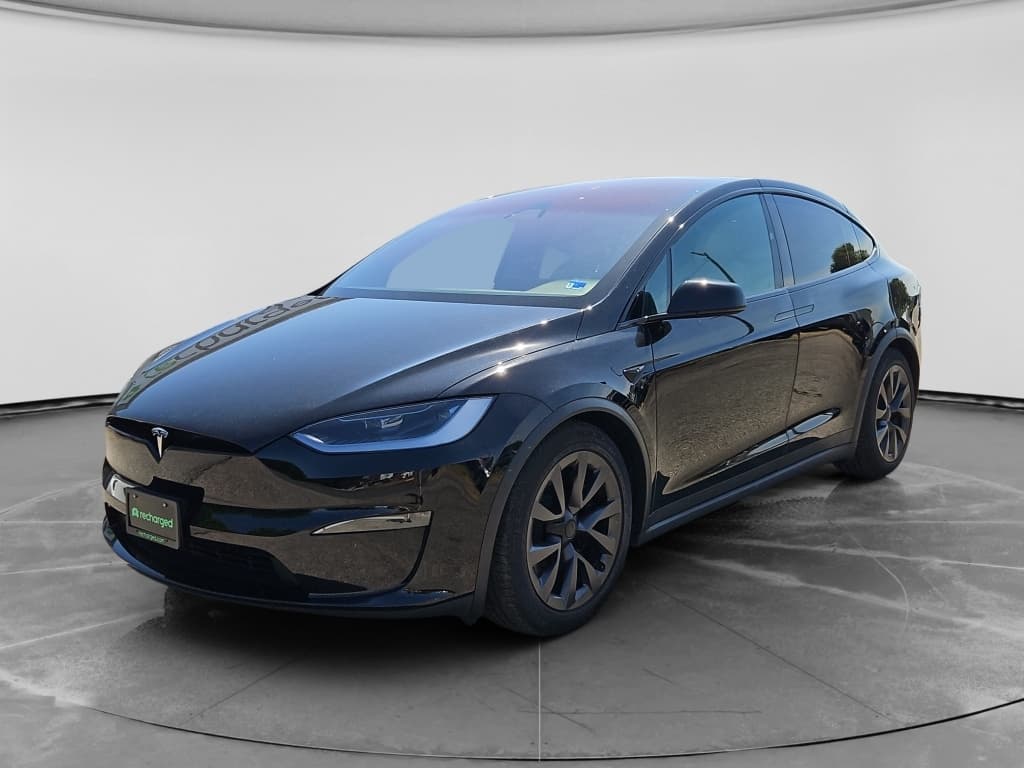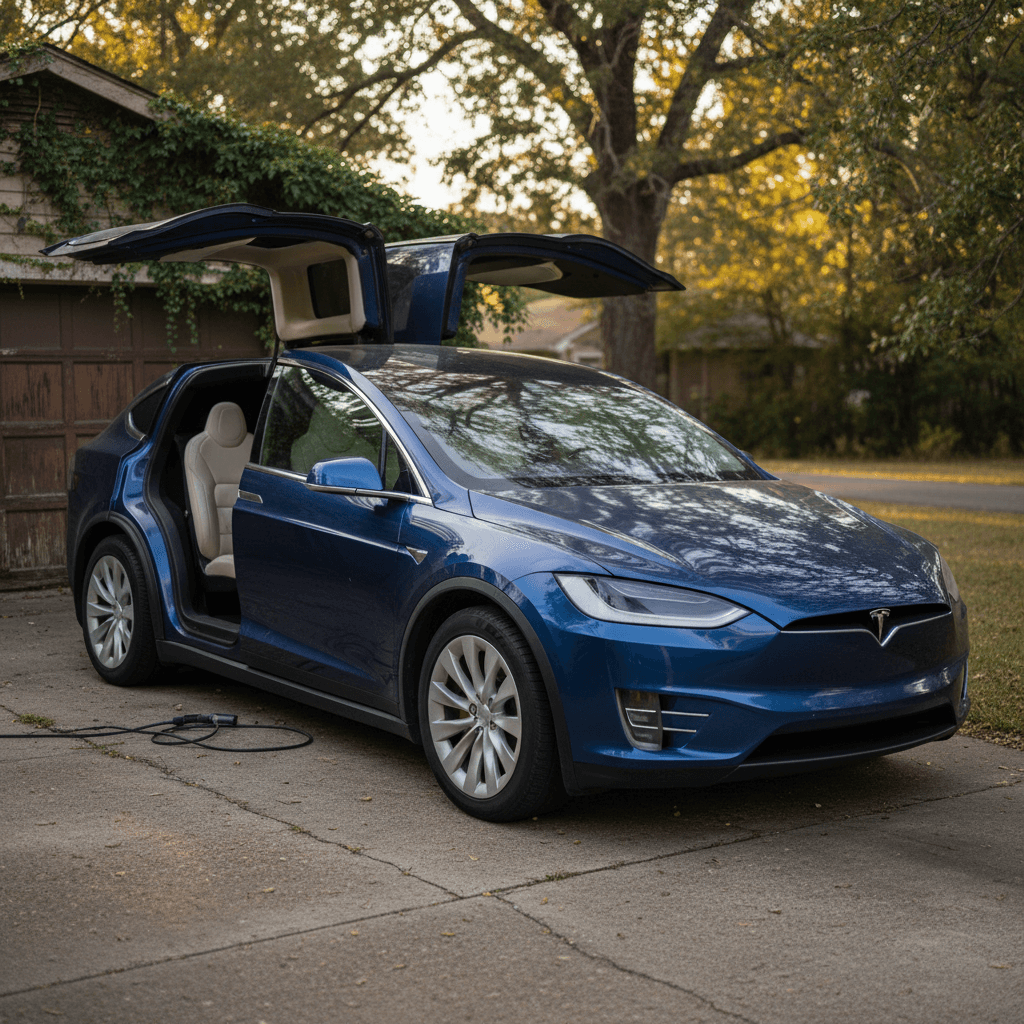
If you’re eyeing a used 2017 Tesla Model X, you’ve probably heard two very different stories: on one side, ecstatic owners raving about silent speed and spaceship vibes; on the other, horror stories about falcon‑wing doors, glitchy touchscreens, and suspension drama. The truth about 2017 Tesla Model X reliability lives somewhere in the middle, and that’s exactly where we’re going to park for this guide.
Snapshot: 2017 Model X Reliability
Overview: Should You Trust a 2017 Model X?
The 2017 Model X is the sophomore‑year version of Tesla’s wild, three‑row electric SUV. It’s past the very rough 2016 launch run, but it’s still early‑Tesla in a lot of ways. Mechanically and electrically, the powertrain is strong. The headaches tend to come from the parts that make the X special: its air suspension, electronics and those party‑trick rear doors.
- Pros for reliability: Simple electric drivetrain with few moving parts, strong owner satisfaction, fewer wear items than a gas SUV.
- Cons for reliability: Complex suspension hardware, high dependence on software and the central screen, unusual doors and latches that can act up.
- Reality check: A well‑cared‑for 2017 X can be solid. A neglected one can feel like you bought the beta test. Your inspection makes the difference.
Early‑Build vs Later‑Build 2017
Big-Picture Reliability: How the 2017 Model X Has Aged
What Owners Say About the 2017 Model X
Read through dozens of owner reviews and a pattern emerges. People who’ve lived with a 2017 Model X for 30,000–60,000 miles often describe it as the best car they’ve owned, with only a handful of repairs. Then you get the outliers, owners whose MCU died repeatedly, whose suspension arms wore prematurely, whose doors staged a coup in the parking lot. When reliability is good, it’s very good; when it’s bad, it can get expensive fast.
Use Reliability to Negotiate
Common 2017 Model X Problems to Know About
Before you buy, you should know the greatest hits of 2017 Tesla Model X problems. Not every SUV will have them, but these are the systems that deserve extra scrutiny on a test drive or pre‑purchase inspection.
Most-Discussed 2017 Model X Reliability Issues
Where you’re most likely to spend time and money
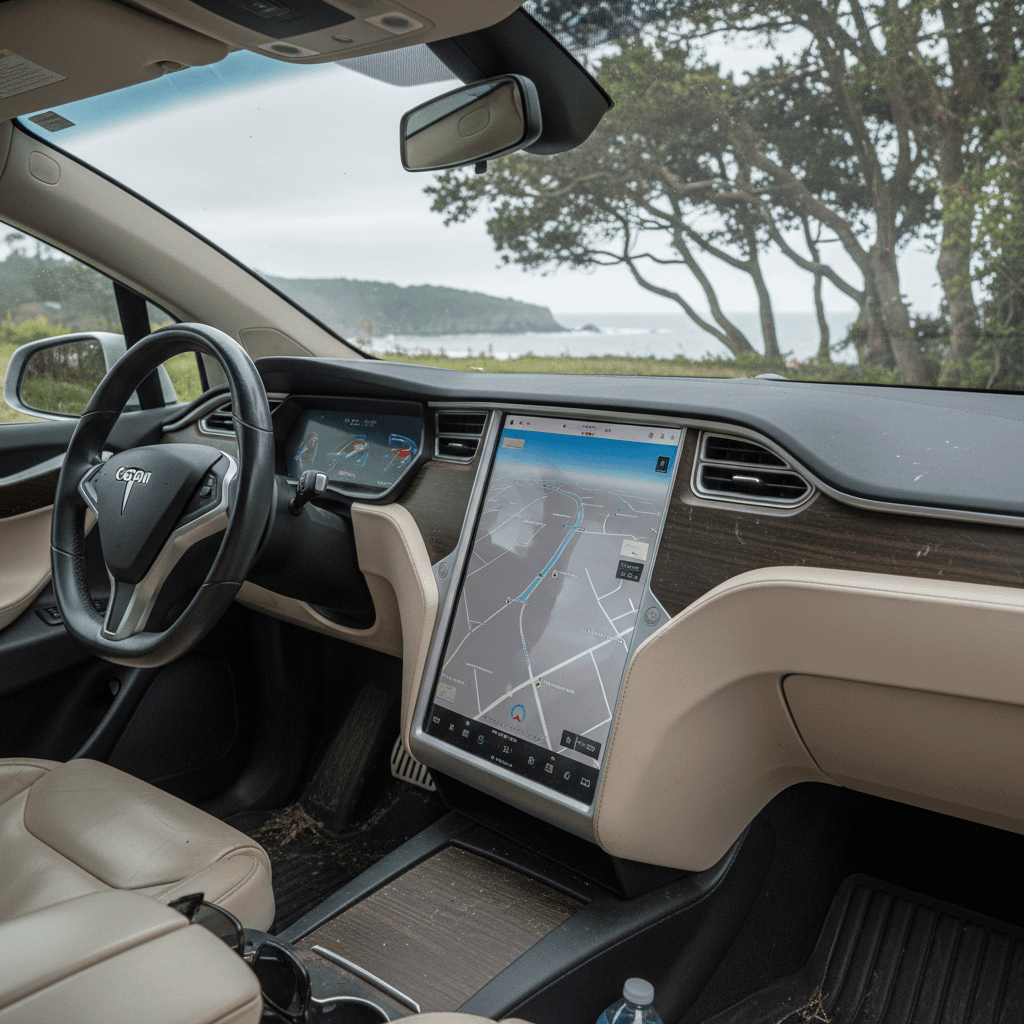
MCU / Center Screen (MCU1)
The early media control unit can suffer from flash‑memory wear. Symptoms include:
- Random black screen or reboots while driving
- Loss of backup camera and climate controls
- Laggy or frozen touchscreen
Many vehicles have already received updated hardware as part of Tesla repair programs, but you should always verify.
Front Suspension & Fore Links
There are documented complaints of front suspension fore links and ball joints wearing or even failing prematurely.
- Clunks or pops over bumps
- Uneven tire wear
- Steering that feels notchy or heavy
On a heavy EV with big wheels, worn parts show up quickly if the car has lived a hard life.
Falcon Wing & Front Doors
The X’s signature doors are also its signature headache:
- Misaligned or noisy operation
- Sensors falsely detecting obstacles
- Random refusal to open/close
Software updates helped, but hardware (latches, sensors, struts) still occasionally needs attention.
Steering & Control Issues
Owner complaints and investigations note rare but serious steering problems, usually tied to lower steering‑shaft U‑joints or electronic faults. Drivers describe the wheel getting unexpectedly heavy or the car dropping into park and throwing multiple system warnings.
Most 2017s will never do this, but if the steering effort feels inconsistent, walk away or get a very thorough front‑end inspection.
Weatherstripping, Trim & Misc. Bugs
On the cosmetic side, some 2017 Xs show wind noise from door seals, loose interior trim, or rattles from the hatch. These are more annoyances than safety issues but can be costly to chase at Tesla labor rates.
In many cases, mobile service can handle tweaks and seal replacements in your driveway.
Don’t Ignore Black‑Screen Behavior
Battery and Drivetrain Longevity
Here’s the good news: the parts that actually move the 2017 Model X, battery pack, motors, reduction gear, are generally the least of your worries. High‑mileage owners often report very little degradation and no major drivetrain failures, especially on stock‑power models driven reasonably.
- Battery degradation: Many 2017 Model X owners report remaining range in the ballpark of 90% of original after 5–8 years, depending heavily on climate and fast‑charging habits.
- Motors & gearboxes: Dual‑motor units on the X have proved robust. Failures do happen, but they’re rare compared with traditional transmissions in gas SUVs.
- Thermal management: The liquid‑cooled battery and motors like consistency. Cars from extremely hot or extremely cold climates deserve closer inspection of the coolant system and underbody for corrosion or damage.
Use Battery Health as a Buying Lever
Suspension and Ride Quality
The Model X is a big, tall, very heavy EV that still thinks it’s a sports car. That’s fun on an on‑ramp and hard on suspension pieces. Most 2017s use height‑adjustable air suspension, which adds both capability and complexity.
How to Evaluate a 2017 Model X Suspension
1. Listen for Clunks and Creaks
On a test drive, roll slowly over speed bumps and into driveways with the windows down. Any sharp clunks, metallic pops, or creaks from the front end deserve a shop’s attention.
2. Check Ride Height & Air Levels
Cycle between suspension heights if equipped. The car should raise and lower smoothly and evenly. Warning lights or lopsided stance can indicate air‑spring or compressor issues.
3. Inspect Tire Wear Patterns
Uneven shoulder wear on the front tires can point to worn control arms, fore links, or poor alignment that will quickly eat expensive rubber.
4. Feel the Steering
The wheel should feel consistent through its range of motion, no heavy spots, binding, or sudden changes in effort. Any weirdness here is a red flag.
Big Wheels, Bigger Bills
Falcon Wing Doors and Interior Hardware
The falcon‑wing doors are the Model X’s calling card, and the root of many early reliability complaints. By 2017, Tesla had smoothed out some of the worst teething pains, but you’re still dealing with a multi‑hinge, sensor‑laden system on each side of the car.
- Check full range of motion: Open and close both falcon‑wing doors multiple times in a tight space and an open lot. Watch for jerkiness, warning chimes, or doors stopping short.
- Look for water intrusion: After a wash or rainstorm, inspect headliner and seat bases for damp spots, especially around the rear doors and hatch.
- Test all latches and handles: That includes the powered front doors, trunk, and the automatic front‑door opening feature if equipped. Glitches here can be fixable via adjustment, or can require hardware replacement.
Good News: Software Helped
Software, Recalls, and Over-the-Air Fixes
One thing that sets Tesla apart is how much of the car runs on code, and how much of that code can be updated without a service visit. That’s great for safety recalls and feature additions, but it also means the 2017 Model X you’re looking at may behave very differently from how it did when new.
Notable Issues and Fixes Affecting 2017 Model X
Many fixes for the 2017 Tesla Model X have been delivered through software updates or targeted hardware campaigns.
| System | Issue | Typical Fix | Buyer Takeaway |
|---|---|---|---|
| Automatic Emergency Braking / FCW | False forward‑collision warnings or sudden braking in older software builds. | Over‑the‑air software updates from Tesla. | Make sure the vehicle is on current software and test AEB in a safe environment. |
| MCU / Center Screen | eMMC memory wear leading to black screen, loss of backup camera and controls. | MCU repair or replacement with updated hardware. | Confirm if MCU has already been replaced; factor cost in if it hasn’t. |
| Door Handles & Latches | Unexpected behavior or failure to open/close. | Software updates and, in some cases, hardware replacement. | Test every door and hatch repeatedly; intermittent issues still count. |
| Front Suspension Fore Links | Premature wear or failure of front suspension components. | Inspection, replacement with updated parts where applicable. | Ask for documentation of front‑suspension work; inspect for fresh parts and alignment printouts. |
Always run the VIN through Tesla and NHTSA tools to confirm recall completion.
How to Check Recall Status
Cost of Ownership and Depreciation
The 2017 Model X launched as a six‑figure status symbol in many trims. Today, it’s solidly in used‑luxury territory. That’s good news for you: depreciation has done a lot of the ugly work already.
2017 Model X Value & Running Costs Snapshot
If you’re buying out of warranty, assume that you’ll eventually pay for at least one “EV‑specific” repair: a screen, a suspension component, a door mechanism. The savings on fuel and routine service usually offset this over time, but only if you buy a good example up front at the right price.
Where Recharged Fits In
What to Check Before Buying a 2017 Model X
You don’t need to be an engineer to buy a reliable 2017 Model X, but you do need a process. Here’s a practical, street‑level checklist you can use whether you’re meeting a private seller or shopping fully online.
Used 2017 Model X Reliability Checklist
1. Pull Full Service & Repair History
Ask for Tesla service invoices and any independent‑shop records. Look for documentation of MCU work, suspension repairs, and door adjustments. Gaps in history aren’t always bad, but unexplained repeat visits are a warning sign.
2. Review Battery Health & Charging Habits
Check for a recent battery‑health report or use tools that estimate state of health from range at 100% charge. Ask how often the car DC fast‑charged versus home‑charged. High‑fast‑charge, high‑mileage highway cars deserve a lower price.
3. Test Every Door, Every Time
Cycle all doors, including falcon‑wings and the powered front doors, at least five times each. Try tight spaces, slopes, and different key/app methods. Intermittent issues often show up only after repeated use.
4. Drive a Varied Route
Include low‑speed parking lots, rough pavement, higher‑speed highway, and a few tight turns. Listen for suspension noises, feel for steering oddities, and watch for warning messages or screen glitches.
5. Inspect Tires, Brakes, and Underside
Uneven tire wear, mismatched tires, or chewed‑up inner shoulders can reveal alignment or suspension problems. If possible, have a shop put the car on a lift to inspect arms, bushings, and air‑suspension components.
6. Verify Recalls & Software
Confirm the car is up to date on safety recalls and running a current software version. A seller who can’t or won’t show this is handing you a red flag.
When to Walk Away
How Recharged Evaluates Used Tesla Model X SUVs
Because the 2017 Model X is both desirable and complex, it’s exactly the kind of EV that benefits from deeper vetting. That’s where Recharged’s used‑EV focus pays off.
The Recharged Approach to Model X Reliability
What happens before a Model X ever hits our site
Battery & Charging Diagnostics
We run specialized tests on the high‑voltage battery and charging system to generate a Recharged Score. You see real battery health, not just an odometer reading, and how that compares to similar Model X vehicles.
Road Test & System Scan
Our EV‑focused inspectors drive every Model X through a structured route while scanning for fault codes and monitoring key systems. That includes doors, AEB, Autopilot‑related hardware, air suspension, HVAC and more.
Transparent Reporting & Support
Every Recharged vehicle listing includes a clear report of findings, photos and pricing that reflects actual condition. If you have questions, EV‑specialist advisors are available to talk through trade‑offs, financing, and delivery.
Ready to find your next EV?
Browse VehiclesIf you already own a Tesla or another EV, Recharged can also help with trade‑ins, instant offers, and consignment if you’re planning to move into a Model X. That way, you’re not juggling private sales while trying to decode reliability forums.
FAQ: 2017 Tesla Model X Reliability
Frequently Asked Questions About 2017 Model X Reliability
Bottom Line: Is a 2017 Model X Worth It?
If you want a three‑row electric SUV that still feels like science fiction in 2026, a well‑chosen 2017 Tesla Model X is hard to beat. The drivetrain is stout, the range is still very usable, and the ownership experience, when the car is behaving, is uniquely satisfying. The catch is that reliability isn’t uniform. Some Xs have lived gentle, well‑maintained lives; others have bounced between service centers like a house cat between sunny windowsills.
Go in with clear eyes, a structured inspection, and realistic expectations about potential suspension, door, and MCU work. If that math still works for you, the 2017 Model X can be a compelling, relatively affordable gateway into full‑size EV luxury. And if you’d rather not roll those dice alone, consider shopping through Recharged, where every used EV gets a Recharged Score report, expert guidance, and a buying process designed for people who’d rather be driving than decoding service invoices.