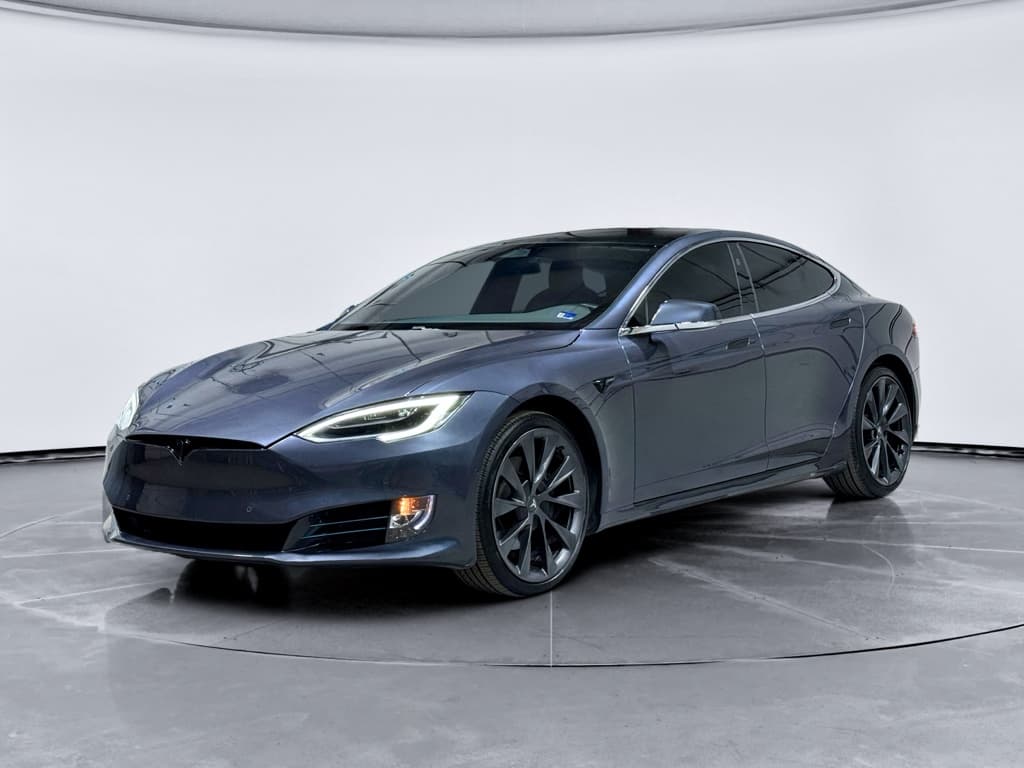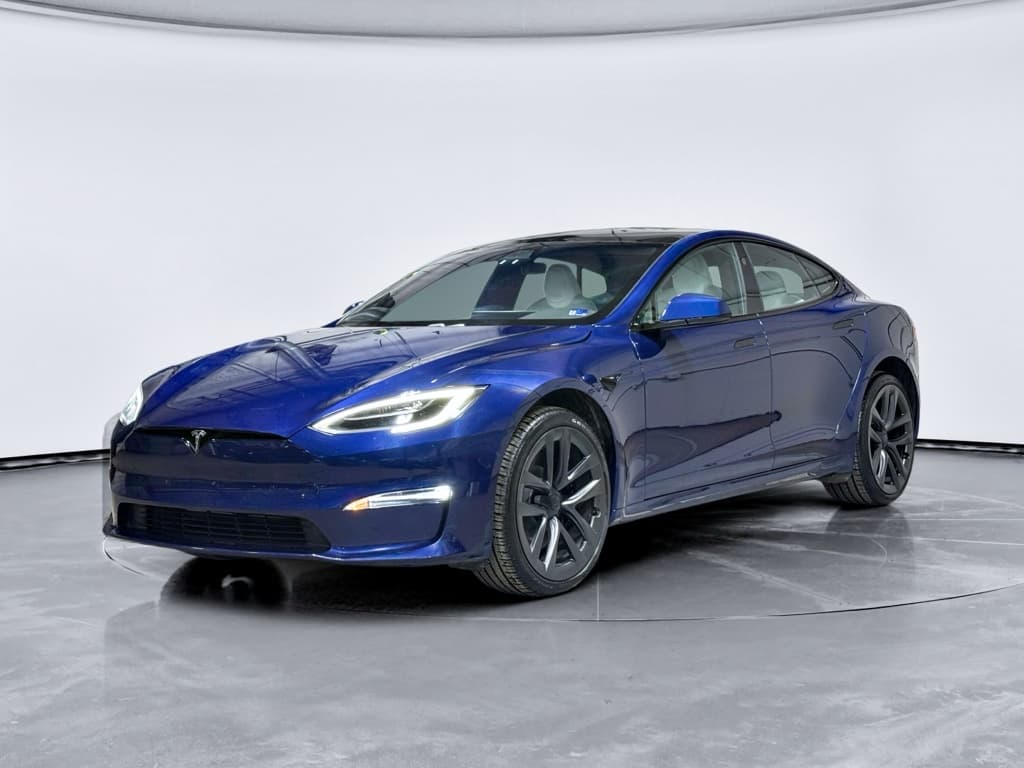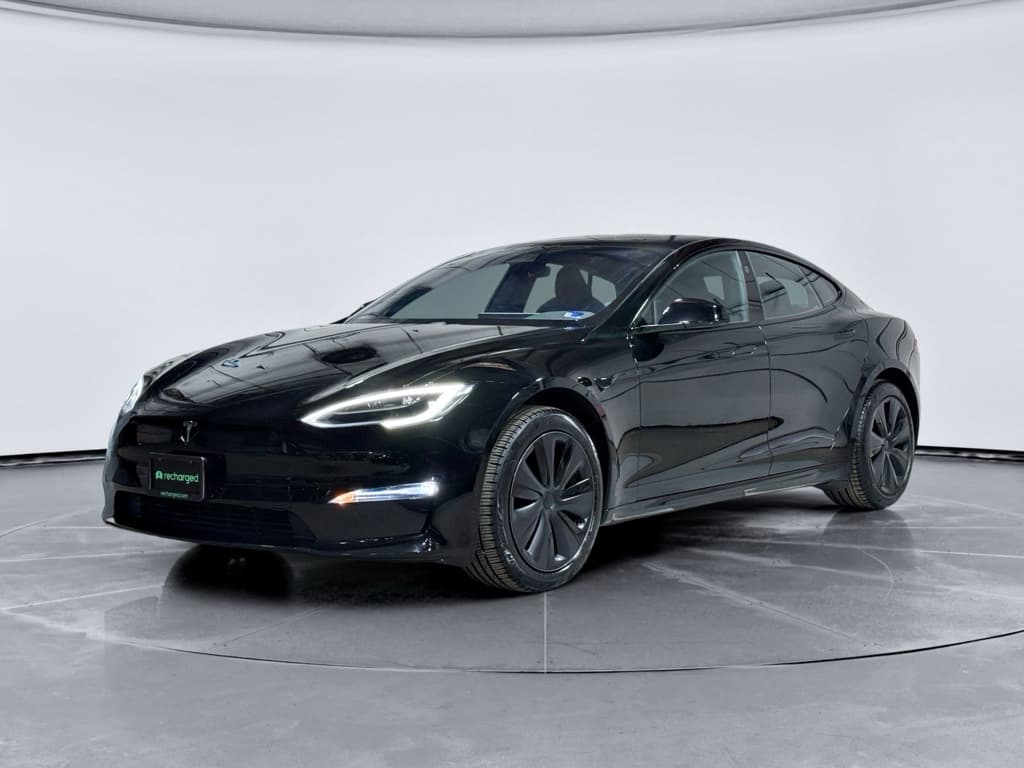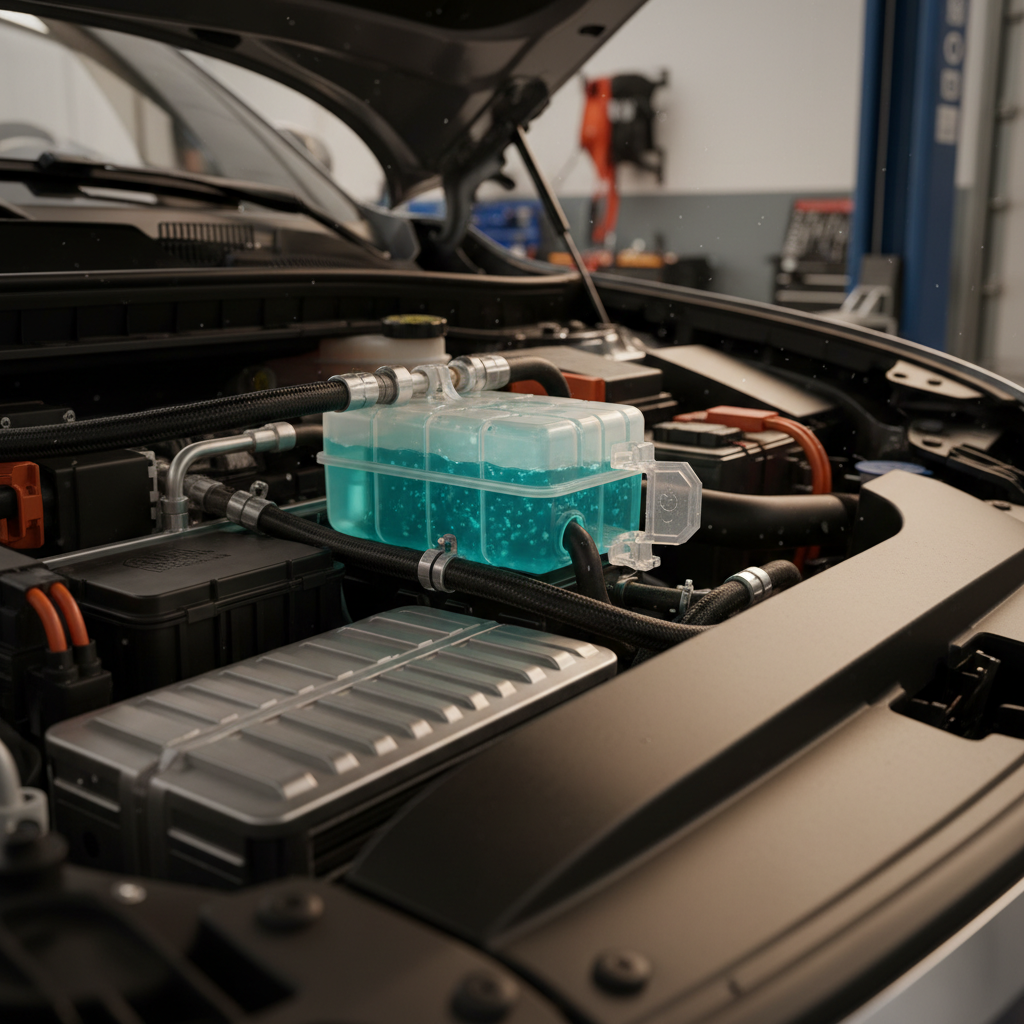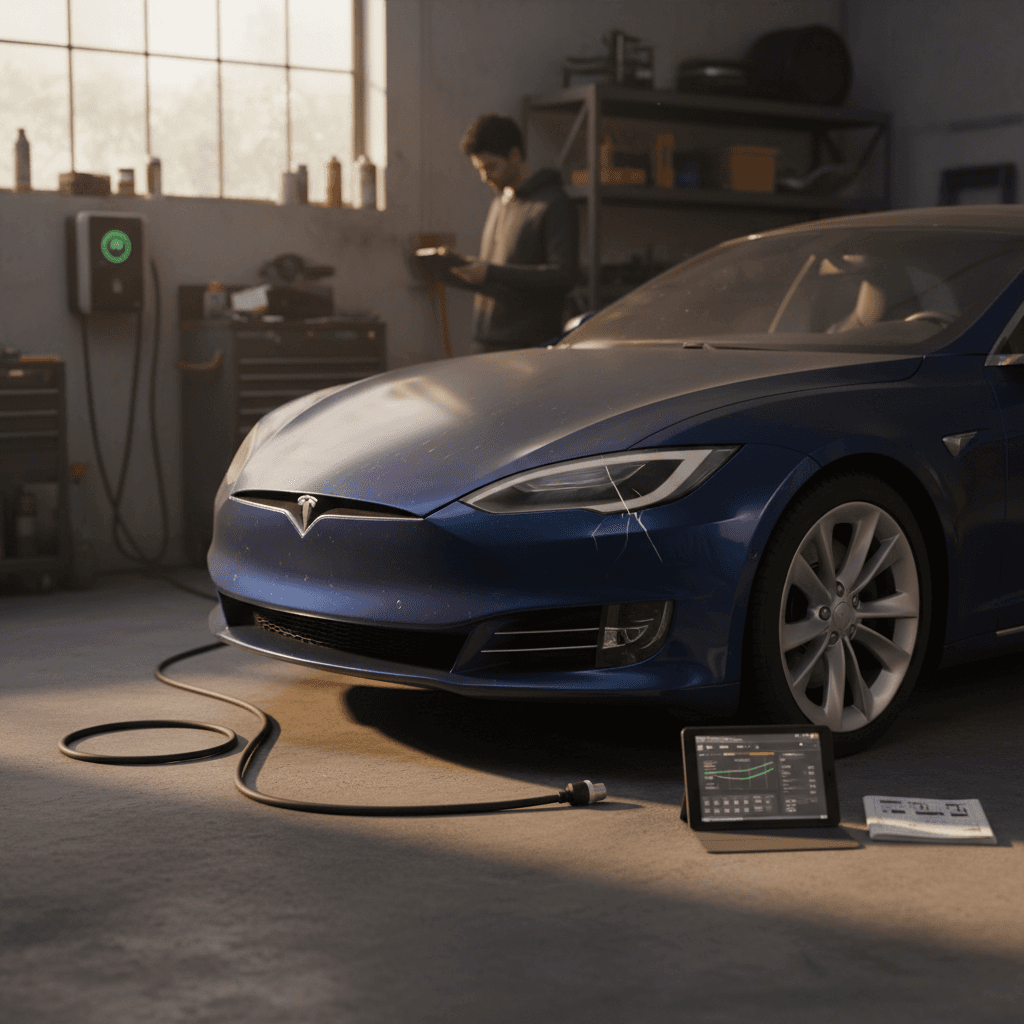
If you’re eyeing a used EV with serious performance and range, the 2017 Tesla Model S is probably on your shortlist. But before you write a check, you need a clear picture of **2017 Tesla Model S reliability**, not just marketing promises, but real‑world issues, repair costs, and how this nearly decade‑old luxury EV ages.
Big Picture
Overview: How Reliable is the 2017 Tesla Model S?
Broadly, the 2017 Tesla Model S sits in the **“good but not perfect”** reliability camp. On major auto sites that collect owner reviews, it scores around **4.6 out of 5 for reliability** and about **90% of owners say they’d recommend the car**, strong numbers for a complex, high‑performance EV of this age.
2017 Tesla Model S at a Glance
That mix tells you a lot. Most owners love the car and experience few serious failures, but **when something does go wrong, it tends to be pricey** and often electronics‑related. Your job as a buyer is to separate well‑cared‑for cars from the ones that may become your project.
Owner Satisfaction & Reliability Scores
What Owners Say About Their 2017 Model S
Strong satisfaction, a few recurring complaints
High overall satisfaction
On large consumer review sites, the 2017 Model S typically posts:
- Overall rating ~4.7 / 5
- Reliability rating ~4.6 / 5
- 90%+ of owners say they’d recommend the car
Comments often praise performance, comfort, and low day‑to‑day maintenance.
Why some owners complain
Negative or 3‑star reviews usually mention:
- Center screen / MCU failures
- Air suspension issues at higher mileage
- Out‑of‑warranty repair costs
- Fit‑and‑finish quirks vs. German luxury brands
Historically, independent testing groups have moved the Model S reliability rating up and down over the years. Around 2017 it was rated **“above average”**, but by 2020 concerns over **air suspension and central computer/touchscreen failures** pulled its score back toward average. The key point: **powertrain reliability is generally strong; ancillary systems are the risk.**
How to read those scores
Common 2017 Model S Problems & What They Cost
The 2017 Model S doesn’t have an engine, transmission, or exhaust system to worry about, which removes a lot of traditional failure points. But it does introduce its own set of **EV‑specific and Tesla‑specific issues**. Here are the big ones shoppers should understand.
2017 Tesla Model S: Common Problems Checklist
Focus your pre‑purchase inspection on these areas.
| System / Part | Typical Symptom | Approximate Out‑of‑Warranty Impact | Buyer Takeaway |
|---|---|---|---|
| MCU / Center Screen (MCU1) | Black screen, slow or frozen UI, loss of backup camera | $800–$2,500 depending on whether eMMC or full MCU is replaced | A known weak point on 2012–2018 S and 2016–2018 X; verify it’s been addressed. |
| HV Battery (75/90/100 kWh) | Noticeable range loss, charging errors, HV warnings | $12,000+ for full pack replacement; $0 if under battery warranty | Catastrophic failures are rare; focus on capacity, not just that it “charges.” |
| Air Suspension (if equipped) | Uneven ride height, compressor noise, suspension warnings | $1,000–$3,000 for compressor, air struts, or valve block | Listen for compressor and look for sagging corners after parking. |
| Door Handles (2nd‑gen design) | Handle doesn’t present, intermittent operation | Several hundred dollars per handle if out of warranty | 2017 uses the updated design, but individual failures can still happen. |
| Autopilot Sensors / Cameras | Warnings, unreliable lane‑keeping, phantom braking | Software updates often free; hardware repair varies widely | Test Autopilot and review any service history related to cameras/sensors. |
| 12V Battery & Misc. Electronics | Random warnings, won’t power on, system glitches | $200–$400 for 12V battery; more for control modules | Age‑related and not unique to Tesla, but still worth checking service records. |
Severity and cost vary widely with warranty coverage and who performs the repair.
Why electronics matter more on a Tesla
Battery Life, Degradation & Range on a 2017 Model S
Battery longevity is the heart of any EV reliability discussion. The good news: long‑term data from large owner fleets suggests the **Model S typically loses only about 5–10% of usable capacity by 100,000 miles**, with many cars still holding 70–80% capacity around 200,000 miles. That’s competitive with, and often better than, other early‑generation EVs.
What affects a 2017 Model S battery
- Climate: Hotter regions accelerate degradation; identical cars in Phoenix vs. Portland can show nearly double the loss over ~100k miles.
- Fast charging habits: Frequent DC fast charging (Supercharging) heats the pack and can add wear over time.
- State‑of‑charge habits: Daily charging to 70–80% and avoiding long periods at 0% or 100% helps preserve capacity.
- Mileage & age: Both calendar age and miles matter, this is a 9‑year‑old car now.
Realistic range expectations in 2026
- A well‑cared‑for 2017 Model S 75/90/100D may retain 80–90% of original range.
- Expect some high‑mileage cars to be closer to 70–80% of original EPA range.
- Cold weather can temporarily knock another 10–30% off in winter.
- Battery replacements are rare but extremely expensive out of warranty, so verify health up front.
Smart way to judge battery health
Autopilot, MCU Failures & Electronics Issues
The 2017 Model S was built in the thick of Tesla’s rapid software and hardware evolution. That’s exciting from a tech standpoint, but it also means **electronics reliability is as important as mechanical reliability**.
- MCU1 (Media Control Unit) & eMMC wear: Early Model S/X vehicles, including 2017, used an NVIDIA Tegra‑based MCU with an 8 GB eMMC chip that can literally wear out after enough data writes. When it fails, you can lose the center screen, backup camera, and access to many settings. Tesla has offered extended coverage and updated parts, but not every car has had the work done.
- OTA software updates: Over‑the‑air updates can improve features and fix bugs, but they also mean the car’s behavior can change over time. Verify that the car is on a current, stable software version and that there are no persistent update failure messages.
- Autopilot hardware variability: Depending on build month and options, a 2017 Model S might have AP1 or early AP2 hardware. Some owners report more quirks with early AP2 cars (camera calibration, lane‑keeping consistency). A thorough test drive on a limited‑access highway is essential.
- Instrument cluster & minor modules: Occasional reports include dimming clusters, Bluetooth issues, or quirky parking sensors, usually annoying more than catastrophic, but still worth checking.
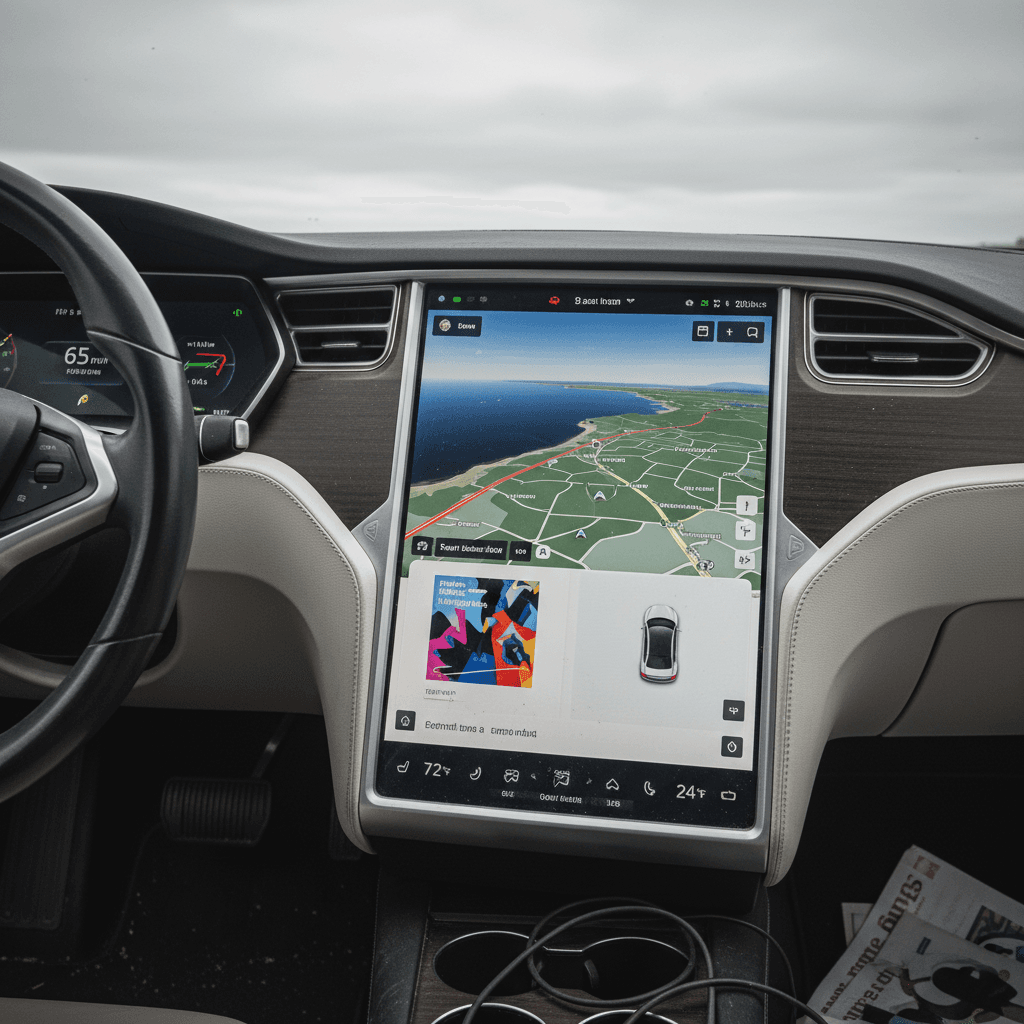
MCU red flag
Suspension, Brakes, Door Handles & Body Hardware
Electronics grab the headlines, but **chassis and body hardware** determine how pleasant, and how expensive, day‑to‑day ownership will be on a 2017 Model S.
Key Non‑Battery Reliability Hotspots
Not deal‑breakers, but worth inspecting carefully
Air suspension wear
Many 2017 Model S cars were built with air suspension. Over time, owners report:
- Leaky air struts causing the car to sag after parking
- Noisy or overworked compressors
- Warning messages about ride height
Repairs can run $1,000–$3,000+ if multiple components are involved.
Tire & alignment
High torque and weight mean the Model S can be hard on tires, especially at the rear. Some owners note:
- Fast inner‑edge rear tire wear
- Need for more frequent alignments
Inspect tires for uneven wear and budget for quality replacements.
Door handles & seals
Earlier Model S years (2014–2016) are at the center of current lawsuits over allegedly defective door handles. Tesla revised the design by 2017, but:
- Individual handle failures still occur
- Repairs can be several hundred dollars per handle
- Worn seals can lead to wind noise or minor leaks
Crash safety vs. reliability
Maintenance, Running Costs & Warranty Considerations
Compared with a German V8 luxury sedan of the same era, a 2017 Model S often delivers **lower day‑to‑day running costs**. There are no oil changes, spark plugs, timing belts, or transmission fluid services, and many owners report years of use needing only tires, wipers, cabin filters, and washer fluid.
Typical ongoing costs
- Electricity vs. fuel: Depending on your rates, home charging usually undercuts premium gasoline dramatically.
- Tires: Expect premium, high‑load tires and somewhat shorter lifespans, especially on performance trims.
- Brake wear: Regenerative braking means pads and rotors can last a long time if the car is driven smoothly.
- Routine service: Cabin air filters, brake fluid checks, and alignment, no rigid "every 5k" schedule like gasoline cars.
Warranty landscape in 2026
- Most 2017 cars are out of their basic 4‑year/50k‑mile warranty.
- The Tesla battery and drive unit warranty is typically 8 years with a mileage cap (often 150,000 miles, depending on pack and configuration).
- As of 2026, some 2017 cars may still have battery/drive unit coverage, but many will not.
- Extended warranties on used Teslas are limited and sometimes expensive, factor that into your budget.
Where Recharged fits in
Ready to find your next EV?
Browse VehiclesHow to Shop a Used 2017 Tesla Model S Safely
You don’t need to be an engineer to buy a 2017 Model S confidently, you just need a structured approach. Here’s a practical, reliability‑focused game plan.
Pre‑Purchase Reliability Checklist for a 2017 Model S
1. Pull service history and recall status
Ask for Tesla service records and verify the car is current on recalls and recommended campaigns. Pay special attention to MCU/eMMC replacements, air suspension work, and any high‑voltage battery interventions.
2. Get a professional battery health report
Use a third‑party or marketplace that can access pack data, not just dashboard range. A Recharged Score battery diagnostic, for example, estimates remaining capacity, fast‑charge frequency, and flags stored fault codes.
3. Stress‑test the electronics
On the test drive, cycle the center screen multiple times, test HVAC, seat heaters, backup camera, audio, Bluetooth, navigation, and all steering‑wheel controls. Any lag, rebooting, or dead features are reliability red flags.
4. Evaluate Autopilot calmly
If equipped, test Autopilot on a clearly marked, limited‑access highway. Note lane‑keeping, lane changes, and how confidently the system handles curves. Ensure there are no persistent warnings or disengagement messages.
5. Inspect suspension, tires, and brakes
Look for uneven tire wear, listen for clunks or hissing from the air suspension, and check that the car sits level after being parked. A quick independent shop inspection can catch issues you might miss.
6. Test every door handle and window
Open and close every door several times. Handles should present and retract smoothly; windows should move without binding or unusual noises. Any inconsistency now may become a repair bill later.
7. Confirm remaining battery/drive unit warranty
Use the in‑car menu or Tesla account info to confirm in‑service date and current mileage against Tesla’s 8‑year battery and drive unit warranty. A year or two of remaining coverage can significantly de‑risk the purchase.
Consider total cost, not just price
When a 2017 Model S Is (and Isn’t) a Good Buy
When a 2017 Model S makes a lot of sense
- You want long range and strong performance at used‑car prices.
- You’re comfortable with Tesla’s tech‑forward, software‑heavy approach.
- You can charge at home and occasionally use Superchargers.
- The specific car has a clean battery health report, a documented MCU fix, and no major suspension issues.
- You value lower routine maintenance versus a comparable gasoline luxury sedan.
When you should be cautious, or walk away
- The car shows rapid range loss or inconsistent charging behavior.
- The center screen is glitchy and there’s no record of MCU/eMMC work.
- Multiple suspension warnings, uneven ride height, or harsh clunks are present.
- Service history is thin, missing, or the seller is evasive about previous repairs.
- You’re highly risk‑averse and plan to keep the car well beyond any remaining battery warranty.
Bottom line on 2017 Model S reliability
FAQ: 2017 Tesla Model S Reliability
Frequently Asked Questions
The 2017 Tesla Model S isn’t a perfect car, but it is a pivotal one, a long‑range, high‑performance EV that’s now reachable on the used market. If you respect its complexity, verify its battery and electronics health, and lean on expert resources like the Recharged Score, you can enjoy the benefits of a flagship EV with a clear view of the reliability picture before you ever plug in at home.