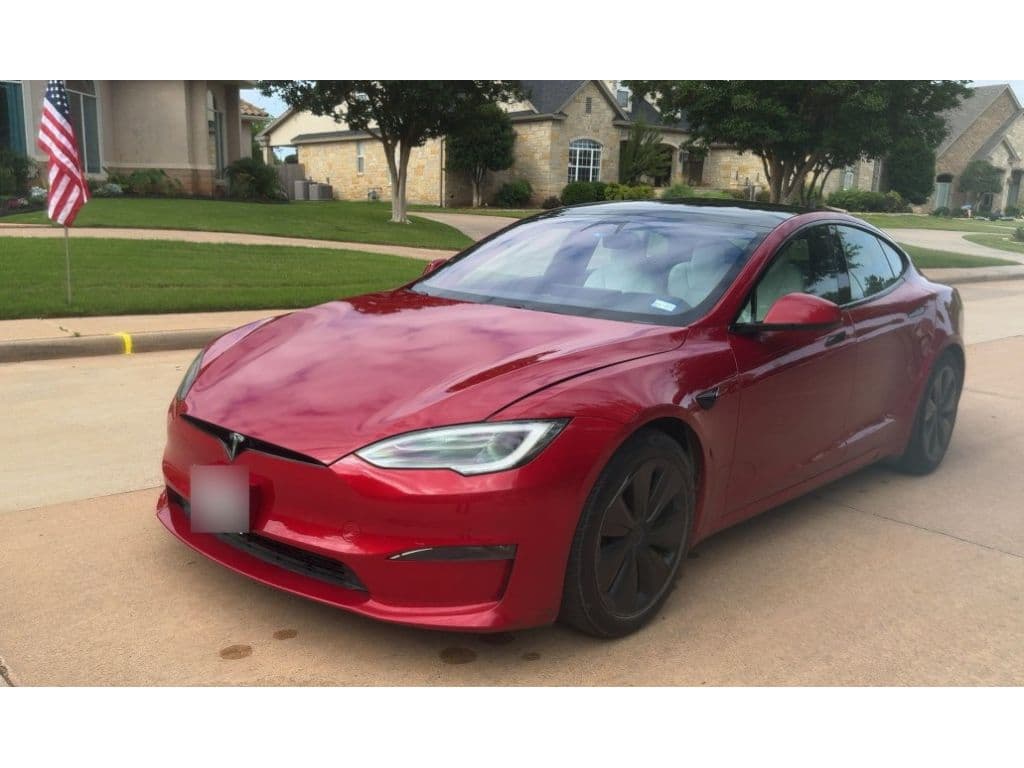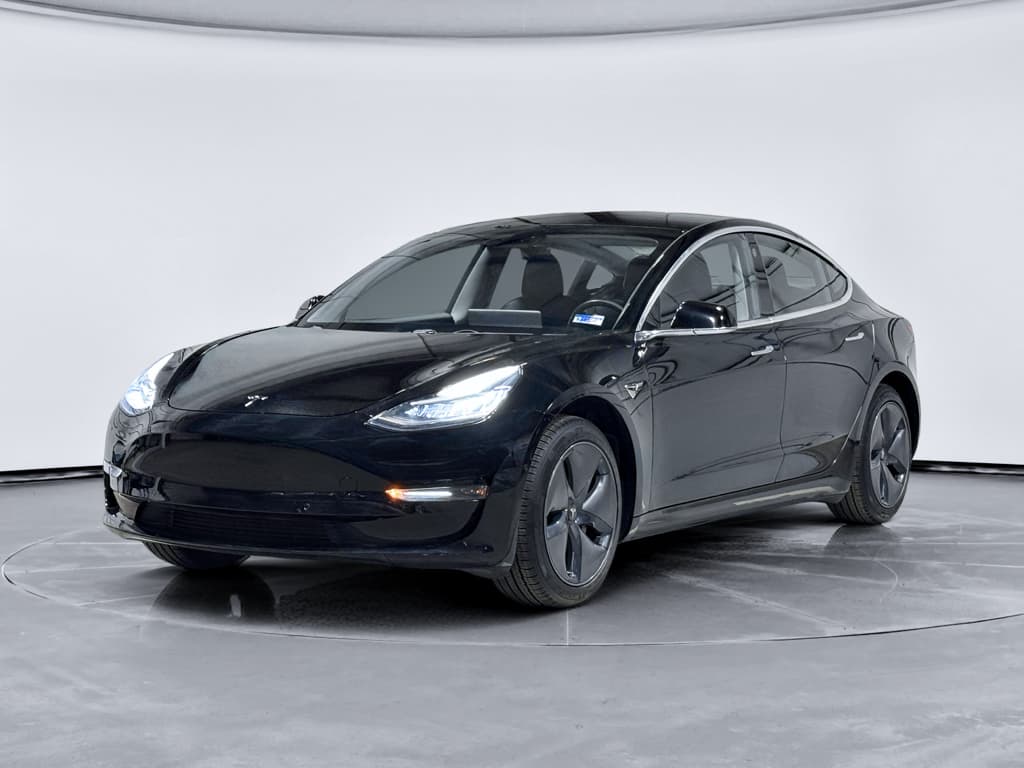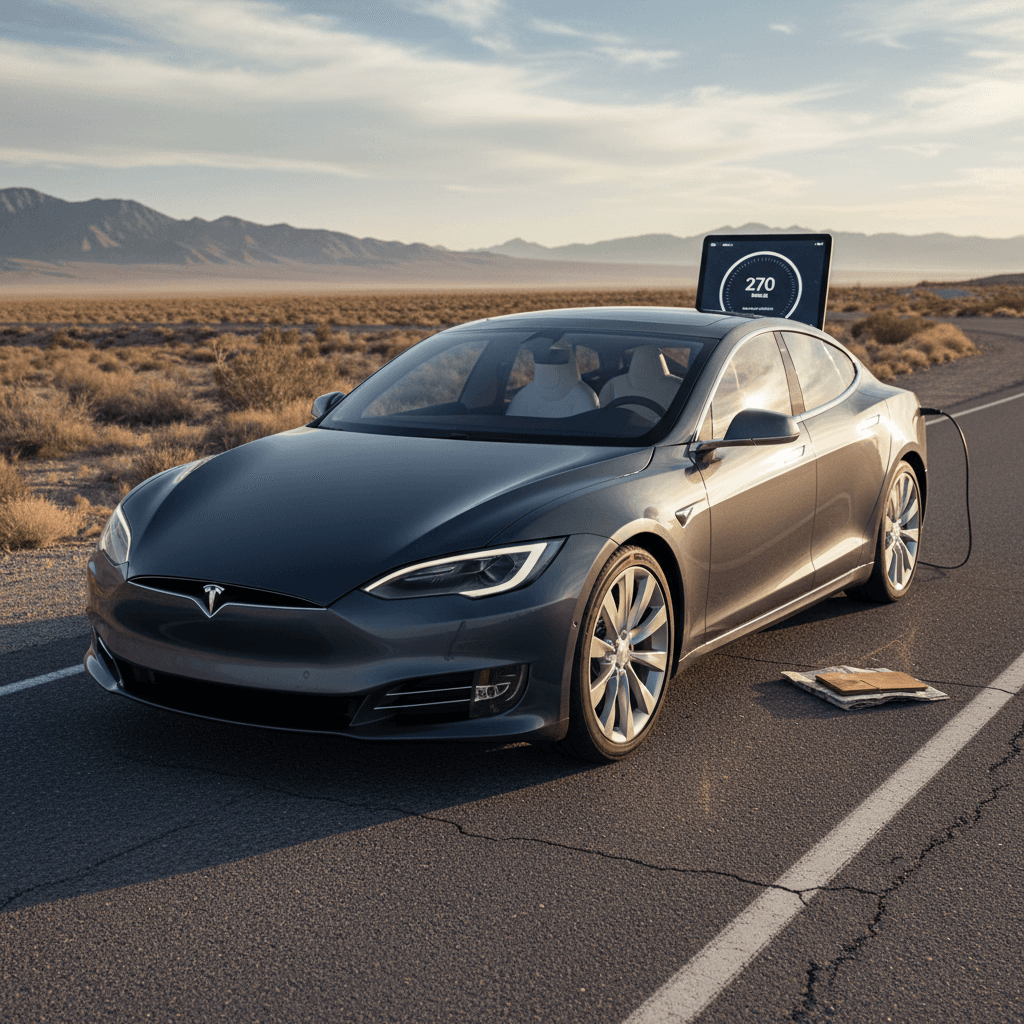
If you’re eyeing a used 2017 Tesla Model S, range is probably at the top of your checklist. EPA stickers promise up to the mid‑300‑mile range, but a real 2017 Tesla Model S range test in 2026 looks different. Batteries age, software changes, and your driving style may matter more than the original brochure numbers.
Who this guide is for
Why 2017 Model S range still matters today
The 2017 Model S marked a sweet spot in Tesla’s lineup: long‑range batteries, mature software, and widespread Supercharger coverage, all before prices climbed on newer models. On the used market in 2025–2026, 2017 cars often cost far less than a newer long‑range EV, but can still deliver 250–300 miles of usable highway range if the battery has been well cared for.
Understanding how the different battery packs perform and how much range is left after 8–9 years helps you decide whether that particular 75D, 90D, or 100D is a smart buy, or a road‑trip liability. It also tells you what to expect if you’re driving one daily in varying weather and at typical U.S. highway speeds.
2017 Model S range at a glance (when new)
2017 Model S battery options and official EPA range
For 2017, Tesla sold several Model S variants built around three main battery sizes. Trim names can be confusing, so here’s how they map to usable range when new.
2017 Tesla Model S EPA‑rated range by battery
Official EPA combined range ratings for major 2017 Model S variants when new.
| Trim (2017) | Drivetrain | Battery size (kWh) | EPA combined range (mi) | EPA city (mi) | EPA highway (mi) |
|---|---|---|---|---|---|
| 60/60D* | RWD / AWD | 60 | 210–218* | , | , |
| 75D | AWD | 75 | 259 | , | , |
| 90D | AWD | 90 | 294 | 287 | 303 |
| 100D | AWD | 100 | 335 | 331 | 337 |
| P100D | AWD | 100 | 315 | , | , |
Use these numbers as a starting point; real‑world results will be lower at 70–75 mph or in cold weather.
What about the 60/60D?
Real‑world range tests: what drivers actually see
EPA tests assume a mix of city and highway driving at moderate speeds. In the real world, especially at 70–75 mph interstate speeds, most 2017 Model S owners see 10–25% less than EPA, even when the car was new. Add 8–9 years of battery aging and you’ll typically land a bit lower.
Typical 2026 real‑world range: 2017 Model S
Approximate highway‑heavy range at 70–75 mph for a healthy battery in mild weather, starting near 100% and stopping around 5–10%.
75D
Realistic highway range:
~210–225 miles
City/combined mix:
~230–240 miles if you drive gently and mix in slower roads.
90D
Realistic highway range:
~240–260 miles
City/combined mix:
~260–270 miles with conservative driving.
100D / P100D
Realistic highway range:
~270–290 miles
City/combined mix:
~290–305 miles in favorable conditions.
Don’t chase the EPA number
Highway vs city: how driving style changes range
EVs shine in stop‑and‑go driving thanks to regenerative braking, and the Model S is no exception. But U.S. owners tend to care more about interstate range. Here’s how your usage pattern affects how far a 2017 Model S goes on a charge.
Mostly highway driving
- Higher speeds = more drag. Aerodynamic resistance rises exponentially above ~60 mph, so each extra 5 mph can noticeably cut range.
- Plan on 70–80% of EPA. At 70–75 mph, most drivers see roughly 20% below the window‑sticker number.
- Supercharger access matters. With 200–280 practical miles, spacing between fast chargers is more important than squeezing every mile out of the pack.
Mixed or city driving
- Regen recovers energy. Frequent slowing lets you claw back range compared to steady‑state highway use.
- EPA numbers are closer. In temperate weather at 35–55 mph, it’s possible to get within ~10% of the original EPA rating in a healthy 2017 pack.
- Trip computer is your friend. Use the energy graph to watch your Wh/mi and adjust driving in real time.
Watch Wh/mi, not just rated miles
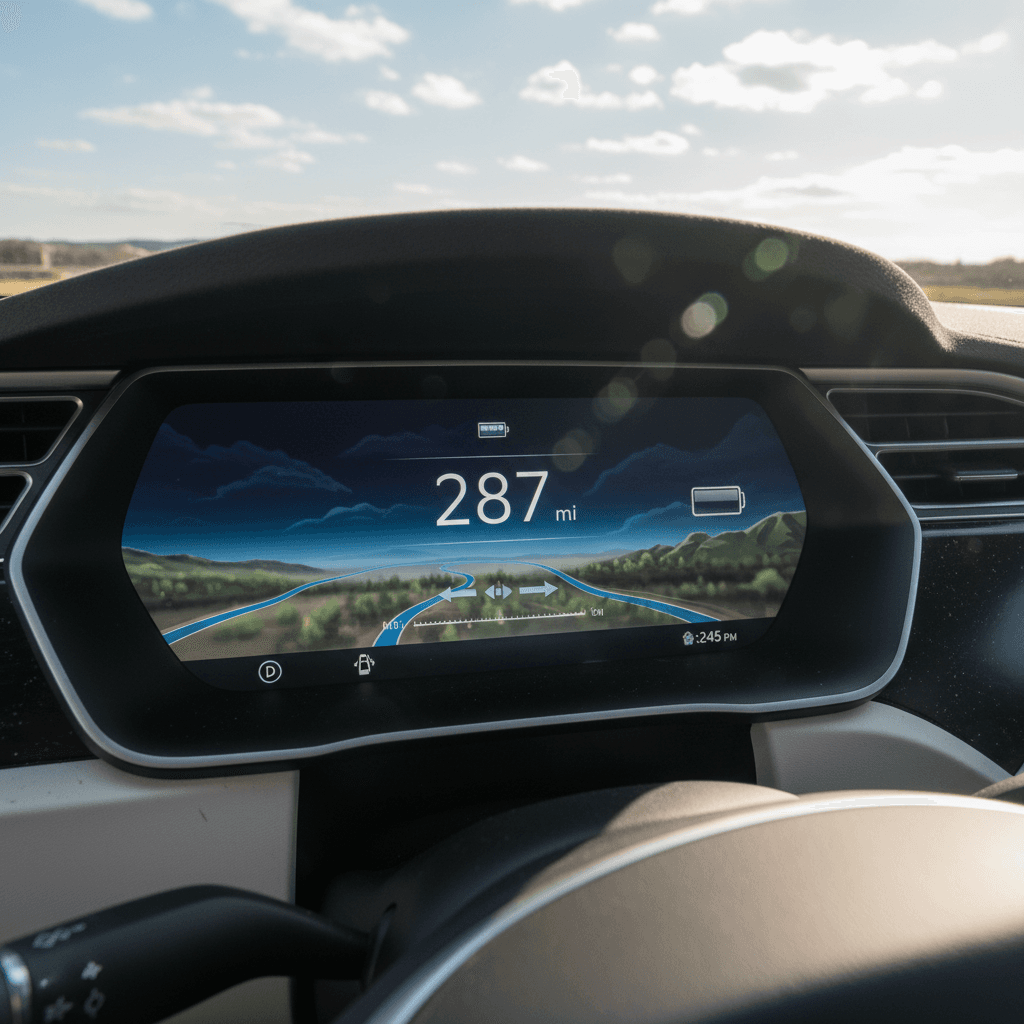
Battery degradation: what to expect 8–9 years later
The big question for any 2017 Tesla Model S range test in 2026 isn’t just how the car performed when new, it’s how much capacity the battery has lost. Tesla’s own data and third‑party studies point to relatively slow, predictable degradation. Many Model S packs retain around 85–90% of their original capacity at 150,000–200,000 miles, assuming normal use and charging habits.
Typical Tesla battery degradation patterns
Approximate figures across Model S/X packs, assuming no major abuse.
Early years (0–50k mi)
It’s common to see the first 3–5% of capacity drop in the first couple of years as the pack stabilizes.
Middle age (50k–150k mi)
Degradation usually slows, with many owners reporting another ~5–7% loss across this band.
High mileage (150k+ mi)
Well‑cared‑for packs often still retain around 85% of original capacity, though individual cars can vary.
Abuse accelerates degradation
Weather, speed and wheels: key factors in a range test
Even with a healthy battery, test results for a 2017 Tesla Model S can swing dramatically based on conditions. If you’re comparing your experience with someone else’s YouTube run or forum post, make sure you’re comparing apples to apples.
- Temperature: Cold batteries are less efficient. Below ~40°F, expect noticeable range loss unless you precondition and drive long enough for everything to warm up.
- Climate control: Running HVAC aggressively, especially heat pumps or resistive heaters in freezing weather, can add 10–20% to consumption on short trips.
- Speed and wind: A steady 80 mph into a headwind is a worst‑case scenario for range. Slowing to 65–70 mph can add dozens of miles back.
- Wheel and tire choice: Larger wheels and stickier tires look great but increase rolling resistance. A 2017 Model S on 21‑inch wheels can see meaningfully less range than one on aero‑oriented 19‑inch wheels.
- Elevation: Long climbs eat capacity quickly; descents recover some energy but never all of it. Mountain driving can make a healthy battery look weak if you don’t account for it.
Re‑run your test in neutral conditions
How to do your own 2017 Model S range test
Whether you already own a 2017 Model S or you’re test‑driving one from a seller, a simple controlled drive can tell you more than any spec sheet. You don’t need lab gear, just a bit of planning and common sense about safety.
Step‑by‑step DIY range test
1. Start with a full, conditioned battery
Charge to 90–100% (ideally 100% only for the test), then start your drive within an hour so the battery is warm and the BMS estimate is fresh.
2. Pick a repeatable route
Choose a highway loop or out‑and‑back route with minimal elevation change and known distances, ideally between fast chargers so you’re never stranded.
3. Lock in a realistic speed
Set cruise control at 65–70 mph. Note the temperature, wind, wheel size and whether you’re using climate control, those details explain a lot of the variation.
4. Track energy use, not just miles
On the energy screen, monitor Wh/mi and remaining %. A well‑behaved 2017 Model S on the highway often lands around 280–330 Wh/mi, depending on pack and conditions.
5. Don’t run to 0%
For safety, plan your test around a 90% to 10% or 90% to 5% window. Multiply the distance you covered by the fraction of battery used to extrapolate full‑pack range.
6. Repeat in different seasons
If you’re serious about understanding your car, run a summer and a winter test. Comparing the two gives you a realistic year‑round range picture.
Used 2017 Model S range checklist before you buy
When you’re shopping the used market, raw mileage doesn’t tell you everything about range. A 2017 Model S with 110,000 miles could easily have more usable range than a 50,000‑mile car that was Supercharged daily and left at 100% in a hot climate. Here’s how to separate the strong batteries from the risky ones.
Range and battery checks for a used 2017 Model S
Questions and quick tests that reveal how healthy the pack really is.
Questions to ask the seller
- Charging habits: Did they primarily use home Level 2 charging, or Superchargers every day?
- Typical SOC: Did they keep daily charge limits around 70–90% and avoid sitting at 0%?
- Climate: Did the car live in extreme heat or cold, and was it garaged?
- Software unlocks: For ex‑60/60D cars, confirm whether the pack is fully unlocked to 75 kWh.
Quick in‑person checks
- Rated range at 100%: Ask the seller to show a 100% charge once (safe for evaluation). Compare displayed rated miles to the EPA number.
- Scan recent Wh/mi: High average consumption could indicate aggressive driving or poor tires.
- Run a short highway loop: A 20–40‑mile test at steady speed can reveal obvious issues.
Why a professional battery report matters
How Recharged evaluates 2017 Model S battery health
Because battery condition is the single biggest factor in how far a 2017 Model S will go on a charge, and how long it will keep doing it, Recharged bakes range and degradation into every vehicle we list. You’re not just buying a used EV; you’re buying a verified battery.
- Recharged Score battery diagnostics: Each 2017 Model S goes through a multi‑point battery assessment that looks at capacity, balance between modules, charging history and thermal performance.
- Verified range estimates: We translate raw capacity into clear estimated highway and mixed‑driving range so you know what to expect on day one.
- Transparent pricing: Fair‑market pricing reflects the car’s real battery health, not just its odometer reading.
- Expert EV guidance: Our EV specialists can walk you through how a specific car’s range will feel in your daily commute or on a regular 300‑mile trip.
- Nationwide, digital‑first buying: Browse, finance, trade in or sell your EV online, with an Experience Center in Richmond, VA if you want to see vehicles in person.
Leverage your current car
FAQ: 2017 Tesla Model S range
Common questions about 2017 Model S range
Bottom line: is a 2017 Model S’s range still good enough?
If you run a fair 2017 Tesla Model S range test today, you’ll rarely see the original EPA number, but that doesn’t mean the car is past its prime. A healthy 100D can still deliver close to 300 miles of real‑world highway range, while a well‑kept 75D remains perfectly usable for most commutes and intercity trips, especially with the Supercharger network filling in the gaps.
The key is knowing what you’re buying. Look beyond the odometer, ask about charging habits, and whenever possible, rely on a standardized battery health report rather than a single screenshot of rated miles. With verified battery diagnostics, transparent pricing and EV‑specialist support, Recharged makes it easier to find a 2017 Model S whose range will fit your life for years to come.