If you’re looking at a used 2017 Chevy Bolt EV, your biggest question is probably range. The window sticker says 238 miles, but real life rarely looks like a lab test. This guide pulls together independent 2017 Chevy Bolt EV range tests, city, highway, and winter driving, then translates that data into what you can realistically expect from a nine‑year‑old Bolt today.
Key takeaway
2017 Chevy Bolt EV range at a glance
2017 Bolt EV range & efficiency snapshots
The 2017 Bolt EV launched with a 60 kWh lithium-ion battery pack under the floor and an EPA combined rating of 238 miles of range on a full charge. Later model years nudged that number to 259 miles, but if you’re shopping a 2017, 238 miles is your baseline when the car was new.
Why early Bolts felt “better than rated”
EPA ratings vs real-world range tests
EPA numbers are helpful, but they’re not gospel. To understand the 2017 Bolt’s **true range**, it’s better to look at independent road tests and long‑term data. Here’s how the car has performed in the hands of testers and owners:
2017 Chevy Bolt EV: notable real-world range test results
Approximate numbers from media road tests and long-term owners in mixed conditions.
| Test type / source | Conditions | Distance driven | Estimated remaining range | Implied total range |
|---|---|---|---|---|
| Consumer-style mixed driving | Mild temps, mix of city & highway | ~250 mi | Small buffer | ~244–250 mi |
| Media coastal route drive | Scenic route, gentle speeds, mild weather | ~240 mi | ~20 mi left | ~260 mi |
| Long-term hypermiling | Conservative speeds, warm weather | 300+ mi | Near empty | ~300–330 mi possible |
| Highway range test | 40°F, ~65 mph, light heat use | 209 mi | Few miles remaining | Low 200s |
Real-world tests often beat the official EPA 238‑mile rating in mild, careful driving.
About those 300+ mile stories
City and mixed driving: commuting range tests
In everyday commuting, the Bolt’s strong regenerative braking pays dividends. Testers logging mostly city and suburban miles often reported **range that matched or slightly exceeded the EPA rating**. Slow to moderate speeds, frequent stops, and gentle acceleration let the 150‑kW motor sip energy rather than gulp it.
Why the 2017 Bolt shines in city and suburban driving
Three traits that help it beat its rating around town
Stop‑and‑go favors regen
Moderate average speeds
Easier climate control loads
Realistically, a healthy 2017 Bolt used mostly for commuting in mild weather can still deliver around 220–240 miles per charge even with some battery aging. If your round‑trip commute is 40–60 miles, you can comfortably go several days between charges with overnight Level 2 at home.
Highway range tests at 65–75 mph
Highway driving is where Bolt owners most often see range fall short of expectations. The car’s upright hatchback shape and roughly 0.32 drag coefficient mean **aerodynamic drag climbs quickly with speed**. That shows up clearly in highway‑only range testing.
What highway tests show
- EPA highway rating is 217 miles for a new 2017 Bolt.
- Independent 65 mph tests in cool weather (~40°F) have seen about 200–210 miles before nerves kicked in.
- Mixed‐speed freeway loops in milder temps typically land in the 200–230‑mile window.
What this means for you
- At a steady 65–70 mph in good weather, plan for **roughly 180–210 real miles** on a healthy 2017 pack.
- At 75+ mph, or running heat/AC hard, usable range can sink toward **160–180 miles**.
- Leaving a buffer (10–15% state of charge) is smart on unfamiliar routes.
Don’t plan a 238‑mile highway leg
Winter range: what happens in the cold
Like every EV, the 2017 Bolt EV loses range in cold weather. The battery is less efficient at low temperatures, and the cabin heater can be energy‑hungry. In light winter highway testing around 40°F, one Bolt managed just over 200 miles at ~65 mph from a full charge, which aligns with what many owners report.
- In the 30–40°F range, expect **20–30% less range** than in mild weather, especially at highway speeds.
- Using the seat and steering wheel heaters instead of blasting cabin heat can save several kWh over a long trip.
- Short hops in very cold weather are hardest on efficiency because the car keeps reheating the cabin and battery.
- If your 2017 Bolt lives in a cold climate year‑round, usable winter highway range could be closer to **140–170 miles** on a healthy pack.
Pre‑condition before you unplug
Battery degradation on 2017 Bolts today
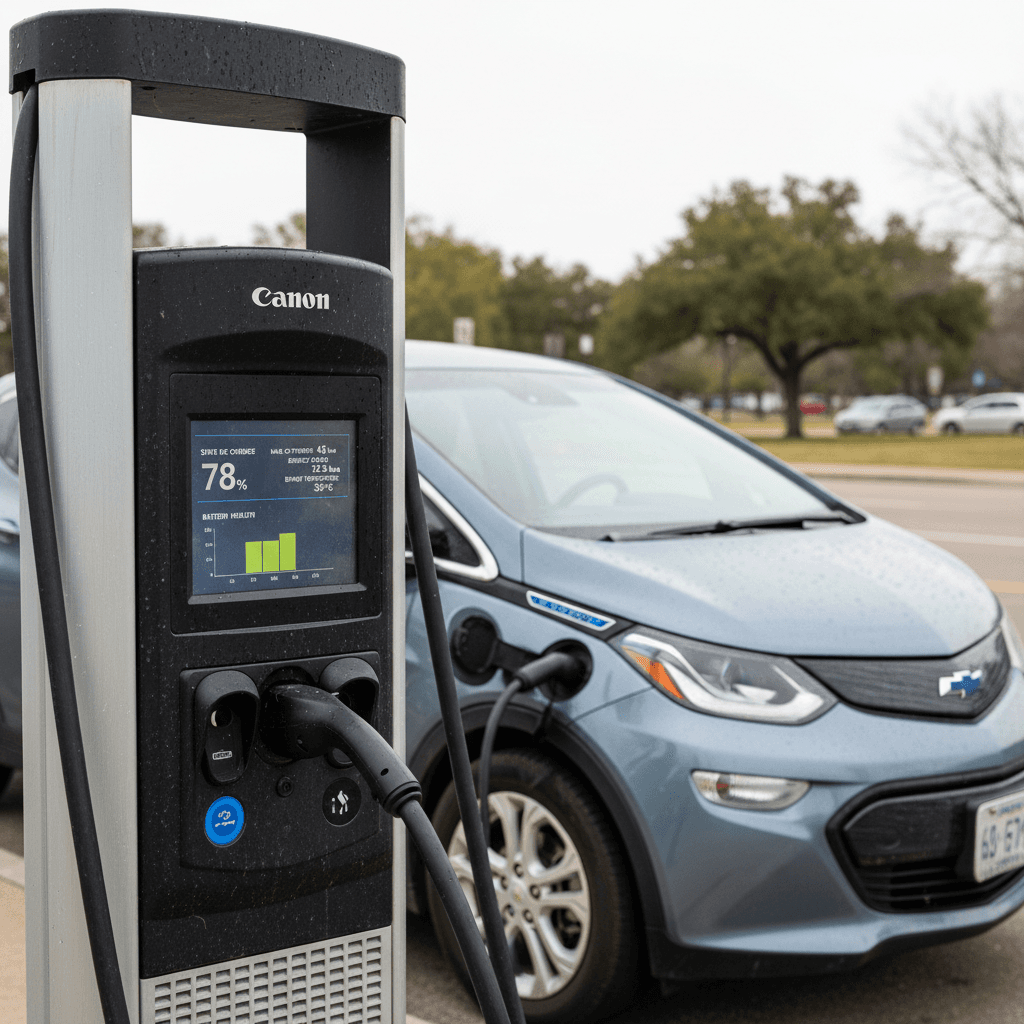
The 2017 Bolt’s original 60 kWh pack has generally held up well, though individual cars vary. Real‑world owner reports suggest many early Bolts still retain a large share of their original usable capacity, while some outliers show double‑digit loss.
What we’re seeing from aging 2017 Bolt batteries
Patterns from owner data, not exact promises
Mild degradation is common
Outliers exist
Recall replacements
For a used‑car shopper, the core question is simple: **How much usable energy does *this* car still have?** That’s exactly what Recharged’s Recharged Score battery health diagnostics is designed to answer. Instead of guessing from trip meters and anecdotes, you get a verified snapshot of pack health before you buy.
How Recharged reduces battery guesswork
Ready to find your next EV?
Browse VehiclesHow speed, climate control & driving style change your range
With a 2017 Bolt, your right foot and your climate settings are as important as the odometer reading. The car’s 150‑kW motor is willing, but every strong launch or high‑speed stint shows up on the energy screen.
Biggest real‑world range killers (and how to tame them)
1. High sustained speeds
Above about 65 mph, aerodynamic drag ramps up fast. Dropping from 75 to 65 mph can easily return **20–30 more miles** on a charge, especially in wind or hills.
2. Cabin heat in winter
The resistive heater is powerful but hungry. On cold days, prioritize seat and wheel heaters and use ECO mode for HVAC to reduce draw.
3. Hard acceleration
The Bolt’s instant torque makes it fun, but repeated full‑throttle launches will drag your efficiency down. Smooth, anticipatory driving preserves range without turning your commute into a chore.
4. Short, cold trips
Multiple short drives on a cold battery force the car to keep reheating the pack and cabin. When you can, combine errands into one longer trip for better efficiency.
5. Heavy loads & roof cargo
Extra weight and anything on the roof increase consumption. If you’re road‑tripping with gear, assume a smaller range number than you’d see solo around town.
Charging speeds and road-trip practicality
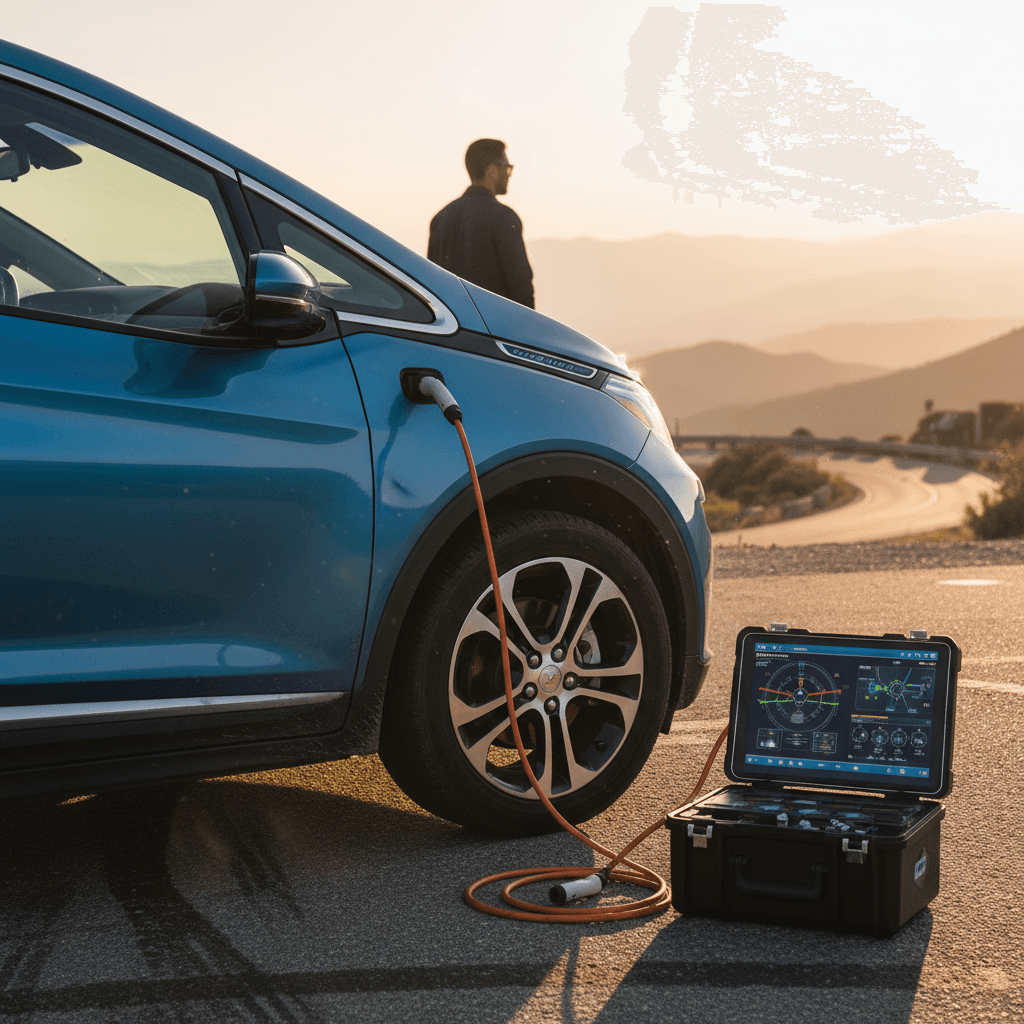
Range is only half the story on a 2017 Bolt; the other half is **how quickly you can replace it**. Early Bolts top out around 50–55 kW on DC fast chargers in ideal conditions, with GM originally claiming about 90 miles of range added in 30 minutes. In practice, speed depends heavily on temperature, starting state of charge, and charger quality.
Typical 2017 Chevy Bolt EV charging scenarios
Approximate numbers; real results depend on temperature, charger, and battery health.
| Charging method | Approx. power | Use case | What to expect |
|---|---|---|---|
| Level 1 (120V, 12A) | ~1.4 kW | Overnight at standard outlet | Adds ~4–5 miles of range per hour, emergency/backup only. |
| Level 2 (240V, 32A) | ~7.2 kW | Home or workplace wall unit | Full charge from low in ~9–10 hours; perfect for daily use. |
| DC fast (CCS, 50 kW class) | 40–55 kW peak | Public highway sites | Roughly 80–100 miles in ~30 minutes when starting low (10–20% SOC). |
Plan your road-trip legs around conservative assumptions, not best‑case charge curves.
Road‑tripping a 2017 Bolt
Used 2017 Bolt EV: range & battery checklist
If you’re evaluating a specific 2017 Chevy Bolt EV, you don’t need a lab. A careful test drive and some simple checks can tell you a lot about its remaining range.
Quick checklist for assessing a used 2017 Bolt’s range potential
1. Start with a full charge and odometer photo
Ask the seller to fully charge the car, then photograph the <strong>state of charge, estimated range, and odometer</strong>. A sky‑high guess‑o‑meter isn’t proof of health, but surprisingly low numbers can be a red flag.
2. Drive at least 40–60 mixed miles
On your test drive, aim for a route with city + highway driving. Note miles driven and range consumed. If you drive 50 miles and lose 80 miles of indicated range in mild weather, something may be off.
3. Check energy usage screens
The Bolt’s energy menu breaks down consumption by driving, climate, and other systems. Excessive HVAC draw in normal conditions can hint at heater or A/C issues that hurt range.
4. Ask about battery recalls and replacements
Verify that all relevant recalls have been completed and whether the car has received a <strong>replacement pack</strong>. A newer pack can mean more capacity and longer useful life.
5. Consider a professional battery health report
Third‑party tools and services can estimate usable kWh. When you buy through Recharged, our <strong>Recharged Score battery diagnostics</strong> provide this data up front, so you’re not guessing about degradation.
6. Match range to your real use
If your regular day is 60–80 miles, even a slightly degraded Bolt is likely fine. If you routinely drive 150+ highway miles without charging, you’ll want a stronger pack or a newer EV.
2017 Chevy Bolt EV range FAQ
Frequently asked questions about 2017 Bolt EV range
Bottom line: is 2017 Bolt EV range enough today?
A well‑kept 2017 Chevy Bolt EV still offers meaningful real‑world range: roughly 200+ miles per charge in mixed driving, with more available in gentle conditions and less in winter highway slogging. For most commuters and suburban families, that’s plenty, especially paired with overnight home charging.
The key is matching the car to your life. If you routinely do 60–80 miles a day and take a few well‑planned trips each year, a 2017 Bolt with a healthy pack can be a tremendous value in today’s used EV market. If your routine includes frequent 200‑mile winter highway legs with no time to stop, you may want a newer EV with faster charging or more rated range.
Either way, you don’t have to guess. When you shop with Recharged, every car comes with a Recharged Score battery health diagnostic, transparent pricing, EV‑savvy support, and options for nationwide delivery or trade‑in. That lets you focus on whether the Bolt’s range and driving experience are right for you, while we sweat the technical details in the background.