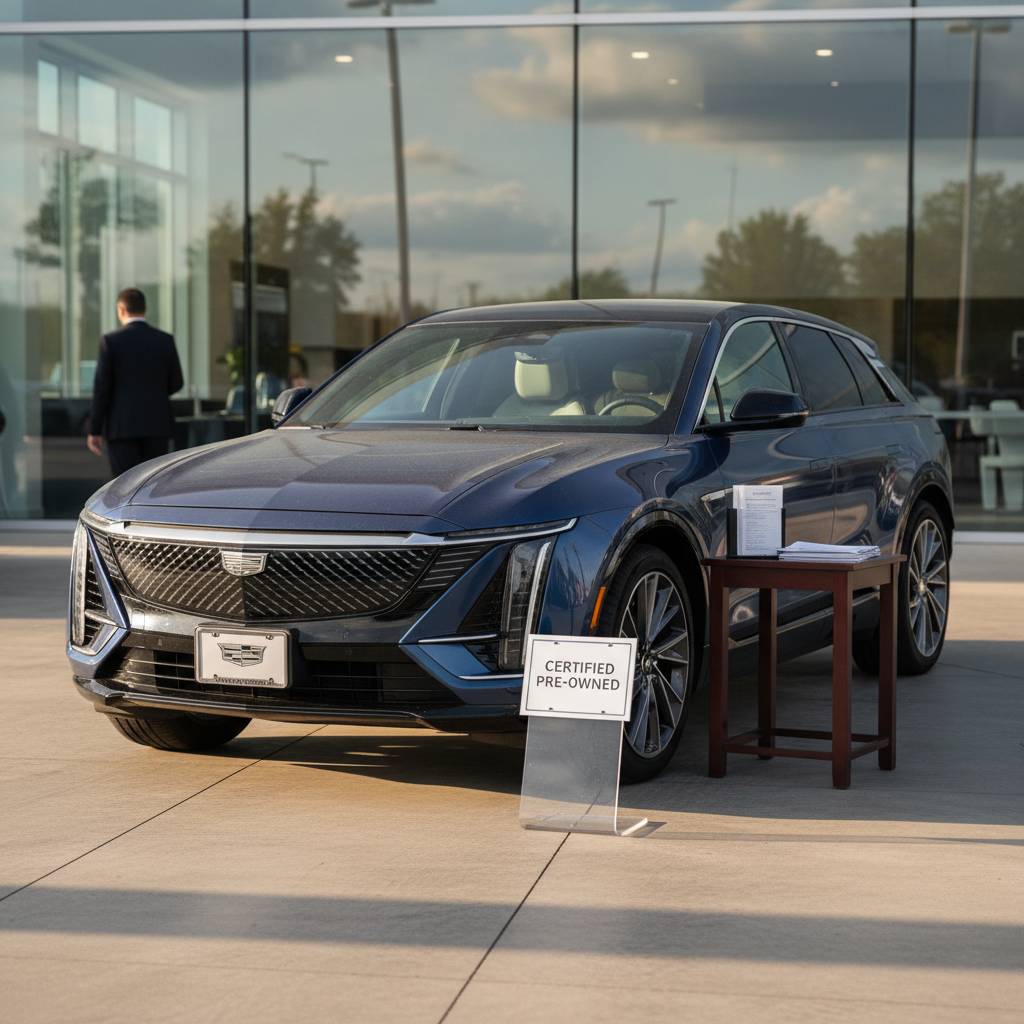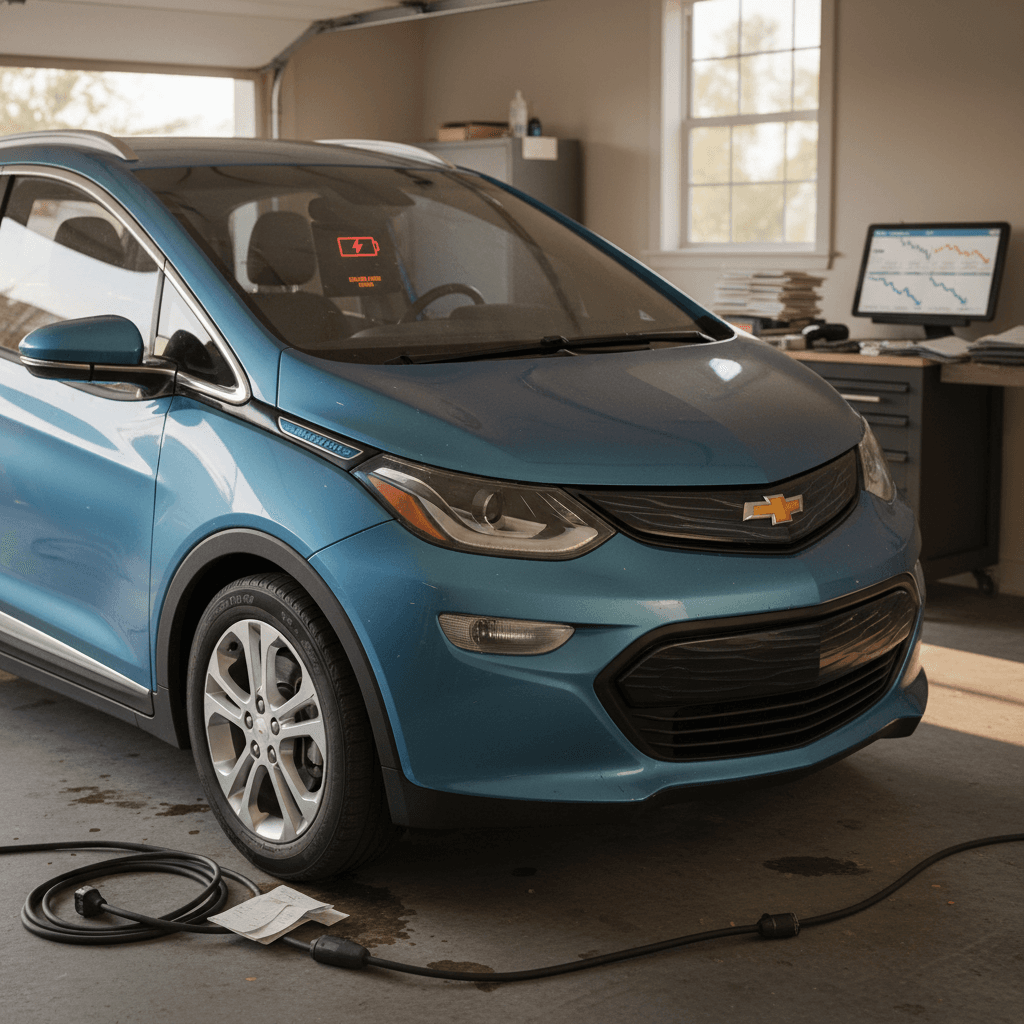
If you’re researching 2017 Chevy Bolt EV problems, you’ve probably heard about battery fires, big recalls, and bargain pricing on the used market. The first model year of any new EV is going to have some drama, and the 2017 Bolt is no exception, yet it’s also one of the most affordable long‑range EVs you can buy today.
2017 Bolt EV in a nutshell
Why the 2017 Chevy Bolt EV Gets So Much Attention
The 2017 Bolt EV was a milestone: a compact hatchback with an EPA‑rated 238 miles of range when most non‑Tesla EVs were still hovering around 100. That made it a hero to early adopters, ride‑share drivers, and commuters who wanted real road‑trip capability. But it also means most Bolts on the road today are older, higher‑mileage cars that have lived a full life, and their problems are well documented.
- High‑voltage battery problems – from the infamous fire‑risk recall to early range‑display glitches.
- Charging and electronics quirks – infotainment crashes, CarPlay/Android Auto hiccups, DC fast‑charging limitations.
- Chassis and steering components – clunks, creaks, and occasional steering rack failures.
- Typical wear‑and‑tear – 12‑volt batteries, interior rattles, and suspension bushings, especially on high‑milers.
Quick Overview: Major 2017 Bolt EV Problems
2017 Chevy Bolt EV Problem Snapshot
Not every Bolt has every problem
The Big One: High-Voltage Battery Fire Recall
You can’t talk about 2017 Chevy Bolt EV problems without starting with the high‑voltage battery. General Motors and LG (the battery supplier) discovered that certain manufacturing defects in the pack could, in rare cases, lead to a fire. Over time, GM expanded its recall until essentially all 2017–2019 Bolt EVs were covered.
- Root cause: Manufacturing defects in some LG battery cells could create conditions for internal short circuits and thermal runaway.
- Symptoms before the recall fix: GM advised owners to limit their state of charge, avoid parking indoors immediately after charging, and monitor for warning messages.
- Recall fix: Depending on the car, GM either replaced individual battery modules or installed an entirely new battery pack, along with updated battery‑management software.
For a used‑car shopper, this recall is actually a double‑edged sword. On one hand, the fire‑risk headlines scared many buyers away and dragged down values. On the other, many 2017 Bolts now have brand‑new or low‑mile replacement packs with improved chemistry, effectively resetting battery life on an older car.
How to verify the battery recall on a specific car
It’s also worth knowing that later model‑year Bolts (2020–2022) have seen follow‑up recall campaigns when diagnostic software wasn’t installed correctly. That underlines an important lesson: you can’t assume a recall has been done, always check.
Battery Degradation and Real-World Range
Battery degradation, the gradual loss of usable capacity over time, is a normal part of EV ownership. For the 2017 Bolt EV, owner‑reported data paints a more nuanced picture than the early panic about a line in the owner’s manual mentioning up to 40% loss over the warranty period.
What GM’s legal language says
In the 2017 Bolt EV owner’s manual, GM notes that the battery may lose 10% to 40% of capacity over the warranty period. That’s a classic lawyerly worst‑case disclaimer designed to protect the company, not a prediction of what most owners will actually see.
What owners typically see
Real‑world reports from long‑term 2017 Bolt owners often show much milder loss, on the order of 5–15% over 60k–120k miles, especially for cars that don’t live at 100% charge and aren’t fast‑charged constantly. Some outliers show higher loss, but they’re not the norm.
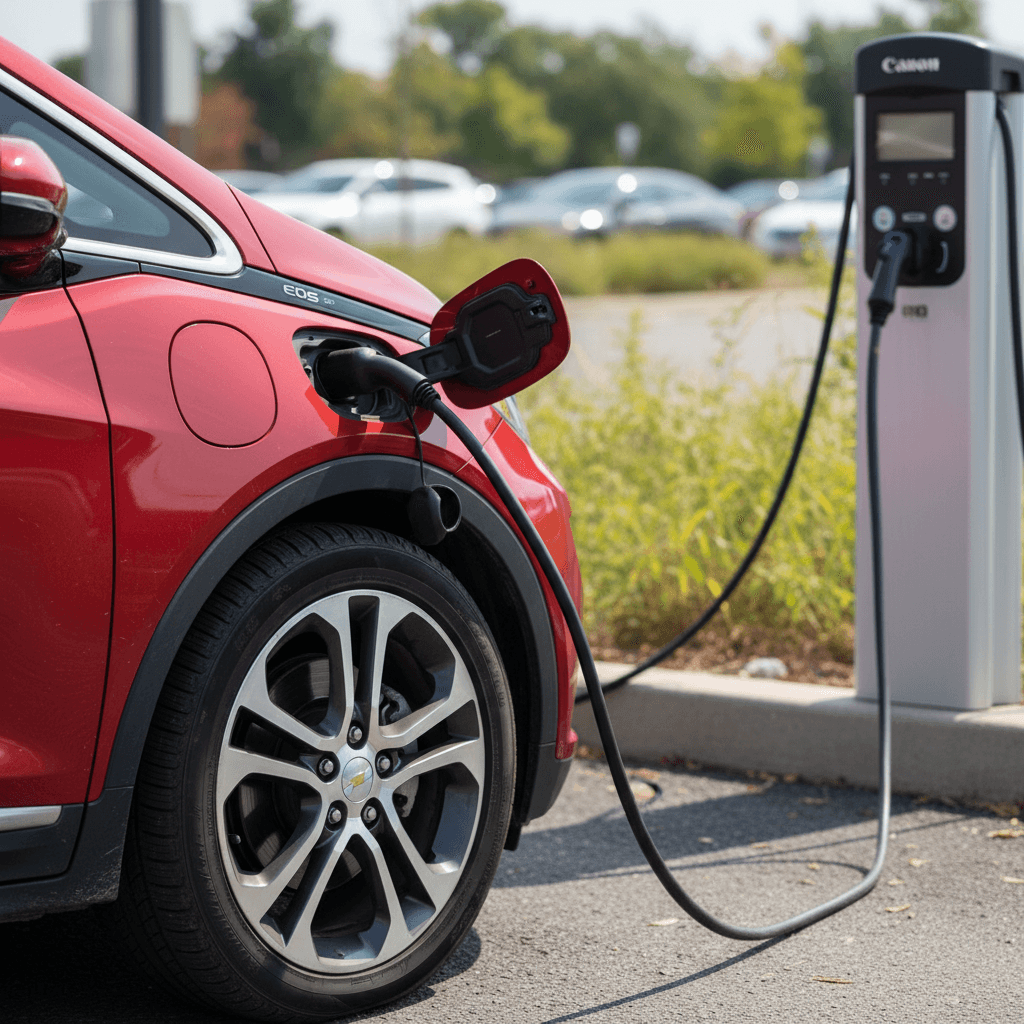
How range feels on a healthy 2017 pack
The bigger question for a shopper is this: am I looking at an original 2017 pack or a newer recall replacement? A brand‑new pack installed in 2022 or 2023 will likely show almost no degradation yet, while a high‑mileage original 2017 pack is where you need to be more cautious.
Quick battery health checks on a test drive
1. Start with a high state of charge
If the seller can, have the Bolt at 80–100% when you arrive. Note the projected range and your recent driving history; big mismatches can hint at software or capacity issues.
2. Watch miles vs. percentage
On a longer drive, compare how quickly the percentage and estimated miles drop compared with your distance traveled. A healthy pack will behave consistently once the guess‑o‑meter settles.
3. Ask for recall and service records
Look for documentation of the battery recall, software updates, and any high‑voltage components replaced. A fully documented pack replacement is a big plus for a 2017 Bolt.
4. Consider a third‑party scan
If you’re serious, a shop familiar with EVs, or a marketplace like Recharged that performs <strong>battery diagnostics</strong>, can read pack data directly instead of guessing from the dash.
Charging Quirks and Infotainment Issues
Beyond the high‑voltage pack, many 2017 Bolt EV owners report smaller but still annoying problems that show up in daily driving. These typically fall into two categories: charging behavior and in‑car tech.
Common 2017 Bolt EV Charging & Tech Complaints
Most are fixable; some just require living with quirks.
Public fast‑charging quirks
Some owners report DC fast‑charging sessions that stop early or won’t initiate at certain stations. Often this comes down to:
- Older CCS chargers with firmware bugs
- Communications glitches between car and station
- Conservative thermal management on hot days
Trying another station or network usually solves it.
Infotainment freezes & glitches
The big center touchscreen can occasionally freeze, reboot, or lag, especially on early software. Apple CarPlay or Android Auto may disconnect at random, sometimes blamed on cables or phones but also on the head unit itself.
Connectivity & app issues
Like many mid‑2010s connected cars, early Bolt telematics can feel clunky. Remote status updates may lag, and some owners report that over‑the‑air communications aren’t always reliable, requiring dealer visits for updates.
Easy tech fixes to try first
A subset of high‑mileage owners also report that Apple CarPlay stopped working entirely and dealers quoted four‑figure repair bills for a new module. That’s not universal, but it’s a real‑world cost you should budget for if you absolutely rely on phone projection.
Suspension, Steering, and Other Hardware
Mechanically, the 2017 Bolt EV has been reasonably robust, but a few patterns have emerged as these cars age and rack up six‑figure mileage.
- Steering rack issues: Some early 2017s developed notchy or inconsistent steering feel, sometimes traced to a faulty steering rack that needed replacement. Owners often noticed it around 40k–70k miles.
- Suspension creaks and clunks: It’s common to hear creaks over driveways and speed bumps as bushings, sway‑bar links, or rear suspension components age. Most of this is nuisance noise rather than a catastrophic failure.
- 12‑volt battery: Like any car, the low‑voltage battery ages. Several owners report replacing the original 12‑volt around the 5–8‑year mark. When it goes, you can see strange error messages or a no‑start condition, even though the high‑voltage pack is full.
Listen closely on your test drive
Safety Systems: Airbags, Seatbelts, and Recalls
Like many modern cars, the 2017 Bolt EV has seen more than one recall unrelated to the battery pack, covering things like airbags, seatbelt pretensioners, and warning‑light behavior. Most of these are addressed quickly at the dealer, but they’re a reminder to pull a full recall history, not just ask about “the battery thing.”
Safety and recall checks for a 2017 Bolt EV
1. Run a recall lookup by VIN
Use the NHTSA site or GM’s recall portal. Make sure <strong>all open recalls</strong> show as completed, not just the battery campaign.
2. Inspect airbag and seatbelt warning lights
When you turn the car on, confirm warning lights come on briefly, then go off. Persistent airbag or seatbelt lights deserve a professional diagnosis before you buy.
3. Check for crash repairs
Look for mismatched paint, panel gaps, or airbag covers that don’t sit evenly. A sloppy body repair can leave safety systems compromised.
Ownership Costs and Depreciation
If there’s a silver lining to early‑model teething problems, it’s this: 2017 Bolt EVs are often dramatically cheaper than newer long‑range EVs, yet they deliver similar day‑to‑day usefulness. Between heavy initial depreciation and the shadow of the battery recall, it’s not unusual to see clean, high‑mileage 2017s priced like economy cars with a fraction of the tech.
Where the savings show up
- Purchase price: Used 2017 Bolts often undercut newer EVs and even many gas compacts.
- Fuel cost: Electricity is usually cheaper per mile than gasoline, especially if you can charge at home on off‑peak rates.
- Maintenance: No oil changes, no timing belts, and fewer moving parts than a traditional powertrain.
Where you might spend more
- Out‑of‑warranty repairs: Infotainment units, DC fast‑charge hardware, or steering components can run into the hundreds or thousands.
- Tires: The Bolt’s torque and weight can chew through low‑rolling‑resistance tires faster than a small gas hatchback.
- Charging upgrades: Many owners invest in a Level 2 home charger to unlock the car’s convenience.
After three years and nearly 34,000 miles, Edmunds’ long‑term 2017 Bolt EV beat its official efficiency rating and still delivered over 300 miles in a best‑case range test, evidence that, when healthy, the powertrain can go the distance.
Checklist: Buying a Used 2017 Bolt EV Today
By now you know the headline 2017 Chevy Bolt EV problems. Here’s how to put that knowledge to work when you’re standing in front of a specific car, key in hand.
Used 2017 Chevy Bolt EV Pre-Purchase Checklist
1. Confirm battery recall status
Ask for documentation showing <strong>what work was done</strong>: full pack replacement or module repair, plus any subsequent software updates. A newer pack with clear paperwork is a major advantage.
2. Scan for warning lights and messages
Turn the car on and look for persistent <strong>Check Engine</strong>, battery, airbag, or service‑electric messages. Don’t accept “it went away last week” without a scan from a qualified shop.
3. Test both Level 2 and DC fast‑charging (if possible)
If the seller will allow it, plug into an AC Level 2 charger and a DC fast‑charger. Make sure charging initiates cleanly and stays connected. Intermittent failures can point to onboard charger or connector issues.
4. Evaluate steering and suspension feel
On your test drive, pay attention to <strong>center feel in the steering</strong>, noises over bumps, and any vibration at highway speed. A smooth, quiet Bolt is still possible at high mileage; loud clunks are a negotiation tool, or a walk‑away sign.
5. Check interior electronics thoroughly
Cycle the touchscreen, audio, Bluetooth, and CarPlay/Android Auto. Try multiple inputs. A dead or glitchy head unit isn’t the end of the world, but it’s not cheap, either.
6. Review service history and ownership pattern
A car with <strong>regular maintenance, timely recall work, and long‑term ownership</strong> usually beats an auction flip with missing records, even if the odometer numbers are similar.
What a “good” 2017 Bolt looks like
How Recharged Helps With Used Bolt EVs
Shopping for a 2017 Bolt EV can feel like detective work: decoding recall history, trying to infer battery health from the guess‑o‑meter, and hoping the seller’s memory is better than the car’s telematics. That’s exactly the kind of uncertainty Recharged was built to eliminate.
Why consider a 2017 Bolt EV from Recharged?
Less guesswork, more clarity.
Verified battery health
Every car we list comes with a Recharged Score battery health report, based on direct diagnostics, not just dashboard estimates. You see actual pack condition before you buy.
Recall & history transparency
We verify recall completion, service records, and major repairs for each vehicle, including the all‑important battery campaigns on 2017–2019 Bolt EVs.
Expert EV support & delivery
From financing and trade‑ins to nationwide delivery and EV‑specialist support, Recharged is built for electric ownership from day one, not just moving another used car off a lot.
Ready to find your next EV?
Browse Vehicles2017 Chevy Bolt EV Problems: FAQ
Common Questions About 2017 Chevy Bolt EV Problems
Bottom Line: Is a 2017 Bolt EV Still Worth It?
The 2017 Chevy Bolt EV is a classic early‑EV story: bold range for its time, real‑world practicality, and a bruised reputation thanks to a very public battery recall. Underneath the headlines, though, many 2017 Bolts have gone the distance with only modest battery degradation and typical wear‑and‑tear repairs.
If you do your homework, verify the battery recall, check for steering and suspension issues, and make sure the electronics behave, a 2017 Bolt can be one of the best values in used EVs right now. And if you’d rather let someone else chase down the paperwork and run the diagnostics, that’s where a marketplace built specifically for used EVs, like Recharged, can turn a complicated decision into a straightforward one.