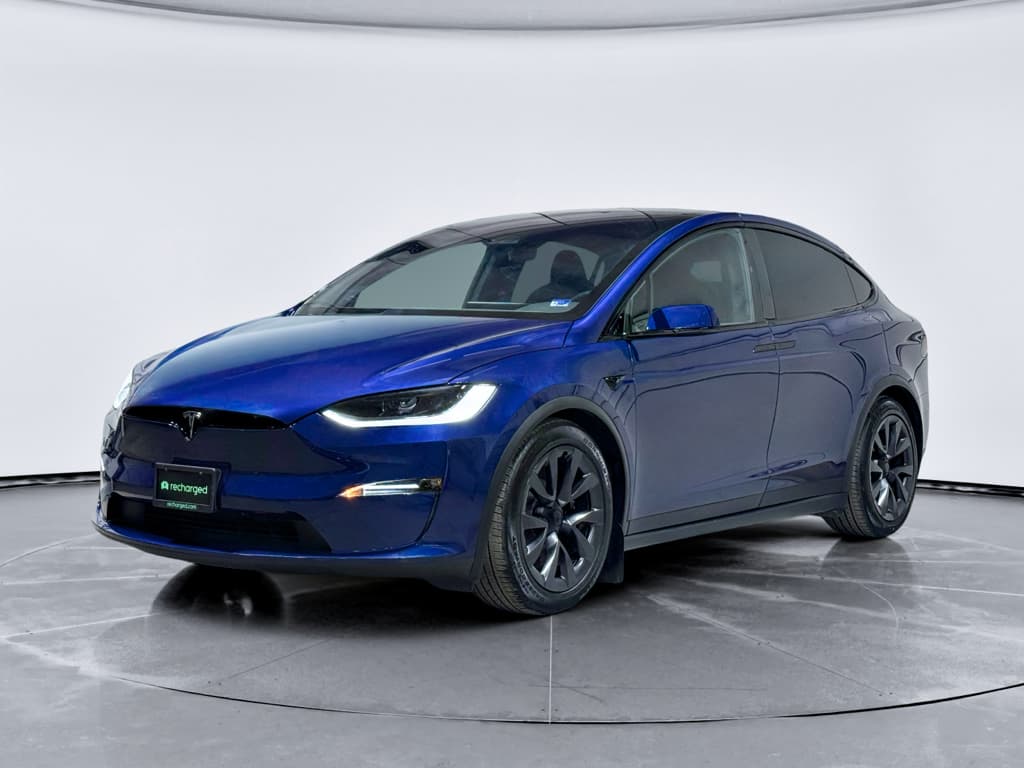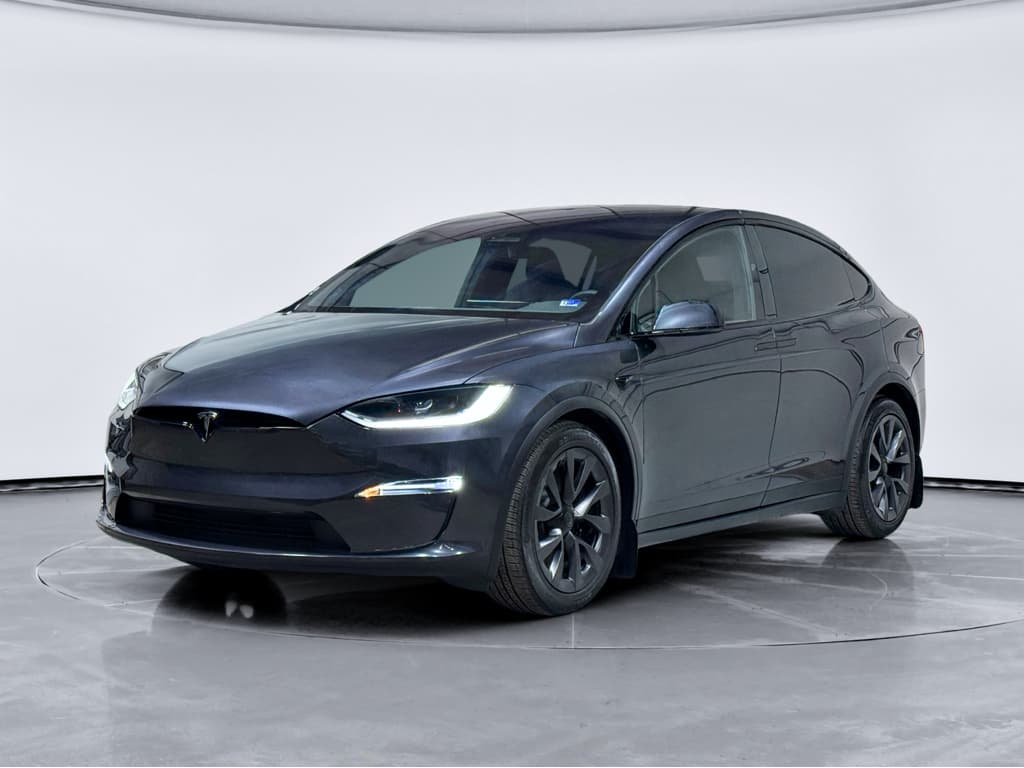
If you’re looking at a used 2016 Tesla Model X, the first question you’re probably asking is simple: **how far will it really go on a charge today?** EPA numbers for a new SUV are one thing; a decade of real-world use, cold winters, highway speeds and battery wear is another. This 2016 Tesla Model X range test guide pulls together lab ratings, owner data and practical scenarios so you know exactly what to expect before you buy.
Quick takeaway
Why 2016 Model X range still matters in 2026
The 2016 Tesla Model X helped define the electric family SUV, with three-row seating, all-wheel drive and access to Tesla’s Supercharger network. As these early Model X vehicles move deep into the used market, **range and battery health** have become the make‑or‑break factors for shoppers weighing them against newer EVs or gas SUVs.
On paper, a 2016 Model X offers **200–289 miles of EPA-rated range**, depending on battery size and performance trim. In reality, a used example has likely seen years of fast charging, software updates, hot summers or cold winters, and an odometer that may read well into six figures. Understanding how those factors affect real-world range is critical if you’re comparing listings or trying to decide whether a specific vehicle will comfortably handle your commute, road trips or towing plans.
Where Recharged fits in
EPA range ratings for 2016 Tesla Model X trims
Tesla offered several Model X variants in 2016. Each uses dual motors and all‑wheel drive, but with different battery sizes and performance levels. Here’s how they were rated when new.
2016 Tesla Model X EPA-rated range by trim (when new)
Official EPA ratings and commonly cited figures for 2016 Model X variants. Actual window-sticker and on-screen numbers can differ slightly by wheel size and software version.
| Trim (2016) | Battery size | EPA combined range (mi) | Typical daily charge limit (90%) | Notes |
|---|---|---|---|---|
| 60D | 60 kWh | 200 | ~180 | Software-limited pack; rare and often upgraded later |
| 75D | 75 kWh | 238 | ~215–220 | Most common non-performance Model X; solid all-rounder |
| 90D | 90 kWh | 257 | ~230–235 | Longer-range non-performance trim |
| P90D | 90 kWh | 250 | ~225 | High-performance; slightly less range than 90D |
| P100D* | 100 kWh | 289 | ~260 | Introduced late 2016; less common in that model year |
Use these numbers as the starting point before you account for age, weather and driving style.
EPA vs what you’ll see on screen
Real-world range test: what you can actually expect
EPA tests assume moderate speeds, mild weather and a brand‑new battery. A 2016 Model X with 8–10 years on the road will behave differently. Pulling from long‑term road tests, owner data and real‑range databases, you can think of practical 2026 range in three buckets: **conservative**, **typical** and **optimistic**.
2016 Model X real-world range bands (today)
Approximate expectations for a healthy battery at highway-heavy mixed driving
Conservative (plan on this)
75D: 150–175 miles
90D: 165–190 miles
P90D / P100D: 160–190 miles
Assumes faster highway driving (75–80 mph), some weather impact and an aging battery.
Typical (balanced driving)
75D: 175–200 miles
90D: 190–215 miles
P90D / P100D: 185–215 miles
Mix of city and highway, moderate climate, mostly 70–75 mph on freeways.
Optimistic (best case)
75D: 210–220 miles
90D: 225–235 miles
P90D / P100D: 220–240 miles
Gentle driving, 60–65 mph highways, mild temps, minimal degradation.
Performance trim penalty
Efficiency vs EPA: what testing shows
How battery degradation hits a 2016 Model X
Every lithium‑ion battery loses capacity over time. For 2016–2019 Tesla Model X vehicles, aggregated owner data shows **roughly 1.8% capacity loss per year on average**, or around **10–15% by 100,000 miles**, depending on climate and use. That’s on top of the EPA vs real‑world gap you’d see on a brand‑new car.
In practical terms, a 2016 Model X 90D originally rated at 257 miles might offer something like **215–230 miles at 100% charge** if the pack has seen typical use and around 100,000 miles. A 75D rated at 238 miles might sit closer to **200–210 miles** at full, assuming it hasn’t been abused.
What accelerates degradation
- Living in extremely hot or cold climates
- Frequent DC fast charging (Supercharging) from low state of charge
- Regularly charging to 100% and letting the car sit full
- High annual mileage with aggressive driving
What helps preserve range
- Keeping daily charge limits around 70–80%
- Parking in a garage or shade when possible
- Using Level 2 AC charging for most charging sessions
- Letting the car manage its own thermal conditioning
How Recharged checks battery health
Weather, speed and towing: range killers for Model X
Even with a healthy battery, a 2016 Model X is a big, heavy, aerodynamic brick, albeit a sleek one. **Cold weather, high speeds and towing all have outsized effects on range**, and they stack up quickly.
How different conditions cut 2016 Model X range
Approximate impacts starting from a healthy battery and mild-weather baseline
Cold weather
- Mild cold (30–45°F): 10–20% hit
- Severe cold (<20°F): 30–40% hit
- Short trips are hardest; car keeps reheating cabin and battery.
Speed and aerodynamics
- 65 → 75 mph: often 10–15% less range
- 75 → 80+ mph: can add another 5–10% loss
- Boxy SUVs pay a bigger penalty than low sedans.
Towing and cargo
- Moderate trailer (2,000–3,000 lb): often cuts range by 40–50%
- Big enclosed trailer: more than 50% loss isn’t unusual
- Roof boxes also hurt efficiency, even without towing.
Don’t learn this at 5% state of charge
Range test scenarios for a used 2016 Model X
To make this concrete, let’s walk through some realistic 2016 Model X range test scenarios. These are approximations, but they line up closely with what many owners report when they pay attention to energy use rather than just the dash range number.
Sample range outcomes for a healthy 2016 Model X
Estimating range by scenario for a 75D and 90D with moderate degradation.
| Scenario | Trim | Conditions | Estimated usable range |
|---|---|---|---|
| Daily suburban commute | 75D | Mix of city/arterial streets, speeds 30–60 mph, 60–75°F | 180–200 miles |
| Daily suburban commute | 90D | Same as above | 200–220 miles |
| Interstate road trip | 75D | 70–75 mph, 60–75°F, light cargo | 160–185 miles |
| Interstate road trip | 90D | 70–75 mph, 60–75°F, light cargo | 180–210 miles |
| Winter commute | 75D | Frequent short trips, 20–35°F, preconditioning sometimes | 140–165 miles |
| Winter commute | 90D | Same as above | 160–185 miles |
| Light towing | 90D | 2,500‑lb trailer, 60–65 mph, mild temps | 120–150 miles |
Assumes ~10–12% capacity loss vs new and typical U.S. driving conditions.
Good news for most drivers
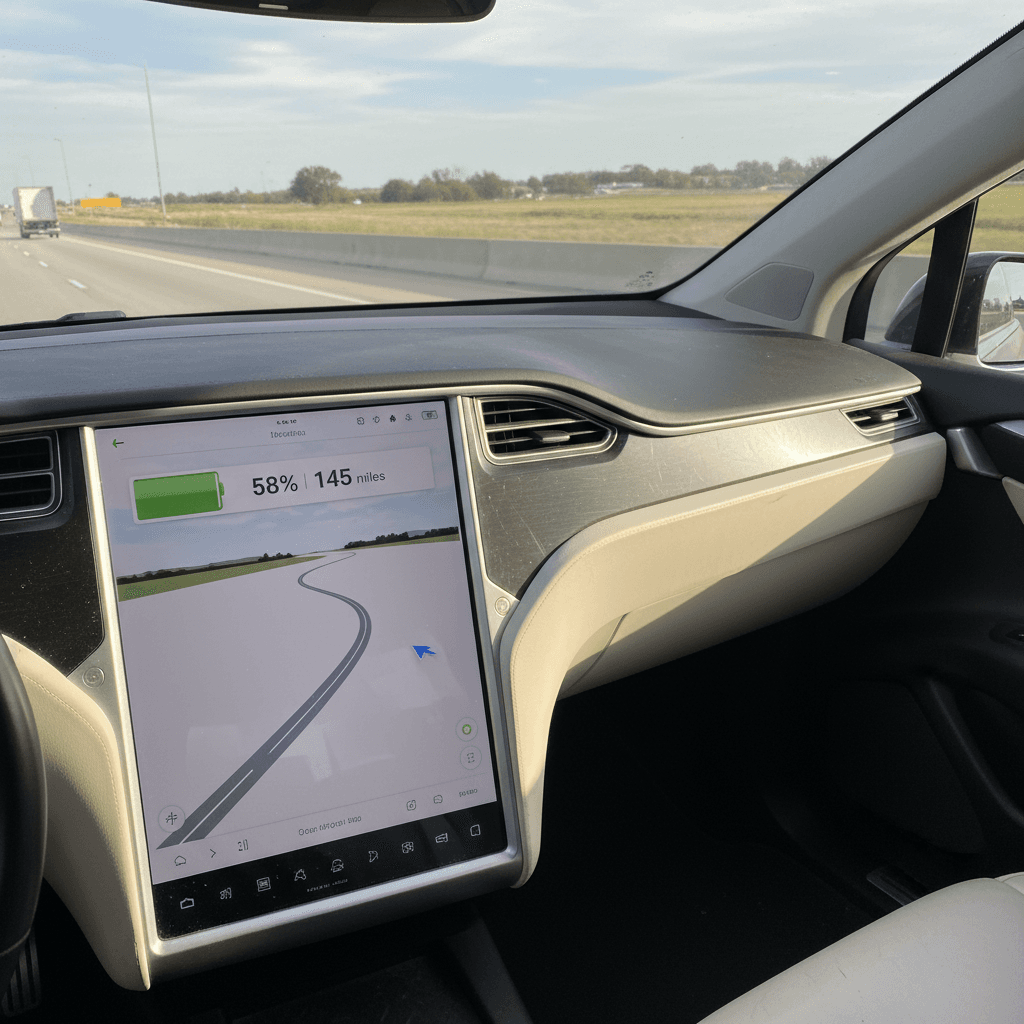
How to run your own range test safely
Whether you already own a 2016 Model X or are test‑driving one at a dealer, a controlled range test is the best way to validate what the car can realistically do. You don’t need to run it all the way to 0%, in fact, you shouldn’t, but you do need a simple plan.
DIY 2016 Model X range test in 7 steps
1. Start around 90–100% charge
Charge the car overnight on Level 2. Note the percentage and the displayed rated range when you unplug. For safety, most people test from 90% down to 10–15%, not 100% to 0%.
2. Pick a repeatable route
Choose an out‑and‑back freeway route with minimal elevation change, ideally driving one direction out, then turning around at halfway. Avoid strong crosswinds or heavy stop‑and‑go traffic if you can.
3. Set a steady target speed
Use cruise control at a realistic speed, say, 70 mph, to eliminate as many variables as possible. Sudden acceleration and lane‑changing make results harder to interpret.
4. Monitor the energy graph
On the main screen, open the Energy app and use the 5, 15 or 30‑mile projection views. This shows your actual Wh/mi consumption and a live projection based on how you’re driving right now.
5. Log your numbers
At the end of the drive, note miles driven, % battery used, and average Wh/mi. From there, you can estimate usable range: miles driven ÷ (% used ÷ 100).
6. Stop with a buffer
Plan the test to end near a charger with at least 10–15% remaining. Pushing down below 5% or to 0% adds stress without giving you much more useful data.
7. Repeat in different conditions
If you’re serious about keeping the vehicle, repeat a version of this test in winter and summer. You’ll quickly learn your own worst‑case and best‑case range windows.
Be cautious with dealer test drives
Shopping for a used 2016 Model X: range-focused tips
Because range is the defining feature of any used EV, you want to evaluate a 2016 Model X with the same rigor you’d bring to an engine and transmission on a gas SUV. Here’s how to keep range front‑and‑center in your shopping process.
What to check before you buy a 2016 Model X
Simple steps that can reveal a lot about real range
Battery & range indicators
- With the seller’s permission, briefly charge near 90% and record the displayed rated range.
- Compare that to the original EPA figure for that trim (75D, 90D, etc.).
- If the car shows much higher than EPA, check whether the display is set to "Ideal" range.
Service history & climate
- Ask where the car spent its life, very hot or very cold climates tend to show more degradation.
- Look for documentation of heavy towing or extremely high annual mileage.
- Battery replacements under warranty can be a plus if properly documented.
Charging habits
- Frequent Supercharging from low state of charge can accelerate wear.
- Cars routinely charged to 100% and left sitting may also show more capacity loss.
- Balanced home Level 2 charging is usually a positive sign.
Trim vs needs
- If you care most about range, a 90D is usually a better bet than a P90D.
- If you tow often, prioritize higher‑capacity packs and plan conservative trip legs.
- If your daily driving is light, a well‑kept 75D can be excellent value.
How Recharged simplifies this
Ready to find your next EV?
Browse Vehicles2016 Tesla Model X range: FAQ
Frequently asked questions about 2016 Model X range
Bottom line: is 2016 Model X range enough for you?
A 2016 Tesla Model X won’t match the jaw‑dropping range numbers of the newest long‑range EVs, but for many drivers, it doesn’t have to. If you understand the **original EPA ratings**, factor in **reasonable degradation**, and adjust for **weather, speed and towing**, you can plan around a realistic range window and decide whether a given SUV fits your life.
For commuters driving 40–70 miles a day with occasional road trips, a healthy 2016 Model X 75D or 90D can still be a comfortable, capable all‑electric family vehicle. The key is transparency: knowing what you’re getting, and paying a fair price for the real range that remains. That’s exactly where a marketplace like Recharged, with verified battery diagnostics, fair‑market pricing and EV‑savvy support, can turn a complicated used EV decision into a confident one.