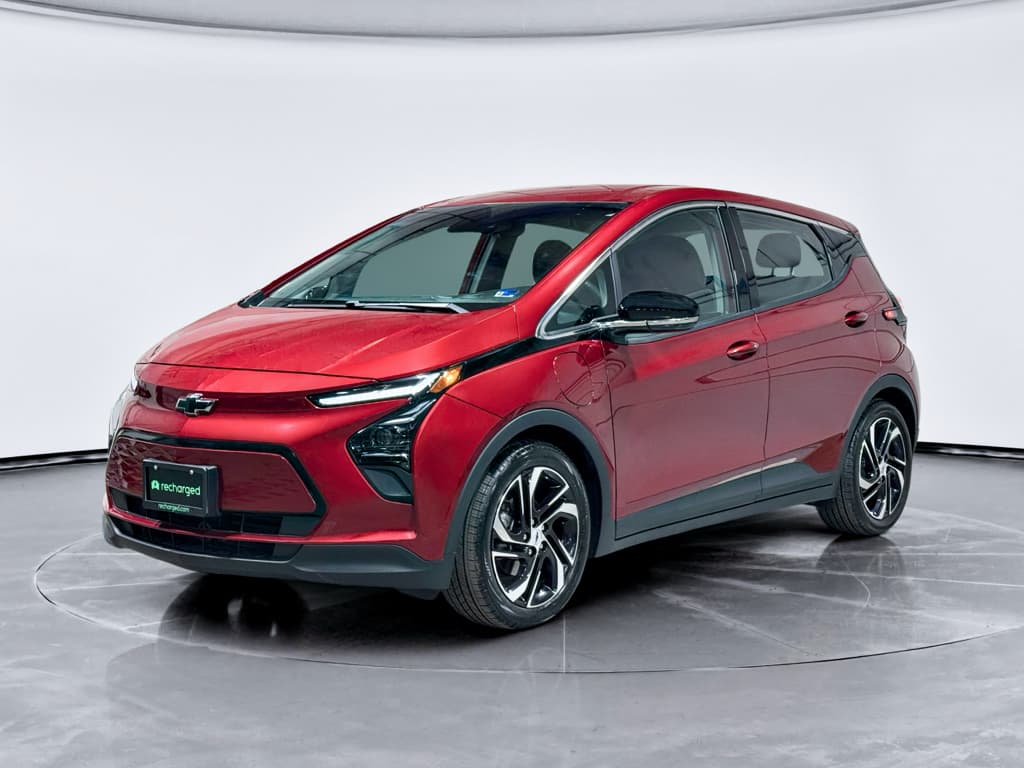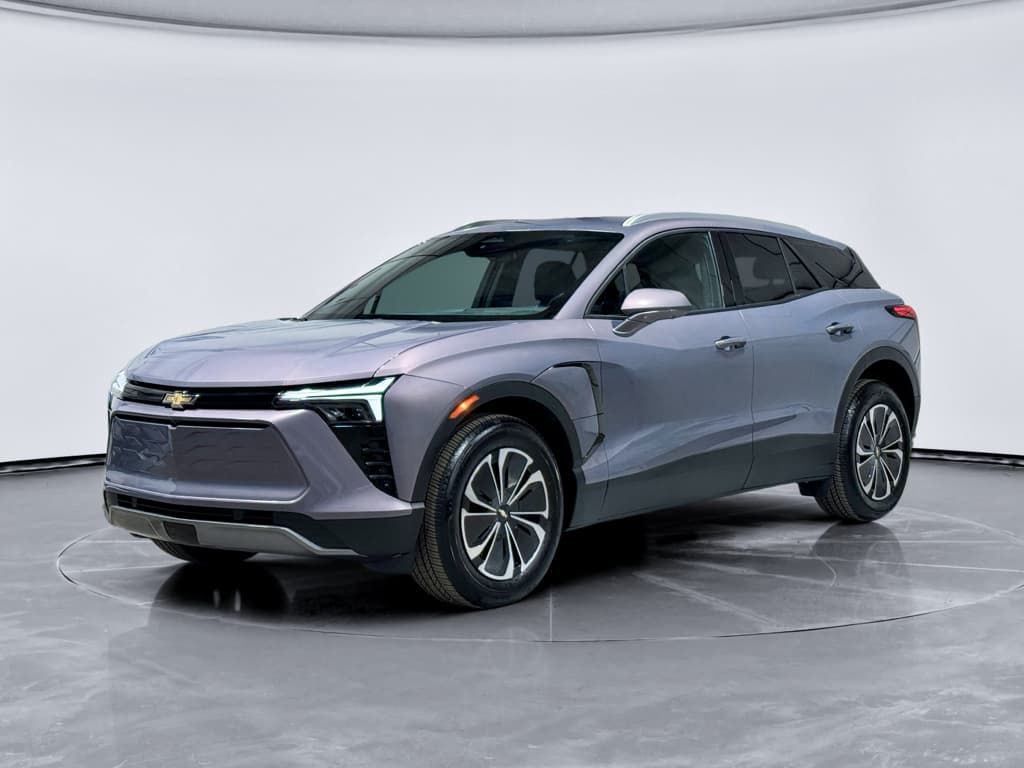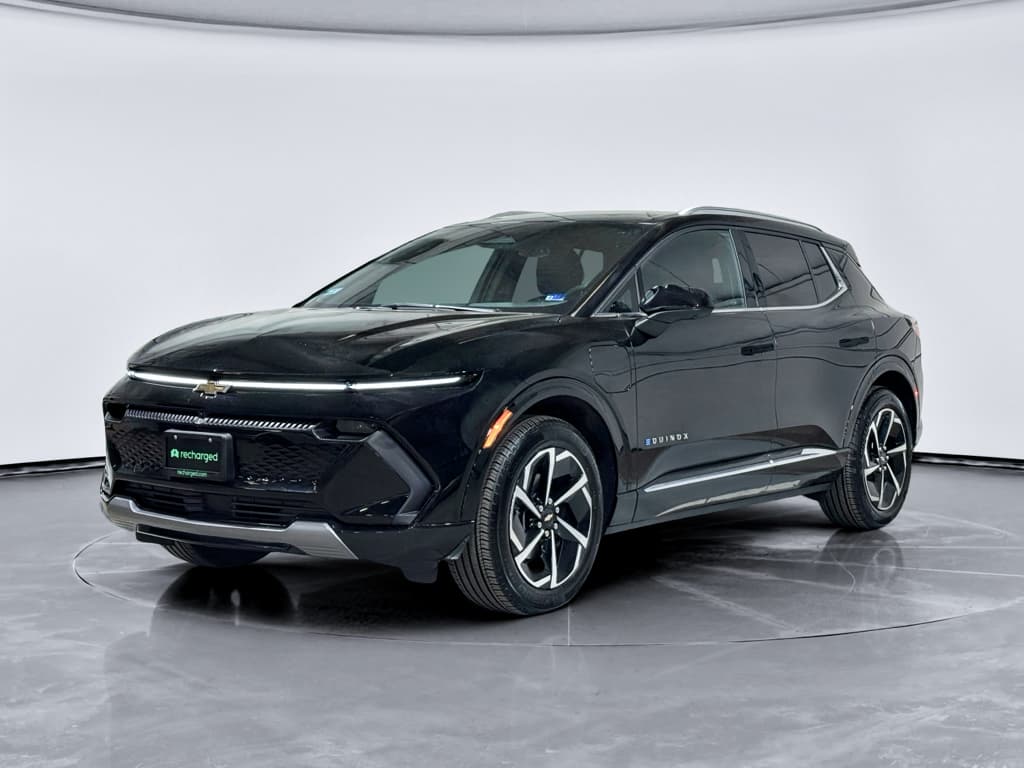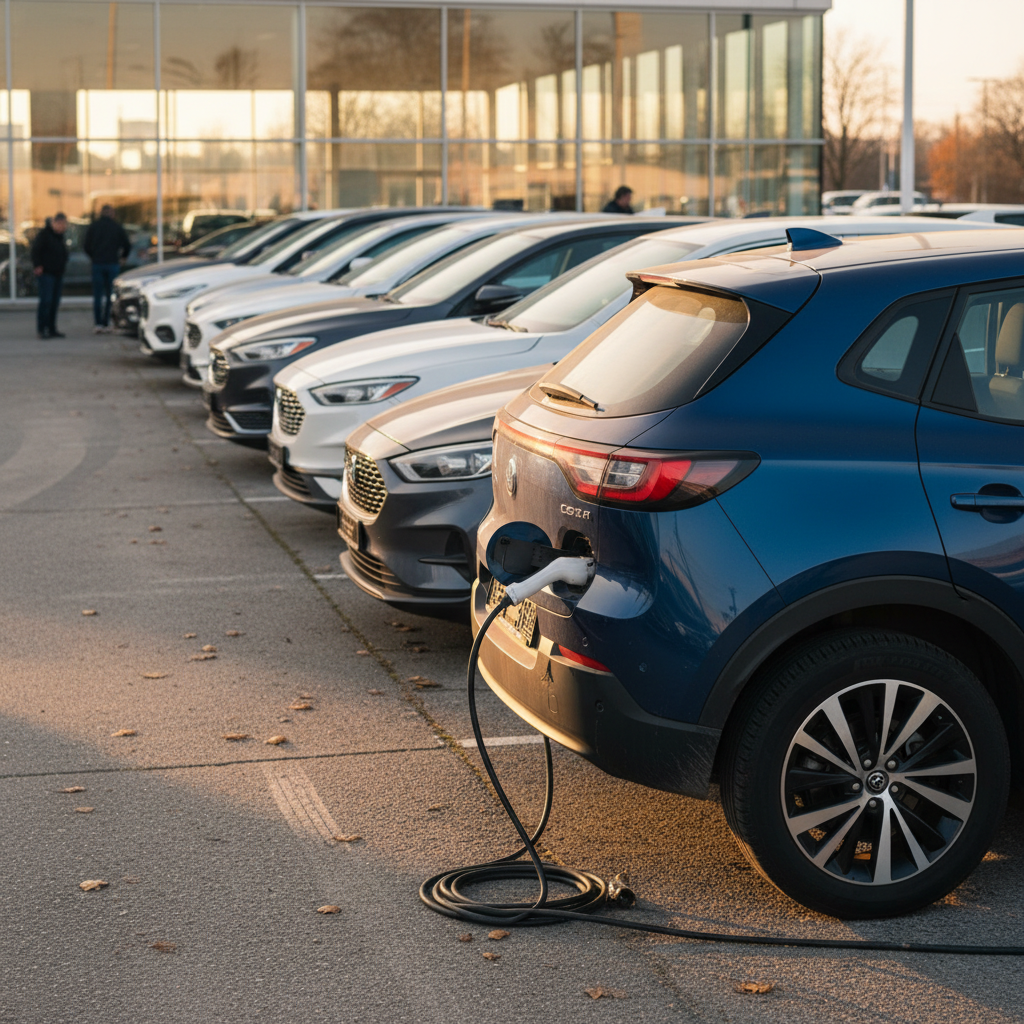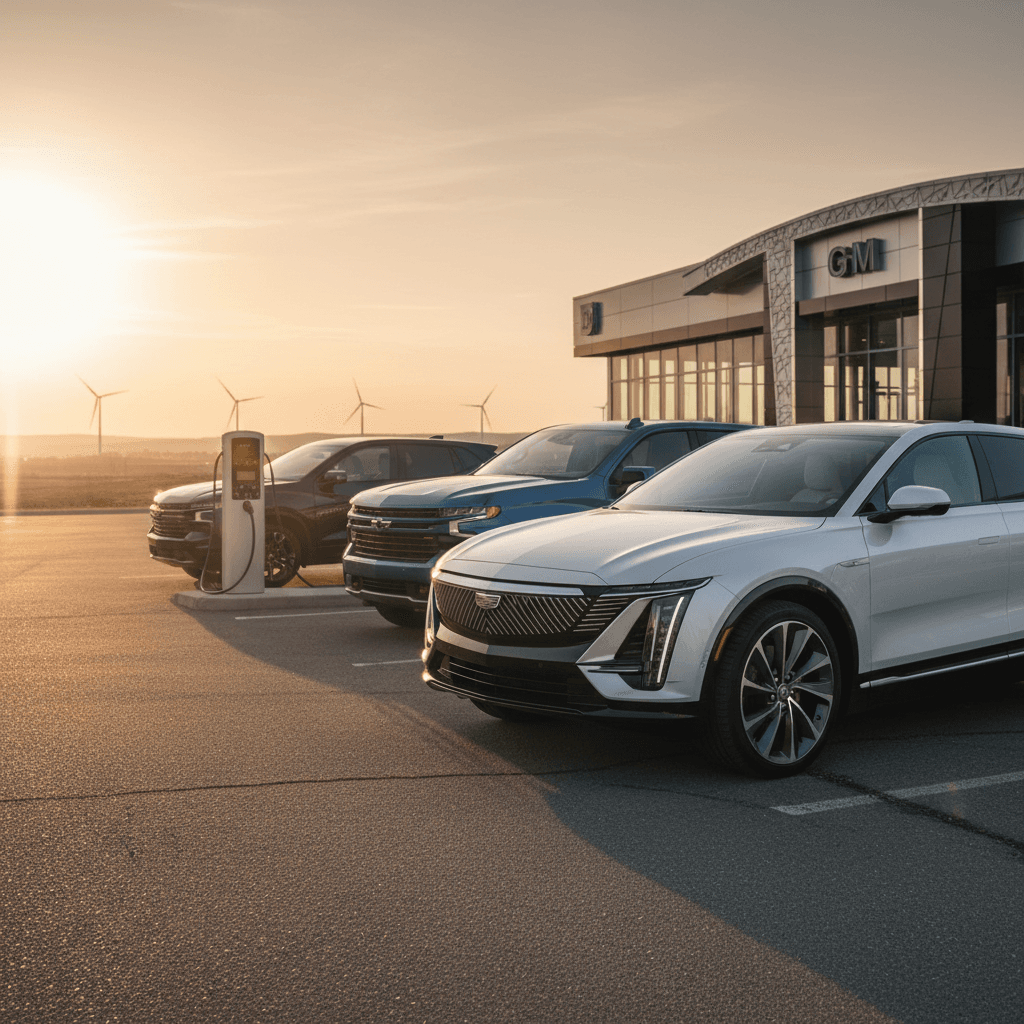
If you’re considering GM electric cars, you’re not alone. General Motors has quietly built one of the most diverse EV lineups in the U.S., from affordable Chevy crossovers to Cadillac luxury SUVs and GMC’s wild HUMMER EV and electric pickups. In 2024 GM’s EV sales jumped around 50% year over year, making it the #2 seller of EVs in the U.S. behind Tesla, and Chevrolet alone passed Ford in early 2025. That means you now have real choice, both new and used, if you want a GM badge on your next EV.
Snapshot: GM’s EV momentum
Why GM electric cars matter in 2025
GM EVs by the numbers
Why does this matter to you? Because GM is now past the “science‑project” stage with EVs. You can choose from affordable crossovers, large family SUVs, luxury cruisers and full-size electric trucks, instead of one or two niche models. That depth is especially important in the used EV market, where prior-generation Bolts and first-wave Ultium vehicles are starting to show up at compelling prices.
Tip for shoppers
GM’s Ultium platform and EV tech explained
Most current GM electric cars ride on the company’s Ultium platform. Instead of designing each EV from scratch, GM created a shared battery and motor system it can scale up or down, small crossover, big SUV, work truck, even performance car, by mixing and matching modules.
Ultium batteries
- Modular pouch cells arranged in large packs under the floor.
- Pack sizes from roughly 70 kWh in compact SUVs to 200+ kWh in heavy trucks.
- 400‑volt and 800‑volt architectures depending on vehicle, affecting fast‑charge speed.
Ultium drive units
- Front-, rear-, or dual‑motor setups for front‑wheel drive, rear‑wheel drive, or all‑wheel drive.
- Power outputs ranging from ~210 hp economy versions to 700+ hp in halo models.
- Software‑defined, so GM can roll out improvements and new features over‑the‑air in many models.
You’ll still see legacy models like the Chevrolet Bolt EV and Bolt EUV on the used market. They pre‑date Ultium but remain attractive value plays, especially for city and commuter duty. For new purchases and most late‑model used GM EVs, though, Ultium is the common thread.
Note on early production Ultium EVs
Chevrolet electric cars and SUVs
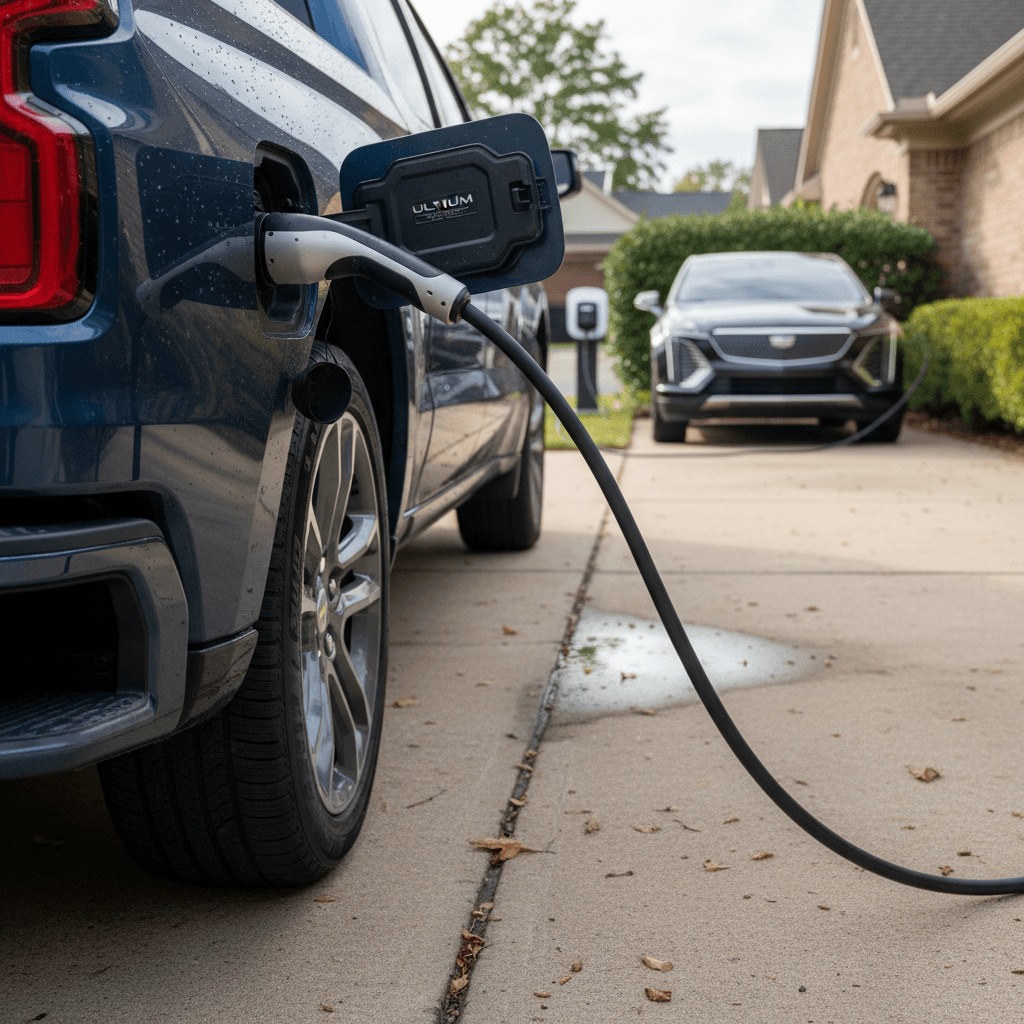
Chevrolet is the volume engine behind GM electric cars. If you’re looking for something that feels familiar in size and price to a conventional compact or midsize SUV, this is where to start.
Key Chevrolet EVs in 2025
From budget‑minded commuters to family SUVs and work trucks
Chevrolet Bolt EV / Bolt EUV (used)
GM stopped building new Bolts in 2023, but they remain some of the best-value used EVs you can buy.
- Typical real-world range: ~230–250 miles when new.
- Great for commuting and city driving; tighter back seat.
- Battery recall means most packs have been replaced or updated, an advantage if verified.
Chevrolet Equinox EV
Chevy’s compact crossover EV has become GM’s EV sales leader.
- One of the most affordable 300‑mile EVs on sale when eligible incentives are factored in.
- Practical size for families; similar footprint to gas Equinox.
- Multiple trims with front- or all‑wheel drive and a wide spread of range and power.
Chevrolet Blazer EV & Silverado EV
Blazer EV targets the sporty midsize SUV buyer, while Silverado EV goes after full‑size truck shoppers.
- Blazer EV: bold styling, strong performance, range in the mid‑200s to 300+ miles depending on trim.
- Silverado EV: work‑ready towing and payload, long‑range battery options, and a large cabin.
- Both ride on Ultium and support DC fast charging for road trips.
Where Recharged fits in
Ready to find your next EV?
Browse VehiclesGMC and Cadillac electric SUVs and trucks
If you’re after presence, capability, or luxury, GM’s other brands lean into the high‑end side of electric mobility.
Higher-end GM EVs
From supertrucks to quiet luxury cruisers
GMC HUMMER EV & Sierra EV
The GMC HUMMER EV (pickup and SUV) is GM’s electric halo truck, huge power, big battery, big personality. The GMC Sierra EV brings those capabilities to a more traditional truck shape.
- Massive power and torque with off-road‑focused tech like CrabWalk in some trims.
- Very large battery packs deliver strong range but add weight.
- Best suited to buyers who prioritize capability and image over efficiency.
Cadillac LYRIQ & Escalade IQ
Cadillac’s Ultium-based SUVs focus on refinement, tech and quiet comfort.
- LYRIQ: two-row luxury SUV with competitive range, upscale interior and advanced driver assistance.
- Escalade IQ: a fully electric take on the full-size Escalade, with enormous cabin space and long-range battery options.
- Expect higher pricing, but also higher levels of standard equipment.
Driver-assistance tech
Range, charging and road‑trip ability
The first question most shoppers ask about GM electric cars is simple: “Will this work for my daily driving and road trips?” In practice, most modern GM EVs offer between about 250 and 340 miles of EPA‑rated range, depending on model, battery size and drivetrain. Trucks and big SUVs tend to sit on the lower end of that range when towing or loaded, while compact crossovers like the Equinox EV can post some of the strongest range-per-dollar numbers in the segment.
Typical GM EV range and charging (approximate)
Representative figures for common GM EV segments. Exact range and charge speeds vary by trim, wheel size and conditions.
| Model type | Examples | Typical EPA range | DC fast-charging peak | Best for |
|---|---|---|---|---|
| Compact crossover | Equinox EV, Bolt EUV | 250–320 mi | Up to ~150 kW+ | Daily driving, light road trips |
| Midsize SUV | Blazer EV, LYRIQ | 270–320 mi | Up to ~190 kW+ | Family trips, mixed driving |
| Full-size SUV | Escalade IQ | ~300 mi+ (varies) | Up to ~200 kW+ | Large families, luxury travel |
| Full-size truck | Silverado EV, Sierra EV, HUMMER EV | 230–400 mi (battery/trim dependent) | Up to ~350 kW in high‑end trims | Towing, work use, lifestyle adventure |
Always verify the official EPA range and on‑board charger specs for the specific VIN you’re considering.
Home charging is the real game changer
- GM EVs use the North American Charging Standard (NACS) connector on many 2025+ models, opening access to thousands of Tesla Superchargers as networks integrate.
- Earlier GM EVs may use the CCS connector; many will gain NACS access via adapters or dual‑port solutions.
- Through partnerships with networks like EVgo, Pilot/Flying J and the Ionna joint venture, GM drivers can access over 250,000 public charge plugs across North America.
Cost of ownership, incentives and warranties
On the showroom floor, some GM electric cars look more expensive than comparable gasoline models. Over a typical ownership period, though, lower fuel and maintenance costs can narrow or even erase that gap, especially if you can charge at home on relatively inexpensive electricity.
Key cost factors with GM EVs
What affects your long-term bottom line
Purchase price & incentives
- New GM EVs may qualify for federal and state incentives depending on assembly location, battery sourcing and your tax situation.
- Chevrolet models like the Equinox EV target mainstream price points; GMC and Cadillac EVs sit higher but may retain more value.
Fuel & maintenance savings
- Electricity is often cheaper per mile than gasoline, particularly off‑peak.
- No oil changes, fewer moving parts and reduced brake wear can cut routine maintenance costs.
Warranty & battery coverage
- Most GM EVs carry an 8‑year/100,000‑mile (or similar) battery and electric drivetrain warranty from new.
- For used buyers, confirm how much of that original coverage remains based on in‑service date and mileage.
Watch the fine print on incentives
Buying used GM electric cars
For many shoppers, a used GM EV is the sweet spot, especially early Bolt models that combined reasonable range with approachable pricing, and now, increasingly, first‑generation Ultium vehicles. But buying used introduces one big question: battery health.
Used GM EV buying checklist
1. Verify recall and software campaign history
Ask for a full recall and service history printout. Bolts, Blazer EVs and other models have had important battery or software campaigns. You want those addressed before you buy.
2. Ask for a battery health report
Battery state of health (SoH) is the EV equivalent of a compression test on an engine. On Recharged listings, the Recharged Score includes <strong>verified battery diagnostics</strong> so you can see current capacity compared with when the car was new.
3. Confirm remaining warranty coverage
Warranty start date usually tracks the vehicle’s first in‑service date, not the model year. A 2022 model first sold in early 2023 may have more battery warranty remaining than a similar car first sold in 2021.
4. Evaluate charging history and use case
A vehicle that lived its life on gentle Level 2 home charging often shows less battery stress than one fast‑charged daily on road‑trip duty. Ask the seller how it was used.
5. Inspect for collision and flood damage
EVs are no more immune to bad repairs than gas vehicles. Carefully review Carfax/autocheck, look for uneven panel gaps, overspray, or corrosion, in particular around the high‑voltage components.
6. Test drive with an eye toward range
On a test route, note energy consumption and projected range at highway speed. Don’t expect EPA numbers, but you do want consistent, predictable behavior and accurate range estimates.
How Recharged simplifies used GM EV shopping
How GM EVs compare to Ford, Hyundai and Tesla
Versus Tesla
- Tesla still leads in brand recognition and Supercharger network maturity.
- GM counters with more traditional styling, dealer support and broader segment coverage (especially full-size SUVs and trucks).
- As NACS access spreads, the charging‑network gap narrows for GM owners.
Versus Ford
- Ford’s EV lineup centers on a sporty crossover (Mustang Mach‑E) and F‑150 Lightning truck.
- GM offers more nameplates across segments, and Chevrolet has pulled ahead of Ford in U.S. EV sales volume.
- Choice within GM’s portfolio is a key advantage if you want a specific size or price point.
- Hyundai and Kia often lead in charging speed and efficiency in compact and midsize EVs.
- GM plays to its strengths in trucks, large SUVs and dealer coverage across the heartland.
- For U.S. buyers who value traditional truck/SUV capability plus EV power, GM is hard to ignore.
What really matters in cross‑shopping
Which GM electric car is right for you?
Match a GM EV to your lifestyle
Budget-minded commuter
Look at used Chevrolet Bolt EV and Bolt EUV first, low purchase price, solid range, and simple ownership.
If you need more space, consider an Equinox EV in lower trims, especially if you can stack incentives.
Prioritize vehicles with clear battery health reports and remaining factory warranty.
Growing family
Equinox EV and Blazer EV are the sweet spot for most families, usable cargo space, modern tech, and comfortable range.
If you want luxury, cross‑shop Cadillac LYRIQ against European and Korean rivals.
Check rear‑seat space, car‑seat fit, and road‑trip charging plans during your test drive.
Truck or tow user
Shortlist Silverado EV, Sierra EV, and HUMMER EV if you tow or haul regularly.
Be realistic about towing range, expect significant drops versus the EPA rating when pulling heavy loads.
Factor in home charging capacity; large truck batteries strongly benefit from a robust 240V setup.
Luxury & tech shopper
Cadillac LYRIQ offers a quiet cabin, high‑end materials and available Super Cruise for long‑distance comfort.
Escalade IQ targets buyers who want a flagship three‑row luxury SUV without tailpipe emissions.
Don’t overlook dealer experience and service network, Cadillac’s EV push is backed by upgraded facilities in many markets.
In 2025, GM electric cars cover more ground than ever, literally and figuratively. Whether you need an efficient commuter, a family SUV, a luxury cruiser or a serious truck, there’s likely a Chevrolet, GMC or Cadillac EV that fits. The key is to align your choice with how you actually drive, charge and budget. If you’re leaning toward a used GM EV, pairing this guide with a transparent battery health report, like the Recharged Score on every Recharged listing, turns a complex decision into a straightforward one.