If you’re eyeing a used Tesla, you’ve probably typed "2016 Tesla Model S range test" into a search bar and then fallen down a rabbit hole of EPA charts, YouTube road trips, and Reddit anxiety. Let’s cut through the noise: this generation of Model S still has genuinely useful range in 2026, but only if you understand what those numbers really mean in the real world.
Why 2016 is a sweet spot
2016 Tesla Model S range at a glance
Original 2016 Model S EPA ranges (when new)
Those are the headline EPA numbers for a brand‑new 2016 Tesla Model S. In practice, very few owners ever saw those exact figures outside of carefully controlled conditions. It’s more realistic to treat them as an upper bound under ideal circumstances: 65 mph, mild weather, 19‑inch wheels, and a driver committed to efficiency rather than speed.
Fast rule of thumb
EPA vs real‑world range on a 2016 Model S
What the EPA number means
- Lab‑derived cycle that blends city and highway driving.
- Moderate acceleration, no sustained high‑speed cruising.
- Climate control lightly used, mild ambient temperature.
- Rated to 0% state of charge, which you should rarely do in real life.
What you actually experience
- Higher steady speeds (70–80 mph) on U.S. highways.
- More aggressive passing and stop‑and‑go in traffic.
- Real HVAC use, A/C in summer, lots of heat in winter.
- Drivers typically keep a 10–20% buffer instead of running to 0%.
When you put a 2016 Model S into the wild, EPA range quietly turns into something more like a best‑case planning tool. Independent tests of dual‑motor Teslas at a steady 65–75 mph commonly land around 75–85% of rated range on the highway, and that was when the cars were new. A decade later, age and battery wear nibble that down further.
Don’t plan a trip off the EPA number alone
Highway range test: 2016 Model S 75D at cruising speed
The 2016 Model S 75D is the workhorse of this lineup: dual‑motor all‑wheel drive, 75 kWh pack (about 72–73 kWh usable), and an EPA rating around 259 miles. It’s also the variant most commonly cross‑shopped on the used market today.
Real‑world highway expectations for a 2016 Model S 75D
Approximate single‑charge highway range targets for a healthy battery, starting from 100% and arriving near 5–10%. Use these as planning baselines, not promises.
| Scenario | Speed & Conditions | Approx. Usable Range When New | Realistic Range Today (8–12% degradation) |
|---|---|---|---|
| EPA reference | Mixed cycle, 65 mph average | ~259 miles | n/a (lab cycle) |
| Gentle highway cruise | 65 mph, 70°F, light A/C | 220–230 miles | 200–210 miles |
| Typical U.S. interstate | 70–75 mph, 70°F | 200–210 miles | 180–195 miles |
| Fast lane road trip | 80 mph, 70°F | 180–190 miles | 160–175 miles |
| Cold weather highway | 70 mph, ~25°F, cabin heat on | 170–190 miles | 150–170 miles |
Assumes 19" wheels, mild elevation changes, and no extreme headwinds.
Why many owners report ~200 miles, not 259
Range by battery pack: 60, 75, 90 and P90D
Not all 2016 Model S cars are created equal. The badge on the trunk tells you the original battery size, and that number matters a lot more than paint color if you care about road‑trip friendliness.
2016 Model S battery options and realistic range
Use these as directional guideposts when you shop used.
60 / 60D
EPA when new:
• 60 RWD: ~210 mi
• 60D: ~218 mi
Realistic today (mixed driving):
• 150–180 miles on a healthy pack.
Best for commuters with easy access to home charging and only occasional long trips.
75 / 75D
EPA when new:
• 75 RWD: ~249 mi
• 75D: ~259 mi
Realistic today (mixed driving):
• 180–210 miles for most owners.
This is the sweet spot in the 2016 lineup for affordability + usable range.
90D
EPA when new:
• ~294 mi combined
• Just over 300 mi on the highway in ideal conditions.
Realistic today (mixed driving):
• 220–250 miles from 100% to low single digits on a good battery.
Excellent for road‑trippers, but battery health varies more on some early 90 kWh packs.
P90D
EPA when new:
• ~270 mi, lower due to stickier tires and performance tuning.
Realistic today (mixed driving):
• 200–230 miles, depending heavily on wheel/tire choice and driving style.
You buy this car with your heart, not your calculator.
Be careful with 21" wheels
What ~10 years of battery degradation really means
The question hanging over every used EV is simple: how cooked is the battery? Early data on Model S fleets has been surprisingly reassuring. Across tens of thousands of cars, the first 50,000 miles tend to cost roughly 5% of capacity, after which the curve flattens and creeps toward ~8–12% loss past 100,000 miles for most owners. That broad pattern has held up into the 2020s.
Illustrative capacity loss on a 2016 Model S
These are ballpark examples, not guarantees. Actual degradation depends on climate, charging habits, mileage and how the car was stored.
| Original Variant | EPA Range When New | Typical Rated Miles at 100% Today* | Approx. Remaining Capacity |
|---|---|---|---|
| 75D, low mileage (~60k mi) | 259 mi | 215–225 mi | ~85–90% |
| 75D, higher mileage (~120k mi) | 259 mi | 200–215 mi | ~80–85% |
| 90D, moderate mileage (~90k mi) | 294 mi | 240–255 mi | ~82–87% |
| 60D, high mileage (~120k mi) | 218 mi | 175–190 mi | ~80–87% |
Assumes well‑maintained cars without severe abuse or repeated 100%–0% cycles.
Why the dash number can look worse than reality
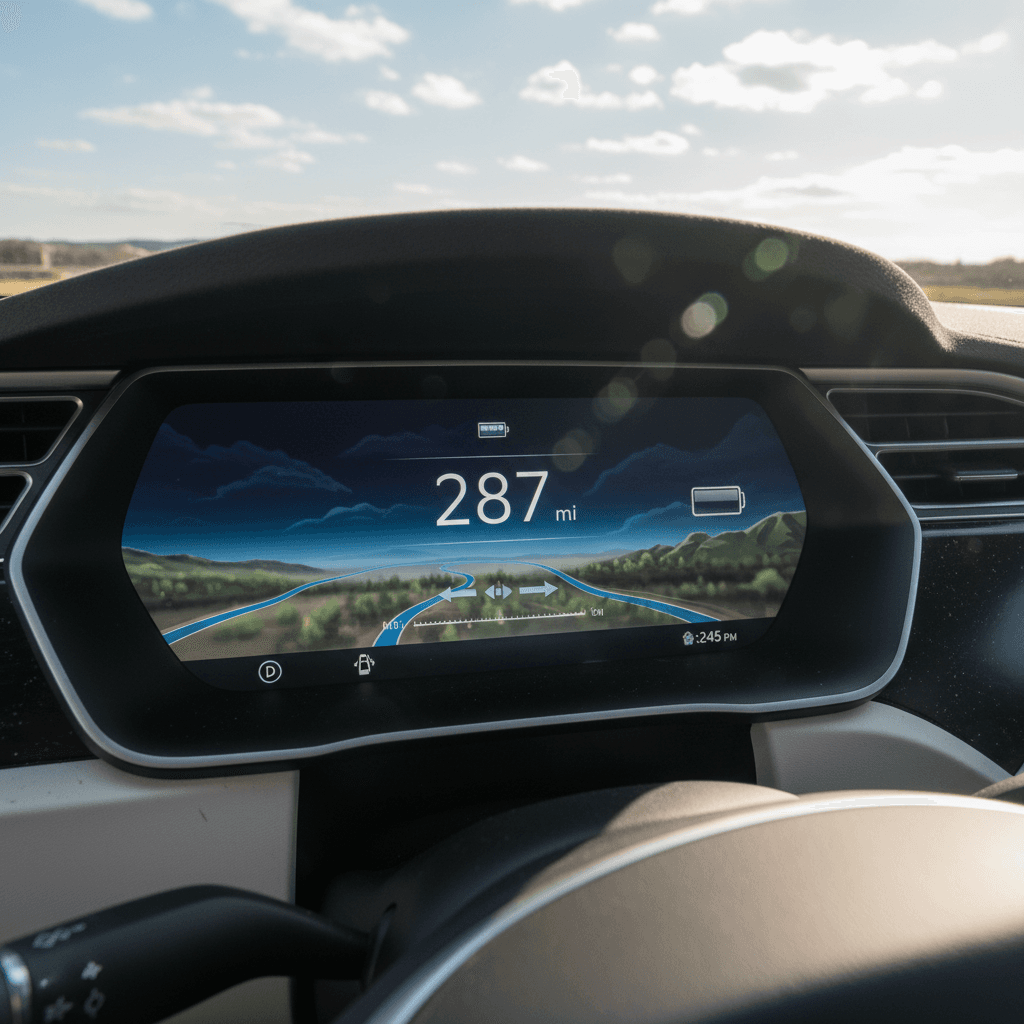
For a 2016 75D showing around 224 miles at 100%, that looks like roughly 86% of the original 259‑mile EPA rating, but in reality, the car never truly went 259 miles when new. Measured against realistic benchmarks, the pack is closer to the mid‑90% range.
Cold weather and fast driving: how much range you lose
If EPA testing is the glossy studio photo, then winter highway driving is the paparazzi shot in bad lighting. Nothing exposes the gap between the spec sheet and reality faster than freezing temperatures, high speeds, or both.
Three big range killers on a 2016 Model S
These apply to any EV, but the effects are obvious on a decade‑old battery.
Cold batteries
Below freezing, your battery chemistry slows and internal resistance rises. The car burns energy just to warm itself, so expect 20–40% range loss in harsh winter highway use, especially on short hops.
Speed & aero drag
Drag rises with the square of speed. Jumping from 65 mph to 80 mph can turn a 220‑mile car into a 170‑mile car in one move, without touching the climate controls.
Climate control
Cabin heat in a 2016 Model S is resistive, not a modern heat pump. On cold days it’s another 1–3 kW load, the equivalent of a constant extra 5–10 mph worth of energy use.
- For winter road trips in a 2016 75D, plan for losses of 25–35% vs EPA if temperatures hover around freezing and roads are wet or slushy.
- On hot days at 75–80 mph with A/C running, a hit of around 10–20% vs gentle‑cruise numbers is typical.
- Short, cold trips are worst of all; you pay the battery‑warming penalty repeatedly without ever settling into efficient steady‑state driving.
Precondition like it’s your job
Used 2016 Model S range checklist for shoppers
Range on a spec sheet is one thing; the car sitting on a used‑car lot or marketplace listing is another. Before you fall in love with a cheap P90D, make sure you know what you’re actually buying in terms of usable miles.
Range due diligence for a 2016 Tesla Model S
1. Identify the exact battery variant
Look at the badge (60, 75, 90, P90D) and confirm it matches the digital readout in the vehicle info screen. Software‑limited packs and retrofits exist, so trust the car’s software more than the trunk lid.
2. Check rated miles at 100%
Ask the seller for a photo of the dash at 100% charge in "rated" mode. Compare that number with the original EPA figure for that variant to get a rough sense of degradation.
3. Note wheels and tires
Verify whether the car is on 19" or 21" wheels, and whether it’s wearing performance or efficiency tires. This is a hidden variable that can change real‑world range by 10–15% at highway speeds.
4. Review charging history if possible
Frequent DC fast charging, habitual 100% charging, and long periods spent at very low or full state of charge can accelerate wear. Many owners treat their packs gently, but ask the question.
5. Test drive and watch efficiency
On a steady local test drive, reset the trip meter and watch Wh/mi. Numbers in the 280–330 Wh/mi range for mixed driving are normal for a 2016 Model S; much higher suggests either a heavy foot or inefficiency.
6. Get a third‑party or marketplace battery report
Services like Recurrent, and marketplace tools like the <strong>Recharged Score Report</strong>, analyze long‑term pack data instead of one snapshot. That’s much closer to the truth of how the car will behave for you.
Where Recharged fits in
How Recharged measures battery health and real range
On a decade‑old EV, the odometer matters less than the electrons. Two 2016 Model S 75D cars with the same mileage can feel completely different on the highway if one pack has been babied and the other has lived a hard Supercharger life. That’s why Recharged leans on data‑driven diagnostics instead of seller stories.
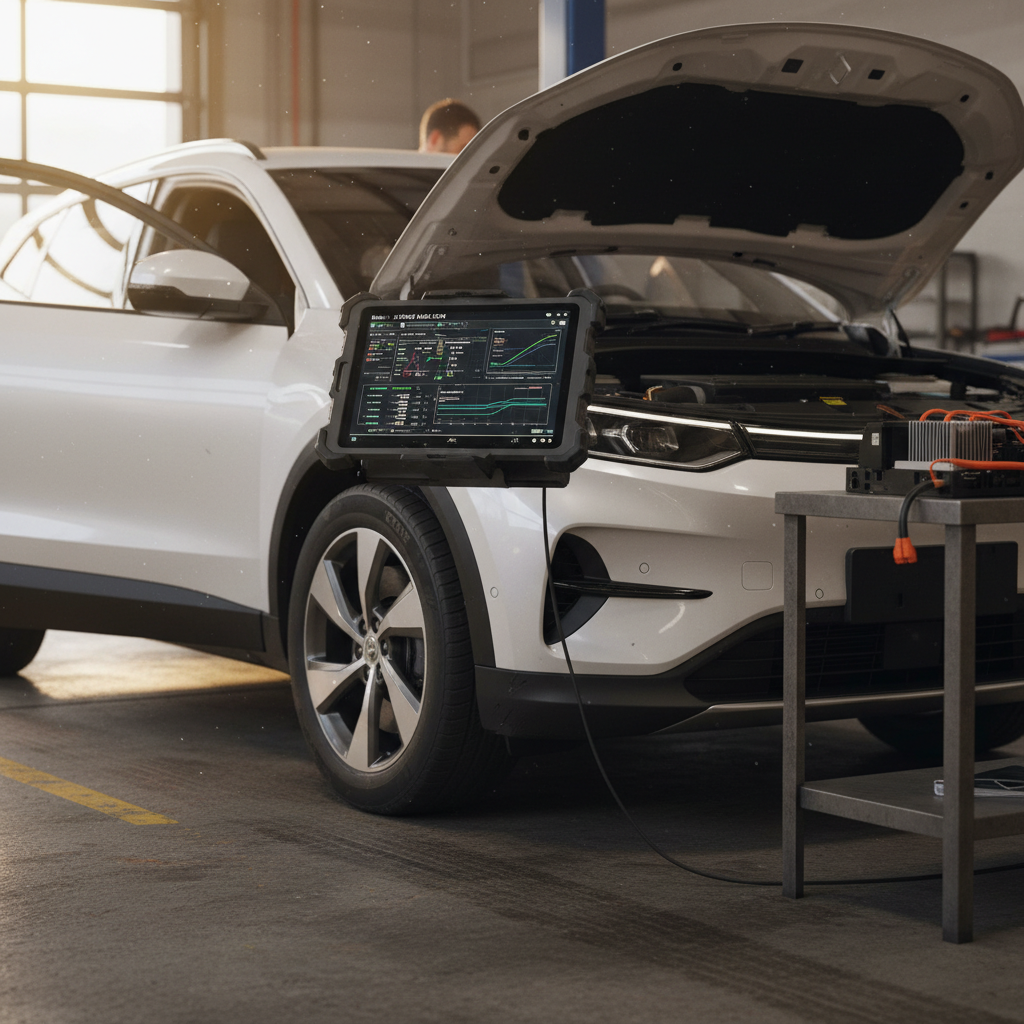
Inside a Recharged Score range assessment
What you see when you shop a 2016 Model S on Recharged.com.
Pack health scoring
We pull pack‑level data to understand usable capacity relative to what the car shipped with. Instead of vague "battery seems fine" language, you get a scored estimate of remaining capacity and projected impact on range.
Real‑world range estimate
Based on pack health, efficiency history and configuration (wheels, drivetrain), we translate capacity into a realistic estimated range window, not just the original EPA figure.
Pricing tied to battery reality
The Recharged Score feeds into pricing, so a 2016 90D with an especially strong pack is valued differently than one with above‑average degradation. You pay for the range you’re actually getting.
Ready to find your next EV?
Browse VehiclesIf you’re trading in or selling a 2016 Model S, Recharged can also buy your EV or help you consign it. That same battery data that reassures buyers also helps you justify your price, and, in many cases, capture more value than a generic dealer trade‑in.
FAQ: 2016 Tesla Model S range questions
Frequently asked questions about 2016 Model S range
Bottom line: should you trust a 2016 Model S on range?
If you’re expecting a 2016 Tesla Model S to behave like a brand‑new 400‑mile flagship, you will be disappointed. If you expect it to be a quick, handsome electric grand tourer with roughly 180–250 miles of honest, real‑world range depending on pack size and conditions, you’ll be pleasantly surprised by how well this car has aged.
The trick is to buy with your eyes open: know which battery you’re getting, respect the gap between EPA lab numbers and I‑95 in February, and insist on real battery data rather than shrugging assurances. That’s exactly the gap Recharged is built to close, by bundling every used EV with a transparent Recharged Score Report, financing support, trade‑in options, and even nationwide delivery if you find your perfect 2016 Model S a few states away.
Treat range as a tool, not a fantasy. Do that, and a well‑chosen 2016 Model S can still deliver the kind of effortless, quiet long‑legged cruising that made people fall in love with Teslas in the first place.