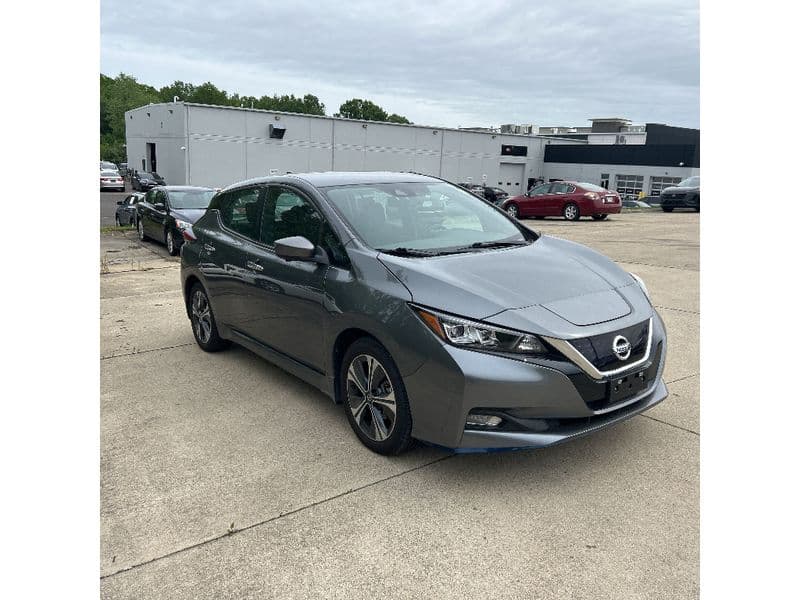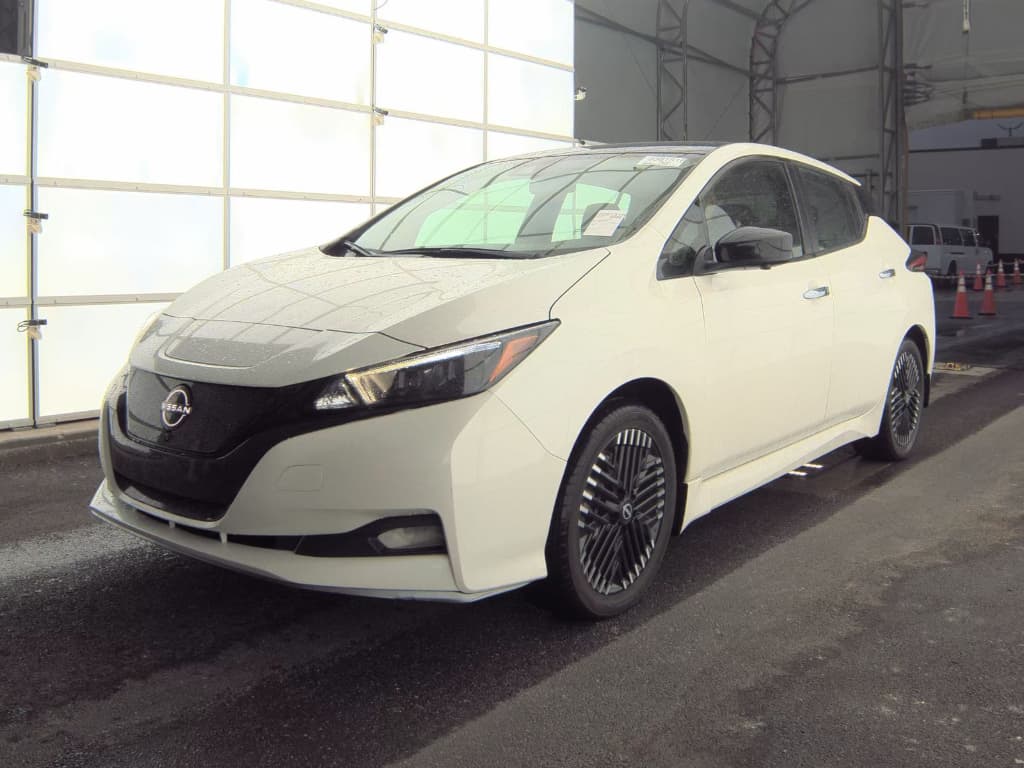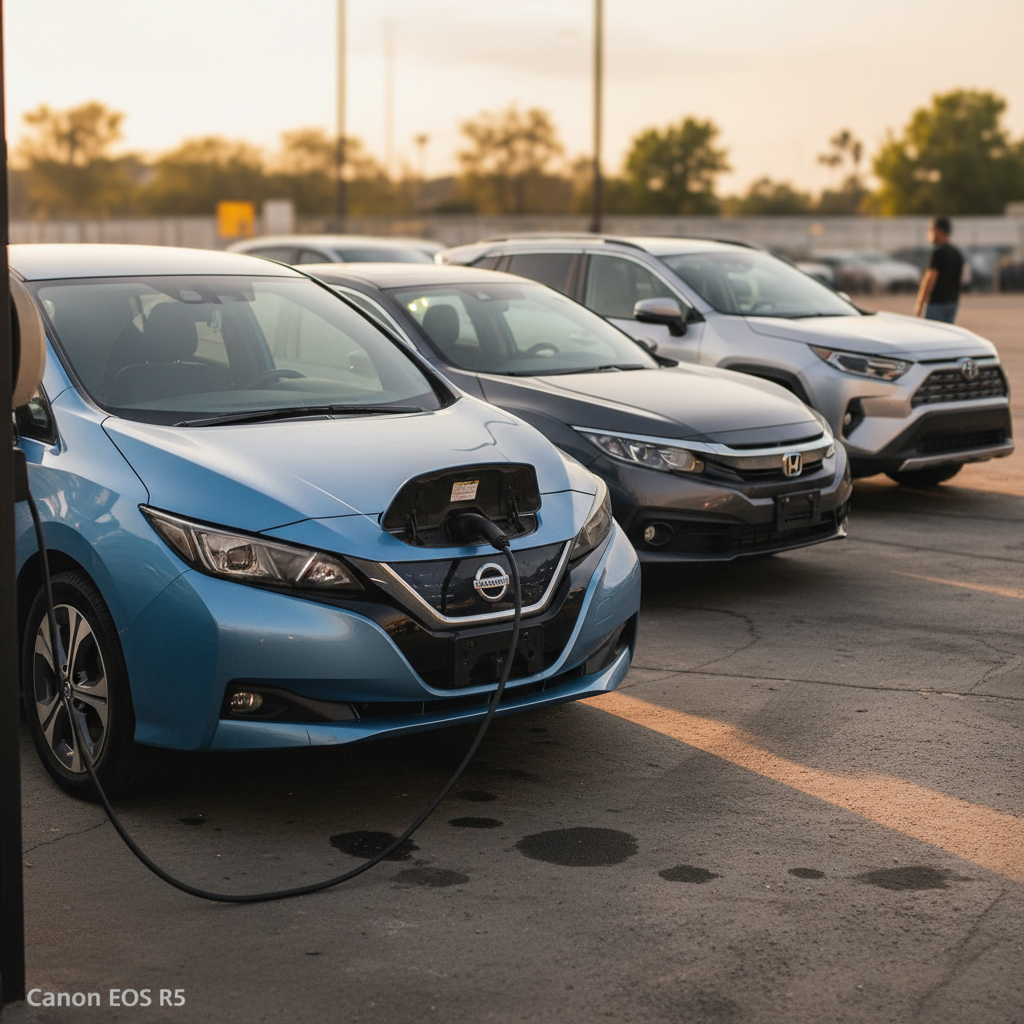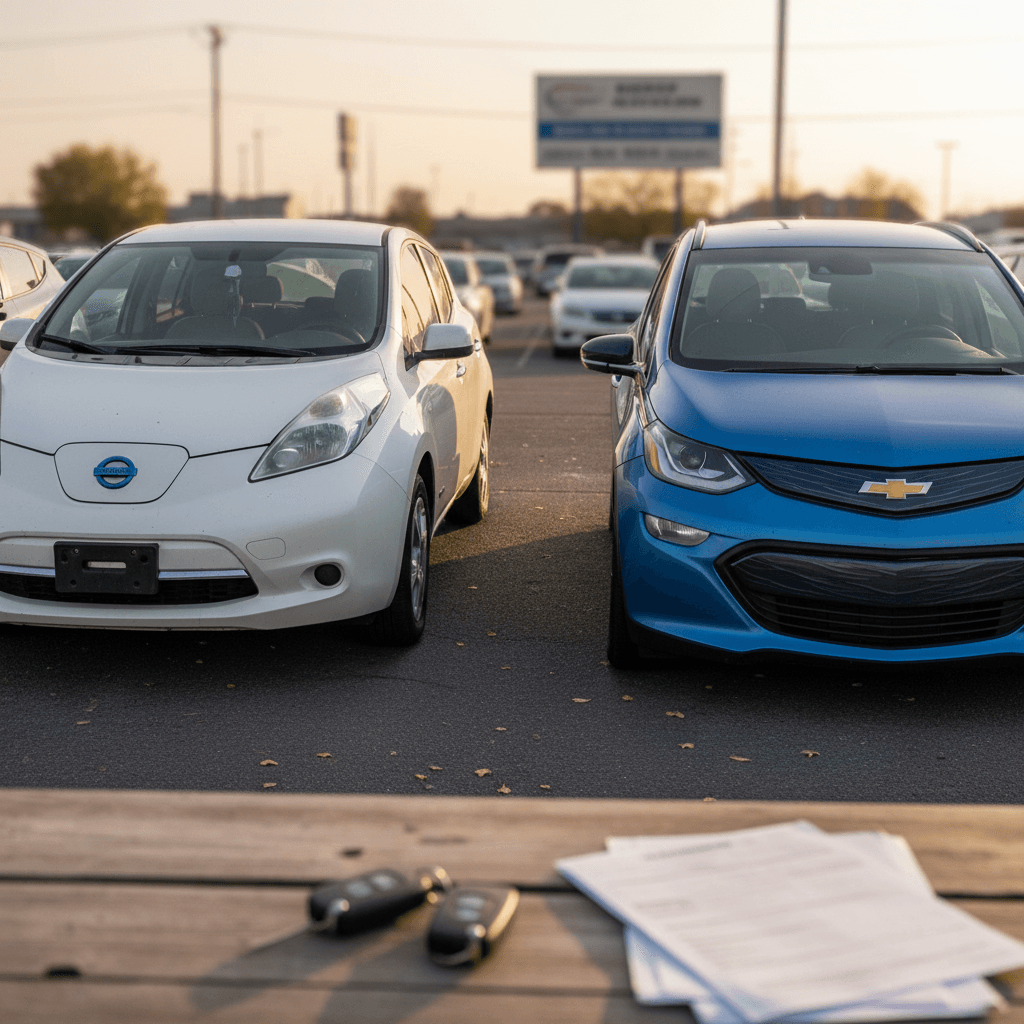
You’ve got about $20,000 to spend on a used EV, and two names keep popping up: Nissan Leaf and Chevrolet Bolt EV. On paper they’re both compact hatchbacks with similar price tags, but in the real world, they deliver very different ownership experiences. This guide walks you through exactly what a $20,000 Nissan Leaf vs a $20,000 Chevy Bolt looks like on today’s used market so you can pick the one that truly fits your life.
Quick verdict (for impatient shoppers)
Who this $20,000 Leaf vs Bolt comparison is for
- You’re shopping the used EV market with a budget around $18,000–$22,000.
- You’ve narrowed it down to a Nissan Leaf or Chevrolet Bolt EV but aren’t sure which is the smarter long‑term buy.
- You care about battery health, real‑world range, and charging convenience more than 0–60 times.
- You’d like to understand how a service like Recharged can de‑risk a used EV purchase with verified battery diagnostics and fair pricing.
We’ll focus on the most common trim and battery combinations you’re likely to see in the U.S. used market at this price point, rather than every obscure variant ever built.
What does $20,000 actually buy: Leaf vs Bolt
Typical $20k examples in today’s market
Typical $20,000 Nissan Leaf vs $20,000 Chevy Bolt examples
Representative configurations you’re likely to see advertised near $20k (your exact options will vary by mileage, condition, and region).
| Model | Likely Years | Battery | EPA Range (new) | Mileage Pattern |
|---|---|---|---|---|
| Nissan Leaf S/SV | 2019–2022 | 40 kWh | ~150 miles | 30k–70k miles |
| Nissan Leaf SV/SL Plus | 2019–2020 | 62 kWh | up to ~215–226 miles (trim‑dependent) | 60k+ miles at $20k |
| Chevrolet Bolt EV LT/Premier | 2017–2019 | ~60–65 kWh | 238 miles (early) to ~259 miles (later pack) | 50k–90k miles |
| Chevrolet Bolt EV | 2020 | 66 kWh | 259 miles | Higher miles or less-equipped trims at $20k |
Think of this as the short list of what your sales rep or online search is most likely to surface around the $20,000 mark.
Why trim and battery matter more than model year
Range and battery: which goes farther and ages better?
Range snapshot at a glance (when new)
Leaf batteries at $20k: 40 kWh vs 62 kWh
Most $20k Leafs on the market use the 40 kWh pack that arrived for the 2018–2022 model years, rated around 150 miles EPA when new. The larger 62 kWh “Leaf Plus” versions add useful range (up to roughly the low‑200‑mile zone, depending on trim), but on a $20k cap you’ll often see those with higher mileage or earlier model years.
Leaf battery degradation: not scary, but pay attention
Bolt batteries at $20k: recall twist that can favor buyers
Early Bolt EVs (2017–2019) shipped with about a 60 kWh pack rated for 238 miles EPA, and later cars climbed to around 259 miles as capacity grew. Crucially, many 2017–2019 Bolts had their packs replaced under GM’s widely publicized battery recall. That means a 2018 Bolt on a dealer lot today might be carrying a newer pack, with chemistry closer to 2020‑era cars, while still being priced like an older model.
A replaced Bolt pack can be a hidden win
Real‑world range today: what you’re likely to see
Typical used Leaf (40 kWh)
- New: ~150 miles EPA
- Well‑cared‑for, moderate‑miles example often delivers 120–140 miles of real‑world mixed driving.
- In cold weather or at 70–75 mph, plan around 90–110 miles between comfortable charges.
Usable for most U.S. daily commutes, but tight if you rely on highway driving with no charging safety net.
Typical used Bolt EV
- New: 238–259 miles EPA depending on year.
- Even with some degradation, many owners still report 190–230 miles in normal mixed driving.
- Highway at 70–75 mph often lands you around 160–190 miles on a full charge.
Substantially more road‑trip‑friendly than a 40 kWh Leaf and still ahead of many newer, cheaper EVs.
How Recharged derisks the battery question
Charging speed and road-trip ability
Both the Leaf and the Bolt are perfectly happy as commuter cars that primarily charge at home on Level 2. The differences show up when you start leaning on DC fast charging for longer trips.
DC fast‑charging: Leaf vs Bolt
What you can realistically expect on the highway
Nissan Leaf (40 & 62 kWh)
- Uses the CHAdeMO standard for DC fast charging in North America.
- Peak rates are modest; many owners see 30–50 kW under ideal conditions, and speeds can taper aggressively.
- Network support for CHAdeMO is shrinking as new sites prioritize CCS and NACS.
- Fine for an occasional top‑up, but repeated long‑distance trips take planning and patience.
Chevy Bolt EV
- Uses CCS, the prevailing fast‑charge standard until NACS takes over new models.
- Real‑world peak DC rates around 50–55 kW, with a fairly flat curve up to mid‑state of charge.
- On a good charger, you can add roughly 90–100 miles in ~30 minutes.
- Far better public‑charging coverage across most of the U.S. compared with CHAdeMO.
Leaf CHAdeMO: future support is the concern
Charging questions to ask before choosing Leaf or Bolt
1. How often will you use DC fast charging?
If the answer is “almost never,” a Leaf’s CHAdeMO port is less of an issue. If you want to take regular highway trips, the Bolt’s CCS access is a safer bet.
2. Do you have reliable Level 2 at home or work?
Both cars are happiest when charged overnight at 240V. If you’ll depend heavily on public fast charging, lean toward the Bolt.
3. What’s your longest regular drive?
If your weekly longest drive is 60–80 miles round‑trip, either car works. If you frequently cover 140+ miles in a day, the Bolt gives you more margin.
4. Are local CHAdeMO stations healthy and nearby?
Open your favorite charging app and actually count viable CHAdeMO plugs vs CCS in your region today, not in theory.
Space, comfort, and everyday practicality

Cabin feel
- Leaf: More traditional compact‑car vibe. Softer ride, slightly quieter, intuitive controls. Later years feel more modern inside than early ones.
- Bolt: Feels taller and more "mini‑MPV" than hatchback. Upright seating, excellent visibility, but a bit more road and tire noise.
If you’re coming from a small sedan or hatch, the Leaf may feel more familiar; the Bolt feels like a tall city car.
Passenger and cargo space
- Both cars seat five on paper; realistically they’re best for four adults or two adults plus kids.
- Leaf’s rear seat is slightly roomier for adults; Bolt’s rear knee room can feel tighter.
- Hatch space is generous on both. With seats folded, each can handle flat‑pack furniture, bikes (with front wheel off), or a big Costco run.
For stroller‑in‑trunk family duty, the Leaf’s slightly larger, squarer cargo opening is a small advantage.
Test‑sit, not just test‑drive
Reliability, known issues, and recalls
Neither the Leaf nor the Bolt is a problem child in the way some early plug‑ins were, but there are a few well‑known items that smart used‑EV shoppers should factor in, especially when you’re seeing two cars at the same price and wondering why.
What to watch for on each model
These aren’t reasons to avoid the cars, just checkpoints during your inspection.
Nissan Leaf
- Battery degradation: Later 40/62 kWh packs are better than 2011–2017, but hot‑climate cars can still lose noticeable capacity.
- RapidGate: On some 40 kWh Leafs, repeated fast‑charging on a road trip can trigger aggressive throttling, dramatically slowing charge rates.
- General reliability: Mechanically simple; most issues are typical small‑car wear items, tires, brakes, 12V battery.
Chevy Bolt EV
- Battery recall: Many 2017–2019 cars got full pack replacements. That’s good news if the work is done; you’ll want documentation.
- DC fast‑charge behavior: Early cars slow down sharply above ~55–60% state of charge, so trip planning matters.
- Interior wear: Seats and touch surfaces in higher‑mileage Bolts sometimes look more worn than equivalent‑mileage Leafs.
Do not skip documentation on the Bolt recall
Ownership costs and incentives at $20k
One of the under‑appreciated advantages of both the Leaf and the Bolt is how inexpensive they are to run compared with a gasoline compact, especially when you buy them used at reasonable prices.
Cost snapshot vs a gas compact
Leaf vs Bolt: similar running costs, different insurance and tires
Used EV tax credit: who qualifies?
As of 2026, certain used EVs under a specific price cap can qualify for a federal used clean vehicle tax credit, subject to income limits, sale price caps, and other IRS rules. Both the Leaf and Bolt can be eligible on paper, but the details shift as regulations update. If you’re shopping around $20k, it’s worth confirming whether the specific VIN you’re eyeing and your personal tax situation qualify.
How Recharged can help on pricing and incentives
Side-by-side specs: Leaf vs Bolt at a glance
Representative specs for common $20k Leaf and Bolt configurations
Exact numbers vary by model year and trim; treat this as a directional comparison, not a spec sheet for a specific VIN.
| Spec | Leaf 40 kWh (2019–22) | Leaf Plus 62 kWh (2019–20) | Bolt EV (2017–20) |
|---|---|---|---|
| EPA range (new) | ~150 mi | ~215–226 mi | 238–259 mi |
| Battery capacity (gross) | 40 kWh | 62 kWh | ~60–66 kWh |
| DC fast‑charge connector | CHAdeMO | CHAdeMO | CCS |
| Typical real‑world highway range (used) | ~90–120 mi | ~150–180+ mi | ~160–200+ mi |
| Onboard AC charging | ~6.6 kW | ~6.6 kW | ~7.2 kW |
| Drivetrain | FWD | FWD | FWD |
| Body style | Compact hatchback | Compact hatchback | Tall hatch / mini‑MPV |
Always verify exact specs and battery size by VIN, window sticker, or a trusted seller like Recharged before you buy.
Which $20k EV fits you better? Real-world personas
Match your use case to the right car
Think about how you’ll really use the car day‑to‑day, not just the spec sheet.
Urban commuter
Best fit: Nissan Leaf 40 kWh
- Daily driving mostly under 60–70 miles.
- Home or workplace Level 2 charging.
- Rarely, if ever, uses DC fast charging.
Here the Leaf’s lower price, comfort, and simple ownership story make a lot of sense.
Budget road‑tripper
Best fit: Chevy Bolt EV
- Regular 150–250‑mile days on the highway.
- Needs reasonably quick public charging.
- Comfortable planning stops every 2–3 hours.
The Bolt’s bigger battery and CCS access make trips far less stressful.
Young family hauler
Best fit: Slight edge to Leaf
- Rear‑facing seats and strollers to juggle.
- More traditional seating position and cargo opening.
- Trips mostly in town with occasional 100‑mile weekends.
Both can work; the Leaf’s rear space and softer ride often win for kid duty.
If highway range matters, the Bolt usually wins
How Recharged helps you compare Leaf vs Bolt
Used EVs add a few layers of complexity you don’t face with gas cars, battery health, charging standards, and rapidly changing incentives. Recharged is built specifically to make that manageable, especially for cross‑shopping decisions like Leaf vs Bolt.
What you get when you shop Leaf and Bolt on Recharged
1. Recharged Score with battery diagnostics
Every Leaf or Bolt listed through Recharged includes a Recharged Score Report with <strong>independent battery health testing</strong>, so you know whether you’re getting a strong pack or someone else’s degradation problem.
2. Fair, transparent pricing
Recharged benchmarks each car against live market data. You’ll see if that $20,000 Leaf or Bolt is priced fairly for its mileage, trim, and battery health before you fall in love with the photos.
3. EV‑specialist guidance
Our team works only with EVs. They can walk you through real‑world range expectations in your climate, charging options at home, and whether a Leaf or Bolt better fits your life.
4. Financing, trade‑ins, and delivery
You can finance your purchase, get an instant offer on your current vehicle, or consign it, and have your next EV delivered nationwide, or visit our Experience Center in Richmond, VA if you prefer an in‑person handoff.
FAQs: $20,000 Nissan Leaf vs $20,000 Chevy Bolt
Frequently asked questions about $20k Leaf vs $20k Bolt
Bottom line: should you buy the Leaf or the Bolt?
If you regularly drive on the highway, care about flexible public charging, or simply want your first EV to feel worry‑free on range, a $20,000 Chevy Bolt EV is usually the more future‑proof choice, especially if you can verify a recent battery replacement under the recall. For city and suburban drivers who rarely stray far from home, a $20,000 Nissan Leaf (particularly a well‑cared‑for 40 kWh car) can be the quieter, more comfortable, and often newer‑model alternative at the same money.
The smartest move is to compare specific cars, not just model names. Look at real battery health data, documented service history, and how honestly each example matches your daily driving pattern. A platform like Recharged can put Leafs and Bolts side by side with verified battery diagnostics, fair‑market pricing, and EV‑savvy support so your $20,000 buys an EV you’ll be happy to live with for years, not just the one that looked best on paper.