Which Tesla models are most likely to have LFP?
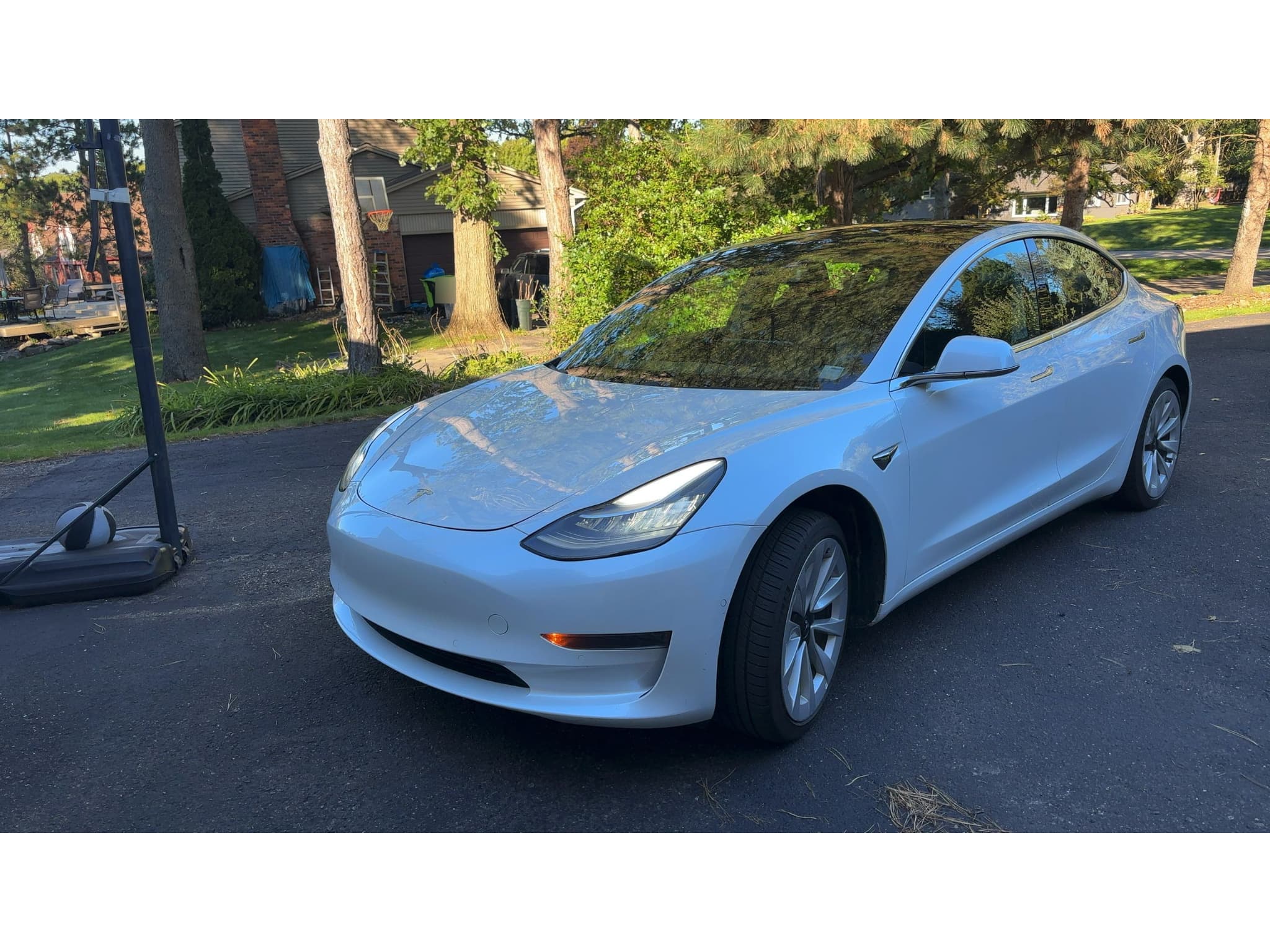
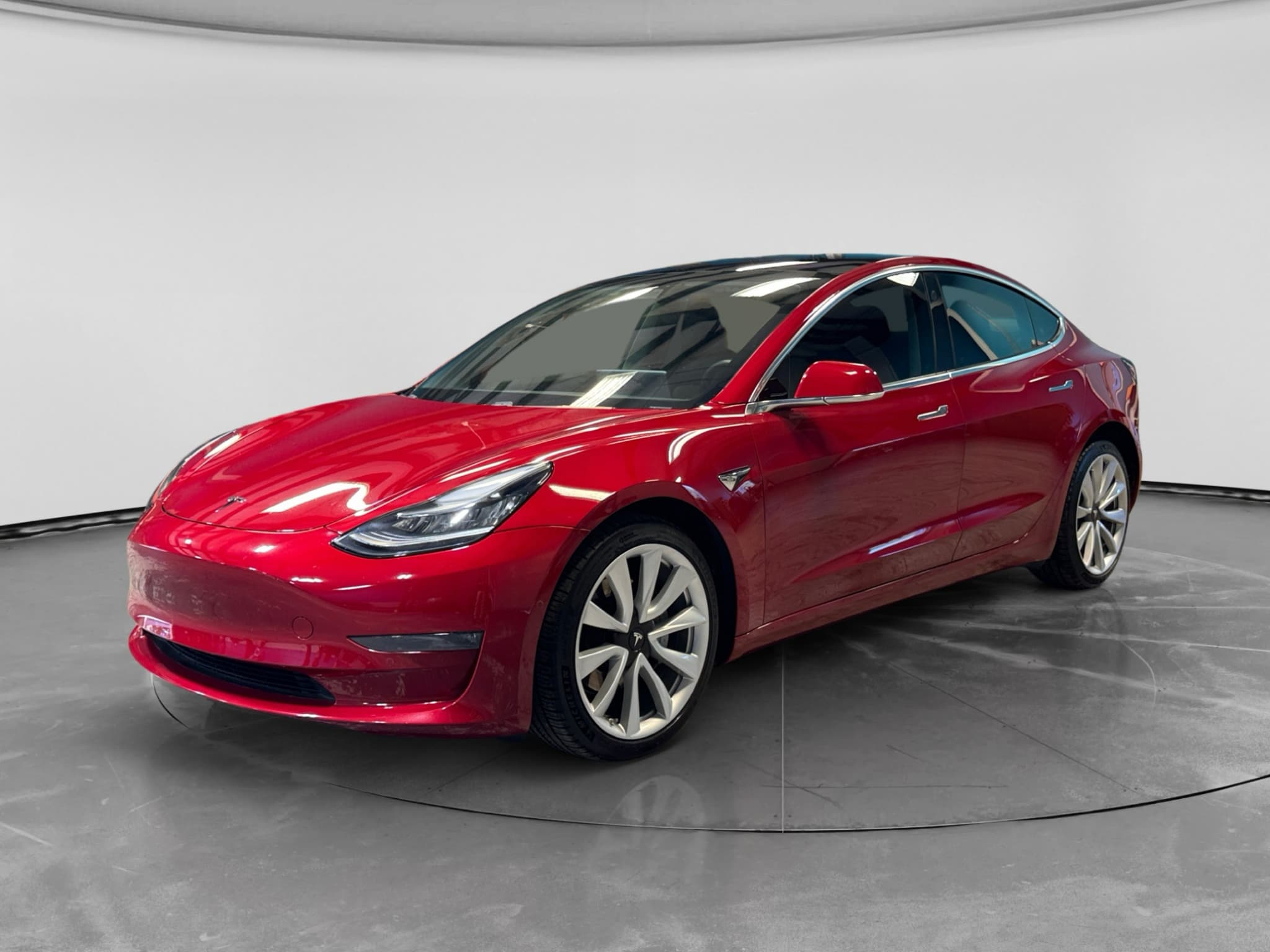
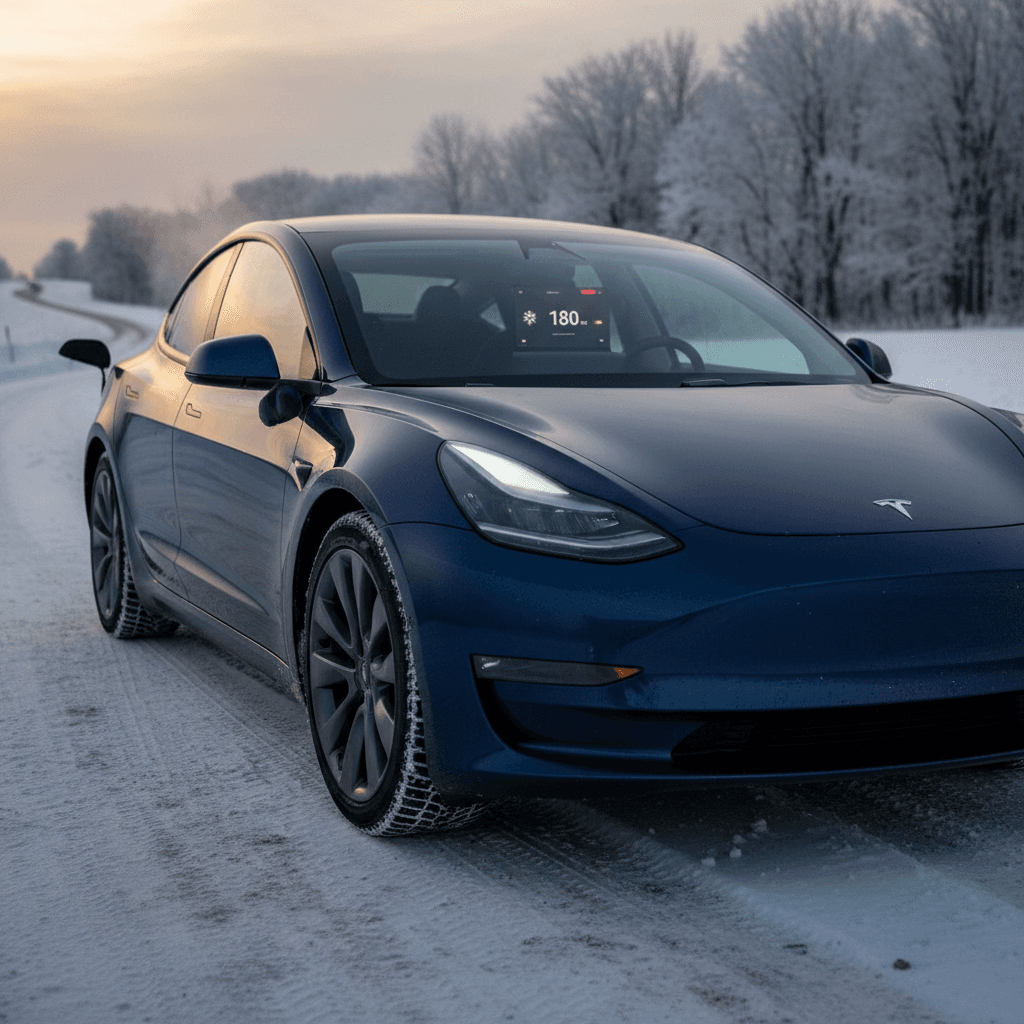
The single-motor, rear-wheel-drive Model 3 is your most likely LFP candidate among used Teslas in the United States. Tesla has changed battery suppliers and pack specifications across factories, markets, and production periods, however, so the model name isn’t conclusive. Treat the table below as a screening tool, then verify the individual car as part of your used Tesla inspection.
LFP likelihood by Tesla configuration
These are general used-market patterns, not guarantees for an individual vehicle.
| Tesla configuration | LFP likelihood | Main caveat | Best check |
|---|---|---|---|
| Model 3, rear-wheel drive | Most likely | Varies by build | Vehicle information screen |
| Model 3, dual-motor | Generally less likely | Pack can vary | Vehicle information screen |
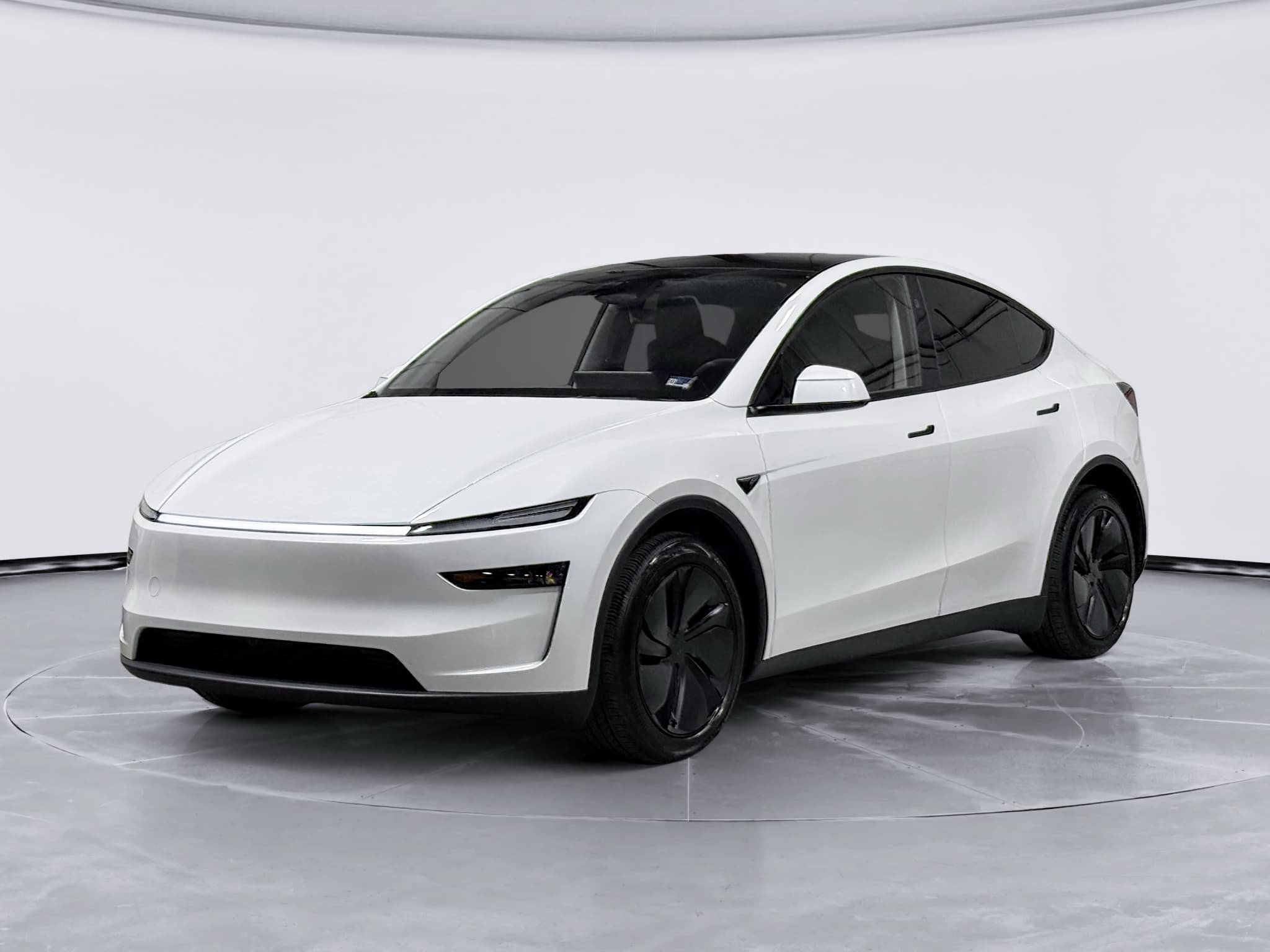
| Model Y, rear-wheel drive | Possible in some markets | Not consistent | Vehicle information screen |
| Model S or Model X | Generally not associated | Never assume | Service documentation |
Always verify battery chemistry through the vehicle information screen or Tesla service documentation.
In plain terms, you shouldn’t shop for “a Model 3” and assume it has LFP. You should shop for a specific rear-wheel-drive Model 3, open that car’s menus, and verify its battery type. The same discipline matters even more with a Model Y because LFP availability has been less consistent across markets and builds.
How do you confirm that a Tesla has LFP?
The most reliable check is the individual Tesla’s on-screen vehicle information, where the battery may be identified as lithium iron phosphate. Menu names can change with software updates, but battery details are typically reached through the Controls and Software areas. A VIN decoder or model badge may narrow the possibilities, but neither should replace checking the car itself.
Verify the battery before you buy
Open the vehicle information
Look through the Controls and Software menus for an additional vehicle information screen and a lithium iron phosphate battery label.
Read the charging guidance
Check the charging screen for pack-specific recommendations. LFP charging guidance can differ from guidance shown for other Tesla battery chemistries.
Review available records
Compare the car’s build information and service documentation with what appears on its screen.
Measure condition separately
Confirm remaining capacity and pack behavior through an independent battery-health inspection rather than treating chemistry as a health score.
Tesla’s built-in battery-health test takes preparation
What LFP changes in daily ownership
LFP changes charging habits and performance trade-offs more than it changes the basic Tesla experience. Lithium iron phosphate packs are known for durability and tolerance of regular high states of charge, while their lower energy density can add weight for a given amount of stored energy. They can also be more sensitive to cold conditions, so winter range and charging performance still deserve attention.
Follow the charging recommendation displayed by the car rather than applying generic advice from another Tesla. If an LFP-equipped vehicle instructs you to charge fully on a regular schedule, that guidance also helps its battery-management system estimate available energy accurately. For the wider chemistry trade-offs, see LFP versus nickel-based EV batteries.
Chemistry doesn’t replace a battery inspection
What Recharged battery data can tell you
Recharged battery-health data shows why you should judge pack condition separately from pack chemistry. Across 2,242 Recharged Score battery inspections, tested remaining capacity averaged 93.9% of original capacity, with a median of 94.9%. Those figures cover the broader inspected EV fleet, not only Teslas and not only LFP packs, so they don’t prove that one chemistry ages better than another. The practical takeaway is that a measured battery-health result tells you more about the used car in front of you than a chemistry label by itself.
Battery chemistry is the starting point, not the verdict. On a used Tesla, we want to know how much capacity remains and whether the pack behaves normally under testing and charging.
Every EV is battery-tested with a Recharged Score. Nationwide delivery.
Tesla LFP battery FAQ
Recharged data
Used EV battery health
94%
avg remaining capacity
From Recharged battery inspections, not manufacturer estimates.
- Lowest
- 63%
- Median
- 95%
- Highest
- 100%
- Est. range
- 266 mi avg
- Cell balance pass
- 100%
- Quick charges
- 18 avg
- Slow charges
- 65 avg
Average cell imbalance: 7.3 mV
Based on vehicles Recharged tested
Recharged data
Used EV prices at Recharged
$30,997
median list price
Current list prices for matching inventory at Recharged.
- Lowest
- $12,996
- Average
- $34,803
- Highest
- $146,998
Average Recharged Score on these listings
4.8 / 5
Range
3.7 – 5.0
Based on available listings
The bottom line
If you want an LFP Tesla, start with used rear-wheel-drive Model 3 listings, but don’t buy on that description alone. Confirm “lithium iron phosphate” in the vehicle information, follow the car’s charging guidance, and review a measured battery-health report. Every Tesla sold by Recharged includes a Recharged Score Report with verified battery health so you can evaluate the actual pack rather than guessing from the badge.
Instant offer, trade-in, or consignment. Pickup available.