If you’re wondering which EVs have hands‑free driving today, you’re really asking two questions: which cars actually let you take your hands off the wheel on mapped highways, and which of those systems are any good. As of early 2026, only a handful of automakers offer true “hands‑off, eyes‑on” capability in electric vehicles, and the details matter if you’re comparing models or shopping used.
Quick answer
What “hands‑free driving” really means
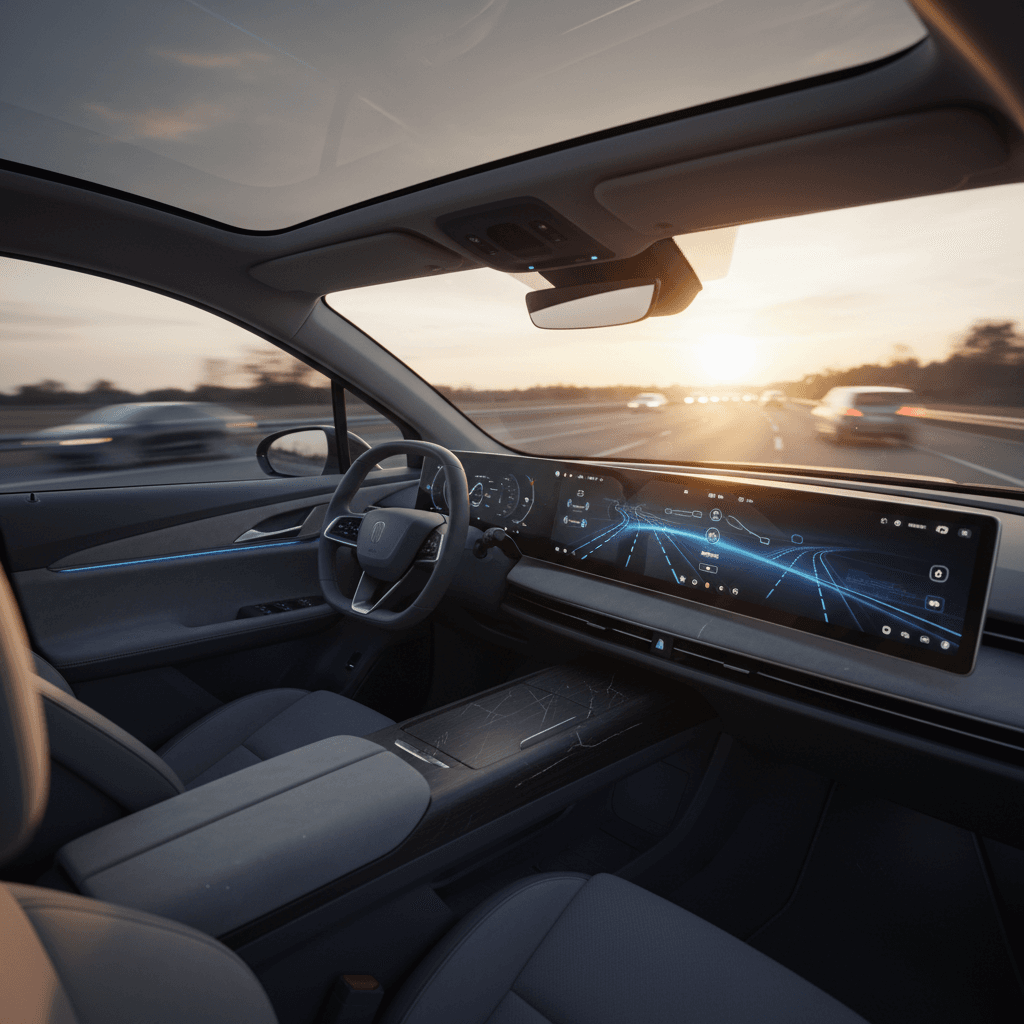
Automakers love marketing terms, so let’s define what we’re talking about. In this guide, “hands‑free driving” means SAE Level 2 driver assistance that lets you take your hands off the steering wheel on specific, pre‑mapped roads while an in‑car camera verifies that your eyes stay on the road. You’re still responsible for driving and must be ready to take over instantly.
- The car controls steering, acceleration and braking on approved highways.
- A driver‑monitoring camera makes sure you’re watching the road.
- The system works only on mapped or “blue zone” roads, not side streets.
- You must be able to take over at any time, this is not self‑driving.
Hands‑free isn’t self‑driving
The big hands‑free systems on the market
Today’s main hands‑free highway systems
Three technologies dominate the hands‑free conversation in 2026
GM Super Cruise
One of the earliest true hands‑free systems, now on many Cadillac and Chevrolet models, including EVs. Uses HD maps of hundreds of thousands of highway miles and a driver‑monitoring camera.
Ford BlueCruise
Ford’s hands‑free tech for “Blue Zones” on divided highways. Found on the Mustang Mach‑E and several trucks and SUVs. Newer versions add smoother control and automatic lane changes.
Nissan/Infiniti ProPILOT 2.0 & 2.1
Hands‑free highway cruising on mapped roads with automatic lane changes in some trims. Available on the Nissan Ariya EV and select Nissan/Infiniti SUVs.
How to use this guide
Which EVs have GM Super Cruise?
GM’s Super Cruise is one of the most mature hands‑free systems on the market and has already logged hundreds of millions of hands‑free miles. It appears on an expanding list of Cadillac and Chevrolet vehicles, including several EVs. Exact trims and availability change year‑to‑year, so always confirm the build sheet or window sticker on a specific car.
Electric vehicles with GM Super Cruise (U.S., early 2026)
These models offer or are expected to offer Super Cruise with electric powertrains. Availability may depend on trim and options.
| Brand | Model | Powertrain | Hands‑free system | Notes |
|---|---|---|---|---|
| Cadillac | Lyriq | All‑electric SUV | Super Cruise | Hands‑free on mapped highways; widely available on mid and upper trims. |
| Cadillac | Escalade IQ | All‑electric SUV | Super Cruise (today), eyes‑off system coming | Current hands‑free system is Level 2; GM has announced a higher‑level “eyes‑off” successor for later in the decade. |
| Chevrolet | Blazer EV | All‑electric SUV | Super Cruise | Offered on select trims; check packages. |
| Chevrolet | Equinox EV | All‑electric SUV | Super Cruise | Available on higher trims/option packages. |
| Chevrolet | Silverado EV | All‑electric pickup | Super Cruise incl. towing features | Supports hands‑free trailering on mapped highways in certain configurations. |
Check the specific trim and options; Super Cruise is often bundled in tech or driver‑assist packages.
Super Cruise on non‑EVs too
Which EVs have Ford BlueCruise?
Ford’s BlueCruise started on the Mustang Mach‑E and F‑150 and has steadily improved. Software versions 1.4 and 1.5 extend how long the car can stay in hands‑free mode and, in the latest release, even perform automatic lane changes around slower traffic. On EVs, BlueCruise is centered on the Mustang Mach‑E and F‑150 Lightning.
BlueCruise by the numbers
Electric Fords with BlueCruise hands‑free availability
BlueCruise availability in early 2026 for EVs and key electrified models. Always verify trim and subscription status.
| Brand | Model | Powertrain | Hands‑free system | Model years to look for |
|---|---|---|---|---|
| Ford | Mustang Mach‑E | All‑electric SUV | BlueCruise (various versions) | 2021–2026 models with BlueCruise or BlueCruise‑prep packages; 2025+ add version 1.5 on many trims. |
| Ford | F‑150 Lightning | All‑electric pickup | BlueCruise | 2022+ Lariat, Platinum and certain other trims; check for active BlueCruise plan. |
| Ford | Expedition (not EV) | Gas SUV | BlueCruise | 2024+ Platinum/Platinum MAX and all 2025+ trims, relevant if you’re cross‑shopping family haulers. |
BlueCruise requires both proper hardware and an active trial or paid subscription.
Used Mustang Mach‑E shoppers: verify hardware AND software
Which EVs have Nissan/Infiniti ProPILOT 2.0 and 2.1?
Nissan’s first‑generation ProPILOT Assist is a traditional lane‑centering system that still requires hands on the wheel. The more advanced ProPILOT Assist 2.0 and 2.1 add limited hands‑free capability on mapped highways, similar in concept to Super Cruise and BlueCruise. In the EV world, the key player is the Nissan Ariya.
Nissan and Infiniti models with hands‑free ProPILOT
EV and non‑EV models that currently support ProPILOT Assist 2.0 or 2.1 with limited hands‑free operation.
| Brand | Model | Powertrain | System version | Hands‑free notes |
|---|---|---|---|---|
| Nissan | Ariya | All‑electric SUV | ProPILOT Assist 2.0 / 2.1 (trim‑dependent) | Top trims, such as Platinum+ e‑4ORCE, support hands‑off operation on mapped highways with automated lane changes. |
| Nissan | Rogue | Gas crossover | ProPILOT Assist 2.1 (optional) | Certain 2025 Rogue trims offer the newer hands‑free system. |
| Nissan | Armada | Gas SUV | ProPILOT Assist 2.1 (optional) | Available on 2025 Armada SL and above in some markets. |
| Infiniti | QX80 | Gas SUV | ProPILOT Assist 2.1 | Available or standard on many 2025 QX80 trims. |
| Infiniti | QX60 | Gas SUV | ProPILOT Assist 2.1 (2026+) | Higher trims are expected to support hands‑free on mapped highways. |
Hands‑free capability is typically restricted to specific trims and option packages.
Regional differences matter
What about Tesla, Hyundai, Kia, Genesis and others?
Tesla Autopilot & FSD
Tesla’s Autopilot and Full Self‑Driving (FSD) get the most headlines, but under current rules they are hands‑on systems. You’re required to apply torque to the wheel periodically, and the car will nag you if you don’t.
Tesla does not market its system as legally hands‑free in the U.S., and there is no driver‑monitoring camera enforcement equivalent to Super Cruise or BlueCruise on older models. Even the latest cabin‑camera monitoring is layered on top of the steering‑wheel check, not a substitute.
Hyundai, Kia, Genesis & others
Brands like Hyundai, Kia and Genesis offer excellent lane‑centering and adaptive cruise systems (HDA, HDA II, etc.), and they’re standard on many EVs like the Hyundai Ioniq 5 and Kia EV6. But as of early 2026 in the U.S., these are still considered hands‑on assistance features, not true hands‑free.
Volvo, Polestar, Mercedes‑Benz, BMW and others are rolling out higher‑level systems in specific markets, but hands‑free capability is tightly limited by state and federal approvals and often restricted to small test fleets or pilot programs.
Watch the fine print
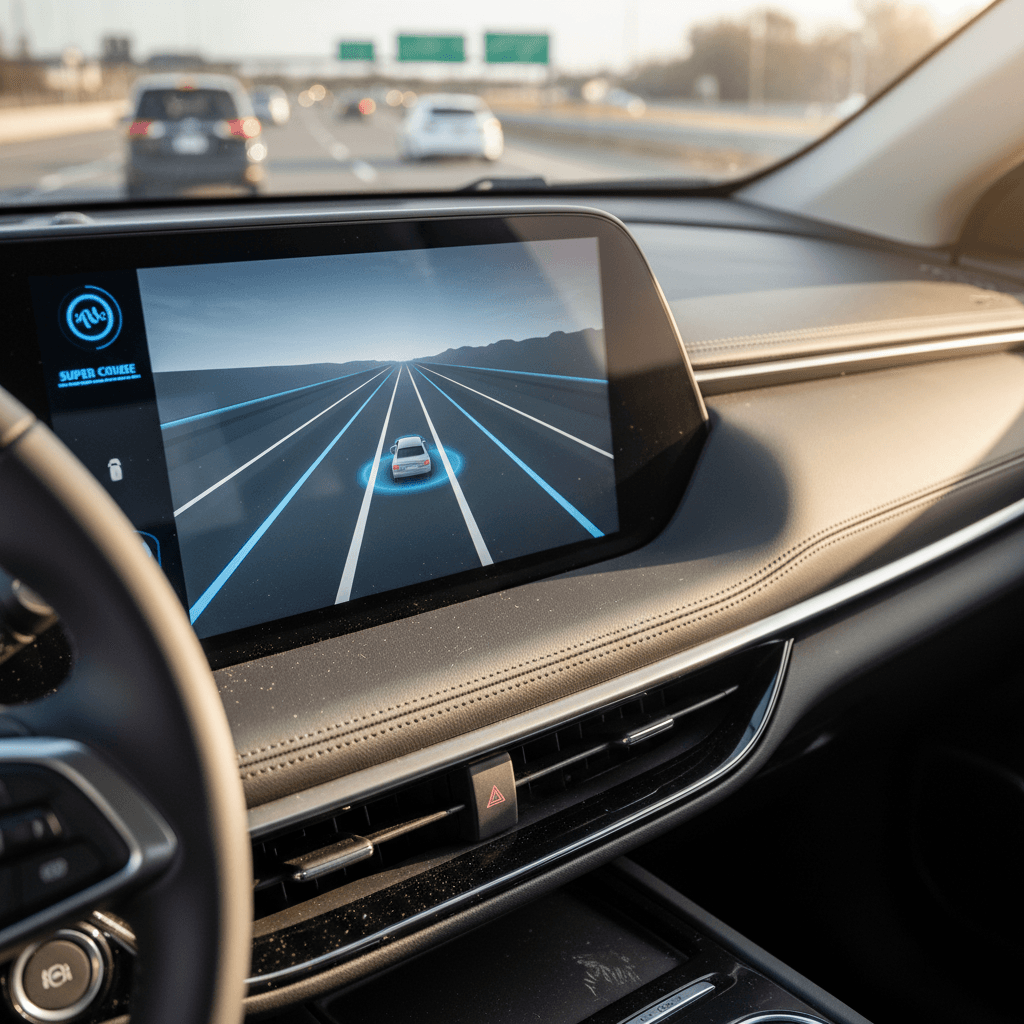
Comparing hands‑free systems: coverage, capability, cost
How the main hands‑free systems stack up
High‑level differences that matter when you’re choosing an EV
Road coverage
Super Cruise currently covers the most highway miles in North America, with mapped interstates and major divided roads.
BlueCruise supports a smaller but growing “Blue Zone” network.
ProPILOT 2.x coverage is more limited and varies significantly by region.
Lane changes & features
Newer versions of Super Cruise and BlueCruise 1.5 can perform automatic lane changes around slower traffic.
ProPILOT 2.0/2.1 supports driver‑initiated or automatic lane changes on some trims.
All still require you to pay attention and be ready to intervene.
Pricing & subscriptions
Most systems bundle a free trial (often 3 months–3 years) when new, then move to a monthly or annual subscription.
On the used market, you may need to pay a reactivation fee, especially on Ford and Nissan/Infiniti products.
4 questions to ask yourself before paying for hands‑free
1. How many highway miles do you really drive?
If most of your driving is local and urban, you might benefit more from basic ADAS (automatic emergency braking, blind‑spot monitoring) than from expensive hands‑free capability.
2. Are the mapped roads where you live and travel?
Check the automaker’s coverage map. If Super Cruise or BlueCruise doesn’t cover your main commute or road‑trip corridors, the value drops quickly.
3. Are you comfortable with subscriptions?
Hands‑free tech is shifting to a software‑as‑a‑service model. Decide whether you’re OK budgeting $40–$70 per month (varies by brand) on top of your vehicle payment.
4. How long do you plan to keep the car?
If you tend to swap vehicles every 2–3 years, you’ll benefit most from the newest hardware and software. If you keep cars a decade, think about long‑term support and over‑the‑air update policies.
Buying a used EV with hands‑free driving
Hands‑free hardware and software add a new wrinkle to the used EV market. It’s no longer enough to know the trim name; you need to confirm exactly what’s installed, what’s activated, and what it will cost to keep it running. That’s where a structured evaluation, and transparent reporting, really matter.
What to verify on a used EV
- Decode the VIN and options list. Use the original window sticker or OEM build sheet to confirm that packages like Super Cruise, BlueCruise or ProPILOT 2.x were actually ordered on that vehicle.
- Look for visible hardware. Hands‑free systems usually add an infrared driver‑monitoring camera on the steering column or instrument panel and, in GM’s case, a light bar on the steering wheel rim.
- Test the feature on a drive. On a mapped highway, enable the assistance system and wait for the hands‑free indicator (often a color change or “Hands‑Free” text). If it never appears, the car may not be activated, or may not support hands‑free at all.
- Check app or account status. Many systems require an active connected‑services account. Log into the OEM app with the seller (or dealer) to see trial dates and renewal pricing.
- Ask about software update history. Some early vehicles need specific over‑the‑air updates before hands‑free is available or stable. An update‑averse previous owner can leave value on the table.
How Recharged can help
FAQ: EVs with hands‑free driving
Frequently asked questions about hands‑free EVs
Bottom line: Which EVs with hands‑free driving are worth it?
If hands‑free driving is high on your wish list, your EV choices narrow quickly. Today, the most compelling packages are GM’s Super Cruise on Cadillac Lyriq and Chevrolet’s new generation of EVs, Ford’s BlueCruise on the Mustang Mach‑E and F‑150 Lightning, and Nissan’s ProPILOT 2.x on top‑trim Ariya models. Tesla, Hyundai, Kia, Genesis and many others offer excellent driver‑assistance suites, but they still expect your hands on the wheel.
When you move into the used market, the story becomes even more nuanced. Hardware differences, software versions and subscription requirements all affect how well a given car’s hands‑free system will work for you, and what it’s really worth. That’s where a transparent report on battery health, equipment and fair pricing makes a difference. Whether you’re chasing the latest hands‑free tech or simply want a solid, efficient EV at a fair price, Recharged is built to make that decision simpler and more confident.