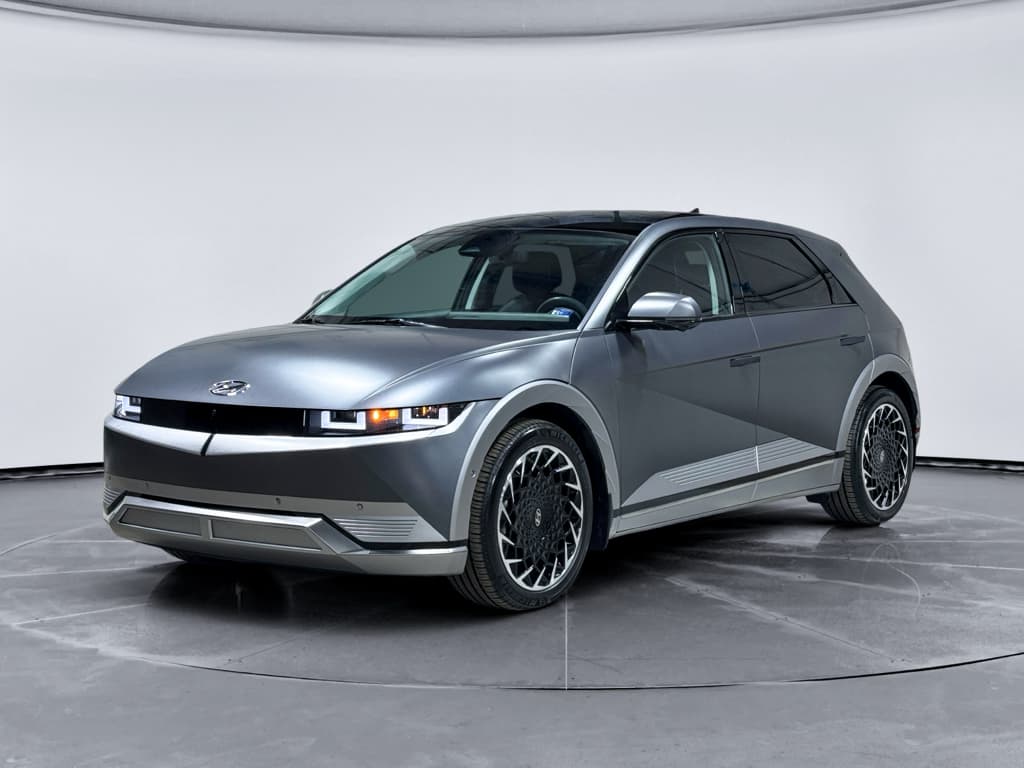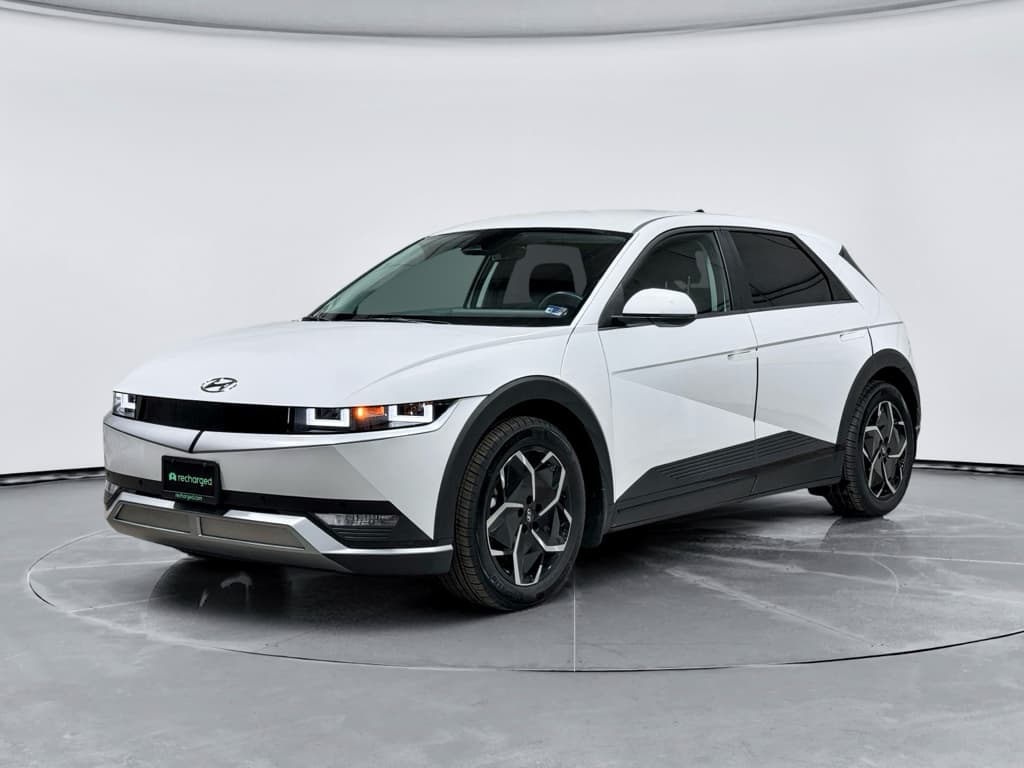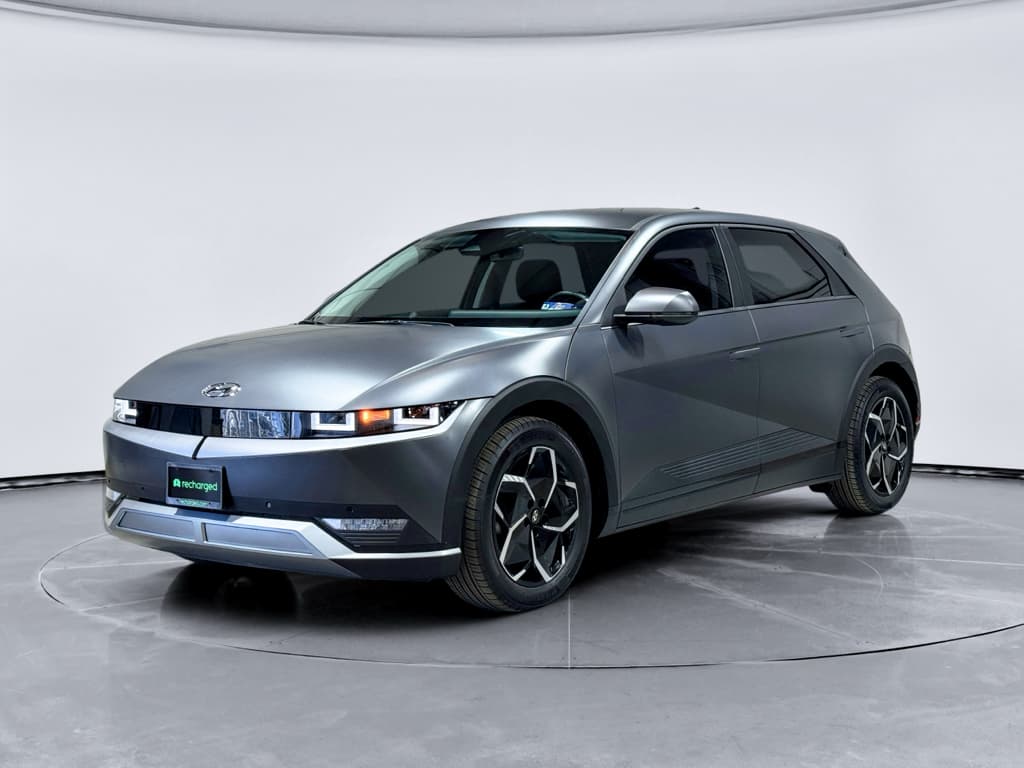
If you’re wondering where to sell a used EV in West Virginia, you’re not alone. EV adoption in the Mountain State is growing, but it’s still a small share of the overall market, which means not every dealer, or buyer, knows how to value an electric car. The good news is you have more options than just taking a lowball trade‑in. This guide walks through the best places and strategies to sell a used electric vehicle from West Virginia in 2026.
Quick context for West Virginia EV sellers
Why selling a used EV in West Virginia feels tricky
Smaller local EV market
In cities like Charleston, Morgantown, and Huntington, you’ll see more Teslas and plug‑ins than you did a few years ago, but EVs are still a small fraction of total vehicles on the road. That means fewer local buyers actively searching for your specific model, especially if it’s not a Tesla.
Gas‑first dealer mindset
Most West Virginia franchised dealers still make their money on trucks and SUVs. Many aren’t confident pricing battery health or explaining range to buyers, so they often undervalue used EVs on trade‑ins or avoid stocking them at all.
Because of those dynamics, the best price for your EV in West Virginia often doesn’t come from the closest lot. It comes from who can reach EV shoppers nationally and who can actually measure and explain your battery’s condition.
Your main options to sell a used EV in West Virginia
Four main ways to sell a used EV
Each option trades off price, effort, and speed. The right one depends on your priorities.
1. Online instant‑offer buyers
Sites that buy cars directly with an online quote and pickup at your home. Think Carvana‑style platforms plus EV‑focused buyers.
Best for: Convenience and speed.
2. West Virginia dealerships (trade‑in)
Trade your EV when you buy your next car or truck from a local dealer. Easiest if you’re already planning to replace the vehicle.
Best for: One‑stop transaction, even if the value isn’t top‑dollar.
3. Private sale (marketplaces & groups)
List on Facebook Marketplace, Craigslist, or EV‑focused groups. You handle marketing, test drives, and paperwork.
Best for: Maximizing price if you’re willing to do the work.
4. EV specialists & consignment
Use an EV‑only marketplace like Recharged that understands battery health and markets nationwide, often via consignment.
Best for: Strong price with expert help and low hassle.
Selling your EV to an online buyer
National online car buyers and EV‑specific platforms are often the easiest path from West Virginia, especially if you live outside the big metros. You get a firm offer online, schedule pickup, and hand over the keys in your driveway.
Why online buyers work well from West Virginia
Generalist online buyers vs. EV‑focused buyers
- Generalist buyers (large national car‑buying sites) will usually buy EVs, but they may price them cautiously if they’re unsure about local demand or battery health.
- EV‑focused buyers understand range, degradation, and charging. They’re more likely to pay up for popular models like Tesla Model 3/Y, Hyundai IONIQ 5, Kia EV6, or Rivian because they already have EV shoppers waiting.
Tip: Get at least two online offers
Recharged also lets you start by getting a quick offer online. If that number works for you, you can sell directly. If you want to aim higher, you can choose a consignment‑style sale where Recharged markets your EV to its national shopper base and targets a stronger price.
Trading in your EV at a West Virginia dealership
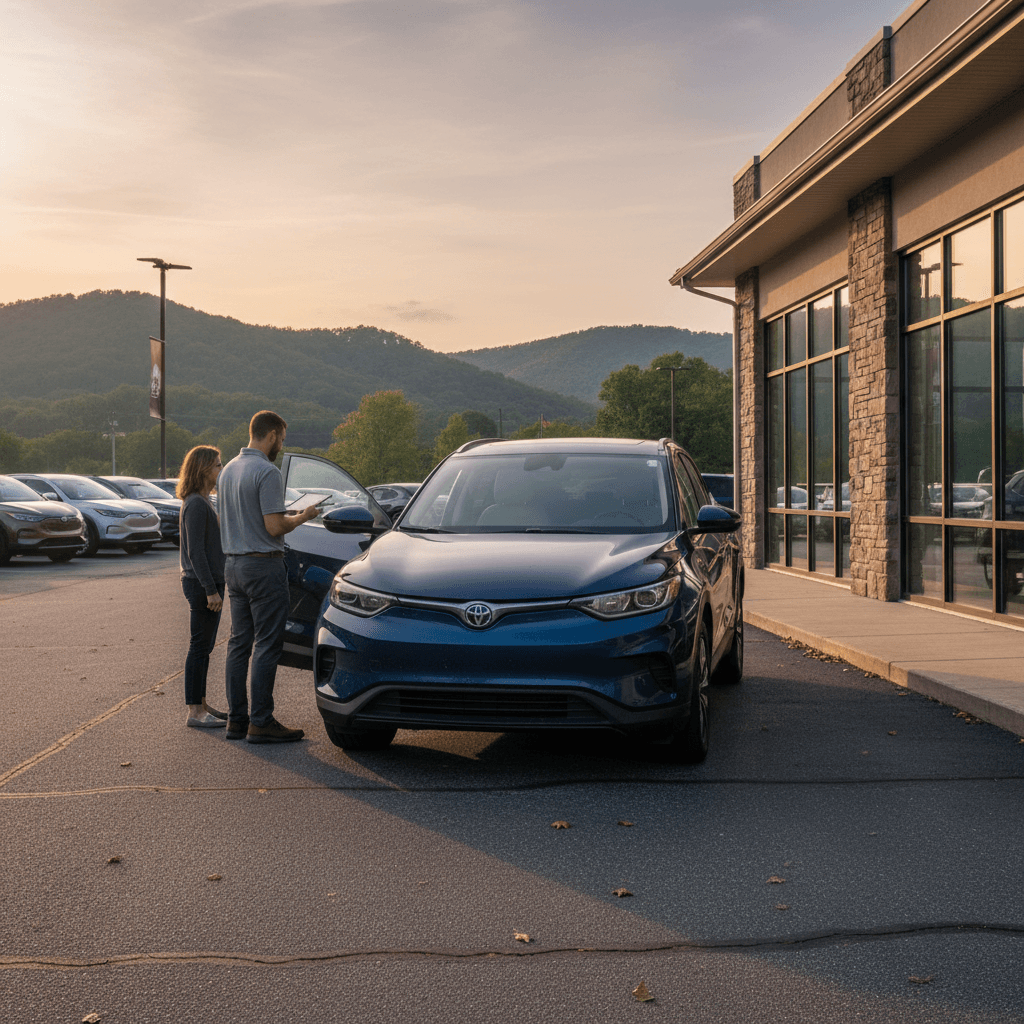
If you’re buying another vehicle right away, maybe a plug‑in hybrid for long trips or a gas truck for work, a trade‑in at a WV dealership can be logistically simple. You drive in with one vehicle and leave with another, with the paperwork bundled together.
Pros of trading in your EV
- One transaction: no separate buyer to coordinate with.
- Dealer usually handles payoff and title work.
- Sometimes you can roll negative equity into the next loan (careful here).
Cons specific to EVs
- Many WV dealers are still learning EV valuation and may undervalue battery health.
- Limited retail demand in rural areas makes some dealers wary of stocking used EVs.
- If they don’t understand your model, they’ll price in extra risk, which means a lower offer.
Watch out for “mystery” EV deductions
Before you visit any West Virginia dealer, whether it’s in Charleston, Beckley, or Parkersburg, have a realistic number in mind from online offers or an EV‑specialist valuation so you can tell if the trade‑in quote is competitive.
Private sale: listing marketplaces and local groups
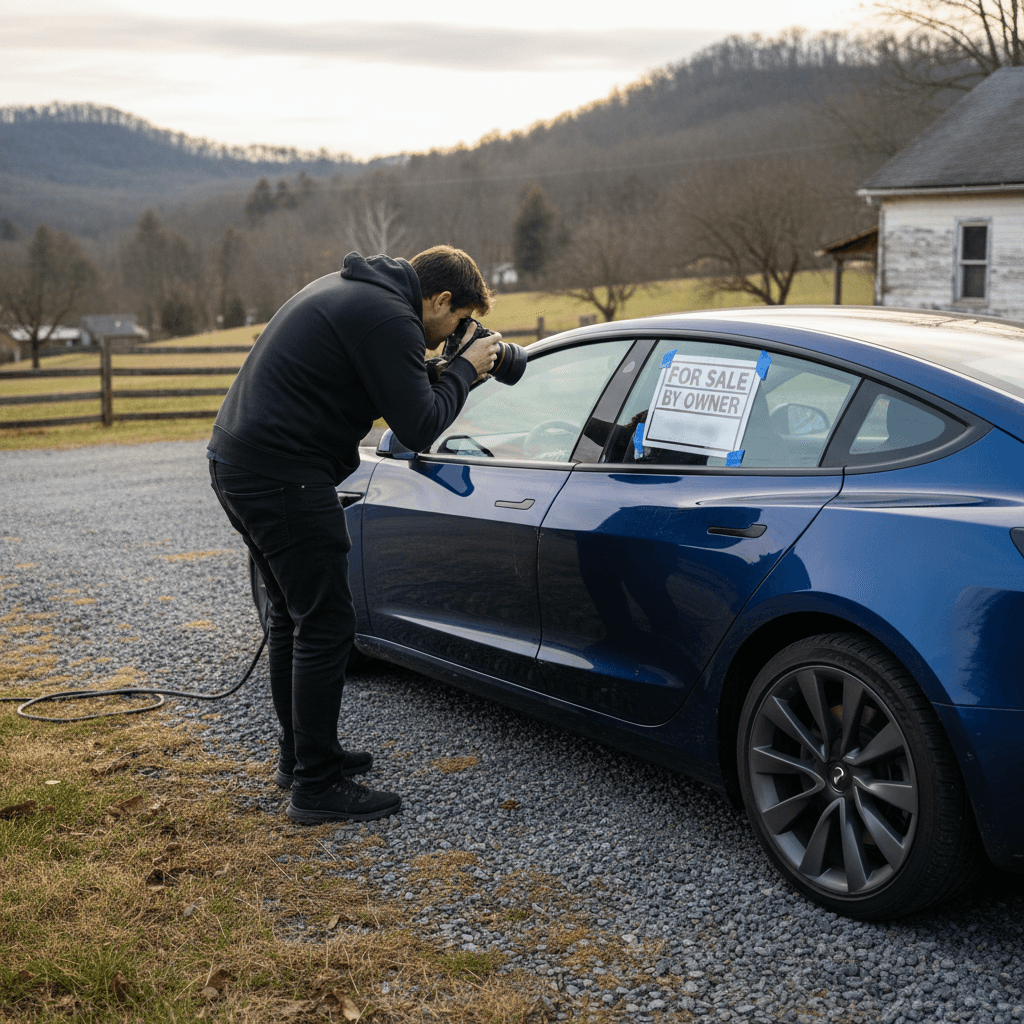
Selling your EV yourself typically nets the highest price, but it also demands the most effort, especially in a state where many shoppers are still new to EVs.
- Facebook Marketplace (statewide groups like “Cars & Trucks – West Virginia” often have the most eyeballs).
- Craigslist listings for Charleston‑Huntington, Morgantown, and surrounding areas.
- Brand‑specific forums and Facebook groups (Tesla, Rivian, Hyundai IONIQ 5, etc.), which may bring in out‑of‑state buyers willing to travel or ship.
- EV‑focused communities where buyers are already familiar with range, charging, and battery health.
Safety first for private sales
In your listing, focus on information EV shoppers care about: remaining range, charging habits, battery history, and any fast‑charging you’ve done. If you have service records or a battery health report, mention those prominently.
Selling through an EV specialist like Recharged
If you want more money than a wholesale offer but don’t have time to run a full private‑sale campaign, an EV specialist is a powerful in‑between option. This is where Recharged comes in.
How Recharged helps West Virginia EV sellers
EV‑only expertise, national reach, and help with the hard parts.
Battery health diagnostics
Every vehicle sold through Recharged gets a Recharged Score Report with verified battery health and range data, so buyers understand what they’re getting, and you’re not penalized by vague assumptions.
Fair market pricing
Recharged benchmarks against national used EV sales, not just a local WV auction lane. That matters for popular models where demand is strongest in larger EV markets.
Nationwide selling & logistics
With a fully digital experience and nationwide delivery, Recharged can match your West Virginia‑titled EV with buyers anywhere in the country, and help with shipping and paperwork.
Ready to find your next EV?
Browse VehiclesYou can start online from West Virginia, get a quick offer, and decide if you want to sell directly for speed or consign the vehicle so Recharged markets it, conducts the buyer hand‑off, and simply sends you the proceeds when it sells.
Why this matters in a thin market
How much is your used EV worth in West Virginia?
Used EV values are more sensitive than gas cars to battery condition, software features, and charging capability. Two identical‑looking cars can be thousands of dollars apart if one has a healthier pack or better fast‑charging performance.
Key factors that drive used EV value
Use this table as a checklist when comparing offers in West Virginia.
| Factor | What strong looks like | What lowers your value |
|---|---|---|
| Battery health / range | Range close to original EPA rating; documented gentle charging habits | Noticeably reduced range; lots of DC fast‑charging with no records |
| Charging hardware | Includes mobile connector, home charging cable, and (if applicable) adapters | Missing cables or adapters; incompatible with common charging options |
| Software & features | Up‑to‑date software, active connectivity, driver‑assist features working properly | Lapsed connectivity, malfunctioning driver‑assist, warning lights |
| Accident / title history | Clean title, documented repairs, no airbag deployments | Salvage or rebuilt title, major accidents, incomplete repair records |
| Seasonal range performance | Seller can explain realistic summer and winter ranges in WV terrain | No idea what range is like in winter, making buyers nervous |
The more of these boxes you can check positively, the easier it is to defend a higher asking price.
Use offers as data points, not gospel
When you sell through Recharged, your Recharged Score Report turns battery health from a mystery into a selling point, which can justify a stronger price than a generic “good condition” description.
Paperwork, title and tax basics in West Virginia
West Virginia’s rules for selling a used EV are similar to selling any used car, but there are a few details you’ll want to get right so the deal doesn’t get hung up at the DMV.
Core documents you’ll need in West Virginia
Vehicle title in your name
To sell, you must have a clear West Virginia title (or an out‑of‑state title if you recently moved). If there’s a loan, you’ll need the lienholder’s cooperation to release the title at payoff.
Bill of sale
Many online buyers and some private buyers will provide this, but you can also use a simple form listing VIN, sale price, date, and buyer/seller information.
Odometer disclosure
Federal law requires an odometer disclosure on vehicles under a certain age. This is often part of the title in West Virginia; fill it out carefully.
Loan payoff information
If you still owe money, have your payoff letter or lender contact handy. Online buyers and dealers typically handle payoff directly; private buyers may expect you to clear the lien first.
Plate & insurance handling
Check WV DMV guidance before you sell. In many cases, you’ll remove your plates and either transfer them or turn them in, then cancel insurance after the sale is complete.
Don’t forget the EV is still just a car to the DMV
Step‑by‑step checklist to sell your EV
From decision to done: a practical sequence
1. Gather info and records
Find your title (or lien info), note current mileage, and collect service records or any battery‑related documentation you have.
2. Clean and photograph the car
Give the car a thorough wash, vacuum the interior, and take clear photos in daylight: front 3/4, rear, sides, wheels, interior, screens, odometer, and charge port.
3. Get 2–3 benchmarks
Request instant offers from at least one online buyer and get a valuation or range estimate from an EV specialist like Recharged. These anchor your expectations.
4. Choose your selling path
Decide whether you want maximum price (private sale or consignment), maximum speed (online instant offer), or convenience while buying another vehicle (trade‑in).
5. Screen buyers and offers
If you list privately, filter out obvious scams and lowball messages. For dealers and online buyers, ask direct questions about fees, pay‑off timing, and how long their offer is valid.
6. Close the sale & confirm transfer
Sign the title correctly, complete any bill‑of‑sale or digital documents, and make sure you’re clear on when liability and insurance responsibilities end.
FAQs about selling a used EV in West Virginia
Frequently asked questions
Bottom line: the best way to sell a used EV in WV
Selling a used EV in West Virginia in 2026 comes down to matching your priorities, price, effort, and speed, to the right channel. Local dealers can be convenient if you’re trading into another vehicle, but they rarely pay the most for EVs. Private sale can maximize your proceeds, yet it demands time, patience, and some EV education work with every buyer you meet. Online buyers offer speed and simplicity, especially from rural areas, but they sometimes treat EVs like just another commodity.
If you want EV‑savvy pricing without turning yourself into a full‑time salesperson, working with an EV specialist like Recharged is often the sweet spot for West Virginia owners. You get battery‑health‑backed pricing, national reach, financing and trade‑in options for your next vehicle, and expert guidance on paperwork and logistics from start to finish. However you choose to sell, approaching the process with solid benchmarks, clear documentation, and realistic expectations will help you capture the true value of your EV, rather than leaving it on the table at the nearest lot.