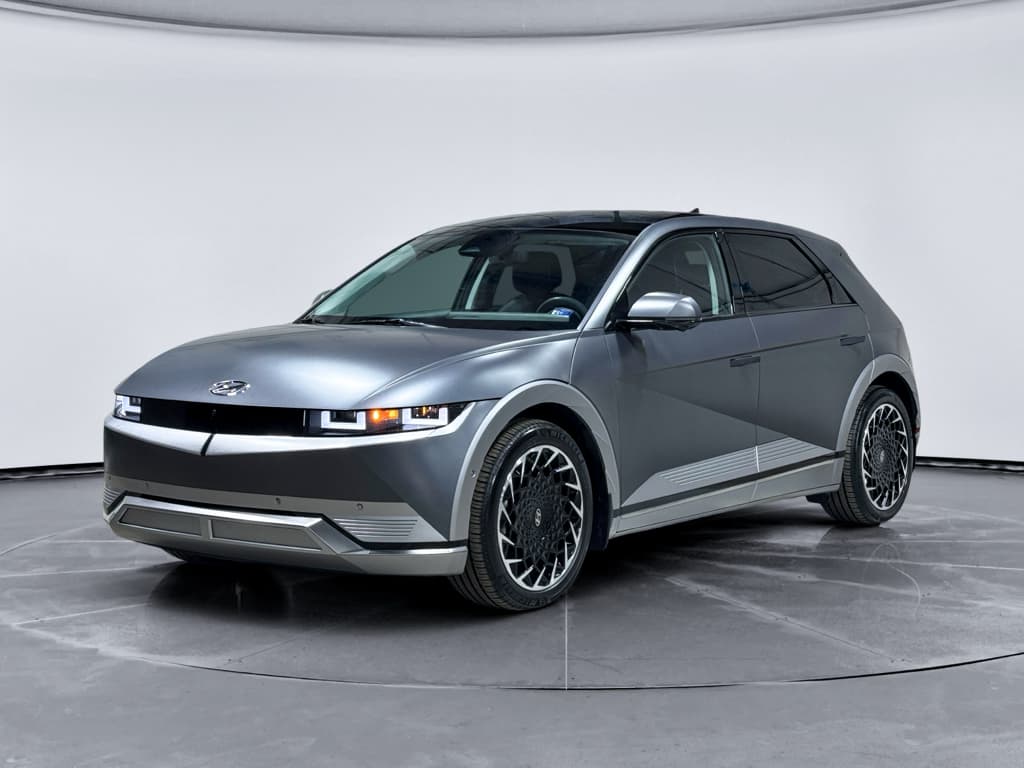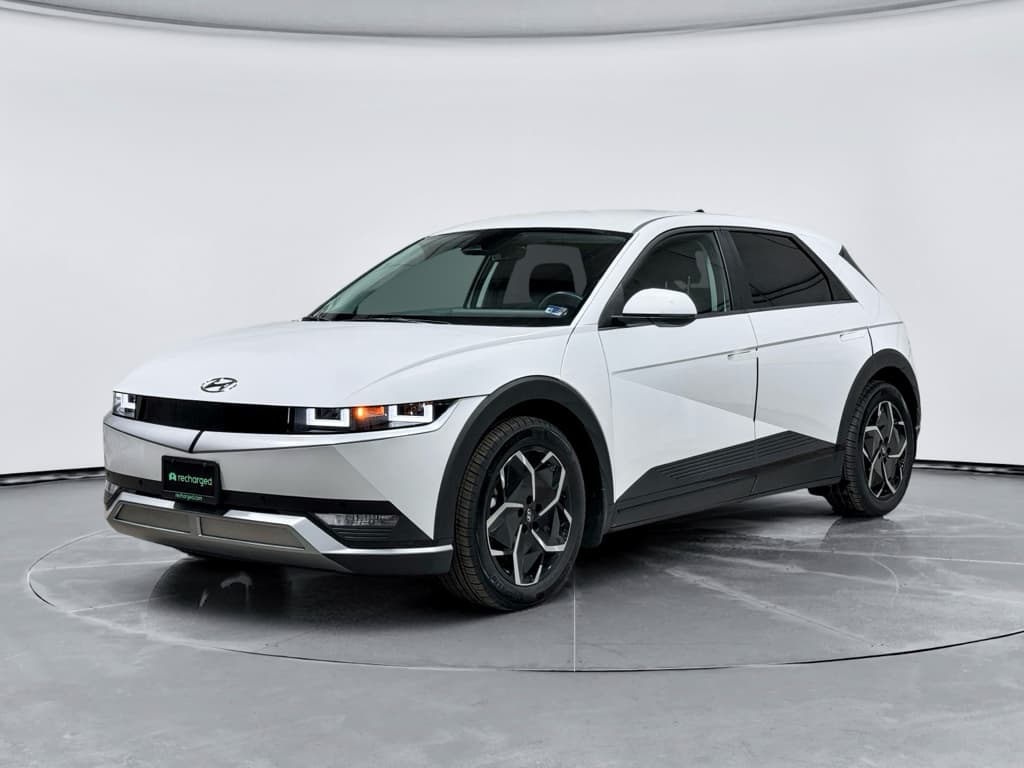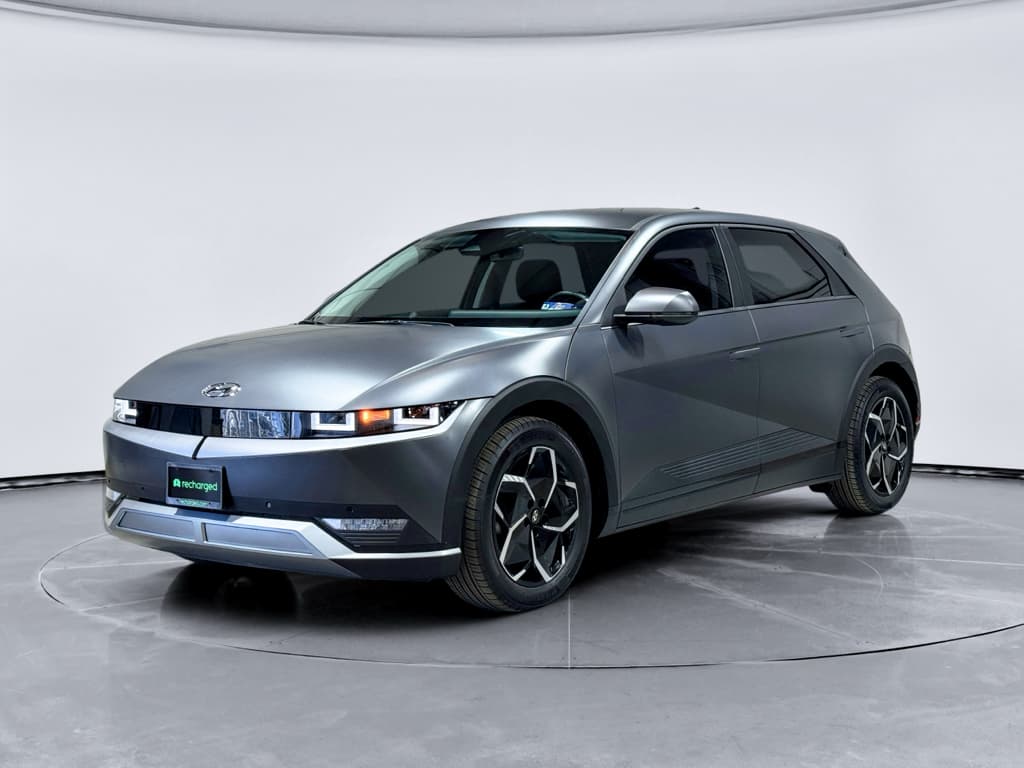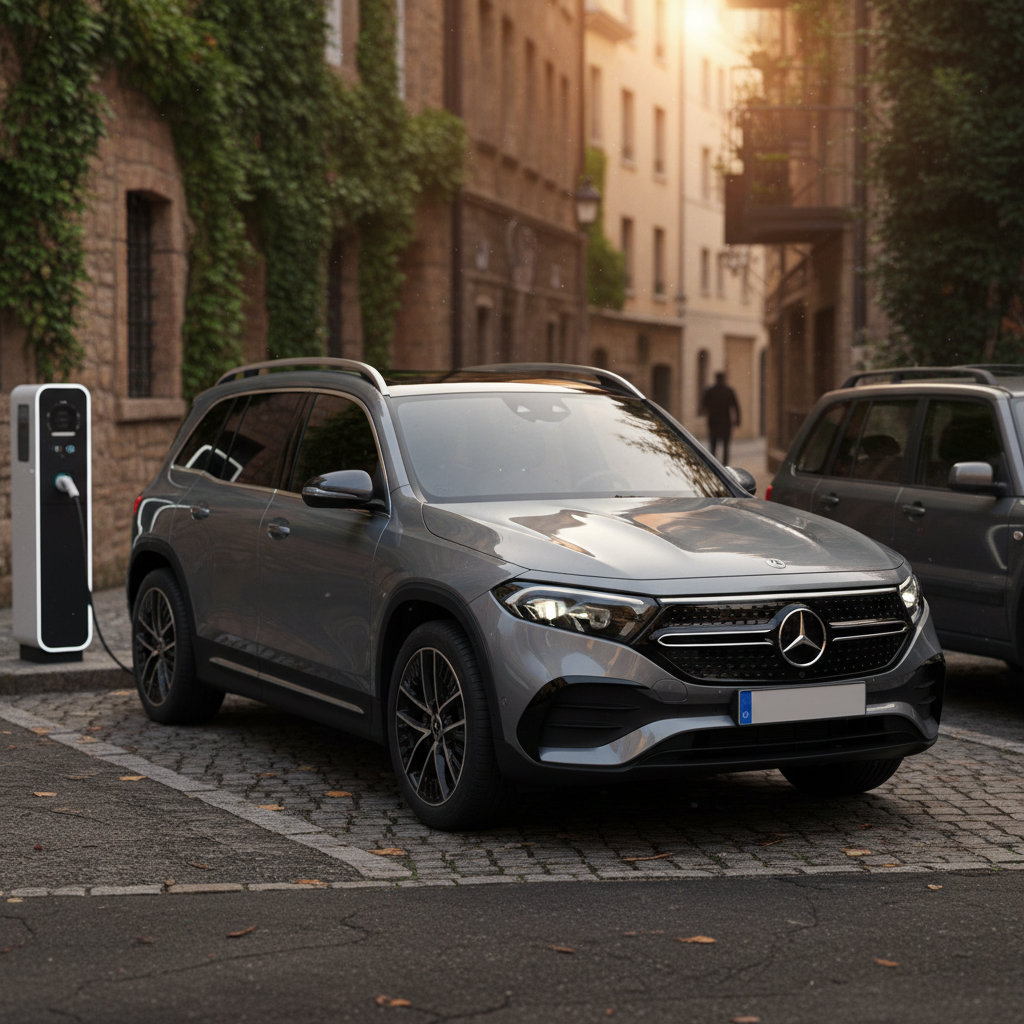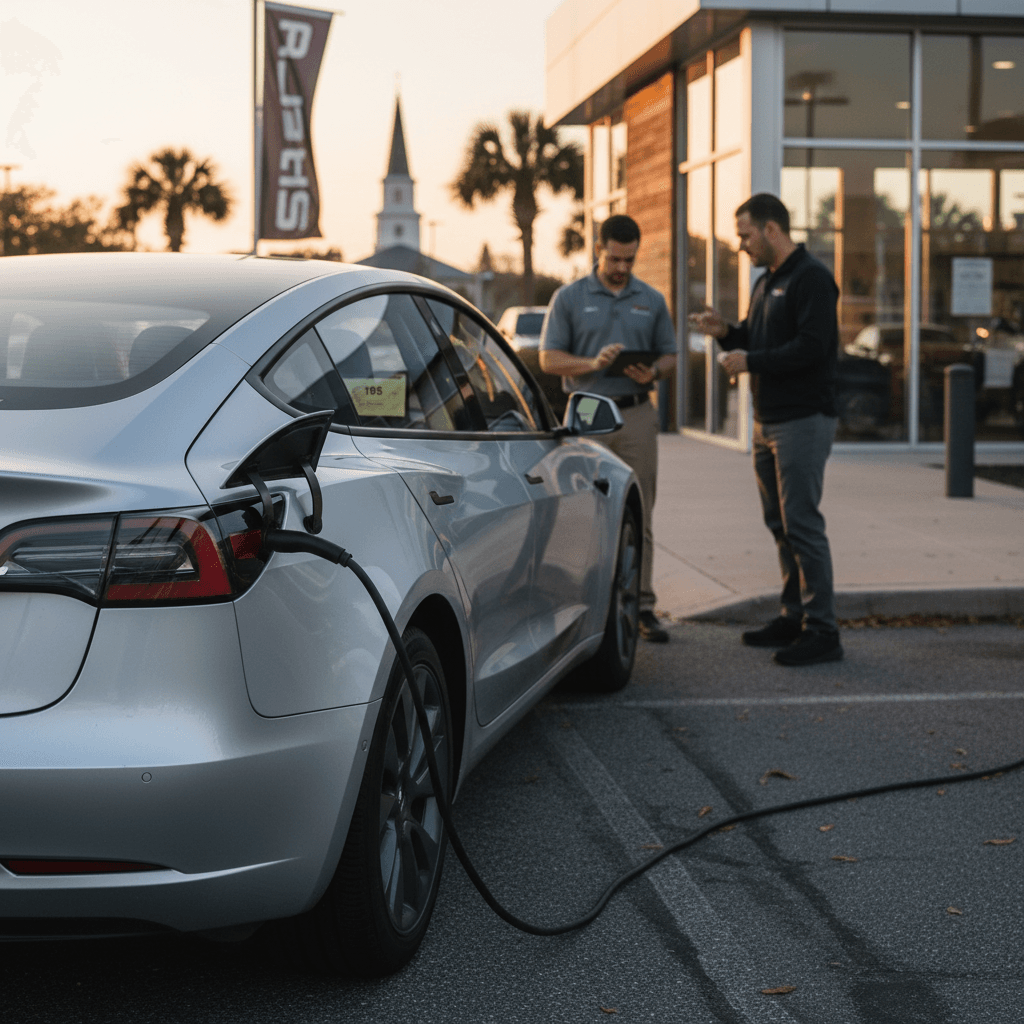
If you’re wondering where to sell a used EV in South Carolina, you’re not alone. The Palmetto State’s EV market is growing but still smaller than coastal hot spots, which means you can’t just park your Tesla or IONIQ 5 on a corner lot and expect a bidding war. To maximize your price and minimize hassle, you need to know which selling channels work best here, and which are better skipped.
South Carolina’s EV market at a glance
Why Selling a Used EV in South Carolina Is Different
Selling a used electric vehicle isn’t the same as selling a gas car, and that’s especially true in a mid‑pack market like South Carolina. Many buyers are curious about EVs but still nervous about battery life, range, and charging access. At the same time, used EV prices have cooled off from the pandemic peak, so buyers expect a deal, and they want reassurance your car’s battery is healthy.
- Fewer EV‑savvy dealers than in states like California or Washington
- Used EV shoppers are often first‑time EV buyers who need education
- Battery health and charging questions matter more than leather seats or exhaust tips
- National buyers (online sites and out‑of‑state shoppers) can widen your market beyond Columbia, Charleston, and Greenville
Think beyond your ZIP code
Main Places to Sell a Used EV in South Carolina
Most South Carolina sellers end up choosing among four main paths: franchise and independent dealers, online car‑buying platforms, private sale, or an EV‑specialist marketplace like Recharged. Each has trade‑offs in price, speed, and effort.
1. Selling Your EV to a Franchise or Independent Dealer
Typical South Carolina locations
- Franchise dealers along I‑26 and I‑85 corridors in Columbia, Greenville, and Charleston (e.g., Hyundai, Kia, Ford, GM stores).
- Independent used lots in markets like Rock Hill, Spartanburg, Summerville, and Myrtle Beach.
How they view EVs
- Franchise stores that sell new EVs (Hyundai, Kia, Ford, Volvo, etc.) are more comfortable appraising used EVs.
- General used‑car lots may lowball or even pass on EVs because they’re unsure how to price the battery.
Dealer trade‑in vs. straight sale
Quick and convenient, if you’re realistic about pricing
Trade‑in with new purchase
Rolls your EV’s value into a new or used purchase at the same store. In South Carolina, a trade‑in can reduce the taxable amount on your next vehicle, which effectively boosts your real‑world value.
Dealer cash offer
Some stores will buy your EV outright even if you’re not buying from them. Expect a wholesale‑level price, but you’ll get paid quickly with minimal paperwork.
Watch for lowball EV values
Dealers that don’t understand EV demand or battery health may treat your car like a distressed unit. If an offer feels much lower than online estimates, get a second opinion.
Not every SC dealer wants your EV
2. Selling to Online Car Buyers and Marketplaces
Online‑first buyers and marketplaces will often give you a sight‑unseen offer for your EV based on VIN, photos, options, and mileage, then handle pickup. Coverage and exact processes vary by company and by South Carolina ZIP code, but the basic idea is the same: you trade some potential upside for convenience and speed.
Types of online EV buyers you’ll see from South Carolina
Different models, different payouts
National "we buy cars" platforms
Big national sites buy EVs in South Carolina and arrange pickup from your driveway. Offers can be competitive but are usually based on wholesale auction expectations.
Digital‑first retail brands
Some app‑based retailers both buy and sell cars in SC. They’ll often give firm, instant offers and take care of DMV paperwork, which is handy if titles and fees make your head spin.
EV‑focused platforms like Recharged
These specialize in electric vehicles, understand battery health, and connect you with a broader pool of EV‑savvy buyers across state lines, often leading to stronger offers on clean, well‑optioned cars.
Use online offers as leverage
3. Selling Privately in South Carolina
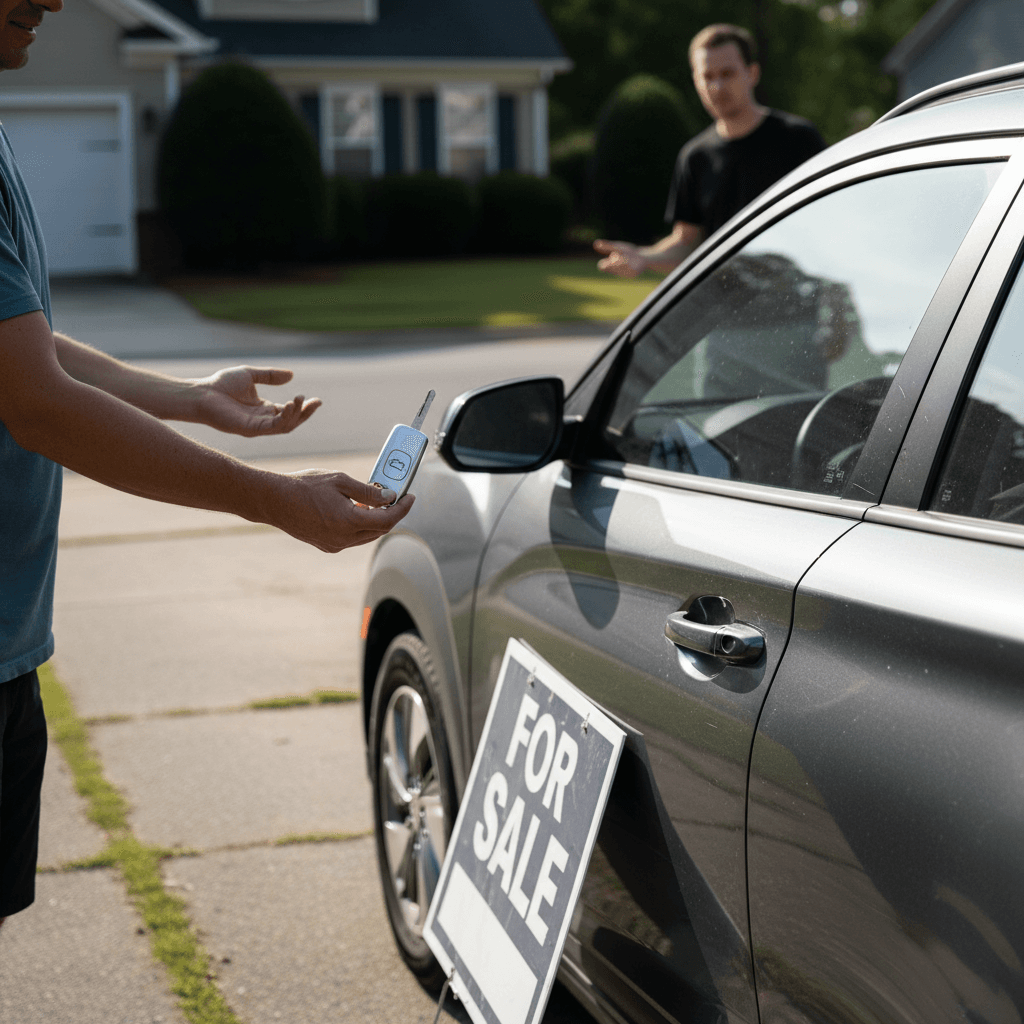
A private sale, through classifieds, enthusiast forums, or local listings, often brings the highest price, but it also demands the most work from you. You’ll be answering questions about range, home charging, and battery life, and you’ll have to manage test drives, payment, and paperwork on your own.
Where to sell a used EV in South Carolina: quick comparison
How the main selling options stack up for most SC owners
| Option | Typical Price | Speed to Cash | Effort | Best For |
|---|---|---|---|---|
| Trade‑in at dealer | Lowest to mid | Same day | Low | Rolling equity into another car |
| Dealer cash offer | Low to mid | 1–3 days | Low | Need to sell quickly |
| Online buyer/marketplace | Mid | 3–7 days | Low to medium | Convenience and at‑home pickup |
| Private sale | Highest | 1–6 weeks | High | Maximizing price and willing to do the work |
| Recharged EV marketplace | Upper‑mid to high | About 1–3 weeks | Medium (we help) | Clean EVs where battery health deserves a premium |
Use this table as a starting point. The right choice depends on your vehicle, timeline, and tolerance for hassle.
How Recharged Helps South Carolina EV Sellers
Recharged is built specifically around used electric vehicles. Instead of treating your EV like an oddball trade‑in, we lean into what makes it valuable, especially battery health and equipment. South Carolina sellers can work with Recharged entirely online, and we support nationwide buyers, which expands your pool beyond the local market.
What you get when you sell through Recharged
Designed around EVs, not just any used car
Recharged Score battery report
Every vehicle gets a Recharged Score Report with verified battery health. That reassures buyers who might be on the fence about a used EV and helps justify higher pricing versus generic lots.
Transparent pricing & offers
We benchmark your EV against the fair market for similar vehicles nationwide, not just what a single local dealer is willing to pay. You see where the price comes from and how battery health affects it.
Flexible selling options
Pick what fits you: instant offer, consignment sale, or trade‑in toward another used EV. Recharged can arrange nationwide delivery, so you’re not limited to buyers within driving distance of Charleston or Greenville.
Ready to find your next EV?
Browse VehiclesWhy this matters in South Carolina
What Your Used EV Is Likely Worth in South Carolina
Used EV values have been through a roller coaster. Prices spiked during the pandemic and early supply shortages, then slid as more new EVs hit showrooms and federal tax credits shifted. In South Carolina’s still‑developing EV market, that translates into good deals for buyers, and the need for sellers to be sharp about pricing.
Key drivers of your EV’s value
Post‑2025 incentive reality check
Paperwork, Taxes, and Title Rules in South Carolina
No matter where you sell your EV, you’ll need to follow South Carolina’s rules on titles, taxes, and fees. The good news is that the state’s process is relatively straightforward, especially if you’re working with a dealer or marketplace that handles most of it for you.
- Title: You’ll sign over your South Carolina title to the buyer. Make sure any lien is fully released before the sale, or coordinate payoff with the dealer or marketplace.
- Odometer disclosure: Federal law still requires an accurate odometer reading at transfer for most passenger vehicles up to 20 model years old, even EVs.
- Bill of sale: Not strictly required in every scenario when working with a dealer, but highly recommended for private sales. It should list VIN, price, date, and both parties’ information.
- DMV and taxes: In private deals, the buyer handles registration and casual excise/use tax with the South Carolina Department of Revenue when they title the vehicle. With dealers or platforms, those entities generally collect and remit the right amounts.
Don’t forget payoff and liens
Checklist: Prep Your EV for Sale
A few hours of smart prep can easily add hundreds of dollars, and sometimes more, to your sale price. With EVs, you’re not just detailing the car; you’re also telling a convincing story about how the battery has been treated.
Essential steps before you list or get offers
1. Gather service and charging history
Pull maintenance invoices, tire receipts, and any documentation that shows consistent, moderate charging habits (for example, charging to 80% most nights). This reassures cautious first‑time EV buyers.
2. Get a battery‑health assessment
If you work with Recharged, a Recharged Score battery report will quantify your pack’s health. Otherwise, consider a dealership or independent EV shop that can document range and state of health.
3. Clean inside and out
A professional detail can pay for itself. Clean wheels and a fresh, odor‑free cabin matter just as much on a Tesla or IONIQ 5 as on a gas SUV.
4. Include charging gear and accessories
List every included item, mobile charge cable, Level 2 wall charger (if it’s staying with the house), adapters, all keys, floor mats. Missing gear can turn off buyers or become a negotiation point.
5. Take honest, well‑lit photos
Shoot in daylight from multiple angles, and be honest about any scratches or wheel curb rash. For EVs, also photograph the charging screen showing current range at a known state of charge.
6. Decide your minimum acceptable number
Before you get offers, decide the least you’re willing to accept. That way you’re negotiating from a clear, unemotional baseline rather than reacting to each new number.
Common Mistakes Sellers Make With Used EVs
Pricing it like a gas car
Traditional guides don’t always move fast enough to reflect EV‑specific swings in demand or incentive changes. Sellers sometimes price too high based on out‑of‑date assumptions, or too low because they underestimate a healthy battery’s value.
Fix: Use up‑to‑date EV‑specific data and get at least two offers (for example, one dealer, one online buyer, and a Recharged valuation).
Ignoring battery questions
Buyers in markets like Charleston, Greenville, and Columbia often ask, “How’s the battery?” before they ask about paint. If you shrug and say you’re not sure, that uncertainty comes straight off the price.
Fix: Get a documented battery‑health assessment and make it part of your listing and negotiation story.
Don’t hide EV issues
FAQs About Selling a Used EV in South Carolina
Frequently Asked Questions
Bottom Line: The Best Way to Sell a Used EV in South Carolina
Selling a used EV in South Carolina isn’t difficult, but it is different from unloading a gas sedan or truck. Your choice of where to sell will determine whether buyers see your car as a risky science project or a smart, future‑proof purchase. In a market that’s still catching up on EV knowledge, battery transparency, clear communication, and the right selling channel matter more than ever.
If you want a same‑day check and don’t mind a wholesale price, a local dealer or instant‑offer site can work. If you’re willing to invest time and effort to chase every last dollar, a private sale may deliver the highest number. And if you want an approach that balances strong pricing with EV‑specific expertise, Recharged’s used‑EV marketplace, with verified battery diagnostics, fair market pricing, financing, trade‑in options, and nationwide delivery, often hits the sweet spot for South Carolina sellers who care about both value and peace of mind.