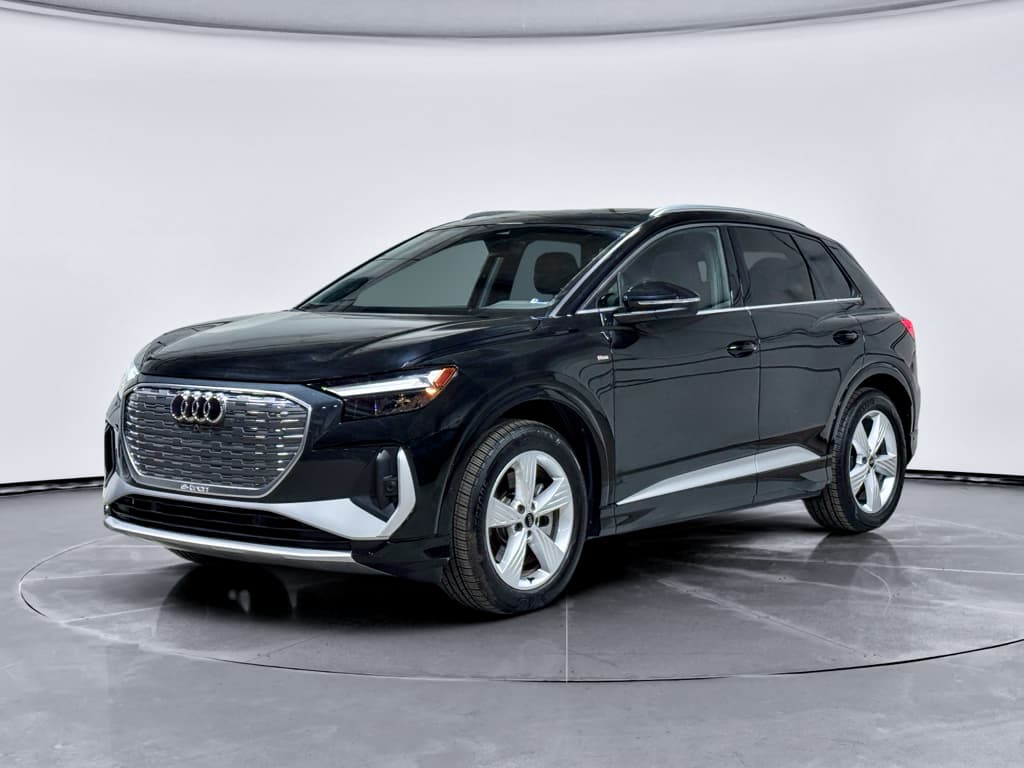
If you’re asking yourself, “What is my Audi e-tron GT worth?” you’re not alone. The e-tron GT is a stunning performance EV, but like most six‑figure luxury cars, it can lose value quickly. The good news: if you understand how depreciation, battery health, mileage, and trim affect pricing, you can walk into any negotiation knowing exactly what your car should bring, and how to defend that number.
At-a-glance answer
How much is my Audi e-tron GT worth today?
To answer “what is my Audi e-tron GT worth,” you first have to separate book value from what buyers are actually paying. Pricing tools like KBB and Edmunds are helpful benchmarks, but they tend to lag fast‑moving EV markets and don’t see what’s happening at auction lanes and specialty EV marketplaces in real time.
Audi e-tron GT value snapshots
These are directional figures, not firm offers. The only way to know what your Audi e-tron GT is worth is to plug in the real‑world details, mileage, options, accident history, battery health, and local demand, and compare multiple offers. That’s exactly the kind of work platforms like Recharged do behind the scenes when they generate a price and a Recharged Score battery health report for a used EV.
Quick value ranges by model year
Because asking prices move week by week, think in value bands, not single numbers. In early 2025, many U.S. listings and valuation tools pointed to roughly these retail ranges for well‑equipped e‑tron GTs in good condition (no major accidents, clean titles, average mileage):
Approximate Audi e-tron GT value bands (U.S., early 2025)
High-level retail price bands for typical cars in good condition. Local markets, exact spec, and battery health can move your car above or below these ranges.
| Model year / trim | Typical mileage | Rough retail asking band* | Notes |
|---|---|---|---|
| 2021–2022 e-tron GT | 25,000–40,000 mi | $45,000–$60,000 | Early cars show the biggest first‑owner depreciation but remain desirable if clean and well‑optioned. |
| 2023 e-tron GT | 15,000–30,000 mi | $55,000–$70,000 | Later software, fresher interiors, and lower mileage support stronger prices. |
| 2024 e-tron GT | Under 20,000 mi | $65,000–$80,000 | Still relatively new in the used market; values depend heavily on incentives and local demand. |
| 2022–2024 RS e-tron GT | 10,000–30,000 mi | $75,000–$95,000+ | High‑performance models carry a sizable premium, especially with carbon‑heavy option packages. |
Use these ranges as a starting point, then refine with real offers and a battery health report.
Important price disclaimer

Why the e-tron GT depreciates faster than you might expect
Luxury EVs like the Audi e-tron GT combine two forces that both push values down early in life: high initial MSRPs and rapid technology change. When you put those together, you get steep first‑owner losses even on fantastic cars.
What’s driving e-tron GT depreciation?
Four forces working against first owners, but creating opportunity for second owners.
High starting price
Fast tech turnover
Niche performance segment
Comparative resale
The bright side if you already own one
7 big factors that change your e-tron GT value
Book values assume an “average” car. Very few real‑world cars are truly average. Here are the seven levers that can move your Audi e-tron GT’s value thousands of dollars either way.
- Model year & trim. Newer cars and RS variants sit at the top of the value ladder. A 2023 RS e-tron GT with low miles will bring significantly more than a 2021 base car, even with similar mileage.
- Mileage. Luxury buyers are mileage‑sensitive. Crossing 40,000 miles, then 60,000 miles, typically triggers sharper discounts. Low‑mile examples get rewarded.
- Battery health. Unlike gas cars, an EV’s battery pack is its single most expensive component. Documented, healthy packs hold value; unexplained range loss or DC‑fast‑charge abuse can scare off buyers.
- Accident and ownership history. Clean, one‑owner, no‑accident cars bring a premium. Structural damage or airbag deployment on the Carfax can drag values down quickly.
- Options and packages. Wheel designs, performance packages, adaptive suspension, interior trims, and premium audio all help, but only if paired with colors and specs the market actually wants.
- Warranty remaining. Audi’s 8‑year / 100,000‑mile high‑voltage battery warranty is a strong selling point. The closer your car is to that window, the more peace of mind (and value) you can offer buyers.
- Local market & season. All EVs do better in markets with strong charging infrastructure and EV adoption. High‑performance luxury EVs also tend to sell more easily in spring and early summer than in the dead of winter.
Battery health: how much does it matter?
For EV buyers, range is the new fuel gauge. If shoppers think they’re inheriting a tired battery, they’ll either walk away or discount the car heavily. That’s why battery health can be the single biggest swing factor in what your Audi e-tron GT is worth.
How buyers judge your battery
- Advertised range vs. reality: Shoppers expect real‑world range reasonably close to EPA estimates for the model year.
- On‑screen state of health: Savvy buyers will ask you to show recent range estimates at 100% charge.
- Charging history: Heavy DC fast‑charging, especially at very high states of charge, can worry informed buyers.
- Warranty status: Remaining years and miles on Audi’s battery warranty are a key confidence booster.
Why a verified report adds value
Because casual buyers can’t easily measure battery degradation, third‑party diagnostics are becoming a must‑have. A Recharged Score Report, for example, pulls detailed battery data and driving history to show how healthy the pack really is.
- Helps justify your asking price when your pack is in great shape.
- Builds trust if you’re selling online or to an out‑of‑state buyer.
- Lets you compare dealer or instant‑offer bids on an apples‑to‑apples basis.
Simple step to protect value
Selling options: dealer trade, private sale, or Recharged
Once you’ve sketched out what your Audi e-tron GT is worth, the next question is how to turn it into cash or equity. Each route, traditional dealer trade‑in, private‑party sale, or a modern EV‑focused marketplace, comes with tradeoffs in price, time, and hassle.
Compare your main selling options
What you can typically expect when you sell an Audi e-tron GT.
Traditional dealer trade‑in
- Fastest & easiest option if you’re buying another car the same day.
- Expect less money than private party; dealer has to leave room for profit and risk.
- Values can be especially conservative on niche luxury EVs they don’t specialize in.
Private‑party sale
- Often brings the highest price if you market it well.
- Requires photos, listing management, test drives, and screening buyers.
- You handle payoff, paperwork, and fraud prevention yourself.
EV‑focused platforms like Recharged
- Built specifically around used EVs and battery health.
- Can provide a Recharged Score Report and nationwide buyer reach.
- Options for instant offer, consignment, or trade‑in, plus help with logistics and paperwork.
Where Recharged fits in
How to get the most for your Audi e-tron GT
You can’t control the overall market, but you can absolutely control how your specific car shows up in that market. Here’s a practical playbook to squeeze the most value from your e-tron GT when it’s time to sell or trade.
7‑step checklist before you list or trade
1. Get a realistic value range
Don’t anchor on a single book number. Check a few valuation tools, look at real listings for similar e-tron GTs, and, if possible, get a data‑backed instant offer from an EV specialist like Recharged to establish your range.
2. Pull your service and charging records
Download service history from your Audi dealer, gather receipts for tires and maintenance, and note how you’ve charged the car (for example, mostly home Level 2 vs frequent DC fast charging). This helps buyers judge how the car was cared for.
3. Consider a professional battery health report
If you’re selling a high‑value EV like an e-tron GT, a third‑party battery diagnostic such as the <strong>Recharged Score Report</strong> can pay for itself by proving your pack is in great shape, and by differentiating your car from others with no documentation.
4. Detail the car inside and out
Luxury buyers notice condition. A thorough wash, paint decontamination, interior detail, and wheel touch‑ups can easily be worth hundreds or even thousands of dollars in perceived value on a six‑figure‑when‑new EV.
5. Fix inexpensive, obvious flaws
Take care of low‑hanging fruit: curb‑rashed wheels, burned‑out bulbs, minor trim pieces, and overdue maintenance items. You don’t need to chase perfection, but you should avoid giving buyers an easy excuse to discount your car.
6. Time the market when you can
Performance EVs tend to sell better in warmer months and in EV‑friendly metros. If you have flexibility, list or trade when tax refunds hit and weather improves, exact timing can easily move your final price by a few percent.
7. Get multiple offers before saying yes
Even if you plan to trade at a dealer, it’s smart to get at least one outside offer first. Use instant‑offer tools or EV marketplaces to set a real‑world floor under your car’s value, then ask your dealer to beat it.
Watch for these value‑killers
FAQ: Audi e-tron GT value and selling questions
Frequently asked questions about Audi e-tron GT value
Bottom line on what your Audi e-tron GT is worth
Your Audi e-tron GT is a special car, an electric grand tourer with real character. But when you’re ready to move on, emotion won’t write the check; the market will. Understanding how model year, mileage, battery health, trim, and history shape its value gives you the leverage you need, whether you’re sitting across from a dealer, fielding private‑party offers, or working with a specialist marketplace.
Use broad value bands as a starting point, then refine with real‑world data: live listings, multiple offers, and, ideally, a verified battery health report. If you’d rather skip the guesswork, a platform like Recharged can help you price, market, and sell your e-tron GT with transparent diagnostics and EV‑savvy support from start to finish, so you can be confident you’re getting what your car is truly worth.