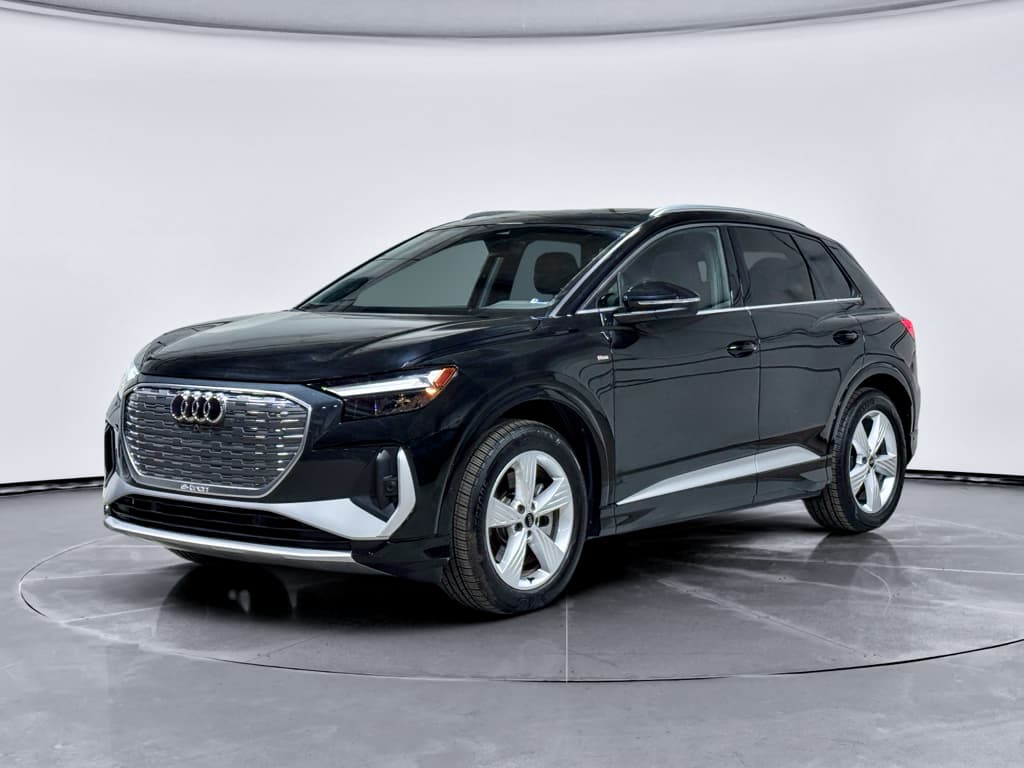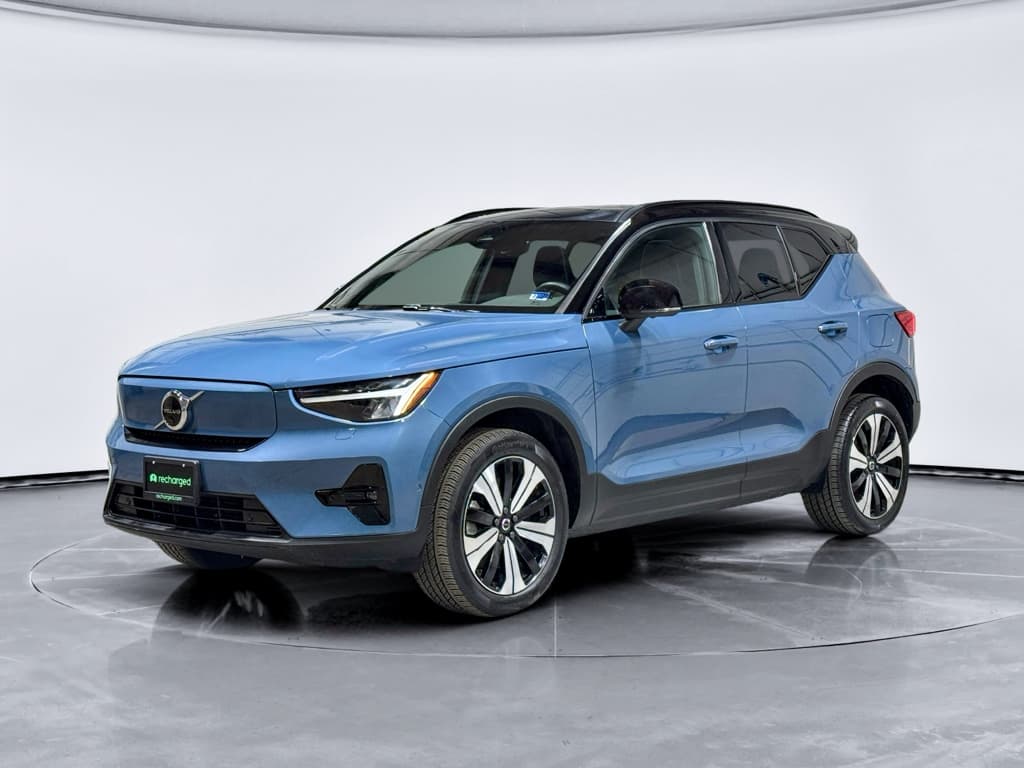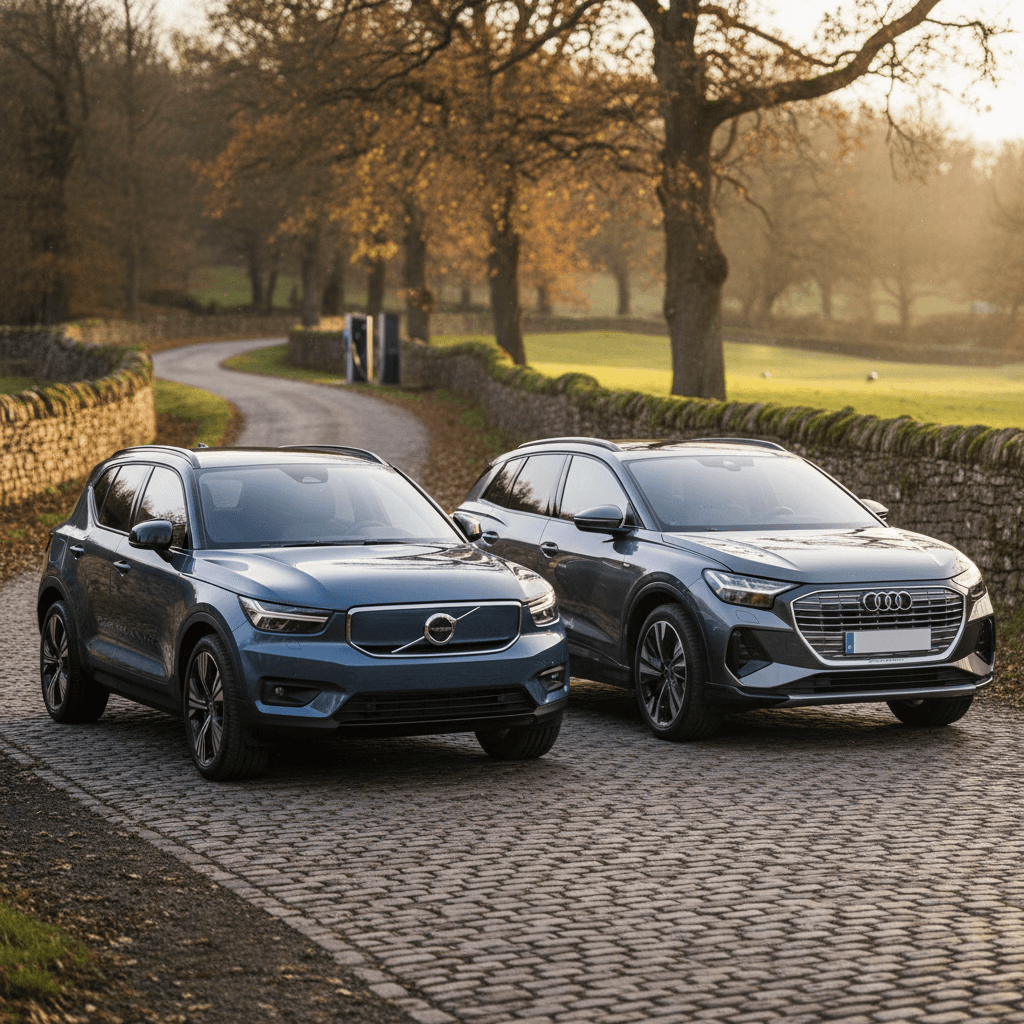
If you’re shopping for a compact luxury electric SUV, the Volvo XC40 Recharge vs Audi Q4 e-tron comparison is probably on your short list. Both are stylish, comfortable, and fully electric, but they approach everyday driving very differently, and those differences really matter when you’re planning to live with one for years, especially as a used EV.
Model names are shifting
Volvo XC40 Recharge vs Audi Q4 e-tron: who each SUV fits best
Which EV SUV matches your life?
Start with your priorities, then drill into the details.
Volvo XC40 Recharge: best for city families and safety-first drivers
If you want a compact footprint, confidence-inspiring safety, and a cabin that feels calm, the XC40 Recharge is your ally. It’s quick off the line, great in bad weather with available AWD, and its upright shape makes loading kids, dogs, and groceries a breeze.
- Stronger emphasis on safety and driver assistance
- Boxier cargo area that’s easy to use
- Simple, Google-based infotainment in newer models
Audi Q4 e-tron: best for range and road-trip comfort
If you have a longer commute or take frequent highway trips, the Audi Q4 e-tron’s extra range and efficient powertrain shine. It feels like a traditional Audi SUV that happens to be electric, quiet, solid, and composed.
- More range than XC40 Recharge in most trims
- Refined ride and cabin isolation
- Taps into big public networks like Electrify America
Quick specs: XC40 Recharge vs Q4 e-tron at a glance
Key numbers: late-model Volvo XC40 Recharge vs Audi Q4 e-tron
Representative specs for U.S.-market models. Exact figures vary by year, trim, and wheels, so always confirm for the specific car you’re considering, especially on the used market.
| Spec | Volvo XC40 Recharge (typical recent AWD spec) | Audi Q4 e-tron (40/50 models) |
|---|---|---|
| Battery (usable, approx.) | ~75–79 kWh | ~77–82 kWh |
| EPA-estimated range | around 223–254 miles depending on trim and year | about 236–265 miles depending on drivetrain |
| Drivetrain | Single-motor RWD or dual-motor AWD | Single-motor RWD (Q4 40) or dual-motor AWD (Q4 50) |
| 0–60 mph (AWD) | about 4.5 seconds (very quick for the class) | around 5.0–5.5 seconds |
| DC fast charging (peak) | up to ~205 kW on newer large-battery variants | around 150–175 kW depending on year/trim |
| Onboard AC charging | up to 11 kW | about 11 kW |
| Cargo space (behind rear seats) | roughly low-20s cu ft, boxy shape | similar volume, more sloped tail in Sportback |
| Seating | 5 passengers | 5 passengers |
Approximate specs; always check the window sticker or manufacturer site for final numbers.
Think beyond the brochure
Range and battery: Q4 wins on miles, XC40 fights back on power
Range is the first number most EV shoppers circle, and between Volvo XC40 Recharge vs Audi Q4 e-tron, the Audi usually comes out ahead. Recent Q4 e-tron models with rear-wheel drive are rated up to roughly 265 miles of range, while all-wheel-drive versions sit closer to the mid‑230s. The Volvo XC40 Recharge, depending on year and battery, typically lands in the low‑200s to mid‑240s for EPA range.
- Audi Q4 e-tron: Better paper range, especially in rear‑drive trims, and a very efficient highway cruiser.
- Volvo XC40 Recharge: Respectable range for a compact SUV, but you’ll likely notice 15–40 fewer miles than a comparable Q4 on the same drive.
Real-world range vs the sticker
On the flip side, the XC40 Recharge leans into performance. Dual‑motor AWD versions feel legitimately quick, sprinting to 60 mph in roughly the mid‑4‑second range. The Q4 e-tron, especially in rear‑drive form, is tuned more for smoothness and efficiency than stoplight sprints. If you like that instant, push‑you‑back torque feel, the Volvo delivers more drama.
Charging experience: living with each EV day to day
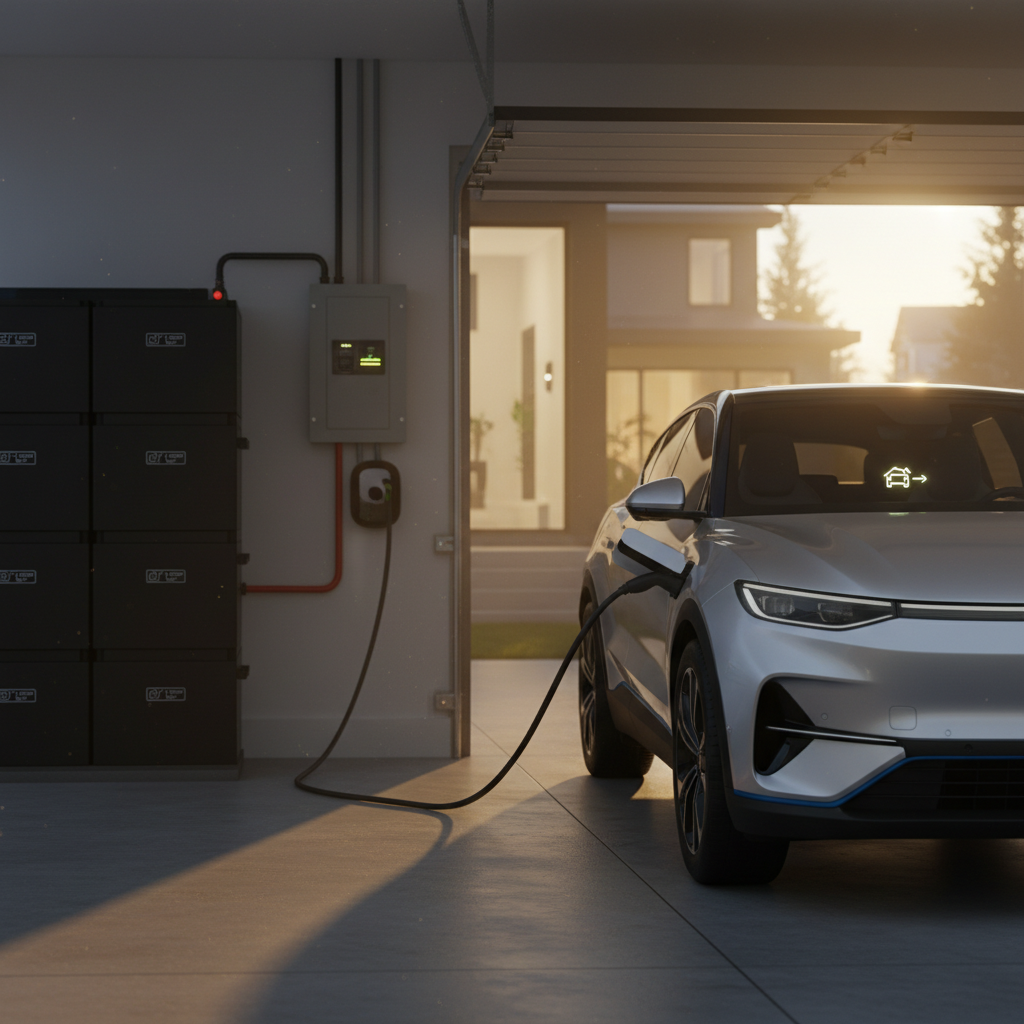
If you’ll mostly charge at home, both vehicles behave similarly. Each offers roughly 11 kW AC charging on a 240‑volt Level 2 connection, which means you can easily refill a depleted battery overnight with a properly sized home charger.
Volvo XC40 Recharge
- Newer large‑battery versions can fast‑charge at up to about 205 kW.
- Older or smaller‑battery models peak lower (typically around 150 kW).
- 10–80% DC fast charge can be achieved in roughly 28–40 minutes depending on configuration and conditions.
On road trips, that’s a comfortable coffee‑and‑restroom stop every 2–3 hours of driving.
Audi Q4 e-tron
- Most U.S. trims fast‑charge at about 150–175 kW, depending on year and battery tuning.
- Typical 10–80% DC fast charge times sit around 30–35 minutes.
- Audi has bundled free Electrify America charging with some new Q4s, a nice perk for first owners.
In practice, both vehicles will spend a similar amount of time plugged in on long trips.
Plan where, not just how fast
Space, comfort, and practicality for families
On paper, the Volvo XC40 Recharge and Audi Q4 e-tron are both compact five‑seat crossovers. In real life, they feel a little different from behind the wheel and in the second row.
Everyday practicality: where each EV shines
Volvo XC40 Recharge practicality highlights
- Boxy cargo area makes it easy to fit strollers, suitcases, and awkward boxes.
- Upright seating position and big windows help visibility in traffic and tight parking garages.
- Rear seat room is fine for adults on shorter trips; kids fit easily with room for child seats.
If you live in the city and value easy maneuvering and loading, the XC40’s shape is your friend.
Audi Q4 e-tron practicality highlights
- Slightly more relaxed rear legroom and a bit more of a traditional SUV feel.
- Sportback version trades some cargo height for style; the standard Q4 keeps a squarer rear.
- Refined ride quality makes highway hours pass quietly and comfortably.
If your life involves more interstate miles and back‑to‑back days in the car, the Q4’s extra range and refinement add up.
Driving character: Scandinavian calm vs German composure
Both of these EVs share a mission, quiet, confident, upscale transportation, but they do it with different accents.
- Volvo XC40 Recharge: Instant torque, especially in dual‑motor form, makes it feel playful and quick. Steering is light, visibility is excellent, and it’s an easy car to place on narrow streets. The suspension skews firm but not punishing, especially on sensible wheel sizes.
- Audi Q4 e-tron: Feels more like a traditional Audi SUV: stable, planted, and a bit more insulated from the world outside. Acceleration is brisk rather than shocking. It’s the better long‑haul car if you prefer to glide rather than pounce.
Snow, rain, and bad roads
Tech, infotainment, and driver assistance
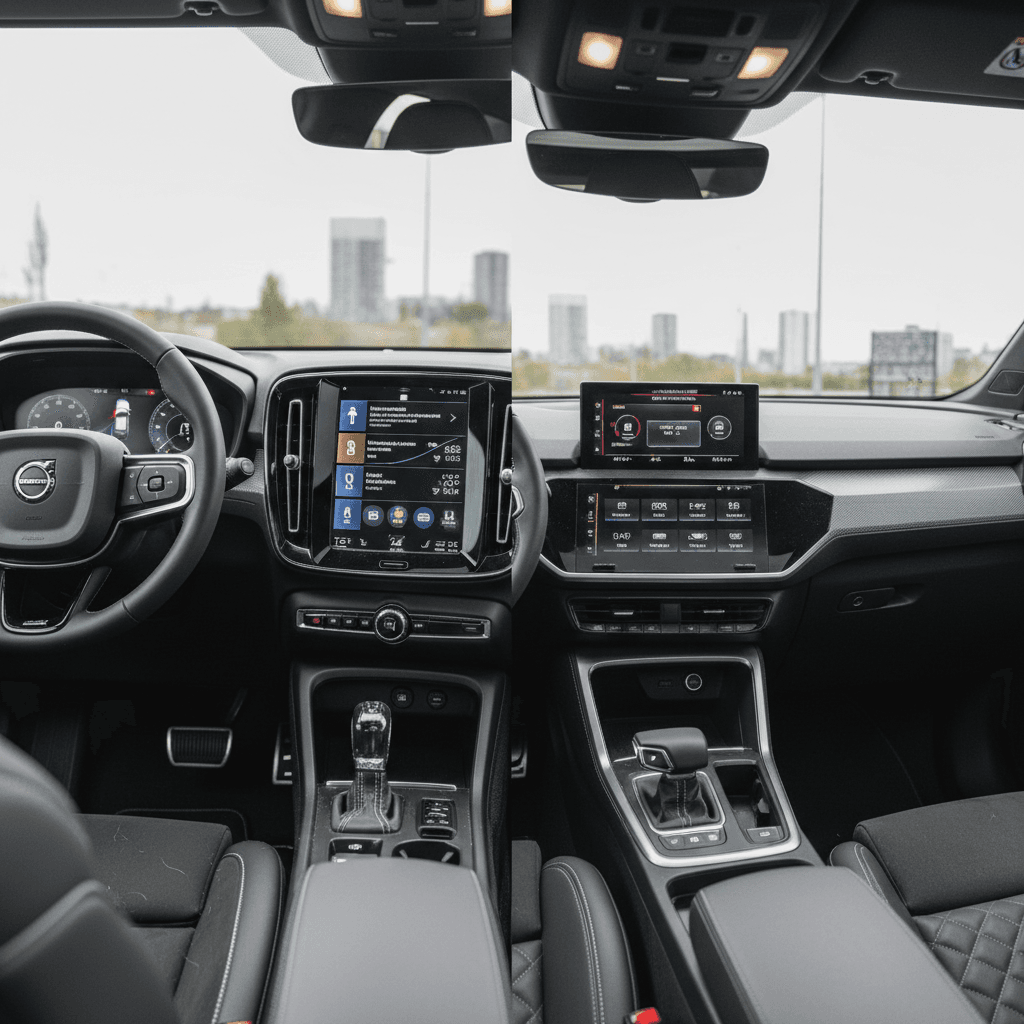
Inside, the Volvo XC40 Recharge and Audi Q4 e-tron both try to feel modern and premium, but they’re speaking very different design languages.
Volvo: Google-forward and minimalist
- Newer XC40 Recharge models run an Android Automotive‑based system with built‑in Google Maps, Assistant, and Play Store apps.
- The interface is clean and simple; if you live in Google’s world, it feels instantly familiar.
- Physical buttons are kept to a minimum, but key climate controls remain easy to find.
Volvo’s approach is **calming rather than flashy**, as long as you’re comfortable living inside Google’s ecosystem.
Audi: Familiar luxury with screens everywhere
- Q4 e-tron uses Audi’s MMI infotainment: a central touchscreen, digital instrument cluster, and available head‑up display.
- Wireless Apple CarPlay and Android Auto are widely available, which many used buyers value.
- More physical switchgear than the Volvo, and a layout that’ll feel familiar if you’ve driven recent Audis.
Audi’s tech feels like a high‑end twist on a traditional cockpit rather than a clean‑sheet EV experiment.
Safety and driver assistance
Reliability, battery health, and buying used
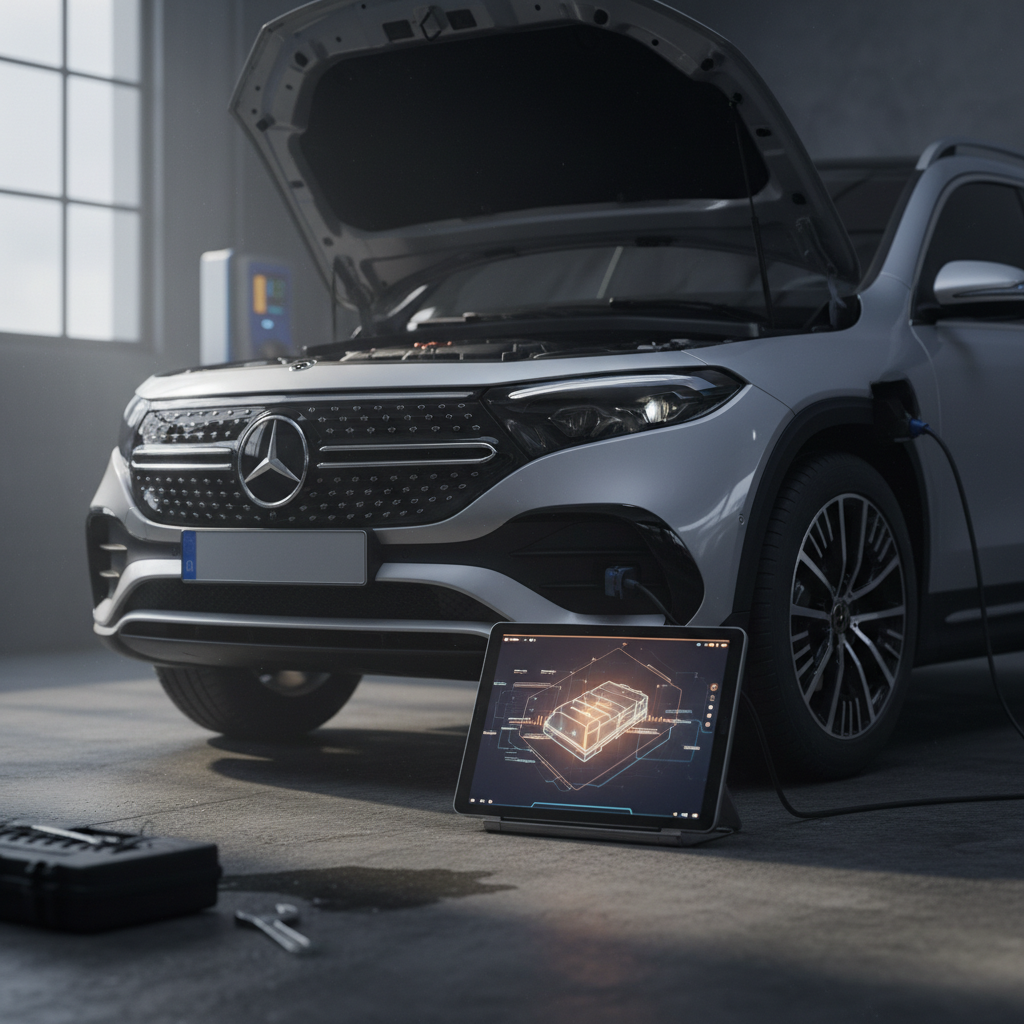
Modern EVs like the Volvo XC40 Recharge and Audi Q4 e-tron have fewer moving parts than their gas counterparts, but for a used buyer the big question is simple: **How healthy is the battery, and how was the car treated?** That’s where a little homework, and the right partner, pays off.
Used XC40 Recharge vs Q4 e-tron: what to check before you buy
1. Confirm battery health, not just mileage
Two EVs with the same odometer reading can have very different battery stories. Look for a third‑party battery health report or ask for long‑term charging data. Recharged vehicles include a <strong>Recharged Score</strong> with verified battery diagnostics, so you’re not guessing about range loss.
2. Ask how it was charged
Frequent DC fast charging can age a pack a bit faster, especially in very hot or cold climates. An XC40 or Q4 that lived mostly on home Level 2 charging will generally have an easier life than one that lived on road‑trip duty.
3. Inspect tires and brakes
These EVs are heavy and powerful. Uneven tire wear or tired brake components can hint at hard use. Budget for a good set of EV‑rated tires; they’re crucial for efficiency and safety.
4. Verify software updates and recalls
Both Volvo and Audi have rolled out software updates that impact charging behavior, range estimates, and driver‑assist performance. Make sure the car is up to date, your retailer or service records can confirm this.
5. Test real-world range on a long drive
If possible, take a longer test drive at highway speed and watch how quickly the range gauge drops. Compare what you see to what the original window sticker promised; a bit of loss is normal, but big gaps are worth investigating.
Where Recharged fits in
Ownership costs, incentives, and long-term value
Electric SUVs like the Volvo XC40 Recharge and Audi Q4 e-tron can be extremely affordable to run, especially if you charge at home. Electricity is usually cheaper per mile than gasoline, and there’s no oil to change, no exhaust system to rust out, and far fewer wear items.
Ownership snapshot: where EVs save you money
New‑car pricing moves around with trims, options, and incentives, but in the used market you’ll often find that **XC40 Recharge and Q4 e-tron sit in a similar price band** for comparable years and miles. Condition, battery health, and equipment matter more than the badge when you’re deciding which one is the better value.
How to choose: Volvo XC40 Recharge vs Audi Q4 e-tron
5 questions to decide between XC40 Recharge and Q4 e-tron
1. How far do you actually drive in a day?
If most days are under 80–100 miles with occasional longer trips, the XC40 Recharge’s slightly lower range is a non‑issue. If you’re regularly driving 150+ highway miles between charges, the Q4 e-tron’s extra buffer will feel comforting.
2. Do you value punchy acceleration or relaxed cruising?
The Volvo’s dual‑motor setup has a more playful, hot‑hatch vibe off the line. The Audi leans into calm, controlled acceleration. There’s no wrong answer, just your preference.
3. What kind of roads do you live on?
Tight city streets and parking garages favor the XC40’s compact, upright shape. Long commutes and interstate trips favor the Q4’s extra range and softer highway demeanor.
4. Which cabin feels like “home” to you?
Sit in both. Volvo’s interior is light, modern, and deliberately simple; Audi’s is more classic luxury with lots of switches and a familiar German layout. You’ll spend thousands of hours in this space, your gut reaction matters.
5. How comfortable are you judging EV condition?
If you want extra confidence, look for vehicles with documented battery health. Recharged’s vehicles include a Recharged Score report, transparent pricing, and nationwide delivery, which can take the edge off buying your first used EV.
If you’re the kind of driver who loves a quick, upright, easy‑to‑park SUV with a strong safety story, the **Volvo XC40 Recharge** is going to feel like an old friend almost immediately. If you’re chasing calmer highway manners and a bit more range per charge, the **Audi Q4 e-tron** quietly makes its case with every mile. The good news is that neither is a wrong choice, only the wrong fit for your life. Take the time to drive both, ask hard questions about battery health and charging history, and let your daily routine, not just the brochure, pick your winner. And if you’d like a seasoned guide along the way, Recharged is built to make that EV leap feel a whole lot less like a jump.