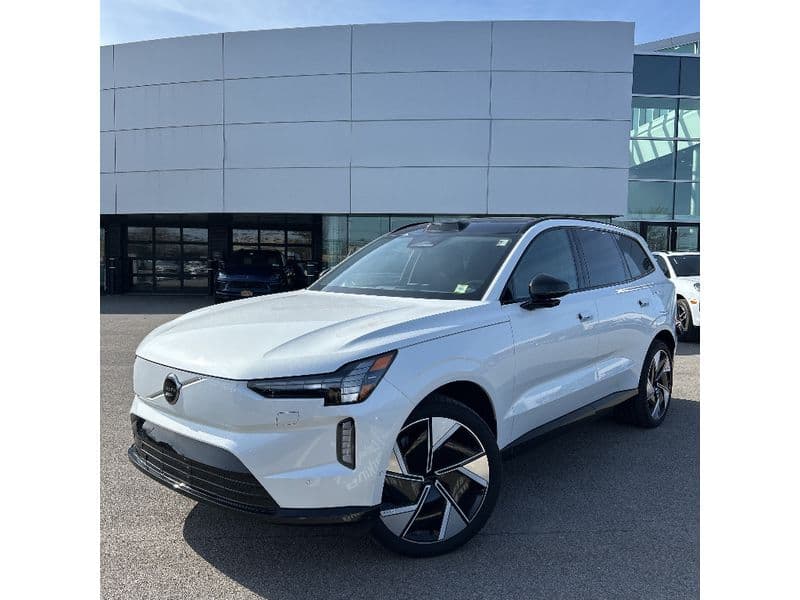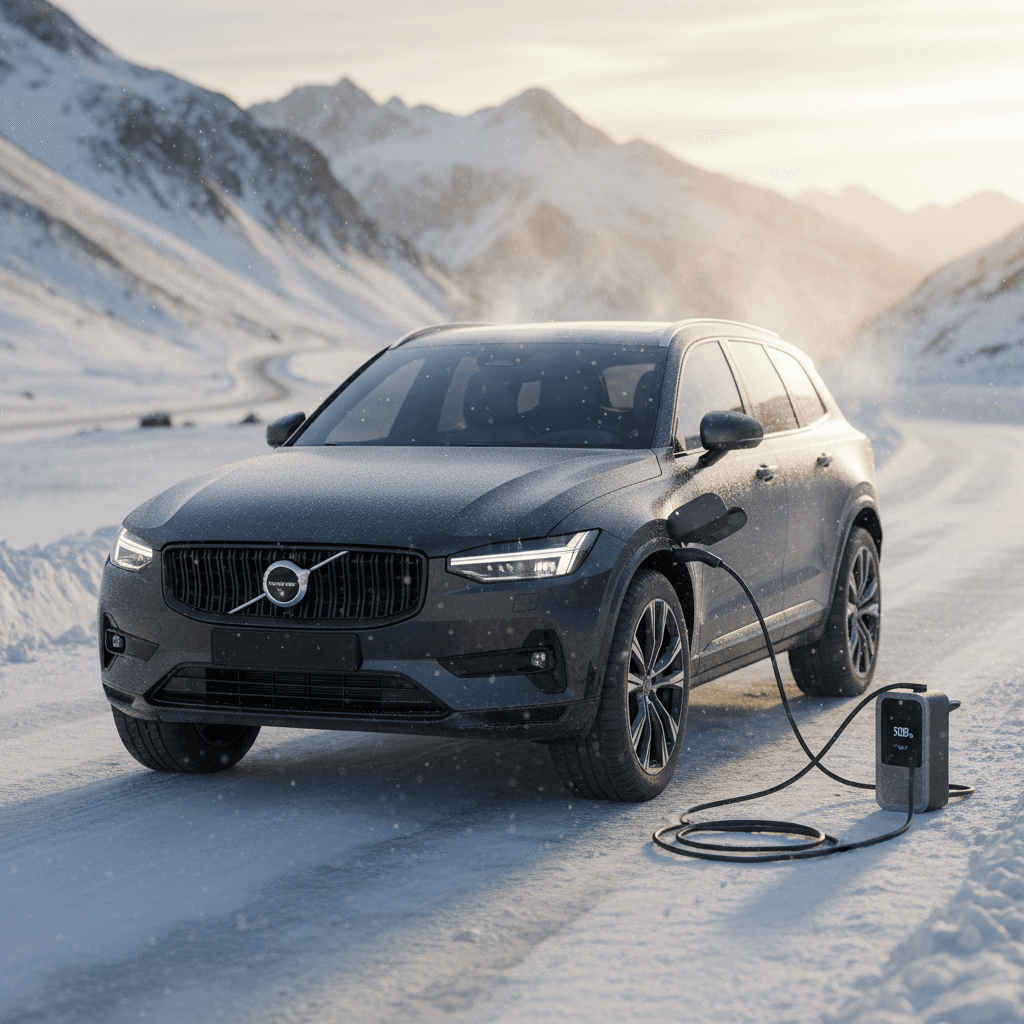
You don’t buy a seven‑seat Volvo SUV because you like surprises. Yet the first real surprise many new owners get is the winter range loss percentage in their Volvo EX90. The EPA might promise up to around 300–310 miles on paper, but a cold January morning can tell a very different story. Let’s talk about what’s normal, what’s worrying, and what you can actually do about it.
Quick answer: EX90 winter range loss in one glance
Why Volvo EX90 winter range loss matters
The EX90 is Volvo’s all‑electric flagship family hauler, with a big battery, three rows, and a conscience. On a spec sheet, the combination looks reassuring: roughly a 111 kWh pack, dual motors, and an EPA‑rated range around 300–310 miles depending on trim and wheels. In warm weather, driven sensibly, that’s achievable. In winter, especially if you’re stacking short trips with a warm cabin, it’s not.
Range loss in the cold isn’t just an inconvenience. If you’re using the EX90 for family road trips, ski weekends, or long commutes, winter efficiency affects how often you stop, which chargers you can reliably reach, and how relaxed you feel staring at that state‑of‑charge bar while the snow piles up.
Perspective check
EPA range vs real‑world Volvo EX90 numbers
Volvo EX90 range by the numbers (mild weather)
Independent testing has pegged a Twin Motor Performance EX90 at roughly 250 miles of real‑world highway range at 75 mph in good conditions. That’s already a reminder that EPA numbers are a lab construct; real driving, especially at U.S. freeway speeds, is more demanding.
Layer winter onto that, and you’re starting from something closer to 230–260 miles of usable highway range in mild weather, not the brochure’s 300+. From there, cold temperatures, heater use, and short‑trip patterns shave the number down further.
Think in usable winter range, not headline range
How much range does the Volvo EX90 lose in winter?
Let’s get to the number you came for: Volvo EX90 winter range loss percentage. Because there isn’t a single official “winter EPA” rating, we have to triangulate from owner reports, cold‑weather tests of similar big SUVs, and basic EV physics.
Typical Volvo EX90 winter range loss scenarios
Approximate real‑world range loss vs EPA rating for a dual‑motor EX90, assuming a nominal 300‑mile rating. These are ballpark, not guarantees.
| Scenario | Conditions | Approx. Loss vs EPA | Estimated Usable Range |
|---|---|---|---|
| Cool, not brutal | 40–55°F (4–13°C), mostly highway, light heat | 10–15% | 255–270 mi |
| Normal winter city mix | 20–35°F (−7 to 2°C), mixed driving, heater on | 20–35% | 195–240 mi |
| Deep‑cold commuting | 0–15°F (−18 to −9°C), many short trips, cabin pre‑heat | 35–45% | 165–195 mi |
| Worst‑case short hops | Below 0°F (−18°C), very short trips, max cabin heat and defrost | 45–50%+ | 150 mi or less |
Actual results vary with speed, wheel size, climate control use, and driving style, but these percentages reflect what many owners experience.
In other words, if your EX90 is EPA‑rated around 300 miles, losing roughly a third of that number in everyday winter use isn’t a sign anything is broken. Around 200 miles between charges in cold weather is unfortunately normal for a big, luxurious, three‑row EV.
When to get worried
What actually causes winter range loss in the EX90
Four main culprits behind EX90 winter range loss
It’s not just “the cold.” It’s what the cold forces the car to do.
1. Cold battery chemistry
2. Cabin and seat heating
3. Drivetrain and aero losses
4. Software, standby and “vampire” use
Heat pump vs. no heat pump: why it matters less than you think
Wheel size, speed, and style: why two EX90s lose different amounts
High speed + big wheels = big losses
The EX90 can be ordered with different wheel sizes, and like every big SUV, the combination of large aero‑unfriendly wheels and freeway speeds is where range goes to die, especially in winter. Add crosswinds, a roof box full of skis, and wet or slushy pavement, and you’re stacking drag on drag.
At a steady 75 mph on cold, dry roads, it’s reasonable to see consumption jump 20–30% over what you get at 60 mph. That alone explains a big chunk of your “missing” miles.
Smooth, anticipatory driving pays off
The EX90 has plenty of punch, particularly in Performance trims. Use it like a hot hatch in winter and you’ll pay at the plug. Rapid accelerations dump current into the motors and then hit the brakes hard, wasting energy as heat.
In cold weather, cruise control, Eco or similar drive modes, and gentle inputs make a real difference. Many owners report that once they adjust their pace and keep the cabin at a comfortable-but-not-tropical temperature, winter range becomes predictable instead of scary.
Easy win: set a “winter speed ceiling” for yourself
Practical ways to cut winter range loss in your EX90
Winter efficiency checklist for Volvo EX90 owners
1. Precondition while plugged in
Use the Volvo app to warm the cabin and battery <strong>before you drive</strong>, while the car is still charging. That shifts the worst of the heating load to the grid instead of the battery, especially helpful for short‑trip days.
2. Use seat and wheel heaters first
Seat and steering‑wheel heaters sip energy compared to blasting the HVAC. You can often lower cabin temp a couple of degrees and stay just as comfortable by leaning on the toasty bits closest to your body.
3. Avoid chronic short, cold starts
If possible, chain errands together instead of doing multiple cold starts. Once the battery and cabin are warm, <strong>keep the car in use</strong>. Every fresh cold start adds a big overhead surge of heating energy.
4. Watch your speed on the highway
The difference between 65 and 75 mph in a big SUV is enormous in winter. Combine a modest right‑lane pace with gentle accelerations and you’ll see your remaining‑range estimate settle down instead of free‑falling.
5. Keep tires properly inflated
Cold weather drops tire pressure, sometimes dramatically. Under‑inflated tires increase rolling resistance and hurt range. Check pressures at least monthly in winter and match Volvo’s recommended values on the door jamb.
6. Trim the aero penalties
Roof boxes, wide winter tires, and racks all look like drag to the wind. If you’re not actively using them, <strong>take them off</strong>. For a boxy three‑row SUV, small aero improvements add up.
Planning winter road trips in a Volvo EX90
On paper, a 300‑mile EV should knock out long days without effort. In the real world, winter highway driving in an EX90 is a game of charger spacing, charge curve, and your personal tolerance for low state of charge. The good news: the EX90’s DC charging capability and big battery give you room to play with.
Rule‑of‑thumb winter planning for EX90 road trips
Simple planning baselines if you’re driving an EX90 in cold conditions.
| Trip Type | Outside Temp | Recommended Leg Length | Arrival SOC Target |
|---|---|---|---|
| Mild winter freeway day | 35–45°F (2–7°C) | 140–170 mi | 15–20% |
| Typical snow‑belt day | 20–30°F (−7 to −1°C) | 120–150 mi | 15–25% |
| Deep cold or headwinds | 0–20°F (−18 to −7°C) | 90–120 mi | 20–30% |
These numbers assume a roughly 300‑mile EPA‑rated EX90 and conservative winter driving. Always leave yourself a margin for headwinds, traffic, and charger issues.
Don’t flirt with 0% in winter
Buying a used Volvo EX90? How winter range and battery health fit together
If you’re shopping for a used Volvo EX90, winter range can easily be misread as a battery‑health problem. A previous owner might insist the car “only does 180 miles on a full charge,” without mentioning they’re doing five 6‑mile school runs a day in freezing weather with the heat set to sauna.
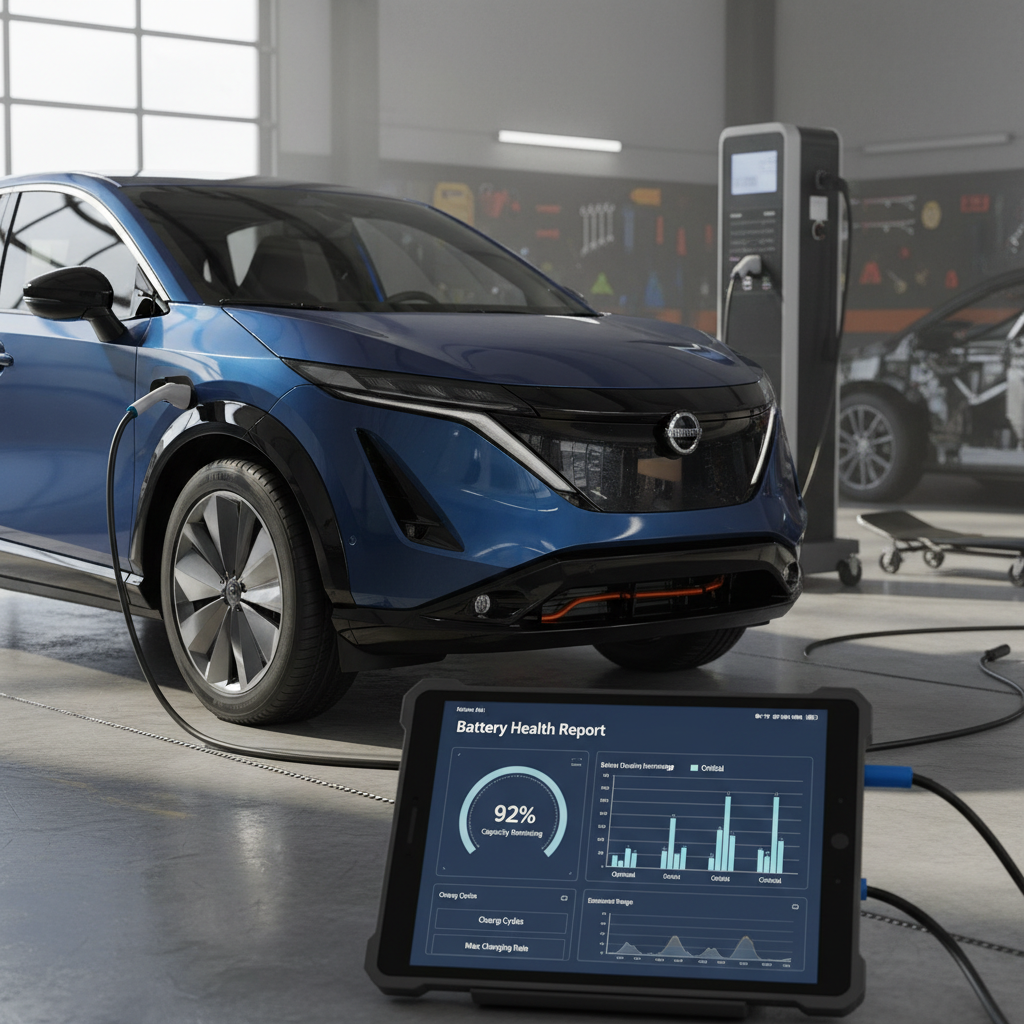
What actually matters for long‑term ownership is the underlying battery health, not just how many miles the estimate shows on a random cold Tuesday. That’s where tools like Recharged’s Recharged Score battery health diagnostics come in: instead of guessing from the dash, you get a data‑driven view of pack condition, cell balance, and how close the car is to its original capacity.
Winter range questions to ask about a used EX90
Don’t just ask “what’s the range?”, dig into how the car was used.
Usage pattern
Charging habits
Battery health report
How Recharged de‑dramatizes winter range
Ready to find your next EV?
Browse VehiclesVolvo EX90 winter range FAQ
Frequently asked questions about Volvo EX90 winter range
Bottom line: what to expect from EX90 winter range
The Volvo EX90 is not a science experiment, it’s a family flagship from a company that’s been building cars for Swedish winters since before most of us were born. In cold weather, it behaves like what it is: a large, safe, comfortable electric SUV with a big battery and a big appetite when the mercury drops.
If you go in expecting the full EPA number every day of the year, winter will feel like betrayal. If you assume a 20–35% winter range loss in normal cold and up to 40–45% in deep‑freeze, then build your charging and driving habits around that, the EX90 becomes predictable, even reassuring. It will still get your people and your stuff where they need to go, just with an extra coffee stop on the way to the slopes.
And if you’re considering a used Volvo EX90, don’t let alarming anecdotes about winter range scare you away. Focus on verified battery health, honest real‑world expectations, and a buying experience that actually understands EVs. On that front, Recharged exists to make the numbers add up: transparent battery diagnostics, expert guidance, and nationwide delivery when you’re ready for an EX90 that fits your life in every season.