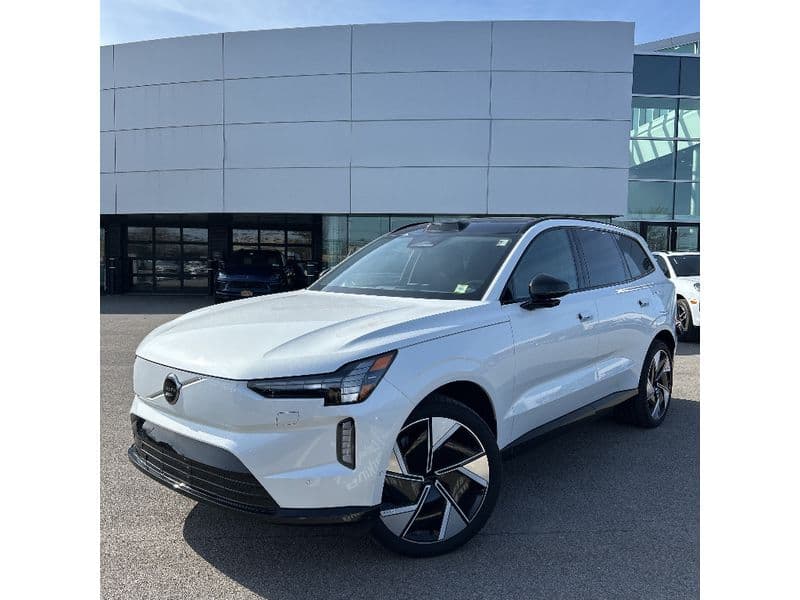
The Volvo EX90 is built around a big, sophisticated battery pack, roughly 107 kWh of usable energy paired with serious safety engineering. That pack is the beating heart of the car. How you charge, drive, and park your EX90 will determine whether you’re still enjoying strong range 10 years from now, or shopping for a replacement sooner than you’d like. This guide walks you through exactly how to maximize Volvo EX90 battery life using the tools Volvo gives you, plus a few timeless EV best practices.
Good news for EX90 owners
Why Volvo EX90 battery care matters
The EX90 is not a cheap appliance; it’s a rolling, seven‑seat Scandinavian design object with a triple‑digit battery tucked under the floor. That battery is also the single most expensive component in the vehicle. Unlike a fuel tank, lithium‑ion cells slowly lose capacity over time. You can’t stop that process, but you can control the slope of the curve with daily choices about charging, temperature, and how hard you push the car.
- Preserving battery health keeps more real‑world range on tap, especially in winter or when towing.
- A healthier pack maintains performance for highway merges and overtakes.
- Strong long‑term battery metrics support resale value when it’s time to move to your next EV or a used EX90 from Recharged.
The two big battery enemies
EX90 battery basics: what you’re working with
U.S.‑spec Volvo EX90 models use a large lithium‑ion battery pack with about 111 kWh total capacity and roughly 107 kWh usable. Earlier model years run a 400‑volt architecture; newer 2026‑onward examples move to an 800‑volt system that allows even faster DC fast charging while improving efficiency and thermal control. In all cases, the pack is liquid‑cooled, actively heated, and wrapped in the usual Volvo belt‑and‑suspenders safety engineering.
Volvo EX90 battery at a glance
400 V vs 800 V: what it means for you
Daily charging strategy: Volvo EX90 settings to use
The easiest way to maximize EX90 battery life is to get your daily charge limit and timing dialed in once and let the car handle the rest. Fortunately, Volvo gives you thoughtful defaults, and the ability to change them when your life doesn’t fit the template.
Core EX90 settings for a healthy daily routine
Set these once, then largely forget about them.
1. Use “Daily drive” (≈90%)
From the center screen or Volvo Cars app, set your charge target to Daily drive. On the EX90, that’s about 90% state of charge, which Volvo calibrates as a safe everyday ceiling.
If you routinely need less range, you can set a custom target lower, 70–80%, for even gentler long‑term treatment.
2. Schedule overnight charging
Whenever possible, plug in at home and let the car charge late at night. You reduce grid emissions, usually save money, and keep the pack near its ideal mid‑range state of charge during the day.
Use your utility’s off‑peak window as a guide.
3. Respect the circuit
Under Charging → Limit charging current, you can dial down the amperage for a specific location. If your home wiring is older or marginal, this lowers heat at the plug and in the onboard charger, which is good for safety and longevity alike.
Aim for 20–80% in normal life
You can set or adjust your charge limit in the center display (tap the car icon → Settings → Charging → Target battery level) or in the Volvo Cars app. If you share the EX90 with other drivers, make sure everyone understands these limits and why they’re there. It’s not arbitrary; it’s the easiest battery‑health win you’ll ever get.
Fast‑charging smart: how often and how far to go
DC fast charging is the espresso shot of EV life: wonderful on a road trip, unnecessary as a daily habit. The EX90 is built to handle high‑power DC juice, up to roughly 250 kW on capable chargers, but heat and high voltage accelerate wear if you lean on it all the time. Think of fast charging as an occasional tool, not a lifestyle.
EX90 DC fast‑charging best practices
Use this as your mental checklist whenever you plug into a high‑power station.
| Scenario | What to Aim For | What to Avoid | Why It Matters |
|---|---|---|---|
| Highway road trip | Charge from ~10–20% up to ~70–80% | Sitting at 100% on a hot station for 30+ minutes | Most charge power happens between ~10–60%; tapering above that just adds heat and time. |
| Everyday life | Rely on home Level 2; DC fast only when needed | Using DC fast weekly just for convenience | Regular high‑power sessions keep average cell temperature and voltage higher. |
| Cold weather | Use navigation to precondition before arriving | Repeated cold‑soak DC sessions from 0% | Preconditioning lets the EX90 warm the pack so charging is quicker and gentler. |
| Hot days | Let the car finish down near 70–80% and then drive | Fast‑charging to 100% and then parking in the sun all day | High state of charge plus high temperature is the fastest way to degrade lithium‑ion cells. |
Following these simple guardrails keeps your pack cooler and happier without making trips painful.
Use Google Maps to help your battery
Driving habits that protect your EX90 battery
Once you’re moving, the EX90’s battery management system watches cell voltages, currents, and temperatures like a nervous parent at a playground. Still, your right foot and mode choices make a difference. Smooth, anticipatory driving is kinder to the battery, the tires, and frankly, your passengers.
Choose calmer drive modes
When you’re not in a hurry, lean on the EX90’s more relaxed drive modes instead of the most aggressive performance setting. That keeps peak current draw lower and reduces waste heat in the pack and power electronics.
Save the full shove for short bursts, on‑ramps and passing, rather than sustained high‑speed runs.
Use regen instead of hard braking
Strong regenerative braking recovers energy that would otherwise become heat in the friction brakes. With one‑pedal‑style driving in traffic, you glide more and stomp less.
That doesn’t directly change degradation chemistry, but it improves efficiency, which means fewer deep cycles for the same miles driven.
- Avoid repeated full‑throttle launches on a low state of charge; that’s when current draw per cell is highest.
- If you’ve just come off a long, fast highway run, let the car cool for a few minutes before plugging into a very fast DC charger on a hot day.
- At very high speeds, aero drag skyrockets. Backing off from 80 mph to 70 mph meaningfully reduces energy use and heat load on the pack.
Think in averages, not moments
Climate control and preconditioning: less stress, more range
The EX90’s cabin is a glassy Scandinavian loft, which is lovely until August in Phoenix or February in Minneapolis. Climate control is both a comfort feature and an energy hog. Used well, it’s also a secret weapon for battery longevity.
Smart climate habits for battery health
Use the car’s software to shift energy use off the road and away from the pack’s worst conditions.
Precondition while plugged in
Use the Volvo app to warm or cool the cabin before you leave while the car is still connected to AC power. Much of the energy comes from the wall instead of the battery, and the pack reaches an efficient temperature sooner.
Moderate your setpoint
Setting the HVAC to 68°F instead of 60°F in summer (or 70°F instead of 76°F in winter) reduces compressor and heater load. That means less current draw and less cycling stress for the same commute.
Use seat and wheel heaters
When it’s cold, rely on seat and steering‑wheel heaters rather than blasting cabin air to sauna levels. They sip power compared with the main cabin heater and still keep you comfortable.
Beware hot‑soak charging
Parking, storage, and temperature management
Batteries age even when the car is doing nothing. That aging speeds up at high temperatures and high states of charge. The EX90’s thermal system can protect itself to a point, but it can’t move the sun or rebuild your garage.
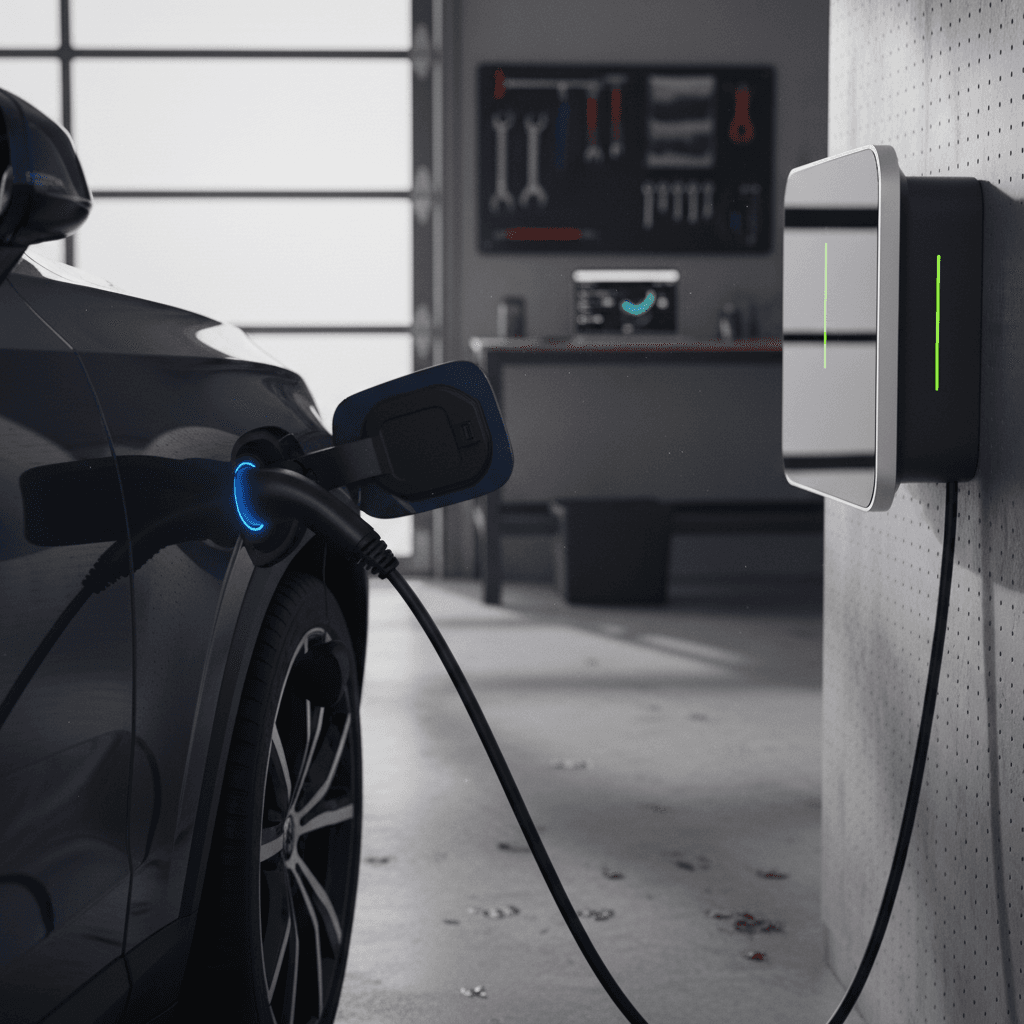
- When possible, park in a garage or shaded spot instead of baking in full sun, especially after charging to a higher state of charge.
- For long‑term parking (airport trip, extended vacation), leave the car around 40–60% state of charge and plugged in if your outlet is trustworthy. The car can manage its own 12‑volt system and thermal needs.
- Avoid storing the car for weeks at either 100% or near empty. Both extremes are more stressful than the calm middle.
“Battery storage mode” in spirit
Towing and heavy loads: when your EX90 works harder
One of the reasons you buy an EX90 instead of a twee city EV is towing and hauling. With the right hitch, it can pull a healthy‑sized camper or boat. That extra work doesn’t just tax the motors; it also increases current draw and heat in the battery, especially on hills or in headwinds.
Battery‑friendly towing and heavy‑load tips
Practical rules of thumb for when you hitch up or fill every seat and the cargo area.
| Condition | What to Do | Target | Why |
|---|---|---|---|
| Towing on a hot day | Use a lower cruising speed and conservative drive mode | 65–70 mph instead of 75–80 mph | Reduces current draw and heat, improving both range and battery comfort. |
| Mountain grades with a trailer | Give the car a breather at the top before fast‑charging | 5–10 minutes of light driving or a short break | Lets pack and power electronics shed heat before a high‑power DC session. |
| Trip planning with a load | Plan more frequent, shallower fast charges | 10–60% instead of 5–90% jumps | Keeps you in the faster, lower‑stress part of the charging curve. |
| Post‑towing storage | Don’t park long‑term at high SOC right after a heavy‑load day | Let SOC drift back toward 50–60% | Avoids parking with a warm battery at high charge. |
Plan towing days like mini road trips for your battery: more frequent, gentler charges and slightly lower speeds.
Respect rated limits
Monitoring battery health: what to watch over time
You don’t need to obsess over every kilowatt‑hour, but it’s worth developing a feel for your EX90’s long‑term behavior. Like any EV, range estimates will dance around with weather and driving style. What you care about is the trend line over years, not the drama over days.
Simple signals your EX90 battery is aging gracefully
No lab equipment needed, just pattern recognition.
Real‑world range vs. new
Think in terms of a familiar route, your daily commute or a weekend highway loop. If, after several years, you’re still arriving with similar state of charge under similar conditions, your pack is aging normally.
Charging behavior
Pay attention to how long your normal 10–80% DC fast charge takes on the same station. Small seasonal swings are normal; big, persistent slowdowns can be a clue to battery or charger issues that deserve investigation.
If you’re considering selling your EX90 or buying one used, a third‑party battery health report is invaluable. At Recharged, every used EV, including the EX90, comes with a Recharged Score Report that summarizes pack condition, fast‑charging history signals, and range performance in plain language so you’re not guessing about the most expensive part of the car.
Volvo EX90 battery care checklist
Quick checklist: how to treat your EX90’s battery well
Set a sane daily charge limit
Use the EX90’s <strong>Daily drive</strong> setting (around 90%) or a custom 70–80% limit if you rarely need full range.
Favor home Level 2 over DC fast
Rely on AC charging overnight whenever possible; treat DC fast charging as an occasional tool for trips and emergencies.
Plan DC fast sessions around 10–80%
On road trips, arrive at fast chargers low, leave around 70–80%, and avoid lingering at 100%, especially in hot weather.
Use preconditioning from the app
Warm or cool the cabin while plugged in and let the car precondition the battery when navigating to a fast charger.
Park cool and mid‑pack
Whenever you can, park in shade or a garage and avoid storing the car for days at either 100% or near 0%.
Drive smoothly, especially when loaded
Use calmer drive modes, moderate highway speeds, and regen instead of abrupt braking, particularly when towing or fully loaded.
Volvo EX90 battery life FAQ
Frequently asked questions about Volvo EX90 battery life
The long view: keeping your EX90’s battery strong
If there’s a theme running through Volvo’s EX90 engineering, it’s quiet competence. The battery is no exception. Between conservative usable capacity, serious thermal management, and thoughtful software features like charge targets and preconditioning, the car is already working to protect itself. Your job is simply to work with those tools instead of around them: set a sensible daily limit, favor home charging, be smart about DC fast sessions, and avoid long hot soaks at 100%.
Get those habits right and you’re stacking the deck for an EX90 that still feels fresh well into six‑figure mileage. And if you’re shopping for one used, or thinking ahead to resale, remember that at Recharged every EX90 includes a Recharged Score Report with verified battery health, fair‑market pricing analysis, and EV‑specialist support, so you’re never guessing about the most important component in the car.