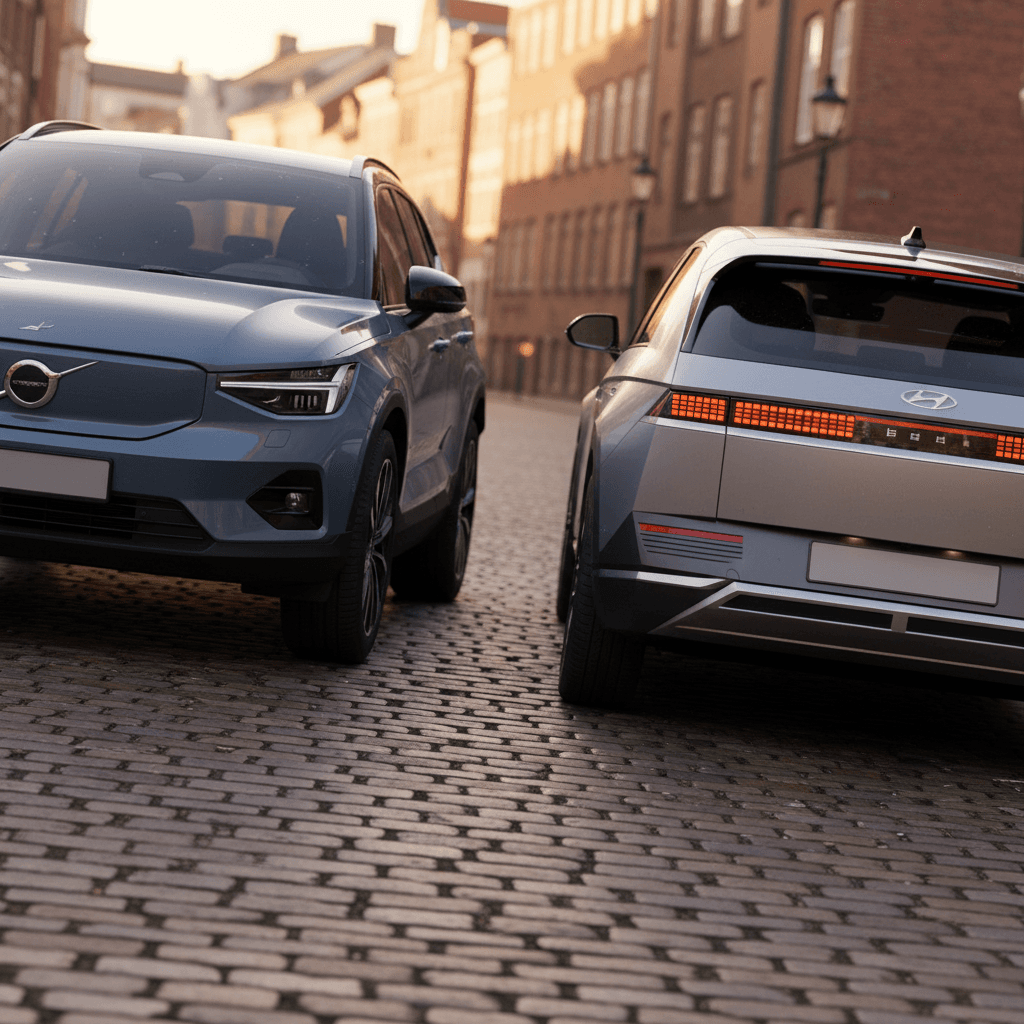
You’re choosing between the Volvo EX30 and the Hyundai Ioniq 5 and wondering, in plain English, “Volvo EX30 vs Hyundai Ioniq 5 – which is better?” The answer is that they’re good at wildly different things. One is a pint‑size Scandinavian city fighter; the other is a laid‑back, retro‑futurist family shuttle. This guide breaks down how they compare on space, range, charging, performance, tech, and ownership costs, especially if you’re looking at the used EV market.
Two excellent but very different EVs
Volvo EX30 vs Ioniq 5: quick overview
How these two EVs are positioned
Same segment on paper, different realities in your driveway
Volvo EX30: compact premium urban EV
The EX30 is a subcompact electric SUV on paper, but in person it’s closer to a tall hatchback. It’s short, narrow, easy to park, and punches above its weight in power and cabin design. Think single person, couple, or empty‑nesters more than hockey‑team hauler.
Hyundai Ioniq 5: mid-size family crossover
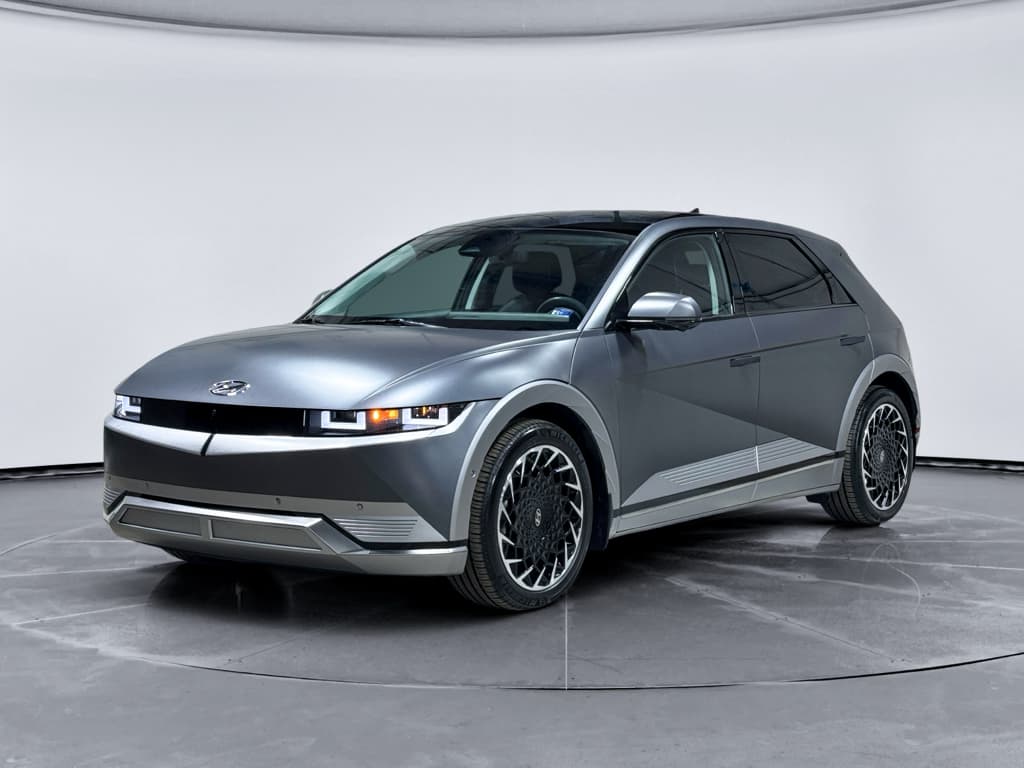
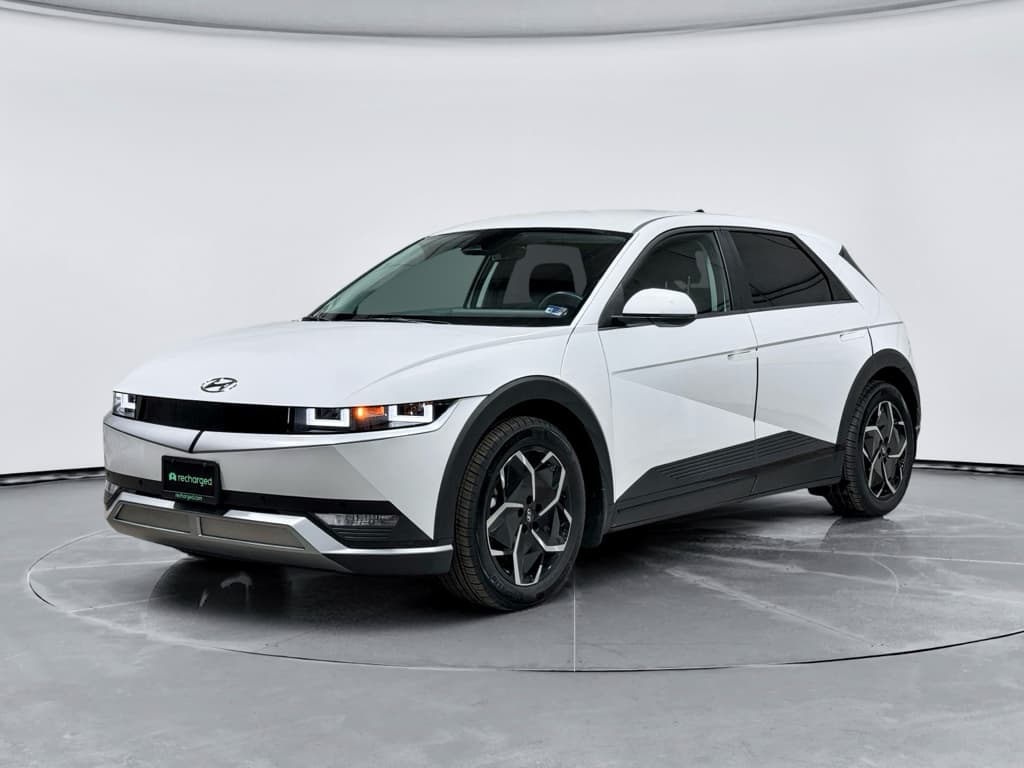
The Ioniq 5 is built on Hyundai’s dedicated E‑GMP EV platform and feels legit mid‑size inside. It offers far more rear legroom, cargo space, and a calmer ride. It’s the one you buy to replace a CR‑V, RAV4, or Santa Fe, without burning gasoline.
Start with your use case
Key specs: Volvo EX30 vs Hyundai Ioniq 5
Core specs at a glance (U.S. models)
Approximate figures for mainstream trims as of 2025–2026. Always verify exact specs for the model year and trim you’re shopping.
| Volvo EX30 | Hyundai Ioniq 5 | |
|---|---|---|
| Length | ~166 in | ~182 in |
| Battery (usable/nominal) | ~64–66 kWh usable (69 kWh nominal in core trims) | ~72–77 kWh pack in U.S. long‑range variants |
| EPA range (select trims) | Up to about 261 miles (Single Motor), ~253 miles (Twin Motor Performance), low‑200s for Cross Country | Roughly 220–303 miles depending on battery and drive layout |
| 0–60 mph | ~5.1 s (Single Motor ER), ~3.4 s (Twin Motor Performance) | ~7 s for RWD long‑range, ~5 s for AWD long‑range; much quicker in Ioniq 5 N |
| Peak DC fast‑charge rate | Around 153 kW | Up to 235+ kW on 800‑V E‑GMP platform |
| Drive layouts | RWD or AWD | RWD or AWD (plus high‑performance Ioniq 5 N) |
Both are capable EVs, but the Ioniq 5 is larger and longer‑legged, while the EX30 is punchier and easier to park.
Specs don’t tell the whole story
Space and practicality: tiny titan vs family shuttle
Volvo EX30: city‑size, cabin‑nice
The EX30’s party trick is fitting designer‑condo vibes into a very small footprint. Materials are clever and sustainable, the seating position is properly SUV‑ish, and visibility is good. But let’s be blunt: rear space and cargo are tight. Adults will fit in the back for short hops; lanky teenagers will complain on long ones.
- Easy to slot into tight urban parking and garages.
- Cargo area works for groceries and weekend bags, but not a Costco‑plus‑stroller lifestyle.
- Rear doors and opening are modest; bulky child seats require some wrestling.
Hyundai Ioniq 5: lounge on wheels
The Ioniq 5 is where Hyundai quietly knifed the crossover segment. On the dedicated EV platform, the wheels are pushed out, the floor is flat, and you get exceptional rear legroom. It genuinely feels like a class up from the EX30.
- Adult‑friendly rear bench with room to cross your legs.
- More cargo room behind the second row and a long, flat floor when seats are folded.
- Wide rear doors, lower floor, and bigger openings, easier for kids, car seats, and dog crates.
Practicality verdict
Range, charging, and road‑trip ability
Range and charging: where the numbers really matter
Both can cover daily duty with ease, one is happier living at highway speed
Volvo EX30 range & charging
In the U.S., the mainstream EX30 uses a ~69 kWh pack. The Single Motor Extended Range trim posts EPA estimates up to roughly 261 miles, while the Twin Motor Performance hovers in the low‑ to mid‑250s depending on wheels and trim.
DC fast‑charging peaks around the mid‑100‑kW range, with a 10–80% blast taking under 30 minutes in ideal conditions. That’s fine, but not class‑leading, and the smaller battery means the car drops from, say, 70% to 20% sooner on fast highway legs.
Hyundai Ioniq 5 range & charging
The Ioniq 5’s U.S. long‑range variants pair roughly 77 kWh of battery with a highly efficient 800‑V powertrain. Depending on trim and drive layout, you’re looking at about 220–303 miles of EPA range, with rear‑drive, smaller‑wheel versions doing best.
The headline is charging: on a capable DC fast charger, the Ioniq 5 can go from 10–80% in roughly 18–20 minutes. That makes a tangible difference on road trips, less time loitering in parking lots, more time moving.
Real‑world pattern to expect
Driving experience and performance
Volvo EX30: small dog, big bark
The EX30 in Twin Motor Performance form is frankly ridiculous: roughly 400+ hp, all‑wheel drive, and 0–60 mph in the mid‑3‑second range. That’s old‑school supercar acceleration in something shorter than a Corolla hatchback.
Even the Single Motor EX30 feels brisk, with effortless torque around town. The tradeoffs are a firmer ride, more road noise, and the slightly busy gait you get from any short‑wheelbase vehicle over broken pavement.
- Lively steering and compact size make it fun in the city.
- Performance model can feel overpowered for the chassis if you’re ham‑fisted with the throttle.
- Great for people who like their commute with a little drama.
Hyundai Ioniq 5: relaxed, refined, and still quick
The Ioniq 5 plays a different game. Rear‑drive long‑range models feel smooth and unhurried; all‑wheel‑drive versions add genuine punch with 0–60 times in the 5‑second range. It’s not as explosively fast as an EX30 Performance, but it’s more composed.
- Longer wheelbase means a calmer, less choppy ride.
- Quiet cabin for the class, particularly on highway cruises.
- High‑performance Ioniq 5 N is in another universe entirely, overkill for most shoppers and priced accordingly.
Performance verdict
Tech, interior, and usability
Volvo EX30: minimalist… sometimes to a fault
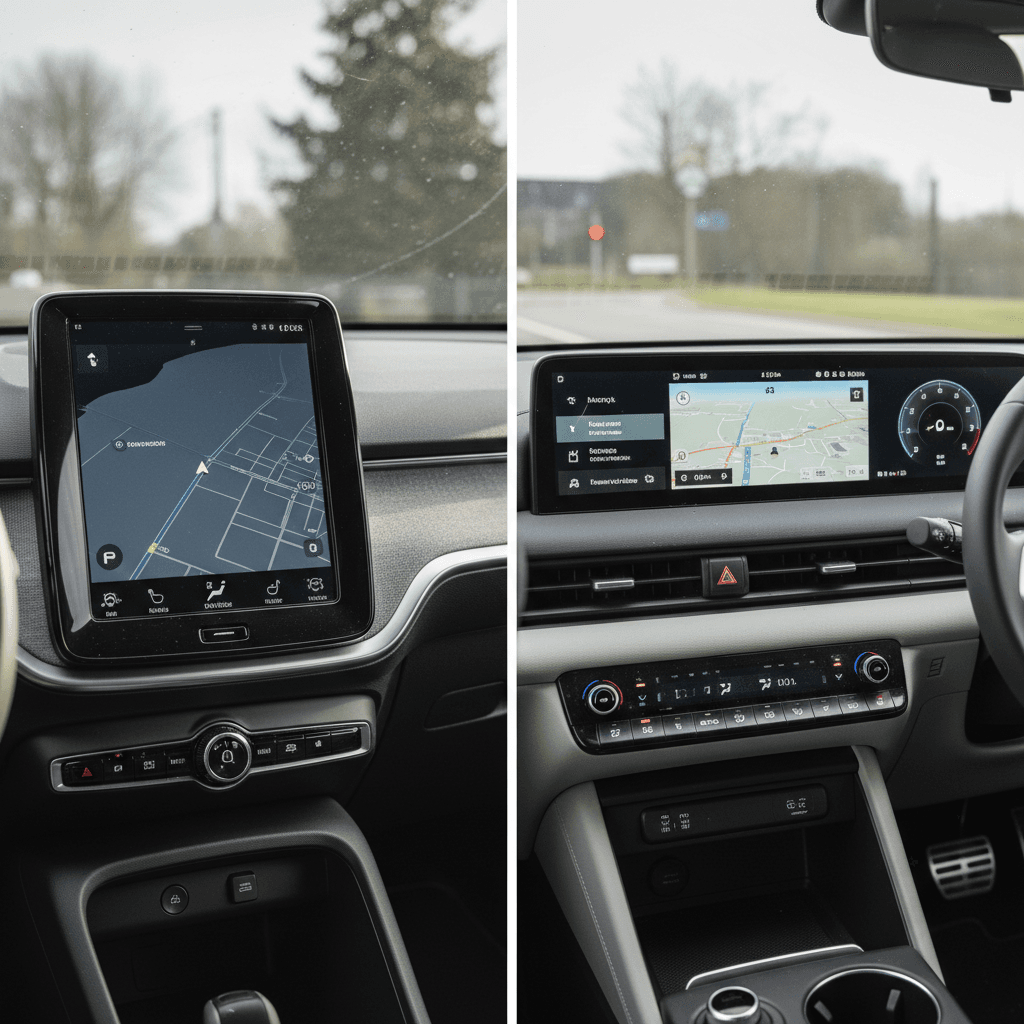
Inside, the EX30 is a Scandinavian concept sketch brought to life: single central touchscreen, no traditional instrument cluster, and a heavy reliance on touch controls. It looks fantastic in photos and on a showroom floor.
Living with it is more nuanced. Critical functions, climate, drive modes, driver assists, live in on‑screen menus. You get used to it, but there’s more tapping and less muscle memory. If you’re tech‑forward and coming from a Tesla or smartphone‑centric life, you might appreciate it. If you love physical knobs, you won’t.
Hyundai Ioniq 5: buttons, knobs, and a calmer brain
The Ioniq 5’s cabin is less dramatic but easier to operate at 70 mph. You get dual 12‑ish‑inch screens, a dedicated instrument display, and, crucially, real buttons and knobs for core functions. Later model years have improved ergonomics and more physical controls than early cars, responding directly to owner feedback.
Wireless Apple CarPlay/Android Auto availability depends on model year and trim, but smartphone integration overall is straightforward. Hyundai also layers in clever touches like a sliding center console and available vehicle‑to‑load (V2L) outlets to run gear off the battery.
Usability verdict
Safety, reliability, and recalls
Both brands trade heavily on safety and tech, but the story in 2025–2026 is complicated, especially around a young model like the EX30.
- Volvo EX30: As of 2026, the EX30 has already seen high‑voltage battery‑related recall action in at least one market, with restrictions on charging to full in certain affected cars. That doesn’t automatically doom U.S. vehicles, but it’s a reminder that this is a brand‑new product finding its footing.
- Hyundai Ioniq 5: The Ioniq 5 has been on the road since 2021 and has had its share of software updates and recalls, but patterns are better understood. There’s now a sizable pool of real‑world data on battery health, charging behavior, and common issues, which is invaluable if you’re buying used.
- Driver‑assistance: Both offer highway assist features, lane centering, and adaptive cruise control. Volvo leans conservative and safety‑oriented in tuning; Hyundai tends to be a bit more hands‑on and occasionally nags, but both systems materially reduce fatigue on long drives.
Used‑car safety homework
Cost of ownership and used‑market reality
Where the money actually goes
On pure MSRP, the EX30 generally undercuts a well‑equipped Ioniq 5, especially when you compare feature content. But in the real world, incentives, dealer markups or discounts, and used supply muddy the waters.
- Volvo EX30: Still relatively new and limited in volume. Deals exist, but you’re less likely to find deep discounts or a wide selection of used examples in 2026. Insurance may be a bit higher due to repair complexity and limited parts pipelines early in the model’s life.
- Hyundai Ioniq 5: Built in greater numbers, with a growing used pool and off‑lease inventory. That means more choice on the used market, more price competition, and better odds of finding the color/trim you want close to home.
- Charging and maintenance: Both benefit from low EV maintenance costs, no oil changes, fewer moving parts. The Ioniq 5’s superior DC fast‑charge speed can also save you money if you lean on public fast charging; time is a cost, too.
Total cost vs sticker price
Volvo EX30 vs Hyundai Ioniq 5: which is better for you?
Who should choose which EV?
Match the car to your life, not your social feed
Choose the Volvo EX30 if…
- You live in a dense city or inner suburb where parking is tight and streets are narrow.
- Most of your driving is solo or with one passenger, with only occasional rear‑seat use.
- You want big power in a small package and enjoy a more playful, tossable feel.
- You love minimalist, design‑forward interiors and are comfortable living mostly on a central screen.
- You’re OK trading some long‑range comfort for a lower entry price and easier urban maneuverability.
Choose the Hyundai Ioniq 5 if…
- You routinely carry family, friends, or pets and care about rear comfort and cargo space.
- You plan highway trips and want fast DC charging and a bigger battery buffer.
- You prefer a calmer, more conventional interface with physical buttons and a proper gauge display.
- You like the idea of V2L to power tools, camping gear, or even parts of your home in a pinch.
- You want deeper choice and better deals on the used market today.
The right EV is the one you stop thinking about. It just fits your life and quietly does work in the background.
So, Volvo EX30 vs Hyundai Ioniq 5, which is better? If you forced a single answer for the average American household in 2026, the Hyundai Ioniq 5 is the more rounded, less compromised choice. It seats adults comfortably, road‑trips with ease, charges quickly, and is easier to live with from a controls and visibility standpoint. The EX30 is a charismatic, powerful, design‑forward compact that shines as a second car or urban daily. Get the one that matches your life today, and still makes sense if your life gets a little bigger tomorrow.
How Recharged can help you choose and buy
Choosing between two strong EVs is a good problem to have, but it’s still a problem when you’re wiring tens of thousands of dollars. That’s where Recharged comes in. We’re a retailer and marketplace built specifically for used EVs, including models like the Hyundai Ioniq 5 and, as they arrive on the secondary market in greater numbers, the Volvo EX30.
What you get when you shop these EVs with Recharged
Battery health you don’t have to guess about
Every vehicle on Recharged comes with a <strong>Recharged Score Report</strong>, including verified battery diagnostics. You’ll see real usable capacity, charging history signals, and how that specific Ioniq 5 or EX30’s pack has aged.
Transparent, fair pricing
We benchmark each EV against the market so you’re not overpaying because an EV “feels” new or trendy. You see how your car stacks up on price, mileage, equipment, and battery health before you commit.
Financing built for EV buyers
Recharged can help you <strong>finance your used EV</strong> with competitive terms, plus factor in your trade‑in. You can even get an <strong>instant offer</strong> or use consignment if you’re selling a current vehicle.
Nationwide delivery and digital‑first experience
Shop online, get expert EV‑specialist guidance, sign digitally, and have your Ioniq 5, or eventually EX30, delivered to your driveway. If you’d rather see cars in person, visit our Experience Center in Richmond, VA.
Next step
FAQ: Volvo EX30 vs Hyundai Ioniq 5
Frequently asked questions
In the end, there’s no universally “better” EV here, only the one that aligns with your actual life. If you keep circling back to space, charging speed, and long‑term comfort, the Hyundai Ioniq 5 is your default answer. If your heart won’t let go of a small, fast, beautifully designed urban EV, the Volvo EX30 might be worth the compromises. And if you want help sorting those trade‑offs with real cars, real prices, and real battery data, that’s exactly what Recharged was built for.