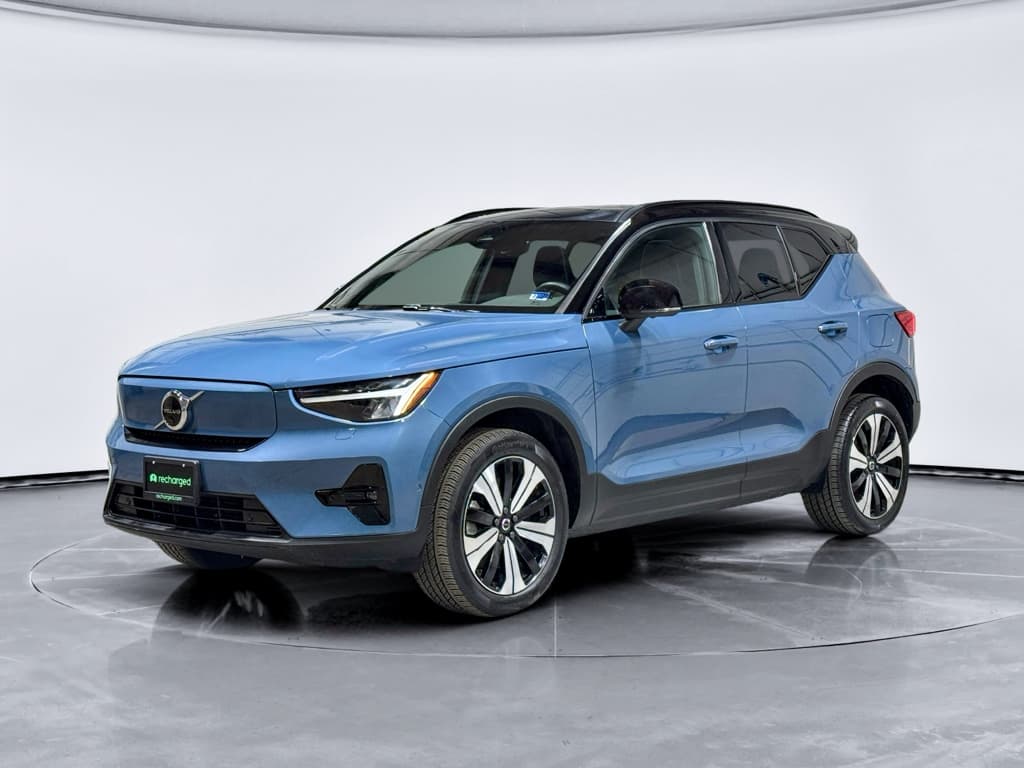
If you bought a Volvo EX30 when it first hit the U.S., 2026 is probably the first time you’re seriously asking: “What’s my EX30 trade‑in value, and did I just light my money on fire?” Between aggressive EV incentives, fast‑moving new‑car prices, and now the EX30’s early exit from the U.S. market, you’re right to look closely before you hand over the keys.
Key context for 2026
Why Volvo EX30 trade‑in value matters in 2026
Two things make Volvo EX30 trade‑in value in 2026 more interesting than a typical compact luxury EV. First, the EX30 launched with aggressive pricing and rich incentives, which pushed a lot of volume into the market quickly. Second, by March 2026 Volvo confirmed that the EX30 would be discontinued for the U.S. after the 2026 model year, largely due to tariffs and shifting production plans. That combination creates more volatility than you’d see with a mainstream gas crossover.
For you as an owner, that volatility cuts both ways. On one hand, fleet buyers and bargain hunters see opportunities in a slightly orphaned model. On the other, some traditional dealers are spooked and will hedge their trade‑in offers accordingly. Knowing where your EX30 really sits in the market is the difference between leaving thousands on the table and using this moment to step into your next EV on your terms.
Volvo EX30 value snapshot in 2026 (US forecast)
Quick answer: What is a 2025–2026 Volvo EX30 worth today?
Trade‑in values depend on condition, mileage, trim and how desperate a particular dealer is for inventory. But if you’re just trying to ballpark Volvo EX30 trade‑in value in 2026, here’s a realistic range for a clean‑title U.S. car with average miles and no major accidents:
2026 Volvo EX30 trade‑in value ranges (U.S., early 2026)
Approximate wholesale / trade‑in ranges for typical, clean‑title examples. Retail asking prices at dealers will usually be several thousand dollars higher than these numbers.
| Model year & age | Example trims | Typical miles | Directional trade‑in range | Notes |
|---|---|---|---|---|
| 2026 (nearly new, <1 year) | Plus Single Motor, Twin Motor Ultra | 0–10,000 | $34,000–$41,000 | Demo or near‑new units still priced close to MSRP, but tariffs and discontinuation news create wide swings between dealers. |
| 2025 (1–2 years old) | Plus Single Motor, Twin Motor Performance | 10,000–25,000 | $30,000–$37,000 | Where most early cars sit today; battery health, wheels/tires and accident history create large spreads. |
| Early‑build 2024/early‑2025 imports (outside US) | Varies by market | 15,000–30,000 | Often similar to 2025 pricing | In markets that got EX30 earlier, depreciation has already taken a chunk out of value; U.S. imports should be appraised case‑by‑case. |
| Leased EX30 approaching turn‑in | Mostly better‑equipped trims | Varies by lease | Market value vs residual | Your trade‑in value effectively becomes the spread between real‑world market value and your lease buy‑out. In 2026, many EX30s sit close to or below their residuals. |
These are directional guideposts based on early used‑market data and forecast models, not formal offers. Your actual value will vary by region and vehicle condition.
Don’t anchor on asking prices
How the EX30’s depreciation curve looks
Because the EX30 only landed in meaningful volume in 2025 and 2026, we’re still in the noisy early years of its resale story. Forecast models and the first wave of used sales point to a pretty typical premium EV depreciation curve: a steep drop early, then a gentler glide.
- First 12–18 months: the sharpest drop, as early adopters, demo units and lightly‑driven leases hit the market just as new‑car incentives shift.
- Years 2–3: depreciation slows, but every new round of EV discounts and tax‑credit tweaks can knock values down another step.
- Years 4–6: assuming solid battery health and normal miles, depreciation moderates and EX30s trade more like any other small premium crossover.
Battery health is the swing factor
What actually drives your Volvo EX30 trade‑in value
6 levers that move EX30 trade‑in value up or down
You can’t control the market, but you can control how your specific car looks inside that market.
Mileage & usage
Battery health
Accident & title history
Cosmetic condition
Options & features
Local inventory & demand
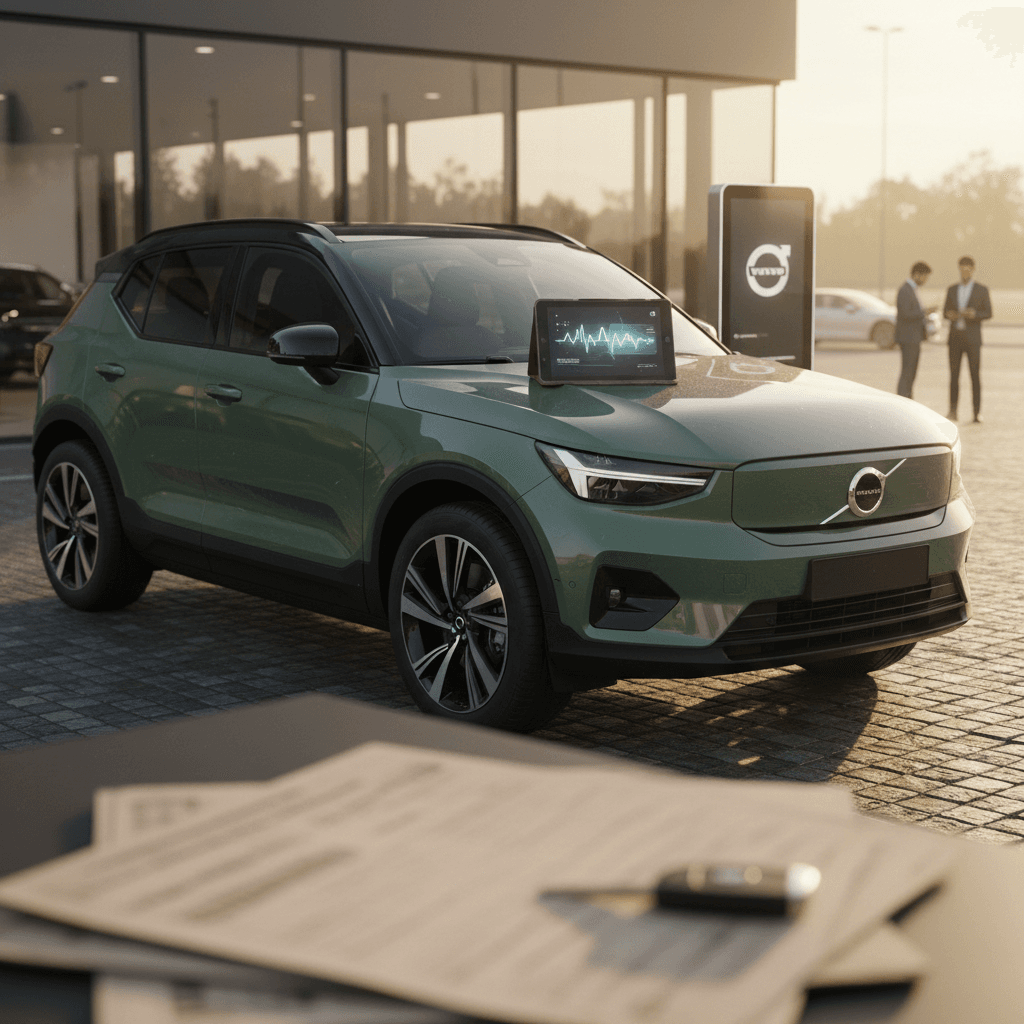
Bring documentation, not just keys
Discontinuation, tariffs and 2026 market weirdness
The EX30 didn’t just show up and quietly blend into Volvo’s U.S. lineup. After launch delays, price changes and ultimately the announcement that U.S. sales would end after March 20, 2026, owners are rightly asking what that means for trade‑in value.
Why discontinuation can hurt value
- Dealer risk: Some franchise dealers see an orphaned model as a liability and will price trade‑ins defensively to avoid getting stuck with slow‑moving inventory.
- Future uncertainty: Shoppers worry about parts availability and software support, even though Volvo and its suppliers are obligated to support the fleet for years.
- Tariff noise: News about 100%+ tariffs on Chinese‑built EVs has spooked some buyers, even though it mainly affects new, not used, pricing.
Why it can also create opportunity
- Limited supply: Once new EX30 sales stop, every clean used example becomes one of a finite pool. For the right buyer, that scarcity adds appeal.
- Value buyers move in: A subset of shoppers actively seeks out discontinued models to avoid first‑owner depreciation and to get more equipment for the money.
- Non‑franchise channels: Independent EV specialists and marketplaces like Recharged tend to understand these dynamics better and can sometimes price more aggressively than nervous franchise stores.
Watch out for fear‑based lowballs
Trim, battery and options: how the build changes value
Not all EX30s depreciate equally. The combination of motor, trim and options you chose new has a real impact on trade‑in value in 2026.
Which EX30 builds dealers actually want
Patterns we see across early used sales and appraisal data.
Twin Motor Performance
Single Motor Extended Range
Oddly spec’d cores
- Popular colors (blues, whites, grays) age better in the market than very loud or niche hues.
- Pilot Assist, 360‑camera and parking aids are increasingly seen as table stakes in this segment.
- Aftermarket wheels, suspension mods or cosmetic wraps usually hurt trade‑in values unless you remove them and return the car to stock.
Trade‑in vs selling your Volvo EX30: which pays more?
Most EX30 owners staring at their 2026 options are deciding between three paths: traditional dealer trade‑in, private‑party sale, or a specialist EV marketplace like Recharged that can either buy your car outright or sell it on consignment.
Ways to exit your Volvo EX30 in 2026
How the main selling channels stack up for a typical EX30 owner.
| Channel | Typical money | Time & effort | Pros | Cons |
|---|---|---|---|---|
| Franchise dealer trade‑in | Lowest, but very fast | 1 day | Instantly reduces the taxable amount on your next car in many states; simple, one‑stop transaction. | Least motivated to pay top dollar for a discontinued EV; often limited understanding of EV‑specific value drivers like battery health. |
| Independent dealer / CarMax‑style buyer | Low‑to‑mid | 1–2 days | More consistent processes and sometimes better EV appetite than brand dealers. | Still buying at wholesale; offers can be conservative on newer, less‑understood models. |
| Private‑party sale | Highest headline price | 1–4 weeks | You keep the full retail margin if you can find a buyer; good if you’re patient and comfortable handling paperwork. | Requires photos, listings, test drives and managing payment safety; many shoppers are still nervous about used EVs and battery risk. |
| Recharged instant offer or consignment | Usually mid‑to‑high | Instant offer: 1–2 days; consignment: 1–4 weeks | EV‑specialist appraisals with battery health diagnostics, nationwide buyer reach, and transparent pricing. Consignment lets you target near‑retail money without doing the work yourself. | Selling for top dollar via consignment takes longer than a same‑day trade‑in, though you can often lock in a minimum guaranteed floor. |
In practice, many owners start with instant‑offer tools to set a floor, then decide if extra effort is worth a few thousand dollars more.
A good heuristic
How to maximize your Volvo EX30 trade‑in offer
7 steps to squeeze more value from your EX30 in 2026
1. Get a real battery health report
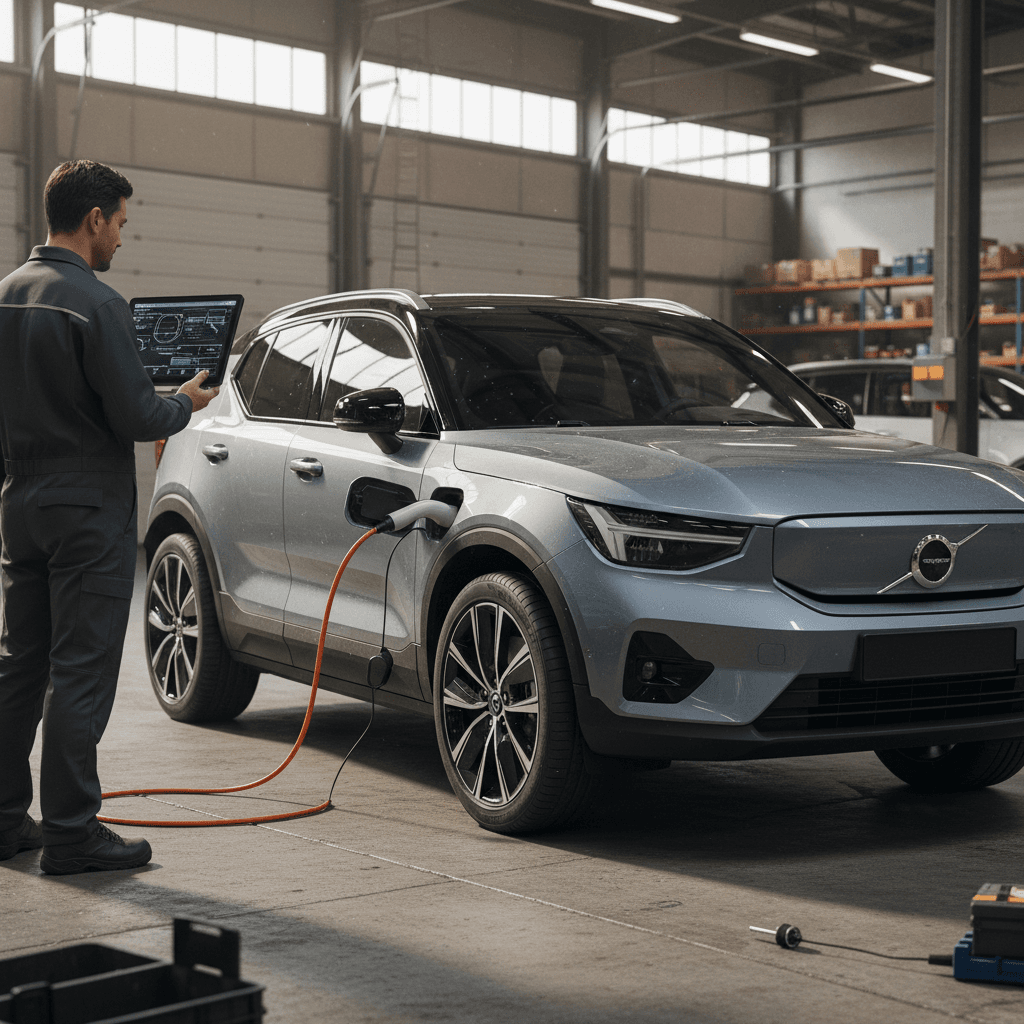
Before you talk to anyone about value, get a trusted <strong>battery health diagnostic</strong>. At Recharged, this is baked into every Recharged Score Report, but even a third‑party assessment is better than nothing.
2. Fix cheap cosmetic issues
Touch‑up curb‑rashed wheels, repair windshield chips, replace worn wiper blades and deep‑clean the interior. A few hundred dollars of TLC can easily swing offers by $500–$1,000 or more.
3. Gather records and accessories
Service history, proof of software updates, both key fobs, original charging cable and manuals all send the signal that your EX30 has been cared for, and that a dealer can market it as such.
4. Get multiple offers in a short window
Line up quotes from at least one franchise dealer, one instant‑offer buyer and one EV specialist within the same week. That keeps you anchored in today’s market rather than last month’s.
5. Be smart about timing
Values generally look better when supply is tight and incentives are stable. If Volvo or competitors drop huge discounts on new compact EVs in your region, used prices often soften shortly after.
6. Consider paying off small negative equity
If you’re only a little underwater on your loan, bringing a small check to the table can be cheaper than rolling that negative equity into a more expensive new‑car note.
7. Use data, not emotion, in negotiations
Walk into offers with auction‑based price ranges, your battery report and real comparable listings, not just a number you “need.” That mindset shift alone tends to produce better outcomes.
Using Recharged to sell or trade your Volvo EX30
Because the EX30 is a young, software‑heavy EV with a lot of noise around its U.S. future, it benefits from an appraisal process that actually understands electric cars. That’s where Recharged comes in.
How Recharged helps EX30 owners exit smart
Built for used EVs, not adapted from gas‑car playbooks.
Recharged Score battery health diagnostics
Multiple ways to sell
Nationwide reach & EV‑specialist support
Ready to find your next EV?
Browse VehiclesIf you’re moving from an EX30 into another EV, Recharged can also help you finance the next car, arrange a trade‑in or instant offer on your Volvo, and deliver your replacement vehicle to your driveway, all with transparent pricing and no haggling over whether “this model is dead now.”
FAQ: Volvo EX30 trade‑in value in 2026
Frequently asked questions about Volvo EX30 trade‑in value in 2026
Bottom line on Volvo EX30 trade‑in value in 2026
The Volvo EX30’s story in the U.S. has already been more dramatic than anyone expected: delayed launch, price revisions, and now an early exit just as owners start thinking about trade‑in value. Underneath that noise, though, the pattern is familiar. It’s a well‑liked compact premium EV that depreciates quickly at first, like most EVs in this price band, but still holds meaningful value for owners who maintain their cars and approach the resale process strategically.
If you’re considering selling or trading your EX30 in 2026, treat battery health and documentation as your leverage, get multiple offers in a tight window, and don’t let any one dealer’s fear about discontinuation define what your car is worth. And if you’d rather have an EV‑savvy partner in your corner, Recharged can appraise your EX30 with a Recharged Score battery report, give you an instant offer, or market it nationwide on consignment, so you exit on your timetable, not the market’s mood that week.