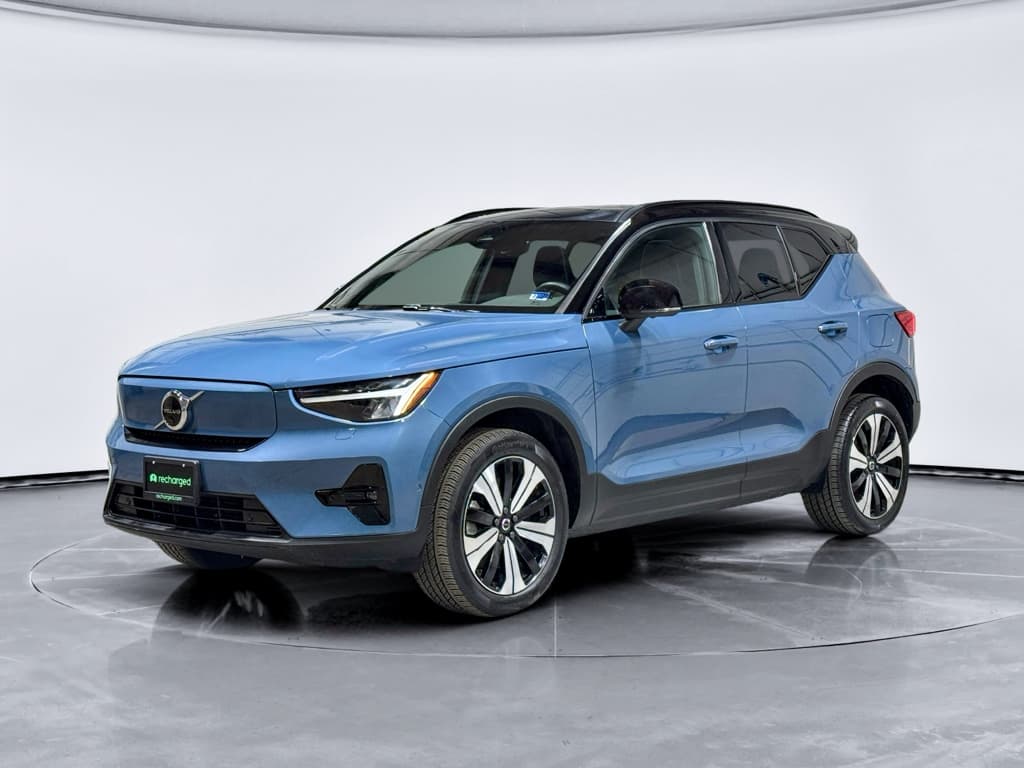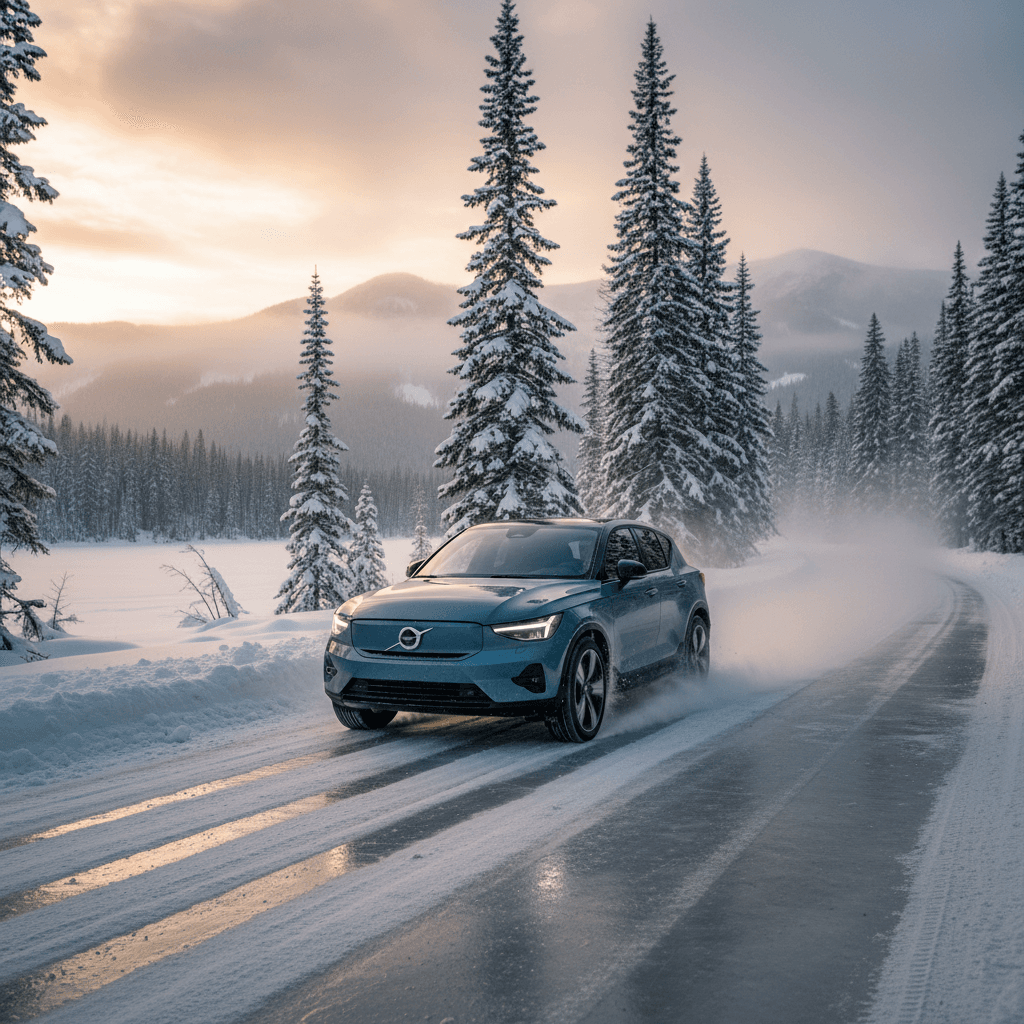
If you live where roads routinely turn white and shiny, you’re probably wondering whether the Volvo C40 Recharge is actually good in snow and ice, or if you’re better off with something else. The short answer: with the right tires and settings, the C40 Recharge is genuinely capable and confidence‑inspiring in winter, but like most EVs it pays a noticeable penalty in range and efficiency when the temperature drops.
Key takeaway up front
Overview: Is the Volvo C40 Recharge good in snow and ice?
Where the C40 Recharge shines in winter
- Instant AWD response: Twin‑motor versions can shift torque quickly front to rear to manage slip.
- Fine electronic control: Traction and stability systems intervene smoothly, which is exactly what you want on ice.
- Low center of gravity: The battery pack keeps weight low, so the car feels planted rather than tippy in quick maneuvers.
- Excellent passive safety: Volvo’s crash safety engineering is a real asset if things go wrong in bad weather.
Where it needs some help
- Range hits in the cold: Real‑world owner data and tests suggest 25–40% range loss in sustained sub‑freezing conditions, depending on speed, heat use, and wheels.
- Ground clearance: Around 6.5–7 inches means packed snow and ruts can be a limitation versus an SUV with 8+ inches.
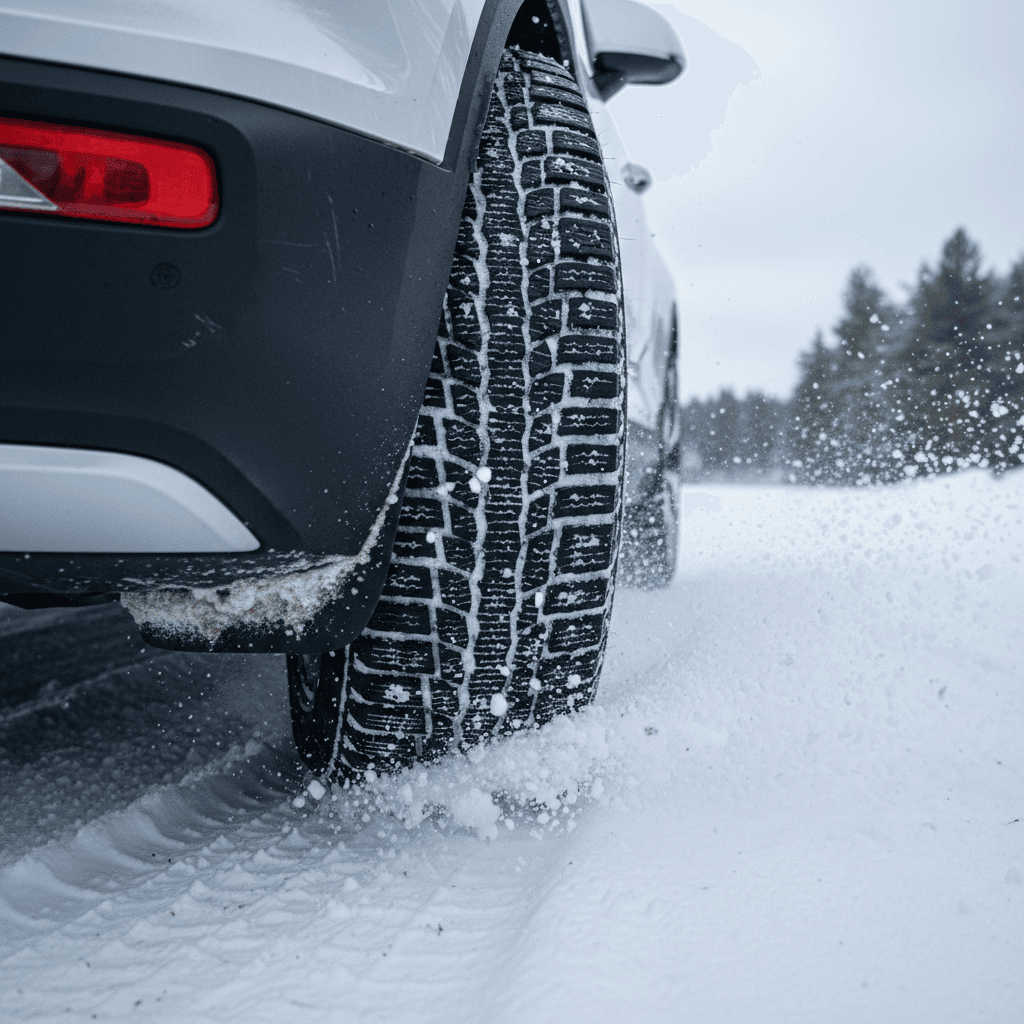
- Tire‑dependent: On stock all‑season or performance tires, snow and ice traction is nothing special. Dedicated winter or all‑weather tires make a night‑and‑day difference.
So is the Volvo C40 Recharge “best for snow and ice”? In terms of raw off‑road capability, no, that’s not what it’s built for. But as an everyday winter commuter, ski‑trip hauler, or school‑run car in snowbelt states, it’s a strong performer when properly set up. If you’re shopping used, that setup starts with choosing the right trim, wheels, and, ideally, a car equipped with a heat pump.
Drivetrain and traction: why AWD is only part of the story
Most U.S.‑market C40 Recharges have been sold as dual‑motor all‑wheel drive (AWD), with a single‑motor front‑drive version added later. For snow and ice, the twin‑motor is clearly the one you want: independent motors at each axle plus fast traction control give far finer control than a traditional mechanical AWD system. That shows up when you’re pulling away from a stop on slick pavement or climbing a plowed but icy grade.
AWD traction pro tip
- Traction and stability control: The C40 Recharge constantly monitors wheel speed and yaw, trimming power and selectively braking wheels to keep you pointed where you intend to go. On ice, those micro‑corrections are faster and more consistent than any human can be.
- One‑pedal drive: Volvo’s own guidance for closely related EVs is to disable strong one‑pedal regeneration on very slippery surfaces, because heavy regen on the driven wheels can unsettle the car just like braking too hard. Use normal or reduced regen and rely on light brake pedal input instead.
- Hill starts and parking lots: The instant torque of EV motors makes it easy to spin tires when you’re starting uphill or maneuvering in packed snow. Engage creep/low‑speed modes where available and be deliberate with your right foot.
Don’t let AWD make you overconfident
Tires: the single biggest factor in snow and ice
If you take one thing away from this article, let it be this: your C40 Recharge is only as good in winter as the rubber it’s sitting on. Volvo fits 19‑ or 20‑inch wheels depending on trim. Many dual‑motor cars ship with relatively wide, low‑profile tires that look great but aren’t optimized for deep snow or glare ice.
Best tire strategies for a C40 Recharge in winter
Pick based on how often you see true winter conditions
Dedicated winter tires
Best for: Upper Midwest, Rockies, New England, Canada, anywhere you see frequent snow and long sub‑freezing stretches.
- Maximum grip on packed snow and ice.
- Rubber stays soft in very cold temps.
- Expect some noise and range penalty.
All‑weather (3PMSF) tires
Best for: Mixed climates with regular winter storms but long dry spells between them.
- Carry the three‑peak mountain snowflake (3PMSF) symbol.
- Safer on cold, wet pavement than standard all‑seasons.
- Less extreme grip than true winters, but better year‑round compromise.
All‑season tires
Best for: Mild climates where snow is rare and roads are plowed quickly.
- Acceptable in light snow if you drive conservatively.
- Rubber stiffens in deep cold, hurting grip.
- For regular snow and ice, upgrade to at least all‑weather tires.
Watch your wheel size
If you buy a used C40 Recharge through a marketplace like Recharged, it’s worth asking what tires are currently installed and whether a second wheel‑and‑tire set is included. A car that’s lived in a snowbelt state may already have a proper winter setup, which saves you hundreds of dollars and a lot of hassle.
Ground clearance, weight, and handling on slick roads
The C40 Recharge isn’t a lifted SUV; it’s more of a coupe‑crossover. Depending on model year and spec, ground clearance hovers around 6.5–7 inches. That’s perfectly adequate for plowed roads and most overnight snowfalls, but you’ll want to slow way down, or avoid driving, once fresh snow on unplowed roads creeps past the center of the wheel.
How the C40 Recharge’s hardware affects winter behavior
On packed snow and ice, that combination of weight and a low center of gravity is mostly a positive. The C40 feels planted and resists the top‑heavy, tippy feeling you get in some taller SUVs. The trade‑off is that when you do ask too much from the tires, braking late into a slick intersection, for example, the mass has to go somewhere. Again, this loops us back to why tires matter more than badges.
Pick your battles in deep snow
Winter range: what to expect from a C40 Recharge
Every EV loses range in the cold, and the Volvo C40 Recharge is no exception. Between battery chemistry, dense cold air, winter tires, and heavy cabin heating, owners commonly report 25–40% lower range in sustained sub‑freezing conditions compared with mild weather. Independent road tests have seen winter highway ranges around 140–170 miles where the same car will do roughly 200+ miles in warmer temps.
Typical real‑world C40 Recharge range by temperature band
Not lab numbers, these are ballpark expectations based on owner reports and testing, assuming mostly highway speeds and moderate heat use.
| Outside temp | Driving conditions | Approx. usable range* | What to plan for |
|---|---|---|---|
| 45–65 °F (7–18 °C) | Mixed city/highway, dry roads | 200–230 mi | Near rated range if you drive reasonably. |
| 25–40 °F (−4 to 4 °C) | Highway, light snow or rain | 160–190 mi | Expect ~20–25% hit vs. mild weather. |
| 0–25 °F (−18 to −4 °C) | Highway, snowpack or slush | 130–170 mi | Plan for 25–35% loss; more if you run high cabin heat. |
| Below 0 °F (−18 °C) | Highway, persistent cold and snow | 110–150 mi | Worst‑case 35–40% loss. Build in extra buffers and charging options. |
Use these numbers as planning tools, not promises; your exact range will vary with speed, elevation, wheels, and how you use climate control.
Heat pump vs resistive heater
- Precondition the car while plugged in so you’re using wall power, not battery, to warm the cabin and battery pack.
- Use seat and steering‑wheel heaters first, and keep the cabin set point a bit lower; they draw less power than blasting hot air.
- Use the built‑in Range Assistant and its optimization mode where available; owners report noticeably lower kWh/100 miles in winter with it enabled.
- On road trips, favor DC fast chargers near the middle of your battery’s state‑of‑charge curve (20–70%) rather than “topping off” to 100% in the cold, which can be slow.
Must‑use winter features: drive modes and assists
Volvo doesn’t bury you in drive modes the way some brands do, but there are a few settings that matter a lot in winter. Learning how they interact with snow and ice will make the C40 Recharge feel calmer and more predictable.
C40 Recharge settings that matter in snow and ice
Set them once and winter driving gets much less stressful
Regenerative braking setup
Why it matters: Aggressive regeneration can act like sudden braking on the driven wheels.
- On slick roads, choose a lower regen level or disable strong one‑pedal driving to avoid upsetting the car mid‑corner.
- Use gentle pedal inputs and plan ahead instead of relying on strong regen to slow you at the last second.
Traction & stability control
Why it matters: These systems are your safety net on ice.
- Leave stability control fully on for normal winter driving.
- Only consider reduced‑nanny modes if you’re experienced and on an empty, controlled surface (e.g., a winter driving course).
Preconditioning & timers
Why it matters: Starting warm saves energy and improves comfort.
- Use the app or in‑car schedule to preheat while plugged in.
- Clear all windows fully, don’t rely on driver‑only defrost when visibility is marginal.
Defrost, de‑fog, and mirrors
Why it matters: Winter accidents are as much about visibility as traction.
- Use front and rear defrosters before you roll, especially in humid climates.
- Heated mirrors and cameras are your friends when spray and slush cake everything in grime.
Why Volvo’s safety tuning matters in winter
Owner‑tested insights: snow and ice experiences
Real‑world owner stories line up with the engineering: traction and stability are strong, especially with proper tires, while range is the main compromise. Drivers in northern U.S. states and Canada report that the C40 Recharge feels predictable and confidence‑inspiring in storms but can see range numbers sag into the 120–160‑mile window on bitterly cold days with highway speeds and full cabin heat.
I drove my C40 for the first time in a real snowstorm last winter. On proper winter tires it felt glued to the road, even when other cars were tip‑toeing. The only downside was watching the predicted range drop faster than I’m used to in my gas Volvo.
In structured winter tests on frozen lakes and snow courses, reviewers have praised the C40’s balance and the way its traction systems fade in rather than chopping power abruptly. The limit is still the tire contact patch, but the car makes it easy to explore where those limits are in a safe, controlled way, which is exactly what you want from a winter daily.
Buying a used Volvo C40 Recharge for winter climates
If you’re shopping the used market and winter performance is a priority, the C40 Recharge can be an excellent choice, but you’ll want to be picky about the exact car you buy. That’s where a marketplace like Recharged is useful: every vehicle comes with a Recharged Score Report that looks beyond paint and mileage to highlight battery health and configuration details that matter in the cold.
Used C40 Recharge: winter‑buyer checklist
1. Confirm dual‑motor AWD if you need it
If you regularly drive in deep snow or on unplowed rural roads, prioritize a <strong>twin‑motor AWD</strong> C40. Single‑motor cars can do fine with good tires in cities and on plowed highways, but AWD gives extra traction margins when it really counts.
2. Look for the heat‑pump option
In cold regions, a C40 with a <strong>factory heat pump</strong> will typically use less energy to heat the cabin, preserving more winter range. When you buy through Recharged, your specialist can help you confirm whether a specific VIN is equipped with it.
3. Check wheel and tire setup
Ask what wheel size the car is running and inspect the tires. A used C40 that comes with a <strong>dedicated winter wheel‑and‑tire set</strong> can be hundreds of dollars of built‑in value for snowbelt buyers.
4. Review battery health and charging history
Cold climates can mask weak packs by hiding behind winter range loss. A <strong>Recharged Score</strong> battery diagnostic helps you separate normal cold‑weather range reductions from genuine degradation before you commit.
5. Inspect underbody and brakes for corrosion
Road salt and slush are hard on metal. Ask for underbody photos or an inspection report focused on <strong>rust, brake hardware, and suspension components</strong>, especially if the car has lived in a heavy‑salt region.
6. Test all heaters and defrosters
During a test drive, verify that <strong>seat heaters, steering‑wheel heater, mirrors, and front/rear defrosters</strong> all work properly, these small comforts make the biggest difference in winter livability.
Use financing and delivery to your advantage
Winter checklist for C40 Recharge owners
Once you own a C40 Recharge, winter prep is less about mods and more about habits. A few simple checks every fall will pay off all season long in both safety and convenience.
Pre‑winter prep list for your C40 Recharge
Swap to winter or all‑weather tires
Mount your <strong>winter or 3PMSF all‑weather tires</strong> once temps regularly sit below about 45 °F (7 °C). Don’t wait until the first big storm, tire shops book up fast.
Protect the charging port and seals
Keep the charging flap clean and free of packed snow. Lightly silicone‑treat door and charge‑port seals if you live where ice storms are common to prevent sticking.
Update software and apps
Make sure the car’s software is up to date and that your phone app is logged in. <strong>Reliable preconditioning and remote defrost</strong> are huge quality‑of‑life upgrades when it’s 10 °F and dark.
Refresh wiper blades and washer fluid
Install new, winter‑rated wiper blades and fill with <strong>winter‑blend washer fluid</strong> rated well below your typical lows to keep salt spray from turning into an opaque film.
Check 12‑volt battery health
Like all modern cars, the C40 relies on its <strong>12‑volt system</strong> to power controls and safety systems. A weak 12‑volt battery tends to show itself on the coldest mornings.
Pack a winter kit
Add a compact shovel, traction aid (sand, kitty litter, or traction boards), gloves, a blanket, and a charging cable extension or adapters if you rely on shared or public outlets at your destination.
FAQ: Volvo C40 Recharge in snow and ice
Common questions about the Volvo C40 Recharge in winter
Bottom line: is the Volvo C40 Recharge “best” for snow and ice?
If your definition of “best for snow and ice” is an all‑terrain tank that can blast through unplowed back roads, the Volvo C40 Recharge isn’t that, and neither are most modern crossovers. But if you care about predictable traction, strong crash protection, and a calm, comfortable cabin on plowed but sketchy winter roads, a well‑equipped C40 Recharge is a very good choice.
Set it up with proper winter or all‑weather tires, learn how to tweak regen and preconditioning, and budget realistically for cold‑weather range, and the C40 becomes exactly what you want an EV in a snowbelt state to be: boringly safe and drama‑free when the weather turns ugly. And if you’re buying used, leveraging a Recharged listing with a full Recharged Score Report, financing support, and optional nationwide delivery is an easy way to make sure the car you pick is ready for many winters to come.