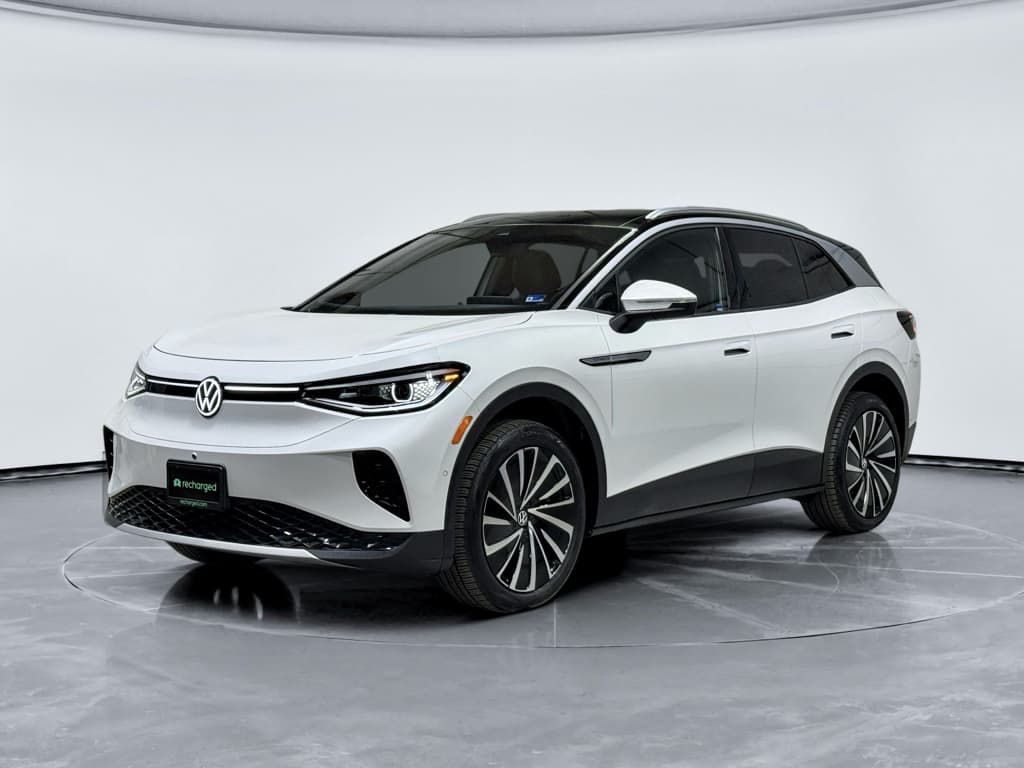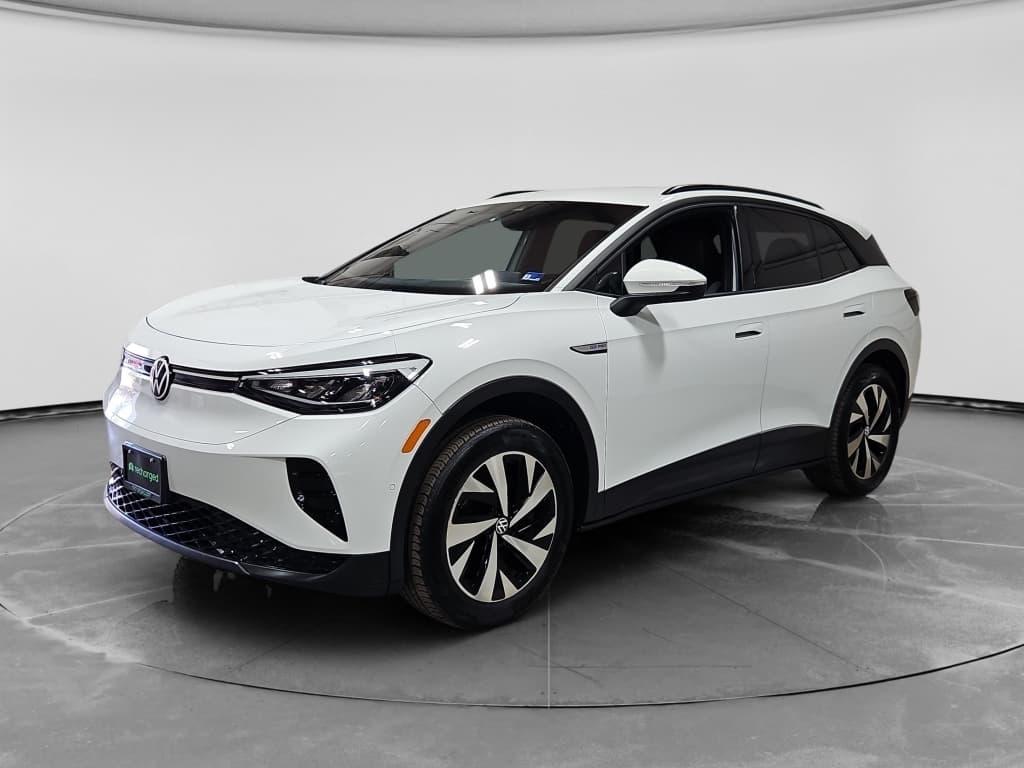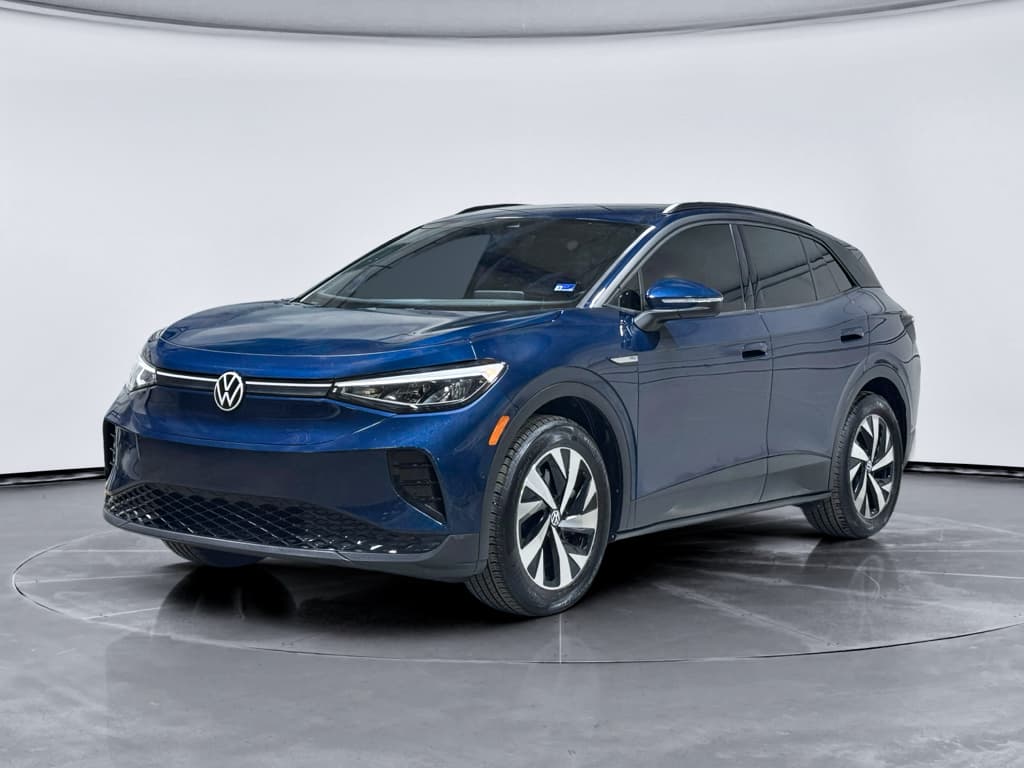
If you’re considering a Volkswagen ID.4, you’re probably wondering how much **cargo space you really get with the rear seats down**. Specs on a brochure are one thing; knowing whether the ID.4 can handle a Costco run, camping gear, or a flat-pack furniture haul is something else entirely. Let’s walk through the hard numbers and the real-world usability so you can decide if the ID.4 fits your life.
Key takeaway up front
VW ID.4 cargo space with seats down: the quick answer
Volkswagen ID.4 cargo space at a glance
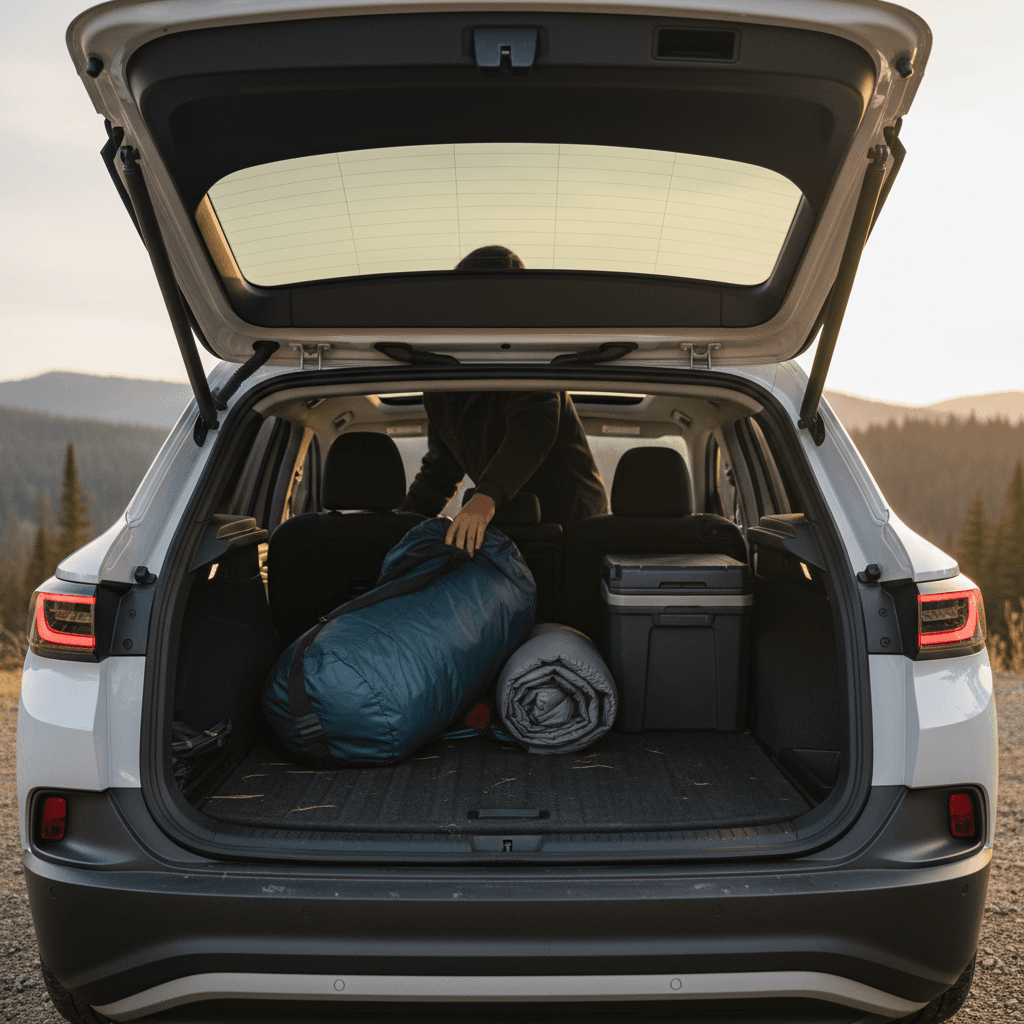
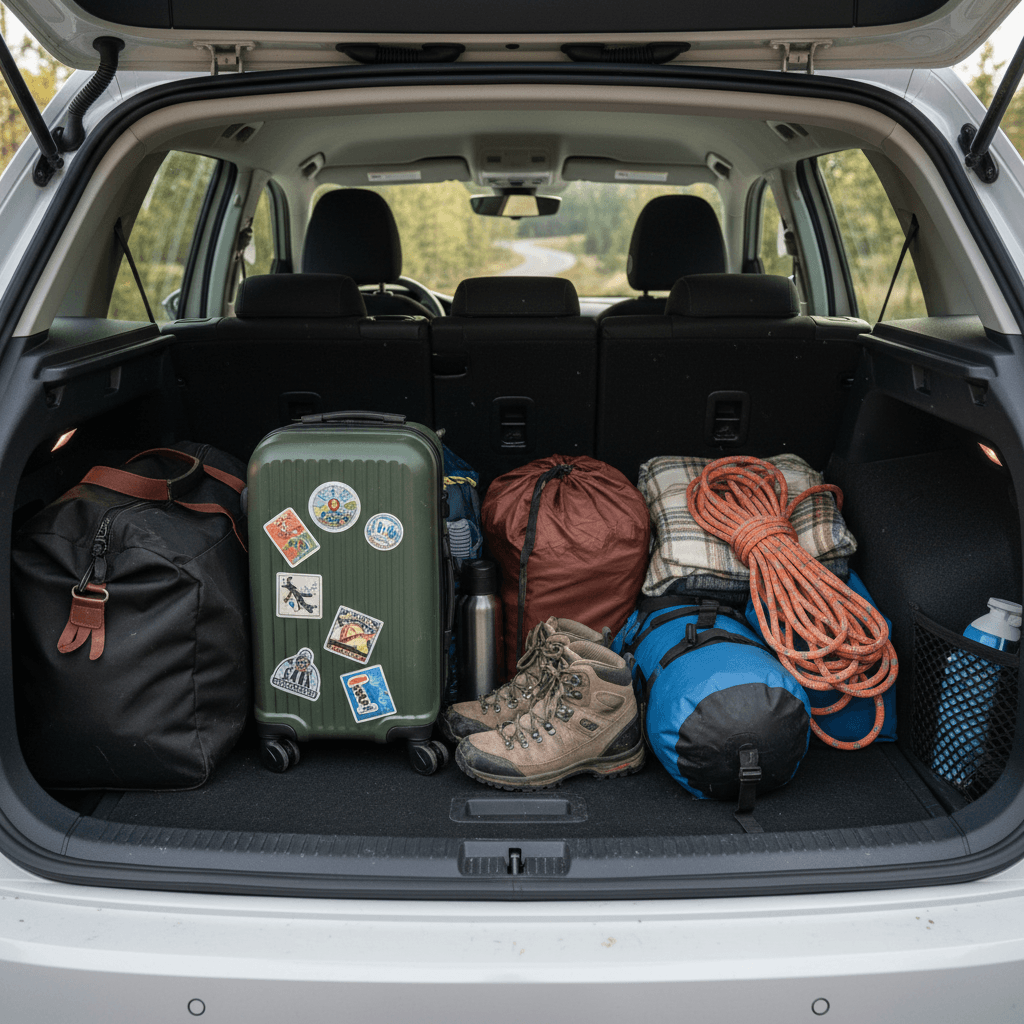
In plain English, with the second row folded, the ID.4 turns into a **two-row wagon-like hauler**. You can carry: - Several full-size suitcases plus duffel bags - A week’s worth of camping gear for a family - Flat-pack furniture boxes up to roughly 5½–6 feet long - Home-improvement items like bags of mulch, flooring, or a small appliance It’s not a moving van or a three-row SUV, but for a compact electric crossover, the ID.4 is comfortably on the generous side.
ID.4 cargo numbers explained: cubic feet and liters
You’ll see slightly different numbers for **Volkswagen ID.4 cargo space with the seats down** depending on whether you’re looking at U.S. or European info. Here’s how they relate.
Volkswagen ID.4 cargo volume: seats up vs seats down
How ID.4 cargo specs are typically quoted in U.S. cubic feet and European liters.
| Configuration | U.S. spec (cu ft) | European spec (L) | What it means |
|---|---|---|---|
| Behind rear seats (seats up) | ≈30.3 | ≈543 | Everyday trunk space for groceries and luggage. |
| Behind front seats (seats folded) | ≈64.2 | ≈1,575 | Maximum cargo volume with second row down. |
Figures vary slightly by trim and measurement standard, but this gives you a realistic working range.
The differences come down to two things: 1. Measurement standards – U.S. EPA-style cubic-foot figures and European VDA-liter figures slice the interior volumes slightly differently. 2. How “up to the roof” they measure – Some numbers assume you’re loading to the window line; others assume luggage stacked nearly to the headliner. For shopping purposes, you can safely treat **64.2 cubic feet** and **1,575 liters** as describing the same basic “all-seats-down” configuration in an ID.4.
How to compare numbers across sites
Dimensions and load length with the seats folded
Cubic feet are useful, but if you’re asking, “Will this fit in the back of an ID.4 with the seats down?” you need dimensions. Here’s what you can expect in round numbers.
Approximate interior cargo dimensions, seats folded
These measurements vary slightly by trim and upholstery but are representative for most ID.4 models.
Load length
~68 inches (173 cm) from the inside of the tailgate to the back of the front seats with the rear seats folded.
That covers many flat-pack furniture boxes, skis, and lumber cut to 6 feet or less.
Load height
~30–33 inches (76–84 cm) from the load floor to the headliner in the rear area.
Enough for stacked suitcases or tall storage totes, but not refrigerator-tall items.
Width between arches
Just over 41 inches (≈104 cm) between the rear wheel arches.
Wide enough for large checked bags, pet crates, strollers, or a compact bike with wheels off.
One practical detail: the ID.4’s hatch opening is tall and nicely squared-off. That makes it easier to angle bulky items in, even if they’re close to the maximum dimensions.
Mind the load lip and floor step
Real-world use: road trips, Costco runs, and DIY projects
Specs are one thing; living with the car is another. Here’s what owners typically discover about **Volkswagen ID.4 cargo space with the seats down** in everyday use.
- Family road trips: With the rear bench folded, you can comfortably pack luggage for four plus camping gear or a stroller, while still keeping the front seats in a relaxed position.
- Warehouse club runs: Large bulk packages, cases of water, and big storage totes stack easily thanks to the wide opening and square sides.
- Home-improvement runs: Think multiple bags of mulch or soil, boxed tools, and smaller appliances like a compact washer or dryer, especially if you use moving blankets to protect the interior.
- Sports and hobbies: Bicycles fit with wheels removed, skis/snowboards slide down the middle, and golf bags are straightforward with the seats folded.
What fits easily
- 6–8 medium moving boxes
- Three to four full-size roller suitcases plus duffels
- Flat-pack bookcases and dressers up to ~68 in long
- Dog crates, strollers, and baby gear
Where you’ll hit limits
- Very long lumber (8-ft boards) without leaving the hatch partly open
- Full-size refrigerators or tall wardrobes
- Multiple adult bikes without removing wheels or dropping seats
- Hauling messy construction debris without a cargo liner
Protect your investment
VW ID.4 vs Model Y, Ioniq 5 and others for cargo space
One of the ID.4’s strongest selling points is that it delivers **“big crossover” cargo space in a compact footprint**. But how does it look against rivals when you drop the rear seats?
Cargo space comparison: popular electric SUVs (seats down)
Approximate maximum cargo space with rear seats folded. Figures rounded for clarity and may vary slightly by model year and trim.
| Model | Max cargo with seats down (cu ft) | Behind rear seats (cu ft) | Notes |
|---|---|---|---|
| Volkswagen ID.4 | ≈64.2 | ≈30.3 | Strong all-around space, simple square cargo area. |
| Tesla Model Y | ≈71.4 | ≈29.0 | Class-leading max volume, plus a front trunk (frunk). |
| Hyundai Ioniq 5 | ≈58–59 | ≈26–27 | Stylish interior; cargo slightly less generous than ID.4. |
| Ford Mustang Mach-E | ≈59.7 | ≈29.7 | Similar overall capacity but more sloping roof; has small frunk. |
| Kia EV6 | ≈54.0 | ≈24.0 | Sportier profile, less vertical cargo room. |
The ID.4 doesn’t win on every spec sheet, but it’s consistently near the top of the class for usable load space.
If you routinely haul the biggest possible loads, a Model Y still has the edge, thanks in part to its very long load floor and extra storage under the rear cargo area and in the frunk. But if you’re coming out of a typical compact or midsize gasoline SUV, the ID.4’s numbers will feel very familiar, and in some cases, more efficient because of the flat-pack EV platform.
Where the ID.4 shines
Seat-folding configurations, floor height, and cargo tricks
Looking only at maximum volume misses some of the nuances that matter day to day. The ID.4’s cargo area and rear seats offer a few details worth understanding before you buy.
- 60/40-split folding rear seats: You can drop one side and keep a passenger on the other, or fold both sections for maximum room.
- Adjustable cargo floor on many trims: Higher trims and some packages add a variable-height floor panel that can sit level with the folded seatbacks, creating a nearly flat load surface.
- Hidden storage under the floor: Where the adjustable panel is fitted, there’s some additional space underneath for charging cables or smaller items.
- No front trunk (frunk): Unlike some EV rivals, the ID.4 doesn’t offer cargo space under the hood, the engineers packaged most hardware up front.
Why some ID.4s look flatter than others
Useful cargo tricks
- Slide the front passenger seat forward and recline it slightly to gain extra object length.
- Remove the rear cargo cover and store it at home when you know you’ll be hauling bulky items.
- Use soft duffel bags instead of hard suitcases to fully exploit the ID.4’s roofline.
Limitations to remember
- Front seats do not fold flat like a van; you’re limited by the seatback angle.
- The lack of a frunk means everything shares the rear cargo space.
- There’s still a modest load lip at the hatch, so slide heavy items in carefully.
How to evaluate ID.4 cargo space when shopping used
If you’re looking at a used Volkswagen ID.4, especially online, it pays to go beyond the spec sheet. Here’s how to make sure the cargo area will work the way you expect.
Cargo checklist for used ID.4 buyers
1. Confirm it has the split-folding rear seat
Almost all U.S. ID.4s have a 60/40-split folding rear bench, but verify that both sections fold fully and the release mechanisms work smoothly.
2. Inspect the load floor options
Ask whether the car has the <strong>adjustable cargo floor</strong>. A flat load floor makes loading heavy items much easier and is a nice-to-have if you haul often.
3. Fold the seats and sit in front
With the seats down, sit in the driver’s seat and adjust it to your preferred position. Make sure you still have adequate legroom with the cargo packed to the backrests.
4. Look for wear and tear
Scuffs, stains, or torn seatbacks in the cargo area can hint at hard use. That isn’t a deal-breaker, but it should be reflected in the price, and you’ll want good floor liners.
5. Measure your “must fit” items
If there’s a particular item you care about, like skis, a dog crate, or music equipment, measure it and compare with the ID.4’s load length and width before you commit.
6. Consider range vs cargo needs
If you’re stepping up from a smaller EV, remember that ID.4 trims differ in battery size and range. On <a href="https://www.recharged.com">Recharged</a>, you can compare cargo practicality and battery health in one place via the Recharged Score.
How Recharged can help
Ready to find your next EV?
Browse VehiclesVolkswagen ID.4 cargo space FAQ
Frequently asked questions about ID.4 cargo space
Bottom line: is the ID.4 big enough for you?
If your main question is how much **Volkswagen ID.4 cargo space you get with the seats down**, the answer is simple: a lot for this size class. Around 64.2 cubic feet of usable volume, a load length close to 6 feet, and a square, easy-to-pack cargo area make the ID.4 a genuinely practical electric SUV.
The real question is how that space lines up with your life, your gear, your trips, your hobbies. For most buyers coming from a gasoline compact or midsize crossover, the ID.4 will feel immediately familiar, if not more flexible, when you drop the rear seats. If you think the ID.4 might be the right fit, browsing Recharged is a smart next step. You can compare multiple used ID.4s side by side, see each vehicle’s Recharged Score Report, and talk with an EV specialist who understands both battery health and real-world practicality.