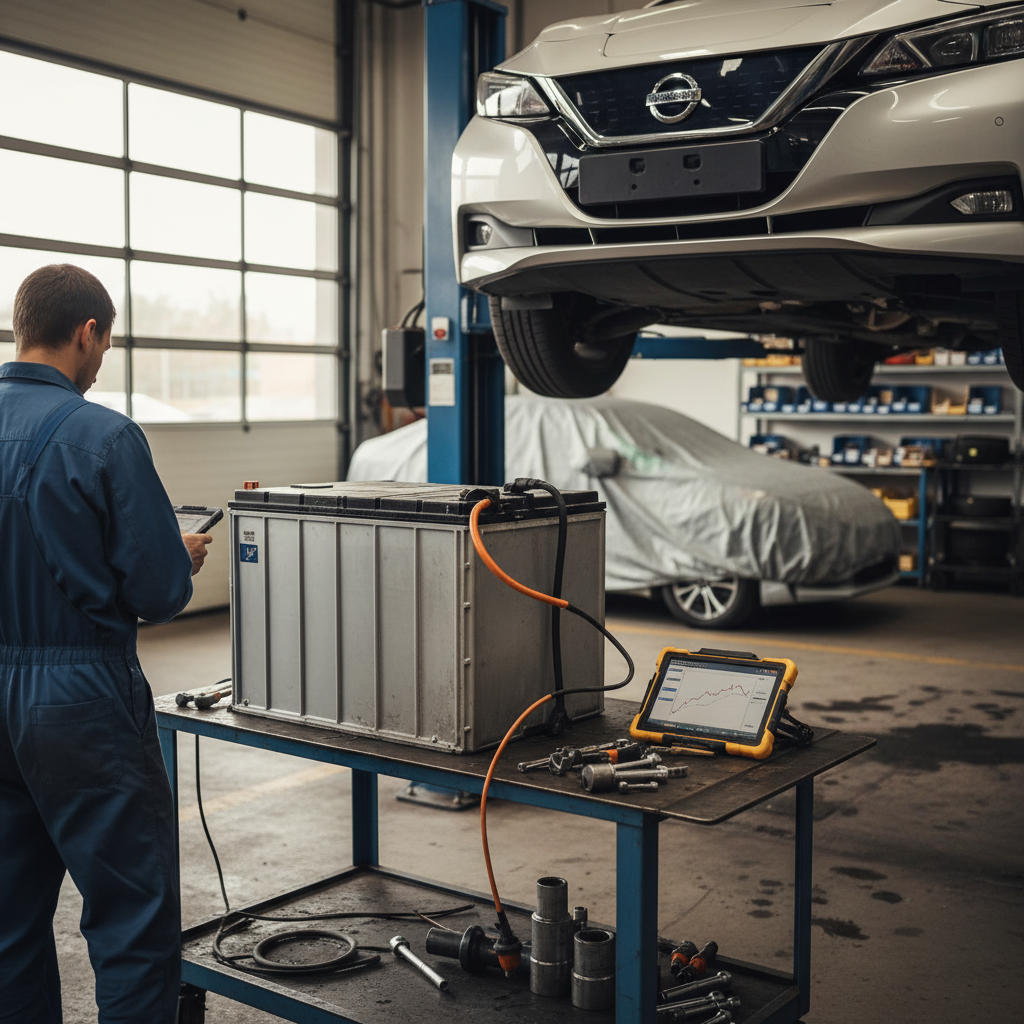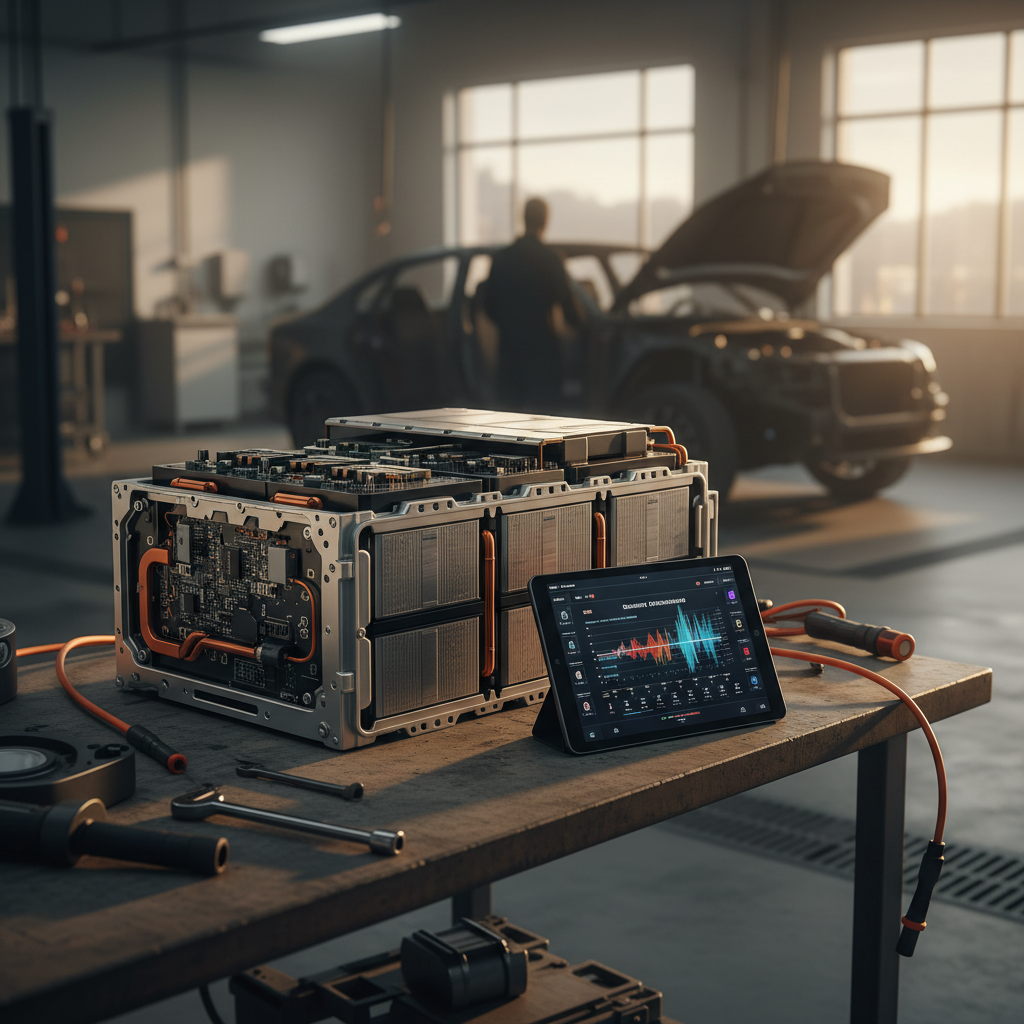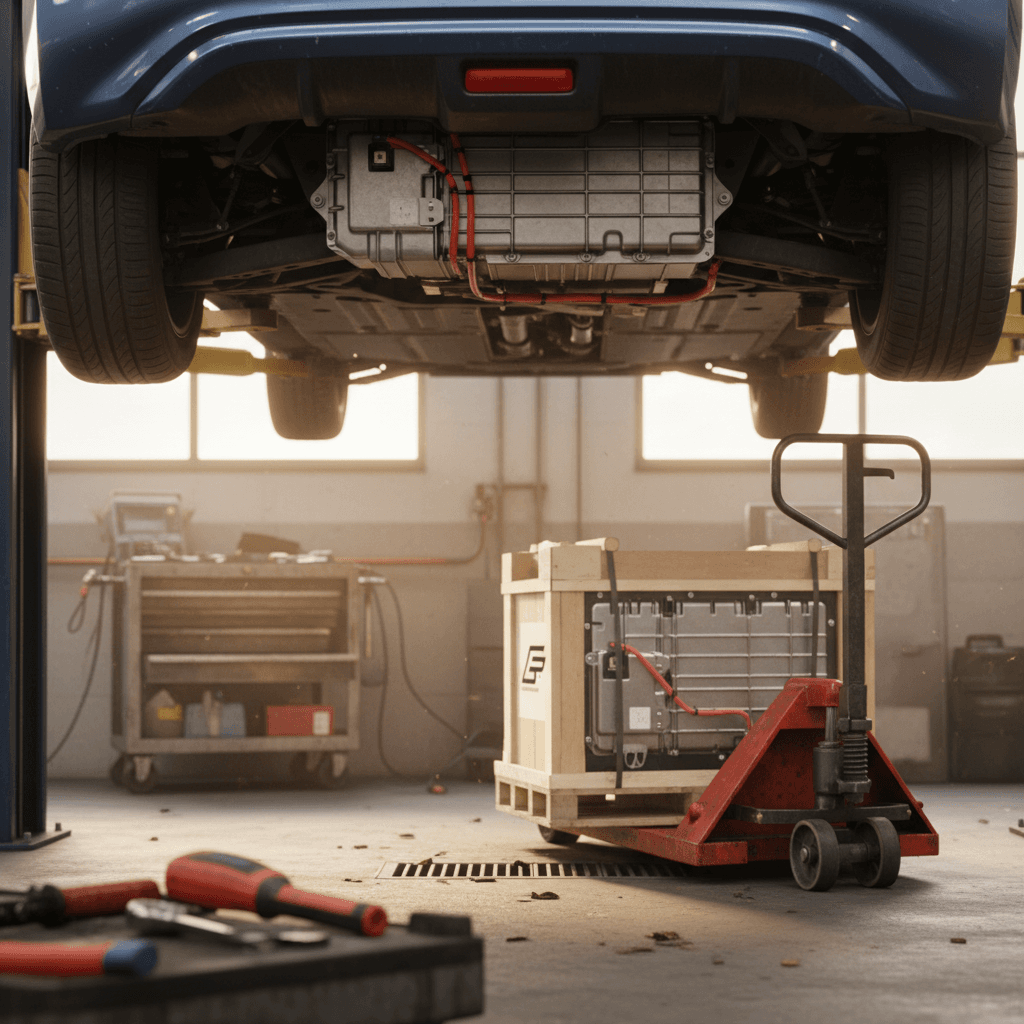
If you own or are shopping for a Volkswagen ID.4, it’s natural to wonder about Volkswagen ID.4 battery replacement cost. The high‑voltage pack is the most expensive component in the vehicle, and headlines about five‑figure EV battery bills can rattle even seasoned car buyers. The good news is that with the ID.4, full battery replacements are still rare, and when they do happen, there’s usually a clear economic logic behind them.
Quick answer
Volkswagen ID.4 battery replacement cost overview
ID.4 battery cost snapshot for 2025
Those ranges are in line with broader EV data showing most mid‑size electric crossovers land somewhere between about $8,000 and $20,000 for a full battery replacement in 2025, with the ID.4 toward the middle of that pack because of its moderate battery sizes and mainstream positioning.
Don’t confuse 12‑volt with high‑voltage
ID.4 battery sizes and what they mean for cost
Battery replacement cost is largely a function of how much energy storage you’re replacing. In simple terms, the more kilowatt‑hours (kWh) your pack holds, the more it costs to build, and to replace.
Volkswagen ID.4 battery configurations and cost implications
Common U.S. ID.4 battery sizes and what they mean for replacement pricing.
| Model years / trims | Approx. pack size | Typical EPA range | Relative replacement cost |
|---|---|---|---|
| Early ID.4 Standard / Base | ~58 kWh | around 209–220 miles | Lowest – least expensive pack to replace |
| Most ID.4 Pro / Pro S (RWD) | ~77 kWh | roughly 260–291 miles | Mid – mainstream replacement cost |
| ID.4 AWD / higher‑spec trims | ~77–82 kWh | roughly 250–275 miles | Highest – largest pack, highest cost |
Exact capacities vary slightly by model year and trim, but this gives you a realistic sense of where your ID.4 sits.
In the broader EV market, replacement packs in 2024–2025 typically work out to roughly $120–$250 per kWh once you blend in parts and labor. That rough math alone suggests why a 77–82 kWh ID.4 pack is a five‑figure component.
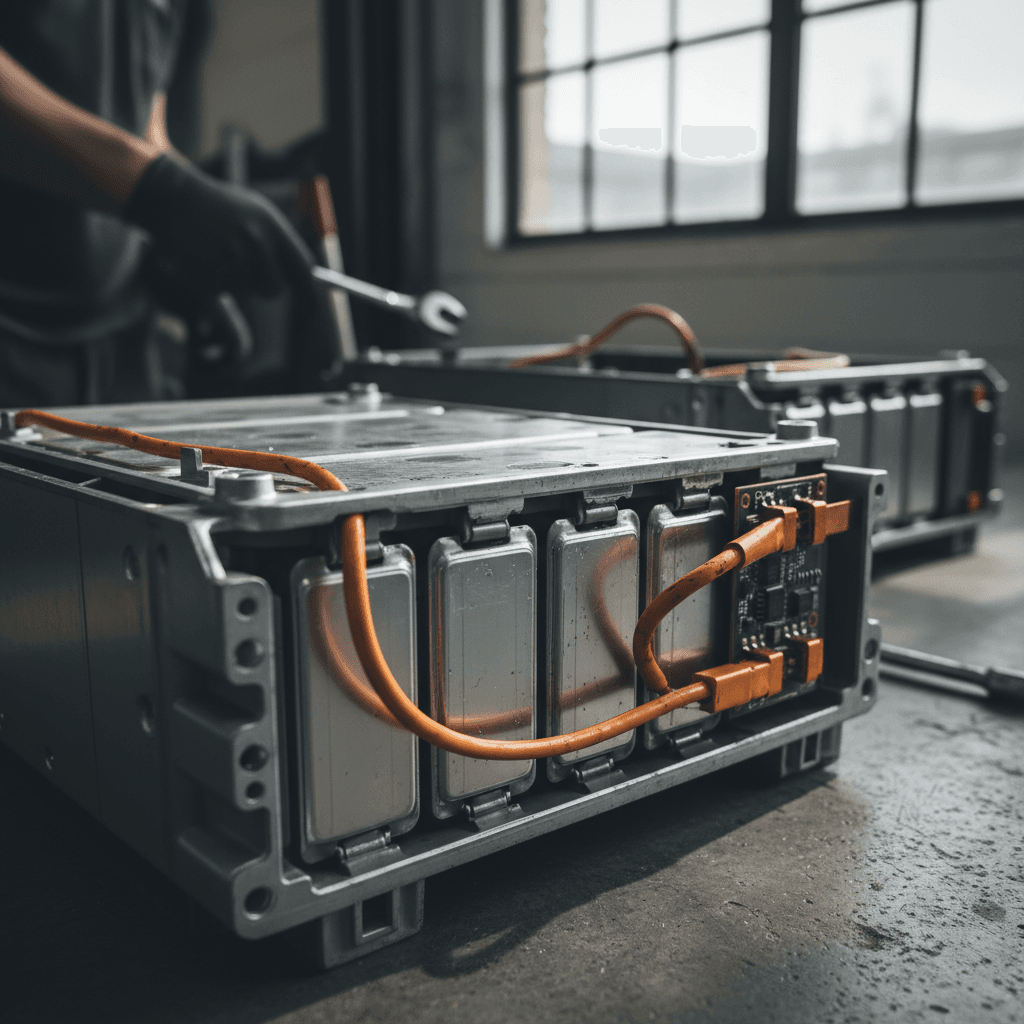
How much does a Volkswagen ID.4 battery replacement cost?
Because Volkswagen doesn’t publish a menu price for complete ID.4 battery packs, we have to triangulate from general EV battery pricing, real‑world quotes on similar‑size packs, and the ID.4’s battery sizes. Here’s a realistic 2025 estimate for an ID.4 that’s out of warranty in the U.S.
Estimated Volkswagen ID.4 battery replacement costs (out of warranty)
Parts + labor ballpark pricing for U.S. owners in 2025. Actual quotes will vary by dealer, region, and parts availability.
| Scenario | Pack size | Parts source | Estimated total cost |
|---|---|---|---|
| Smaller‑pack ID.4 (Standard/base) | ~58 kWh | New OEM pack at VW dealer | $11,000–$14,000 |
| Mainstream ID.4 Pro / Pro S (RWD) | ~77 kWh | New OEM pack at VW dealer | $13,000–$17,000 |
| ID.4 AWD / larger pack | ~77–82 kWh | New OEM pack at VW dealer | $14,000–$18,000+ |
| Any ID.4, used pack | 58–82 kWh | Low‑mileage used pack from recycler | $8,000–$13,000 |
| Any ID.4, module repair | 58–82 kWh | Replace faulty modules only | $3,000–$8,000 |
These figures assume a full pack replacement, not just module‑level repairs.
Why the range instead of one number?
If you’re staring at a repair order that seems sky‑high, ask the shop to break down parts vs. labor and whether a repair to a few modules could fix the issue instead of a full pack swap. Many EV battery problems can be resolved without replacing the entire battery.
What’s covered by the ID.4 battery warranty?
Volkswagen treats the ID.4’s high‑voltage battery as the heart of the car, and the warranty reflects that. In the U.S., the ID.4’s battery is backed by an 8‑year/100,000‑mile warranty (whichever comes first) that covers defects and provides a capacity guarantee.
- High‑voltage battery warranty: 8 years or 100,000 miles, whichever occurs first.
- Capacity guarantee: If usable battery capacity drops below roughly 70% of the original during the warranty period, Volkswagen will repair or replace the pack to bring it back above that threshold.
- New vehicle limited warranty: 4 years or 50,000 miles covers the rest of the car, separate from the battery‑specific coverage.
- Roadside assistance: For early years, VW has offered roadside assistance and complimentary DC fast‑charging allotments through Electrify America, which can help if you misjudge your range.
What this means for you
Battery degradation: how long an ID.4 pack should last
Early real‑world data from ID.4 owners and from other EVs in its class suggests that modern liquid‑cooled packs hold up well. It’s common to see only single‑digit capacity loss in the first few years, then a slow taper from there, assuming the car is charged and driven reasonably.
Key factors that affect ID.4 battery life
You can influence many of these with your daily habits.
Heat exposure
Fast‑charging habits
Depth of discharge
A rule of thumb
Replace, repair, or sell? Deciding what actually makes sense
When you see a five‑figure line item for “high‑voltage battery pack,” your instinct might be to panic. Instead, step back and look at the decision the way a seasoned buyer or appraiser would. You have three main paths: replace, repair, or move on from the vehicle.
1. Replace the pack
Replacing the ID.4 battery can make sense if:
- The car is otherwise in excellent condition.
- You like the vehicle and plan to keep it for many more years.
- You can access a reasonably priced pack, especially a low‑mileage used one.
If the replacement cost is much over half the car’s market value, think carefully before signing.
2. Repair modules
Many battery issues are localized to a few faulty modules or components (contactors, cooling plates, etc.). A specialist shop may be able to:
- Replace only the bad modules.
- Fix a wiring or cooling‑system fault.
- Reprogram control units.
This can bring an eye‑watering quote down into the mid‑four or low‑five figures.
3. Sell or trade the vehicle
If the repair tab is high and the car is older or higher‑mileage, it can be smarter to:
- Sell the ID.4 as‑is to a buyer comfortable with the project.
- Trade it to a retailer that understands EVs and battery health.
- Step into a newer EV with a fresh warranty.
This is often the most rational route with early‑generation EVs.
How Recharged fits into this decision
How battery health affects used ID.4 prices
In the gasoline world, a 100,000‑mile engine that’s been cared for is just “normal wear.” In the EV world, battery health becomes its own dimension of value. Two ID.4s with the same mileage can have very different appeal if one still retains 92% capacity and the other has slipped into the low‑70s.
Battery health and real‑world ID.4 resale value
Why EV‑specific diagnostics matter when buying or selling.
Stronger pack, stronger price
Weak pack, steep discounts
When you shop used ID.4s, look for documentation of real‑world range or a third‑party battery health test. On Recharged, that’s built in; each vehicle listing includes a Recharged Score so you’re not guessing about how the pack has aged.
7 ways to avoid or reduce ID.4 battery replacement costs
Practical steps you can take today
1. Let the car manage its own temperature
The ID.4 has active thermal management. Avoid overriding it by repeatedly fast‑charging a hot battery or parking in blazing sun when a shaded spot or garage is available.
2. Favor Level 2 charging for daily use
Use DC fast charging for trips and occasional convenience, but make <strong>home or workplace Level 2</strong> your default. It’s easier on the pack and cheaper per kWh.
3. Avoid full charges when you don’t need them
Charging to 100% is fine for road trips. Day‑to‑day, consider keeping the car’s charge limits closer to 80–90% to reduce long‑term stress.
4. Don’t live at 0% state of charge
Try not to <strong>regularly</strong> arrive home at 1–2% range remaining. Running the pack that low occasionally is OK; making it a habit accelerates wear.
5. Stay current on software updates
Volkswagen uses software tweaks to improve battery management and efficiency over time. Keeping your ID.4 up to date helps protect the pack and optimize range.
6. Get an EV‑savvy second opinion
If a shop instantly jumps to a full pack replacement, talk to an <strong>EV‑specialist technician</strong> or another dealer. Module‑level repairs or warranty coverage might have been overlooked.
7. Consider the economics before saying yes
If the quote is near or above the vehicle’s value, you may be better off <strong>trading into a different EV</strong>. Marketplaces like Recharged can help you get a data‑driven offer that accounts for your battery’s actual condition.
FAQ: Volkswagen ID.4 battery replacement cost
Frequently asked questions about ID.4 battery replacement
Bottom line: should you worry about ID.4 battery replacement?
A Volkswagen ID.4 battery pack is an expensive piece of hardware, and on paper its replacement cost can look intimidating. But with an 8‑year/100,000‑mile warranty, robust liquid‑cooled design, and real‑world data that points to modest degradation for most owners, a full battery replacement is more of a theoretical risk than an inevitable bill.
Where battery replacement costs really matter today is in the used ID.4 market. A car with strong, well‑documented battery health is worth more and is less likely to surprise you with a big repair. That’s why Recharged bakes a Recharged Score battery report into every EV we sell and uses it when giving trade‑in and instant‑offer values. If you’re deciding whether to fix your current ID.4 or move into another electric SUV, having that level of transparency, and a clear view of your options, helps you make the numbers work in your favor.