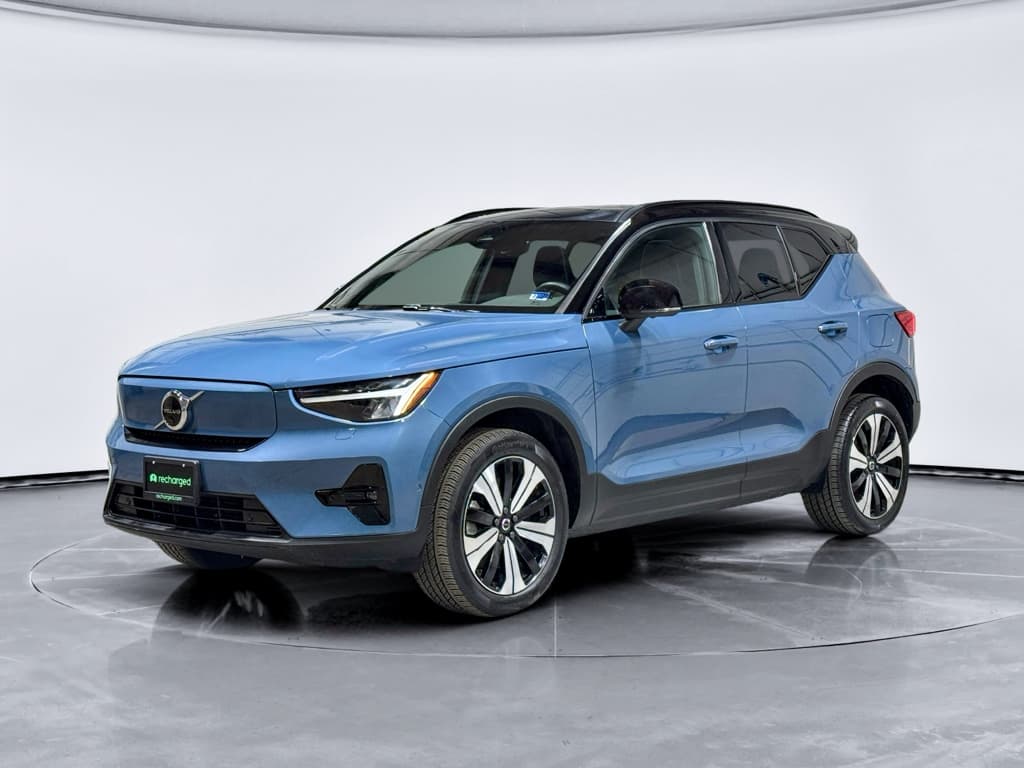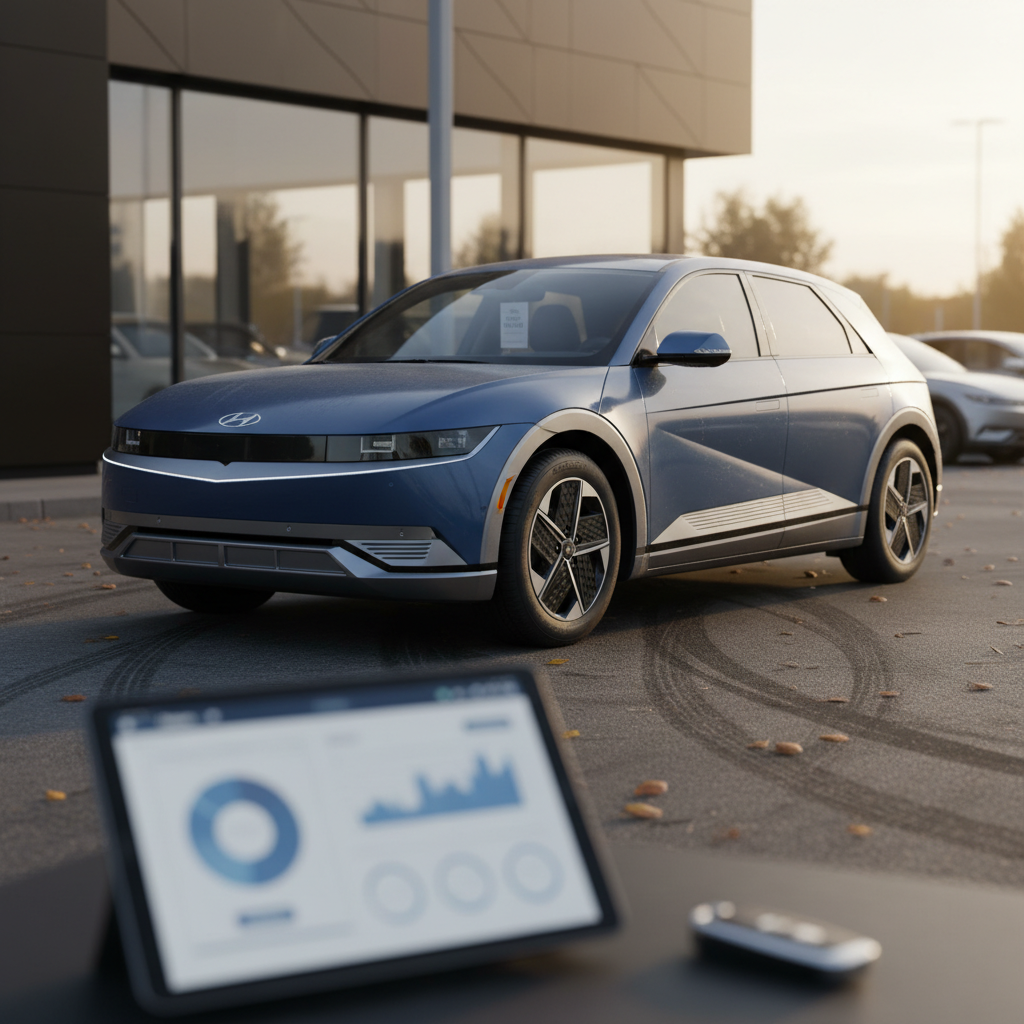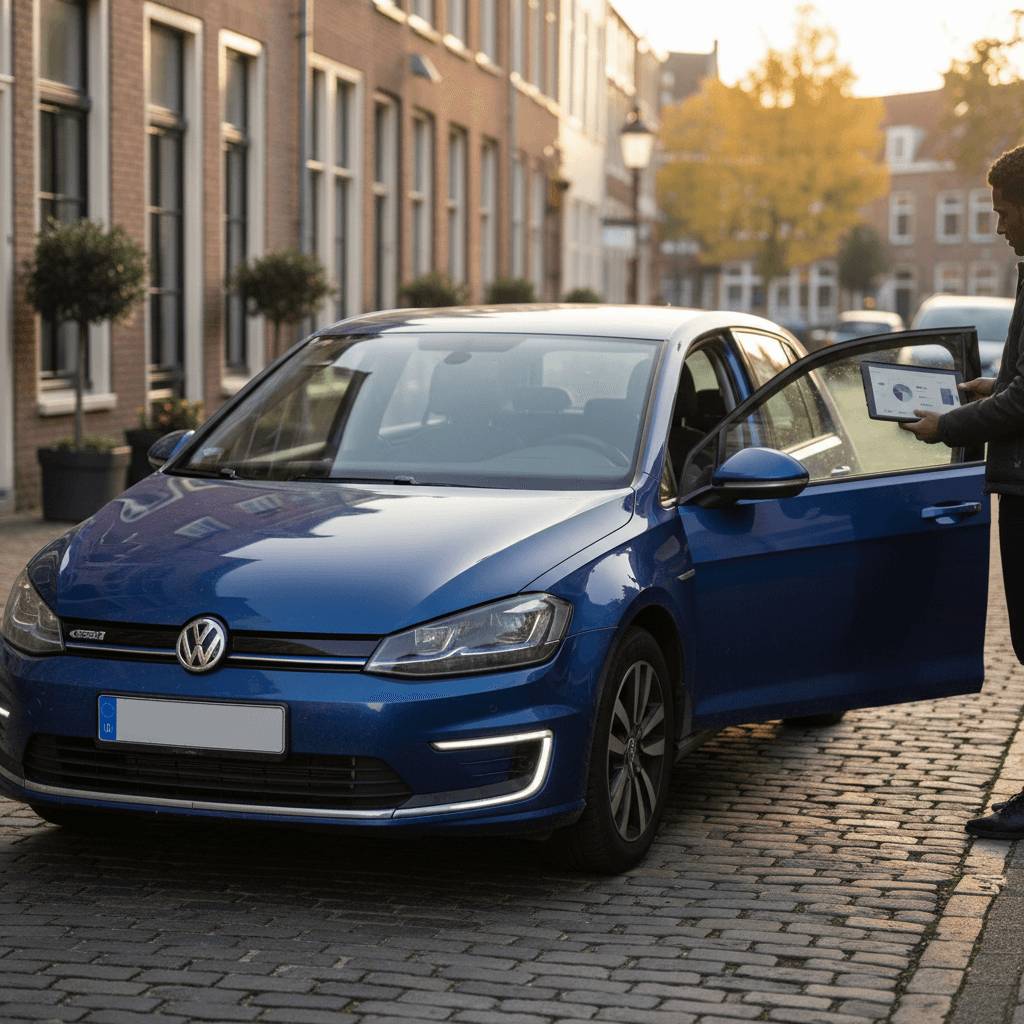
If you’re shopping used and trying to choose between a Volvo EX30 and a Mini Cooper Electric, you’re exactly where a lot of buyers end up: torn between a stylish, upscale mini-SUV and an equally stylish but tiny city hatchback. Both are fun, both are premium, and both are compact. But they solve very different everyday problems. This guide walks through how a used Volvo EX30 vs Mini Cooper Electric really compare in the real world so you can see which one fits your life, budget, and commute.
Two very different kinds of “small EV”
Overview: Used Volvo EX30 vs Mini Cooper Electric
On paper, the used Volvo EX30 generally costs more but gives you more: more range, more space, and available all‑wheel drive and SUV ride height. The used Mini Cooper Electric (Cooper SE in the U.S.) tends to be cheaper and feels like a classic Mini: quick steering, compact size, and big personality, but with modest range and a very tight back seat. If you routinely carry people or cargo, the EX30 will likely feel like money well spent. If you live in a dense city and drive short distances, the Mini’s charm and low running costs are hard to beat.
Key headline numbers (typical U.S.-spec models)
Quick specs: how Volvo EX30 and Mini Electric compare
Volvo EX30 vs Mini Cooper Electric: core specs (typical U.S. models)
Approximate specs for common trims you’ll see as used EVs in the U.S. Always confirm the exact numbers for the specific car you’re considering.
| Used Volvo EX30 (Single Motor ER) | Used Volvo EX30 (Twin Motor) | Used Mini Cooper SE Electric | |
|---|---|---|---|
| EPA range | ~260 mi | ~250 mi (often less at highway speeds) | ~114 mi on early U.S. cars; newer versions expected closer to ~200 mi |
| Battery usable | ~64 kWh | ~64 kWh | ~29 kWh (early US SE); later Mini EVs ~58 kWh |
| Drive layout | RWD | AWD | FWD |
| 0–60 mph | ~5.7 sec | ~3.6–3.7 sec | ~6–7 sec |
| Seats | 5 | 5 | 4, very tight rear access |
| Body style | Subcompact SUV | Subcompact SUV | Three‑door hatchback |
| Fast‑charge peak | ~150 kW DC | ~150 kW DC | ~50–95 kW DC, depending on generation |
| On‑board AC charger | ~11 kW | ~11 kW | ~7 kW |
| Typical used price (US)* | Higher, often upper-$30Ks+ initially | Higher still | Significantly lower, often mid‑$20Ks and down |
| Best for | Small families, one‑car households | Drivers who want performance in a tiny SUV | City drivers, short trips, second‑car duty |
Specs shown are representative; individual vehicles and newer model years may differ slightly.
Always check the exact year and trim
Pricing and value on the used market
Because the EX30 is brand‑new to the U.S. market and arrives as a 2026 model here, early used examples will still be relatively young and priced accordingly. The Mini Cooper SE, by contrast, has been on sale longer and is already common in the used listings, so you’ll generally find it for less money, even when mileage is similar.
Used Volvo EX30 pricing reality
- Age: Most EX30s on the used market will be 1–3 years old with relatively low miles.
- Price: Expect pricing to sit not far below new, especially for well‑optioned Plus/Ultra and dual‑motor cars.
- Why it holds value: Strong demand for small premium EV SUVs and limited supply support resale values early on.
Used Mini Cooper Electric pricing reality
- Age: You’ll see a broader spread, earlier 2020–2024 Cooper SEs plus newer redesigns.
- Price: Because of shorter range and smaller size, Minis typically undercut most rival EVs on the used lot.
- Why it’s a deal: For low‑mileage city use, you’re often paying less for more than enough capability.
How Recharged helps on price
Range, battery and charging
Range and charging are where these two used EVs peel apart. The EX30’s usable battery is over double that of the earlier Mini Cooper SE sold in the U.S., and even the newer Mini EV with a bigger pack still trails the Volvo. In practical terms, that means the EX30 can cover a full day of commuting plus errands on a single charge with margin to spare, while the Mini Electric is more of a "charge most nights" city car.
- Volvo EX30: Single Motor Extended Range versions carry a roughly 64 kWh usable battery and EPA range near 260 miles, with DC fast charging around the 150 kW mark. That’s enough to make occasional road trips realistic, even if real‑world highway range will sit below the sticker number.
- Mini Cooper Electric: Early U.S. Cooper SE models use a pack just under 30 kWh and are rated around 114 miles of EPA range, plenty for short commutes, but limiting if your driving is unpredictable. The redesigned Mini EV increases battery size and pushes range closer to ~200 miles, but you’ll need to confirm which version you’re looking at.
- Home charging: The EX30’s ~11 kW AC charger lets you take better advantage of a 48‑amp Level 2 home station, while the Mini’s 7 kW onboard charger tops out sooner. In practice, both can recharge overnight from low state of charge, but the Volvo is pushing a much larger energy tank back to full.
Be honest about your daily miles
Space, practicality and comfort
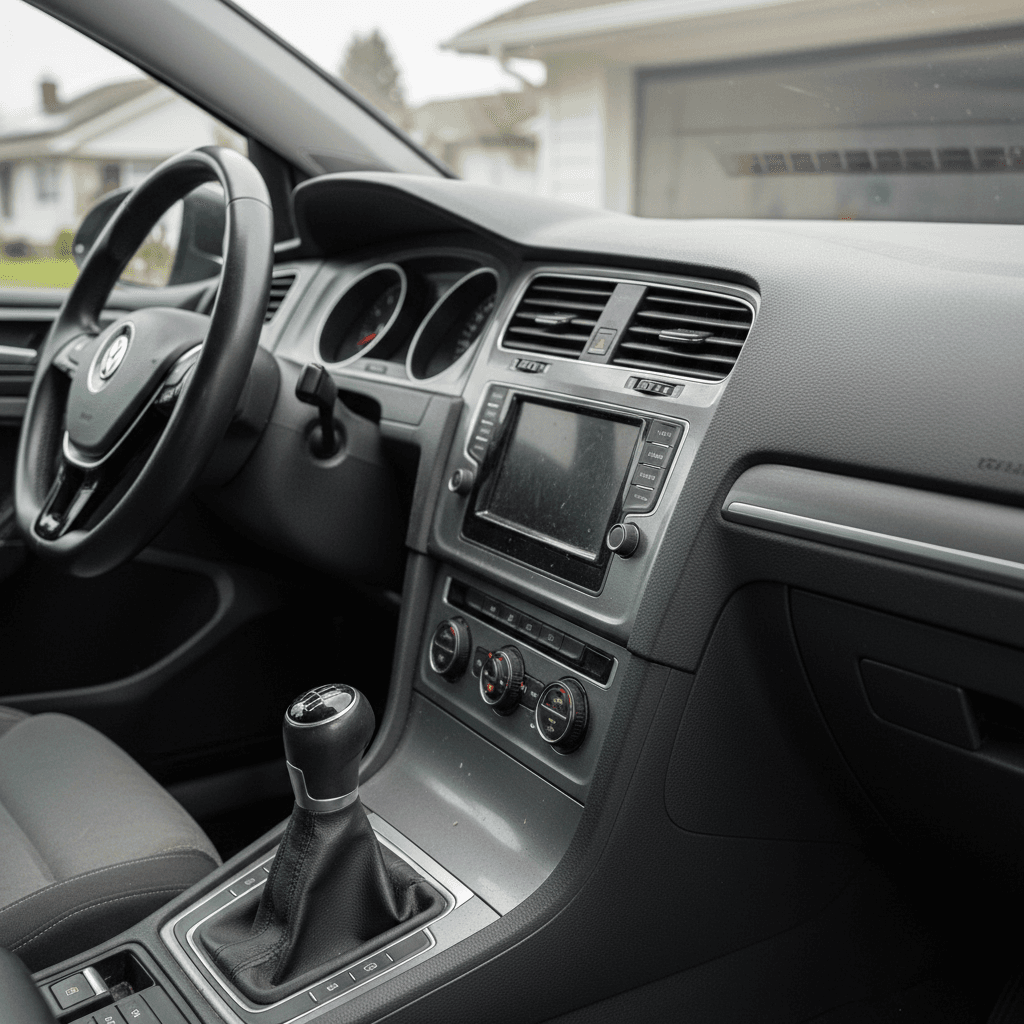
Here’s where daily life really separates the used Volvo EX30 from the Mini Cooper Electric. One is a true four‑door SUV with usable cargo space; the other is essentially a premium city hatch optimized for one or two people and the occasional extra passenger.
Practicality: who each EV really suits
Think about people, pets, and stuff, not only specs.
Volvo EX30: mini‑SUV practicality
- Doors & seats: Four conventional doors and three‑across rear seating make buckling in kids and adults far easier.
- Cargo: Cargo space is modest by SUV standards but significantly better than the Mini’s hatch, enough for strollers, grocery runs, and airport bags.
- Ride: Taller seating position and more substantial suspension tuning give the EX30 a "big car" feel on rough pavement.
Mini Cooper Electric: urban specialist
- Access: Three‑door layout and short rear doors mean climbing into the back isn’t graceful for adults.
- Cargo: The trunk is shallow with the seats up, but you can fold the back seats for surprising luggage or IKEA capacity.
- Parking: The Mini is easier to street‑park than almost anything else; tight garages and parallel spots are its natural habitat.
Family use favors the Volvo
Performance and driving character
Both the Volvo EX30 and Mini Cooper Electric are quick compared with their gas counterparts, but they deliver that speed with different personalities. Volvo leans into smooth, refined shove; Mini chases its traditional go‑kart feel with fast steering and a playful chassis.
How the Volvo EX30 drives
- Quick in a straight line: Even the single‑motor car gets to 60 mph in the mid‑5‑second range; dual‑motor versions are genuinely fast.
- Comfort first: Steering and suspension tuning prioritize stability and refinement over sharp, darty responses.
- Highway confidence: The EX30 feels planted at speed, helped by its SUV stance and available driver‑assist tech.
How the Mini Electric drives
- City rocket: Instant electric torque plus a short wheelbase make the Mini feel quicker than its numbers around town.
- Go‑kart flavor: Quick steering and firm suspension deliver that classic Mini "point and shoot" experience.
- Range is the limiter: You may enjoy driving it so much that the short range becomes the only thing pulling you back home.
AWD vs FWD: do you need it?
Ownership costs and depreciation
Electric vehicles tend to have lower day‑to‑day running costs than comparable gas cars, but there are still differences between these two. Insurance, tires, and depreciation can add up over a few years, particularly for early‑adopter models like the EX30.
Key cost questions to ask yourself
1. How long do you plan to keep it?
Newer, high‑demand models like the EX30 can lose value quickly in the first few years, simply because so much of the price is technology. A lower‑priced used Mini Electric that’s already taken its big depreciation hit may be a cheaper car to own if you don’t need long range.
2. What does insurance look like?
The EX30 is a more expensive and more powerful SUV, and that can show up in your premiums. A smaller, lower‑value Mini hatch will often cost less to insure, always get quotes for both VINs before you sign.
3. How much do you drive annually?
If you drive 6,000 miles per year in the city, fuel savings vs a gas car will be meaningful in either EV, but the Mini’s smaller battery and efficiency can make energy costs especially low. If you drive 15,000 miles with regular highway runs, the EX30’s extra range means fewer fast‑charge stops and less time spent waiting.
4. Battery health on a used EV
Battery condition can swing the value of any used EV. That’s why Recharged includes a <strong>Recharged Score</strong> on every car, with verified battery‑health diagnostics, so you can compare a used EX30 and Mini on more than just mileage and options.
Watch out for "cheap but tired" city Minis
Which used EV fits your life better?
Specs are helpful, but the right answer to "used Volvo EX30 vs Mini Cooper Electric" comes down to how you actually live. Here’s a quick way to think about it.
Who should buy which?
Match each car to your daily reality, not just your wish list.
Pick a used Volvo EX30 if…
- You need one vehicle to do commuting, errands, and weekend trips.
- Four real seats and easier rear‑door access matter to you.
- You regularly drive over 80–100 miles in a day or take highway trips.
- You want a premium, safe-feeling SUV with modern driver‑assistance tech.
Pick a used Mini Cooper Electric if…
- You live in a dense city and park on the street or in tight garages.
- This will be a second car, or your daily miles are modest.
- You care more about personality and handling than space.
- You’d rather save money up front and accept shorter range.
Still torn? Focus on these 3 things
- Daily mileage: Be realistic about the longest day you want to cover without planning.
- People and cargo: Count regular passengers and the gear you actually carry.
- Budget vs time: Weigh lower purchase price (Mini) vs fewer compromises and longer range (Volvo).
Buying used from Recharged: what changes
Shopping used EVs is different from shopping used gas cars. Battery health, charging behavior, and software history matter as much as leather seats and paint color. That’s why Recharged builds every listing, whether it’s a used Volvo EX30 or a used Mini Electric, around transparency rather than mystery.
- Recharged Score Report: Every EV comes with a detailed report including verified battery health, charging performance, and value assessment, so you can compare a used EX30 and Mini on equal footing.
- Financing and trade‑in support: You can arrange EV‑friendly financing, get an instant value for your trade‑in, or even consign your current car while you shop.
- Nationwide delivery and digital process: Browse, finance, and finalize your EV entirely online, then have it delivered to your door, or visit the Recharged Experience Center in Richmond, VA if you prefer to see vehicles in person.
- EV‑specialist guidance: If you’re unsure whether the EX30’s extra range is worth it for you, or whether the Mini’s limited range is enough, Recharged’s specialists can walk through your routes, home‑charging options, and budget one‑on‑one.
Bottom line: a used Volvo EX30 is the right move if you want a small but genuinely versatile EV to replace a gas crossover. A used Mini Cooper Electric shines as an affordable, high‑character city car or second car where space and range don’t need to be huge. Get clear on your miles, passengers, and budget, then use objective battery‑health data like the Recharged Score to make sure the specific car you pick will deliver on those needs for years to come.