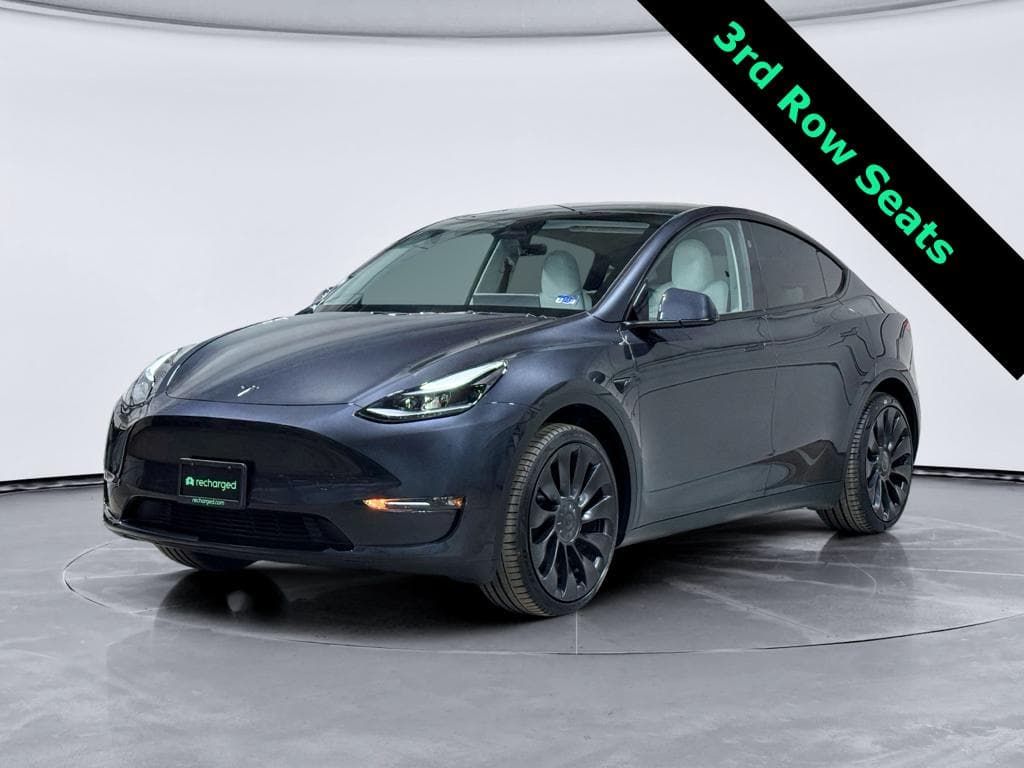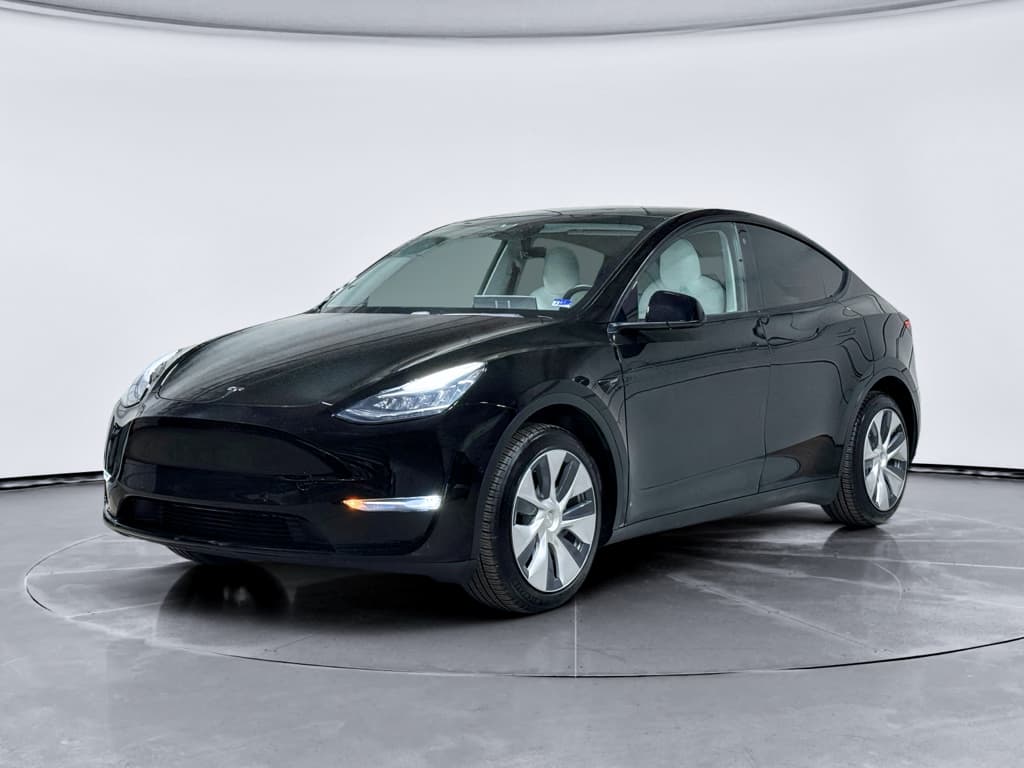
If you’re shopping for an electric family SUV, the **used Tesla Model Y vs Chevy Equinox EV** matchup is probably on your mind, even if you didn’t phrase it that way. On one side you’ve got a proven, wildly popular Tesla you can buy used today. On the other, a brand‑new Chevy Equinox EV with modern Ultium tech and potential tax credits. Let’s unpack how they really compare in the real world, not just on paper.
Two very different ways to go electric
Quick take: who each EV is best for
Model Y vs. Equinox EV at a glance
If you only read one section, make it this one.
Used Tesla Model Y is best if…
- You want maximum DC fast‑charging options today via the Tesla Supercharger network.
- You value a proven track record, hundreds of thousands of Model Ys on the road.
- You can live with a firmer ride and minimalist interior in exchange for efficiency and performance.
- You want strong driver‑assist tech right now without waiting on future OTA promises.
- You’re shopping in the $28,000–$40,000 range for a used EV SUV.
Chevy Equinox EV is best if…
- You want a factory‑fresh SUV with full warranty coverage.
- You qualify for the federal new EV tax credit, which can push effective pricing into the low $30Ks for some trims.
- You prefer a more traditional interior with physical controls and GM’s latest infotainment.
- You’ll mostly charge at home and use DC fast charging only on trips.
- You’re okay being an early adopter of a brand‑new model and platform.
Don’t forget your starting point
Specs, space and driving feel
Both the used Tesla Model Y and Chevy Equinox EV are compact electric crossovers aimed at families, commuters and road‑trippers. They live in the same general size class, but they approach space and performance differently.
Core specs: used Tesla Model Y vs. Chevy Equinox EV
Approximate specs for typical trims shoppers cross‑shop. Exact numbers vary by model year and configuration.
| Spec | Used Tesla Model Y (2020–2023 LR/AWD) | Chevy Equinox EV (2024–2025 2LT/2RS FWD) |
|---|---|---|
| Length | ~187 in | ~190 in |
| Drivetrain | Dual‑motor AWD (most used LRs) | Single‑motor FWD (AWD optional) |
| 0–60 mph | ~4.5–4.8 sec (LR AWD) | ~6–7 sec est. FWD |
| EPA range | ~316–330 mi when new | Up to ~319 mi FWD, ~285 mi eAWD |
| Battery | ~75 kWh usable (est.) | Ultium pack, similar usable capacity (Chevy doesn’t publish kWh) |
| Cargo (behind 2nd row) | ~30 cu ft + front trunk | Just under ~30 cu ft, no front trunk |
| Seating | 5 (7‑seat rare) | 5 |
| Towing | Up to 3,500 lb (properly equipped) | Towing package available; rating to be confirmed for your trim |
Use this as a directional guide, then verify specifics for the exact VIN you’re considering.
Space: Model Y is boxier, Equinox EV is more conventional
How the Model Y drives
- Quick and punchy: Even non‑Performance trims feel genuinely fast, especially in city driving.
- Firm ride: The suspension can feel busy over broken pavement, especially on 19–21 inch wheels.
- One‑pedal driving: Strong regenerative braking makes stop‑and‑go surprisingly relaxing once you’re used to it.
- Quiet but not silent: You’ll hear tire roar on coarse highways more than in some luxury rivals.
How the Equinox EV drives
- Smoother and more conventional: Early drives describe it as comfortable and composed, not sporty.
- Adequate power: Around 213 hp in FWD; eAWD bumps torque and feels punchier, but still calmer than a Model Y.
- Well‑tuned regen: Chevy offers one‑pedal driving and paddle‑controlled regen similar to other GM EVs.
- Noise levels: Expect mainstream compact‑SUV quiet, with more emphasis on comfort than razor‑sharp handling.
Real-world pricing, tax credits and total cost
The heart of this comparison is financial: a **used Tesla Model Y** that’s already taken its depreciation hit versus a **brand‑new Equinox EV** that may come with a hefty federal tax credit. Let’s put some realistic numbers around both.
Typical U.S. pricing as of early 2026
Because the federal **used EV tax credit has been rolled back**, a used Model Y is now a straight purchase: what you see is what you pay, aside from dealer fees and financing. New Equinox EVs, by contrast, often qualify for the **full $7,500 clean‑vehicle credit**, and many dealers can apply that as an instant rebate at the point of sale. That can drop a $44,000 2LT into the mid‑$30Ks effectively, suddenly right on top of many used Teslas.
Price comparison: what you might actually pay
Illustrative examples; your local market and credit situation will vary.
| Scenario | Sticker/Asking | Estimated Effective Price | Notes |
|---|---|---|---|
| Used 2021 Model Y Long Range AWD | $30,000 | $30,000 + taxes/fees | No federal used‑EV credit in 2026; price swings by condition and miles. |
| Used 2023 Model Y Long Range AWD | $34,000 | $34,000 + taxes/fees | Newer, more warranty left; closer in price to new non‑luxury EVs. |
| New Equinox EV 2LT FWD | $43,295 | ~$35,800 after $7,500 credit | If you qualify and dealer applies credit at purchase; plus taxes/fees. |
| New Equinox EV 3RS FWD | $46,795 | ~$39,300 after $7,500 credit | Higher trim with more luxury and tech; still near newer used Model Y pricing. |
Assumes good credit, typical U.S. pricing and no state or local incentives.
Watch out for financing surprises
Range and charging: road-trip vs. daily grind
On paper, a used Model Y Long Range and an Equinox EV 2LT/2RS FWD sit in the same ballpark for range, somewhere around the low‑to‑mid‑300‑mile mark when new. The differences show up in **real‑world degradation**, fast‑charging behavior and charging network access.
Range and charging comparison
EPA estimates when new; real‑world range will vary with temperature, speed, tires and age.
| Feature | Used Tesla Model Y LR/AWD | Chevy Equinox EV (Ultium) |
|---|---|---|
| EPA range when new | ~316–330 mi | Up to ~319 mi FWD, ~285 mi eAWD |
| Typical usable range today | ~270–300 mi depending on age and care | Close to EPA when new; too early to know long‑term degradation |
| DC fast‑charging peak | Up to ~250 kW on V3 Superchargers | Up to ~150 kW on public DC fast chargers |
| Fast‑charge reality | Very strong network + good charging curve; 10–80% on a road trip can be brisk | Respectable speeds; Chevy quotes ~77 mi in 10 minutes at a 150‑kW charger |
| Home AC charging | 11.5 kW onboard (up to ~44 mi/hr on a 48A Level 2) | 11.5 kW on most trims; ~34–35 mi/hr on a 48A Level 2 |
Used vehicles will show some degradation compared with the original EPA numbers.
Charging advantage: used Model Y (for now)
Think about where you live, not just specs
Tech, safety and driving experience
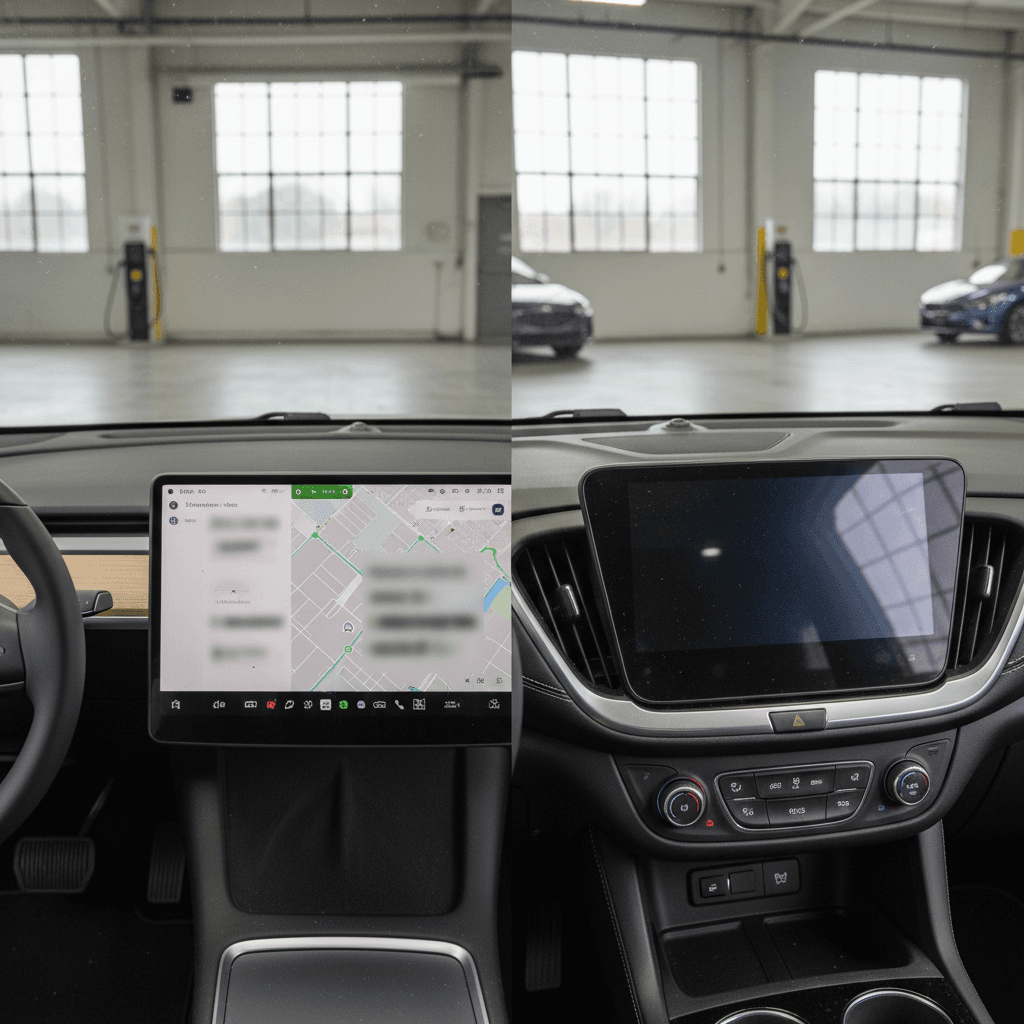
Both vehicles pack modern safety tech and big screens, but they feel very different inside. The Tesla leans into a minimalist, software‑first experience. The Equinox EV feels like a modern Chevy with a large screen, futuristic, but still familiar if you’re coming from a gas SUV.
Tesla Model Y tech highlights
- 15–16 inch central touchscreen handles nearly everything: HVAC, driving modes, navigation, even glovebox.
- Over‑the‑air updates frequently add features, tweak range estimates and refine driving behavior.
- Tesla Autopilot with optional advanced assist packages offers strong lane‑keeping and adaptive cruise on highways.
- Clean, airy cabin with huge glass roof, minimalist dash and tight integration of apps and entertainment.
- Downside: Very few physical buttons, some drivers miss traditional knobs and switches.
Chevy Equinox EV tech highlights
- Standard 17.7 inch touchscreen on most trims with Google Built‑In (Maps, Assistant, Play Store).
- Digital gauge cluster directly in front of the driver, which some find more intuitive than Tesla’s single‑screen layout.
- Chevy Safety Assist standard: automatic emergency braking, lane keep assist, following distance indicator and more.
- Available Super Cruise on higher trims brings hands‑free driving on mapped highways.
- More conventional controls: Buttons and knobs for core functions make it easy for first‑time EV drivers.
Safety: both strong, but data is newer for Equinox EV
“If you’re tech‑curious and okay living in a software‑first world, the Model Y still feels like the EV benchmark. If you want an EV that feels like a well‑equipped modern SUV first and a science project second, the Equinox EV may be the friendlier daily companion.”
Ownership experience, reliability and support
This is where buying **used vs. new** really shows. The Model Y has a track record, good and bad, that you can study. The Equinox EV is too new to judge on long‑term reliability, but you get the coverage and peace of mind of a fresh factory warranty.
Ownership trade‑offs: used vs. new
Warranty, reliability and dealer experience matter just as much as range numbers.
Warranty coverage
- Used Model Y: Battery and drive unit warranty is typically 8 years/120k–150k miles from original in‑service date, so a 3‑ to 5‑year‑old car may still have strong coverage left.
- Equinox EV: Full new‑car bumper‑to‑bumper warranty plus Ultium battery coverage, starting at zero miles in your name.
Reliability picture
- Model Y: Millions of real‑world miles show relatively robust powertrains, but reports of build‑quality quirks and occasional drivetrain or HVAC issues.
- Equinox EV: Too new for a clear long‑term record; built on GM’s Ultium platform, which is still in its early fleet years.
Service & support
- Tesla: Direct service model, mobile techs and service centers; no dealer advocacy, but streamlined warranty handling.
- Chevy: Traditional dealer network, good if you value a local relationship, but experience can vary by store.
Early‑adopter risk on any new model
How Recharged fits into your decision
Choosing between a used Tesla Model Y and a new Chevy Equinox EV doesn’t happen on a spec sheet, it happens in your driveway, your commute and your budget. That’s where Recharged can make the used‑EV side of the decision a lot less stressful.
- Every used EV on Recharged comes with a Recharged Score Report that includes verified battery health, so you’re not guessing how much range a three‑year‑old Model Y really has left.
- You’ll see fair‑market pricing backed by real‑time data, so you can compare a specific used Tesla against what a new Equinox EV payment would look like.
- Our EV specialists can walk you through charging options, home setup, and which networks make the most sense where you live.
- If you have a gas car or another EV to move, you can tap Recharged for a trade‑in, instant offer, or consignment, and even arrange nationwide delivery of your next EV.
- Prefer to see and feel before you commit? You can visit our Recharged Experience Center in Richmond, VA for in‑person guidance.
Why this matters for the Model Y side of the equation
Ready to find your next EV?
Browse VehiclesChecklist: should you pick the Model Y or Equinox EV?
7 key questions to answer before you choose
1. How important is the tax credit to your budget?
If your budget only works with the <strong>new EV tax credit</strong>, the Equinox EV gets a big head start. If you’re over the income cap or don’t qualify, a used Model Y’s lower sticker price may win.
2. Do you road‑trip often beyond your home region?
Frequent long‑distance drivers still benefit from the **Supercharger network advantage**. If most of your driving is local and you can charge at home, the network gap narrows considerably.
3. Are you comfortable buying a first‑generation model?
Risk‑averse buyers may prefer a Model Y that’s been on the road for years, with known quirks and fixes, over a first‑wave Equinox EV. If you like being on the cutting edge, GM’s latest Ultium tech could be appealing.
4. Do you prefer minimalist or traditional interiors?
If you love the idea of a clean cabin and doing almost everything through one screen, the Tesla will charm you. If you want physical buttons, a separate gauge cluster and a more familiar layout, the Equinox EV will feel more natural.
5. How sensitive are you to ride comfort and noise?
Model Ys can feel firm and a bit noisy on rough pavement. Early drives suggest the Equinox EV prioritizes comfort. If you have sensitive passengers or rough roads, that may matter more than 0–60 times.
6. What’s your timeline?
Used Model Ys are available now, in lots of configurations. Equinox EV allocation may be limited in some regions, and specific trims or colors could require ordering and waiting.
7. Do you want a single brand ecosystem or flexibility?
Staying within Tesla’s ecosystem simplifies apps, charging and updates. Going with Chevy gives you flexibility to shop other brands on similar CCS/NACS public networks in the future.
FAQ: used Tesla Model Y vs. Chevy Equinox EV
Frequently asked questions
Bottom line: which one should you buy?
If your top priorities are **road‑trip charging, proven EV tech and strong performance**, a well‑vetted used Tesla Model Y remains an outstanding choice, especially if you can find one with documented battery health and a clean history at a good price. For many families, it’s still the electric compact‑SUV benchmark.
If you care more about **warranty coverage, a familiar SUV feel, and leveraging the new‑EV tax credit**, the Chevy Equinox EV makes a compelling case. It delivers competitive range, modern safety tech and a more conventional driving experience that won’t intimidate newcomers to EVs.
The good news is that there’s no wrong answer here, only the answer that fits your life best. Take a hard look at how you drive, where you’ll charge, and how long you plan to keep the vehicle. Then, if a used Model Y looks like the right fit, let Recharged help you find one with verified battery health, fair pricing and expert guidance from first click to final delivery.