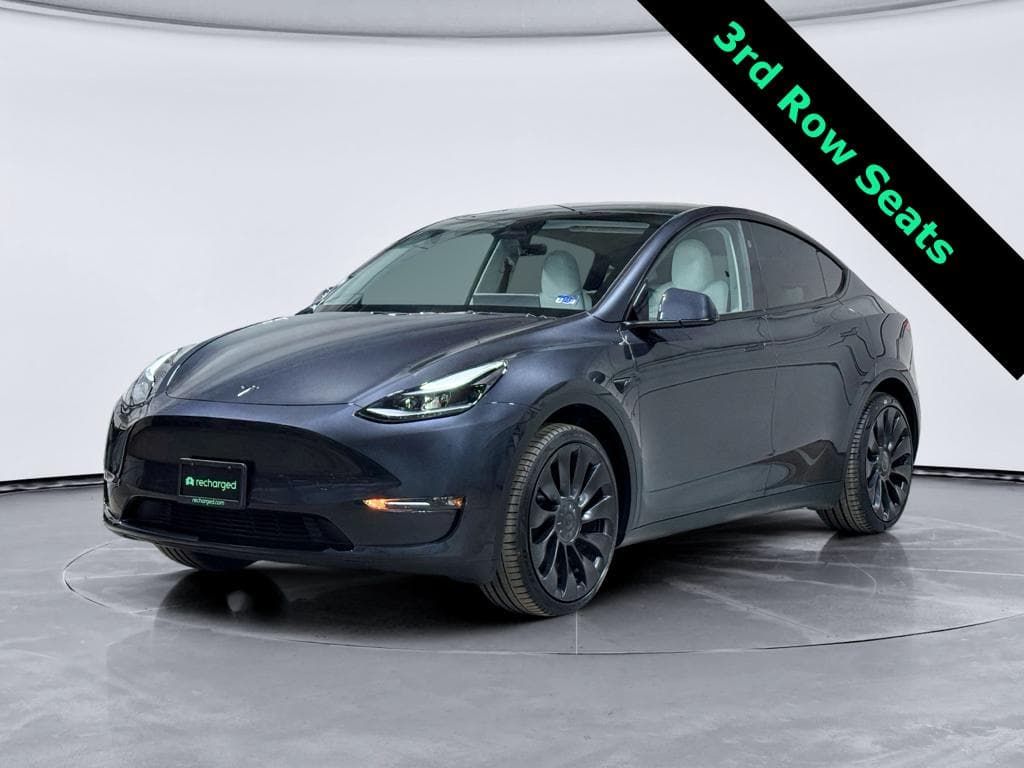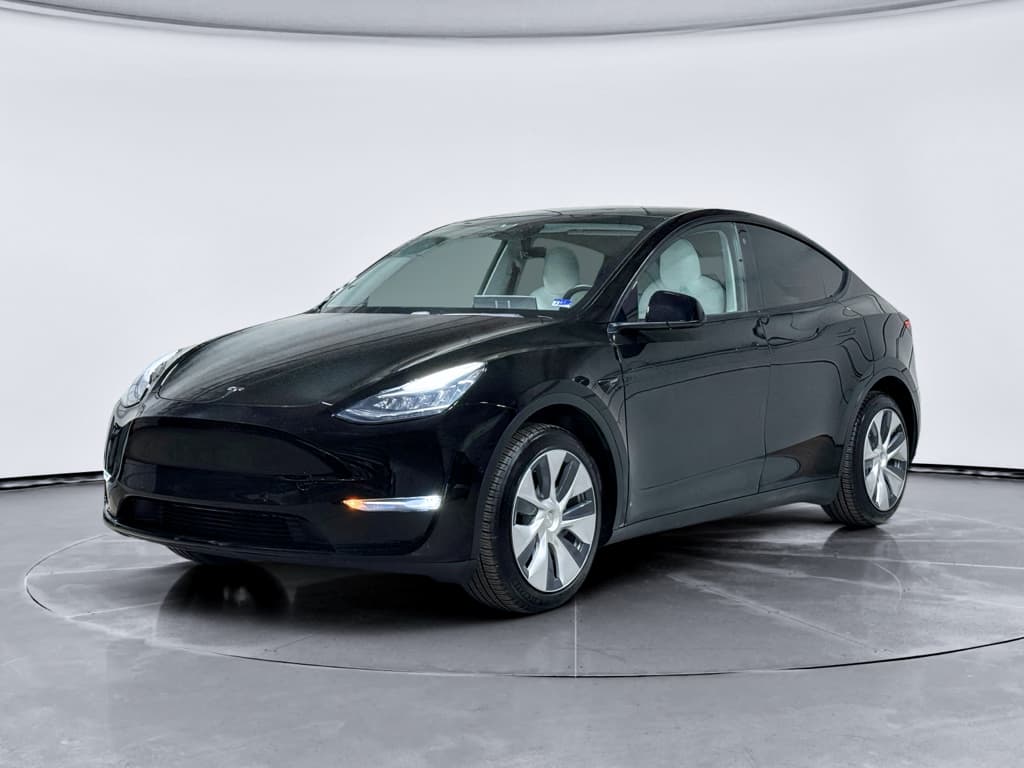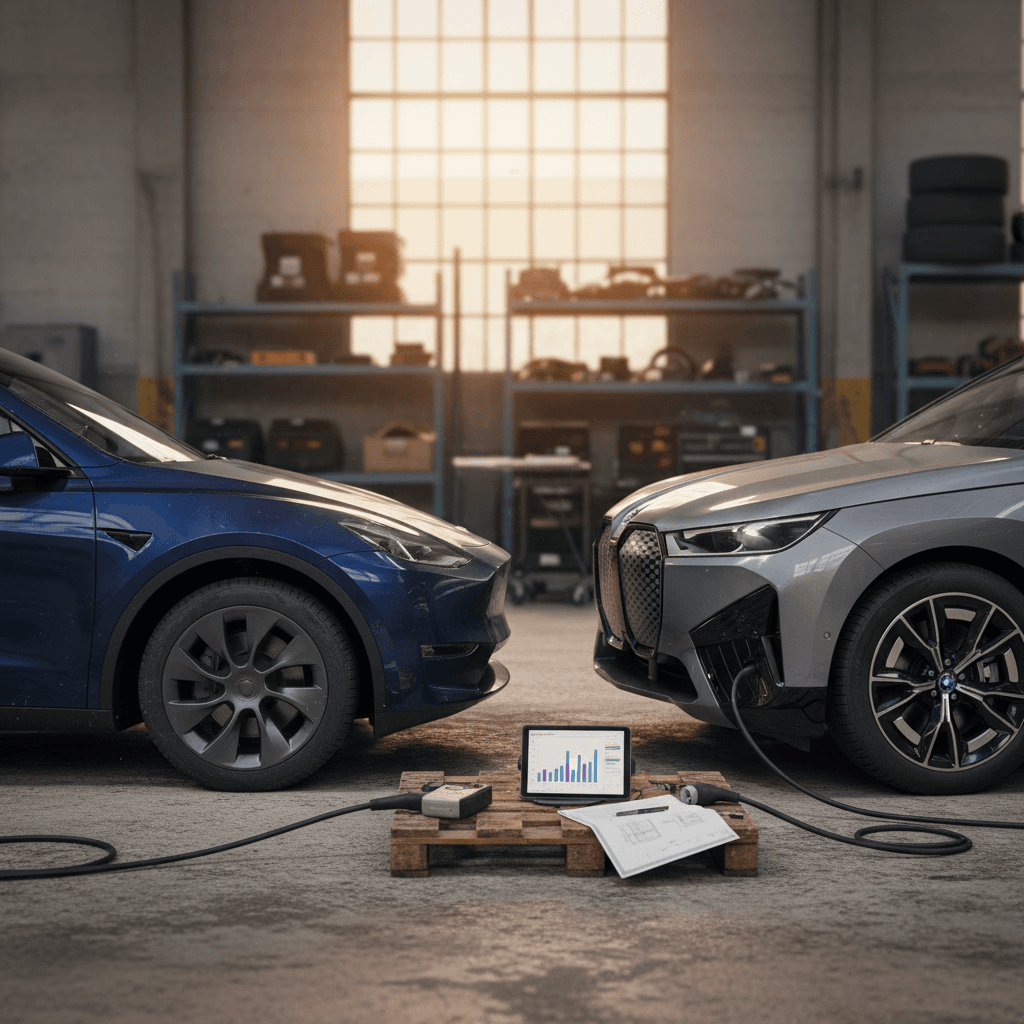
If you’re shopping the U.S. used EV market in 2026, a used Tesla Model Y vs BMW iX comparison probably sits near the top of your research list. Both are all‑electric SUVs, but they live in different worlds: the Model Y is a high‑volume family crossover, while the BMW iX is a low‑volume, tech‑heavy luxury flagship. The right choice depends less on 0–60 times and more on how you’ll use the car, what you can live with day‑to‑day, and how you want your money to work over the next five to eight years.
Two very different kinds of “EV SUV”
Who this used EV comparison is for
- You’re choosing between a lightly used 2022–2025 Tesla Model Y and a 2022–2025 BMW iX in the U.S.
- You want a daily‑drivable family EV with road‑trip ability, not a track car.
- You care about total cost of ownership as much as purchase price.
- You’re comparing real range, charging, comfort, and long‑term reliability rather than spec‑sheet bragging rights.
All pricing and availability references here reflect the U.S. used market through early 2026. Individual listings will vary by mileage, condition, trim and local incentives, but the patterns are consistent enough to guide a smart decision.
Quick take: Used Tesla Model Y vs BMW iX in 2026
At a glance: who each SUV is really for
Start with how you’ll use the car, then zoom into the details.
Used Tesla Model Y: The rational daily EV
Best if you want:
- Lower purchase price and simpler ownership costs.
- Excellent efficiency and strong real‑world range.
- Access to Tesla’s Supercharger network on day one.
- Minimalist tech‑forward cabin and strong over‑the‑air updates.
Watch for: build quality quirks, road noise, and making sure software features like Autopilot match what’s actually on the car.
Used BMW iX: The indulgent luxury EV
Best if you want:
- True luxury‑SUV comfort, materials and quietness.
- More interior space and presence than a Model Y.
- Traditional dealer support and extended warranty options.
- A distinctive, high‑tech cabin with BMW’s latest iDrive.
Watch for: higher insurance and repair costs, complex tech out of warranty, and slower DC fast‑charging vs newer rivals.
Bottom line in one sentence
Specs at a glance: Tesla Model Y vs BMW iX
Core specs: Typical U.S. used Model Y vs iX
Representative numbers for popular trims you’ll actually see used in 2026, not the rarest variants.
| Typical used Tesla Model Y (Long Range AWD) | Typical used BMW iX (xDrive50) | |
|---|---|---|
| Model years you’ll see most | 2022–2024 | 2022–2024 |
| EPA range (mi, when new) | ~318 mi | ~305–324 mi (wheel‑dependent) |
| Battery size (usable, approx.) | ~75–79 kWh | ~105 kWh |
| 0–60 mph (manufacturer est.) | 4.4–4.8 sec | ≈4.4–4.6 sec |
| Drive layout | Dual‑motor AWD | Dual‑motor AWD |
| Seats | 5 (most), optional 7 small seats | 5 |
| Body class | Compact crossover | Midsize luxury SUV |
| New‑MSRP band | ≈$50k–$60k (before incentives) | Often $85k–$110k+ with options |
Think of the iX as a class above the Model Y in size and performance – and price.
How Recharged makes the spec sheet real
Pricing and value on the 2026 used market
By early 2026, used EV pricing has settled into clearer tiers. The Tesla Model Y has become the “default” used EV SUV, with thousands of examples in circulation. The BMW iX, by contrast, is still a relatively rare, high‑spec luxury vehicle.
What you’ll typically pay in early 2026
Don’t compare “year to year” in a vacuum
How to judge value between a used Model Y and BMW iX
1. Normalize for mileage and condition
Compare vehicles with similar odometer readings and condition grades. A low‑mile iX may look like a deal next to a high‑mile Model Y, but you’re also buying a more complex luxury SUV.
2. Look at your monthly cost, not just price
Include <strong>finance payment, insurance, expected maintenance and charging costs</strong>. A cheaper purchase that’s expensive to insure doesn’t always win.
3. Consider future resale
The Model Y’s massive sales volume and brand recognition support strong secondary demand. The iX is more niche; future resale depends heavily on how BMW pivots its next‑gen SUVs.
4. Use objective pricing tools
Platforms like Recharged bake current market data into every listing with transparent pricing and battery health, so you can immediately see whether a given Model Y or iX is fairly priced.
Range, battery and real‑world efficiency
On paper, a well‑specced BMW iX xDrive50 can match or even slightly exceed a Model Y Long Range’s EPA range. In practice, the lighter Tesla tends to deliver more miles per kWh and feels less sensitive to highway speed and cold weather.
Tesla Model Y (typical Long Range AWD)
- EPA range: roughly low‑300‑mile ratings when new, depending on wheels and year.
- Efficiency: among the best in class; many owners see 3.5–4.0 mi/kWh in mixed driving when driven reasonably.
- Battery chemistry: Mix of NCA and LFP depending on trim and year; LFP Standard Range cars tolerate regular 100% charges better for daily use.
- Degradation so far: Many 3–4‑year‑old Model Ys show modest range loss when properly charged and stored, though individual history matters.
BMW iX (xDrive50 and siblings)
- EPA range: low‑300‑mile figures are common when new, with wheel choice making a significant impact.
- Efficiency: large frontal area and weight mean more like 2.4–3.0 mi/kWh for many owners, especially at freeway speeds.
- Battery pack: big ~100+ kWh unit helps raw range but also adds weight and higher replacement cost if things go wrong out of warranty.
- Thermal management: sophisticated BMW battery conditioning helps in extreme temps but adds complexity.
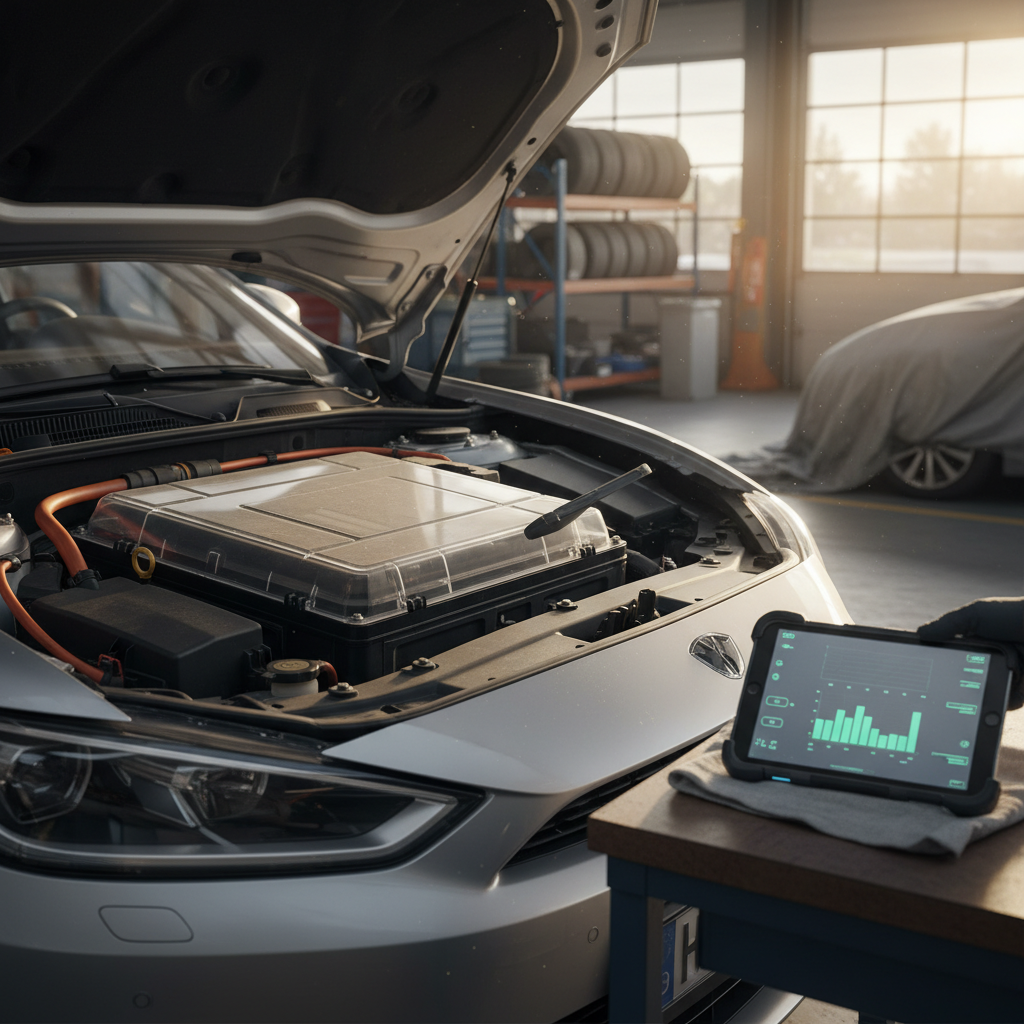
Why a Recharged battery report matters more than the original EPA sticker
Charging experience: Home and road trips
Charging is where the Tesla ecosystem still feels more seamless, especially if you drive long distances often. The iX can absolutely road‑trip, but you’ll rely on a patchwork of third‑party networks whose uptime and user experience vary.
Home and fast‑charging: How they stack up
Both will live on a Level 2 charger most days – road trips are where differences pop.
Home charging
- Model Y: 11.5 kW onboard charger on most trims; easily refills overnight on a 48‑amp home station.
- BMW iX: similar 11 kW AC capability, but a larger pack means slightly longer 0–100% sessions.
- Either way, plan on a professionally installed 240 V Level 2 charger if you own.
DC fast charging
- Model Y: strong Supercharger performance; many trims pull well over 200 kW at peak with good preconditioning.
- BMW iX: competitive peak rates, but real‑world sessions can be a bit less consistent, especially on older 150 kW public hardware.
- Pack size means the iX can absorb more energy per stop, but you’ll stand plugged in longer to reach a given state of charge.
Network and ease of use
- Tesla: Superchargers are tightly integrated with trip planning in the car and app.
- BMW iX: relies on networks like Electrify America, EVgo and others; coverage is improving but still more fragmented.
- Some non‑Tesla networks now support "plug and charge," but you’ll still juggle more apps than in a Tesla.
Public charging reality check
Space, comfort and luxury
Model Y: Practical and minimalist
- Space: Plenty of room for a small family, generous cargo area, optional small third row that’s best for kids or emergencies.
- Comfort: Supportive seats but firmer ride and more road noise than a traditional luxury SUV, especially on 20"+ wheels.
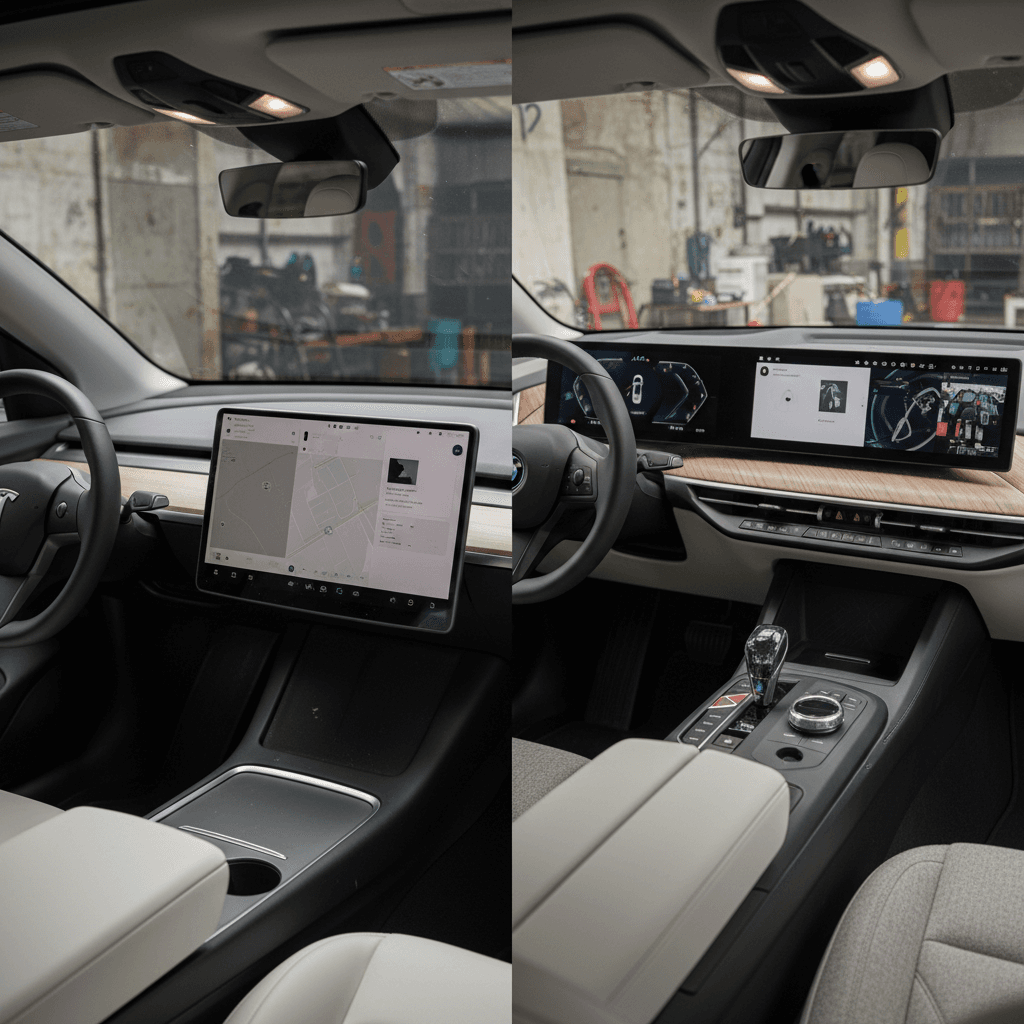
- Cabin feel: Clean, almost sparse design centered on a single touchscreen. Great if you like minimalism, off‑putting if you prefer knobs and buttons.
BMW iX: True luxury SUV ambiance
- Space: Wider, roomier and more substantial than a Model Y in all directions; lots of shoulder room for adults.
- Comfort: Softer ride, better noise isolation, and available seat features (massage, high‑grade leather, crystal controls) that feel properly upscale.
- Cabin feel: A lounge‑like interior with ambient lighting, textured materials and more traditional luxury cues – still dominated by screens, but warmer overall.
Who wins on comfort?
Tech, safety and driver assist
Both SUVs are packed with tech, but they express it differently. Tesla pushes software‑first innovation and frequent over‑the‑air updates. BMW leans on a richer set of physical controls, a more traditional luxury infotainment experience and a wide bench of active‑safety systems.
Tech and driver‑assist comparison
Make sure you understand what’s actually active on the specific used vehicle you’re considering.
Infotainment and UX
- Model Y: Single landscape touchscreen runs everything from HVAC to glovebox. Snappy, intuitive for many, but almost no physical backup controls.
- BMW iX: Curved dual‑screen setup with iDrive, a mix of touchscreen, rotary controller and buttons. More traditional but denser menus.
Driver‑assist and safety
- Tesla: Standard Autopilot on many used cars; some include Enhanced Autopilot or Full Self‑Driving software. Capability can change over time as Tesla updates policies.
- BMW iX: Advanced adaptive cruise, lane‑keeping, parking and surround‑view systems, often bundled in option packages. Features are more static but familiar to premium‑SUV shoppers.
Don’t overpay for software you don’t need
Reliability, battery health and depreciation
Long‑term reliability is still evolving for both vehicles, but patterns are emerging. The core electric drivetrains have generally held up well; the main difference is how each brand handles build quality, software and complex luxury hardware over time.
- Model Y reliability: Early build‑quality complaints (panel gaps, trim noise) have improved, but you should still inspect carefully. Mechanically, the powertrain has been robust for most owners.
- BMW iX reliability: Fewer vehicles on the road, but more complexity: air suspension, advanced driver aids, high‑end interior components. Out‑of‑warranty repairs on a large German luxury SUV are rarely cheap.
- Battery warranties: Both brands offer long high‑voltage battery warranties on original purchase; make sure the used vehicle you’re considering still sits within that coverage window.
- Depreciation: Because the iX starts from a much higher MSRP and sells in far lower volume, it tends to shed dollar value quickly, but percentage drops can look similar. The Model Y’s ubiquity supports a very liquid used market.
Use diagnostics, not guesswork
Ownership costs: Insurance, maintenance and energy
Even if you can afford either SUV upfront, the ongoing costs feel very different. Think of the Model Y as more like owning a well‑equipped mainstream crossover, and the iX as owning a six‑figure German luxury truck that just happens to be electric.
Where the money goes after you buy
Questions to ask yourself before choosing Model Y or iX
1. How predictable do I need my monthly costs to be?
If you’d rather avoid surprise four‑figure repair bills once the warranty ends, the simpler, more common Model Y is the safer play.
2. Will I use the luxury hardware every day?
If you’re mostly commuting solo, the iX’s crystal controls, massaging seats and panoramic glass roof may be nice‑to‑haves, not must‑haves.
3. What does insurance look like at my ZIP code?
Get quotes on specific VINs for both a Model Y and an iX before signing. The difference can easily be $50–$150 a month either way.
4. How long do I plan to keep the vehicle?
If you swap cars every three years, depreciation hits matter more than long‑term durability. If you’ll keep it 7+ years, reliability and parts cost eclipse short‑term price swings.
Which used EV SUV should you buy?
When you strip away branding and fan loyalty, the decision is fairly straightforward. A used Tesla Model Y is the pragmatic answer for most shoppers; the BMW iX is the emotional one for drivers who specifically want a large, cocoon‑like luxury EV and accept the costs that come with it.
Choose a used Tesla Model Y if…
- You want the best mix of value, range and charging convenience on today’s used EV market.
- You’re okay with a simpler, more minimalist cabin and a firmer ride.
- You like the idea of frequent over‑the‑air updates and a massive online owner community.
- You want an easier time finding parts, body shops and independent specialists as the car ages.
Choose a used BMW iX if…
- You prioritize quietness, ride comfort and upscale materials above everything else.
- You’re stepping out of something like a BMW X5, Audi Q7 or Mercedes GLE and don’t want to downsize.
- You’re comfortable with higher insurance, tire and potential repair costs – and you have a trusted BMW dealer or specialist nearby.
- You’re okay that charging on road trips may take more planning and patience than with a Tesla.
How Recharged can help you compare real cars, not just ideas
Ready to find your next EV?
Browse VehiclesFAQs: Used Tesla Model Y vs BMW iX in 2026
Frequently asked questions
A used Tesla Model Y and a used BMW iX can both be excellent electric SUVs in 2026 – they just solve different problems. If you want an efficient, relatively simple daily EV with bulletproof charging support and strong resale, the Model Y is hard to beat. If you’re ready to invest in a more indulgent, spacious luxury experience and are comfortable managing higher ownership costs, the iX delivers something the Tesla simply doesn’t try to be. Either way, pairing your search with transparent diagnostics, fair pricing and EV‑savvy guidance – the things Recharged was built to provide – turns a tough decision into an informed one.