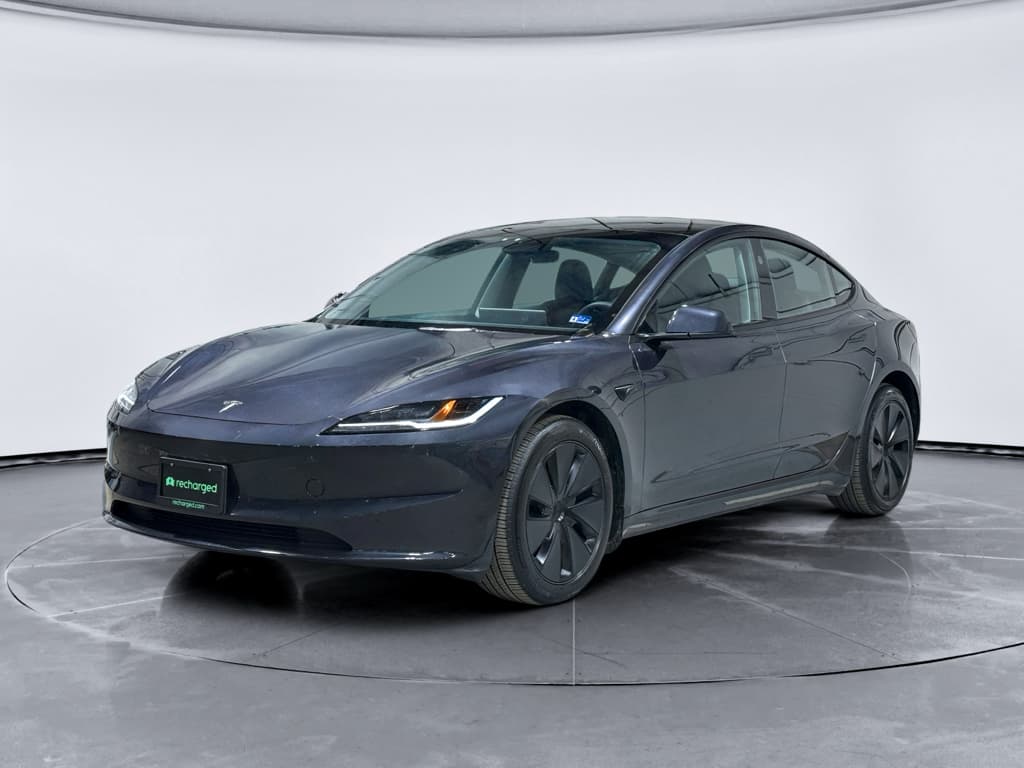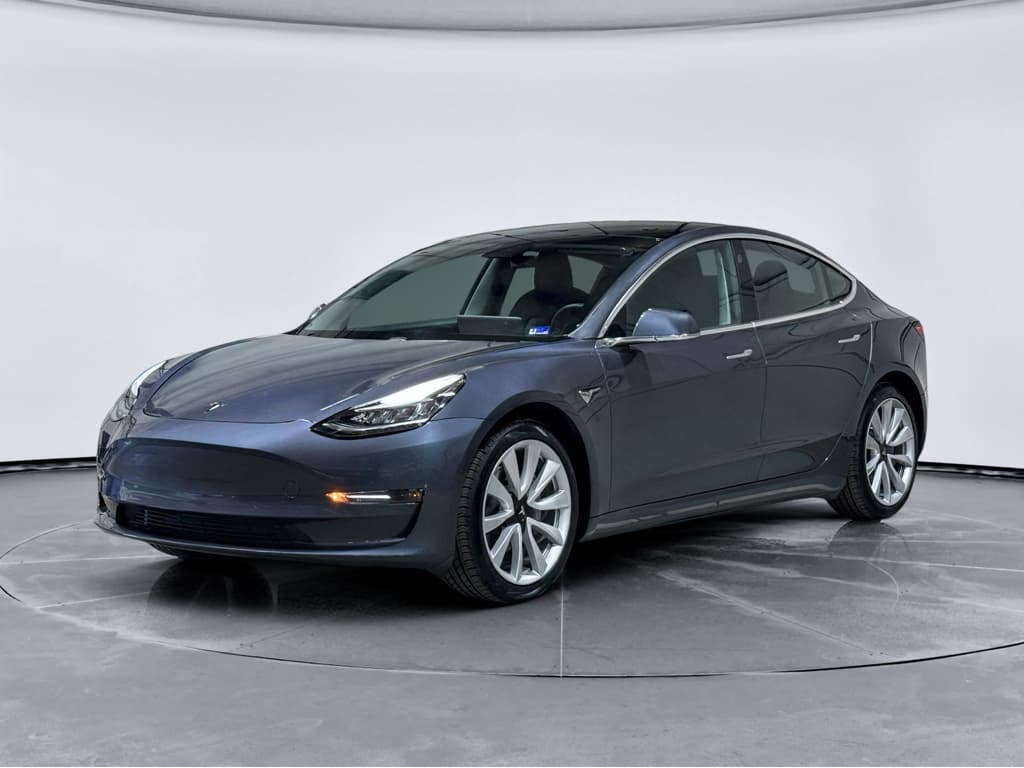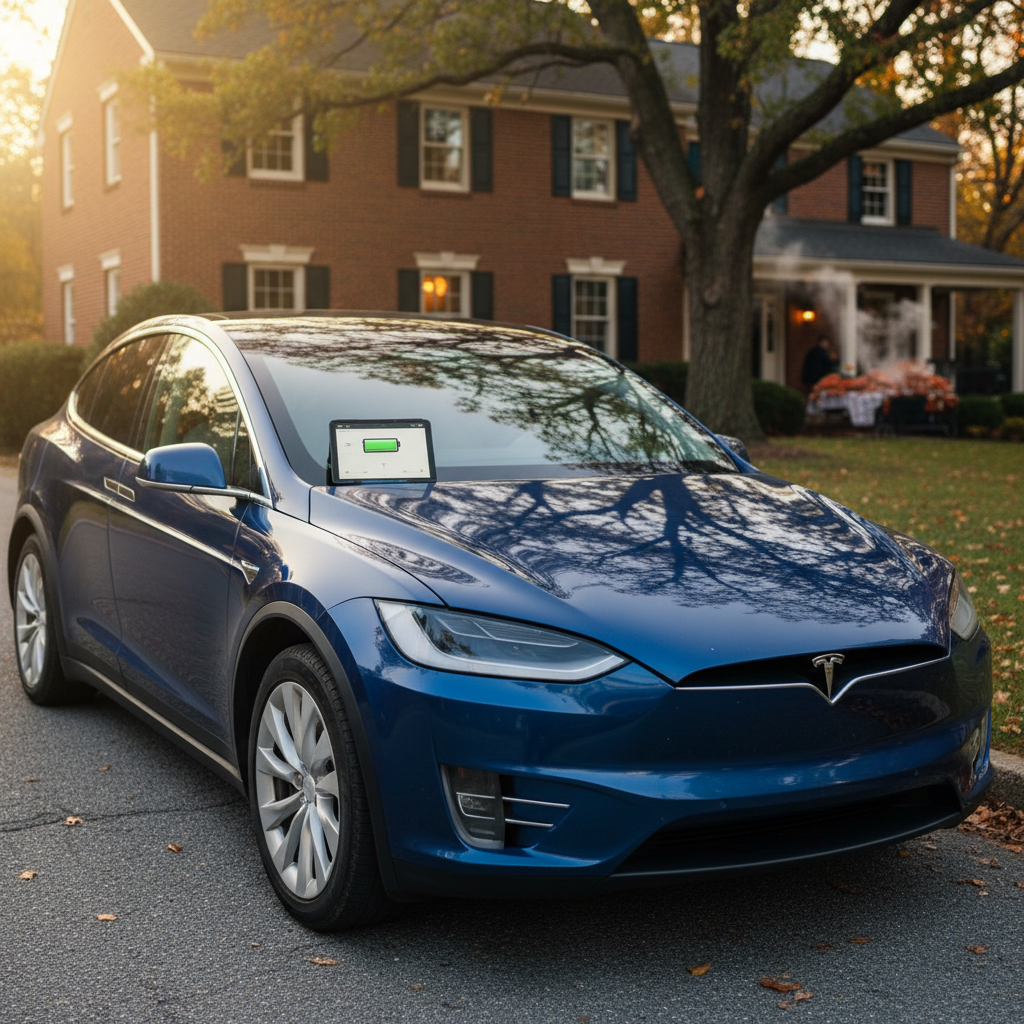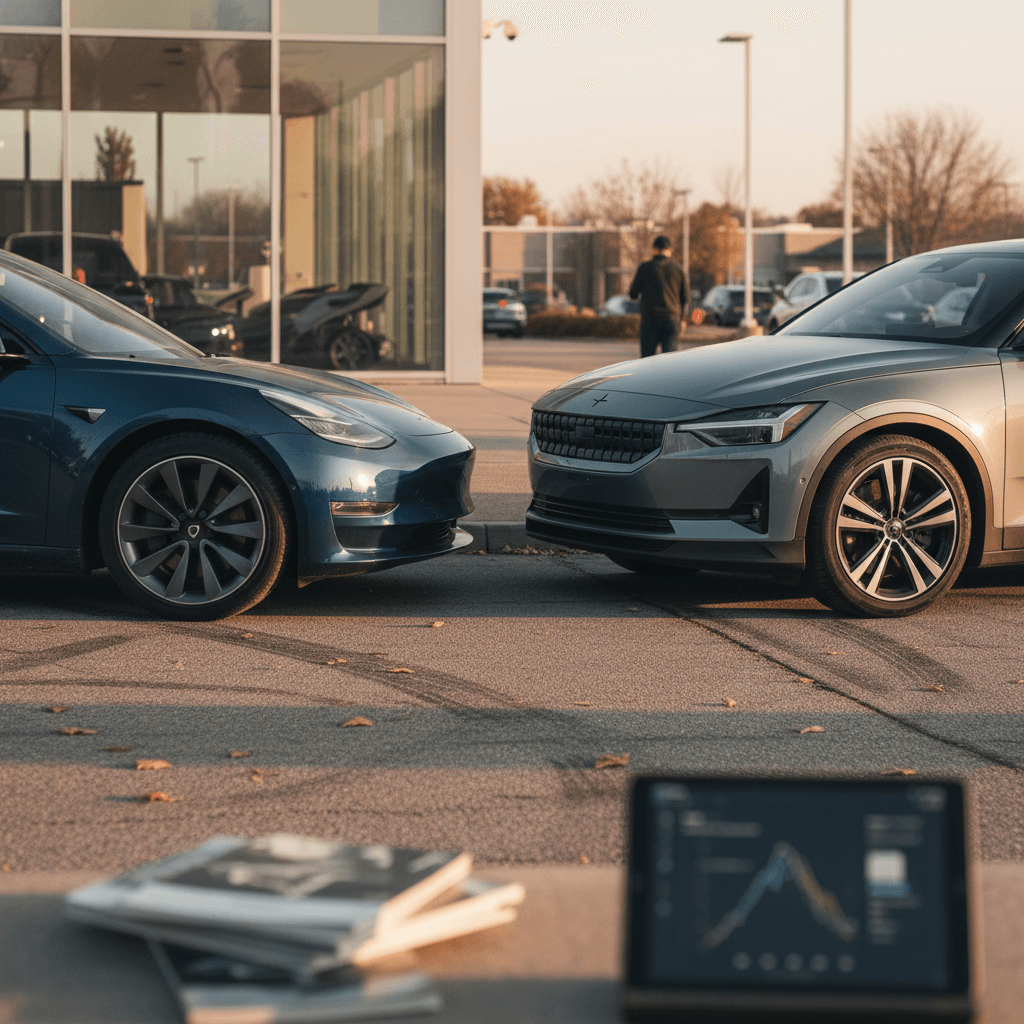
You can chart the whole EV decade in two cars. On one side, the Tesla Model 3: the default choice, phones-in-a-car, the Uber of Ubers. On the other, the Polestar 2: the design‑nerd’s alt‑rock answer, Swedish‑Chinese and stubbornly different. In 2026, when you’re shopping used, the real question isn’t "which is better", it’s which compromises you’re willing to live with every single day.
Context: what “used” means in 2026
Why this used Model 3 vs Polestar 2 comparison matters in 2026
In 2026, a used Tesla Model 3 or Polestar 2 will likely be your first serious step into EV ownership. Both now sit in that tasty “nice used sedan for the price of a new economy car” band. At the same time, the market has shifted under them: NACS has gone mainstream, non‑Tesla fast‑charging has improved (but unevenly), and used‑EV incentives in the U.S. can make one of these shockingly affordable if it qualifies.
- You’re cross‑shopping them because they fill the same role: compact premium electric hatchback/sedan with real range.
- On the used market, their sticker prices can overlap, but their total cost of ownership and day‑to‑day experience feel very different.
- The gap between Tesla’s charging advantage and everyone else’s network is shrinking, but it’s not gone, and it matters most on road trips.
Think like a used‑EV owner, not a spec‑sheet racer
Quick take: which used EV fits you?
Used Tesla Model 3 vs Polestar 2: at a glance
If you only read one section, make it this one.
Used Tesla Model 3 is better if…
- You road‑trip often and want effortless access to Superchargers with native NACS.
- You care more about range and efficiency than cabin character.
- You want the deepest public charging coverage and the most mature software/app ecosystem.
- You plan to resell in a few years and want the brand with proven resale liquidity.
Used Polestar 2 is better if…
- You want something that doesn’t look like every rideshare in town.
- You value a more traditional cockpit with physical controls and Android Automotive.
- You live near solid CCS/NACS infrastructure and mostly charge at home.
- You don’t mind trading a bit of charging convenience for design, build quality, and under‑the‑radar cool.
The short verdict
Price and depreciation: what your money buys in 2026
By 2026, both of these cars have done their big depreciation drop. What’s left is where brands reveal their true market power. Tesla has scale and name recognition; Polestar has rarity and, frankly, less shopper awareness. That shapes what you’ll pay.
Typical 2026 U.S. used pricing (illustrative)
Real asking prices vary by mileage, condition, options, incentives, and region, but this is the ballpark you’re likely to shop in.
| Model & year | Typical asking range | Original MSRP ballpark | Notable notes |
|---|---|---|---|
| 2021–2022 Tesla Model 3 RWD | $22,000–$28,000 | $40,000–$43,000 | High supply; many ex‑lease cars; strong value sweet spot. |
| 2023–2024 Tesla Model 3 RWD / Long Range | $27,000–$35,000 | $42,000–$50,000+ | Newer batteries, updated interior; commands a premium. |
| 2022–2023 Polestar 2 Single Motor | $24,000–$30,000 | ~$46,000+ with options | Lower brand awareness = more negotiation room. |
| 2024–2025 Polestar 2 Long Range Single / Dual Motor | $28,000–$36,000 | High‑40s to low‑50s | Newer battery hardware; may still be under strong warranty. |
Assumes clean title, roughly 25–45k miles, no major accidents. Use this as a directional guide, not a quote.
Depreciation reality check
Depreciation and value signals
If you prioritize bang‑for‑buck range and infrastructure, the used Model 3 usually wins on value. If you’re hunting for a design‑forward EV that feels special every morning, a gently used Polestar 2 can be the steal, because you’re not paying a Tesla tax on the badge.
Battery, range, and real‑world efficiency
On paper, both cars offer competitive range. In the real world, used‑EV ownership is about how much of that range is still there and how efficiently the car uses each kilowatt‑hour.
Headline range and battery specs (common U.S. trims)
Representative factory numbers; individual cars and climates will vary.
| Model / trim | Battery (gross) | EPA range when new (approx.) | Real‑world highway range, used |
|---|---|---|---|
| Model 3 RWD (LFP pack, 2022–2024) | ~60 kWh | 262–272 miles | 220–240 miles at 70 mph, depending on conditions. |
| Model 3 Long Range AWD (2021–2023) | ~75–82 kWh | 330–358 miles | 260–300 miles at 70 mph when new; shave 5–10% for age. |
| Polestar 2 Standard Range Single Motor (2024+) | ~70 kWh | High‑200s–low‑300s (trim dependent) | 220–250 miles at 70 mph in most owner reports. |
| Polestar 2 Long Range Single Motor (2024+) | ~82 kWh | Mid‑300s on paper | 260–290 miles at 70 mph, depending on wheel size and weather. |
| Polestar 2 Long Range Dual Motor | ~78–82 kWh | Mid‑200s–high‑200s | 200–240 miles at 70 mph; performance trim at the lower end. |
Focus on trim + battery pairings you’re likely to encounter on the used market in 2026.
Real‑world vs EPA: who cheats whom?
Battery chemistry also matters. Many newer Model 3 RWDs use LFP packs, which tolerate regular 100% charging with modest degradation, great for apartment dwellers who live on public chargers. Polestar 2 sticks with conventional NMC‑type cells that prefer living between roughly 10% and 80% for long‑term health.
How Recharged de‑risks battery questions
Charging speed and network access
This is where philosophy meets asphalt. Tesla plays both hardware maker and fuel‑station owner; Polestar lets third‑party networks do the heavy lifting. In 2026, non‑Tesla drivers have better access to Superchargers than ever, but it’s still not the same as owning a Tesla.
Charging: Model 3 vs Polestar 2 in 2026
Think about where you actually charge, not just peak kW numbers.
Tesla Model 3
- Connector: Native NACS in the U.S., no adapter juggling.
- Fast charging: Up to ~170–250 kW peak depending on pack; excellent curve and station reliability.
- Network: Full, seamless access to Tesla Superchargers; growing support for third‑party NACS sites.
- Home charging: Easy 32–48A Level 2 with Tesla or third‑party wallbox.
Polestar 2
- Connector: CCS today, with NACS access via adapter or future updates depending on model year.
- Fast charging: Common U.S. trims around 150–205 kW peak; real‑world sessions often constrained by station quality.
- Network: Reliant on Electrify America, EVgo, ChargePoint, and others; improving but inconsistent by region.
- Home charging: Same J1772/CCS ecosystem; no issue if you charge mostly at home.
Road‑trip reality for Polestar 2
If you’re a home‑charging commuter, both cars are effectively equal: plug into a 40‑ or 48‑amp Level 2 and wake up with a full battery. If you travel often, especially across rural interstates, the Tesla’s native integration with Superchargers remains the ace up its sleeve in 2026, even as NACS spreads to other brands.
Tech, UX, and driver assistance
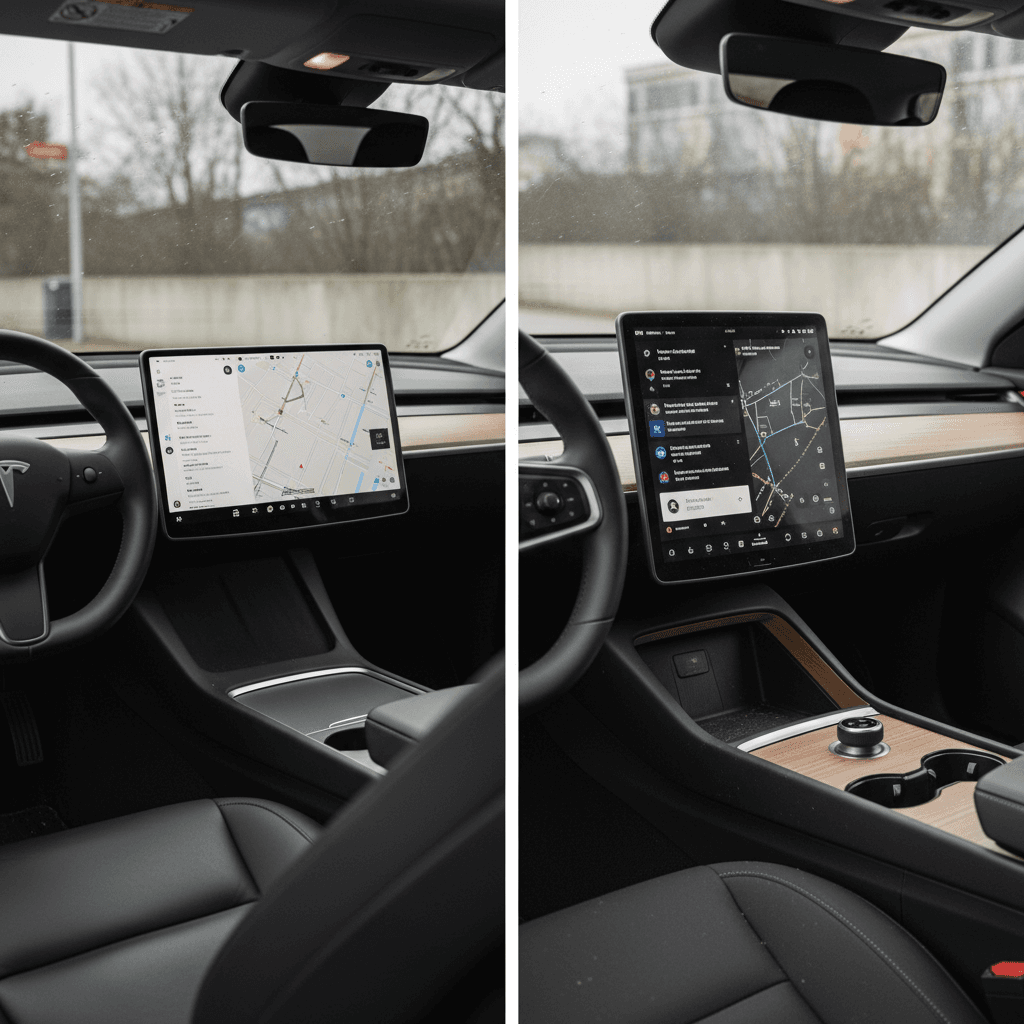
In the EV space, you’re not just buying a drivetrain; you’re signing up for a software relationship. Tesla treats the Model 3 like an iPad on wheels. Polestar 2 is more like a Google‑powered Volvo: calmer, more conventional, deliberately less showy.
Tesla Model 3: the screen is the car
- Single central landscape screen controls nearly everything, mirrors, vents, wipers, glovebox.
- Clean, airy aesthetic with very few buttons; some love it, some miss a traditional cluster.
- Software updates add features regularly, though pace has slowed versus the early years.
- Autopilot / FSD options range from basic lane‑keeping to expensive driver‑assist bundles whose value depends on your tolerance for beta behavior.
Polestar 2: Scandinavian calm, Google brains
- Portrait‑oriented center screen with a separate digital driver display, much less polarizing.
- Android Automotive OS with native Google Maps, Assistant, and apps; works brilliantly if you live in Google’s ecosystem.
- Physical controls for key functions; less menu diving when you just want to adjust climate.
- Pilot Assist and safety tech feel more "Volvo conservative" than tech‑demo; fewer party tricks, more stability.
App experience matters, too
Comfort, practicality, and driving feel
On the road, these cars speak different dialects of the same language. Both are quick, quiet, and more comfortable than a comparable gas sedan, but their personalities diverge.
How they drive and live with you
Ride & comfort
Model 3: Firm, sometimes busy over broken pavement, especially on larger wheels.
Polestar 2: Still firm but more Germanic; feels denser, with better bump isolation in many trims.
Space & practicality
Both offer hatchback‑like practicality with folding rear seats.
- Model 3: slightly roomier rear seat, huge trunk + frunk.
- Polestar 2: slightly tighter back seat, but a proper hatch makes cargo loading easier.
Character
Model 3: Light, eager, almost hyper; steering is quick, sometimes too quick.
Polestar 2: Heavier, more planted; feels like an electric Volvo that went to design school in Milan.
Test‑drive homework
Reliability, service, and ownership hassles
Neither brand is Lexus. Tesla has the advantage of scale and a longer track record; Polestar has Volvo DNA but a smaller, more thinly spread service network. In the used space, that matters when something breaks that can’t be fixed with a software reboot.
- Tesla Model 3: A large owner base, mobile service, and lots of independent shops mean most issues have well‑traveled solutions. Fit and finish can be hit‑or‑miss on early cars, but drivetrains have generally been solid.
- Polestar 2: Owner reports skew positive on driving‑related reliability, with most complaints centering on infotainment bugs and parts delays. When something specialized fails, you may be waiting for a component to travel halfway across the world.
Service‑network check before you buy
This is another area where Recharged’s model helps. We surface condition reports, accident history, and battery diagnostics up front, and our EV‑specialist advisors can walk you through what’s normal wear and what’s a potential red flag on a specific Model 3 or Polestar 2.
Insurance costs and resale outlook
Insurance on both cars tends to run higher than mainstream compact sedans, they’re quick, expensive to repair, and packed with sensors. That said, insurers understand Tesla data better, and the sheer number of Model 3s on the road gives underwriters a thicker actuarial file than Polestar’s niche volumes.
- Insurance: Expect broadly similar quotes, but your zip code, driving record, and local repair network will swing things more than the badge. In some markets, Polestar’s lower theft and crash statistics can actually help.
- Resale in 3–5 years: A used Model 3 you buy in 2026 will be swimming in a very crowded pool by 2030, but there will also be more buyers who specifically want "a cheap Tesla." A Polestar 2 may depreciate a bit more quietly, but its rarity can make it harder to price and sell quickly.
Play the total‑cost game
How Recharged helps you buy a used Model 3 or Polestar 2
Shopping used EVs shouldn’t feel like detective work. Recharged was built specifically for this moment: a used‑EV marketplace where a Model 3 and a Polestar 2 can sit side by side, apples‑to‑apples, with the data that actually matters.
What you get when you shop either car on Recharged
Recharged Score Report
Flexible ways to buy or sell
Nationwide EV logistics
Ready to find your next EV?
Browse VehiclesYou work with EV‑specialist support from start to finish, so you’re not explaining the difference between kW and kWh to a salesperson who’d rather be talking about chrome wheels.
Checklist: should you buy a used Model 3 or Polestar 2?
Try this 8‑point gut‑check
1. How often do you road‑trip?
If you’re on the highway for 200+ mile stints several times a year, the Tesla’s Supercharger advantage is hard to ignore. Infrequent road‑trippers with good CCS coverage can comfortably choose the Polestar 2.
2. Where will you charge most?
Home garage or dedicated workplace Level 2 means either car will feel easy to live with. Heavy reliance on public DC fast charging tilts the board toward the Model 3 today.
3. Do you want minimalism or a "normal" cockpit?
If a central tablet‑only layout thrills you, you’re Tesla‑shaped. If you want a driver display and physical controls, the Polestar 2 will feel more natural.
4. How far is the nearest service center?
Map Tesla and Polestar service options near you. If the closest Polestar facility is hours away, that’s not a detail, that’s your future Saturday.
5. What does your insurance quote say?
Get real numbers for your zip code on both VINs you’re considering. Theory is nice; premiums are real.
6. Are you eligible for used‑EV incentives?
Some U.S. buyers can stack federal and local incentives on qualifying used EVs. Check which specific years and trims of Model 3 or Polestar 2 qualify before you decide.
7. What does the battery health report show?
Walk away from any used EV that won’t share concrete battery data. With Recharged listings, the Recharged Score Report makes this transparent upfront.
8. Which one makes you turn around in the parking lot?
You’re going to see this car every day. If you keep looking back at the Polestar 2, or the Tesla, that emotional pull matters more than a few percentage points of efficiency.
FAQ: used Tesla Model 3 vs Polestar 2
Frequently asked questions
Bottom line: picking the right used EV for you
If your life is measured in interstate exits, the used Tesla Model 3 is still the pragmatic hero of 2026: efficient, widely understood, trivially easy to charge across the country, and supported by a deep ecosystem of service and third‑party tools. If your driving is mostly local and your heart wants something a little rarer and more architected, the Polestar 2 quietly makes the stronger emotional argument, especially when you find one that’s been babied and priced to move.
Either way, don’t buy the brochure. Buy the specific car in front of you: its battery health, its service history, its price relative to the market. That’s where Recharged earns its keep, surfacing the right data, offering transparent pricing, and backing it up with EV‑literate support. Do that, and you won’t just win the Model 3 vs Polestar 2 debate, you’ll end up with an electric car that fits your life in a way a spec sheet never could.