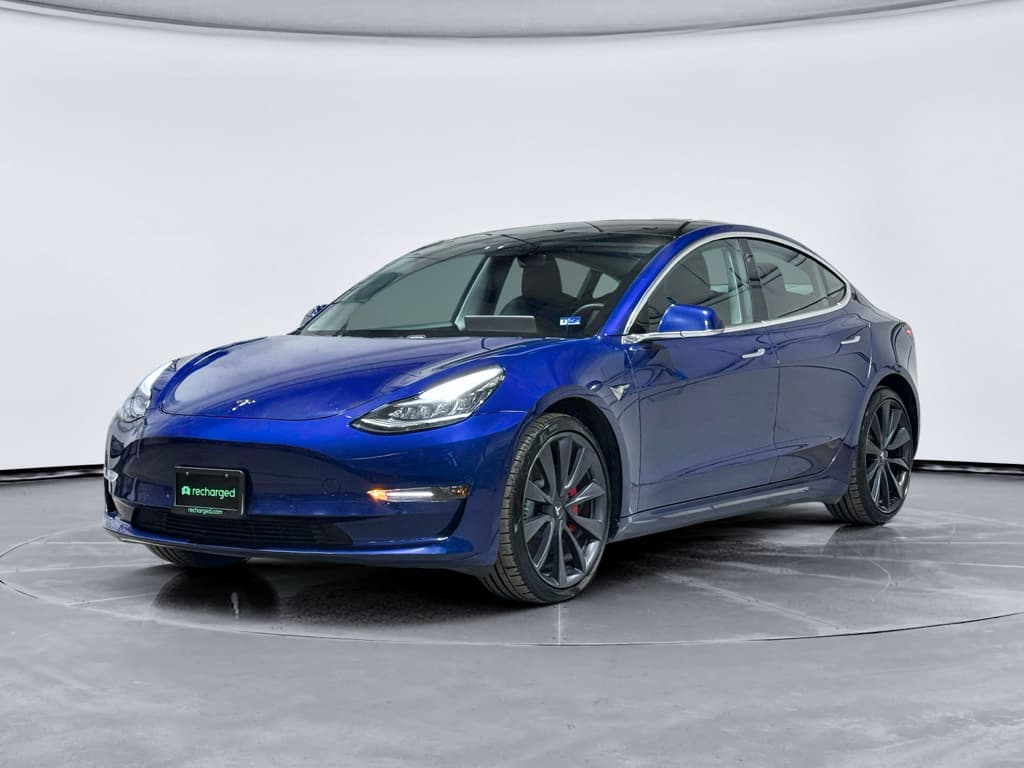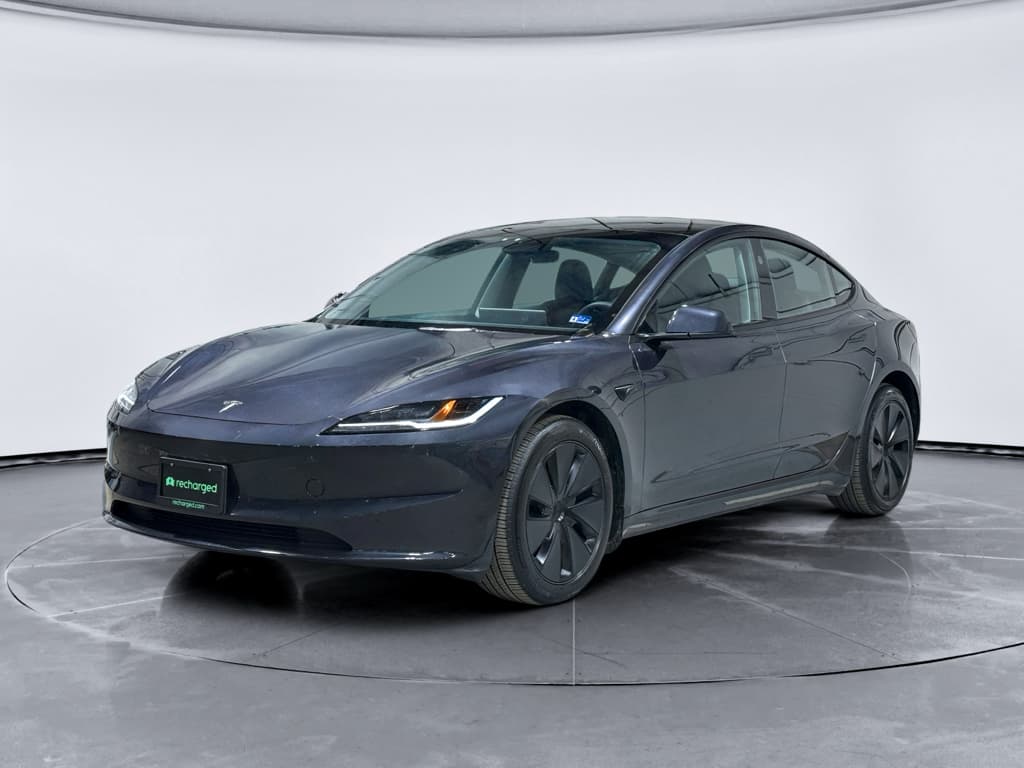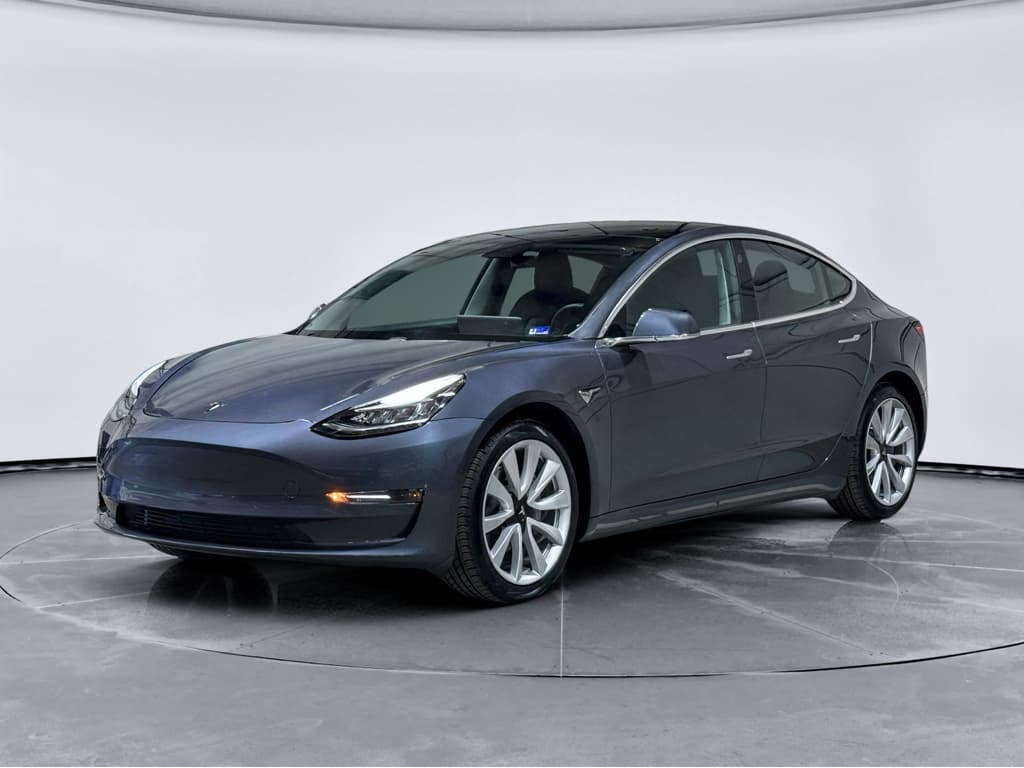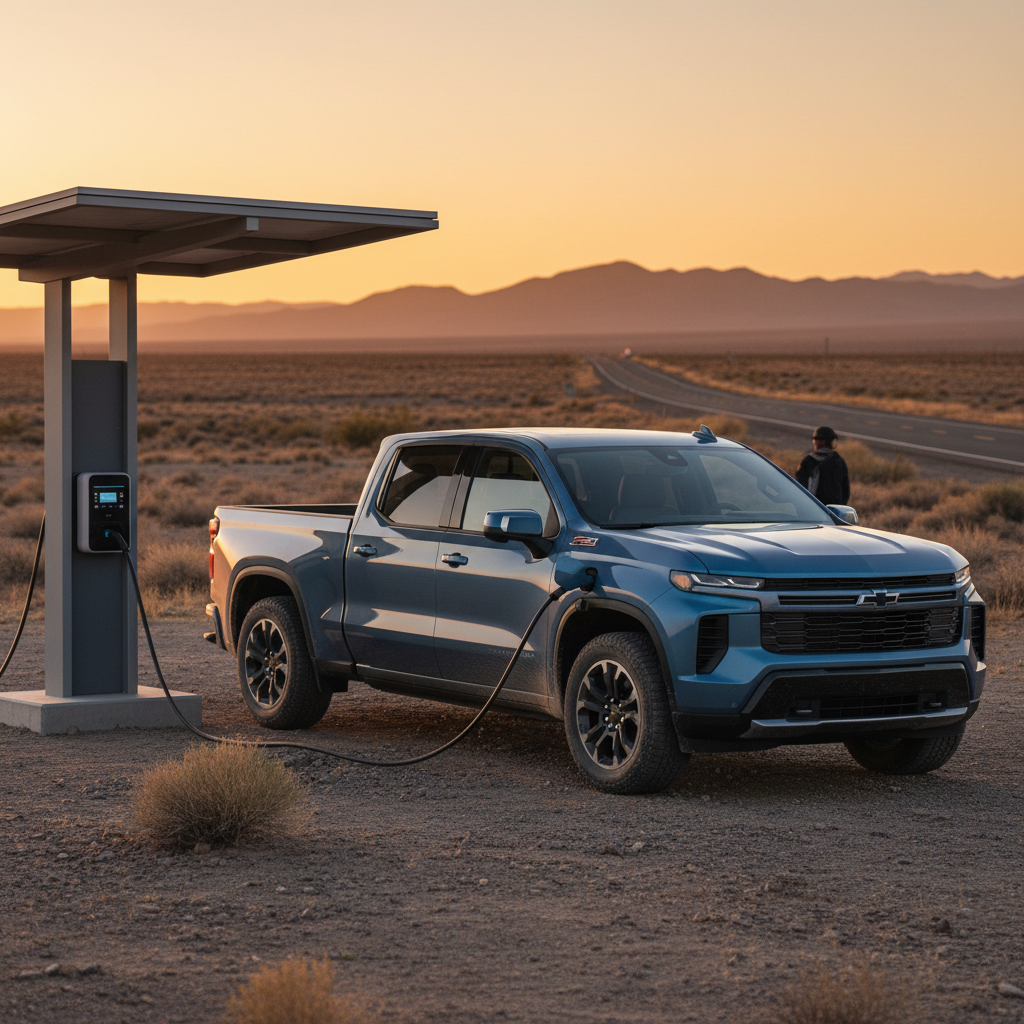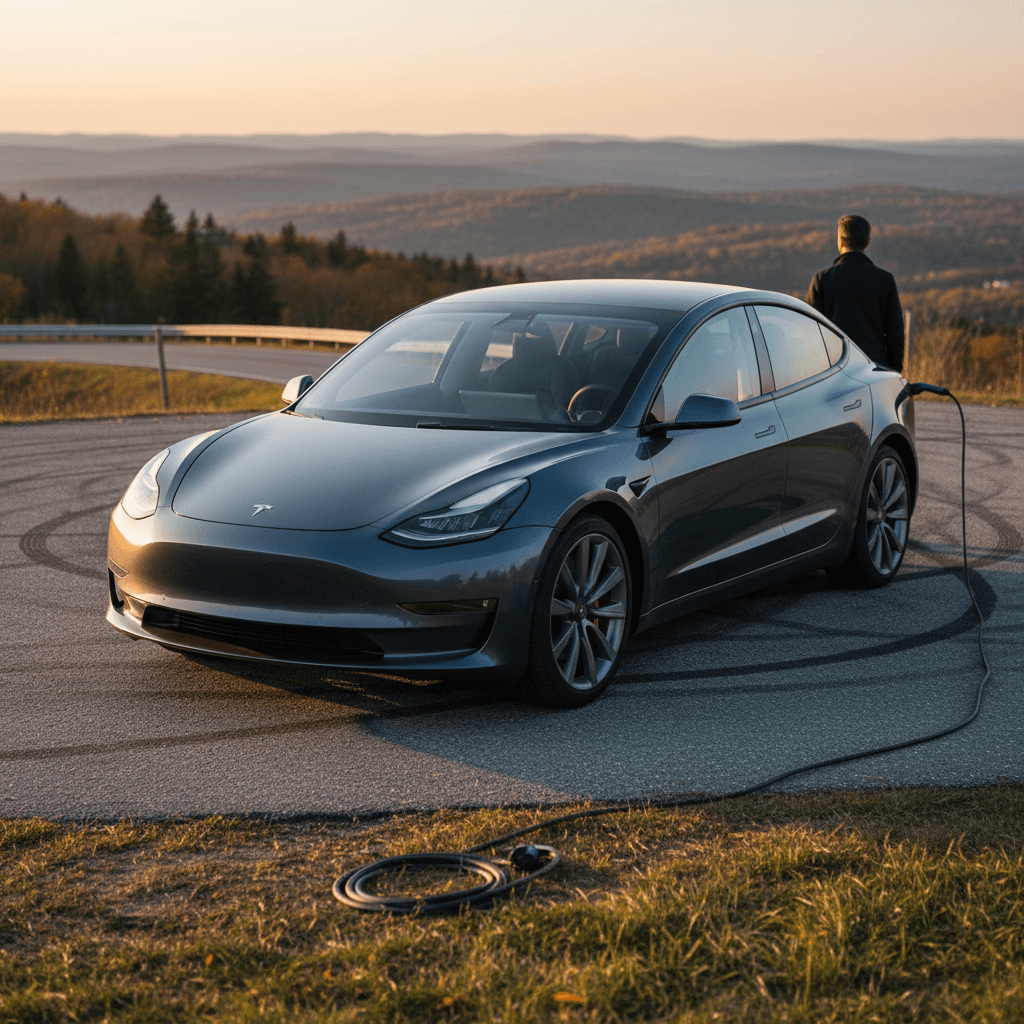
Shopping for a sleek used EV sedan and torn between a used Tesla Model 3 and a used Hyundai IONIQ 6? You’re not alone. Both cars deliver strong range, fast charging and eye‑catching design, but they behave very differently when you factor in battery health, depreciation, charging access and long‑term ownership costs.
Two great cars, very different stories
Overview: Used Tesla Model 3 vs Hyundai IONIQ 6
At a high level, the used Model 3 is the more common, better‑known choice with broad trim and price variety. The used IONIQ 6 is a newer entrant, focused on comfort, efficiency and a traditional dealer experience. If you care most about tech and the charging ecosystem, Tesla still has an edge. If you prioritize warranty coverage, interior comfort and conventional service, Hyundai makes a compelling case.
Who each car tends to suit
Lean Tesla if you’re tech‑heavy, Hyundai if you’re comfort‑first
Used Tesla Model 3 buyer
- Wants the Supercharger network and tight Tesla ecosystem.
- Prefers minimalist interior and big center screen over buttons.
- OK with firmer ride and more road noise.
- Lives near Tesla service or has independent EV shops nearby.
Used Hyundai IONIQ 6 buyer
- Wants a softer ride and quieter cabin.
- Prefers physical controls and Apple CarPlay/Android Auto.
- Values Hyundai’s long battery and powertrain warranty.
- Wants to stay within a traditional dealer and service network.
Quick specs comparison: range, charging, warranty
Core specs: popular trims you’ll see used
Approximate specs for common U.S. trims that show up frequently on the used market. Always confirm exact figures by VIN for a specific car.
| Model (popular used trims) | Battery (usable kWh) | EPA range when new (mi) | Max DC fast charge | Drivetrain |
|---|---|---|---|---|
| Tesla Model 3 RWD (2023–24 "Highland") | ~60 kWh | ~272 mi | Up to 170 kW | RWD |
| Tesla Model 3 Long Range AWD (2021–24) | ~75–82 kWh | ~333–358 mi | Up to 250 kW | AWD |
| Tesla Model 3 Performance AWD (2021–24) | ~75–82 kWh | ~296–315 mi | Up to 250 kW | AWD |
| Hyundai IONIQ 6 SE Standard Range RWD | ~54 kWh | ~240 mi | Up to 235–240 kW (800V) | RWD |
| Hyundai IONIQ 6 SE/SEL/Limited Long Range RWD | ~77 kWh | ~305–361 mi (trim‑dependent) | Up to 235–240 kW (800V) | RWD |
| Hyundai IONIQ 6 AWD (Long Range) | ~77 kWh | ~270–320 mi (trim‑dependent) | Up to 235–240 kW (800V) | AWD |
Real‑world range is typically lower than official ratings and varies with climate, speed and driving style.
Factory warranty snapshot (new, carries into used ownership)
Why this matters for used buyers
Used pricing and value: what your money buys
Because the Tesla Model 3 has been on sale since 2017, the used market is deep and varied, older high‑milers sit next to nearly new inventory with only a few thousand miles. The Hyundai IONIQ 6 landed in the U.S. for the 2023 model year, so your options skew newer and pricier, but they often include more remaining warranty.
Typical used Tesla Model 3 pricing
- Wide spread: from high‑teens for early Standard Range cars up into the $40,000s for late‑model Performance and Long Range AWD.
- Price volatility: Tesla’s frequent new‑car price cuts and incentives have pushed used values down, especially for 2021–23 cars.
- Plenty of choice: more colors, wheels and software options (Acceleration Boost, FSD) floating around the used market.
Typical used Hyundai IONIQ 6 pricing
- Most used examples today are 2023–24 cars, often still in the $30,000s–$40,000s depending on trim and mileage.
- Fewer bargain‑basement options because the car is newer and volumes are lower.
- More likely to be one‑owner, off‑lease or CPO units with dealer service records.
Watch the incentive math
On a pure “dollars for miles of range” basis, a used Model 3, especially a Long Range AWD, often delivers more range per dollar than a similar‑priced IONIQ 6 simply because there are more cars and more competition on price. But the Hyundai can claw back value through warranty coverage and features that might cost extra in the Tesla ecosystem.
Range, efficiency and battery health on the used market
When new, the Tesla Model 3 and Hyundai IONIQ 6 are neck‑and‑neck on official efficiency and range. In the real world, most drivers see 5–20% less than EPA numbers depending on speed, temperature and driving habits. For used shoppers, the more important question is how much usable range remains after a few years and tens of thousands of miles.
Range and efficiency highlights
How the cars behave once they’re a few years old
Tesla Model 3
- Long Range trims can still deliver well over 250 miles in mixed driving even with modest degradation.
- Excellent efficiency on highways; owners often report better long‑trip range than rivals at similar battery sizes.
- Battery chemistry varies by year/trim (LFP vs NMC), which affects how you should charge and store the car.
Hyundai IONIQ 6
- Aerodynamic body and 800V platform make it one of the most efficient sedans you can buy.
- Long Range RWD trims comfortably support 260+ miles realistic highway range if driven sensibly.
- Limited long‑term data so far because the model is newer, but Hyundai’s EV packs have generally aged well.
Battery health reality
- Most modern EV packs lose capacity slowly after an initial 5–10% drop in the first few years.
- Fast‑charge‑heavy usage, extreme heat and repeated 0–100% cycles can accelerate degradation.
- On a used buy, actual battery health beats any spec sheet number.
How Recharged handles battery health
Charging speed and network access
Both cars charge quickly when you find a high‑power DC fast charger, but the user experience and infrastructure story is different. Tesla built the Model 3 tightly around its Supercharger network. Hyundai designed the IONIQ 6 for the broader CCS/now‑NACS ecosystem, with ultra‑fast 800‑volt hardware that shines on compatible stations.
Used Tesla Model 3 charging experience
- Network: Direct access to the Tesla Supercharger network, still the most reliable and widely distributed high‑speed network in North America.
- Speed: Up to 250 kW DC on many Long Range and Performance cars; 10–80% sessions in the ~25–30 minute window when conditions are right.
- Ease of use: Plug‑and‑charge, billing through your Tesla account; navigation integrates charger routing and real‑time stall status.
- Public CCS: With an adapter, many owners also use CCS stations, broadening options further.
Used Hyundai IONIQ 6 charging experience
- Network: Primarily CCS today, but Hyundai is adopting Tesla’s NACS standard. Later builds and future software updates will increasingly support Tesla fast charging with the right hardware and adapters.
- Speed: 800V architecture enables very fast 10–80% sessions, often ~18–20 minutes on a ~235–240 kW DC charger.
- Apps & payment: You’ll juggle Electrify America, ChargePoint and others unless you use an aggregator app. Not as seamless as Tesla’s single‑app approach.
Plan around your real charging pattern
Tech, interior and driving experience
Behind the wheel, the Model 3 and IONIQ 6 feel like they were built for different buyers. Tesla leans into a minimalist, tech‑centric cockpit and sharp handling. Hyundai leans into comfort, usability and a more conventional luxury‑car feel.
How they feel to live with
Daily usability matters more than 0–60 times for most used‑EV shoppers
Performance & handling
- Model 3: Quicker steering, firmer suspension, especially on 19–20" wheels. Performance trims are genuinely fast sports sedans.
- IONIQ 6: Still brisk, especially in AWD, but tuned more for smoothness than track days.
Ride & comfort
- Model 3: Can feel busy over rough pavement; road noise is noticeable on older models.
- IONIQ 6: Softer ride, quieter cabin and more traditional seating comfort; rear seat space is better for adults.
Interior tech
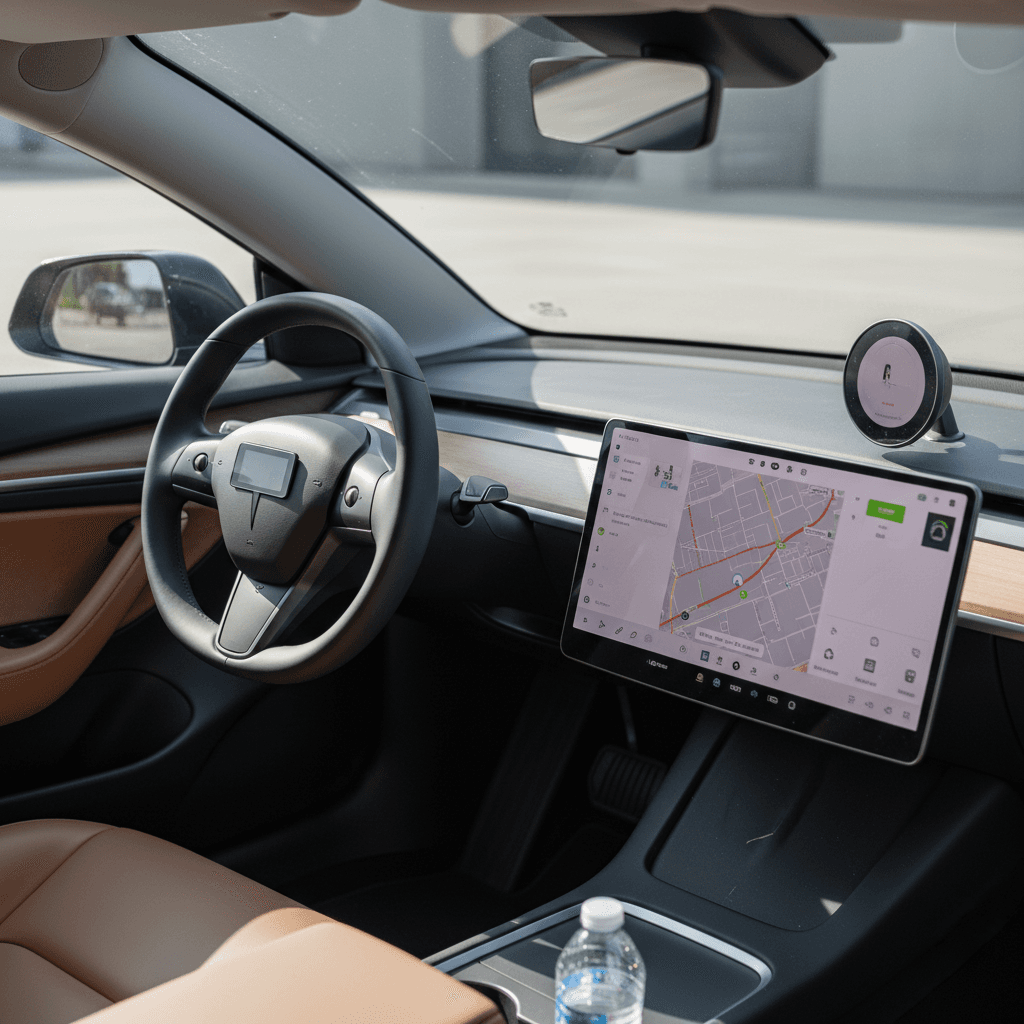
- Model 3: Giant center screen, frequent over‑the‑air updates, Tesla‑native navigation and apps. No native CarPlay/Android Auto.
- IONIQ 6: Dual 12.3" displays, physical buttons for key functions, and standard Apple CarPlay and Android Auto on most U.S. trims.
“For many used‑EV shoppers, the question isn’t which car is quicker, it’s which one they’ll actually enjoy commuting in every day for the next five years.”
Where Recharged helps on the subjective stuff
Ready to find your next EV?
Browse VehiclesWarranty, repair costs and reliability
New, both cars are backed by strong warranties, but the details matter on a used purchase. Many buyers overlook the basic (bumper‑to‑bumper) coverage and focus only on the battery, which is a mistake, screens, sensors and trim can also get costly outside warranty.
Warranty snapshot for used buyers (U.S.)
Always verify by VIN and in‑service date, this table is a general guide, not a guarantee for any individual car.
| Tesla Model 3 | Hyundai IONIQ 6 | |
|---|---|---|
| Basic (bumper‑to‑bumper) | Typically 4 yrs / 50,000 mi from in‑service date | Typically 5 yrs / 60,000 mi from in‑service date |
| Powertrain | Often paired with battery/drive unit coverage | Generally 10 yrs / 100,000 mi on EV powertrain |
| High‑voltage battery | About 8 yrs / 100,000–120,000 mi depending on trim, with minimum capacity guarantee | About 10 yrs / 100,000 mi on EV battery pack |
| Dealer/service ecosystem | Tesla‑run service centers plus some third‑party EV shops | Large Hyundai dealer network; more options for local service in smaller markets |
Battery warranties are long, but basic coverage may expire in as little as 4–5 years from the original sale date.
Don’t assume all repairs cost the same
Reliability data is still emerging for the IONIQ 6, but Hyundai’s recent EVs have generally scored well on drivetrain durability. Tesla’s Model 3 has a longer track record: the powertrain tends to be robust, but owners report more issues with trim, rattles and infotainment quirks than you’d see in a typical mainstream sedan.
Resale value and future‑proofing
Resale is a moving target in 2026. Used EV prices have been correcting from 2021–22 highs, and Tesla has been at the center of that shift. Aggressive new‑car price cuts and a big population of used Model 3s have dragged prices down, but also made the Model 3 more affordable as a used buy.
How each car is likely to hold up
Depreciation, brand momentum and charging standards all play a role
Tesla Model 3 resale trends
- Historically strong resale, but the last couple of years have seen sharper drops as more used inventory hits the market.
- Still benefits from name recognition and the Supercharger network, features many used‑EV buyers are willing to pay for.
- Software‑based features (like Acceleration Boost) can help a particular car stand out if appropriately priced.
Hyundai IONIQ 6 resale outlook
- Too new for long‑term data, but Hyundai’s long warranties help second and third owners feel protected.
- Lower production volumes could support values if demand stays solid, but limited brand recognition in EV sedans is a wild card.
- Adoption of Tesla’s NACS plug should improve charging convenience and support long‑term desirability.
Future‑proofing your used EV purchase
Which used EV sedan fits you best?
If you zoom out from the spec sheets, the choice between a used Tesla Model 3 and a used Hyundai IONIQ 6 usually boils down to how you drive, where you live and how you feel about tech versus comfort.
Choose a used Tesla Model 3 if…
- You road‑trip often and want the simplest fast‑charging experience in North America.
- You value cutting‑edge software, frequent updates and advanced driver‑assist systems.
- You’re comfortable with a firmer ride and a minimalist interior.
- You have convenient access to Tesla service, or trusted independent EV shops.
- You want maximum choice in trims, colors and price points on the used market.
Choose a used Hyundai IONIQ 6 if…
- You care more about a quiet, comfortable commute than raw acceleration.
- You want long warranty coverage remaining on the battery and powertrain.
- You prefer physical controls and seamless Apple CarPlay/Android Auto.
- You’d rather work with a traditional dealer/service network.
- You mostly charge at home but like the idea of ultra‑fast 800V charging on trips.
Let Recharged do the heavy lifting
Buying checklist: used Tesla Model 3 vs Hyundai IONIQ 6
Key steps before you sign for either car
1. Confirm exact trim and battery
Use the VIN and build sheet to verify whether you’re looking at a Standard/Standard Range, Long Range or Performance Model 3, or SE Standard Range vs Long Range IONIQ 6. Battery size and motor count dramatically affect range and value.
2. Check remaining factory warranty
Ask for the in‑service date and do the math on remaining basic, powertrain and battery coverage. A 3‑year‑old IONIQ 6 may still have a long runway of factory protection compared with an older Model 3.
3. Get a real battery‑health read
Don’t rely only on the dash‑estimated range. At Recharged, the Recharged Score Report gives you pack health in context, based on diagnostics and market data for similar EVs.
4. Look at fast‑charging history
If possible, review charging logs or ask for owner habits. A car fast‑charged aggressively every day might show more degradation than one that mostly lived on Level 2 home charging.
5. Inspect tires, brakes and suspension
EVs are heavy and torquey. Test drive over rough pavement and listen for clunks or rattles. Budget for tires sooner if you’re buying a Performance Model 3 or AWD IONIQ 6 with sticky rubber.
6. Test the tech you’ll actually use
Pair your phone, run navigation and try driver‑assist features. Make sure you’re comfortable with Tesla’s screen‑only layout or Hyundai’s mix of screens and physical controls before committing.
7. Compare total cost of ownership
Look beyond the sticker. Include insurance, realistic energy costs, any needed home‑charging upgrades and likely depreciation. A slightly higher purchase price can be worth it if the car holds value better or comes with more warranty.
FAQ: Used Tesla Model 3 vs Hyundai IONIQ 6
Frequently asked questions
Both the used Tesla Model 3 and used Hyundai IONIQ 6 are excellent electric sedans, but they solve slightly different problems. The Model 3 leans into tech, performance and charging ecosystem; the IONIQ 6 leans into comfort, warranty and traditional ownership. If you match the car to your real driving and charging habits, and back it up with a solid battery‑health report, you’re far more likely to be happy with your choice five years from now. That’s exactly the gap Recharged is built to fill.