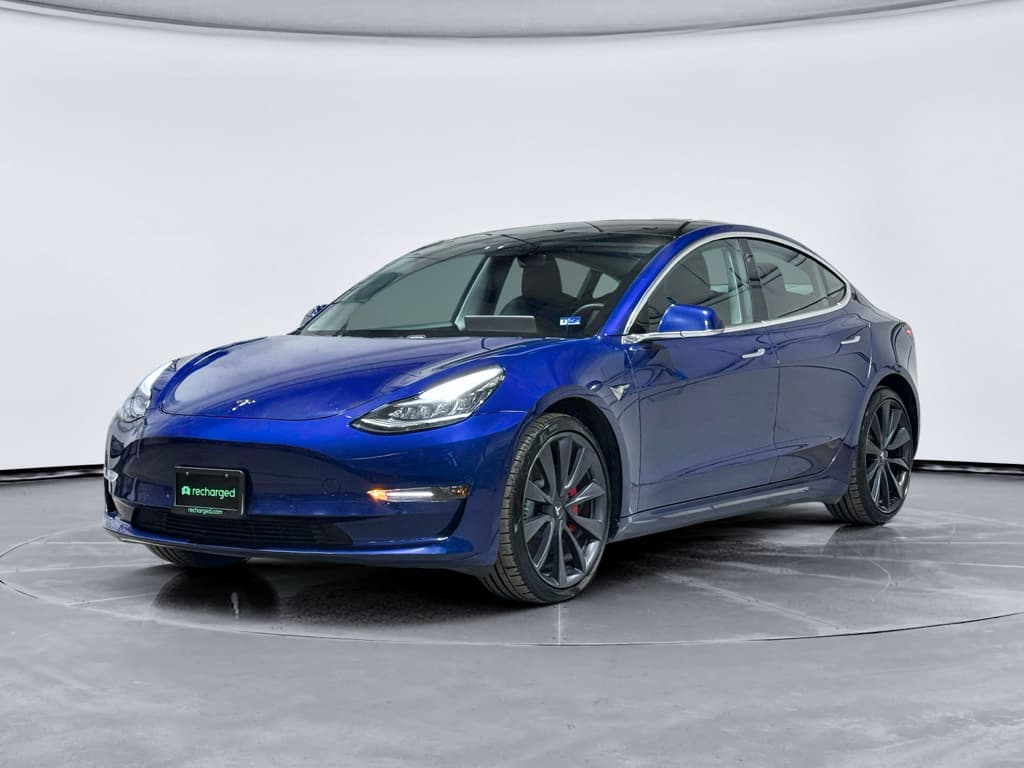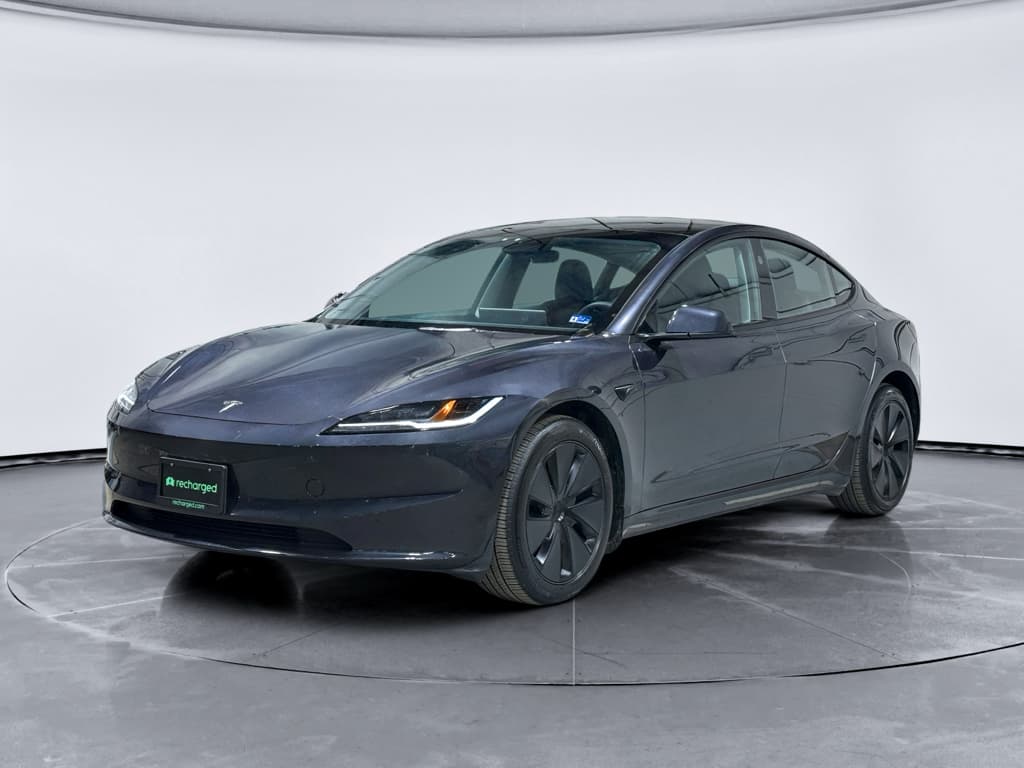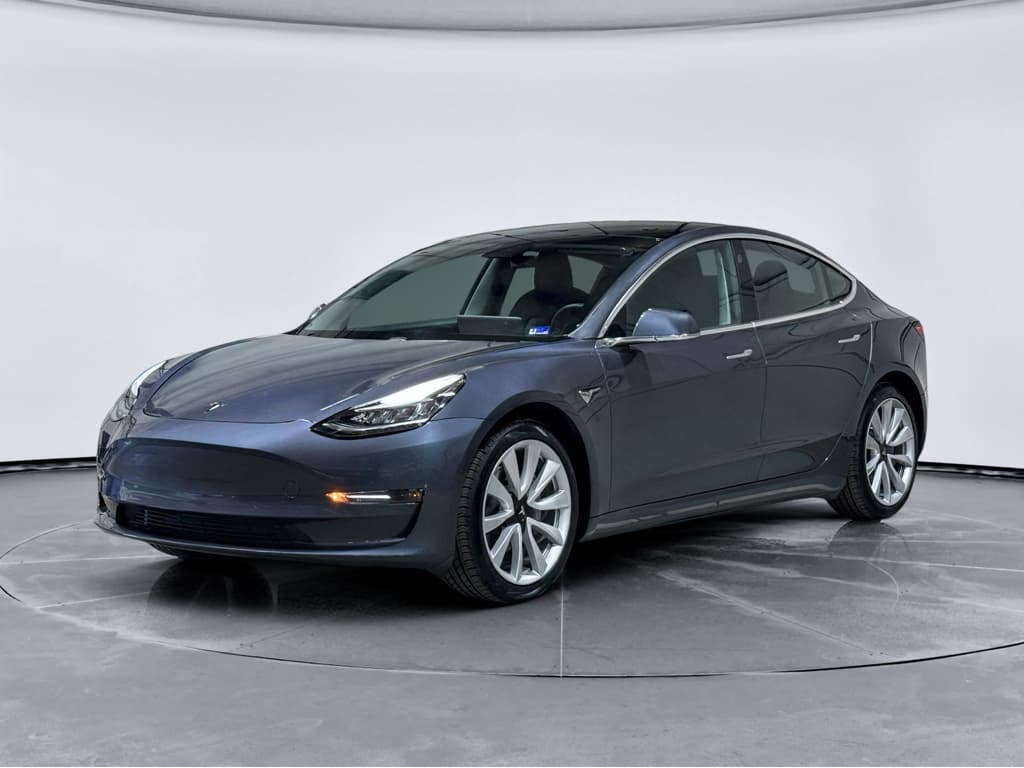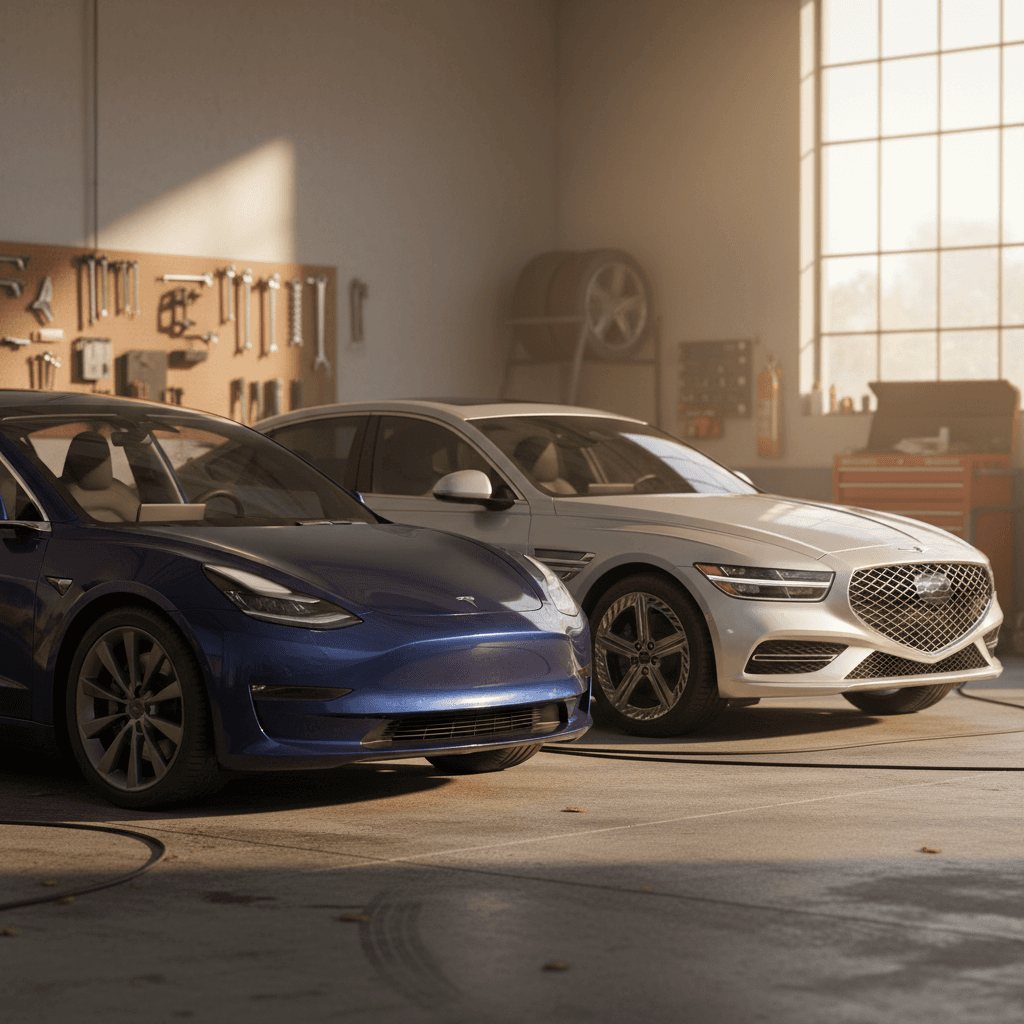
If you’re shopping the used EV market in 2026, a **used Tesla Model 3 vs Genesis Electrified G80** comparison pits the segment’s volume leader against one of its rarest luxury sedans. Both deliver strong range and smooth electric torque, but they target very different buyers, and the used market treats them very differently.
Two very different takes on a used EV
Who this used EV comparison is for
- Drivers cross-shopping a practical used Tesla Model 3 against a more luxurious electric sedan.
- Shoppers wondering whether the deeply discounted Genesis Electrified G80 is a smart buy now that it’s been discontinued in the U.S.
- Buyers who want to understand **2026 realities** around range, charging networks, and depreciation, not just new-car marketing claims.
- Anyone looking for help reading battery-health reports and total cost of ownership on used EVs.
Quick take: Used Model 3 vs Electrified G80 in 2026
At a glance: Which used EV fits you?
Model 3 leans practical and connected; Electrified G80 leans plush and rare.
Used Tesla Model 3 – Best for most buyers
Best if you want:
- Broad availability and strong parts/service support in 2026.
- Easy access to Tesla’s Supercharger network with native NACS hardware on newer cars.
- Lower operating costs and software that still gets frequent updates.
- A compact footprint that’s easy to park but still seats four adults comfortably.
Typical used shopper: Daily commuter, tech-forward driver, or first-time EV owner.
Genesis Electrified G80 – Best for luxury value
Best if you want:
- Full-size luxury sedan comfort and near-silent cruising.
- High-end materials, design, and a classic three-box sedan profile.
- Massive depreciation that makes a 2–3-year-old car feel like a bargain.
- You’re okay with niche status and lower sales volumes in the U.S.
Typical used shopper: Former E-Class/5 Series/A6 buyer looking to go electric without paying new-car luxury prices.
Key 2026 reality check
Key specs at a glance
Core specs: Used Tesla Model 3 vs Genesis Electrified G80
Typical configurations you’ll see in the U.S. used market in 2026. Exact figures vary by model year and market, but this captures the general landscape.
| Spec | Used Tesla Model 3 (RWD / LR) | Genesis Electrified G80 (2023–2025) |
|---|---|---|
| Vehicle type | Compact/mid-size sedan | Mid/full-size luxury sedan |
| Typical battery size | ~57–60 kWh (RWD), ~75–82 kWh (Long Range) | ~87–90 kWh usable |
| EPA / estimated range | ~260–330 miles (trim-dependent) | ~280 miles EPA-equivalent (U.S. spec), mid-300s miles in WLTP-based markets |
| Drive layout | RWD or AWD, depending on trim | Dual-motor AWD only |
| 0–60 mph | ~5.8–4.2 seconds | Around 4.5–5.0 seconds |
| Max DC fast charge rate | Up to ~170–250 kW (hardware/software dependent) | Up to ~240–350 kW on 800V hardware (10–80% ~22–25 minutes under ideal conditions) |
| Onboard AC charger | Typically 32–48A (7.7–11.5 kW) | ~11 kW AC |
| Connector (2024+ US cars) | NACS (Tesla) | CCS, with NACS port expected on 2026+ international models; earlier U.S. cars use CCS |
Focus on the trims and years you’re actually likely to find used in the U.S. during 2026.
Used pricing and depreciation
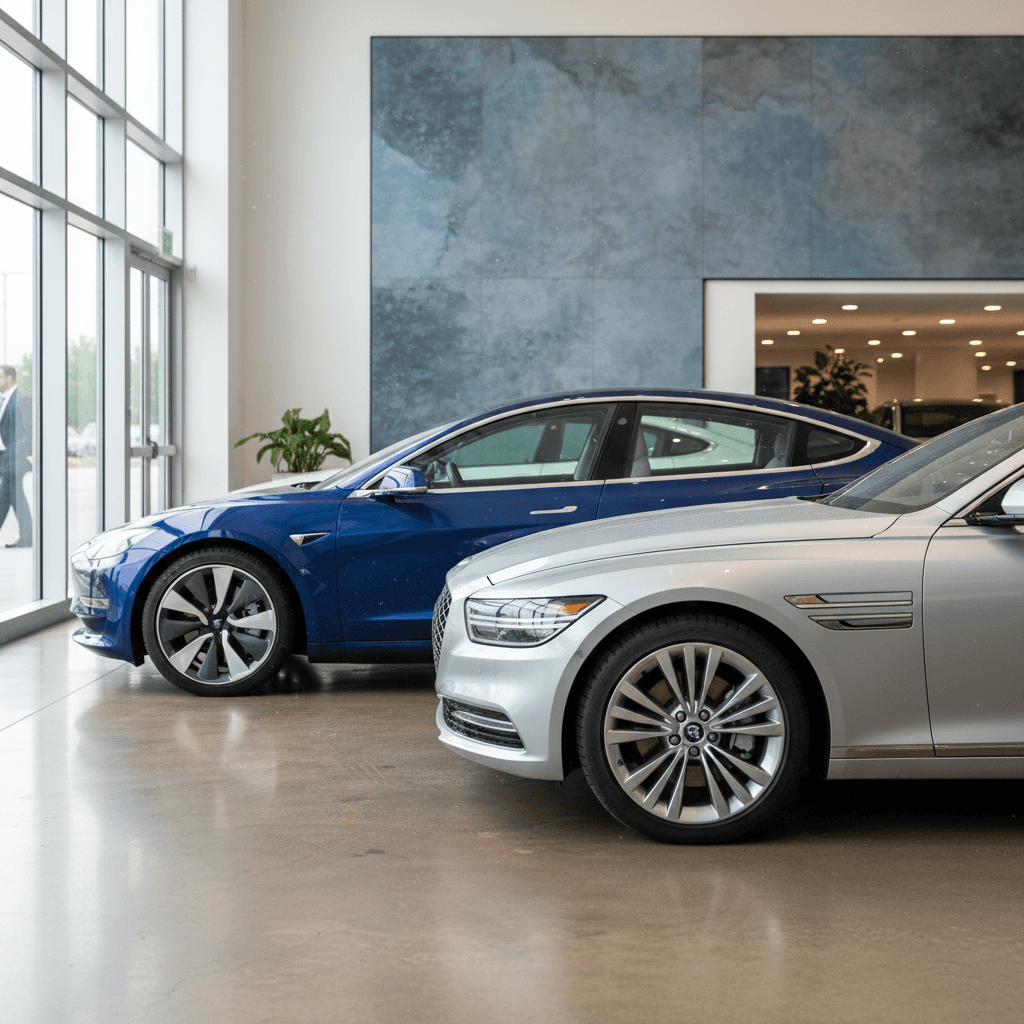
Depreciation is where these two diverge sharply. The Model 3 has matured into a mainstream used EV with relatively predictable resale patterns. The Electrified G80, by contrast, has seen **aggressive depreciation**, partly because it was expensive new, sold in low volumes, and was later discontinued in the U.S.
Depreciation snapshot in 2026
Used Tesla Model 3 pricing dynamics
- Wide pricing spread: High-mileage early Model 3s can dip into the low $20,000s, while late-model Long Range or Performance cars with low miles still command the mid-to-high $30,000s.
- Impacted by new-car price cuts: Tesla’s periodic new-vehicle price changes ripple straight into the used market. When Tesla cuts prices, used values often follow.
- Strong buyer pool: Huge brand awareness and lots of shopping traffic help stabilize resale values versus many other EVs.
Genesis Electrified G80 pricing dynamics
- Luxury sedan pricing fall: Like many high-end sedans, the Electrified G80 takes a big hit in the first 2–3 years, especially given its original price well above typical Model 3 levels.
- Discontinued in U.S.: Low sales and eventual discontinuation in the American market further hurt resale, but also create opportunities for value-focused buyers.
- Fewer comparables: Because volume is low, you’ll see bigger price gaps between individual cars, condition, options, and warranty coverage matter a lot.
Follow the total cost, not just the sticker
Range, charging, and road-trip readiness
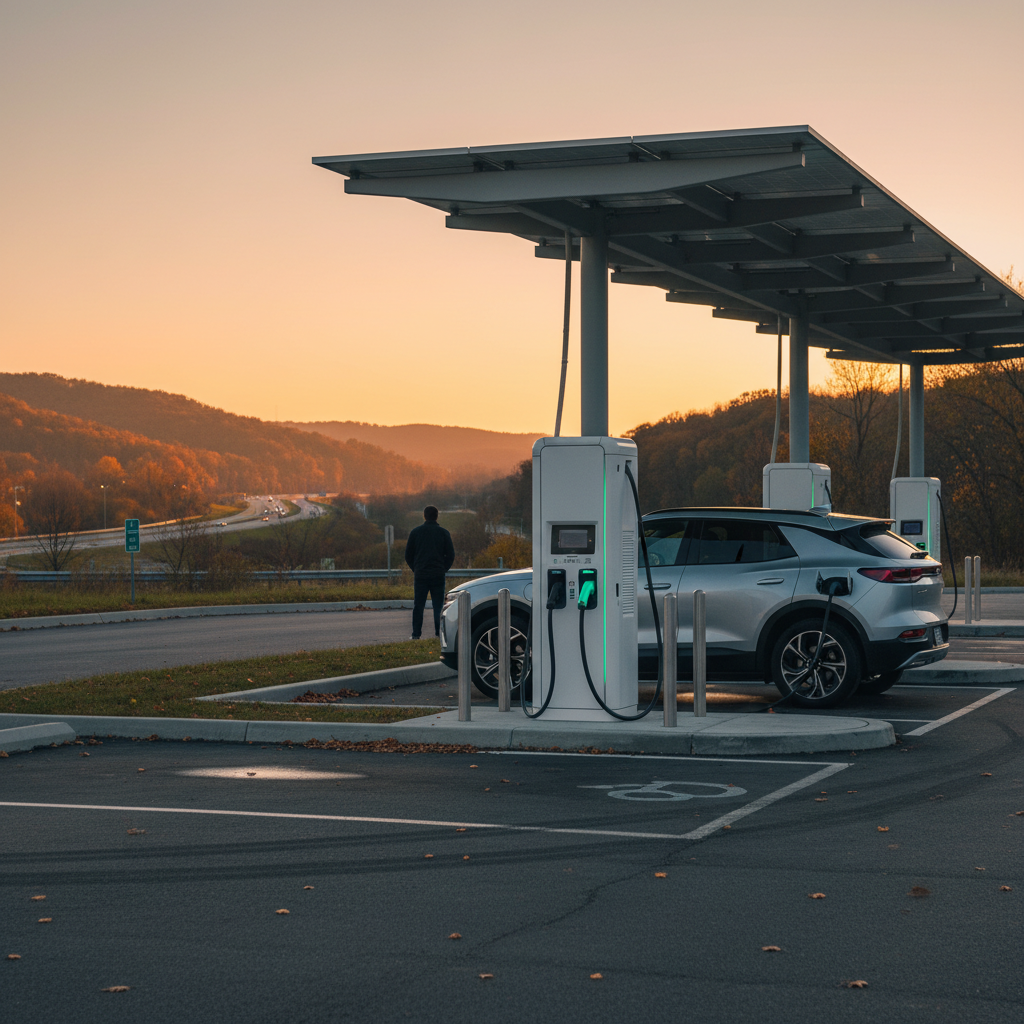
Both the Tesla Model 3 and Genesis Electrified G80 offer **real-world highway ranges** that make 200–250 mile legs straightforward, even with degradation. But charging infrastructure, connector types, and charging speeds feel different from behind the wheel, especially in the U.S. in 2026.
Range and charging comparison
Both go far; Tesla makes it easier to plan and execute long trips in the U.S.
Real-world range
- Model 3: Later Long Range trims often deliver 230–280 miles at highway speeds in mixed conditions, depending on wheel size and weather.
- Electrified G80: U.S.-spec range lands near 280 miles in ideal conditions; owners report surprisingly efficient long-distance cruising for a big sedan.
Fast-charging experience
- Model 3: High peak rates and well-managed taper curves on Superchargers; trip planner routes you automatically through fast chargers.
- Electrified G80: 800V architecture enables very fast 10–80% times on high-output CCS DC fast chargers, when you can find a 250–350 kW unit.
Network and connectors
- Model 3: 2024+ U.S. cars have NACS ports and seamless Supercharger access. Older cars with CCS adapters can use many third-party networks too.
- Electrified G80: U.S. used cars rely on CCS public networks. International 2026+ models begin adding NACS ports, but that doesn’t change older U.S. cars already on the road.
Connector confusion in 2026
Road-trip readiness: questions to ask for each car
1. What connector does this specific car use?
Confirm whether the car has NACS, CCS, or both via an adapter. With a Model 3, you’re likely on NACS by default on newer U.S. examples. With an Electrified G80, expect CCS unless a retrofit or adapter is included.
2. Which fast-charging networks are near you?
Open PlugShare or your preferred charging app and map the networks you’d actually use. Superchargers dominate many U.S. corridors, while CCS coverage can be spotty in some regions but excellent in others.
3. How fast does it charge in the real world?
Ask for real trip data if possible: how long did it actually take to go from 10–80% on road trips? A theoretical 350 kW peak doesn’t help much if local chargers are 50–150 kW or frequently congested.
4. How much highway range do you really need?
If your routine is 40–70 miles per day with occasional trips, both cars will feel comfortable. If you’re routinely running multi-state drives, the Model 3’s Supercharger integration and route planning win on convenience.
Driving experience, comfort, and space
Behind the wheel, these two EVs answer very different briefs. The Model 3 is light, responsive, and minimalist, almost like a sporty compact sedan that went all-in on software. The Electrified G80 leans into traditional luxury: long wheelbase, plush ride, rich cabin materials, and a focus on isolation.
Tesla Model 3: Agile and efficient
- Ride and handling: Firm but composed, especially on smaller wheels. Performance trims skew sportier with sharper responses and stiffer setups.
- Cabin experience: Minimalist dash anchored by a central touchscreen. Some buyers love the clean look; others prefer physical buttons and more traditional luxury cues.
- Noise and refinement: Later cars improved noise isolation, but you’ll still notice more road and wind noise than in big luxury sedans like the G80.
- Space: Comfortable for four adults; rear headroom can feel tight for taller passengers. Hatchback-style trunk opening improves practicality.
Genesis Electrified G80: Quiet, traditional luxury
- Ride and comfort: Tuning prioritizes smoothness, with sophisticated suspension, excellent noise isolation, and available road-preview features in some markets.
- Interior: Rich materials, classic luxury design, and high-quality switchgear. Feels more like a traditional German or Japanese luxury sedan than a tech experiment.
- Noise levels: Very quiet at highway speeds thanks to active noise cancellation and extensive sound deadening.
- Space: Generous rear seat room and a more formal seating position; if you’re often chauffeuring clients or family, the G80 feels in another league vs. the Model 3.
Luxury on a used-car budget
Tech, safety, and ownership experience
Both brands take technology seriously, but their philosophies differ. Tesla leads on **over-the-air software updates, app integration, and in-car UI**, while Genesis emphasizes **traditional luxury features, tactile controls, and a more classic infotainment layout**.
Technology and ownership: head-to-head
Do you want a rolling smartphone or a traditional luxury sedan packed with features?
Software and updates
- Tesla Model 3: Frequent OTA updates, new features, UI refinements, and even efficiency tweaks over time. The car continues to evolve years after purchase.
- Electrified G80: Software updates are more traditional and less frequent, though major bugs and feature updates do get addressed.
Safety and driver assistance
- Model 3: Strong crash ratings, standard active safety features, and optional advanced driver-assistance packages that many owners rely on for long trips.
- G80: Full suite of advanced safety features, including adaptive cruise, lane-keeping, and sophisticated driver aids typical of premium sedans.
Ownership ecosystem
- Tesla: Vertical integration, Tesla service, Tesla app, Tesla charging, keeps things simple but can mean longer waits at busy service centers.
- Genesis: Smaller EV footprint but strong concierge-style luxury-brand support in many markets, plus roadside assistance and CPO programs for some used cars.
“It feels like buying a flagship luxury sedan that skipped the V6 and went straight to the future, and then got discounted heavily three years later.”
Battery health and used-EV risk
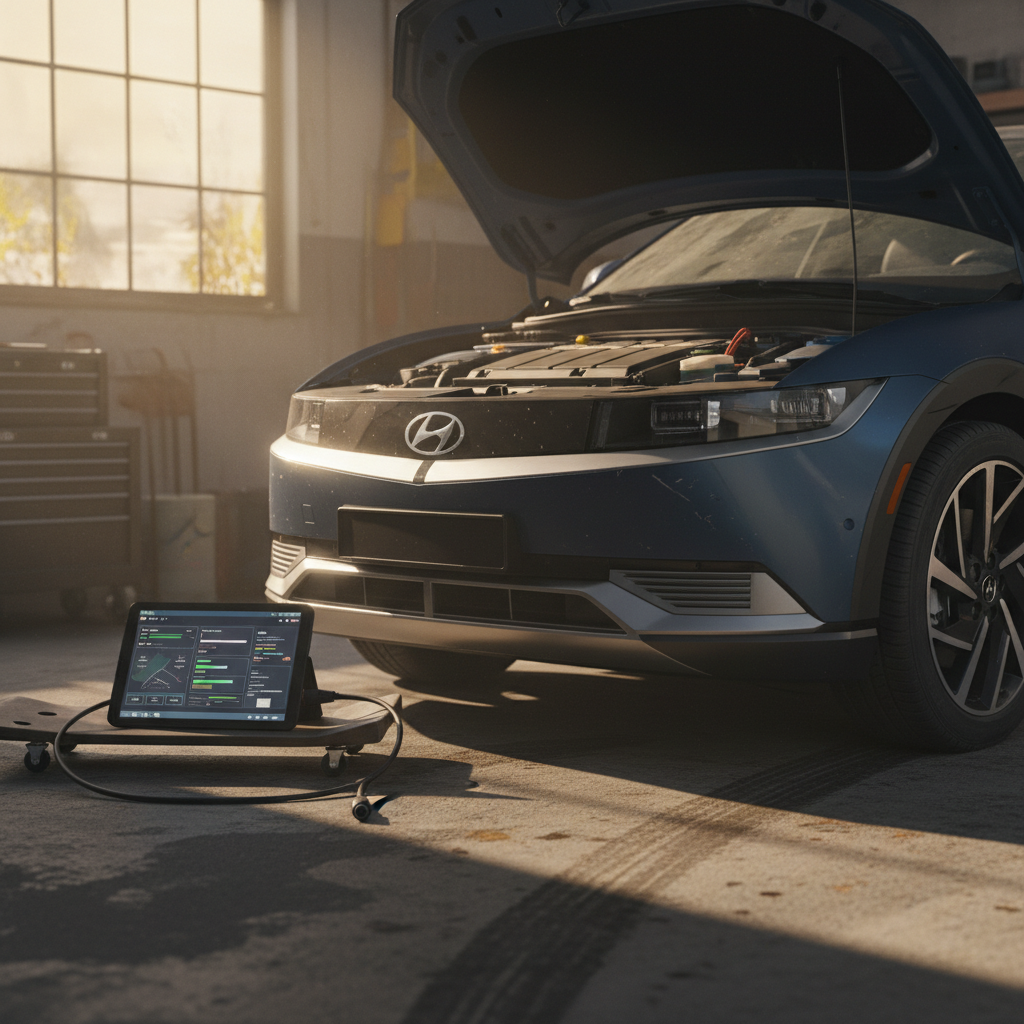
For any used EV, **battery health is the single most important mechanical variable**. A used Model 3 gives you a long track record and huge data pool; the Electrified G80 is newer and lower-volume, but shares core EV tech with other well-regarded Hyundai and Kia EVs.
- Tesla’s fleet is massive, and there’s a lot of real-world information about long-term Model 3 degradation. Many owners see modest range loss in the first few years followed by a slower decline.
- The Electrified G80 uses a battery and drive components closely related to other Hyundai Motor Group EVs (like the Ioniq 5/EV6 family), which have shown solid efficiency and robust fast-charging performance.
- Warranty coverage for both brands typically includes 8 years / 100,000+ miles on high-voltage components, but exact terms vary by model year and market, critical to confirm on any used example.
Never skip a battery-health check
Battery-health checklist for both models
Ask for a recent battery-health report
Look for state-of-health (SoH) estimates and any signs of abnormal degradation. If you’re shopping through Recharged, every vehicle includes a <strong>Recharged Score Report</strong> with verified battery diagnostics so you can compare cars with confidence.
Review DC fast charging history
Frequent fast charging isn’t automatically bad, but extremes, like constant 0–100% DC sessions, can accelerate wear. Ask the seller or review available logs for patterns.
Compare indicated range vs. original spec
On a full charge, how does the displayed range compare to the original EPA or WLTP numbers? A moderate drop is normal; a severe drop is a red flag that warrants deeper inspection.
Check for open recalls or campaigns
Both Tesla and Genesis periodically release software or hardware campaigns related to batteries and charging. Make sure the car you’re considering is fully up to date.
Which used EV is right for you?
Choose a used Tesla Model 3 if…
- You want the **simplest charging life** in most parts of the U.S., with deep Supercharger coverage.
- You value **software, apps, and OTA updates** that keep the car feeling modern for years.
- You prefer a smaller, more maneuverable sedan for urban or suburban driving.
- You care about **resale liquidity**, it’s easier to find buyers for a used Model 3 than for a niche luxury EV.
Choose a used Genesis Electrified G80 if…
- You want **full-size luxury** with a quiet cabin, rich materials, and traditional comfort.
- You see an opportunity in **heavy depreciation**, turning a once-pricey flagship into a strong value.
- Your local **CCS fast-charging network is robust**, or most of your driving is local with home charging.
- You’re okay owning a **rarer, discontinued model** and can live with potentially smaller parts and service footprints.
Bottom line
How Recharged helps you shop both vehicles
Comparing a used Tesla Model 3 vs Genesis Electrified G80 on paper is one thing; feeling confident about an individual car is another. That’s where Recharged is built to help.
Why shop your used EV through Recharged
Objective battery data, transparent pricing, and expert support from search to delivery.
Verified battery health with Recharged Score
Fair market pricing & financing
EV specialists & nationwide delivery
Ready to find your next EV?
Browse VehiclesFAQ: Used Tesla Model 3 vs Genesis Electrified G80
Common questions about this used EV matchup
In the 2026 used market, a Tesla Model 3 and Genesis Electrified G80 aren’t competitors so much as two answers to very different questions. One is an efficient, widely supported, software-driven compact sedan. The other is a deeply depreciated luxury flagship with impressive tech and range wrapped in a traditional sedan shell. If you match the car to your actual driving, charging environment, and risk tolerance, and back that choice with verified battery data and transparent pricing from a platform like Recharged, you can turn either of these EVs into a smart long-term bet.