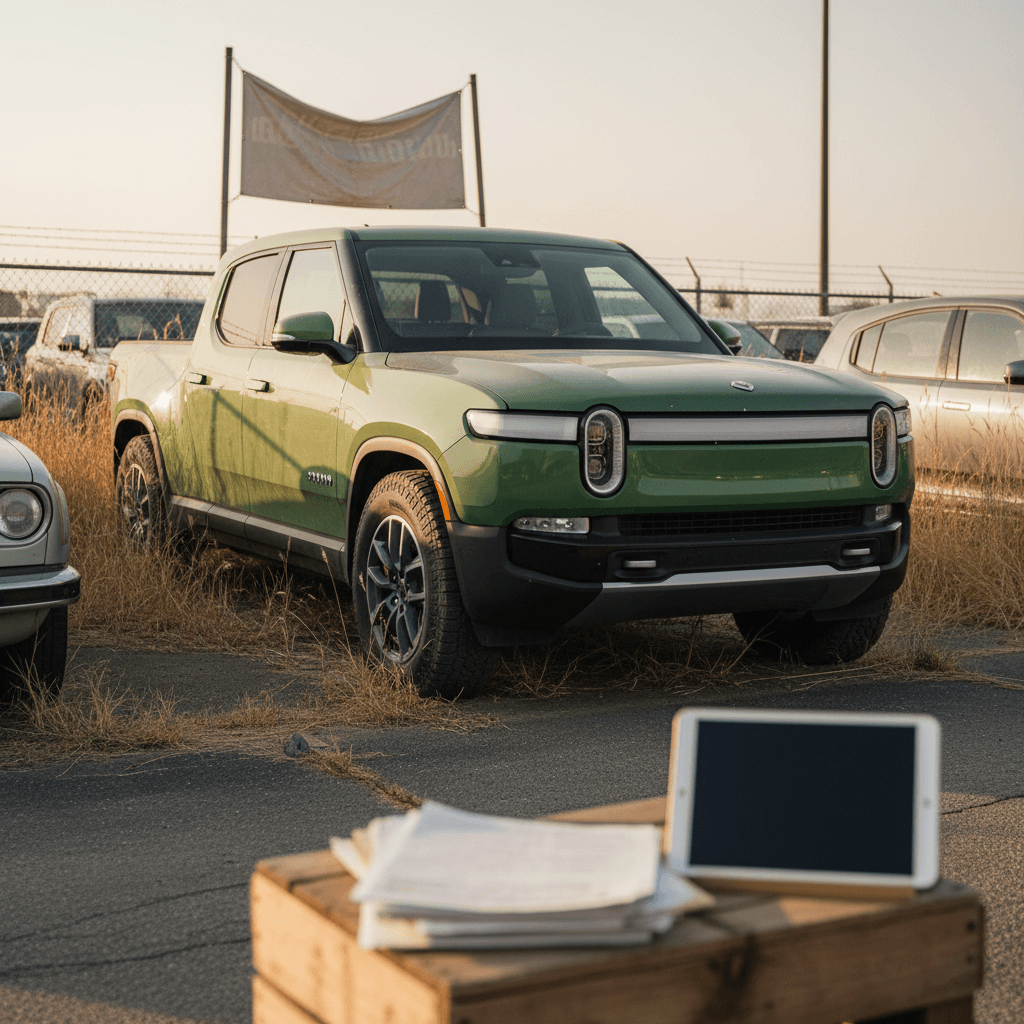
If you’re truck‑curious and EV‑curious, the used Rivian R1T sits right in the overlap. In 2026 you can finally buy one on the used market without paying new‑truck money, but the R1T is also a complex, fast‑evolving vehicle. This 2026 used Rivian R1T buying guide walks you through trims, batteries, real‑world range, known issues, and exactly what to inspect before you sign anything.
Who this guide is for
Why the used Rivian R1T makes sense in 2026
The Rivian R1T hit the market in late 2021 as the first modern electric pickup, with up to 835 hp, serious off‑road capability, and an interior that feels more boutique outdoor brand than work truck. Early on, demand far exceeded supply. By 2026, production has scaled, new competition has arrived, and more off‑lease and early‑adopter trucks are hitting the used market. That opens the door to meaningful savings, if you know what you’re looking at.
Key reasons to consider a used R1T in 2026
Where a used R1T shines compared with new EV trucks
Mature but still modern
Early teething issues have largely been addressed via software updates and hardware revisions, but the R1T still feels fresh compared with many 2026 trucks.
Depreciation opportunity
High MSRPs on new R1Ts and other EV trucks mean first owners eat a big chunk of depreciation. You benefit, especially on well‑specced 2022–2024 models.
Adventure‑first design
Standard air suspension, multiple drive modes, and Rivian’s design language make the R1T a standout if you care more about trails and overlanding than payload spreadsheets.
Used R1T vs new EV trucks
Rivian R1T generations, trims, and battery packs
Rivian hasn’t used traditional trim names like “LT” or “Lariat.” Instead, used R1Ts break down by three main variables: motor configuration, battery pack, and wheel/tire choice. Understanding these is critical because they change performance, range, and value more than cosmetics or color ever will.
Common used Rivian R1T configurations (2022–2025 builds)
Approximate specs you’ll see repeatedly in used listings. Always confirm exact build details from the window sticker or Rivian app.
| Motor setup | Model years you’ll see | Battery options | Approx. EPA range* | What it’s best for |
|---|---|---|---|---|
| Quad‑Motor AWD | 2022–early 2024 | Large (≈135 kWh), some early Max | ~314–328 mi on 21" wheels | Maximum performance, off‑road capability |
| Dual‑Motor AWD | 2023–2025 | Standard, Standard+, Large, Max (varies by year) | ~270–410 mi depending on pack | Balanced daily use, better efficiency |
| Performance Dual‑Motor AWD | 2023–2025 | Standard+, Large, Max (varies by year) | Similar to Dual‑Motor with more power | Quick highway cruiser and light tow rig |
Ranges are EPA estimates on ideal wheels; real‑world range varies by speed, temperature, load, and terrain.
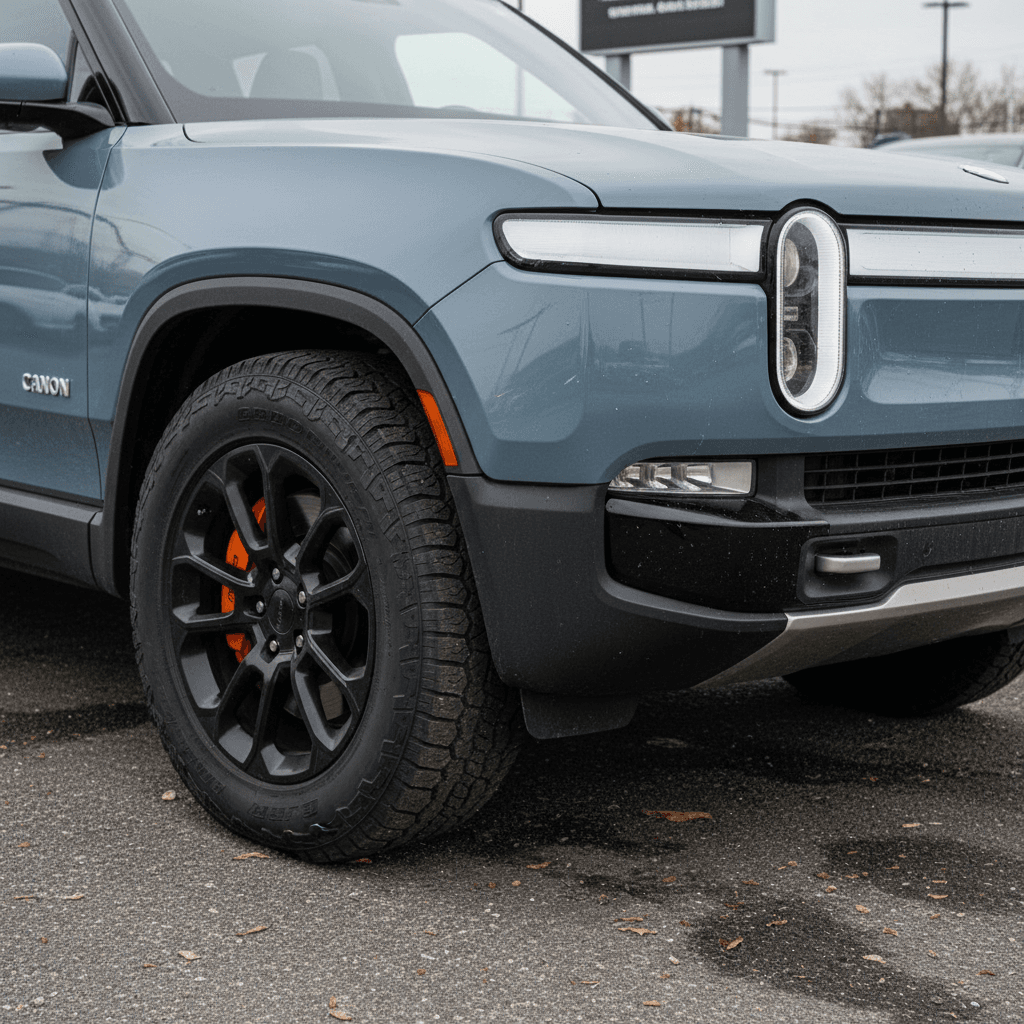
Pay attention to wheels and tires
Early builds (2022–early 2023)
- Mostly Quad‑Motor + Large pack.
- More likely to have early‑production quirks and panel alignment issues.
- Some software features arrived later via OTA.
- Appealing if you want maximum off‑road performance and don’t mind shorter range.
Later builds (late 2023–2025)
- More Dual‑Motor and Performance Dual‑Motor trucks, often with Standard/Standard+ packs for lower price or Max packs for big range.
- Improved efficiency and more refined build quality.
- Best fit if you want longer range or a calmer daily driver that still tows and off‑roads well.
Real-world range and towing on a used R1T
EPA numbers look great on paper, but used‑truck buyers should think in terms of real‑world range at the speeds and loads you’ll actually drive. Independent tests have seen around 220–280 miles on highway loops with a Quad‑Motor Large pack R1T, depending on wheels and tires, and similar or better numbers for Dual‑Motor trucks with the same pack. Towing changes the picture dramatically.
Rough real-world benchmarks for used R1Ts
Towing mindset shift
- For mostly city/suburban driving, even a Standard or Standard+ pack Dual‑Motor R1T can be plenty, especially if you charge at home.
- For regular 200‑mile winter highway trips or heavy towing, focus on Large or Max pack trucks and efficient wheels/tires.
- If you plan frequent long‑distance towing, be realistic: you may be stopping every 80–120 miles, depending on trailer shape and weight.
Pricing, depreciation, and what used R1Ts cost
Exact numbers move with interest rates and incentives, but by 2026 the pattern is clear: Rivian R1Ts start high when new and drop faster than most gas trucks. That’s painful for first owners and a gift to informed used buyers.
How Rivian R1T depreciation usually plays out
Big MSRPs up front, softer prices on the used market
Steep first‑owner hit
Early buyers often paid luxury‑truck prices. As more supply and competition arrived, used values adjusted faster than traditional half‑tons.
Spec‑sensitive pricing
Battery pack, motor type, and wheels move the needle more than cosmetic options. A Max pack Dual‑Motor can command a serious premium over a similar‑year Standard pack truck.
Room to negotiate
On private sales and non‑specialist dealers, education gap works in your favor. Many can’t articulate the difference between configurations; you can.
Think in total cost of ownership
Battery health and charging history
The R1T’s battery pack is its single most expensive component. Unlike a gas truck, you can’t just drop in a remanufactured engine if it’s tired. The good news: modern packs hold up well when treated reasonably, and software manages a lot in the background. The bad news: you can’t see that at a glance in a parking lot.
How to evaluate battery health on a used Rivian R1T
1. Compare displayed range to EPA when fully charged
With the truck at 100% state of charge (SOC), compare the displayed range in the Rivian app or cluster to the original EPA estimate for that configuration. A modest drop over a few years is normal; large gaps warrant questions.
2. Ask about charging habits
Frequent DC fast‑charging, constantly sitting at 100%, and regularly baking in high heat are harder on batteries. Occasional road‑trip fast‑charging and mostly home Level 2 charging are ideal.
3. Check software version and update history
Battery management improvements often come via software. A truck that’s lived on current software is more likely to have benefitted from calibration tweaks and thermal‑management updates.
4. Use a third‑party or Recharged Score report
A professional battery health report, like the <strong>Recharged Score</strong>, can quantify pack condition with diagnostics rather than guesswork from a single test drive.
How Recharged handles battery health
Common issues, recalls, and what to watch for
Like any first‑wave EV truck, the R1T has had its share of recalls and early production quirks, from suspension fasteners to seatbelt‑related campaigns and software bugs affecting driver‑assist features. Most are handled via free service or over‑the‑air updates, but as a used buyer you need to verify they’ve actually been addressed.
Typical concern areas on used R1Ts
None are automatic deal‑breakers if you confirm they’re fixed
Suspension & steering hardware
Early trucks had torque‑related recalls for certain suspension components. Make sure recall work is documented and listen for clunks or play over bumps.
Seatbelt & safety systems
Review the VIN for any open safety recalls, including seatbelt campaigns. Confirm service records show repairs completed at an authorized Rivian facility.
Driver assist software
Later software brought improvements and occasional bugs to lane‑keeping and Highway Assist features. Test these on a safe, clearly marked road and confirm the truck is on recent firmware.
Always run a VIN recall check
Inspection checklist for a used Rivian R1T
A Rivian R1T isn’t a body‑on‑frame work truck with 50 years of tribal‑knowledge. It’s closer to a rolling computer with a skateboard chassis. Your inspection needs to cover basics like tires and brakes, but also software, sensors, and charge behavior.
Hands-on inspection items to prioritize
Exterior, seals, and glass
Look for uneven panel gaps, cracked glass, water marks, or dust intrusion around doors, frunk, gear tunnel doors, tonneau, and tailgate. Check that all lights, including the full‑width light bar, work properly.
Suspension operation
Cycle between ride heights in the drive‑mode menu. Listen for excessive compressor noise or error messages. On the test drive, feel for clunks over low‑speed bumps or floatiness at highway speeds.
Tires, wheels, and underbody
Uneven tire wear can indicate alignment issues or past suspension damage. Inspect the underbody and skid plates for off‑road scars that could have damaged wiring or cooling lines.
Interior tech and interfaces
Test every screen, camera view, window, seat, audio control, Bluetooth connection, and driver‑assist feature you plan to use. You’re buying an interface as much as a drivetrain.
Charging behavior
If possible, plug into both Level 2 and a DC fast charger. Confirm that charge rates ramp normally, there are no error codes, and estimated time‑to‑full is reasonable for the pack size.
Bring an EV‑savvy checklist
Which used R1T configuration is right for you?
There’s no single “best” used Rivian R1T. The right truck depends on what you tow, how far you drive, and how much you care about outright performance versus efficiency and price. Here’s a practical way to think about it.
Match your use case to the right used R1T
Urban & suburban commuters
Prioritize <strong>Dual‑Motor + Standard or Standard+</strong> to keep purchase price down.
Look for 21" wheels and road‑oriented tires for maximum efficiency and quiet ride.
Home Level 2 charging is more important than having a Max pack.
Road‑trip and adventure drivers
Aim for <strong>Dual‑Motor or Performance Dual‑Motor + Large or Max pack</strong>.
Mix of highway range and off‑road ability matters more than 0–60 bragging rights.
Consider trucks with proven trip history in the Rivian app, not garage queens that have barely stretched their legs.
Tow rigs for campers, boats, or toys
Large or Max pack is strongly recommended; Standard packs will feel limiting on range.
Quad‑Motor is overkill for light towing but nice if you value traction and acceleration; Performance Dual‑Motor is a sweet spot for many.
Focus on charge‑network access along your routes as much as on the truck itself.
Snowbelt and off-road junkies
Quad‑Motor or Performance Dual‑Motor with <strong>20" all‑terrain tires</strong> and off‑road packages are a good fit.
Expect reduced range versus 21" wheels; plan your winter highway legs conservatively.
Inspect for underbody damage and look for trucks that show signs of careful rather than abusive off‑road use.
How buying a used R1T through Recharged helps
You can absolutely buy a used Rivian R1T from a private seller or a generalist dealer, but you’ll often be the most informed person in the room. Recharged exists to flip that script so you don’t have to be the EV expert to get a fair deal.
What Recharged brings to a used R1T purchase
Designed around EVs, not retrofitted from gas‑truck processes
Recharged Score battery diagnostics
Every R1T sold through Recharged includes a Recharged Score Report with verified battery health, charging behavior, and pricing that reflects real pack condition.
Financing & trade‑in support
Recharged can help you finance a used R1T, value your trade‑in, or even get an instant offer on your current vehicle, all within a digital process that understands EVs.
Nationwide delivery & EV‑savvy support
Shop online, work with EV specialists instead of commission‑driven salespeople, and have your R1T delivered nationwide, or visit the Recharged Experience Center in Richmond, VA.
Ready to find your next EV?
Browse VehiclesBecause Recharged focuses specifically on used EVs, including trucks like the R1T, the team is tuned into issues like DC fast‑charge performance, battery conditioning, and software feature sets that many legacy dealers still overlook. That shows up in cleaner disclosures, smarter pricing, and support that extends beyond delivery.
FAQ: Used Rivian R1T buying questions
Frequently asked questions about buying a used Rivian R1T
Bottom line: Is a used Rivian R1T worth it?
A used Rivian R1T in 2026 is not a generic pickup with an electric twist. It’s its own species: part adventure SUV, part performance truck, part rolling software platform. If you pick the right battery and motor configuration for your life, validate battery health and recall history, and go in clear‑eyed about towing range, it can be one of the most rewarding vehicles you can own.
If you’d rather skip the detective work, buying through Recharged gives you verified battery health data, transparent pricing, EV‑savvy guidance, and nationwide delivery. However you choose to buy, use the framework in this guide to ask better questions and make the used Rivian R1T work for you, not the other way around.