If you’re searching for a used Kia EV6 for sale, you’re looking at one of the strongest all‑electric crossovers on the market. The EV6 combines long range, ultra‑fast charging, and a genuinely enjoyable drive, all of which make it an excellent candidate on the used market if you know what to look for.
At a glance
Why a used Kia EV6 is worth a look
Kia launched the EV6 for the 2022 model year, and from day one it landed as a benchmark. It rides on an 800‑volt electrical architecture that enables very fast DC charging, delivers strong performance even in lower trims, and offers competitive EPA range. Because it’s still relatively new, most used examples on the market today have modern safety tech, large infotainment screens, and plenty of warranty coverage left.
Key reasons shoppers like used EV6s
What you get versus many other used EVs
Fast charging
The EV6 can add a big chunk of range in under 20 minutes on a high‑power DC fast charger, thanks to its 800‑V system and robust thermal management.
Strong range
Most long‑range trims offer around 300 miles of EPA‑rated range, so even a used example still feels road‑trip capable.
Modern driving feel
Rear‑wheel‑drive balance, quick acceleration, and quiet operation make the EV6 feel more like a premium EV than its badge suggests.
Where Recharged fits in
Kia EV6 model years and key updates
Because the EV6 is still early in its life cycle, understanding model‑year changes will help you target the right used car and the right price.
Kia EV6 model year snapshot
High‑level changes that matter for used‑car shoppers in the U.S.
| Model year | What changed | Why it matters used |
|---|---|---|
| 2022 | Launch year: Light, Wind, GT-Line and high‑performance GT (late). 77.4‑kWh pack for most trims; strong range and fast charging from day one. | Earliest used EV6s; best deals, but check for software updates and tire wear. |
| 2023 | Incremental updates; GT rated around 206 miles EPA range; software refinements and feature packaging tweaks. | Still very current; often a sweet spot between price and equipment. |
| 2024 | New Light Long Range trims, minor feature changes; GT’s EPA range bumps to about 218 miles; charge‑port lighting becomes standard. | More trims means more choice on the used market, especially value‑oriented Light Long Range models. |
| 2025 | Facelift with updated styling, bigger batteries (around 84 kWh long‑range), small range bumps, improved infotainment, and additional driver‑assist features; some U.S. production. | Very new on the used market; you’ll mostly see off‑lease or low‑mileage units at higher prices. |
Details can vary by trim; always verify equipment on the specific VIN.
Model‑year pricing reality
Trims, batteries, and real-world range
Most of the confusion around a used Kia EV6 for sale comes from its many trims and battery options. The good news is that once you understand the pattern, Light, Wind, GT‑Line, and GT, it’s straightforward to match a used car to your needs.
Common EV6 trims and EPA range (approximate)
Core trims you’re most likely to see used in the U.S. and the ranges that matter for daily life.
| Trim | Drivetrain | Battery | Approx. EPA range |
|---|---|---|---|
| Light (standard battery) | RWD | ~63 kWh | Around 230–240 miles |
| Light Long Range / Wind / GT‑Line | RWD | ~77–84 kWh (long‑range pack) | Around 300–320 miles |
| Light Long Range / Wind / GT‑Line | AWD (dual motor) | Same long‑range pack | Roughly 270–295 miles |
| GT | AWD (performance) | Long‑range pack tuned for power | Roughly 220–230 miles |
Figures are approximate EPA estimates for 2023–2025 models; always verify for a specific VIN.
- Light: Value‑oriented, especially in Long Range form. Great if you want maximum miles per dollar.
- Wind: Adds comfort and convenience over Light, ventilated seats, upgraded audio and more available options.
- GT‑Line: Sporty styling cues, more tech and luxury features. Often the sweet spot for used shoppers who want it all.
- GT: Serious performance; blistering acceleration but significantly less range and higher running costs (tires, insurance).
Choosing the right trim for your driving
Charging performance and connector changes
One of the EV6’s calling cards is its charging speed. All versions are built on an 800‑volt architecture that lets them charge very quickly on compatible DC fast chargers. Kia claims a 10–80% charge in under 20 minutes on a high‑power station, and independent testing has shown that’s realistic in good conditions.
Home and workplace charging
- Level 2 (240 V) with the onboard 11‑kW charger can refill a depleted battery overnight, typically about 7–9 hours for a long‑range pack.
- If you live in an apartment, focus on whether you have reliable access to workplace or public Level 2 chargers.
- Recharged can connect you with resources on home charger installation if you’re buying your first EV.
DC fast charging and road trips
- The EV6 can accept very high peak charging power on 250–350‑kW stations, especially when the battery is warm and in the 10–60% range.
- On a road trip, think in terms of short, frequent charges between about 10–70% instead of full charges, it’s faster overall.
- Plan your route around high‑power DC stations rather than older 50‑kW units whenever possible.
Connector standards in the U.S.
Battery health on a used EV6: what to look for
Battery condition is the single most important factor when evaluating any used EV. The EV6’s liquid‑cooled pack and thermal management system have performed well so far, and most real‑world reports suggest relatively modest degradation over the first few years. Still, you should inspect more than just the odometer.
Battery‑health checks for a used Kia EV6
1. Ask for a recent charge report
Ideally you want to see the car charged to 100% at least once recently. Compare the displayed range at 100% to the original EPA estimate for that trim.
2. Scan for warning lights or errors
On a test drive, watch for any EV‑system or battery‑related warnings on the instrument cluster. These can be expensive to diagnose out of warranty.
3. Review fast‑charging history
Heavy, frequent DC fast‑charging isn’t automatically bad, but a car that has lived on fast chargers every day may show more degradation. Ask the seller how the car was typically charged.
4. Consider climate history
Extreme heat is harder on batteries. A low‑mileage car that spent its life in a very hot climate and parked in direct sun may have a more tired pack than a higher‑mileage car from a milder area.
5. Get a professional battery test
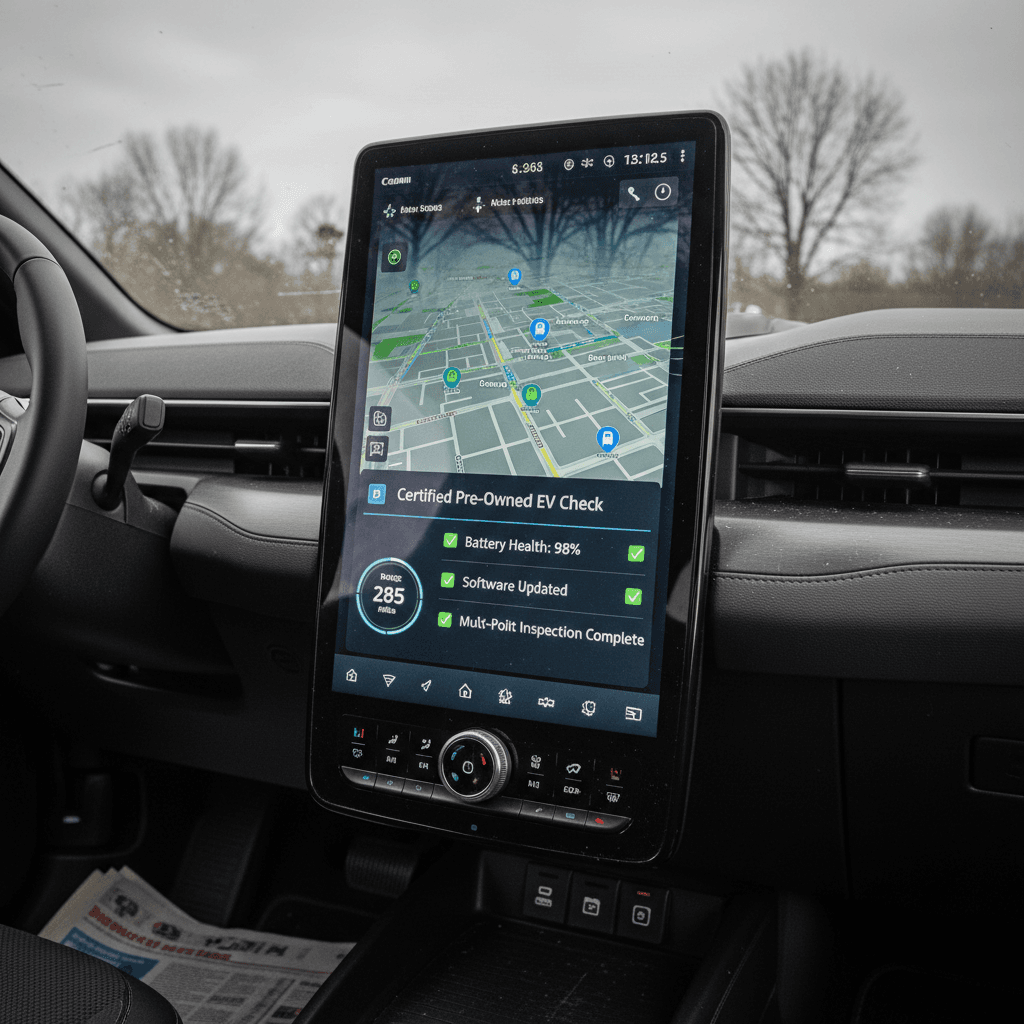
A data‑driven health report is ideal. Recharged uses dedicated diagnostics to produce a <strong>Recharged Score</strong> that shows battery condition, estimated remaining capacity, and how it compares to similar EVs.
Warranty can be your friend
What a used Kia EV6 really costs
Used EV pricing has been volatile the last few years, but by early 2026 the EV6 has settled into a pattern. Exact numbers vary by mileage, trim, options, and region, yet you can use a few broad ranges as a sanity check while you shop.
Typical used Kia EV6 price bands (U.S. market, early 2026)
Don’t compare apples to oranges
Features, comfort, and practicality
From the driver’s seat, the EV6 feels closer to a premium European EV than a budget commuter. Even early models offer a wide dual‑screen layout, quality materials, and a quiet cabin. On the practical side, it’s a bit more “sport wagon” than tall SUV, so cargo room is good but not enormous.
Everyday usability highlights
What makes living with a used EV6 easy
Comfortable seating
Most trims offer supportive front seats and ample rear legroom. Wind and GT‑Line models often add ventilated seats and more adjustment.
Flexible cargo space
Split‑folding rear seats and a wide hatch opening make it easy to load bikes, strollers, and gear, even if the total cargo volume trails some boxier SUVs.
Strong safety tech
Standard driver‑assist systems like forward‑collision avoidance, lane‑keeping assist, and blind‑spot monitoring make even base cars feel well equipped.
Checklist: inspecting a used Kia EV6
When you actually stand in front of a used EV6, whether in a driveway, at a dealership, or in a delivery bay, use a structured approach. Here’s a simplified version of how a seasoned car editor looks at one.
On‑site inspection checklist
1. Exterior and tires
Walk around the car and look for panel gaps, paint variations, and evidence of repairs. Check tire tread depth and look for uneven wear, which can signal alignment or suspension issues.
2. Interior and controls
Test all major functions: seat adjustment, windows, mirrors, HVAC, heated/ventilated seats, and both infotainment screens. Pair your phone via Bluetooth and test audio and navigation.
3. Charging hardware
Inspect the charge port door and connector for damage or corrosion. Confirm any included portable charger or home wall unit is present, and ask to plug into a Level 2 or DC charger if possible.
4. Drive quality
On the test drive, listen for rattles or clunks over bumps, feel for consistent braking, and verify smooth acceleration. Try both Eco and Normal/Sport modes so you know how the car behaves day to day.
5. Software and updates
Check that the infotainment and navigation feel reasonably quick and that common apps function properly. Ask whether over‑the‑air or dealer software updates have been performed.
6. History and reports
Request a vehicle history report (accidents, title, recalls) and any service records. With Recharged, this is bundled into the <strong>Recharged Score Report</strong> alongside battery diagnostics.
Red flags to walk away from
Financing and total cost of ownership
One advantage of buying a used Kia EV6 is that you avoid the steepest part of new‑car depreciation while still getting a modern EV. But smart shoppers look beyond the sticker price to financing, insurance, energy costs, and long‑term maintenance.
Financing a used EV6
- Because the EV6 is a relatively new model with good retained value, lenders are often comfortable with longer terms, especially on low‑mileage cars.
- Recharged offers EV‑friendly financing that you can pre‑qualify for online with no impact to your credit score, so you know your budget before you start comparing specific cars.
- Consider a slightly shorter term if you’re buying an older 2022 model; you don’t want to be making payments long after the warranty expires.
Ongoing costs and savings
- Electricity is typically cheaper per mile than gasoline, especially if you can charge at home on an off‑peak rate plan.
- There’s no engine oil to change and fewer moving parts than in a gas crossover, though you still need tires, brake fluid, and cabin air‑filter replacements.
- Insurance on performance‑oriented GT models can be noticeably higher, factor that into your monthly budget.
Leverage total cost, not just price
Frequently asked questions about used Kia EV6s
Used Kia EV6 FAQ
Is a used Kia EV6 right for you?
If you want an electric crossover that still feels cutting‑edge but don’t want to pay new‑car money, a used Kia EV6 for sale should be on your short list. Its combination of range, rapid charging, safety tech, and driving enjoyment makes it a standout in the used EV world. The key is to buy with full information: know the trim and battery, verify battery health, and understand how the car was used.
Working with a specialist platform like Recharged takes a lot of the guesswork out. Every EV6 comes with a Recharged Score Report, transparent pricing, financing options, and expert guidance from your first search to delivery at your door. If you’re ready to make the jump to electric, or to upgrade from your current EV, the right used Kia EV6 can serve you well for years to come.