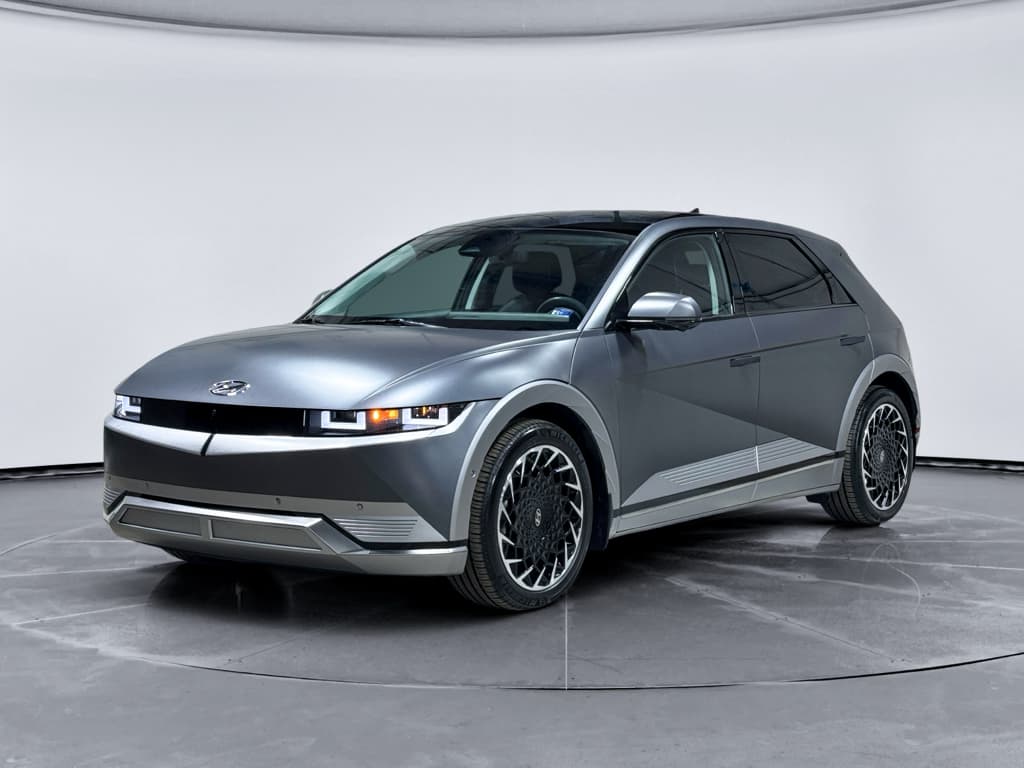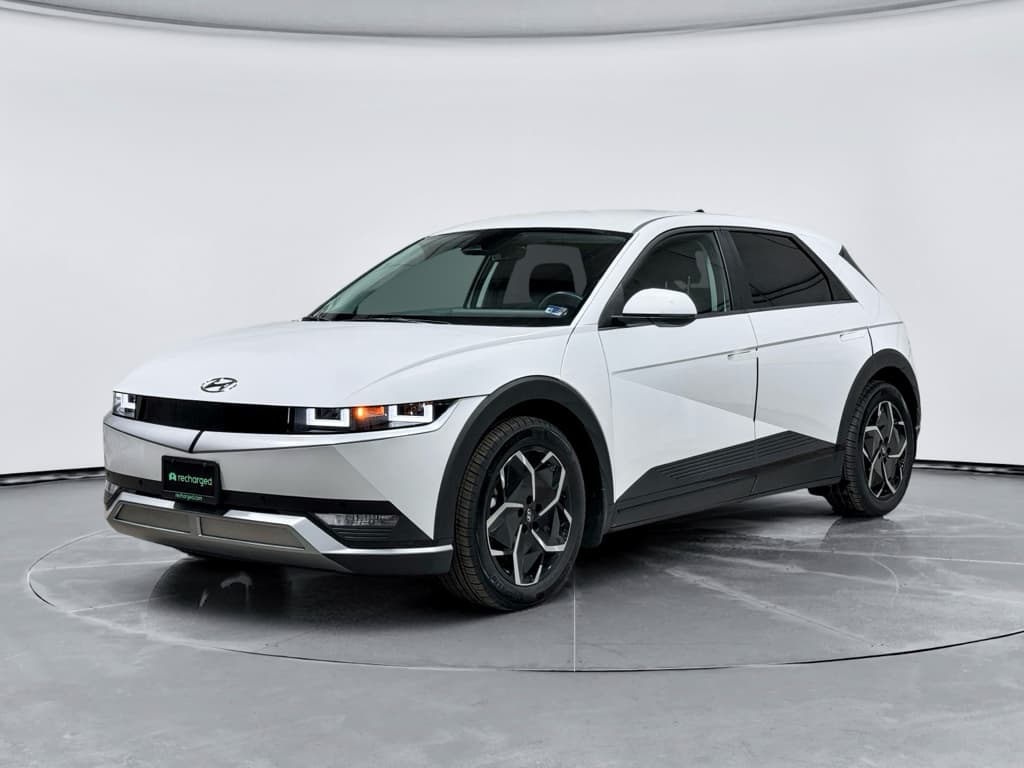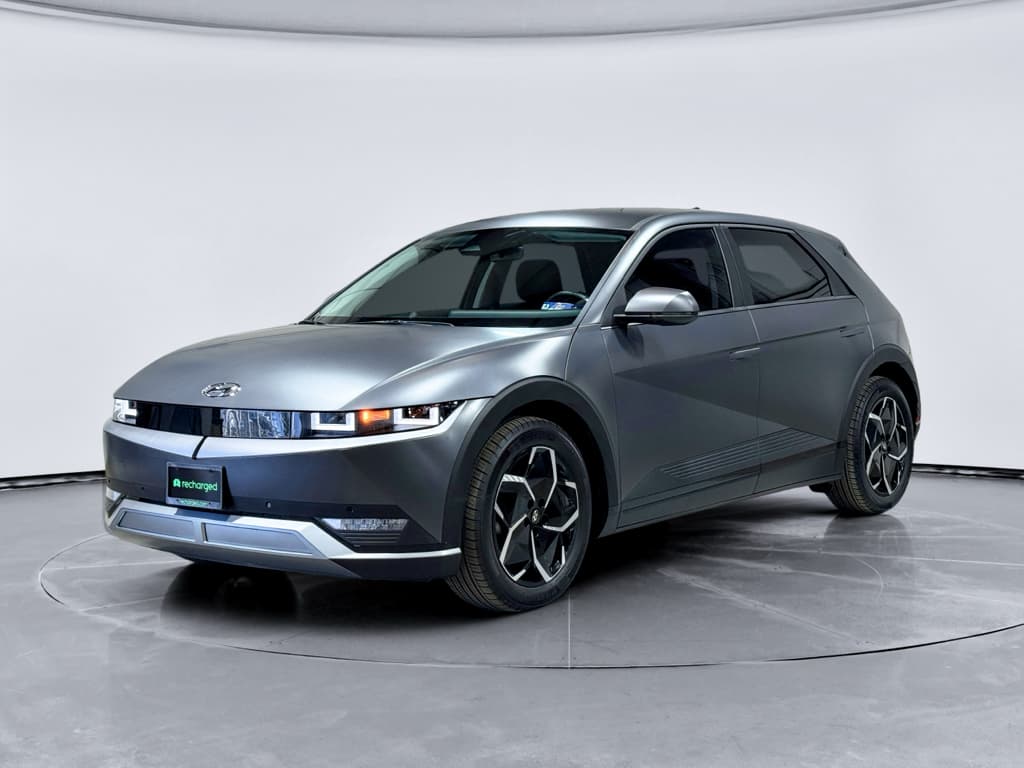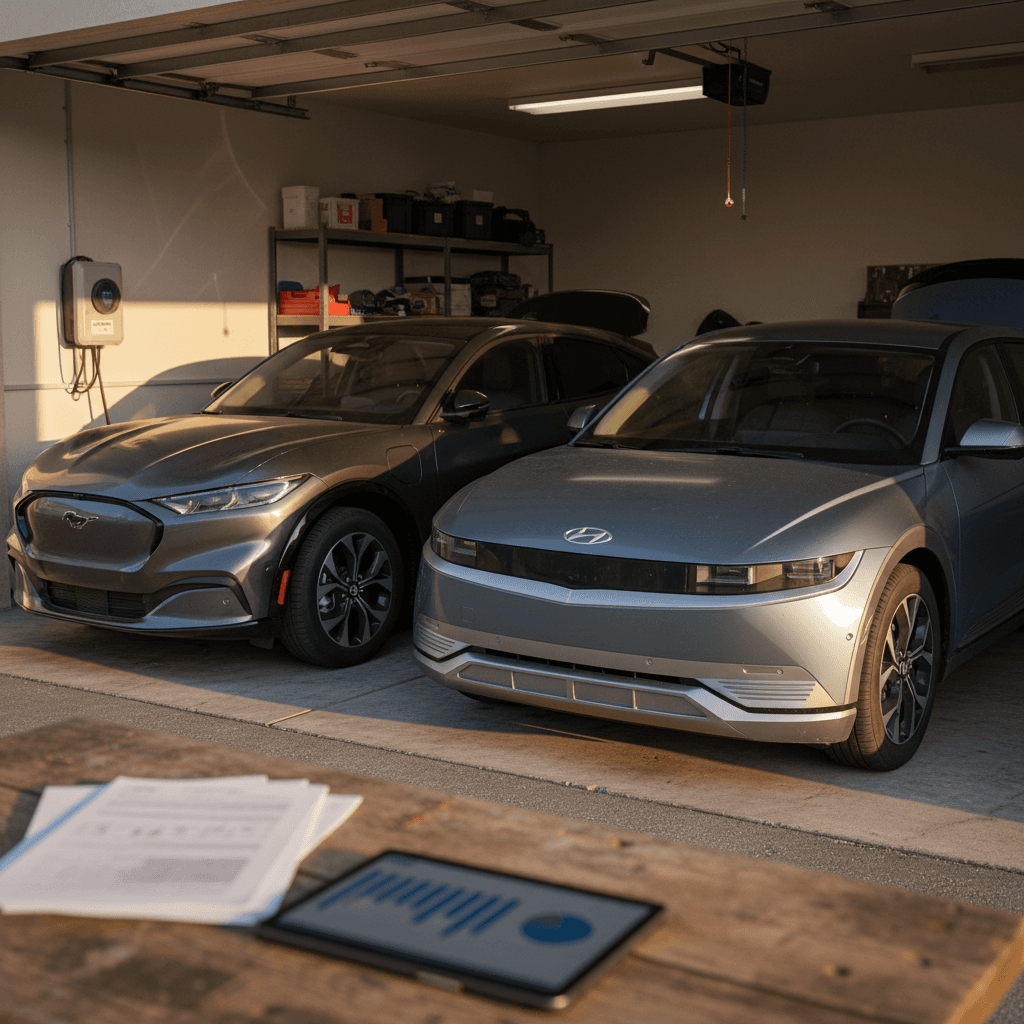
If you’re shopping for a **used electric SUV in 2026**, the **Hyundai Ioniq 5** and **Ford Mustang Mach‑E** are almost certainly on your shortlist. Both are practical family EVs with strong performance, but on the used market their strengths, weaknesses, and prices look very different from when they were new.
What this guide covers
Why this 2026 used EV comparison matters
Both the Ioniq 5 and Mustang Mach‑E have evolved quickly. By 2025–2026, they gained **larger batteries, better range, and NACS (Tesla‑style) charging ports**, while early‑build 2021–2022 examples live in a different world for software and charging access. That creates real confusion if you’re browsing used listings and trying to understand what you’re actually getting for your money.
On top of that, **EV prices corrected downward in 2024–2025**, so many used examples today are thousands below their original MSRPs. That’s fantastic news if you’re buying, provided you know how to read range ratings, interpret battery health, and factor in access to fast‑charging networks. That’s exactly what we’ll walk through here.
Quick answer: Ioniq 5 vs Mach‑E as a used buy
Used Ioniq 5 vs Mustang Mach‑E at a glance (2026)
Both are strong choices, your priorities decide the winner.
Why pick a used Hyundai Ioniq 5
- Blistering DC fast charging thanks to 800‑V E‑GMP platform, 10–80% in roughly 18–20 minutes at a capable station.
- Excellent real‑world efficiency and competitive EPA ranges up to the low 300‑mile zone on newer long‑range RWD trims.
- Spacious, lounge‑like interior with great rear legroom and sliding console, very family‑friendly.
- Hyundai’s long battery and EV component warranty is a huge plus on the used market.
Why pick a used Ford Mustang Mach‑E
- Sportier driving feel and available high‑performance GT and Rally variants.
- Strong extended‑range battery options with up to around 300+ miles of EPA range on select RWD trims.
- Well‑sorted infotainment with the big vertical screen and mature Ford driver‑assist tech.
- Ford’s early and deep integration with Tesla’s Supercharger network is a major advantage for road‑trippers.
The short verdict
Specs and range: Used Ioniq 5 vs Mustang Mach‑E
Typical U.S. range figures you’ll see on used listings
On paper, **range is effectively a draw** between these two on the used market. Long‑range Ioniq 5s and extended‑range Mach‑Es both land around 300 miles EPA in their most efficient rear‑drive trims, with all‑wheel‑drive models typically in the 240–280‑mile band depending on year, battery and wheels.
Representative U.S. trims you’ll actually see used (EPA estimates)
These are common configurations for 2022–2024 model‑year vehicles that dominate today’s used listings. Always verify the exact battery and drivetrain on the window sticker or build sheet.
| Model & year (typical used) | Battery / drive | EPA range (approx.) | What it means in real life |
|---|---|---|---|
| 2022 Ioniq 5 SE RWD (Long Range) | 77.4 kWh, RWD | ~303 mi | Comfortable 230–260 miles even at 70–75 mph in mild weather. |
| 2023 Ioniq 5 SEL/Limited AWD | 77.4 kWh, AWD | ~256–266 mi | Plan around 200–220 miles between fast charges on the highway. |
| 2022 Mustang Mach‑E Select SR RWD | Standard‑range, RWD | ~247 mi | Good commuter, but road trips will require more charging stops. |
| 2024 Mach‑E Premium ER RWD | Extended‑range, RWD | ~300–320 mi | Very road‑trip capable if you drive reasonably and pre‑condition the pack. |
| 2023 Mach‑E GT Performance | Extended‑range, eAWD | ~235–260 mi | Lots of power; less range. Fun first, efficiency second. |
Actual range varies with temperature, driving style, tires and age. Use this as a shopping benchmark, not a guarantee.
How to read used‑EV range numbers
Charging, NACS access and road‑trip usability
Ioniq 5: Ultra‑fast when conditions are right
The Ioniq 5 rides on Hyundai’s E‑GMP platform with an 800‑V architecture. That lets it pull very high power on a capable CCS or NACS DC fast charger and, more importantly, hold that power deep into the charge curve. Owners regularly see 10–80% in roughly 18–25 minutes when the battery is warm and the charger is behaving.
For 2025+ U.S. models with a factory NACS port, charging at Tesla Superchargers integrates cleanly. Earlier CCS‑only models may use a NACS adapter as networks transition. Either way, the Ioniq 5 is one of the quickest‑charging used EVs you can buy.
Mustang Mach‑E: Huge network advantage, slower peak speeds
Ford moved early to integrate with the Tesla Supercharger network, and 2024–2025 Mach‑E owners in the U.S. have enjoyed broad Supercharger access via adapters and then native NACS ports on later builds. That’s a big deal if you road‑trip across states with patchy non‑Tesla infrastructure.
The trade‑off is that the Mach‑E’s pack doesn’t charge quite as quickly in pure minutes‑to‑miles terms as the Ioniq 5. Updated 2024+ models improved charge curves, but in back‑to‑back road‑trip use you’ll often sit a bit longer at each stop compared with an Ioniq 5 adding the same energy.
Model‑year details matter for charging
Interior space, comfort and tech
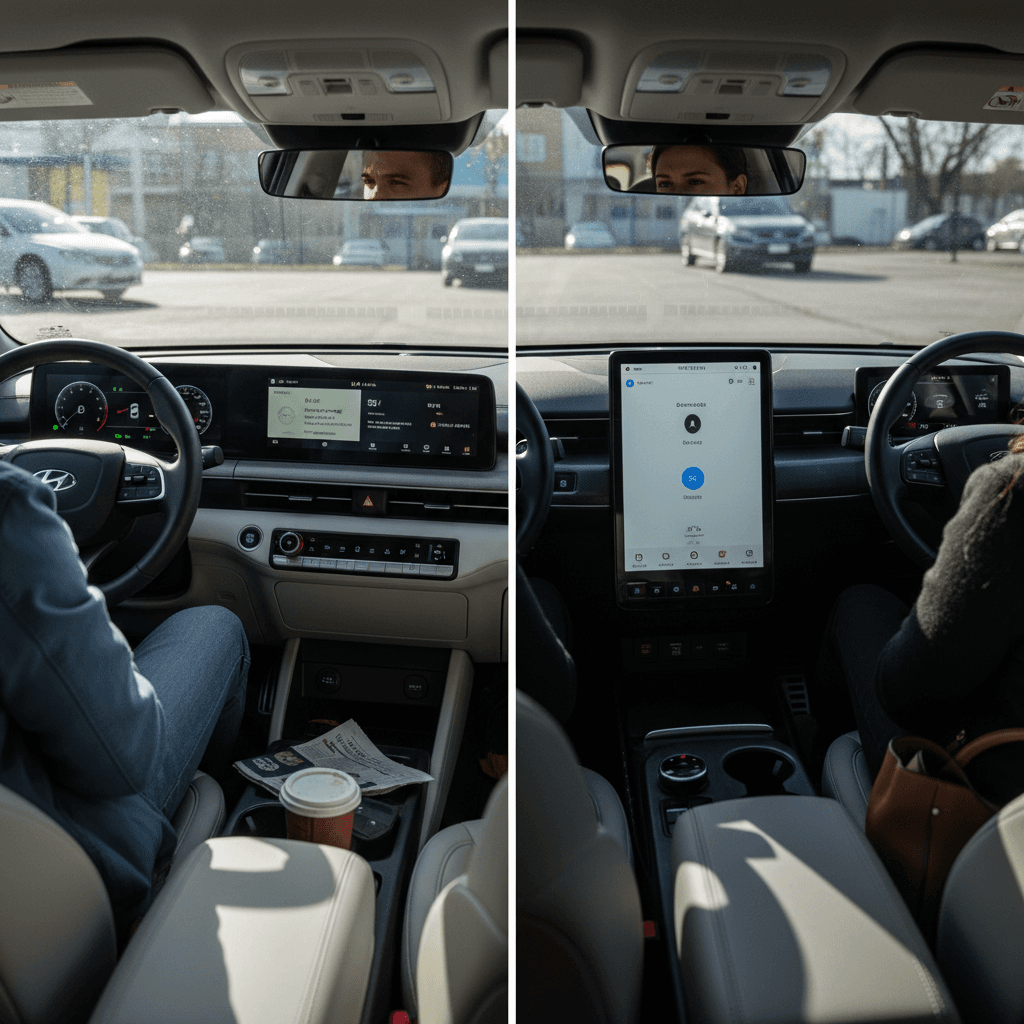
How the cabins compare when you live with them
Both are comfortable; they just prioritize different personalities.
Hyundai Ioniq 5 interior
- Very spacious back seat with great legroom and a nearly flat floor, excellent if you regularly carry adults or rear‑facing child seats.
- Sliding center console and available reclining front “relaxation” seats make it feel like a lounge.
- Dual 12‑inch horizontal screens give a clean, minimal look; physical climate controls make daily use easy.
- Cargo area is good, if not class‑leading; the emphasis is on passenger comfort more than maximum cubic feet.
Ford Mustang Mach‑E interior
- Sportier, more enclosed cockpit that matches the Mustang badge, some will love the vibe, others may find it tighter.
- Big vertical touchscreen with a physical volume knob; software has matured through over‑the‑air updates.
- Rear seat space is adequate for families, though not as limo‑like as Ioniq 5. Sloping roofline can impact headroom for tall passengers.
- Cargo space is solid and the hatch opening is practical; performance‑oriented trims sacrifice some range but not basic utility.
Family‑use perspective
Driving feel and performance
Neither of these EVs is slow, even in base form. Instant electric torque makes both feel quicker than their spec sheets suggest, and all‑wheel‑drive versions have enough punch to surprise passengers used to traditional compact SUVs.
- **Ioniq 5**: Even standard trims feel strong off the line, and the chassis is tuned more for comfort than canyon carving. Later **Ioniq 5 N** performance variants are genuinely quick hot‑hatch replacements, but they’re rare and command a premium on the used market.
- **Mustang Mach‑E**: Steering and suspension tuning lean sportier, especially on the **GT and Rally** versions, with 0–60 mph times diving into the mid‑3‑second range. Even non‑GT trims have a satisfying, planted feel that matches the Mustang nameplate.
Which feels better to drive?
Reliability, battery health and remaining warranty
Early‑run EVs often have more software gremlins and charging‑network frustrations than their later counterparts, and both the Ioniq 5 and Mach‑E followed that pattern. Over‑the‑air updates smoothed many rough edges, but when you buy used you’re inheriting that history, good and bad.
Warranty safety nets on the used market
These factory policies matter a lot when you’re buying a high‑value battery pack second‑hand.
Hyundai Ioniq 5 warranty basics (U.S.)
- Typical coverage for EV components and battery: 10 years / 100,000 miles from the original in‑service date (check the specific car to confirm).
- That long horizon means many 2022–2024 used Ioniq 5s still carry **years of factory battery warranty** in 2026.
- Hyundai has generally earned a reputation for robust EV powertrains; the big question on the used market is battery health and fast‑charging history.
Ford Mustang Mach‑E warranty basics (U.S.)
- Ford’s battery and electric‑drive warranties also typically run to 8 years / 100,000 miles on the Mustang Mach‑E.
- For a 2021–2022 Mach‑E, that still leaves several years of coverage on the centerpiece component in 2026.
- As with any early‑generation EV, you want to confirm software is current and charging‑system recalls (if any) have been performed.
Don’t guess about battery health
Depreciation and used pricing trends in 2026
EV values slid noticeably across 2023–2025 as new‑EV discounts, tax‑credit changes and aggressive leasing pushed transaction prices down. That reset both the Ioniq 5 and Mach‑E used markets. In 2026 you’ll often see **lightly used 2–3‑year‑old examples advertised for far less than their original MSRPs**, sometimes undercutting equivalent gasoline crossovers on a monthly‑payment basis once fuel savings are included.
Ioniq 5 depreciation profile
Hyundai’s rapid rollout of improved 2024–2025 models with more range and NACS ports has pushed older 2022–2023 examples down the price ladder, even though they’re still very competent. That makes the Ioniq 5 a particularly attractive **value play** in 2026, especially mid‑spec SEL and Limited trims that were well‑equipped from the start.
Because warranty coverage runs long, the risk/reward balance on a three‑year‑old Ioniq 5 is often skewed in your favor if battery health checks out.
Mach‑E depreciation profile
The Mach‑E launched with strong demand and pricing, then saw more aggressive discounting as competition increased. Performance‑oriented GT models took a steeper initial hit, but they also attract an enthusiast audience on the used market.
Ford’s high‑visibility connection to Tesla’s Supercharger network supports residual values, particularly on later NACS‑equipped models. Earlier standard‑range trims without as much range are where you tend to find the best deals, if the range still fits your lifestyle.
Where Recharged fits in
Ownership costs, insurance and daily usability
Day‑to‑day ownership costs for these two are broadly similar. Both are compact‑to‑mid‑size EV crossovers with comparable tire sizes, brake hardware and cabin materials. Where your budget really feels a difference is in **energy costs, insurance pricing and any surprise repairs**.
- **Energy use:** The Ioniq 5 often posts slightly better **miles per kWh** in mixed driving, which trims your electricity bill over tens of thousands of miles. The Mach‑E can be nearly as efficient in its mildest trims, but performance‑oriented models will naturally consume more.
- **Insurance:** Quotes vary widely by ZIP code and driver profile. Some insurers price the Mustang Mach‑E a bit higher thanks to the Mustang nameplate and performance, while the Ioniq 5 can look more like a mainstream family crossover. Get real quotes for both VINs you’re considering.
- **Maintenance:** With no oil changes and fewer moving parts than gasoline SUVs, both EVs have relatively low routine maintenance costs. Budget for tires (EVs are heavy and torquey) and cabin air filters; major drivetrain service is rare, especially within warranty.
Mind the tires
How to choose: Which used EV actually fits you?
Match the EV to how you really drive
1. You prioritize road‑trip speed and charging convenience
Look hard at a **2023–2025 Ioniq 5 long‑range** model. Its 800‑V fast‑charging and strong efficiency minimize stop time. If you live deep in Supercharger country, a late‑model Mach‑E with full NACS access also makes sense.
2. You care most about a comfortable family hauler
The Ioniq 5’s open interior, flat floor and generous rear space make it easier to live with every day. Sliding seats and a more upright roofline are major advantages if you regularly carry passengers of different sizes.
3. You want a fun‑to‑drive EV with character
A **Mustang Mach‑E Premium or GT** delivers the sharper steering and more playful feel you might expect from something wearing a pony badge. If a car’s personality matters as much as its efficiency, the Mach‑E has an edge.
4. You’re budget‑sensitive but want future‑proof tech
A well‑priced 2022–2023 Ioniq 5 with strong remaining battery warranty can be one of the best values in the used EV market. Just confirm you’re comfortable with its charging‑port standard and adapter options in your area.
5. You’re nervous about EV shopping in general
Working with an EV‑focused retailer helps. At Recharged, specialists walk you through **battery reports, charging options, trade‑in value and financing**, so you’re not decoding all of this alone in a dealership finance office.
Used‑EV inspection checklist for your test drives
Must‑do checks on a used Ioniq 5 or Mach‑E
Confirm exact trim, battery and drivetrain
Two nearly identical‑looking cars can differ by **70+ miles of range**. Decode the VIN, read the original window sticker if available, and confirm whether it’s standard‑ or long/extended‑range, and RWD vs AWD.
Review a real battery health report
Ask for a **professional battery State‑of‑Health (SoH) reading**, not just a dash estimate. Recharged Score Reports show you capacity, fast‑charge history and any warning flags so you don’t overpay for a tired pack.
Check for software updates and recalls
Both models had early‑run software updates and occasional recalls related to charging or safety systems. Verify that all campaigns are complete and that the infotainment and driver‑assist software feel current on your test drive.
Inspect charging hardware and cables
Make sure the included **home charging cord, adapters and charge‑port door** are in good working order. Look for damage, corrosion or odd behavior when you plug into Level 2 or DC fast chargers during your test drive.
Evaluate tires, brakes and suspension
Uneven tire wear, pulsing brakes or clunks over bumps can suggest hard use. These aren’t deal‑breakers, but they should factor into your negotiation and your first‑year maintenance budget.
Test driver‑assist systems
On a safe road, verify that adaptive cruise control, lane‑keep assist, blind‑spot monitoring and parking sensors all behave as expected. These technologies are key to EV driving comfort and resale value.
Frequently asked questions: Used Ioniq 5 vs Mach‑E
Used Hyundai Ioniq 5 vs Ford Mustang Mach‑E: FAQ
Bottom line: Which should you buy in 2026?
If you value a **spacious, comfortable cabin, ultra‑fast charging and long factory warranty coverage**, a well‑specced used **Hyundai Ioniq 5** is one of the smartest electric‑SUV buys you can make in 2026. Its combination of real‑world efficiency and livability punches above its price on the used lot.
If you want **sportier driving character, bolder styling and deep Tesla Supercharger integration**, a used **Ford Mustang Mach‑E**, especially in Premium or GT form, will scratch that itch while still serving as a practical family vehicle.
Whichever way you lean, the used market is finally giving shoppers a chance to step into serious EVs without the sting of brand‑new pricing. Take the time to compare **battery health, charging access and real range**, and lean on EV‑focused tools like the Recharged Score and specialist support, so the used Ioniq 5 or Mach‑E you choose fits your life for years to come.