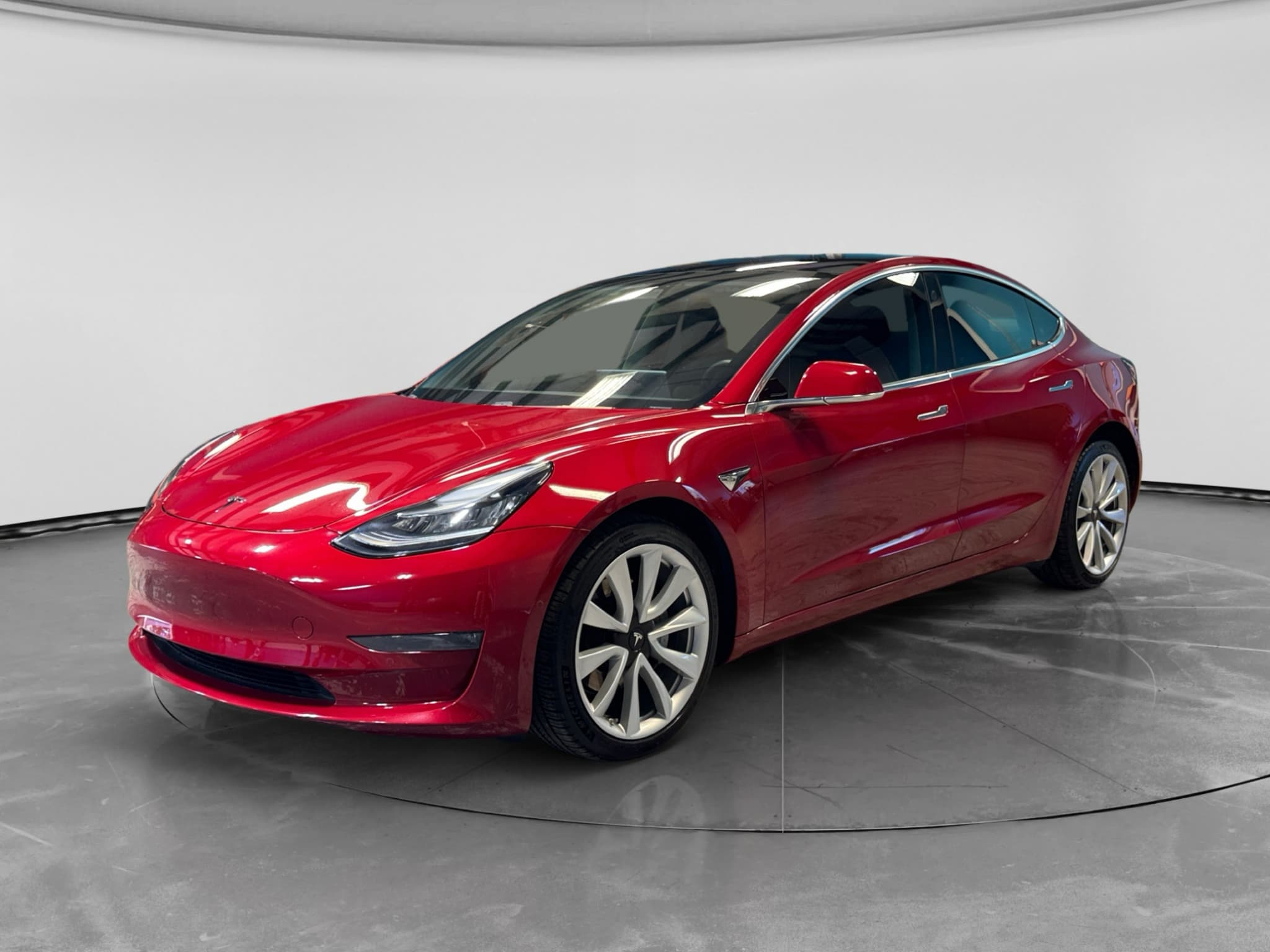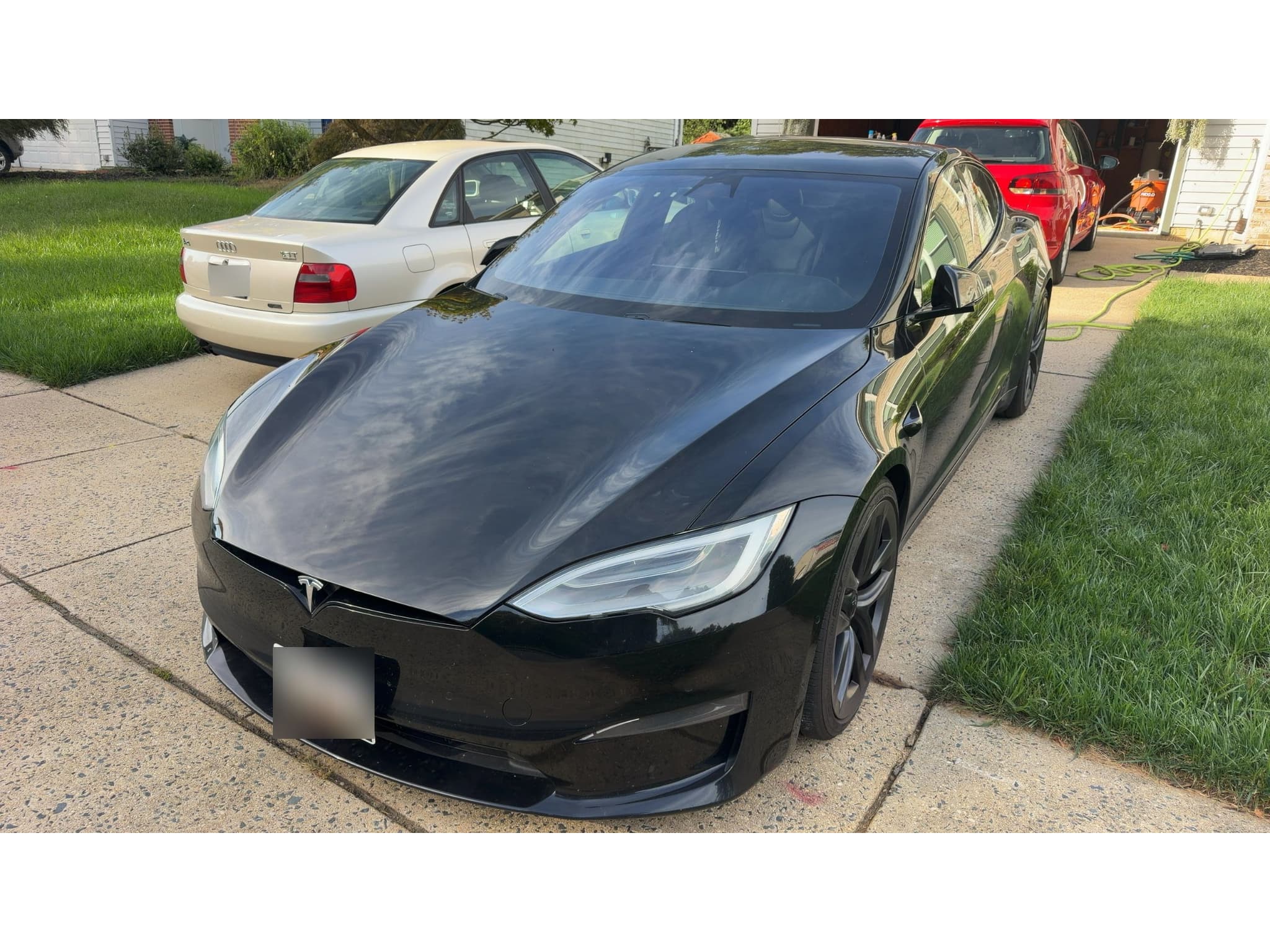
Used EV shoppers are entering a market that looks more settled than it did at the start of the year, but not necessarily cheaper. Recharged’s transaction data shows a meaningful recovery in monthly median retail prices, while its battery diagnostics show that many used packs retain a high percentage of their original capacity. The useful lesson isn’t to chase the market’s lowest number; it’s to compare current price, verified battery health, and vehicle condition together.
What Recharged’s market data shows
Recharged’s own data shows retail prices falling early in 2026 and then climbing through the September snapshot. Across 1,796 retail sales in the trailing 12 months, buyers paid an average of $29,901 and a median of $27,297; the monthly median moved from $29,049 in October 2025 to $23,928 in February 2026, then reached $30,998 in the September snapshot. That September figure reflects transactions recorded through September 22 rather than a completed month, so it should be read as a current signal rather than a final monthly result. These are retail prices buyers paid, not seller payouts; an offer or trade-in will typically be several thousand dollars below retail.
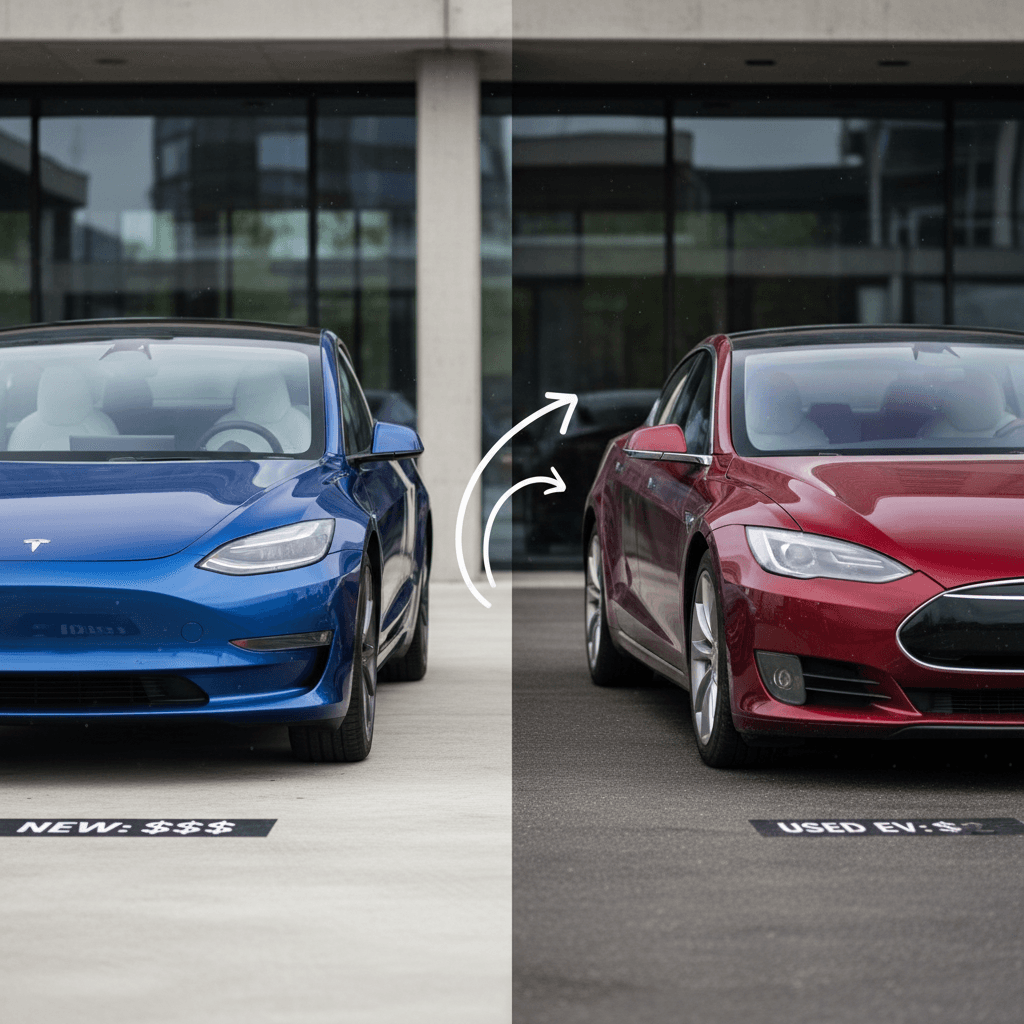
The price sequence shows that the market has not moved in a straight line. It also cautions against anchoring your budget to a price seen several months ago, especially when model mix and available inventory can change. For a deeper look at the factors behind a specific listing, see how to interpret used EV prices before comparing vehicles.
Recharged data
Used EV battery health
94%
avg remaining capacity
From Recharged battery inspections, not manufacturer estimates.
- Lowest
- 63%
- Median
- 95%
- Highest
- 100%
- Est. range
- 266 mi avg
- Cell balance pass
- 100%
- Quick charges
- 18 avg
- Slow charges
- 65 avg
Average cell imbalance: 7.3 mV
Based on vehicles Recharged tested
Recharged data
Recent EV sold prices
$27,297
median sold price
What buyers actually paid through Recharged, not list price.
- Lowest
- $500
- Average
- $29,901
- Highest
- $129,998
Monthly median sold price
Based on Recharged sales in the last 12 months
Every EV is battery-tested with a Recharged Score. Nationwide delivery.
Battery health is becoming a value benchmark
Battery health matters because a fleet-level price trend cannot tell you how much usable capacity remains in an individual EV. In 2,242 Recharged Score inspections, tested remaining capacity averaged 93.9% of original capacity, with a median of 94.9%. The same inspected group produced an average tested real-world range of 266 miles and a median of 268 miles, although individual results varied widely because the group included different vehicles and conditions. Use those results as market context, then consult the vehicle’s own diagnostic report and the used EV battery-health guide before deciding.
A used EV needs more than an asking price and a history report. Battery health belongs in the same conversation because it helps you understand the car you’re actually buying.
Compare the individual car, not just the fleet median
What changed when the federal credit ended?
The end of the federal EV tax credits changed the comparison by making vehicle price, financing, and condition carry the full buying decision. Federal new- and used-EV credits ended for vehicles acquired after September 30, 2025, and the Recharged team observed that the approaching deadline pulled demand forward and made qualifying inventory harder to source. The later increase in Recharged’s monthly median retail sold price is consistent with a firmer market, but the sales series alone cannot prove the credit expiration caused that increase. You should compare today’s transaction on its own merits instead of subtracting an expired federal incentive.
Don’t budget for an expired federal credit
The market signals that matter now
You should focus on a short list of signals rather than trying to predict the entire used-EV market. Current retail pricing establishes the budget, verified battery data describes the individual car, and the end of the federal credit changes the amount you must actually finance or pay. The table consolidates what Recharged’s data and market experience mean for both sides of a transaction.
Used EV market signals at a glance
A concise reading of the latest Recharged price, battery, incentive, and inventory observations.
| Signal | Recharged observation | Buyer response | Seller response |
|---|---|---|---|
| Retail price direction | $23,928 to $30,998 | Recheck current listings | Request fresh valuation |
| Fleet retail median | $27,297 trailing median | Set a realistic budget | Not a seller payout |
| Battery condition | 94.9% median capacity | Demand diagnostic proof | Provide battery records |
| Federal incentive | Credit has ended | Compare actual price | Price without subsidy |
| Inventory sourcing | Good stock harder to find | Verify, then decide | Condition earns attention |
Retail figures are buyer-paid prices, not seller offers or trade-in values.
The clearest buying strategy is to establish your total budget before choosing a model, then reject vehicles that don’t provide enough information about battery condition. A higher price can be justified by stronger verified condition, but the diagnostic evidence should support it. If you’re still defining your process, use Recharged’s guide to buying a used electric car and compare financing by total cost rather than monthly payment alone.
What market averages can’t tell you
Market averages can’t determine whether a particular EV is right for your route, charging setup, budget, or ownership plans. The $27,297 trailing median spans a broad mix of vehicles, while the 94.9% median tested capacity describes a large inspected fleet rather than every battery in it. Your comparison should still account for the specific model, mileage, vehicle history, tested range, charging compatibility, and physical condition. If financing is part of the decision, review the used EV financing process before judging affordability.
What to verify before buying
Current market price
Compare the listing with recent prices for similar vehicles, not an outdated incentive-era target.
Remaining battery capacity
Look for a vehicle-specific diagnostic showing tested capacity as a percentage of original.
Tested driving range
Use the car’s tested estimate alongside your regular route and charging access.
Vehicle history and condition
Review accident, title, mileage, tire, cosmetic, and mechanical information together.
Actual transaction cost
Include the selling price, financing terms, delivery, registration, and any applicable local costs.
Instant offer, trade-in, or consignment. Pickup available.
Used EV market questions
The bottom line for shoppers
The practical takeaway is that used-EV retail prices at Recharged have strengthened from their early-2026 low, but battery diagnostics remain the better tool for judging an individual car. Shop with a current budget, ignore the expired federal credit, and require evidence for remaining capacity and tested range. In this market, verified value beats a low sticker price without context.