If you’re cross-shopping a used BMW iX vs Cadillac Lyriq, you’re in rare air: both are big, bold luxury electric SUVs with serious range, serious power, and serious personalities. But they don’t feel the same to live with every day, and on the used market, they carry very different stories on reliability, tech, and value.
Who this guide is for
Overview: Used BMW iX vs Cadillac Lyriq
BMW iX in a sentence
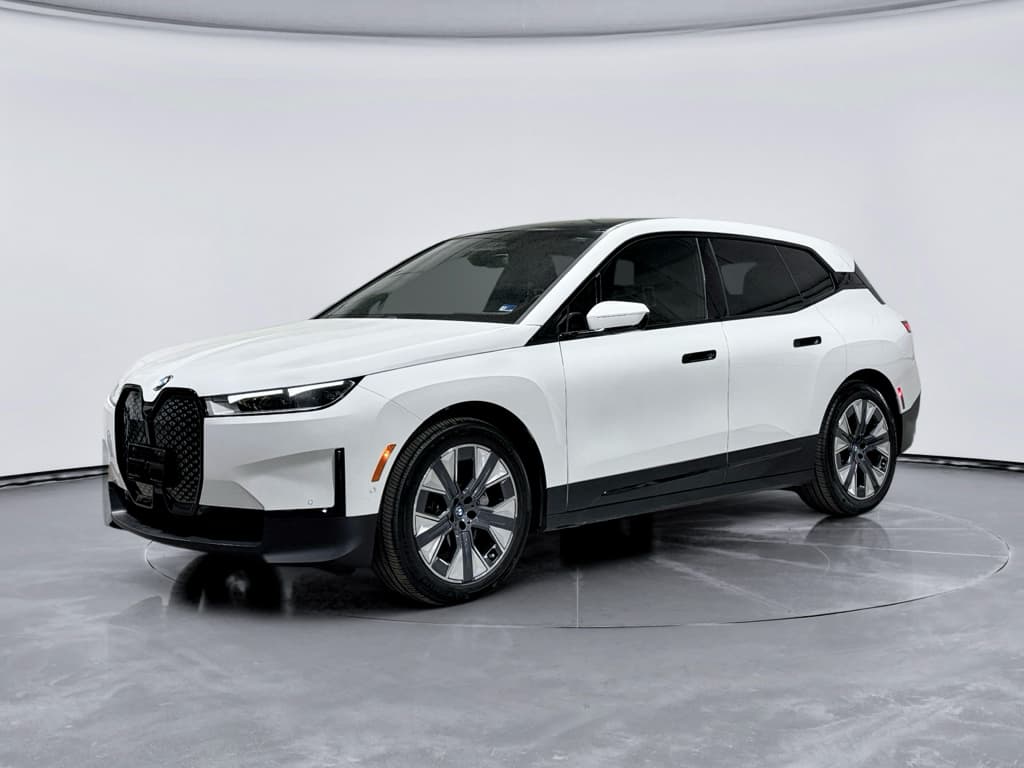
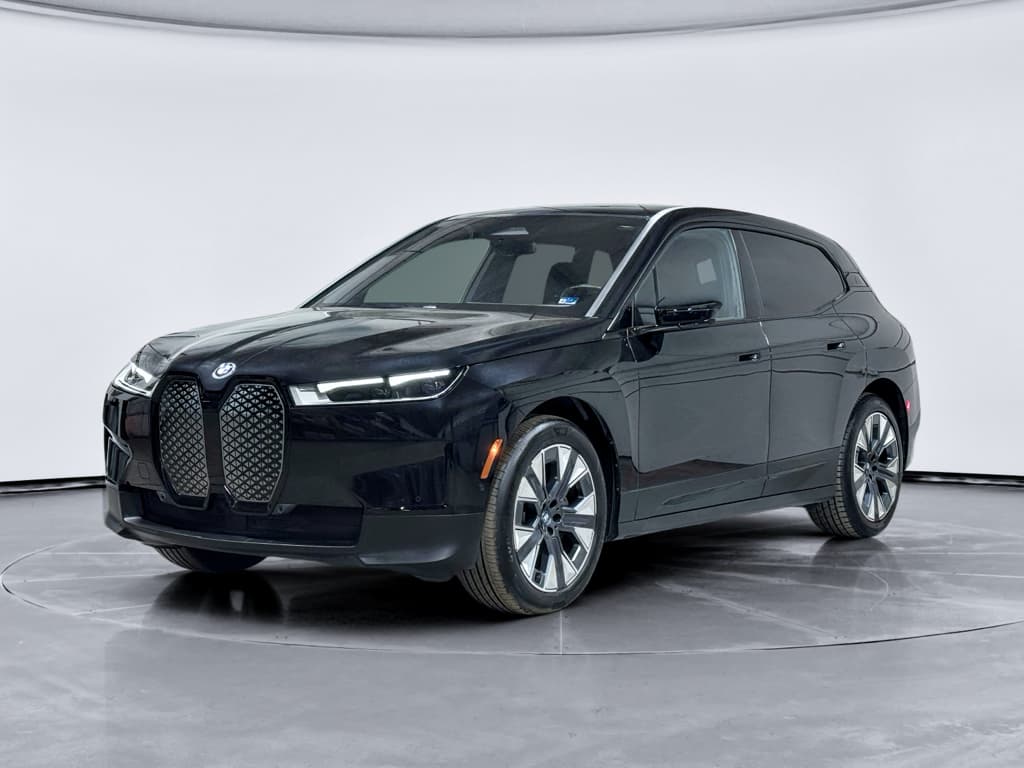
The BMW iX is the tech-forward, ultra-refined choice, more polished to drive, with strong range, a mature infotainment system, and a cabin that feels like a Scandinavian lounge.
- Available mainly in xDrive50 (and some M60) in the U.S. used market
- Big battery (around 111 kWh gross), long range, strong DC fast-charging
- Feels like a BMW first: confident, quiet, and composed
Cadillac Lyriq in a sentence
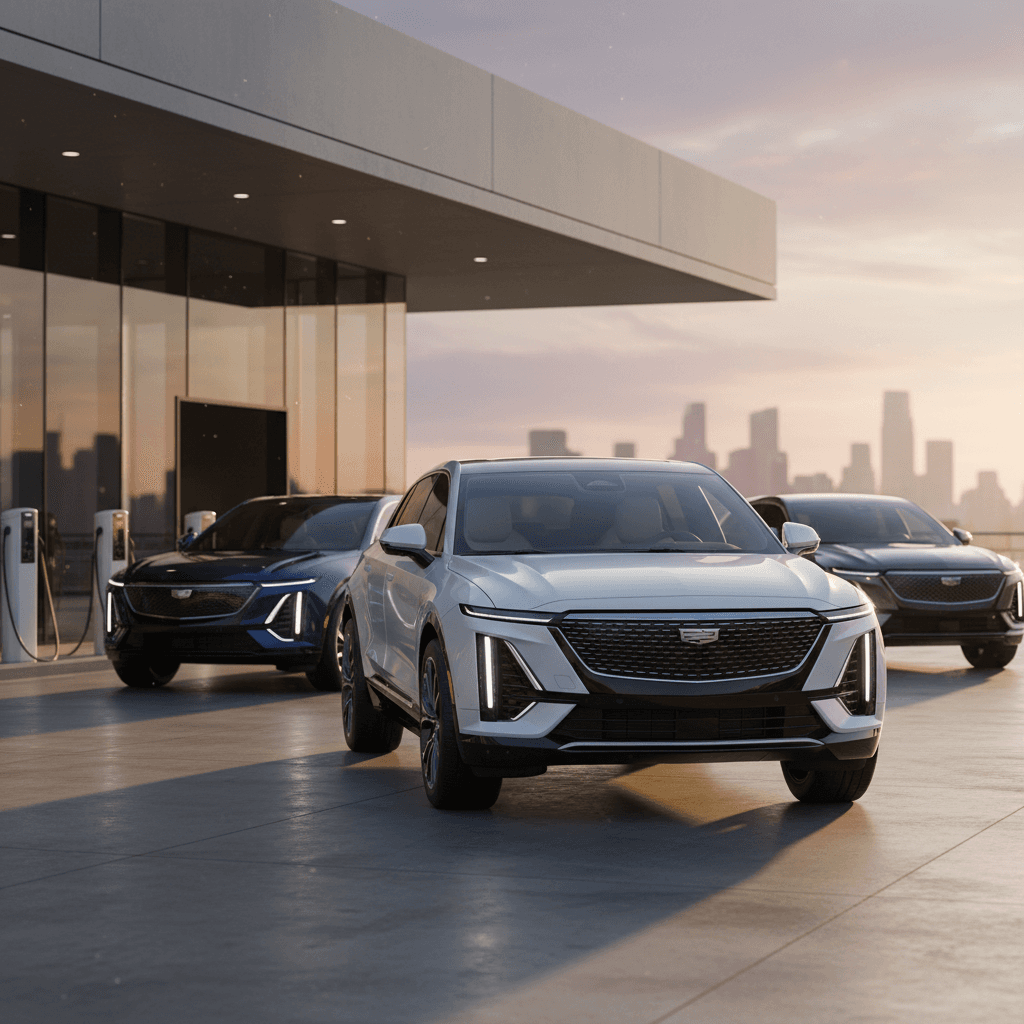
The Cadillac Lyriq is the dramatic newcomer, stunning design, cushy ride, strong range, and attractive pricing used, but earlier build years have more first-year quirks.
- Single-motor RWD and dual-motor AWD versions common used
- 102 kWh Ultium battery, EPA range up to about 326 miles on RWD models
- Beautiful interior and big screen, but software and reliability have been spottier
Quick shopping tip
Quick take: Which one fits you?
BMW iX vs Cadillac Lyriq: who should buy which?
Match the SUV to your priorities before you dive into specs.
Choose BMW iX if…
- You want the most refined driving experience in this class.
- You care a lot about infotainment and driver assists feeling polished.
- You’re okay paying a bit more for European luxury feel and brand cachet.
- You prioritize proven EV execution over eye-catching styling.
Choose Cadillac Lyriq if…
- You love dramatic design, inside and out.
- You want a roomy, comfortable cruiser with impressive range.
- You’re value-focused and like that Lyriq prices can be softer on the used market.
- You’re comfortable being an early adopter with a newer EV platform.
If you’re on the fence…
- Shop specific cars, not just badges, battery health, options, and warranty matter more than a few miles of EPA range.
- Prioritize vehicles with a verified battery health report (like the Recharged Score), clean accident history, and remaining factory EV warranty.
- Test-drive both: the way these two feel on the road is very different.
Specs and range comparison
Used BMW iX vs Cadillac Lyriq: core specs
High-level numbers for common U.S. variants you’ll see used. Always confirm exact specs for the VIN you’re buying.
| Model | Common powertrains (US) | EPA range (approx.) | Battery size | Drive type | Seats |
|---|---|---|---|---|---|
| BMW iX xDrive50 | Dual-motor, ~516 hp | ~305–324 miles (wheel/tire dependent) | ~111 kWh gross | AWD | 5 |
| BMW iX M60 | Dual-motor, up to ~610 hp | ~280 miles | ~111 kWh gross | AWD | 5 |
| Cadillac Lyriq RWD | Single-motor, ~340–365 hp | Up to about 326 miles | 102 kWh | RWD | 5 |
| Cadillac Lyriq AWD | Dual-motor, ~500+ hp | Roughly 303–319 miles (configuration dependent) | 102 kWh | AWD | 5 |
Figures are manufacturer or EPA estimates when new; real-world range will vary.
On paper, both SUVs deliver 300-ish miles of rated range in their efficiency-focused trims. The Lyriq’s Ultium pack is slightly smaller than the iX’s, but its sleek shape and single-motor RWD configuration help it match or beat many iX setups on EPA range. In the real world, both can be comfortable 250–300-mile cruisers if you’re not hammering the fast lane in winter.
Cold-weather reality check
Charging experience: home and on the road
Charging highlights at a glance
Both SUVs are strong chargers by current standards. They use the CCS1 connector as built, and many will be able to use the growing NACS/Tesla Supercharger ecosystem via approved adapters. Where they differ is in home-charging flexibility and how consistent the DC fast-charging curve feels in the real world.
- BMW iX: Typically comes with 11 kW AC charging capability. On a 48-amp Level 2 home charger, you can comfortably refill the pack overnight from low state of charge.
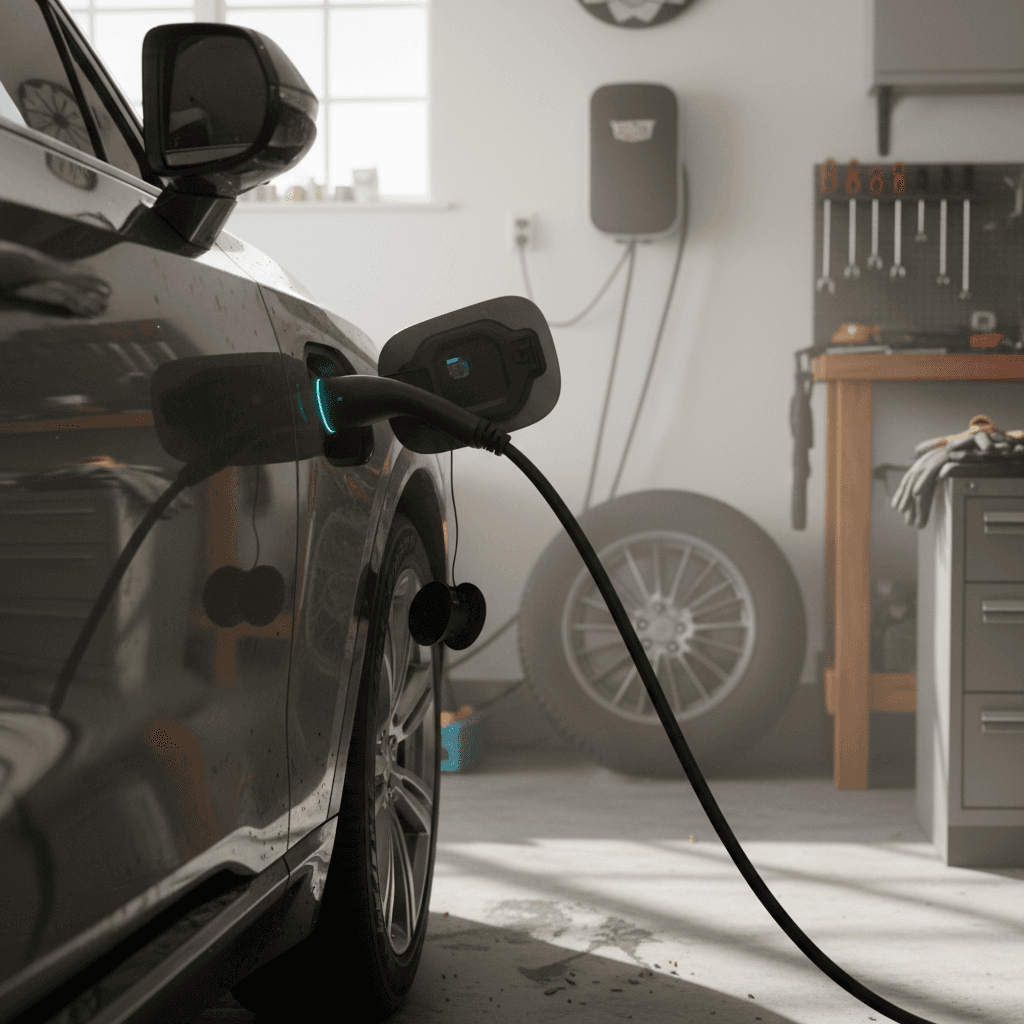
- Cadillac Lyriq: Standard 11.5 kW onboard charger, with available 19.2 kW hardware on some trims, which can add roughly 50 miles of range per hour at home when paired with a properly installed 240 V circuit.
- Public DC fast charging: Both SUVs charge quickly from 10–50% on a good DC fast charger, then ramp down. Expect a typical 10–80% fast-charge stop in roughly 35–45 minutes if the station is delivering full power.
Home charging advantage
Comfort, interior, and tech
BMW iX: lounge on wheels
The iX has one of the most distinctive cabins in the luxury EV world: open, airy, and deliberately minimalist, with eco-friendly materials and a big curved display that blends instruments and infotainment.
- Supportive seats and excellent driving position
- Quiet, refined ride with strong sound insulation
- iDrive infotainment is feature-rich and mature, with robust navigation and EV route planning
- Buttons are limited, but key functions are still reasonably easy to reach once you learn the layout
Cadillac Lyriq: drama and ambiance
The Lyriq counters with theater: a sweeping 33-inch display, dramatic ambient lighting, and materials that feel appropriately premium for a flagship Cadillac.
- Comfort-first tuning on seats and suspension, great highway cruiser
- Lots of interior storage and useful cargo space
- Google-based infotainment can feel familiar if you live in Android world
- Some owners report more glitches and lag versus the BMW’s system, especially in early build years
Luxury feel winner (subjectively)
Driving feel and performance
Both of these SUVs are quick. The BMW iX leans into its performance heritage; the Cadillac Lyriq emphasizes effortless, quiet progress with a more relaxed vibe, unless you buy one of the higher-output dual-motor versions.
How they feel from behind the wheel
Same idea on paper, very different personalities on pavement.
BMW iX
- xDrive50 models already feel very quick; the M60 is genuinely fast.
- Steering is precise and natural for a big SUV.
- Suspension strikes a nice balance: composed in corners, still comfortable on rough pavement.
- Classic BMW trait: the iX shrinks around you the faster you go.
Cadillac Lyriq
- Single-motor Lyriq is brisk, not brutal; dual-motor versions have serious punch.
- Ride is tuned more for glide than attack, perfect for long interstate runs.
- Steering is lighter, which many daily drivers like, but it’s less communicative than the BMW.
- Whisper-quiet cabin helps the Lyriq feel especially upscale at 70 mph.
Test-drive this specifically
Reliability, battery health, and warranty
When you’re buying used, reliability and battery health matter more than any spec sheet. Both the BMW iX and Cadillac Lyriq are relatively new, so long-term data is still developing. But early owner reports and surveys paint different pictures.
- BMW iX: Generally tracking as one of BMW’s better EV efforts so far. There have been software updates and some recalls, but no single catastrophic pattern. As with any complex luxury EV, expect the occasional rattle or infotainment quirk, but the iX doesn’t stand out as a problem child.
- Cadillac Lyriq: Early build years have been more troubled, with owners reporting issues around software, electronics, and some charging behavior. Some reliability surveys have ranked the Lyriq near the bottom of the pack so far. Later builds and software updates appear to be improving things, but you should pay close attention to service history and recall completion.
- Battery & drivetrain warranty: Both BMW and Cadillac offer 8-year/100,000-mile (or similar) EV component warranties from the original in-service date. On a 2–3-year-old SUV with average miles, you’ll likely have years of battery and motor coverage left. Always confirm warranty terms by VIN with the manufacturer or dealer.
Don’t skip a battery health report
With first-generation EVs, you’re not just buying a car, you’re buying the software and support behind it. How quickly issues get fixed matters as much as how often they show up.
Ownership costs and used-market value
An electric BMW and a Cadillac might look like wallet bombs, but running costs can be surprisingly reasonable compared with gas-powered luxury SUVs. The bigger question is how much depreciation you’re swallowing and what you get for your money.
Costs that matter when buying used
Depreciation, charging, and maintenance tell the real story.
Purchase price & depreciation
- Both iX and Lyriq take a healthy depreciation hit from new, which is great news for used buyers.
- The Lyriq is newer to market and has softer reliability scores, so it often sells used for less than a comparable iX.
- Spec, mileage, and warranty remaining can swing prices dramatically, shop a few examples before deciding.
Energy & charging costs
- At typical U.S. electricity rates, both SUVs cost far less per mile to fuel than a gas SUV.
- Home Level 2 charging is the budget hero; DC fast charging is convenient but more expensive.
- Route planning and using off-peak rates where available can shave real money off your monthly spend.
Maintenance & repairs
- No oil changes, fewer moving parts, but still complex luxury vehicles.
- Out-of-warranty electronic or air-suspension repairs can be pricey for either brand.
- BMW’s dealer network has more EV experience to date; Cadillac’s is catching up quickly.
Stretch your budget the smart way
What to check on a used BMW iX or Lyriq
Essential used-BMW iX and Cadillac Lyriq checklist
1. Confirm remaining EV and bumper‑to‑bumper warranty
Ask for the in-service date and mileage, then verify remaining coverage with a franchised BMW or Cadillac dealer. Pay special attention to the high-voltage battery and electric drive unit warranty.
2. Get a real battery health assessment
Dash range estimates are not enough. Look for a <strong>diagnostic battery report</strong> such as the Recharged Score, which reads pack data to estimate remaining usable capacity and check for cell imbalances.
3. Review software updates and recall history
Both SUVs have had software and safety recalls. Ask for a printout of completed campaigns, and confirm that the vehicle is up-to-date. A car stuck on old software can feel buggier and charge less reliably.
4. Test DC fast‑charging behavior
If possible, do a short DC fast‑charge test from around 20–30% state of charge. Watch for normal ramp‑up in power, stable charging, and no error messages. Sudden disconnects or extremely low power on a healthy station are red flags.
5. Inspect tires, brakes, and suspension carefully
These are heavy EVs; they eat tires faster than a compact hatchback. Uneven tire wear, clunks, or vibration over bumps can hint at alignment or suspension issues that get expensive on big-wheel luxury SUVs.
6. Live with the tech for 15 minutes
Sit in the car with it in "ready" mode. Pair your phone, test CarPlay/Android Auto, run navigation, adjust driver-assist settings. Make sure the screen responds quickly and consistently, especially important on early Lyriqs.
How Recharged can help
FAQ: used BMW iX vs Cadillac Lyriq
Frequently asked questions
Bottom line: Which should you buy used?
If you want the most polished, confidence‑inspiring luxury EV SUV today, a used BMW iX, especially an xDrive50 with solid options and warranty left, is the safer all‑rounder. It’s mature to drive, its tech is well‑sorted, and it has the feel of a vehicle that’s already lived a few software lifetimes.
If you’re drawn to design drama, strong range, and value pricing, a used Cadillac Lyriq can be a fantastic highway companion, particularly in single‑motor RWD trim. You just need to be more selective, favoring cars with clean histories, completed updates, and objective battery‑health verification.
Whichever way you lean in the used BMW iX vs Cadillac Lyriq debate, the big wins are the same: quiet, effortless EV torque; lower running costs; and the satisfaction of stepping into a flagship EV for far less than new. Shopping through a platform like Recharged, where every vehicle includes a Recharged Score battery health report, transparent pricing, and EV‑specialist guidance, can make that leap into luxury EV ownership feel as smooth as these SUVs drive.