If you’re eyeing a used Toyota bZ4X or wondering what yours will be worth down the road, the big question is simple: **what does Toyota bZ4X value look like after 5 years**? The answer is more complicated than Toyota’s reputation would suggest. Early data shows the bZ4X depreciates faster than most Toyotas and roughly in line with many electric SUVs, yet that same slide in value can make a 5‑year‑old bZ4X a compelling used buy if you know what you’re looking at.
Context: a young EV with a short history
Why Toyota bZ4X 5‑year value matters right now
The Toyota bZ4X launched into a crowded, fast‑moving EV market. At the same time, **EV resale values have been under pressure** as newer models add range and tech, and as generous lease incentives on new EVs make used prices look high by comparison. Understanding how the bZ4X behaves over a five‑year horizon helps you decide whether to buy new or used, when to sell, and how much “deal” you’re getting on a pre‑owned example.
Toyota bZ4X 5‑year value at a glance (early forecasts)
Important caveat on the numbers
How much value does a Toyota bZ4X lose in 5 years?
Let’s translate “mid‑50% depreciation” into something you can use. Suppose a buyer paid around **$46,000** out the door for a mid‑trim bZ4X, a realistic transaction price once you factor destination and modest options. Pulling together multiple depreciation models, an **illustrative 5‑year value curve** looks something like this:
Illustrative 5‑year Toyota bZ4X value curve
Approximate resale values for a mainstream Toyota bZ4X trim with a $46,000 initial transaction price and average mileage. Actual values vary with trim, incentives, and condition.
| Vehicle age | Approx. market value | % of original price | Cumulative depreciation |
|---|---|---|---|
| New (purchase) | $46,000 | 100% | , |
| Year 1 | $33,000–$35,000 | ≈72% | ≈24–28% |
| Year 3 | $23,000–$25,000 | ≈50–54% | ≈46–50% |
| Year 5 | $20,000–$22,000 | ≈44–48% | ≈52–56% |
Use this as a directional guide, not a quote for any specific vehicle.
In plain English: **by year five, the typical bZ4X owner has “spent” around half the car’s original value in depreciation alone**. That’s steeper than what many shoppers expect from a Toyota, but it’s very much in line with what we’re seeing across the broader EV SUV segment.
Why this can be good news for used buyers
bZ4X 5‑year value vs. other Toyotas and rival EVs
Compared with other Toyotas
Toyota has earned its reputation for exceptional resale value. Popular models like the RAV4 Hybrid and Tacoma often keep 55–65% of their value after five years in typical market conditions. That means the bZ4X’s forecasted low‑40s to high‑40s residuals stand out: it’s depreciating faster than the Toyota norm, despite sharing the badge.
The reasons are less about build quality and more about EV‑specific factors, rapidly improving range and charging speeds, plus early‑model uncertainty that spooks some buyers.
Compared with other electric SUVs
Stack the bZ4X against the broader EV field, and the picture changes. Many first‑wave electric SUVs, especially those with modest range or slow DC fast‑charging, are on similar paths, losing 45–60% of their value in the first five years.
Newer, longer‑range EVs from Hyundai, Kia, and Tesla tend to hold value better so far, but they also started at higher prices. The bZ4X’s middle‑of‑the‑pack range and charging performance keep its resale in the “average EV” bucket rather than the Toyota‑superstar bucket.
Where the bZ4X lands overall
What pushes Toyota bZ4X values down after 5 years
Key forces pulling 5‑year bZ4X values down
Most of these have little to do with Toyota’s build quality and a lot to do with EV market dynamics.
Rapid EV tech turnover
Battery and charging tech are moving fast. When the bZ4X arrived, a ~250‑mile EPA rating and modest DC fast‑charging looked fine. Only a few years later, rivals boast 280–320 miles of range and much faster charging. That makes early bZ4X models feel “old” sooner, which dents 5‑year demand.
Slow DC fast‑charging
Owner reports and road‑test data highlight conservative DC fast‑charging behavior, especially in cold weather. For buyers who road‑trip, slow charge stops are a red flag, even if daily driving is fine. That perception shows up in auction bids and retail pricing.
Cold‑weather range concerns
All EVs lose range in the cold, but the bZ4X has drawn extra criticism for winter performance. Partly it’s expectations, partly the bZ4X’s relatively small efficiency margins. Shoppers in northern climates may favor competing models, weighing on bZ4X values in those regions.
Early recalls & perception
The high‑profile early recall for wheel‑hub issues and some HVAC and software glitches haven’t sunk the bZ4X, but they’ve softened consumer confidence in Toyota’s first mainstream BEV. Even once fixed, those headlines linger in used‑market psychology.
Heavy incentives on new leases
Generous factory lease cash and indirect federal credit pass‑throughs have made new bZ4X leases unusually cheap at times. When lessees walk away at lease‑end, that flood of well‑equipped off‑lease inventory forces used values down further.
EV‑wide depreciation pressure
Across the industry, first‑generation EVs have been repriced as newer vehicles arrive with more range for similar money. The bZ4X isn’t immune; it’s riding the same wave of EV price discovery as the rest of the market.
Biggest risk factor for your 5‑year value
What helps a Toyota bZ4X hold its value
- Strong overall Toyota reliability expectations, especially as more real‑world data trickles in and early bugs are addressed.
- A relatively simple EV powertrain with no turbo or multi‑gear complexity, which can appeal to long‑term owners.
- Lower running costs, no oil changes, fewer wearable parts, compared with an equivalent gas SUV, which helps used‑buyer demand.
- Conservative battery management; Toyota tends to favor longevity over peak performance, which can reassure second and third owners.
- Well‑equipped trims with popular features (heated seats, driver‑assist tech, all‑wheel drive) that stay desirable at year five.
Where the bZ4X shines for value‑seekers
Real‑world bZ4X price examples (and what they tell you)
Because the bZ4X is still a young model, today’s used listings and valuation‑tool outputs are our best clues to 5‑year behavior. Here’s the shape of the market as we head through early 2026:
Snapshot: current Toyota bZ4X price landscape
Examples are illustrative; always check live listings in your region.
Nearly‑new bZ4X (1–2 years old)
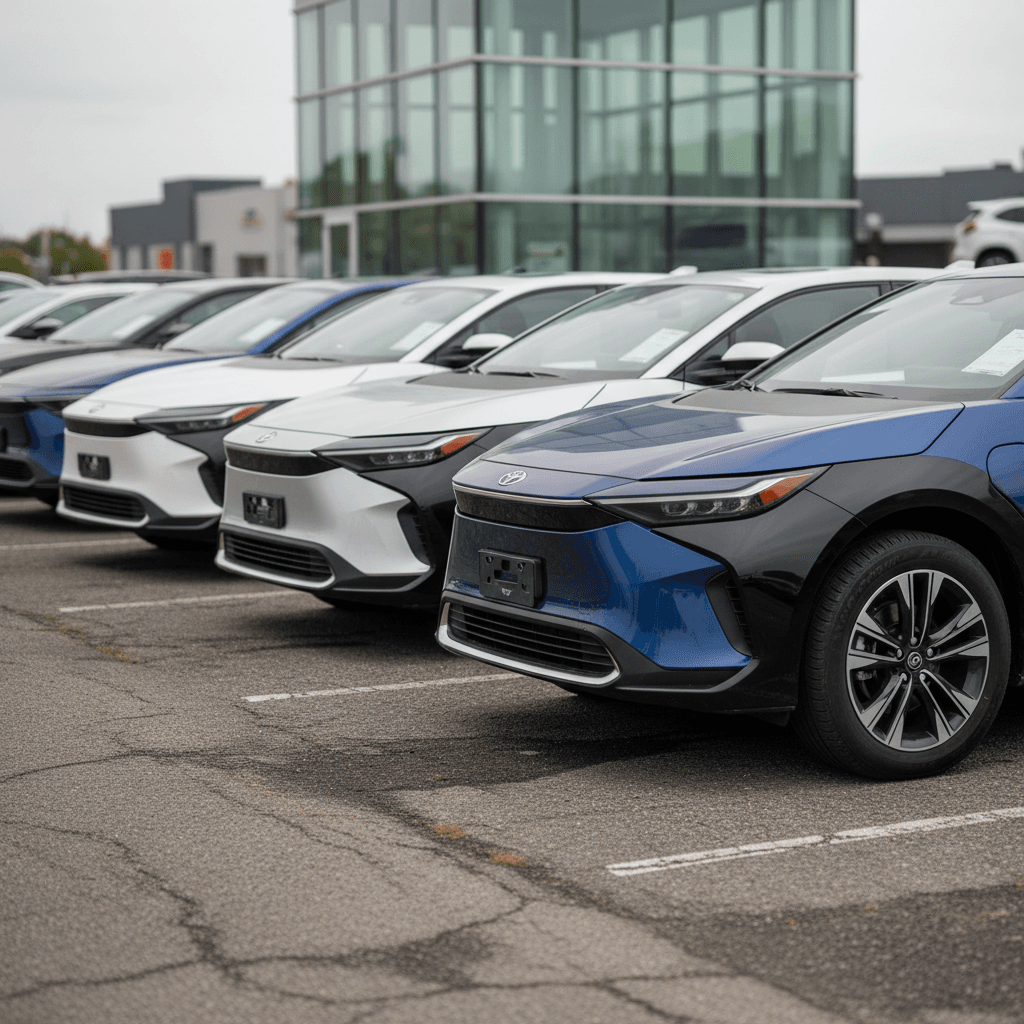
Late‑model bZ4X listings often sit in the low‑to‑mid $30,000s, depending on miles and trim. Considering many of these had effective transaction prices in the low‑$40,000s after incentives, you’re already seeing 20–30% value loss in a short window.
Early‑run bZ4X at auction
Auction data and wholesaler reports show some 2023 models with typical mileage trading around half of original MSRP after just a few years. That’s a loud hint that 5‑year values in the low‑$20,000s are realistic for mainstream trims.
Forecast tools and TCO models
Five‑year cost‑to‑own calculators and depreciation tools tend to land the bZ4X’s cumulative 5‑year depreciation in the mid‑40s to mid‑50 percent range, depending on assumptions. That aligns closely with what Recharged analysts see in the broader EV market.
“Toyota’s badge still carries weight, but in the EV world, range, charging speed, and incentives move the resale needle just as much as the name on the tailgate.”
Buying a 5‑year‑old Toyota bZ4X: smart‑shopping checklist
A 5‑year‑old bZ4X can be an excellent value play, but only if you buy the right one, at the right price, with eyes wide open about range and charging. Use this checklist as you shop.
5‑year‑old Toyota bZ4X buyer’s checklist
1. Focus on battery health, not just mileage
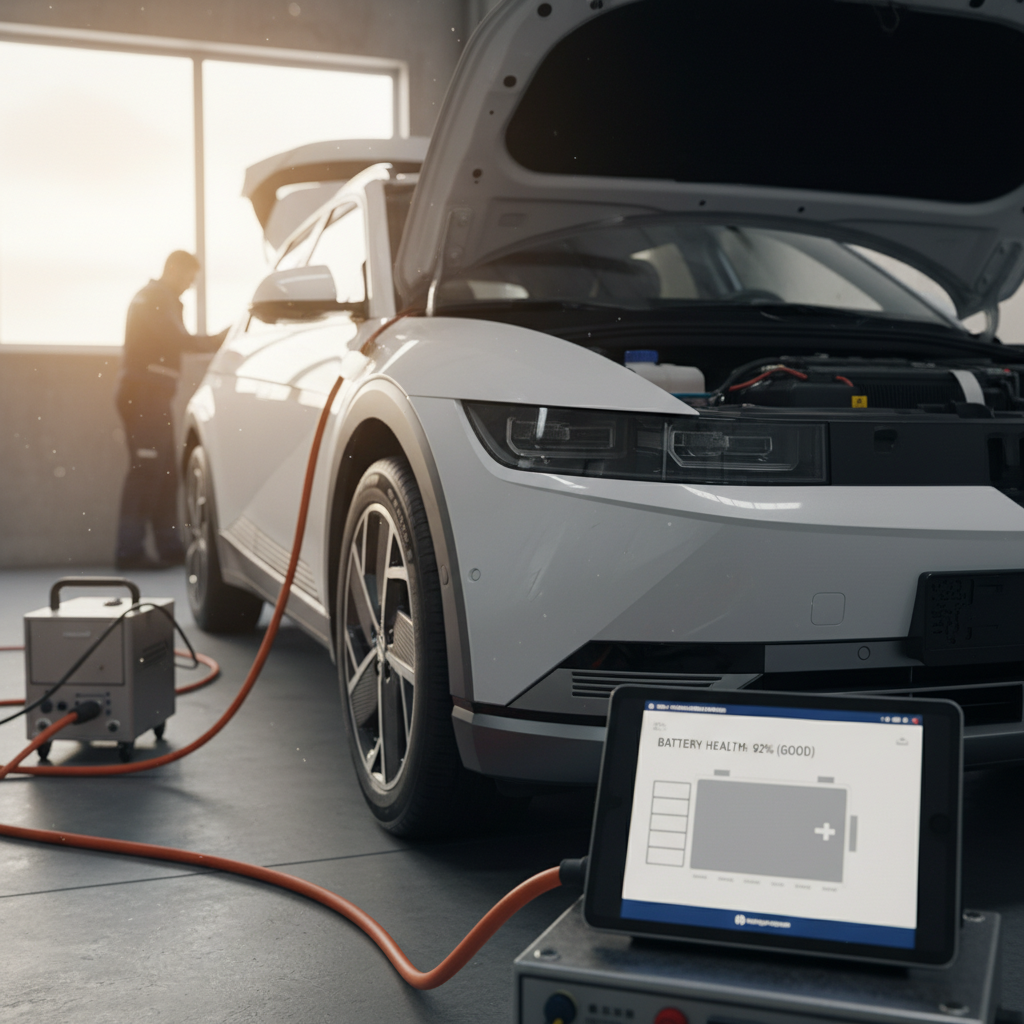
A low‑mileage bZ4X that lived on DC fast‑chargers may age worse than a higher‑mileage car that mostly charged at home. Ask for a recent battery‑health report; on Recharged, every bZ4X listing includes a <strong>Recharged Score</strong> with verified pack diagnostics instead of just reading the dash gauge.
2. Confirm remaining battery and EV warranty
Toyota’s battery and EV component warranties extend well beyond three years, and many 5‑year‑old bZ4X examples will still carry meaningful coverage. Verify in‑service date, mileage, and whether any major warranty work has already been done.
3. Test DC fast‑charging behavior
If you plan road trips, schedule a test session at a DC fast‑charger and **watch how quickly the bZ4X ramps and holds charge power**, especially once the pack warms up. A short real‑world test will tell you more than spec sheets.
4. Drive it in your typical conditions
If you live in a cold climate, test‑drive on a chilly day if possible. Watch indicated range at 100%, then see how it drops over a mixed drive. Make sure the climate system and steering‑wheel/seat heaters work as advertised, they’ll matter in winter.
5. Check for completed recalls and software updates
Ask for service records showing that early bZ4X recalls and campaigns were addressed. A Toyota dealer can print a campaign history from the VIN; on a Recharged car, our team verifies open recalls and includes the status in the listing details.
6. Compare price against current incentives on new EVs
Generous lease offers or discounts on new EVs can make a 5‑year‑old bZ4X look less compelling than it first appears. Before you sign, compare against current deals on new and nearly‑new EVs, not just against the original MSRP from years ago.
Let someone else eat the steepest depreciation
Selling or trading a Toyota bZ4X around year 5
If you already own a bZ4X, you don’t control the market, but you do control how your specific vehicle looks to the next buyer. At the 5‑year mark, presentation and documentation can easily swing your outcome by several thousand dollars.
- Gather records of all scheduled maintenance, software updates, and recall work. A thick folder (or digital file) reassures used‑EV shoppers.
- Have a fresh inspection and tire/brake report in hand so there are no surprises on a pre‑purchase inspection.
- Get a battery‑health assessment; if the results are strong, lead with that in your listing or trade‑in conversation.
- Detail the car, fix easy cosmetic issues, and photograph it well. EV buyers skew research‑oriented, and good photos build trust.
- Shop multiple offers, trade‑in, instant‑offer services, and local dealers, before committing. Markets can differ by region.
How Recharged can help you sell
How Recharged evaluates Toyota bZ4X value & battery health
Because the bZ4X is still relatively new, off‑the‑shelf depreciation curves only tell part of the story. At Recharged, we blend those tools with our own EV‑specific data and diagnostics to estimate value more precisely for each individual vehicle.
Inside a Recharged Toyota bZ4X valuation
Why a generic Blue Book number isn’t the whole picture for EVs.
Recharged Score battery diagnostics
Every bZ4X we list goes through a Recharged Score process that measures real‑world battery health, including usable capacity and charging behavior. Instead of trusting a simple state‑of‑charge bar on the dash, we look at how the pack actually performs under load and over a charge cycle.
Market‑aware depreciation modeling
Our pricing tools ingest live listing data, auction results, incentive histories, and regional EV adoption trends. That helps us set asking prices and offers that reflect not just the badge, but current EV sentiment in your area.
Region & use‑case adjustments
A bZ4X in Southern California commuter duty lives a different life than one in a cold‑weather state doing frequent highway trips. We factor in climate, road‑salt exposure, and likely charging patterns to fine‑tune value estimates.
Transparency for buyers and sellers
Whether you’re buying or selling through Recharged, you’ll see a breakdown of how we arrived at a price: battery health, comparable sales, incentives when new, and condition. The goal is simple, no black‑box numbers, just a clear story.
Ready to find your next EV?
Browse VehiclesToyota bZ4X 5‑year value: FAQs
Frequently asked questions about bZ4X value after 5 years
Bottom line: Is a 5‑year‑old bZ4X a good value?
Five years in, the Toyota bZ4X looks less like a typical Toyota resale champion and more like a **solid, middle‑of‑the‑pack EV value story**. Owners are likely to see roughly half the original price evaporate in depreciation by year five, especially on early models that faced stiff new‑EV incentives and rapid tech turnover. The flip side is that shoppers willing to live with average range and cautious fast‑charging can find well‑equipped, gently‑used bZ4X examples for surprisingly reasonable money.
If you’re buying, focus on **battery health, charging behavior, and realistic range in your climate**. If you’re selling, lean hard on documentation and diagnostics to stand out from the pack. And if you’d rather have a guide in your corner, Recharged is built for exactly this moment in the EV market, helping you understand what your bZ4X is really worth after five years, and making the next step in your electric journey as simple and transparent as it ought to be.