If you’re researching Toyota bZ4X common problems in 2026, you’re not alone. Early owners have now put several years and tens of thousands of miles on Toyota’s first dedicated EV, and clear patterns are emerging around reliability, recalls, charging behavior and cold‑weather performance, especially on 2023–2025 models that dominate the used market.
What this guide covers
Toyota bZ4X common problems in 2026: big picture
2023–2025 Toyota bZ4X problem snapshot (as of 2026)
By 2026, the bZ4X has two different reputations. On one hand, it’s a comfortable, easy‑to‑drive EV with Toyota’s conservative approach to safety and battery protection. On the other, it’s known for slow fast‑charging, big winter range swings, HVAC quirks and some first‑generation software rough edges. None of this makes the bZ4X a bad EV, but it does mean you should go in with eyes open, especially if you live in a cold climate or plan frequent road trips.
Key risk area: cold climates
Major Toyota bZ4X recalls to confirm in 2026
Before you worry about day‑to‑day annoyances, make sure any bZ4X you’re considering has all recall work completed. Most 2023–2025 cars should already be updated by 2026, but used‑car shopping often means dealing with vehicles that missed dealer visits.
Key Toyota bZ4X recalls affecting used buyers in 2026
Always run the VIN through Toyota’s recall checker and ask for paperwork showing these campaigns were completed.
| Issue | Model years most affected | Risk if not fixed | What the repair usually involves |
|---|---|---|---|
| Loose wheel hub bolts | Primarily 2023 (early build) | Wheel can loosen and, in extreme cases, detach while driving, leading to loss of control. | Dealers replace hub bolts with redesigned parts and torque to updated specifications. |
| HVAC/defroster software fault | 2023–2025 | Heat and defrost can shut down after certain compressor faults, hurting visibility and cabin comfort. | Reprogramming the HVAC control unit and, in some cases, replacing components tied to the heat‑pump system. |
| Rear camera image freezing or blank | 2023–2026 (shared with some Lexus/Subaru models) | Loss of rear visibility while backing up; non‑compliance with backup camera standards. | Infotainment or panoramic‑view ECU software update to stabilize the camera feed. |
| Accessory/label and compliance recalls | 2023–2025 | Minor safety‑label or accessory‑mounting compliance issues. | Inspection and replacement of labels or hardware as needed. |
The exact recall IDs and coverage can vary by model year and build date, so verify each one by VIN.
Ask for the recall printout
Charging issues: slow DC charging, cold-weather quirks and home charging glitches
Charging is the single most discussed bZ4X pain point in owner forums and surveys. Some of the frustration comes from design limitations, especially on AWD models; others come from software behavior in cold weather or interactions with specific chargers rather than a defective car.
Most common Toyota bZ4X charging complaints
What owners actually mean when they say “it charges badly”
Slow DC fast‑charging, especially AWD
Owners routinely see well under the advertised peak speeds, particularly with the all‑wheel‑drive pack. In cold weather, the car may refuse to fast‑charge anywhere near its theoretical max, or hover around 40–70 kW for large portions of the session.
Cold‑battery behavior
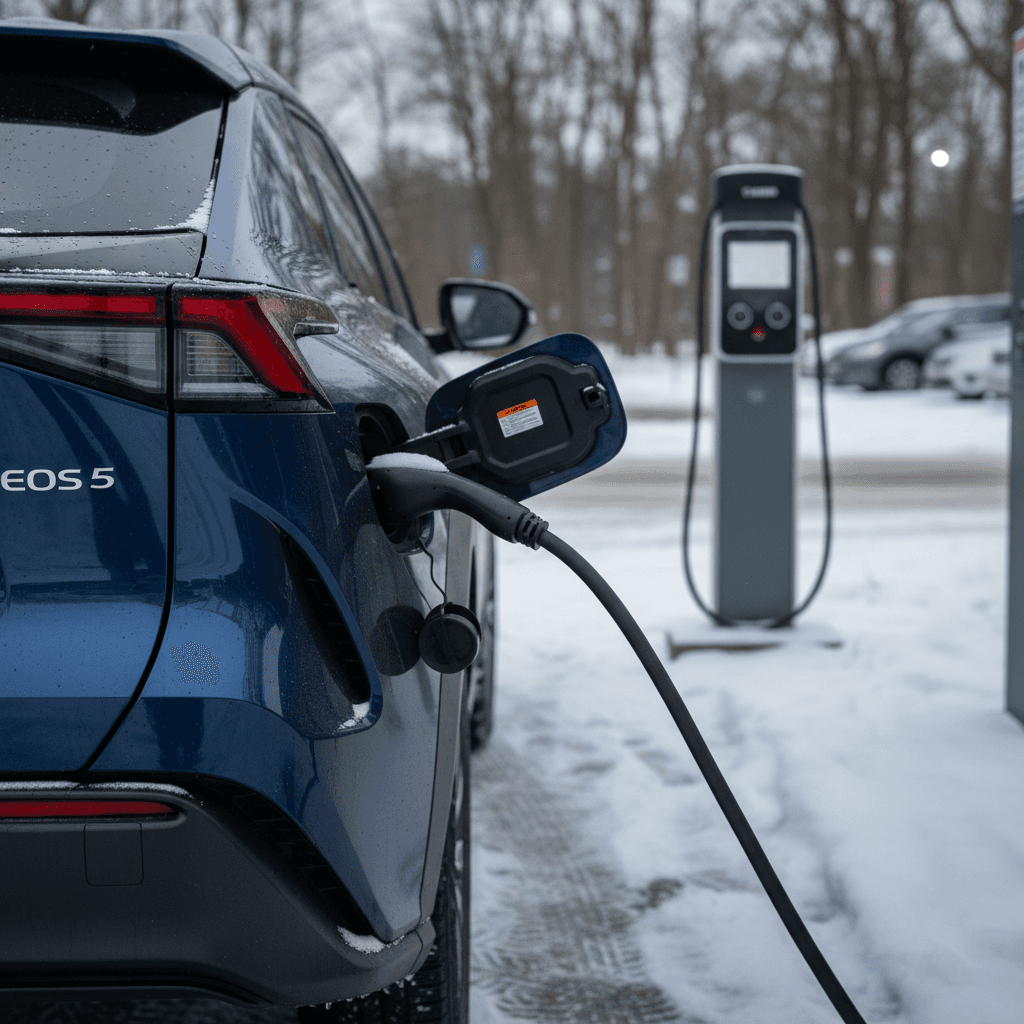
Toyota’s conservative battery management means the bZ4X heavily throttles DC charging when the pack is cold. In freezing temperatures, the car can take a long time to ramp up, or never reach high speeds at all on a short stop.
Home Level 2 quirks
Some owners report the car failing to start a home charge until they unplug/replug, or the wall unit shutting off with an error. Often the culprit is the EVSE or wiring, but the bZ4X is sensitive to marginal installations and loose plugs.
Toyota has rolled out software updates and, in some markets, battery preconditioning features to improve fast‑charging behavior. But as of 2026, even updated bZ4X models remain slower and more temperature‑sensitive than rivals like the Hyundai Ioniq 5, Kia EV6 or Tesla Model Y. If you fast‑charge only a few times a year, this may be a non‑issue. If you road‑trip frequently in winter, it’s a core consideration.
Understand the bZ4X’s DC limits before road‑tripping
Quick checklist if a bZ4X won’t charge properly
1. Try a different charger brand or stall
Many “charging problems” trace back to a specific DC fast‑charger or Level 2 unit. If the car behaves normally on another station, the issue is likely network‑side, not vehicle‑side.
2. Check temperature and state of charge
Cold pack and high state of charge (over ~70–80%) are the two biggest enemies of fast DC speeds on the bZ4X. You’ll see the best speeds between roughly 10–60% with a warm battery.
3. Inspect home wiring and EVSE
For home issues, confirm the breaker, wiring gauge and outlet are correctly sized for your charger. Loose or undersized hardware can make the bZ4X appear to “refuse” a charge or charge slowly.
4. Look for software and TSB updates
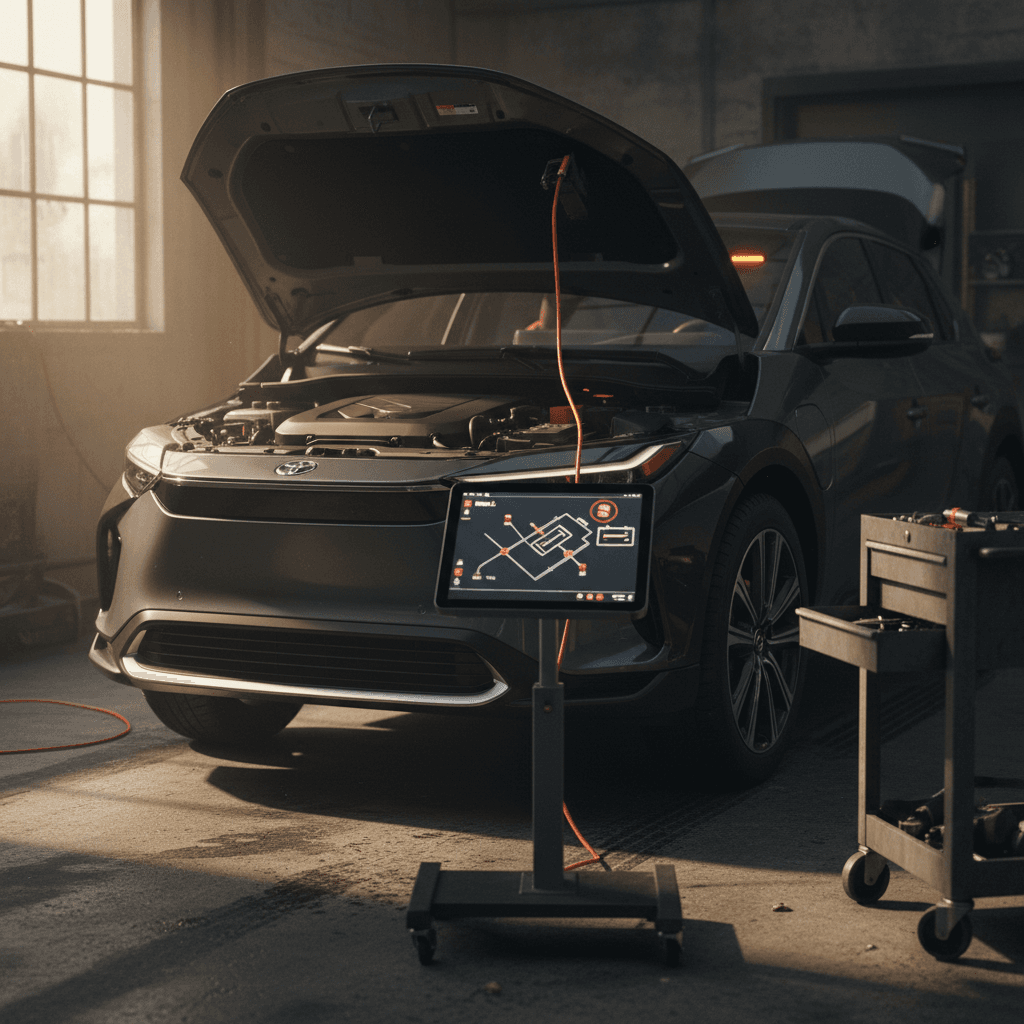
Toyota has issued technical service bulletins and updates around charging and HVAC behavior. Ask a dealer to scan the car and apply all available updates before assuming a component has failed.
Battery and range complaints: degradation vs. expectations
With several winters now behind early bZ4X buyers, you’ll see some dramatic‑sounding range posts online, numbers like “60% of original range” or “lost 80 miles overnight in the cold.” It’s important to separate three things: normal EV winter efficiency loss, the bZ4X’s conservative thermal strategy, and true long‑term battery degradation.
What’s normal on any EV
- Winter range loss: Most EVs lose 20–40% of real‑world range in sub‑freezing weather due to cabin heating and a cold battery.
- Guess‑o‑meter drama: The in‑car range estimator swings a lot until it “learns” your habits. Short trips, high speeds and heavy HVAC use make it look worse than it is.
- Some early‑life drop: It’s common for any lithium‑ion pack to lose a small percentage of capacity in the first year or two, then level off.
Where the bZ4X is different
- Limited preconditioning (earlier builds): Early bZ4X software did little to warm the pack before a DC session, so owners saw unusually poor winter charging and range. Later updates and newer builds improve this, but don’t fully solve it.
- Conservative thermal control: Toyota strongly protects the pack, which is good for longevity but can amplify winter range loss compared with EVs that spend more energy heating the battery.
- Battery warranty backstop: The long EV battery warranty provides a safety net if the pack falls well below expected capacity within the coverage window.
Don’t judge a bZ4X by one cold day
Heat, defrost and HVAC problems in the bZ4X
If there’s one issue that’s moved from “annoying” to “headline‑worthy” as the fleet ages, it’s HVAC behavior in cold weather. Owners across the northern U.S. and Canada have reported weak heat, sudden loss of warm air and, in some cases, cabin heat and defrost cutting out during very cold drives.
- A large 2023–2025 recall addresses a software flaw that could put the heat pump into a failsafe mode after certain compressor faults, disabling heat and defrost until repaired.
- Some owners have had hardware failures, like expansion valves or compressors seizing in extreme cold, leading to complete loss of cabin heat until parts are replaced.
- Even in healthy cars, drivers report that the bZ4X’s heat pump takes time to warm up in deep cold, and feels weaker than traditional gas‑car heaters or the systems in some rival EVs.
HVAC failure can be a safety issue, not just a comfort issue
Electronics, cameras and software glitches
Like most modern EVs, the bZ4X leans heavily on software. That’s brought a cluster of smaller but still frustrating issues: rear camera images freezing, infotainment system hiccups, warning lights that clear on restart, or driver‑assist features briefly dropping out.
Typical bZ4X electronics and software complaints
Annoyances to check on a test drive
Rear camera freezing/blank
Covered by a software recall on many 2023–2026 Toyota and related models. On a test drive, shift between Drive and Reverse multiple times and watch for lag or image loss.
Infotainment glitches
Random reboots, audio dropouts, or navigation lock‑ups crop up in owner reports. Often improved by software updates but still worth checking on your specific car.
Driver‑assist warnings
Occasional lane‑keep or adaptive‑cruise errors that clear after a restart. Persistent alerts can signal sensor alignment or calibration issues after a windshield or bumper repair.
Software update strategy
How serious are Toyota bZ4X common problems overall?
Put all of this together and the picture in 2026 is nuanced. The bZ4X has had more early‑life drama than a typical Toyota, especially around hardware recalls and cold‑weather behavior. At the same time, many of the big‑ticket issues, loose wheel hub bolts, HVAC failsafe behavior, camera‑software bugs, are fix‑once repairs that don’t recur after proper service.
Where the bZ4X still shines
- Comfortable daily driver: Quiet, easy to park and straightforward to operate, especially for first‑time EV owners.
- Toyota’s conservative approach: Charging and battery management are tuned for long pack life rather than brag‑worthy numbers.
- Competitive used pricing: Because of its reputation, bZ4X resale values often trail similar‑size EVs, good news if you’re buying used and do your homework.
Where you pay a penalty
- Road‑trip capability: Slow DC charging and winter range loss make it a weaker choice for frequent long‑distance driving, especially in cold regions.
- Cold‑weather confidence: HVAC hiccups and conservative battery heating mean more planning ahead in harsh climates.
- First‑gen software feel: More minor glitches than you’re used to from a traditional Toyota sedan or SUV.
If you treat the bZ4X as a reliable commuter with occasional road trips, not a cross‑country fast‑charging hero, most owners end up satisfied, especially once recall and software work is done.
2026 used Toyota bZ4X shopping checklist
If you’re considering a used bZ4X, especially a 2023–2025 model, the key is separating a well‑sorted example from one that’s been neglected on recalls and updates. Use this checklist as a starting point.
What to check before you buy a used bZ4X in 2026
1. VIN recall and TSB check
Run the VIN through Toyota’s recall site and ask a dealer to check for any open campaigns or technical service bulletins (TSBs) on HVAC, charging, or camera systems. A clean history here is a strong sign of a well‑maintained car.
2. Full charging test (home + DC)
If possible, test the car on a known‑good Level 2 charger and at least one DC fast‑charger. Watch how quickly it ramps up, whether it hits expected speeds for its trim, and whether sessions fail unexpectedly.
3. Cold‑weather HVAC test
On a chilly day, verify that cabin heat comes on promptly, stays consistent and that the windshield defroster works well at highway speeds. Ask specifically if the HVAC recall has been performed and request paperwork.
4. Range and efficiency reality check
Review the trip computer’s long‑term kWh/100 miles (or mi/kWh) and compare with what you’d expect for your climate and driving mix. Extreme outliers could point to underlying HVAC, tire or alignment issues.
5. Software and infotainment behavior
During a test drive, cycle through navigation, audio, CarPlay/Android Auto and camera views. Look for lag, freezes or reboots. Minor hiccups are common; frequent failures can be a red flag.
6. Physical inspection of wheels and tires
Given the early wheel‑hub recall, inspect for uneven tire wear, vibration at speed or steering wander. These can signal alignment issues or prior impact damage, even on cars that have technically had recall work completed.
Lean on third‑party battery health data
How Recharged can help you shop a used bZ4X with confidence
Because the bZ4X’s biggest stories so far have revolved around recalls, software and winter behavior, buying used in 2026 is less about chasing the lowest price and more about verifying the right car. That’s where Recharged comes in.
Why bZ4X shoppers use Recharged
Making a nuanced EV like this easier to buy and own
Recharged Score battery diagnostics
Every bZ4X on Recharged comes with a Recharged Score Report that includes verified battery health, observed charging behavior and a review of visible recall/TSB completion so you can see how that specific car has aged.
Fair pricing and trade‑in options
Because our team tracks used EV values and problem patterns, we price bZ4X inventory to reflect its strengths and trade‑offs. You can also get an instant offer for your current vehicle or explore consignment to maximize value.
Nationwide delivery & EV‑savvy support
Recharged offers nationwide delivery from our digital marketplace and an in‑person Experience Center in Richmond, VA. Our EV specialists can walk you through cold‑weather planning, charging setup and ownership costs before you commit.
Ready to find your next EV?
Browse VehiclesWhether you buy a bZ4X through Recharged or simply use our research as a sanity check while shopping elsewhere, treating this Toyota like an early‑generation tech product, not a bulletproof Camry, will put you in the right mindset. Ask hard questions, insist on documentation, and lean on real data instead of guesses from the dash.
Toyota bZ4X problems in 2026: FAQ
Frequently asked questions about Toyota bZ4X common problems in 2026
In 2026, the Toyota bZ4X is neither the horror story some early headlines suggested nor the flawless appliance many shoppers expect from a Toyota badge. It’s a competent first‑generation EV with clear strengths and well‑documented weaknesses. If you match the car to your use case, confirm the right repairs and updates, and lean on objective battery‑health data instead of gut feel, a used bZ4X can make a lot of sense, especially when you have a partner like Recharged helping you sort the great examples from the problem children.