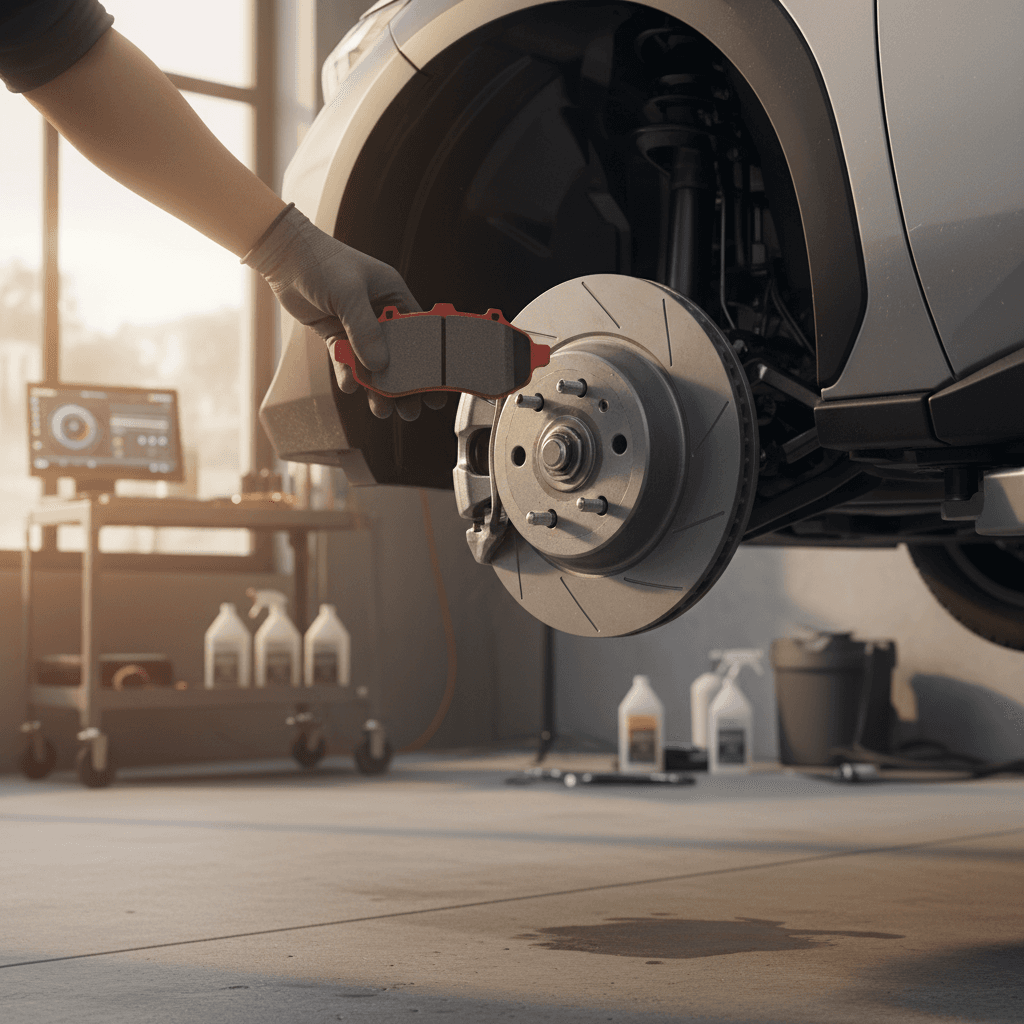
If you own a Toyota bZ4X or you’re considering a used one, you’ll eventually ask: what does Toyota bZ4X brake pad replacement cost? The good news is that EVs like the bZ4X tend to be gentle on their brakes, but when pads and rotors do need attention, the bill can still sting if you’re not prepared. Let’s break down realistic 2026 pricing, how long bZ4X brake pads usually last, and smart ways to keep your stopping power, and your budget, under control.
Quick context for EV owners
Toyota bZ4X brake pad replacement cost at a glance
Typical Toyota bZ4X brake service costs in 2026 (per axle)
For most U.S. owners in 2026, a Toyota bZ4X brake pad replacement at a reputable independent shop will land around $180–$320 per axle for pads only, or roughly $320–$550 per axle for pads plus rotors. Dealers often sit at the higher end of those bands. Exact numbers depend on parts brand, local labor rates, and whether any seized hardware or calipers need extra time.
Think in axles, not wheels
Why bZ4X brake pads usually last longer than gas models
Toyota built the bZ4X around a strong regenerative braking strategy. In everyday driving, the car uses the motor to slow you down and recover energy before it leans on the hydraulic brakes. That means the pads and rotors see far less heat and friction than those on a comparable gas RAV4 or Highlander.
- Many bZ4X owners report 80–90% pad life remaining even after tens of thousands of miles, thanks to regen-heavy driving and gentle braking habits.
- Front pads still wear faster than the rears because the front axle does more of the stopping work, but the gap is smaller than on a traditional SUV.
- In stop‑and‑go urban driving, you’ll use the friction brakes more often than on long highway runs, so city cars may see pads wear sooner.
- Cold weather and a full battery can temporarily limit regen, which pushes more work to the pads until the battery warms up or state of charge drops.
Don’t skip inspections just because it’s an EV
Typical Toyota bZ4X brake pad replacement pricing
Brake pricing on the bZ4X mostly mirrors other compact SUVs, with a small premium at some dealers because it’s an EV. Here’s how the national averages translate into realistic numbers for your Toyota bZ4X in 2026.
Toyota bZ4X brake pad & rotor cost ranges (per axle, 2026 U.S.)
Estimated pricing for a single axle (front or rear) on a Toyota bZ4X. Actual quotes vary by market and parts choice.
| Service type | Where | Parts cost (approx.) | Labor cost (approx.) | Total estimated cost |
|---|---|---|---|---|
| Brake pads only | Independent shop | $70–$150 | $100–$170 | $180–$320 |
| Brake pads only | Toyota dealer | $120–$220 | $150–$250 | $270–$470 |
| Pads + rotors | Independent shop | $200–$320 | $120–$230 | $320–$550 |
| Pads + rotors | Toyota dealer | $280–$420 | $180–$330 | $460–$750+ |
| Pads + rotors + caliper work | Any shop | $350–$700+ | $220–$350+ | $570–$1,050+ |
Use this table as a budgeting guide, then get 2–3 quotes from local shops for exact numbers.
Those numbers assume standard ceramic or semi‑metallic pads and OEM‑equivalent rotors. If you opt for genuine Toyota pads and rotors at a dealer in a high‑cost area, expect to land near the top of the ranges. A basic pad slap at an independent mechanic using quality aftermarket parts typically sits in the middle.
Pads only, pads plus rotors, or a full brake job?
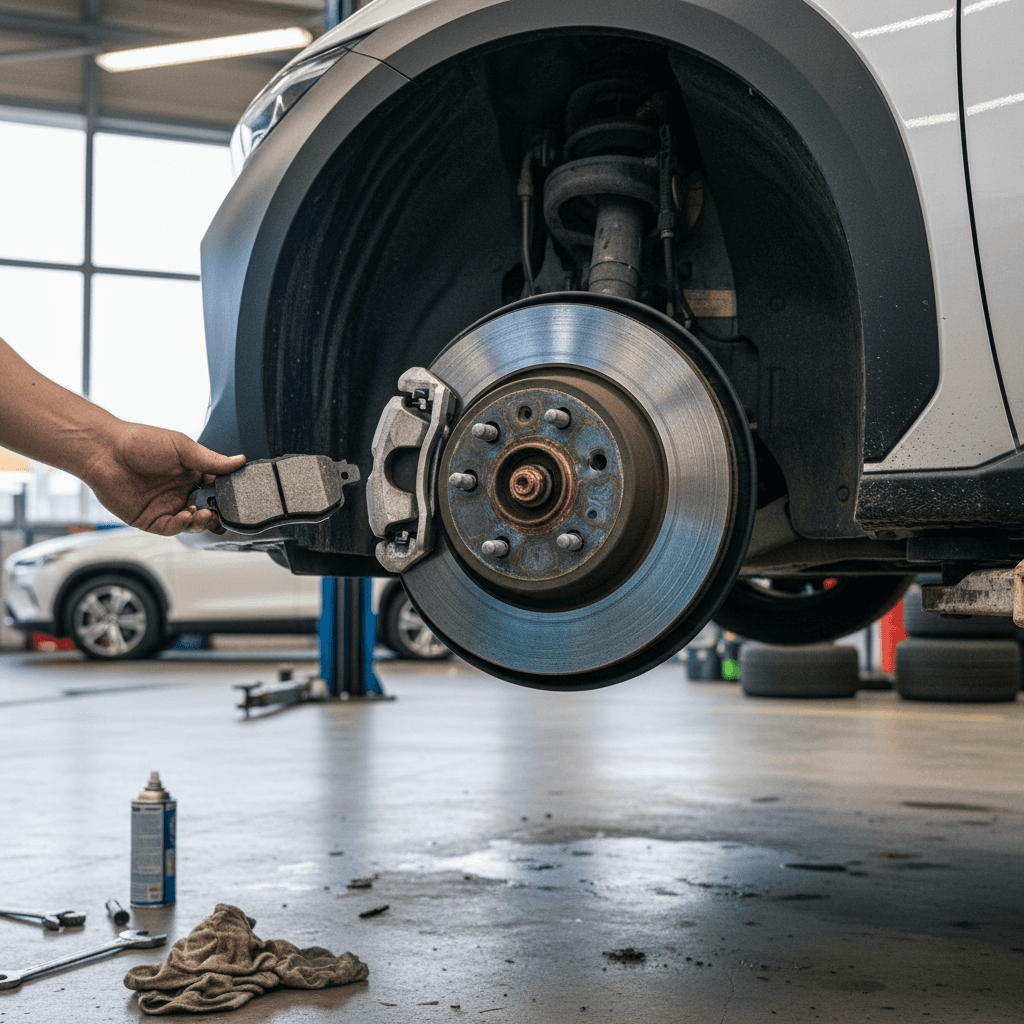
When you hear a quote for Toyota bZ4X brake pad replacement, clarify what’s actually being replaced. There’s a big difference between sliding in fresh pads and doing a full brake overhaul.
What each type of brake service includes
Know what you’re paying for before you approve the estimate.
Pads only
Includes: New pads for both wheels on one axle, basic hardware, lubrication.
- Lowest upfront cost.
- Only appropriate if rotors are still thick, smooth, and not overheated.
- Common when you service brakes early, before they grind.
Pads + rotors
Includes: New pads, new rotors, hardware, cleaning and lubrication.
- Most common bZ4X brake job.
- Prevents vibration and uneven wear.
- Worth it if rotors are below spec or deeply grooved.
Full brake job
Includes: Pads, rotors, hardware, plus caliper repair or replacement if needed.
- Required when calipers seize or leak.
- Significantly more expensive.
- Often caused by skipped inspections or heavy corrosion.
Never ignore grinding or vibration
When should you replace bZ4X brake pads?
Toyota’s maintenance schedule for the bZ4X focuses on regular brake inspections every 5,000–7,500 miles during tire rotations, with deeper service around 30,000–60,000 miles as needed. There’s no fixed pad replacement mileage, because driving style and climate make a huge difference.
Signs your Toyota bZ4X is due for brake service
1. Pad thickness at or below 3 mm
During an inspection, if your front or rear pads measure around 3 mm or less, it’s time to plan a replacement. Below 2–3 mm you’re into the safety margin, and heat buildup rises quickly.
2. Squealing or grinding noises
A high‑pitched squeal when braking can be a wear indicator touching the rotor. A grinding or scraping sound usually means the pad friction material is gone and metal is contacting the rotor, an urgent repair.
3. Noticeable vibration under braking
If the steering wheel or pedal shakes when you slow down, your rotors may be warped or unevenly worn. On a bZ4X, that often points to pads and rotors being due together.
4. Uneven pad wear front to rear
Front pads will wear faster, but dramatic differences can signal sticking slide pins or a dragging caliper. Left unaddressed, this can burn through pads and rotors well before their time.
5. Brake warning lights or messages
The bZ4X can flag ABS or brake system issues. While not every warning equals worn pads, any yellow or red brake icon should be checked promptly by a qualified technician.
How often will a bZ4X really need pads?
6 factors that change your final brake repair bill
Two bZ4X owners can get brake work done at the same shop and walk out with very different totals. Here are the biggest levers that push your brake pad replacement cost up or down.
- Front vs rear axle: Front brakes usually wear out first and may cost slightly more to service, because they handle more braking force.
- Pad material and brand: Genuine Toyota ceramic pads cost more than generic aftermarket pads, but may be quieter and produce less dust.
- Rotor condition: If rotors are below minimum thickness, deeply grooved, or warped, they’ll need replacement. That often doubles the parts cost for that axle.
- Shop labor rate: Urban dealers might charge $175+ per labor hour; rural independent shops can be far lower. Most pad jobs require 1–2 billed hours.
- Corrosion and stuck hardware: Rusty slide pins, seized calipers, and damaged backing plates add labor time and sometimes extra parts.
- Coupons, warranties, and service plans: Some dealers bundle brake discounts into service packages. ToyotaCare doesn’t cover brake pads, but it does cover inspections on new bZ4X models for the first 2 years/25,000 miles.
Rust is the silent brake killer on EVs
Dealer vs independent shop for bZ4X brake work
Toyota dealer service
- Pros: Factory‑trained techs with direct bZ4X experience; genuine Toyota parts; access to technical service bulletins and software updates.
- Cons: Typically higher labor rates, and often fewer aftermarket pad/rotor options that could save you money.
- Best for: In‑warranty vehicles, complex brake issues tied to electronics or safety systems, or when you value dealer amenities.
Independent EV‑savvy shop
- Pros: Usually lower pricing, more flexibility on parts choice, and shorter wait times.
- Cons: bZ4X experience varies by shop; you’ll want a mechanic familiar with EV brake quirks and regenerative systems.
- Best for: Out‑of‑warranty vehicles, straightforward pad/rotor jobs, and owners focused on managing long‑term maintenance costs.
How to vet a shop for EV brake work
How to save on Toyota bZ4X brake pad replacement
You don’t want to chase the absolute rock‑bottom price on something as critical as brakes, but there are smart ways to shave real money off your bZ4X brake pad replacement cost without compromising safety.
Practical ways to cut bZ4X brake service costs
Focus on prevention, smart timing, and transparent quotes.
Stay on inspection intervals
Follow Toyota’s 5,000–7,500‑mile rotation and inspection rhythm. Catching sticky slide pins or early wear can keep you in the cheaper pads‑only category instead of buying rotors and hardware.
Get 2–3 written quotes
When pads are at 3–4 mm, use that window to call a dealer and a couple of independent shops. Ask each to quote pads only and pads + rotors, so you’re not surprised if rotors are borderline.
Lean on regen, not the pedal
Use regenerative braking modes where comfortable, and look ahead so you can come off the accelerator earlier. The less frequently you call on the friction brakes, the longer your pads and rotors will last.
Checklist before you approve a brake estimate
Ask for pad thickness measurements
Have the shop write down pad thickness for each axle. This gives you a baseline and helps you understand whether the work is urgent or simply recommended.
Clarify parts brands and warranties
Confirm whether the quote uses genuine Toyota parts or aftermarket, and how long pads and rotors are warranted for noise, defects, or premature wear.
Request a breakdown of labor vs parts
Seeing line‑item costs makes it easier to compare quotes. A slightly higher parts price for higher‑quality pads may be worth it if labor charges are similar.
Confirm whether rotors must be replaced
Good shops will measure rotor thickness and inspect for warping and grooves before deciding. If rotors are well within spec, a pads‑only job may be reasonable.
Plan brake work into your EV budget
Brake wear and costs when you’re shopping a used bZ4X
If you’re considering a used Toyota bZ4X, understanding current brake condition is part of getting a fair deal. EVs may use pads more slowly, but neglect or harsh climates can still leave you with an immediate service bill.
What to ask or inspect
- Ask for the most recent service records, especially tire rotation and brake inspections.
- Look for pad thickness noted on inspection forms, ideally 5 mm or more for a car you’re just buying.
- During a test drive, note any squeals, grinding, or vibration when braking from highway speeds.
- Check rotor surfaces through the wheel spokes; heavy rust ridges or deep grooves usually mean pads and rotors are due soon.
How Recharged helps buyers
Every used EV on Recharged comes with a Recharged Score Report that includes verified battery health and a clear picture of overall vehicle condition. While brakes are wear items, our inspections flag obvious issues and help you budget realistically for upcoming maintenance like pads, rotors, and tires, before you sign.
Pair brake costs with total EV ownership
Toyota bZ4X brake pad replacement FAQ
Frequently asked questions about bZ4X brake pad costs
Key takeaways for bZ4X brake pad costs
If you budget around $350–$550 for a typical front or rear brake job on your Toyota bZ4X and keep up with routine inspections, you’ll rarely be caught off guard. Regenerative braking lets pads last longer than on a gas SUV, but corrosion, skipped maintenance, and delayed repairs can still turn a simple pad swap into a more expensive overhaul.
When you’re shopping for a used bZ4X, or any used EV, brake condition is just one part of the total cost picture. At Recharged, every vehicle includes a Recharged Score Report with verified battery health, transparent pricing, and EV‑specialist support so you understand what you’ll likely spend on items like pads, rotors, and tires over the next several years. That way, you’re not just guessing at brake pad replacement cost, you’re planning for it as part of confident, long‑term EV ownership.