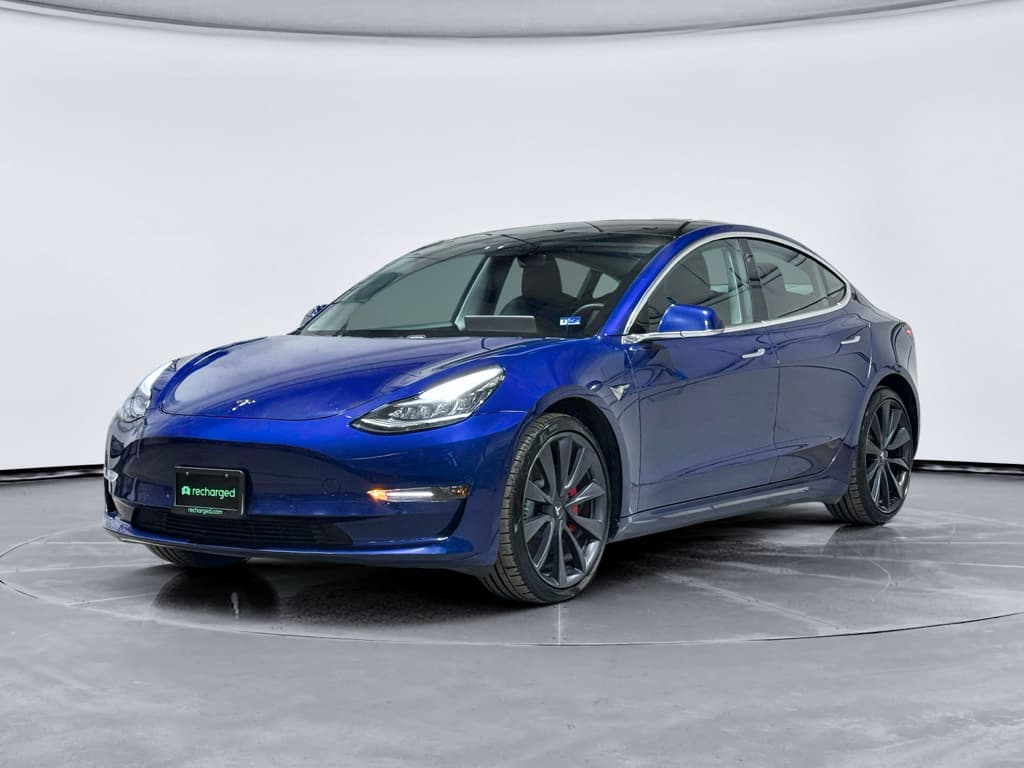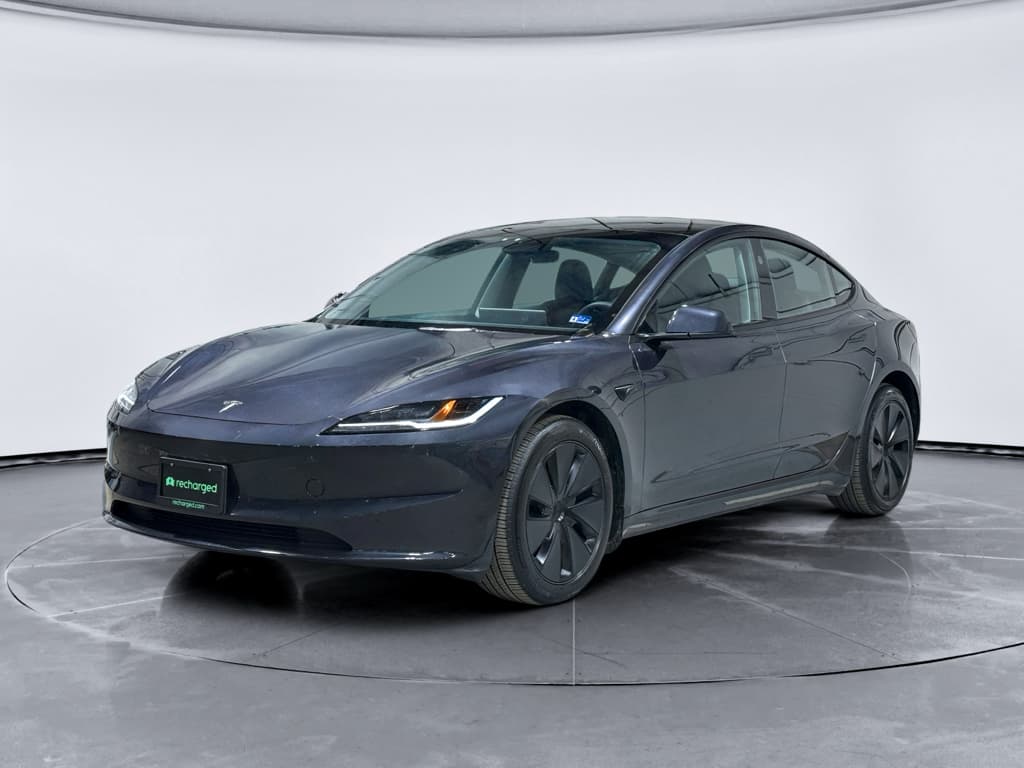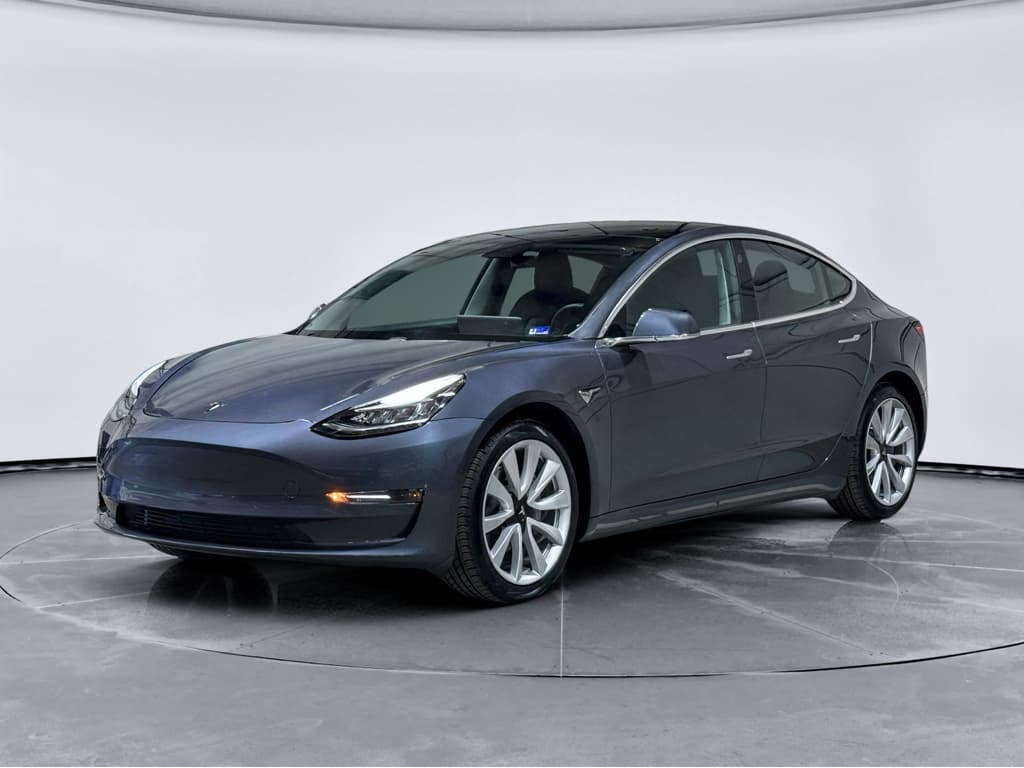
If you’re staring at your driveway and thinking, “It might be time to sell my Tesla Model 3,” you’re not alone. Used Tesla prices swung wildly in 2024–2025 and have started to stabilize, which means how you prep, price, and present your car now can be the difference between a quick sale and weeks of lowball offers.
Good news for Model 3 sellers
Why selling a Tesla Model 3 feels different
Selling a Model 3 isn’t like selling a 10‑year‑old gas sedan. Buyers are less worried about oil changes and more obsessed with battery health, software options, and charging. They also know used Tesla prices softened recently, so they’re hunting for value. Your job is to turn your car from “one of many” into “the safest, easiest choice” by removing as many unknowns as possible.
Tesla Model 3 used-market snapshot for 2026
Decide how to sell: trade-in, consign, or private party
1. Trade-in to a dealer or Tesla
If you want the fastest, least‑effort option, a trade‑in is it. You get an instant value and roll your equity into the next car. Tesla and many dealers will buy your Model 3 even if you’re not staying with the brand.
- ✅ One handoff, no strangers, simple paperwork
- ❌ Usually the lowest dollar outcome
2. Consignment or online marketplace
With consignment, a third party markets and sells your car and you share the upside. Marketplaces like Recharged add battery diagnostics, pricing tools, and nationwide reach.
- ✅ Less hassle than DIY, better pricing than trade‑in
- ✅ Professional photos, listings, and buyer screening
- ❌ You’ll pay a fee or commission
3. Private-party sale
Max money, max effort. You handle photos, listings, test drives, and paperwork. With a desirable spec and honest, detailed listing, your Model 3 can move quickly.
- ✅ Often best sale price
- ❌ Time‑consuming; you manage scams and no‑shows
Where Recharged fits
Know what your Model 3 is worth before taking offers
Before you let anyone “make you an offer,” you need a realistic range of what your Tesla Model 3 should sell for in 2026. The market cooled in 2024–2025 as more EVs hit the road and Tesla cut new‑car prices, but values have started to settle into a more normal depreciation curve.
Typical 2026 price bands for used Tesla Model 3 (U.S.)
These are ballpark retail asking ranges for clean cars from common model years. Your actual value will depend on mileage, condition, options, and local demand.
| Model year & trim | Typical mileage | Private-party range | Notes |
|---|---|---|---|
| 2018–2019 RWD / LR | 60k–90k | $16,000–$22,000 | Early cars with higher miles; condition and battery health matter most. |
| 2020–2021 LR / Performance | 35k–75k | $20,000–$28,000 | Sweet-spot years for value; desirable for range and AWD. |
| 2022–2023 RWD / LR | 15k–45k | $23,000–$32,000 | Newer styling and tech; buyers expect very clean cosmetics. |
| 2024–2025 "Highland" | Under 25k | $30,000+ | Still near-new; trade‑in vs private sale spread can be several thousand. |
Use these numbers as a starting point, then refine with current local listings and instant offers.
Don’t anchor on original MSRP
Get your battery health documented, it's your ace card
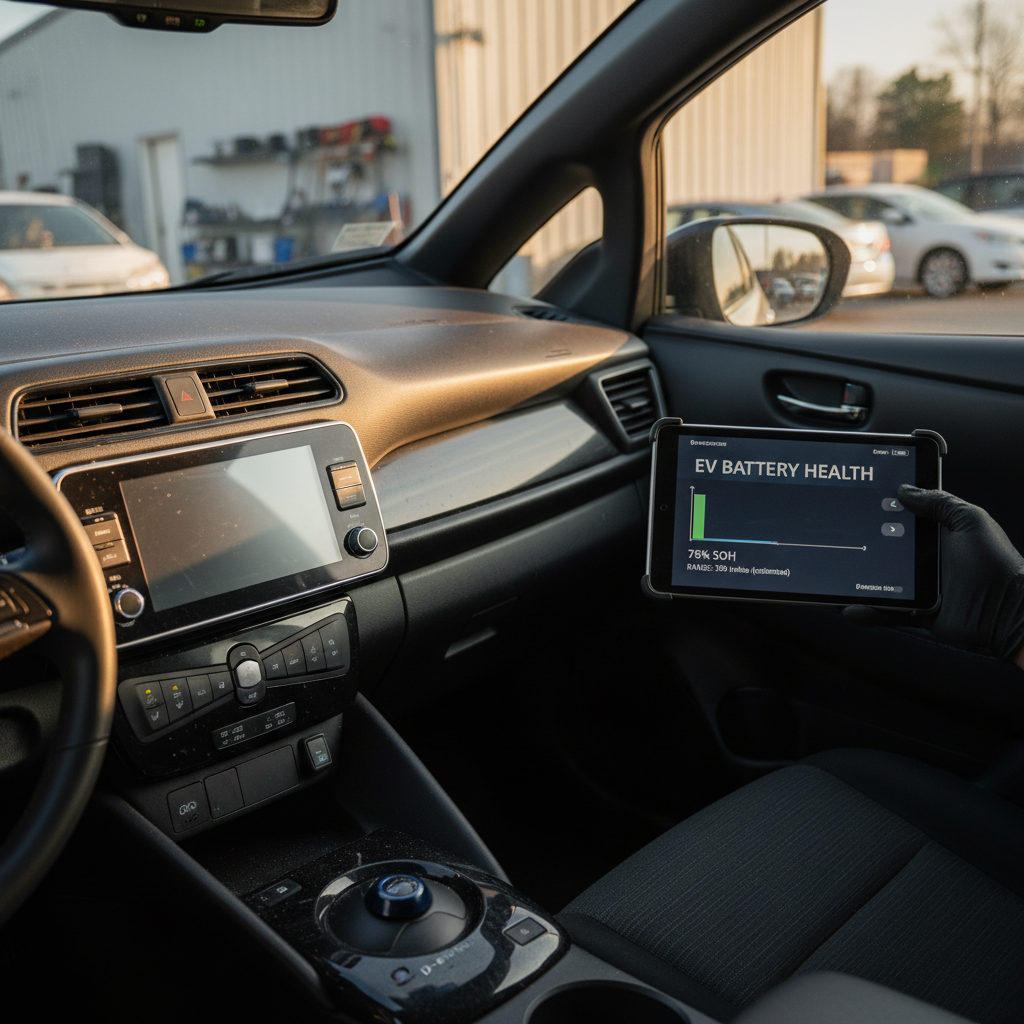
In a used EV sale, nothing calms a buyer faster than a credible battery report. Most Model 3 packs are aging better than early EV skeptics predicted, but buyers keep hearing scary stories. Bring proof and you turn anxiety into confidence.
- Run an official Tesla range test or service report if available in your area.
- Use reputable third‑party apps or services that read pack data, then explain clearly what the State of Health (SoH) means in plain language.
- Show recent charging behavior and habits (limited fast‑charging, reasonable charge limits) to illustrate that you’ve treated the pack kindly.
- Highlight real‑world range you still see at typical highway speeds, not the number you once saw on the marketing brochure.
How Recharged uses battery data
Ready to find your next EV?
Browse VehiclesPrep your Model 3 to show better than the rest
Tesla buyers skew detail‑oriented. They zoom in on panel gaps, curb rash, and smudged screens. A half‑day of prep can make your Model 3 feel like it led an easier life than the next one down the street.
Pre‑sale prep checklist for a Tesla Model 3
Wash, decontaminate, and lightly detail
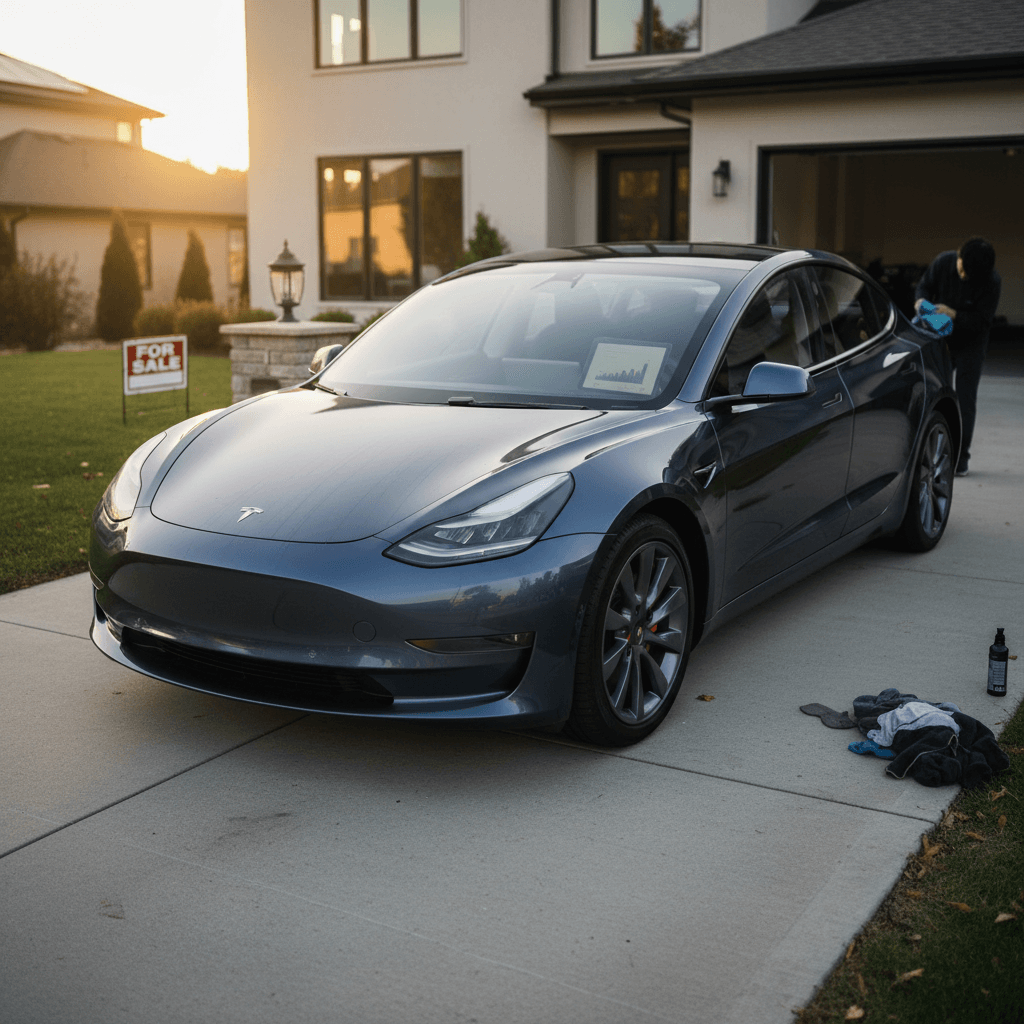
Give the car a proper wash, a light clay or decontamination on paint, and a vacuum. Clean glass and wipe down door jambs, charge port, and trunk seals. A basic professional detail can be money well spent if you’re short on time.
Make the cabin feel "new EV" clean
Disinfect touchpoints, clean the touchscreen gently, scrub cupholders and storage bins, and remove all personal items. Empty the glovebox, center console, and frunk before photos and test drives.
Fix inexpensive eyesores
Touch up minor curb rash, replace missing aero wheel covers, swap worn wiper blades, and replace any burned‑out bulbs inside. If your all‑seasons are nearly bald, expect to discount or consider a fresh set.
Resolve obvious warning lights
A glowing airbag or tire‑pressure light is a buyer‑repellent. Address simple issues before listing, and have documentation ready for anything you choose not to fix.
Organize service and charging history
Print or save PDFs of service invoices, tire rotations, glass repairs, and any warranty work. If you’ve mostly home‑charged, note that, it reassures buyers about gentle fast‑charge exposure.
Capture photos that make shoppers stop scrolling
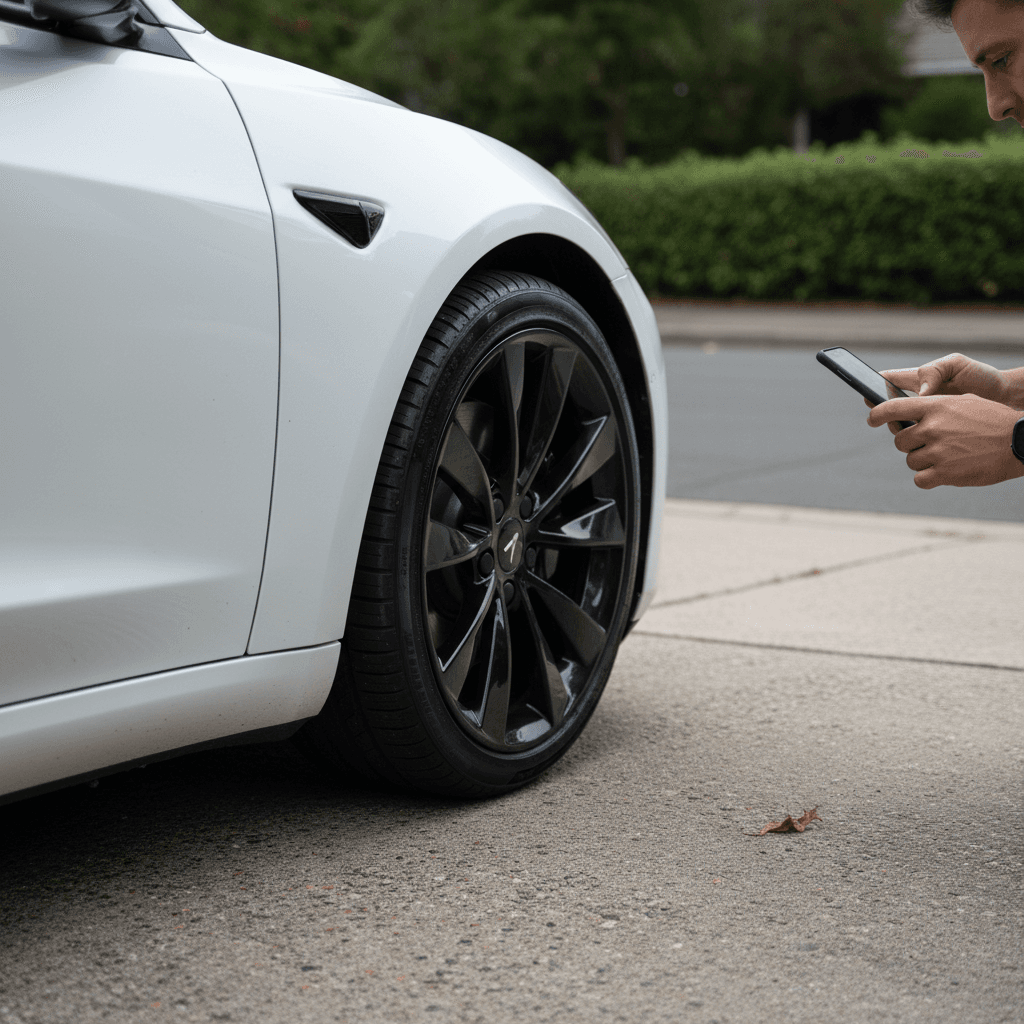
Your photos are the first test drive. On a crowded classifieds page, you want your Model 3 to look like the safe, cared‑for choice, not the one that was photographed between Amazon deliveries.
Must‑have photo angles for a Tesla Model 3 listing
Aim for 20–30 clear, well‑lit images
Exterior overview
- Front three‑quarter shot (driver’s side)
- Rear three‑quarter shot
- Both side profiles in good light
- Close‑ups of wheels and tires
Interior & tech
- Driver’s seat and steering wheel
- Center screen powered on
- Rear seats and legroom
- Trunk and frunk open
Honest details
- Any curb rash, dings, or scratches
- Close‑up of tire tread
- VIN plate and odometer reading
- Charging cable and included accessories
Photography best practices
Build a listing that answers buyers’ questions up front
A vague listing invites time‑wasters and lowballers. A precise, transparent listing attracts serious buyers who already understand what they’re getting. Think like a skeptical shopper and over‑explain the things they can’t see in photos.
- Year, trim, drivetrain, and exact color (e.g., 2020 Model 3 Long Range AWD, Midnight Silver Metallic).
- Key options: wheels, interior color, Autopilot / Enhanced Autopilot / FSD status, tow hitch if equipped.
- Accurate odometer reading, ownership history, and whether you bought new or used.
- Charging habits (mostly home Level 2 vs frequent DC fast charging).
- Battery health summary and any available reports or scans.
- Accident history with context, “rear bumper professionally repaired in 2022, photos and invoice available.”
- Recent maintenance: tires, brake service, cabin filter, glass repairs.
- Why you’re selling, buyers relax when the story makes sense (growing family, shorter commute, switching to SUV, etc.).
Link to reports when you can
Use your Tesla account and app smartly when selling
The Tesla ecosystem is part of what you’re selling, so use it to inspire confidence, but protect your privacy while you do it.
Smart ways to use Tesla software when selling
Show the software and connectivity status
From the center screen, show which software version you’re on, what driver‑assistance package is included, and whether Premium Connectivity is active. Buyers want to know what carries over and what’s a subscription.
Demonstrate key features on test drives
Show basic Autopilot operation, lane‑keeping, and navigation, but keep it conservative. Don’t let test drivers explore every submenu while they’re supposed to be watching the road.
Secure your data before handoff
Before delivery, log out of your Tesla account on the car, turn off phone key on your devices, and remove any third‑party app access tied to your VIN.
Handle access transfer cleanly
After payment and paperwork, transfer ownership in Tesla’s app/website so the buyer can set up their own account, app access, and Supercharging billing without delays.
Decide what to do with Autopilot, FSD, and connectivity
Software options can be the single most confusing part of selling a used Tesla. Some features stay with the car, others are subscription‑based, and policies have changed over time. Rather than promising the moon, get clear on what your specific car actually has today.
Be precise about driver-assistance features
Instead of saying “Full Self‑Driving,” spell out exactly what’s on the car today, as shown in the software menu. Buyers who care will already know the difference between basic Autopilot, Enhanced Autopilot, and FSD; casual shoppers just want to know what works now and what will cost extra later.
Treat FSD like a sweetener, not a jackpot
Early on, sellers expected to recoup the full cost of FSD. The market reality in 2026 is that FSD may help your car sell faster and justify a modest premium, but it rarely returns dollar‑for‑dollar value. Position it as a bonus, not a retirement plan.
Double‑check transfer policies
Time your sale to the market, not just your schedule
Life doesn’t always line up with the perfect market window, but you still have more control than you think. Seasonal patterns and new‑car news can nudge your Model 3’s value a few percent in either direction.
- Tax‑refund season (roughly February–April) often brings more used‑car demand, especially for EVs under $30,000.
- Harsh winter climates can suppress test‑drive enthusiasm; if you live in snow country, clean photos and good winter‑tire documentation help.
- Major Tesla price cuts or refresh announcements can briefly drag used values down, if you see fresh headlines, expect shoppers to quote them back at you.
- If you’re upgrading to another EV, compare today’s used value against future depreciation. Waiting six months sometimes costs more than it gains.
Watch the local listings for 2–3 weeks
Screen buyers and offers like a pro
The hardest part of a private sale isn’t the car, it’s the people. Filtering early keeps you from wasting weekends on joyrides and “$10k cash today” messages.
Simple rules for serious buyers
Insist on full names and a quick call
If a buyer won’t share their name, city, and a working phone number, move on. A five‑minute call often tells you more than ten messages.
Beware of sight-unseen offers above asking
If someone offers well over your price but can’t see the car or pay in person, it’s almost certainly a scam. No legitimate buyer wires you money they haven’t verified with their own eyes.
Clarify payment expectations early
State clearly in your listing that you’ll accept a cashier’s check verified at the issuing bank, a wire transfer, or financing arranged through a reputable platform, never overpayment schemes or gift cards.
Use a safe, public meeting place
For first inspections, meet in daylight at a busy location with cameras when possible. Many police departments offer “safe exchange zones” specifically for private‑party vehicle sales.
Plan safe test drives for a quick sale
A smooth, well‑managed test drive answers most of a serious buyer’s remaining questions. It’s also where your Model 3 can really shine, quiet, quick, and easy to live with, if you set some ground rules.
- Ask to see a valid driver’s license and snap a quick photo of it (with their permission) before letting anyone behind the wheel.
- Ride along on every test drive, no exceptions. You’re there to answer questions and protect your property.
- Map out a short loop with a mix of city and highway driving. Demonstrate basic features first, then swap seats in a safe area.
- Set expectations about spirited driving. A quick acceleration demo is fine; a full track day is not.
- Avoid night test drives whenever possible. If you must meet after dark, choose a well‑lit, public location.
Never hand over keys before payment clears
Nail the paperwork: title, payment, and delivery
Tesla simplifies some parts of ownership, but your state’s DMV still runs the show on titles and taxes. The fewer surprises on delivery day, the less likely your sale is to go sideways.
Paperwork and payment checklist
Confirm you can legally sell the car
If your Model 3 is financed, talk to your lender about payoff and title release before you list. Many will only send the title after payoff clears, which affects timing.
Agree on payment method and location
For large cashier’s checks, meet at the issuing bank so you can verify authenticity and watch the funds move. For wires, wait until your bank confirms cleared funds, not just "pending."
Complete a bill of sale
Use your state’s standard form if available. Include VIN, mileage, sale price, date, and both parties’ names and addresses. Keep copies of everything.
Complete ownership transfer with Tesla
Once the sale is final, remove the car from your Tesla account, remove your phone keys, and help the buyer add the car to theirs. This moves Supercharging and app control to the new owner.
Special considerations by Model 3 year and trim
Not all Model 3s are viewed the same way. A buyer cross‑shopping a 2018 Long Range and a 2024 Highland has different questions, and you should lean into the specific strengths of your car.
How to position your specific Tesla Model 3
Play to your car’s strengths and be honest about its age‑related quirks.
| Model 3 type | What to highlight | What to be ready to explain |
|---|---|---|
| 2017–2019 Long Range / Performance | Supercharger access history, strong battery health, any major repairs already handled. | Early build quirks, cosmetic wear, and how real‑world range compares to today’s EPA numbers. |
| 2020–2021 AWD / Performance | All‑weather traction, updated build quality, and any remaining battery warranty. | Why values dipped in 2024–2025 (more supply, price cuts) and why your price still makes sense. |
| 2022–2023 RWD / LR | Lower miles, improved efficiency, and current‑feeling tech. | Any software changes or subscription requirements compared with older Teslas. |
| 2024–2025 "Highland" | Fresh styling, latest hardware, and near‑new condition. | Why you’re selling so soon and how your price compares to new‑car deals or incentives. |
Use this as inspiration for how to frame your listing and conversations.
When to call in reinforcements
FAQ: Selling a Tesla Model 3
Common questions about selling a Tesla Model 3
Bottom line: make your Model 3 the easy yes
Selling a Tesla Model 3 in 2026 isn’t about squeezing every last dollar out of a volatile market; it’s about making your particular car feel like the safest, smartest decision a buyer can make this week. When you price realistically, document the battery, photograph it well, and tell an honest story about how the car’s been used, you rise to the top of the search results and the shortlists.
Whether you decide to trade in, sell privately, or lean on an EV‑focused marketplace like Recharged, the same core tips apply: remove question marks, respect buyers’ concerns, and present your Model 3 like something you’d still be happy to drive every day. Do that, and getting a strong, fair offer is much less of a gamble, and a lot more like a clean handoff to the next EV owner in line.