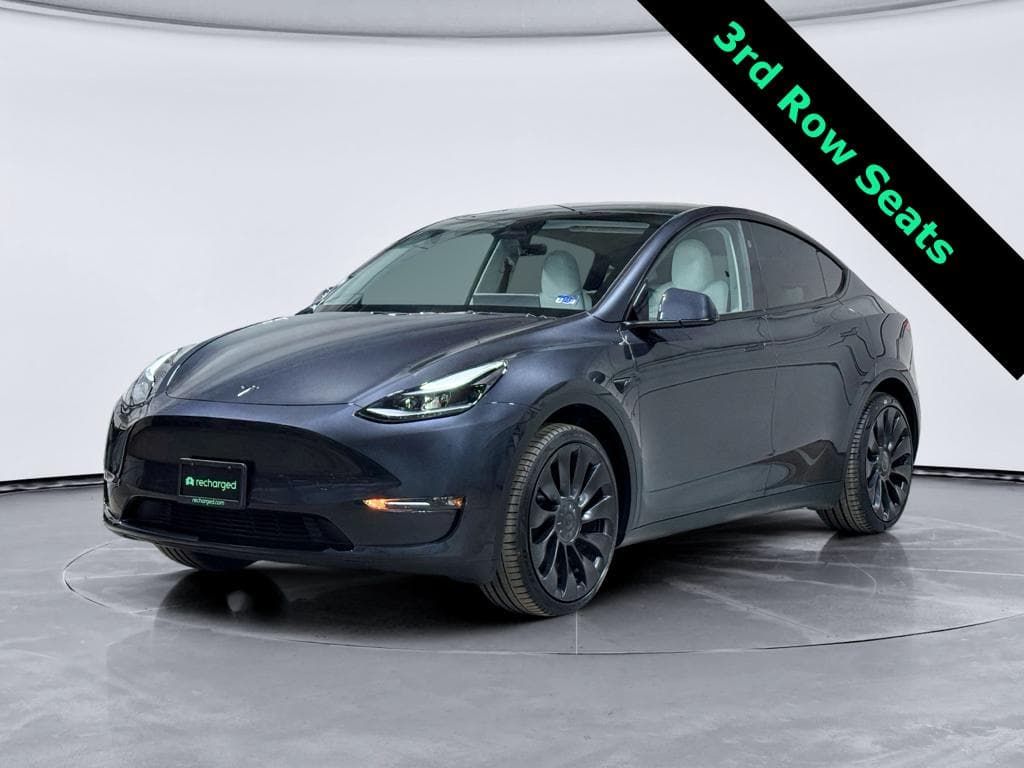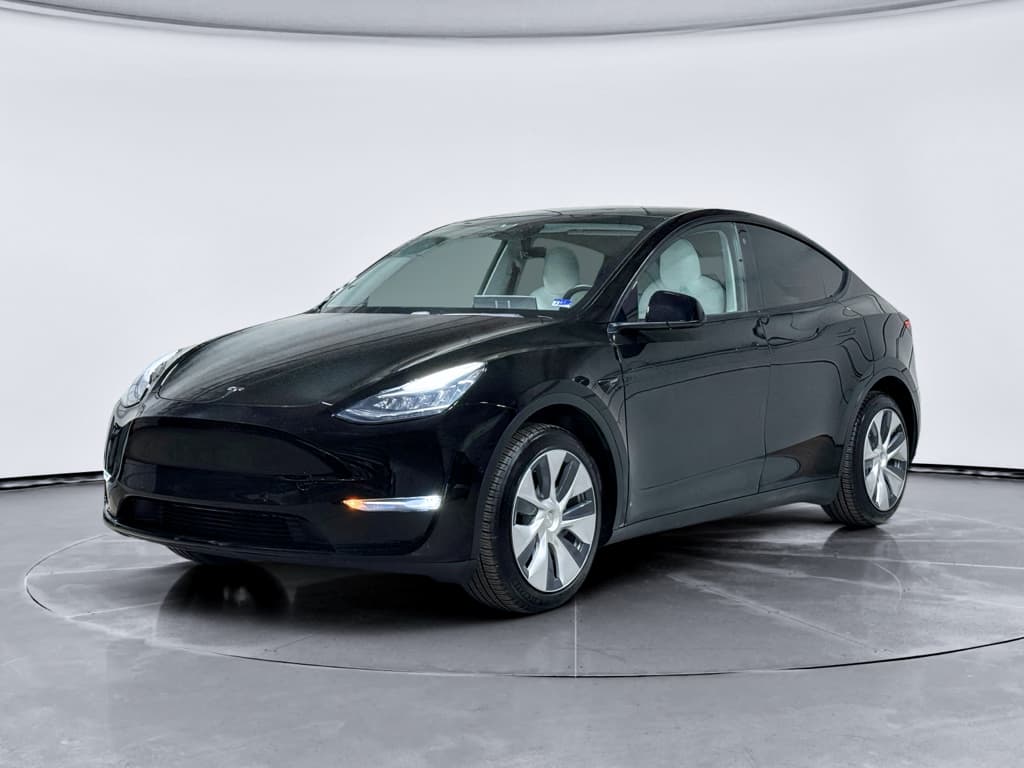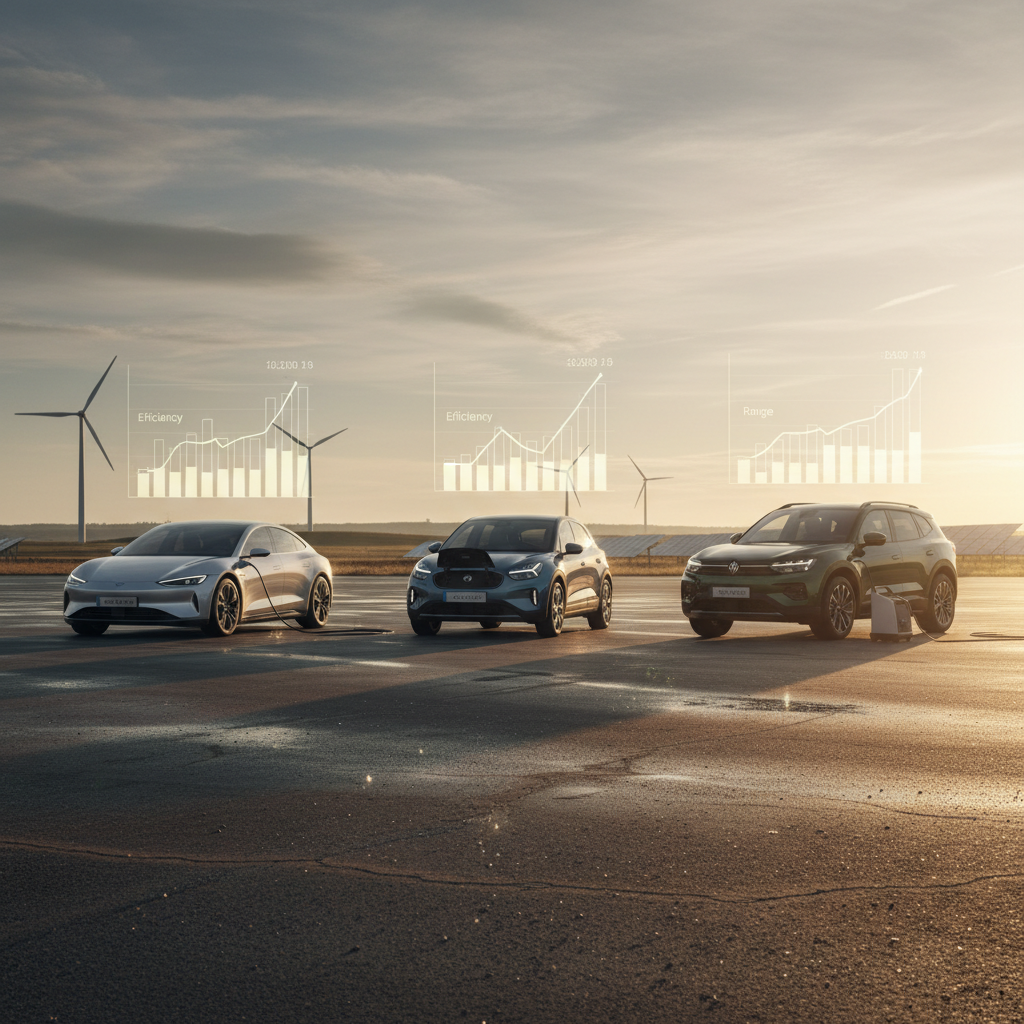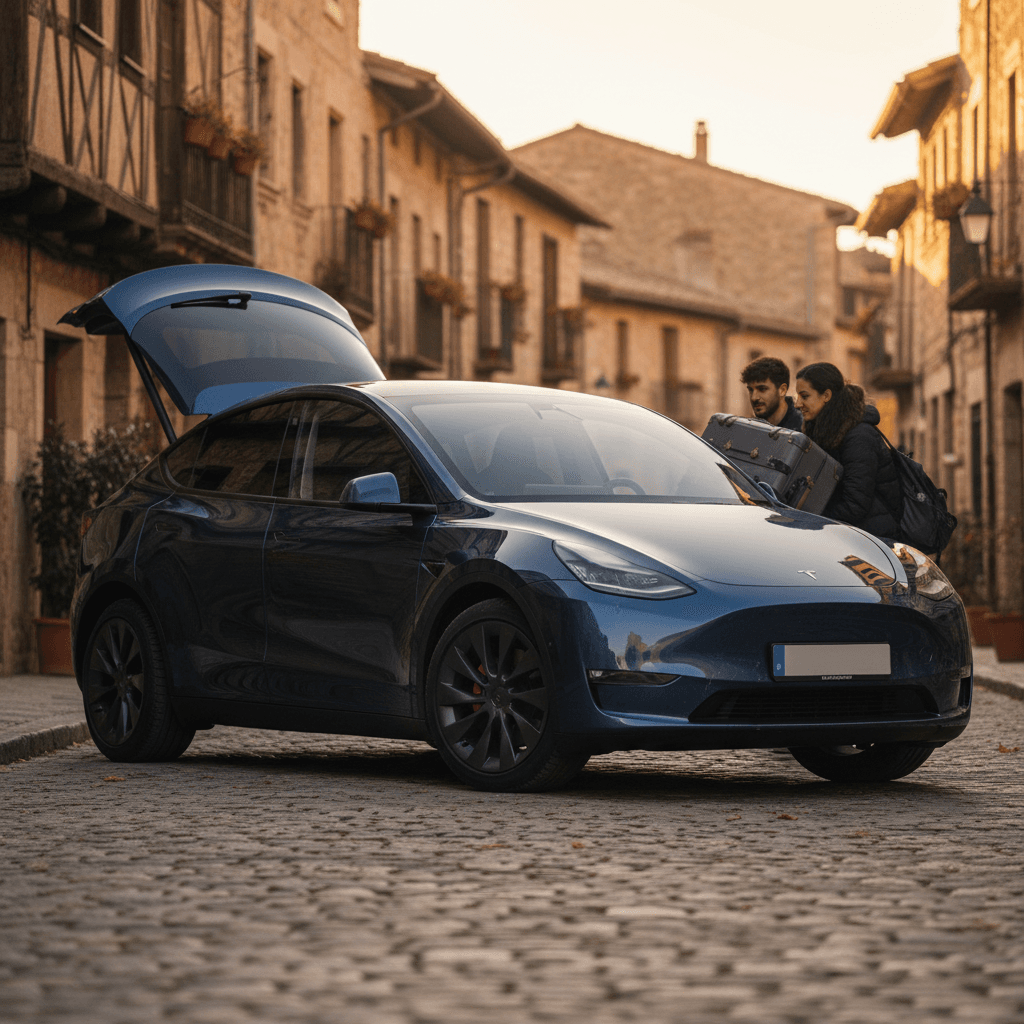
You could hardly pick two compact electric SUVs with more different personalities than the Tesla Model Y and the Volkswagen ID.4. One is Silicon Valley’s best‑selling spaceship-on-wheels; the other is a quietly competent German family hauler that wants to feel as normal as a Tiguan that just happens to run on electrons. If you’re cross‑shopping Tesla Model Y vs VW ID.4, you’re really deciding what kind of EV driver you want to be.
Why this comparison matters now
Overview: Tesla Model Y vs VW ID.4 in 2026
Think of the Model Y as the overachiever: more range, more performance, better software, and easy access to the Supercharger network. The trade‑off is a firmer ride, a polarizing minimalist cabin, and a brand that brings some cultural baggage. The ID.4 is the opposite: calmer, softer, friendlier, with a more traditional SUV feel and a lower learning curve. But it can’t match Tesla on efficiency, charging network quality, or sales momentum.
Personality Snapshot
How these two EVs feel before you even turn a wheel
Tesla Model Y
- Character: Quick, tech‑forward, a little edgy
- Best for: Highway warriors, tech lovers, data nerds
- Stands out for: Range, Supercharger access, software
Volkswagen ID.4
- Character: Easygoing, comfy, approachable
- Best for: Families, first‑time EV drivers, VW loyalists
- Stands out for: Smooth ride, traditional controls (on newer years), value
Market Reality Check (U.S. 2025 EV Sales)
Specs at a Glance: Range, Power, and Space
Exact specs vary by model year and trim, but if you’re shopping 2022–2025 examples, what you’ll mostly see on the used market, this is the shape of the battlefield.
Core Specs: Typical U.S. Trims You’ll See Used
Approximate headline numbers for common trims; always check the specific VIN for exact equipment.
| Model | Common Battery / Drivetrain | EPA Range (mi) | 0–60 mph (sec, est.) | Drive | Max DC Fast Charge | Cargo Volume (cu ft) |
|---|---|---|---|---|---|---|
| Tesla Model Y Long Range AWD | ~75 kWh, dual motor | ~330 | 4.6 | AWD | Up to 250 kW | Up to ~76 |
| Tesla Model Y RWD / Standard | smaller pack, single motor | 260–300+ | 5.8–6.6 | RWD | Up to 225–250 kW | ~74–76 |
| VW ID.4 RWD (Pro) | ~82 kWh usable, single motor | 245–291 | 7.5–8.5 | RWD | Up to 135–175 kW (year‑dependent) | ~64 |
| VW ID.4 AWD (Pro) | dual motor | ~230–275 | 5.7–6.0 | AWD | Up to 135–175 kW | ~64 |
Figures are representative EPA estimates and manufacturer specs for 2023–2025 model years.
Spec sheet vs real life
Real-World Range and Efficiency
Tesla Model Y: Range Benchmark
The Model Y is one of the most efficient electric SUVs on the road. Long Range versions with dual motors routinely deliver 280–310 real‑world miles between charges if you drive sanely, and even Performance models can feel absurdly overqualified for daily commuting.
Part of this is Tesla’s slippery aerodynamics and powertrain tuning; part of it is ruthless software that nudges you toward efficient driving and smart route planning. For road‑trip people, this matters more than the brochure numbers alone.
VW ID.4: Adequate, Not Heroic
The ID.4’s range is perfectly usable but less impressive. Think more 220–250 real‑world miles on highway-heavy drives for many trims, slightly more in city-biased use. It’s tuned as a comfort-first family car, not an efficiency science project.
If your life is mostly school runs, errands, and the occasional regional trip with charging planned, the ID.4’s range is fine. If you like to drive six hours without thinking about SOC, the Model Y is the easier partner.
Used‑EV pro tip
Charging Experience: Superchargers vs Everyone Else
Charging isn’t just about how many kilowatts the car can swallow. It’s about the network, station reliability, and how little time you spend staring at a grimy charger behind a strip mall.
Charging Head-to-Head
Where the Model Y truly flexes, and where the ID.4 quietly catches up
Tesla Model Y
- Network: Native access to Tesla’s Supercharger network, still the gold standard for reliability and ease of use.
- Speed: Up to 250 kW on many stalls; real‑world 15–30 minute highway top‑ups are common.
- Experience: Plug in, walk away. No apps, no credit cards, no QR-code whack‑a‑mole.
Volkswagen ID.4
- Network: Uses CCS public networks (Electrify America, EVgo, etc.), which range from excellent to exasperating depending on location.
- Speed: Roughly 135–175 kW peak, tapering sooner than Tesla in many cases.
- Experience: Getting better, but you’ll juggle apps, membership cards, and occasional "station unavailable" screens.
NACS and adapter future
If you road‑trip several times a year, the Model Y’s combination of efficient range and dense, well‑maintained Superchargers is a genuine quality‑of‑life upgrade. The ID.4 can absolutely road‑trip, but you’ll want to be more deliberate with planning and more patient with dicey stations.
Interior, Space, and Comfort
Both of these are compact crossovers on paper. In practice, they serve slightly different missions: the Model Y is a tall hatchback doing a sports‑sedan impression, while the ID.4 is a chilled‑out family shuttle that happens to be electric.
Model Y: Airy and Minimalist, Sometimes Too Much
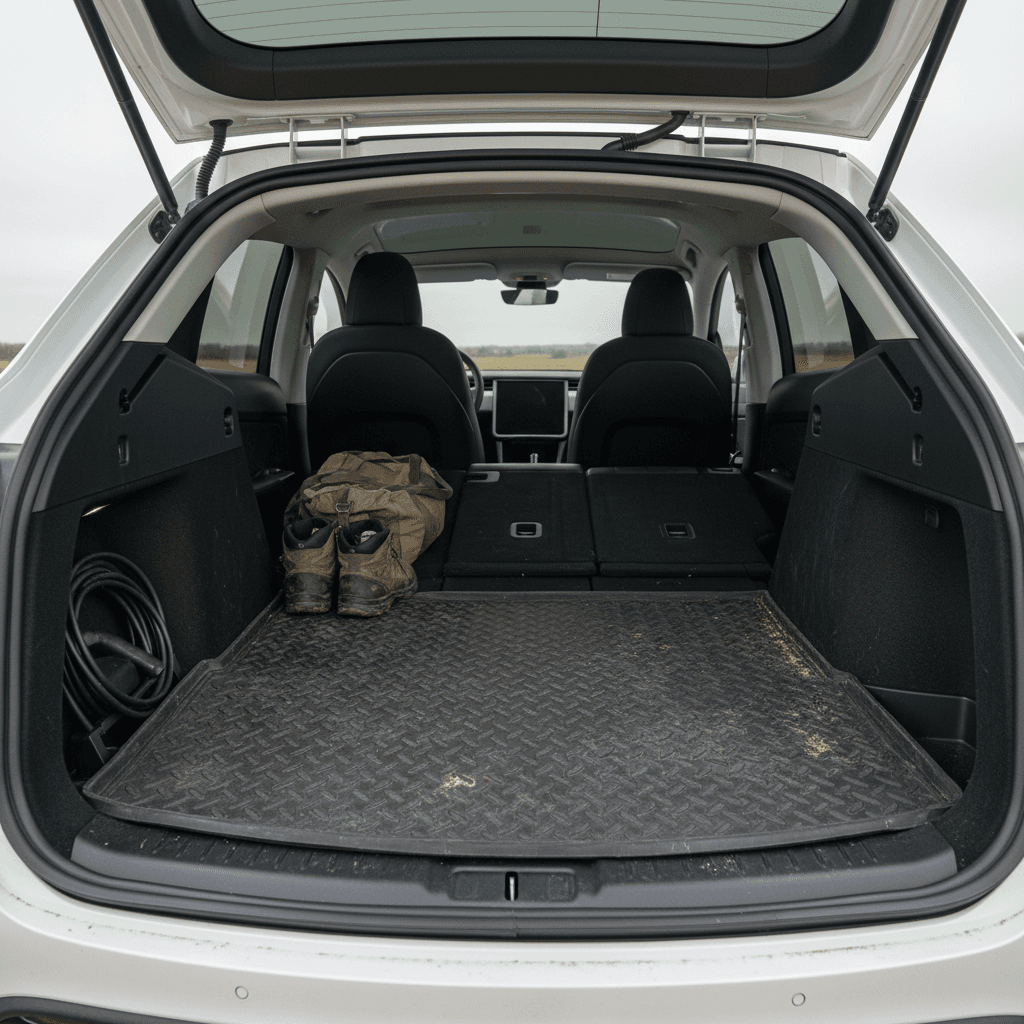
The Model Y’s cabin is clean and open, with a panoramic glass roof and a single 15–16 inch touchscreen running the entire show. Space is generous up front, and the hatch plus deep underfloor well make it one of the roomiest EVs in the class. Some years also offer a small three‑row option, best left to kids or short hops.
The downsides: a firm seat base for some body types, a busy ride on rough pavement, and the fact that every simple task, from adjusting wipers to popping the glovebox, runs through the central screen. If you love tech, it feels futuristic. If you just want to change the fan speed without a UX lesson, it can grate.
ID.4: Softer Seats, Friendlier Controls
The ID.4 feels like a normal compact SUV that went to an EV finishing school. Seat comfort is a clear strong suit, especially for long commutes. You sit a touch more upright, visibility is decent, and the ride is noticeably softer than the Model Y’s.
Early ID.4s got justifiably roasted for their haptic sliders and confusing infotainment; later software and physical‑control tweaks improved things. Still, it’s a more familiar cabin if you’re coming from a gas VW. Cargo space trails the Model Y but remains entirely workable for strollers, dogs, and Costco runs.
Family‑friendly pick
Tech, Infotainment, and Driving Experience
On paper, both of these are modern EVs stuffed with screens and driver aids. In practice, Tesla behaves like a software company that happens to build cars; Volkswagen behaves like a carmaker that’s still learning software.
How They Drive and Feel
Beyond 0–60 times, what it’s actually like to live with these SUVs
Tesla Model Y
- Performance: Even the non‑Performance trims feel quick; instant torque and confident passing power.
- Handling: Firm, composed, a bit busy over broken pavement. More sport wagon than soft SUV.
- Tech: Excellent nav and trip planning, frequent over‑the‑air updates, slick UI if you buy into Tesla’s ecosystem.
- Driver assist: Autopilot and optional advanced suites are strong lane‑keeping and traffic‑jam companions, though marketing can oversell their capabilities.
Volkswagen ID.4
- Performance: RWD models feel adequate, AWD adds welcome punch but never feels wild.
- Handling: Softer, more relaxed, prioritizing comfort over corner carving.
- Tech: Improved over early software but still less polished, with more menus and occasional lag.
- Driver assist: Solid adaptive cruise and lane centering, tuned more conservatively than Tesla.
The Model Y is the EV for people who secretly wish every on‑ramp came with a lap timer. The ID.4 is for the rest of the household that just wants to get home in peace.
Safety, Reliability, and Warranty
Both SUVs target families, so safety isn’t optional. The good news: each has strong crash‑test performance and modern driver‑assistance tech. The nuance is in reliability and how the brands handle issues.
- Crash safety: Both the Model Y and ID.4 have earned high scores in U.S. and European testing, with strong occupant protection and robust active safety features.
- Driver‑assist behavior: Tesla’s systems are more assertive and feature‑rich, but also rely heavily on software updates and careful driver attention. VW’s suite feels more conventional and conservative.
- Reliability: Early ID.4s had more teething issues (infotainment bugs, 12V battery quirks) while Tesla has a history of build‑quality complaints (panel alignment, wind noise). By 2024–2025, many of the worst bugs in both camps had been ironed out, but used buyers should still look for clean service histories.
- Warranty: Both typically offer around 4 years / 50,000 miles of basic coverage and 8 years of battery/drivetrain coverage when new. On the used market, what matters is how much of that remains, and whether you get any added protection from the seller.
Don’t skip a proper EV inspection
Ownership Costs and Used EV Value
Tesla’s resale values have historically been strong, but 2024–2025 price cuts and shifting incentives have knocked some of the shine off. Meanwhile, ID.4 values started lower and have depreciated more traditionally. For you, the buyer in 2026, that’s mostly good news: both are far more attainable than they were new.
Ownership and Value Snapshot (Used Market Trends)
Generalized trends; exact pricing varies by region, mileage, trim, and condition.
| Factor | Tesla Model Y | Volkswagen ID.4 |
|---|---|---|
| Depreciation | Higher original price, steeper swings with Tesla price cuts, but still strong demand keeps values decent. | Lower transaction prices new; used values are softer, so you may find more "house" for the money. |
| Energy costs | Very efficient; fewer kWh per mile can mean noticeably lower electricity bills over years. | Less efficient; you’ll use more kWh per mile for the same driving pattern. |
| Maintenance | No oil, timing belts, or exhaust. Watch tires (power + weight) and out‑of‑warranty repairs at Tesla service centers. | Similarly low routine maintenance; VW dealer network can be an advantage if you prefer traditional service channels. |
| Insurance | Can be pricier due to repair costs and Tesla’s brand profile. | Generally more modest premiums, depending on region and driver profile. |
| Incentives | Used EV tax credits may apply depending on year, price cap, and your income. | Same story, check current federal and state rules before you sign. |
Think of this as directional guidance rather than a pricing sheet.
Cost Questions to Ask Before You Choose
1. How long will you keep the car?
If you keep cars for many years, the Model Y’s efficiency plus Supercharger convenience may justify a higher purchase price. If you tend to swap every few years, an ID.4 that’s already done some depreciating can be a sweet spot.
2. What are electricity and charging costs near you?
In some regions, public fast charging is expensive enough that efficiency differences matter. In others, cheap overnight home charging narrows the gap.
3. Do you have a trusted service option?
If you live far from a Tesla service center, the VW dealer network might be a deciding factor. Conversely, if you’re near a Tesla hub, their vertically integrated approach can be more convenient.
4. Will you qualify for used EV incentives?
Tax rules change, and many credits now apply to used EVs with price and income caps. It’s worth five minutes on the IRS and state websites before you choose a budget.
Which Should You Buy: Model Y or ID.4?
Choose the Tesla Model Y if…
- You care deeply about range and charging convenience, especially for road trips.
- You like sharp, responsive driving and can live with a firmer ride.
- You’re comfortable with a screen‑centric interface and frequent software changes.
- You want the strongest ecosystem of EV‑specific tools, trip planning, energy predictions, app features.
- You value higher demand on the used market if you may sell or trade earlier.
Choose the Volkswagen ID.4 if…
- You prioritize comfort and familiarity over maximum range or performance.
- You’re moving into your first EV and want something that feels mostly like a normal compact SUV.
- You prefer a softer ride, easier ingress/egress, and friendlier ergonomics for all drivers in the house.
- You’re value‑driven and like the idea of letting someone else take the brunt of depreciation.
- You want to stay in the VW ecosystem or already have a dealer you trust.
How Recharged fits into this decision
Viewed clinically, the Tesla Model Y is the better electric tool: more range, better efficiency, a peerless charging network, and software that makes long trips almost boring. The Volkswagen ID.4 is the better antidote to EV anxiety: soft, calm, familiar, and easy for anyone in the family to just get in and drive. The right choice is the one that fits how you actually live. If you want help turning that into an actual car in your driveway, Recharged is built to make the used‑EV part of this story just as straightforward.