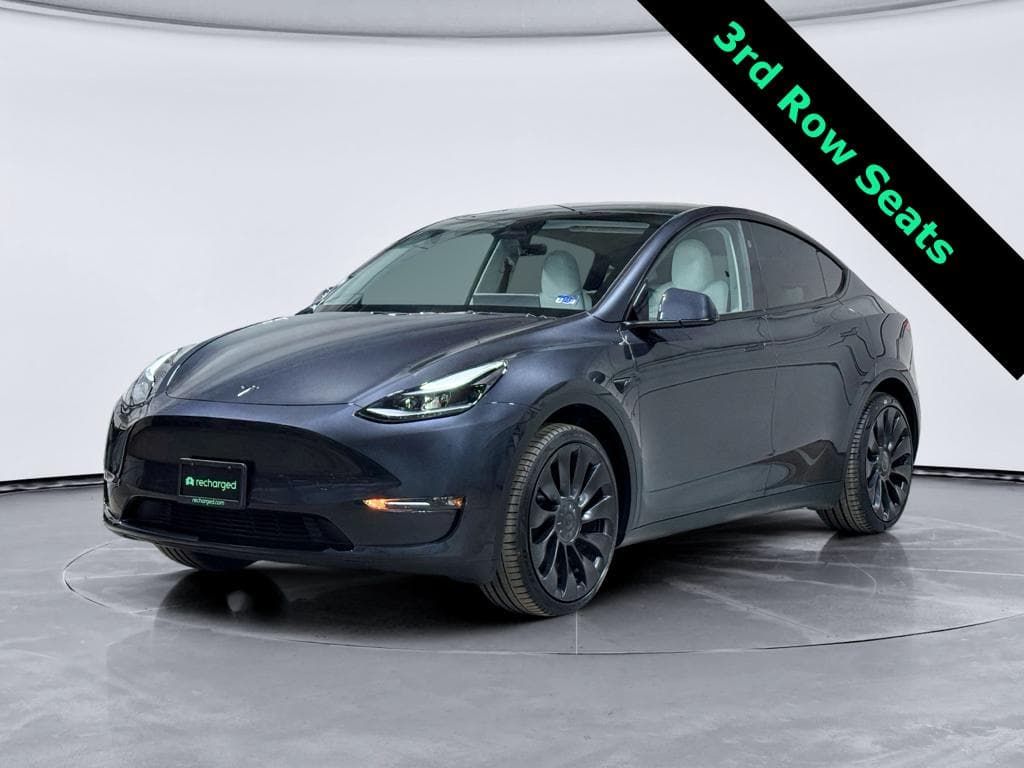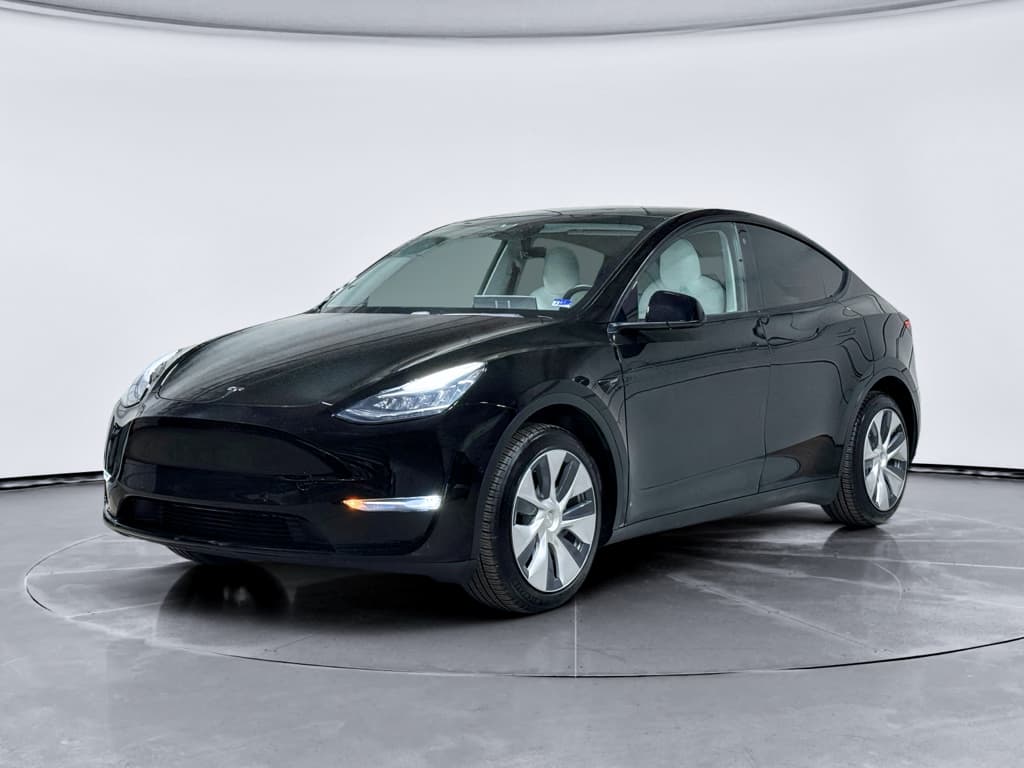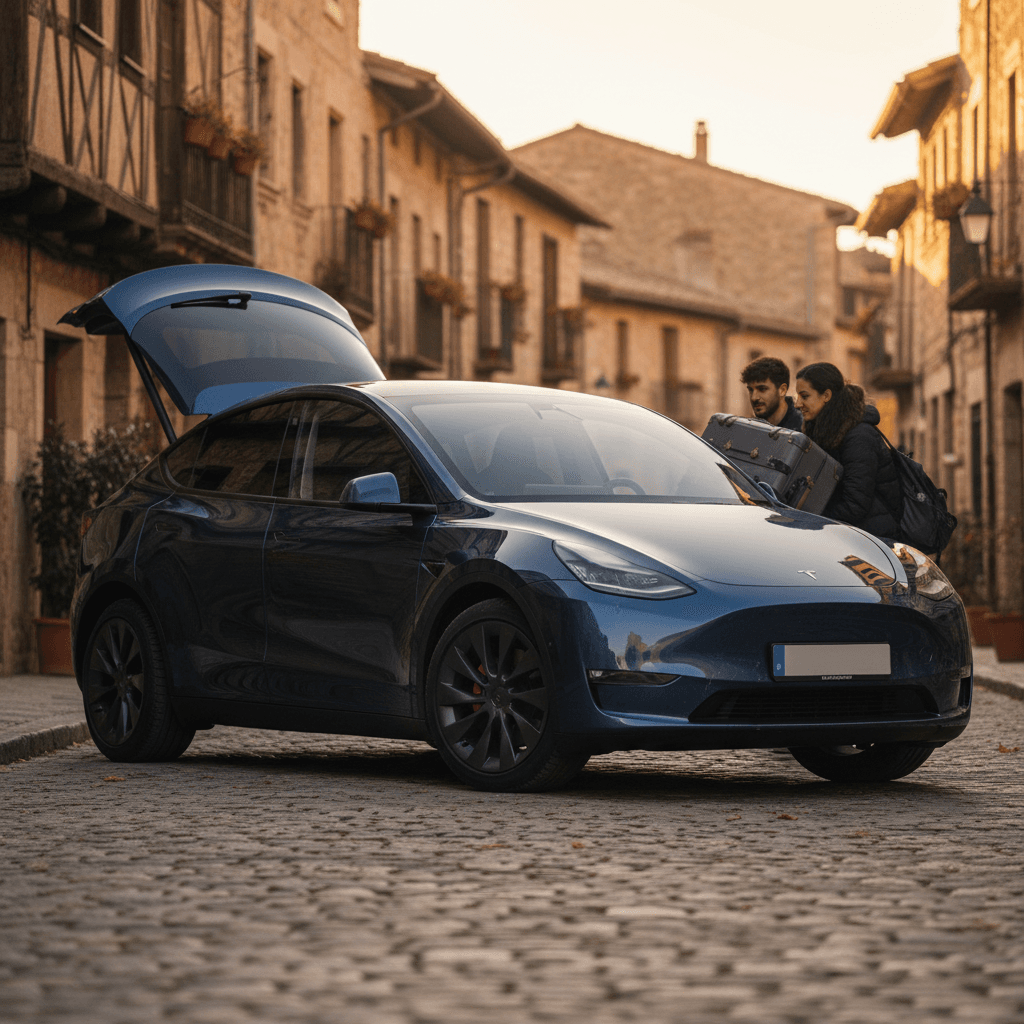
If you’re cross-shopping the Tesla Model Y vs BMW iX, you’re really choosing between two different philosophies of an electric SUV. The Model Y plays the role of efficient, tech-focused family hauler, while the BMW iX leans hard into luxury, refinement, and presence. The right answer for you depends on how you drive, what you value in a cabin, and how much you’re comfortable spending, especially if you’re considering a used example.
Two very different “electric SUVs”
Overview: Tesla Model Y vs BMW iX
Tesla Model Y: The pragmatic all-rounder
- Segment: Compact/midsize electric crossover.
- Strengths: Efficiency, Supercharger network access, over-the-air software, strong resale, available third row.
- Weak spots: Road noise, build quality can be inconsistent, cabin leans minimalist rather than plush.
BMW iX: The luxury statement EV
- Segment: Large luxury electric SUV.
- Strengths: Quiet and extremely comfortable ride, upscale interior, strong performance, traditional dealership support.
- Weak spots: Much higher price, heavier and less efficient, some polarizing design choices.
Core numbers that define the matchup
Quick specs: Model Y vs iX at a glance
Tesla Model Y vs BMW iX: key specs
Approximate specs for popular trims as of the 2024–2026 model years. Exact numbers vary slightly by wheel size, options, and test cycle.
| Tesla Model Y Long Range AWD | Tesla Model Y Performance | BMW iX xDrive50 | BMW iX M60 | |
|---|---|---|---|---|
| EPA range (mi) | ~327 | ~308 (2026 Performance) | ~307–311 | ~296 |
| 0–60 mph | ~4.4 sec | ~3.3 sec | ~4.4–4.6 sec | ~3.6 sec |
| Battery size (usable) | ~75–80 kWh | ~75–80 kWh | ~105 kWh | ~105 kWh |
| DC fast charge peak | 170–250 kW (depending on year) | 170–250 kW | Up to ~195 kW | Up to ~195 kW |
| Drive | Dual-motor AWD | Dual-motor AWD | Dual-motor AWD | Dual-motor AWD |
| Seating | 5 or optional 7 | 5 | 5 | 5 |
| New MSRP (typical trim) | Low-to-mid $50,000s | High $50,000s | High $80,000s+ | Around $110,000 |
| Body size | Compact/midsize SUV | Compact/midsize SUV | Mid/full-size SUV | Mid/full-size SUV |
Always verify specs for the specific model year and trim you’re considering, especially on the used market.
Spec sheet trap
Pricing, trims, and value for money
In today’s market, the biggest difference between the Tesla Model Y and BMW iX is price. Even after recent price adjustments on both sides, the iX lives solidly in luxury-SUV territory, while the Model Y still targets mainstream family budgets, especially if you’re looking at used inventory.
How pricing compares in the real world
Approximate U.S. transaction prices for recent model years (before local taxes and fees).
Tesla Model Y pricing
- New: With recent updates and trims, most well-equipped Long Range and Performance models fall in the high $40,000s to high $50,000s.
- Used: Early Long Range and Performance models are often available in the $35,000–$45,000 range depending on mileage and options.
- Value angle: Strong efficiency and demand keep resale values healthy, especially on clean-history vehicles.
BMW iX pricing
- New: A 2024–2025 iX xDrive50 typically starts around the high $80,000s, with the M60 pushing near or above $110,000 when new.
- Used: Many xDrive50s now sit around $60,000–$75,000 depending on age and options; M60s generally cost more.
- Value angle: You’re paying luxury-SUV money for a true flagship cabin and refinement.
How Recharged can help on price
Range, efficiency, and battery tech
Both of these SUVs clear the all-important 250-mile hurdle, and in the right configuration each can flirt with or exceed 300 miles of rated range. The difference is how efficiently they get there.
- Most Tesla Model Y Long Range AWD and Performance trims fall in the low-to-mid 300-mile EPA range band depending on wheels and year.
- The BMW iX xDrive50 is rated around 307–311 miles, with the high-performance M60 trim closer to 296 miles.
- The iX carries a significantly larger battery pack, around 105 kWh, while the Model Y uses a pack in the 75–80 kWh neighborhood.
- On a per-kWh basis, the Model Y is the more efficient vehicle. The iX’s extra size and weight show up in its energy consumption.
Real-world highway range
How to prioritize range between Model Y and iX
Decide how often you truly road-trip
If you spend most of your time commuting 40–60 miles a day, both are overkill on range. Occasional 300–400 mile trips are well within reach for either SUV with planning.
Look beyond the headline number
Focus on usable range at <strong>80% charge</strong> if you prefer not to charge to 100% daily. A 300-mile rating becomes more like 230–250 miles of everyday comfort zone.
Check wheel size and options
Larger wheels and performance tires reduce range on both vehicles. On the used market, a Model Y or iX with smaller wheels can be a sneaky win for efficiency.
Review your charging environment
If you can easily charge at home or work, the difference between 280 and 310 EPA miles is mostly academic. Convenience beats an extra 30 miles on the sticker.
Performance and driving feel
On paper, both the Tesla Model Y and BMW iX offer performance that would have embarrassed sports sedans not long ago. The way they deliver that performance, however, is very different. Tesla emphasizes sharp responses and a firm, sometimes busy ride. BMW’s iX aims for serenity first and foremost, even when it’s very quick.
How the Tesla Model Y drives
- Acceleration: The Long Range AWD is already brisk; Performance trims with 0–60 around 3.3 seconds feel genuinely explosive.
- Ride & handling: Firm and responsive. Great for drivers who like a sporty feel, but you’ll notice potholes and rough pavement.
- Noise: More wind and road noise than a typical luxury SUV, especially on Performance wheels.
- Best for: Drivers who prioritize fun-to-drive character and quick responses over hushed isolation.
How the BMW iX drives
- Acceleration: The xDrive50 can match many Model Y trims in straight-line pace, while the M60 is genuinely fast despite its size.
- Ride & handling: Tuned for comfort. Even on large wheels the iX feels planted and composed, with a supple ride that soaks up bad roads.
- Noise: Exceptionally quiet. The cabin insulation and acoustic glass make this feel like a rolling lounge.
- Best for: Long-haul highway cruisers and buyers who see their SUV as a rolling living room.
Driving-feel takeaway
Charging experience and road-trip usability
The quality of your charging experience depends as much on the network as on the vehicle itself. This is where Tesla has historically had an edge with its dense Supercharger network, but the gap is narrowing as more public fast chargers come online and NACS access spreads.
Charging strengths of each SUV
Think beyond peak kW, availability and simplicity matter just as much.
Tesla Model Y charging
- Network: Direct, seamless access to Tesla’s Supercharger network, which remains one of the most reliable in the U.S.
- Speed: Recent Model Ys can pull up to roughly 170–250 kW on DC fast chargers; home charging on a Level 2 wallbox is straightforward.
- Planning: Tesla’s native navigation automatically routes you through Superchargers and estimates arrival state of charge.
BMW iX charging
- Network: Uses CCS on most current models, compatible with major public networks (Electrify America, EVgo, etc.). Some owners may also gain NACS access via adapters over time.
- Speed: DC fast-charging up to about 195 kW, with 10–80% typically in the mid-30-minute range on a strong charger.
- Perks: Many new iX buyers received complimentary DC fast-charging sessions on certain networks, worth asking about on a certified pre-owned BMW.
Fast charging on the used market
Space, comfort, and everyday practicality
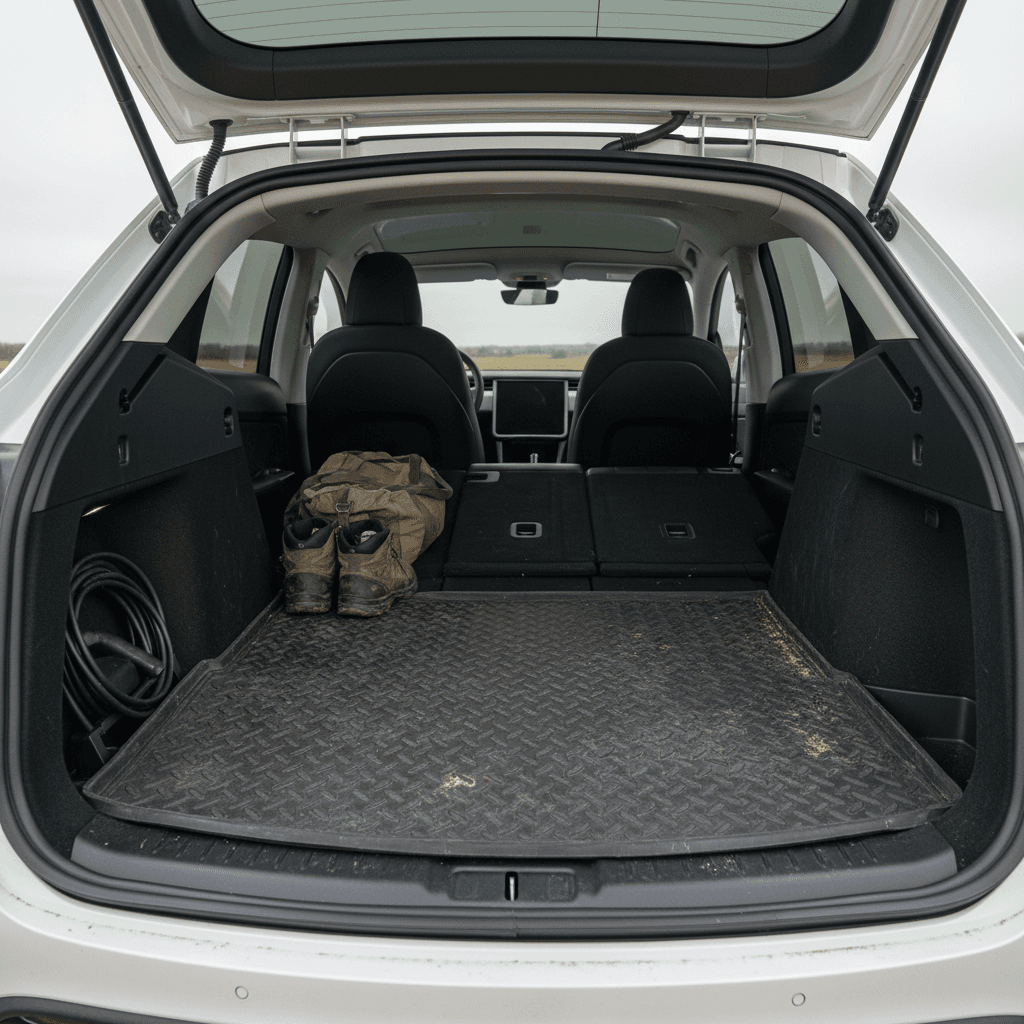
This is where the philosophical split becomes obvious. The Tesla Model Y is about maximizing space within a relatively compact footprint. The BMW iX goes all-in on making its occupants feel like they’re in a high-end living room that just happens to move very quickly.
Tesla Model Y practicality
- Cargo: Big, usable hatch with generous rear cargo and a useful front trunk for cables or small bags.
- Seating: Comfortable front seats, roomy second row; an optional third row on some trims is best for kids or occasional use.
- Cabin feel: Minimalist, airy, modern. Very little clutter, but some shoppers miss traditional buttons and knobs.
BMW iX comfort & space
- Cargo: Plenty of luggage room, though not dramatically more than a Model Y when rear seats are up.
- Seating: Five-seat layout with exceptionally supportive front seats and a spacious rear bench.
- Cabin feel: Rich materials, distinctive design, sophisticated ambient lighting, and excellent noise isolation.
Who will notice the BMW advantage most?
Tech, infotainment, and driver assistance
Both SUVs skew heavily toward screens and software, but they interpret that brief differently. Tesla has long treated the Model Y as a software-first device on wheels. BMW approaches the iX more like a traditional luxury car maker that adopted a tech-forward UI.
Software and driver-assistance comparison
Over-the-air updates vs. traditional luxury tech, both are good, but in different ways.
Tesla Model Y tech
- Interface: A single large central touchscreen handles virtually everything, speed display, navigation, climate, and more.
- Updates: Frequent over-the-air software updates can add features, tweak efficiency, and improve driver-assistance behavior.
- Driver assistance: Autopilot comes standard; optional packages offer more advanced lane-keeping and automated lane-change capabilities.
- Quirks: Minimal physical controls. If you like tactile buttons, be prepared for an adjustment curve.
BMW iX tech
- Interface: A curved dual-screen setup with a large central touchscreen and digital gauge cluster, backed up by a rotary controller and a few buttons.
- Updates: BMW’s iDrive system supports over-the-air updates, though cadence tends to be slower than Tesla’s.
- Driver assistance: Robust suite of safety tech (lane-keep assist, adaptive cruise, blind-spot monitoring) with available hands-on and some hands-free features depending on package.
- Quirks: More menus and options; powerful, but can feel complex until you learn your way around.
Don’t ignore insurance and repair tech costs
Ownership costs and used EV considerations
Day-to-day energy costs for a Tesla Model Y and BMW iX are far lower than for similarly quick gasoline SUVs, but your total cost of ownership will still feel very different depending on which you choose, and whether you buy new or used.
Key ownership-cost differences
High-level comparison for a typical U.S. owner driving 10,000–12,000 miles per year.
| Cost area | Tesla Model Y | BMW iX |
|---|---|---|
| Energy cost per mile | Lower, thanks to better efficiency and smaller battery | Higher, thanks to heavier vehicle and larger battery |
| Insurance | Can be high for Performance trims but generally below a six-figure luxury SUV | Often higher due to vehicle value and repair costs |
| Maintenance | No oil changes; tires and brakes are the primary wear items; service handled through Tesla network | Similar EV basics, but luxury consumables (tires, brakes, suspension) and dealer labor can be pricier |
| Depreciation | Strong resale so far, especially for Long Range trims | Steeper early depreciation, as typical of high-end luxury SUVs |
| Charging equipment | Many owners use a relatively affordable Level 2 home charger | Same story, home Level 2 charger recommended for convenience |
Exact numbers will vary by state, electricity rate, and insurance profile.
Used Tesla Model Y vs BMW iX: what to check
1. Battery health and DC fast-charging history
Look for a <strong>verified battery health report</strong>, especially on vehicles that have fast-charged heavily. Recharged’s battery diagnostics translate this into an easy-to-read Recharged Score so you know whether the pack still has the range you’re paying for.
2. Software status and options
Verify which driver-assistance and connectivity features are enabled, some Tesla software options and BMW packages can transfer (or not) on resale and affect value.
3. Tires and brakes
Performance-oriented EVs are hard on tires. On a heavy vehicle like the iX, premium tires and brakes are expensive. A nearly-new set is worth real money compared with a car that’s due for replacement.
4. Warranty coverage
Check remaining factory bumper-to-bumper and battery warranties. Luxury repairs out of warranty can add up quickly on an iX; Teslas also benefit from staying under warranty for major components.
5. Charging equipment included
Confirm whether the vehicle includes its portable charging cable and any wallbox the previous owner installed. On a used purchase, that can save you several hundred dollars right away.
Which should you buy: Tesla Model Y or BMW iX?
Choose the Tesla Model Y if:
- You want an efficient, quick electric SUV that doesn’t feel huge in daily driving.
- You care about access to Tesla’s Supercharger network and seamless long-distance planning.
- You’re budget-conscious and want the best mix of price, range, and practicality, especially in the used market.
- You prefer cutting-edge software and don’t mind a minimalist interior with fewer physical controls.
- You need occasional third-row seating for kids or carpool duty.
Choose the BMW iX if:
- You want a true luxury SUV experience with a quiet, plush cabin and standout design.
- You prioritize comfort and refinement over ultimate efficiency.
- Your budget comfortably supports luxury-SUV pricing and potentially higher insurance and maintenance.
- You prefer a more traditional dealership and service experience with a familiar premium brand.
- You value distinctive interior design and materials as much as performance figures.
Where Recharged fits in your decision
Ready to find your next EV?
Browse VehiclesWhen you strip away badges and brand loyalty, the Tesla Model Y is the smarter choice for most shoppers who want a practical, efficient family EV with strong long-distance capability. The BMW iX is the right answer if you’re looking for a flagship luxury SUV that happens to be electric, and you’re comfortable paying for that experience up front and over time. Define your priorities, run the numbers on both, and then drive each. The better SUV for you will make itself known in a single afternoon behind the wheel.