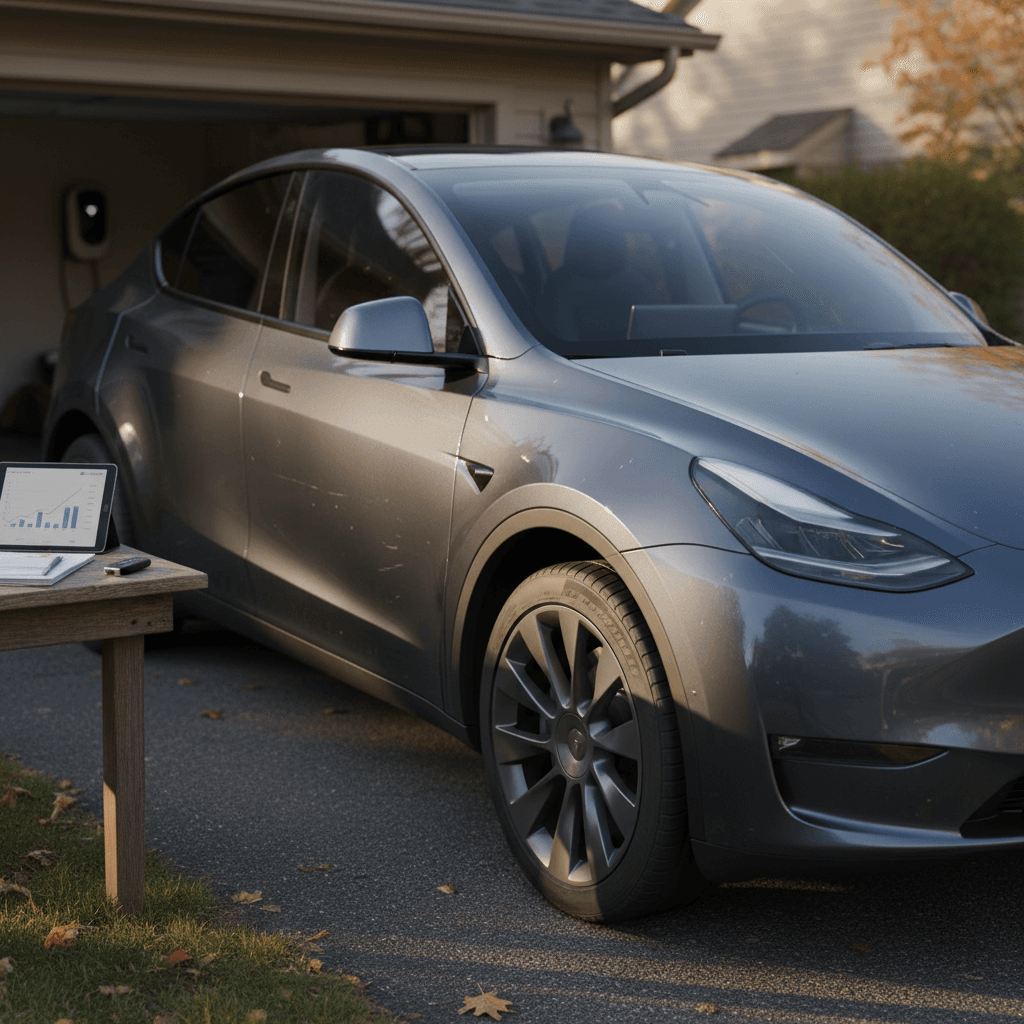
If you’re considering a Tesla Model Y, you’re probably not just thinking about the sticker price, you want to know the **Tesla Model Y long term ownership cost** over five years or more. The good news: the Model Y can be significantly cheaper to own than a comparable gas SUV, especially if you buy used and charge smart. But the full picture includes purchase price, financing, insurance, maintenance, depreciation, and electricity.
Key takeaway
Why Tesla Model Y long-term ownership cost matters
EVs like the Model Y flip the normal cost equation on its head. You pay more up front, but you usually spend **far less to keep it running**. Understanding long-term ownership cost helps you decide whether the higher purchase price makes sense and whether a **new or used Model Y** is the smarter move for your budget.
- New Model Y prices have climbed over the past few years, but used prices have cooled from their 2022 peak.
- Electricity is generally far cheaper per mile than gasoline, especially with off-peak home charging.
- EVs have fewer moving parts than gas cars, so routine maintenance is typically lower.
- Insurance and repair costs can be higher for Teslas, and that catches some owners off guard.
- Depreciation is still your single biggest cost, whether you buy gas or electric.
What actually drives Tesla Model Y long-term costs?
The 5 big buckets of Model Y ownership cost
Where your money really goes over 5 years
1. Purchase & Financing
Down payment, sales tax, and monthly payments. This is where a used Model Y can save you thousands on day one.
2. Energy (Charging)
Electricity at home or public stations. Usually far cheaper than gas, but costs vary based on your utility rate and charging habits.
3. Maintenance & Repairs
Tires, brake fluid, filters, and unexpected repairs. EVs typically need less routine service than comparable gas SUVs.
4. Insurance & Fees
Insurance premiums, registration, and occasional fees. Teslas can be pricier to insure, especially in certain states.
5. Depreciation
The loss in value over time. For most owners, this is the largest single cost, even if you never think about it day to day.
6. Incentives & Tax Credits
Federal and state EV incentives, utility rebates, and HOV perks can offset your costs, especially when buying used through the right channels.
5-year Tesla Model Y cost summary: new vs used
Let’s frame this with a realistic example for a U.S. driver putting about **12,000 miles per year** on a Model Y over five years. These are **illustrative ballpark numbers**, not a quote, but they show how the pieces fit together.
Illustrative 5-year Tesla Model Y ownership costs
Approximate totals for a typical U.S. driver at 12,000 miles per year. Actual costs will vary by state, driving style, electricity rates, and insurance profile.
| Category | New Model Y (5 years) | Used Model Y (3-year-old, 5 more years) | What to know |
|---|---|---|---|
| Purchase & Interest | $60,000–$65,000 paid/financed | $38,000–$45,000 paid/financed | New prices and higher interest rates increase total paid; used can trim tens of thousands. |
| Electricity (charging) | $3,000–$4,000 | $3,000–$4,000 | Depends on home vs public charging and your utility rate; often 60–70% cheaper than gas. |
| Maintenance & Repairs | $2,000–$3,000 | $3,000–$4,000 | Used cars see more wear items and potential repairs, but Teslas still avoid many gas-engine costs. |
| Insurance & Fees | $8,000–$11,000 | $7,000–$10,000 | Varies heavily by state and driver history; shop around annually. |
| Depreciation | $20,000–$30,000 | $10,000–$18,000 | Buying used means someone else already took the steepest hit. |
| Estimated 5-year Total | ~$93,000–$113,000 | ~$61,000–$81,000 | A well-bought used Model Y can save ~$20k–$30k over the same 5 years. |
A used Model Y typically wins on total cost of ownership because you avoid the steepest first-year depreciation.
Important disclaimer

Purchase price, financing, and taxes
Your biggest lever on total cost is **what you pay for the car and how you finance it**. Tesla’s own pricing moves around, but in early 2026 a new Model Y typically sits well above many mainstream gas crossovers. That’s why the used market has become so important, especially now that prices have cooled off from the 2022 EV price spike.
New Model Y
- Higher MSRP and higher sales tax bill.
- May qualify for a federal EV tax credit depending on trim and your tax situation.
- Typically easier to finance through mainstream banks and credit unions.
- Full warranty period ahead of you.
Used Model Y
- Purchase price can be tens of thousands lower than new.
- In many cases, eligible for a used EV federal tax credit (subject to IRS rules and income limits).
- Depreciation curve has flattened, so you’re less exposed to value swings.
- Warranty coverage depends on model year and mileage, battery and drive unit often still covered.
Financing tip
Charging costs: electricity vs gasoline
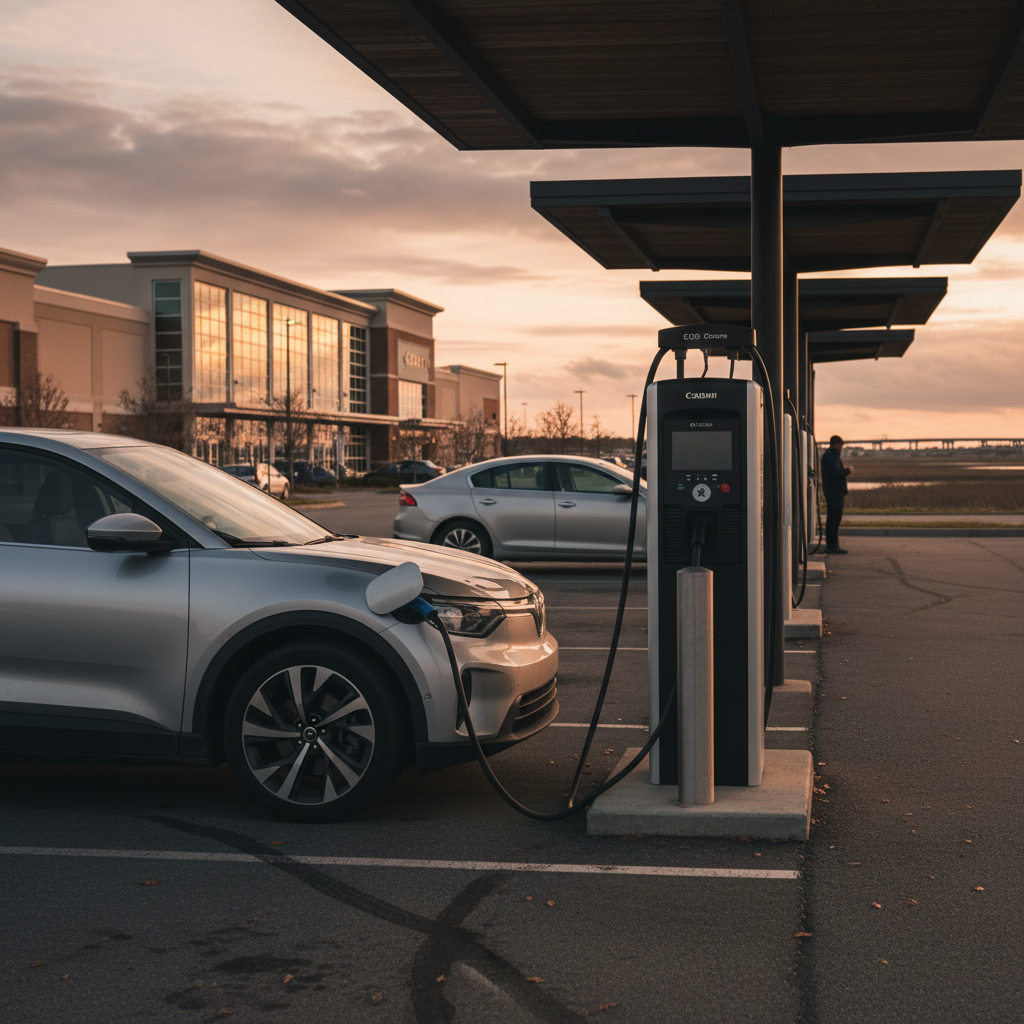
For many owners, the biggest day-to-day savings of a Tesla Model Y come from **fuel costs**. Instead of paying for gasoline, you’re paying for electricity, usually at home, sometimes on the road at Superchargers or other DC fast chargers.
Illustrative energy cost comparison (5 years, 12,000 miles/year)
If you primarily charge at home on a **Level 2 charger**, your effective cost per mile can be less than one third that of gasoline. Relying heavily on Superchargers or other DC fast chargers pushes that number up, but in most cases you’ll still come out ahead of a comparable gas SUV over the long term.
Home charging is your secret weapon
Maintenance and repairs over the long haul
One of the Model Y’s biggest advantages is **simplified maintenance**. There’s no engine oil, spark plugs, timing belts, or transmission fluid to worry about. Over five years you’ll mostly deal with tires, brake fluid, cabin filters, and alignment, plus the occasional unscheduled repair.
Common Tesla Model Y maintenance items
What you’ll probably pay for over 5 years
Battery & Drive Unit
Covered by Tesla’s long battery and drive unit warranty for many years/miles. You shouldn’t expect a major battery bill inside your first 5–8 years unless you’re driving unusually high mileage.
Tires
The Model Y is quick and heavy, so it’s tough on tires. Many owners see replacement intervals around 25,000–35,000 miles. Budget for 2–3 sets over 5 years, depending on your driving.
Fluids & Filters
Brake fluid checks, cabin air filters, and occasional A/C service. These are modest costs compared with a gas SUV’s scheduled engine services.
Repairs
Out‑of‑warranty repairs, sensors, door handles, suspension components, can be pricier than mainstream brands. This is where **buying a well-vetted used car** really matters.
Regenerative Brakes
Regen braking offloads much of the stopping work to the motor. That means brake pads and rotors often last far longer than on gas vehicles.
Software & Updates
Many improvements come via over‑the‑air updates at no extra cost, which can enhance efficiency and features without traditional service visits.
Watch those tires
Insurance, registration, and other fees
Insurance pricing for Teslas is a **mixed bag**. Some insurers rate them higher because of expensive bodywork and advanced sensors; others rate them competitively once they see the safety record and your driving history. Location, credit, age, and driving record will impact your premium more than the fact that it’s electric.
- Shop at least 3–4 insurance providers before you buy; the spread between quotes can be dramatic.
- Ask insurers how they handle EV-specific repairs and whether they have preferred Tesla-certified shops.
- Consider higher deductibles if you have strong savings and want to lower your monthly premium.
- Registration and plate fees vary by state; a few states charge modest EV surcharges in lieu of gas taxes.
Insurance shopping strategy
Depreciation and resale value of the Model Y
Depreciation, the difference between what you paid and what you can sell the car for later, is almost always your **single largest ownership cost**. The Tesla Model Y has seen some price volatility: sharp appreciation and high demand in 2021–2022, followed by price cuts on new models that pulled used values down.
What happens if you buy new?
- The first 3 years typically account for the steepest percentage drop in value.
- If Tesla lowers new-car prices, your resale value can take a hit even if your car hasn’t changed.
- High mileage, accident history, and cosmetic damage accelerate depreciation.
What happens if you buy used?
- You let the first owner absorb the steepest portion of depreciation.
- Your 5‑year horizon may span the flatter middle of the curve, where annual losses are smaller.
- A well-maintained Model Y with verified battery health can still command strong resale value years down the line.
Why battery health matters for resale
How buying a used Model Y with Recharged can cut your costs
Because depreciation is such a massive piece of your Tesla Model Y long term ownership cost, buying **the right used car** is often smarter than stretching for a brand-new build. This is exactly the gap Recharged is designed to fill.
Cost advantages of a used Model Y from Recharged
Where a curated used EV marketplace can save you money and headaches
Verified battery health
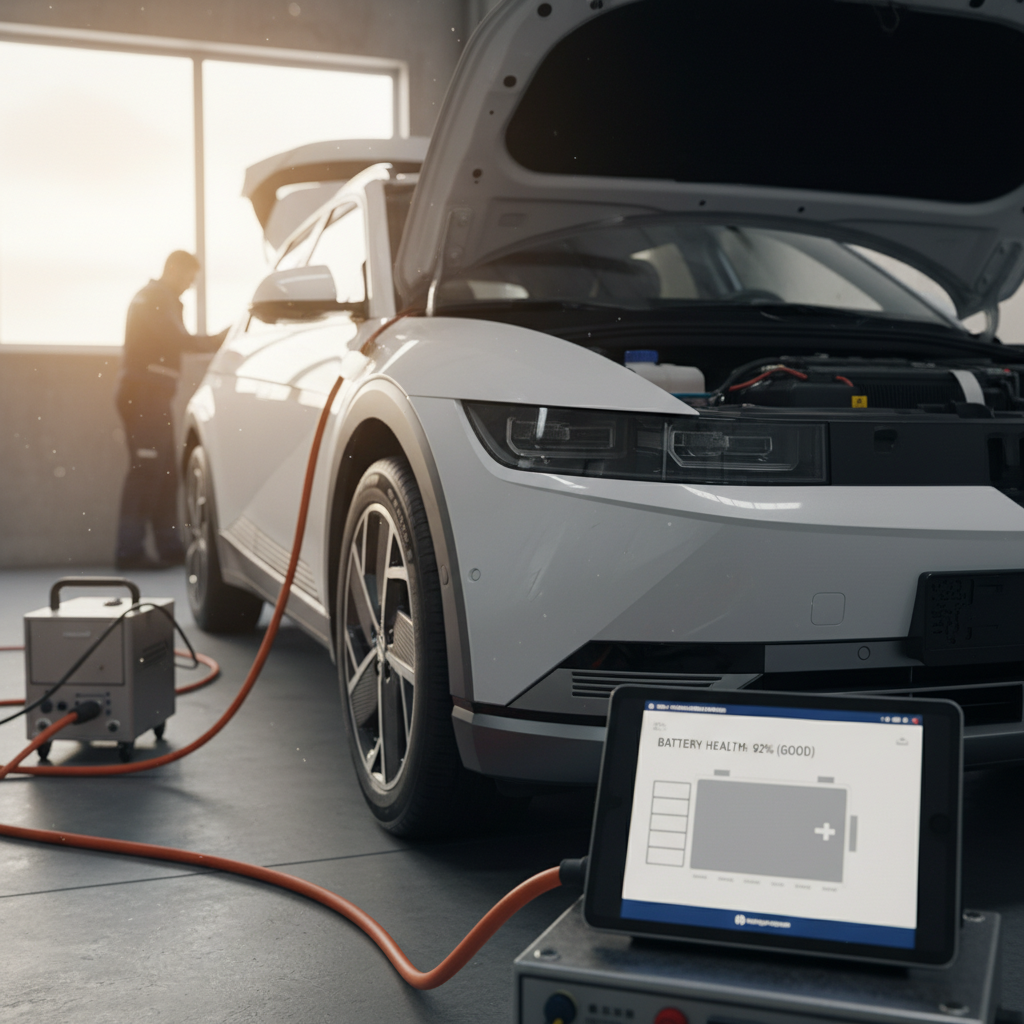
Every vehicle comes with a Recharged Score report, including third‑party battery diagnostics. That helps protect you from buying a car with hidden degradation that could hurt your long‑term costs.
Fair, transparent pricing
Recharged benchmarks each Model Y against the current market so you’re not overpaying. Because the biggest depreciation hit is already behind you, your 5‑year ownership math often looks much better.
Nationwide delivery
You’re not stuck with whatever is on a local lot. Recharged can ship the right Model Y to your driveway, so you can focus on condition and value, not ZIP code.
EV-specialist guidance
Recharged’s EV experts can walk you through financing, insurance expectations, and home charging, so you understand the ongoing costs before you commit.
Ready to find your next EV?
Browse Vehicles7 ways to lower your Tesla Model Y long-term ownership cost
Practical steps to keep Model Y ownership affordable
1. Consider a quality used Model Y
Let someone else take the steepest first-year depreciation hit. A carefully vetted 2–4‑year‑old Model Y can deliver most of the experience at a far lower total cost of ownership.
2. Optimize your charging mix
Set your home charger to use off‑peak rates where possible and reserve DC fast charging for road trips. This keeps your cost per mile low and is gentler on the battery.
3. Shop insurance aggressively
Get quotes from multiple insurers, including ones that specialize in EVs. Ask about telematics or usage‑based programs if you’re a low‑mileage, safe driver.
4. Protect your tires
Check alignment regularly, rotate tires on schedule, and consider efficiency‑oriented tire options. Small habits here can save you hundreds over five years.
5. Keep your software and service current
Install over‑the‑air updates and don’t ignore service alerts. Catching a minor issue early is almost always cheaper than waiting until it becomes a major repair.
6. Plan to own at least 5 years
Frequent flipping is expensive. The Model Y makes the most financial sense if you keep it long enough to spread out upfront taxes and fees.
7. Use total cost, not just payment, to compare
Don’t get fixated on the monthly number. Compare **fuel, maintenance, insurance, and expected depreciation** against a gas SUV, often the Model Y wins over the full term.
Avoid this costly mistake
Frequently asked questions about Tesla Model Y ownership costs
Tesla Model Y long-term cost FAQ
Bottom line: Is a Tesla Model Y worth it long-term?
When you zoom out beyond the monthly payment and look at the full **Tesla Model Y long term ownership cost**, the story is compelling. For many drivers, a Model Y costs **less to own over five years** than a similarly sized gas SUV, even if the Tesla’s price tag is higher on day one. Lower fueling costs, low routine maintenance, and solid resale value all work in your favor.
Where you really tilt the math in your favor is by buying **the right used Model Y** at a fair price, with verified battery health and honest condition reporting. That’s exactly what Recharged is built to deliver, along with EV‑specialist guidance, financing, trade‑in options, and nationwide delivery. If you’re ready to put real numbers to your situation, your next step is simple: run the math on a used Model Y that fits your budget, and see how the total cost of ownership stacks up against the gas SUV you were about to buy.