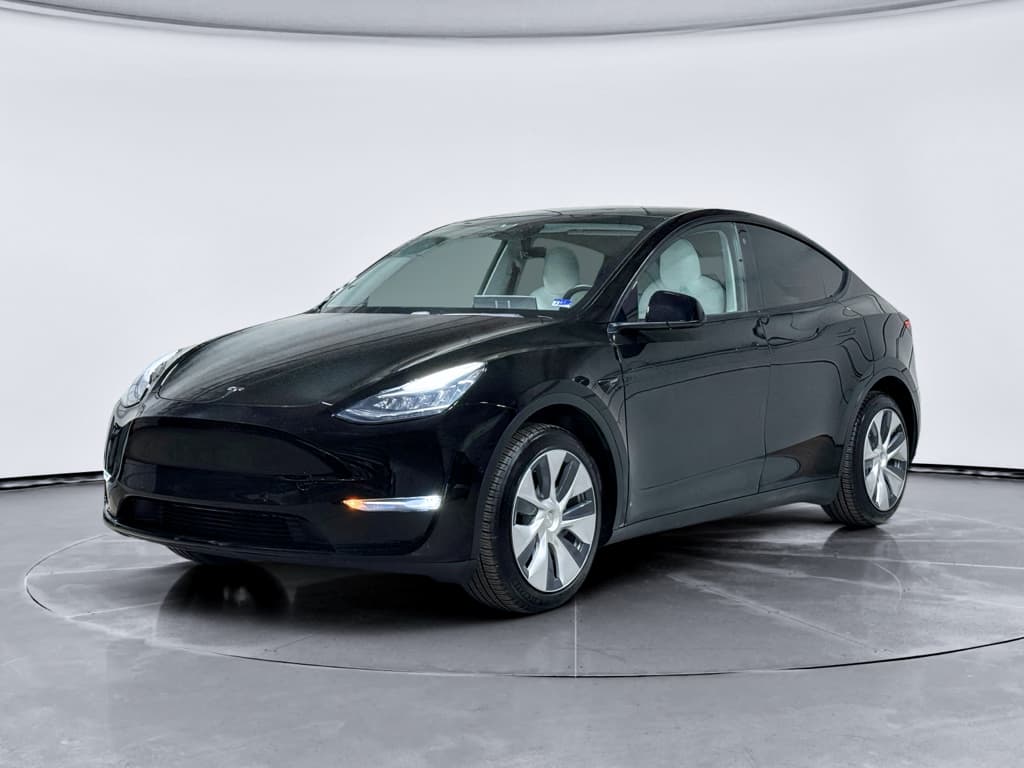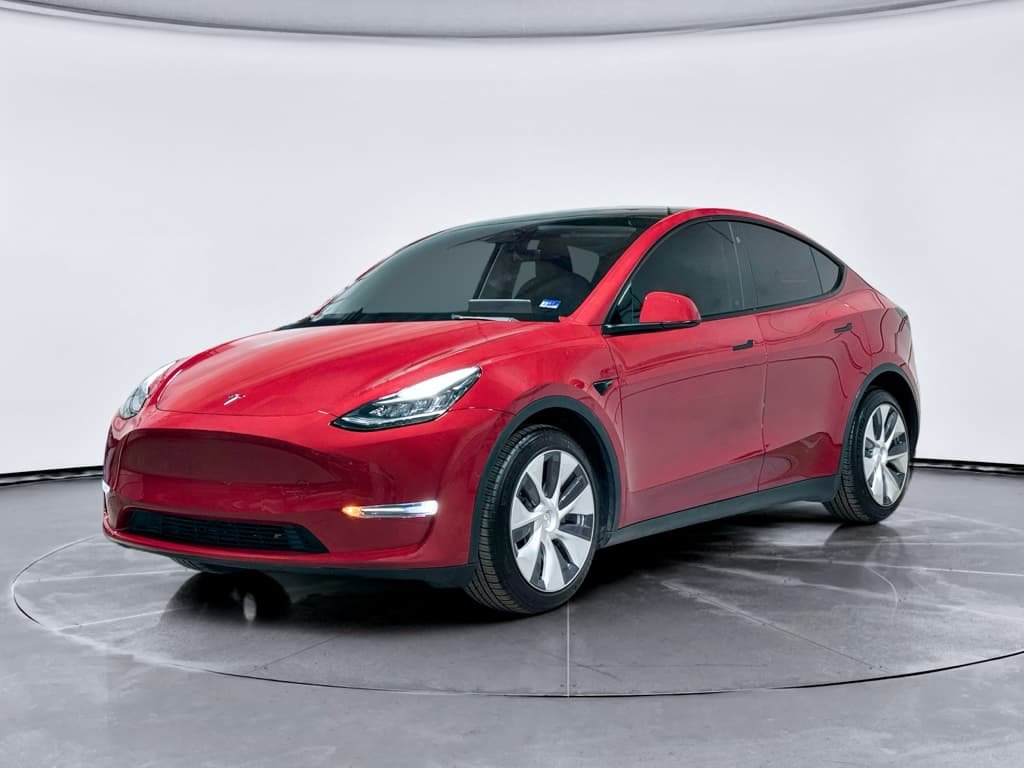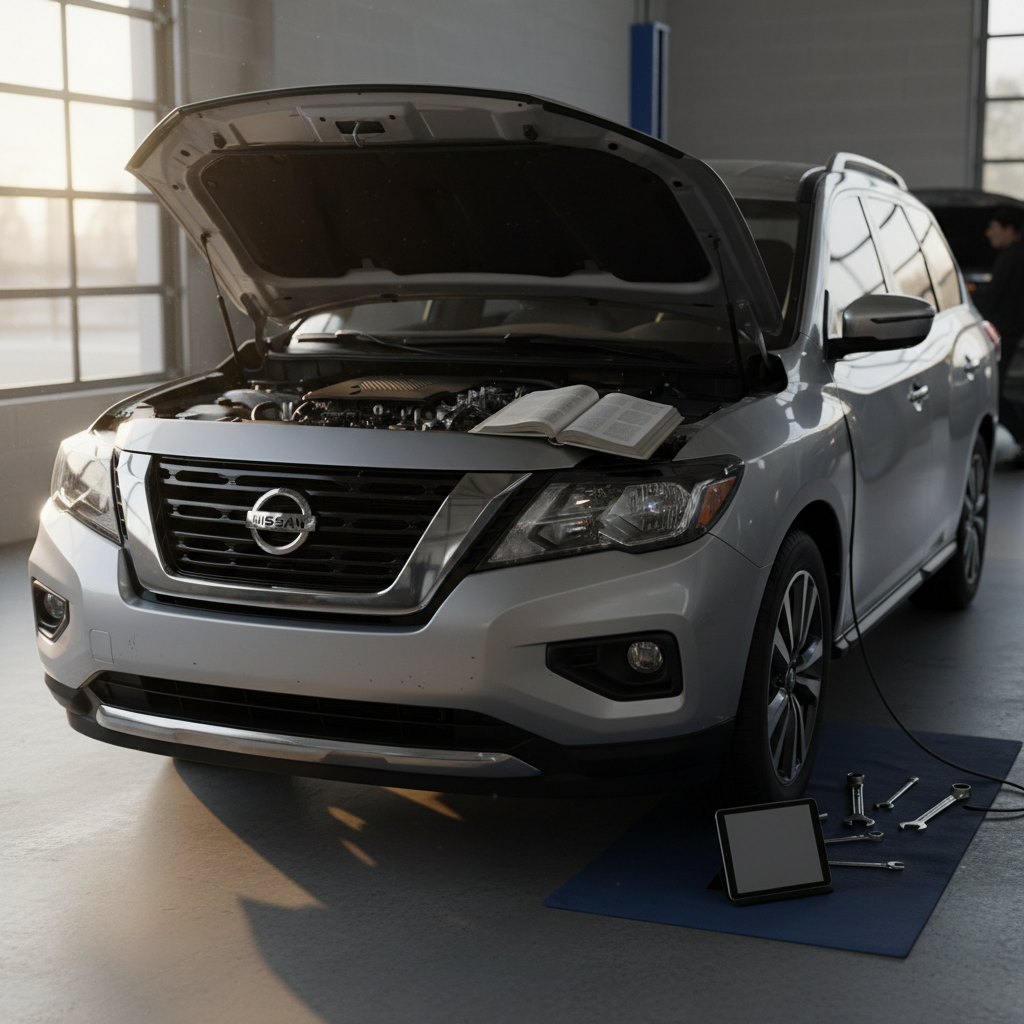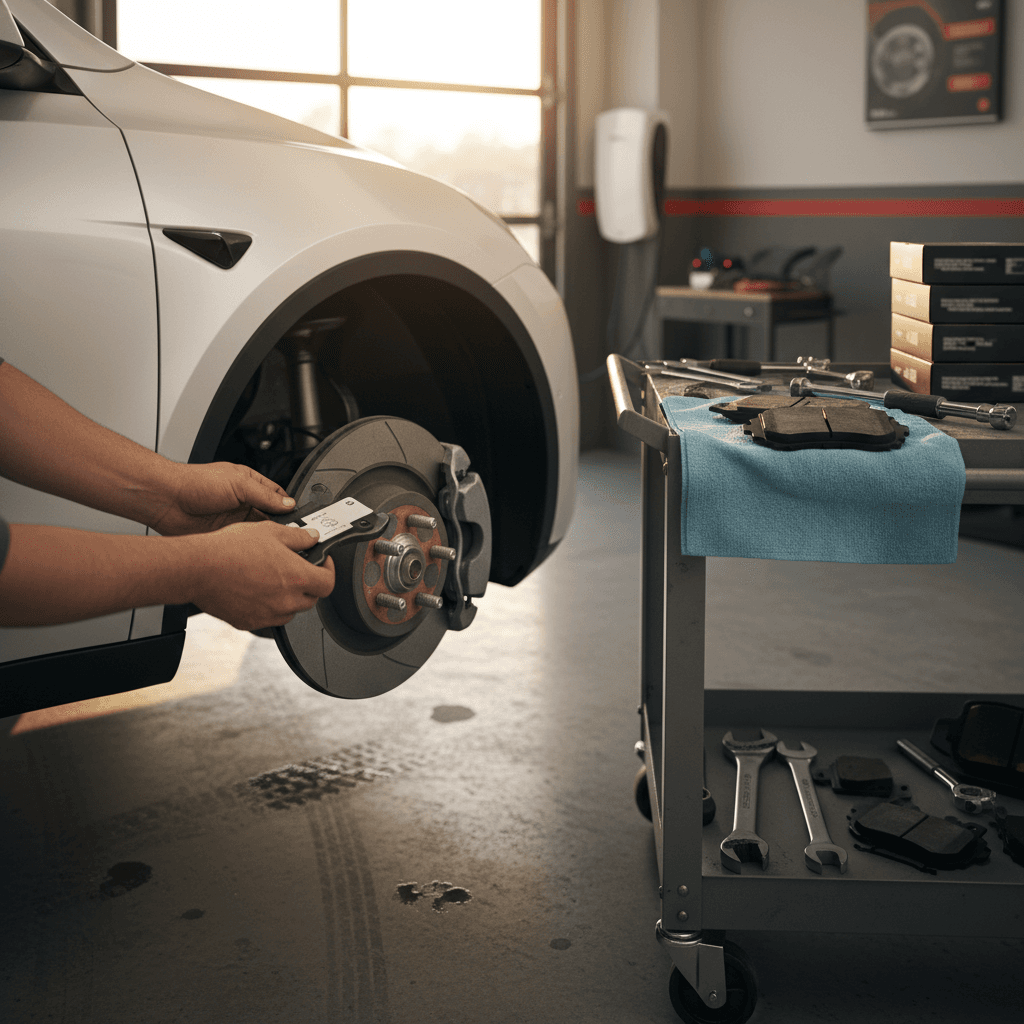
If you come from a gas car, you’re probably used to replacing brake pads every 30,000–60,000 miles, and paying handsomely for it. With a Tesla Model Y, things look very different. Thanks to strong regenerative braking, many owners go well past 100,000 miles before they even think about pads. Still, it’s smart to know the Tesla Model Y brake pad replacement cost so you can budget, compare quotes, and avoid paying for work you don’t need.
Quick Cost Snapshot
Overview: What Model Y Owners Really Pay for Brake Pads
Model Y Brake Pad Cost at a Glance (2025)
Those ranges won’t match every quote you see, but they’re a realistic benchmark for 2025 U.S. pricing. The lower end typically reflects non-performance trims at independent EV-aware shops; the upper end reflects higher-labor markets, performance models with larger brakes, or pad+rotor bundles. The key is understanding what you’re getting for the price, pads only, pads plus rotors, hardware kits, and optional services like brake fluid checks and caliper cleaning.
How Much Does Tesla Model Y Brake Pad Replacement Cost?
Let’s break down what you can realistically expect to pay for a Tesla Model Y brake pad replacement in 2025. These are ballpark figures, but they line up closely with quotes from Tesla Service Centers, EV-trained independents, and general brake repair cost data.
Typical Tesla Model Y Brake Pad Replacement Costs (Per Axle, 2025)
Approximate price ranges for common brake jobs on a Tesla Model Y in the United States. Actual quotes vary by region, trim, and shop.
| Service type | Where | Typical parts cost | Typical labor cost | Estimated total (per axle) |
|---|---|---|---|---|
| Front OR rear pads only | Independent EV shop | $90–$170 | $140–$230 | $230–$400 |
| Front OR rear pads only | Tesla Service Center | $120–$220 | $180–$280 | $300–$500 |
| Front pads + rotors | Independent EV shop | $220–$360 | $180–$280 | $400–$640 |
| Front pads + rotors | Tesla Service Center | $260–$420 | $220–$320 | $480–$740 |
| Rear pads + rotors | Independent EV shop | $210–$340 | $170–$260 | $380–$600 |
| Rear pads + rotors | Tesla Service Center | $250–$390 | $200–$300 | $450–$690 |
Use this table as a comparison tool when you request estimates from Tesla or independent EV shops.
How to Use These Numbers
These prices put the Model Y broadly in line with mainstream crossovers on a per-job basis. Where you really save money is frequency: regenerative braking means you may only need one or two pad jobs over the life of the vehicle, instead of a new set every 40,000–60,000 miles.
Pad-Only vs Pad+Rotor Jobs on a Model Y
When you see a surprisingly high brake quote, it’s usually because the estimate includes new rotors, not just pads. On a Tesla Model Y, that’s often unnecessary at moderate mileage unless you have vibration, deep grooves, or serious rust. Understanding the difference can save you hundreds of dollars per axle.
What You’re Paying For in a Model Y Brake Job
Know whether you really need pads, rotors, or both before signing off on work.
Pad-only replacement
What it includes:
- New brake pads for one axle (front or rear)
- Basic cleaning of caliper and bracket
- Lubrication of slide pins and pad contact points
When it’s enough: Pads are worn but rotors are smooth, within thickness spec, and not badly rusted. This is the most common scenario on well-driven Model Ys.
Pads + rotors + hardware
What it includes:
- New pads and rotors on one axle
- New hardware (shims, clips) when required
- More labor for rotor removal, cleaning, and fitment
When it’s needed: You feel vibration when braking, rotors are heavily corroded or scored, or you’ve run pads down to the backing plates and damaged the rotors.
Beware of “Package-Only” Quotes
Why Tesla Model Y Brake Pads Last So Long
Teslas built on the Model Y platform rarely chew through brake pads the way gas crossovers do, and the reason is simple: regenerative braking. Instead of relying on friction brakes every time you lift off the accelerator, the electric motors slow the car and send energy back into the battery.
- In everyday driving, the motors handle much of the deceleration, especially at low and moderate speeds.
- Pads only see heavy use in panic stops, high-speed braking, or when the battery is cold or near full (when regen is limited).
- Tesla’s brake-by-wire system blends regen and friction braking smoothly, so you’ll often come to a full stop with minimal pad engagement.
Real-world owner reports routinely show 80,000–150,000 miles on original pads, with some drivers going even further. That doesn’t mean you can ignore brake maintenance, but it does mean a well-driven Model Y is unlikely to burn through pads the way a gas SUV might.
Cold Weather Exception
When Should You Replace Model Y Brake Pads?
Tesla doesn’t publish a fixed mileage interval for Model Y brake pad replacement, and that’s a good thing, wear varies hugely by driver and climate. Instead, think in terms of pad thickness, symptoms, and inspection intervals.
Signs Your Model Y Is Ready for Brake Pad Replacement
1. Low pad thickness
During an inspection, pads are measured at or below 3 mm of remaining material. This is the standard “replace now” line for most shops and OEMs, including Tesla-related service guidance.
2. Noise when braking
You hear persistent squealing, grinding, or a harsh scraping sound as you apply the brakes. That can indicate worn pads, corroded hardware, or pads run down to the backing plate.
3. Vibration or pulsation
The steering wheel or brake pedal shudders under moderate brake pressure. This usually points to rotor thickness variation or deposits on the rotor surface, often repaired with rotor service plus new pads.
4. Uneven pad wear
Front pads are significantly thinner than rears (or vice versa), or one side is much more worn than the other. That can signal sticking caliper slide pins or hardware issues that should be corrected with the pad job.
5. Service alerts or inspection findings
A Tesla Service Center, independent EV shop, or a pre-purchase inspection flags brake issues. Ask for photos, measurements, and an explanation before you authorize replacement.
Include Brakes in Tire Rotations
Tesla Service Center vs Independent EV Shop Pricing
You have options when your Model Y needs brake work. Tesla Service Centers understand the platform inside out and use OEM parts, but many independent EV-focused shops can deliver equal quality at a lower hourly rate. The right choice depends on your budget, warranty situation, and comfort level.
Tesla Service Center
- Pros: Factory-trained techs, OEM pads and rotors, seamless app scheduling, clear service history in your Tesla account.
- Cons: Higher labor rates in many markets, limited flexibility on parts brands, and you may pay more for pad+rotor packages.
- Best for: Owners under warranty or those who prefer all service records to live inside the Tesla ecosystem.
Independent EV-Aware Shop
- Pros: Often lower labor rates, flexible parts choices (including premium aftermarket pads), and more room to request pad-only service when rotors are healthy.
- Cons: Quality varies; you need a shop that understands EV weight, regen, and electronic parking brakes.
- Best for: Out-of-warranty vehicles and cost-conscious owners who still want high-quality work.
Check for EV Experience
DIY Tesla Model Y Brake Pad Replacement: Is It Worth It?
If you’ve done brake jobs on gas cars before, you might be tempted to handle your Model Y at home. Mechanically, a pad swap on a Model Y isn’t exotic, but there are EV-specific details you need to respect, and the financial upside is smaller than many people expect.
DIY vs Paying a Shop for Model Y Brake Pads
Compare cost savings to the time, tools, and risk involved.
What DIY actually saves
- Typical pad set cost: ~$80–$150 per axle for quality aftermarket pads.
- Shop labor you avoid: ~$140–$250 per axle.
- Real-world savings: often $150–$250 per axle after you buy tools, cleaner, and brake grease.
Risks and requirements
- You must correctly place jack stands; Teslas are heavy and sensitive to improper lift points.
- Rear brakes involve the electronic parking brake, which must be handled properly.
- Improper lubrication or torqueing can cause uneven wear, noise, or safety issues.
If you’re not fully comfortable, paying a reputable shop is usually money well spent.
Don’t Learn Brakes on a Tesla
Budgeting Brake Costs on a Used Tesla Model Y
If you’re shopping for a used Model Y, or already own one with 40,000+ miles, brakes are a small but important piece of the ownership-cost puzzle. Because pads last longer and many owners drive gently, it’s common for a used Model Y to be on original pads well into its second owner.
On Recharged, every used EV includes a Recharged Score Report that covers key wear items and a professional inspection, so you see the vehicle’s condition, estimated brake life, and fair market pricing before you commit. That transparency makes it easier to decide whether you should budget for a brake job in the next 12–24 months, or whether the existing hardware still has plenty of life.
Used Model Y Brake Checklist Before You Buy
Ask for pad thickness measurements
Make sure an inspection report lists pad thickness in millimeters for each corner (for example, “front 7 mm, rear 8 mm”). Anything at or below 3 mm should be treated as an imminent expense.
Look for rotor photos
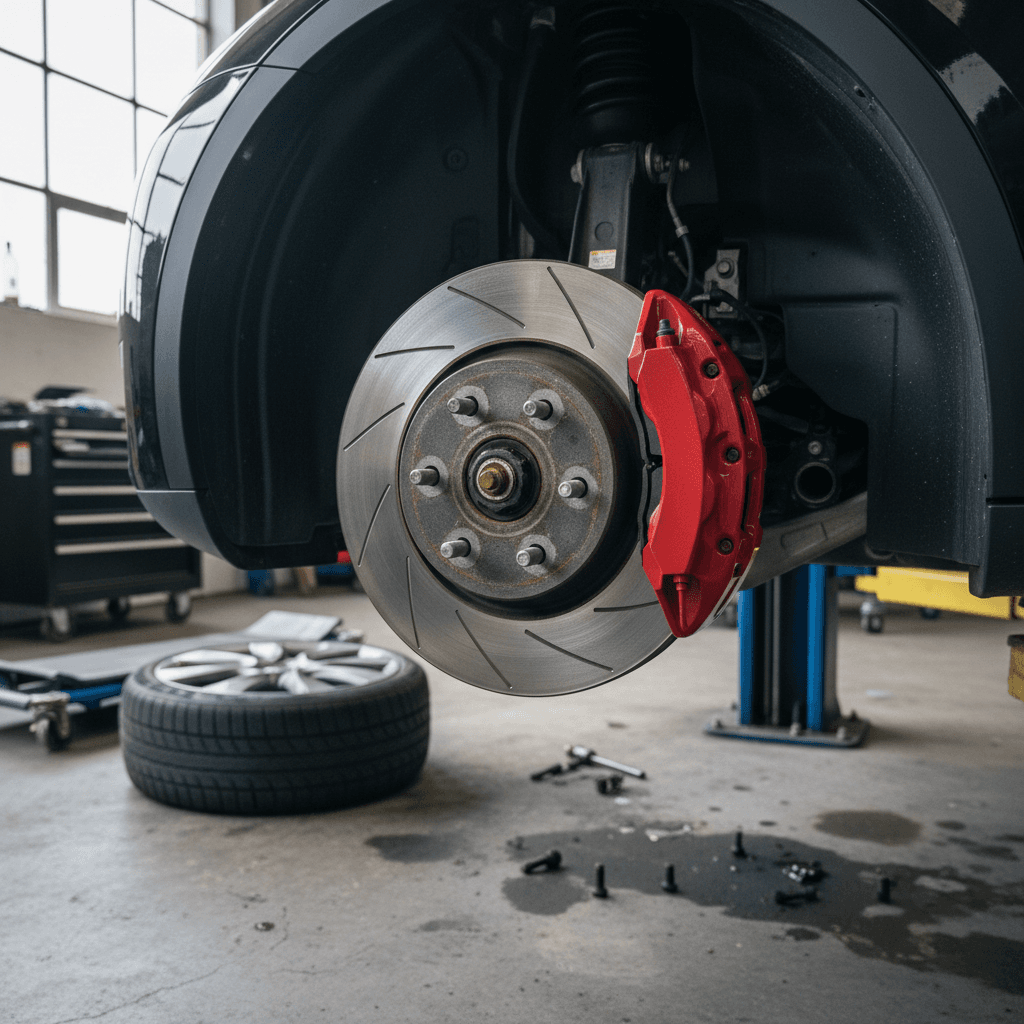
Clear photos can reveal rust lip build-up, deep grooves, or uneven wear, early signs you’ll be paying for rotors, not just pads.
Review service history
If the car has already had pads or rotors replaced, check which axle, what mileage, and who did the work. Quality parts and EV-experienced shops are a plus.
Factor in location and climate
Snow-belt cars see more road salt and moisture, which can corrode rotors and hardware. Plan a bit more aggressively for pad+rotor work on these vehicles.
Add a brake reserve to your budget
For a high-mileage used Model Y, it’s reasonable to set aside <strong>$400–$700</strong> for a future brake job, even if you don’t need it on day one.
Leaning Toward a Used Model Y?
Ready to find your next EV?
Browse VehiclesPractical Ways to Extend Your Model Y’s Brake Pad Life
Even though Model Y pads already last a long time, your driving habits and maintenance choices still matter. A few small tweaks can stretch pad life, reduce the chance of rotor replacement, and keep that occasional brake job closer to the low end of the cost range.
Four Habits That Keep Model Y Brake Costs Low
Simple changes now can delay or avoid a costly pad+rotor job later.
Use standard regen
Keep regenerative braking set to a strong setting where available. Let the car slow itself early rather than waiting and stomping on the pedal at the last moment.
Look farther ahead
Drive proactively in traffic. Lifting early for red lights and congestion lets regen do the bulk of the work and avoids repeated hard braking that heats pads and rotors.
Keep brakes exercised
Once in a while, especially if you mostly one-pedal drive, do a few firm but controlled stops from moderate speed. This helps clean light surface rust off the rotors.
Follow Tesla’s brake service guidance
Tesla recommends periodic brake fluid checks and, in salted-road areas, annual caliper cleaning and lubrication. These inexpensive services prevent sticking hardware that can chew through pads and rotors prematurely.
Pair Brake Care With Other Service
FAQ: Tesla Model Y Brake Pad Replacement Cost
Frequently Asked Questions About Model Y Brake Pad Costs
Bottom Line: What to Expect for Model Y Brake Pad Costs
Owning a Tesla Model Y doesn’t mean you’ll never buy brake pads again, but it does mean you’ll buy them far less often. When you do, expect a typical pad-only job to land between about $230 and $500 per axle in 2025, with pad+rotor work pushing toward $400–$700 depending on your trim and choice of shop. If you drive with regen in mind, keep up with basic inspections, and push back politely on unnecessary rotor replacements, your lifetime brake spend will likely undercut that of a similar gas crossover by a wide margin.
If you’re evaluating a used Model Y, or any used EV, transparent condition reports and realistic ownership-cost estimates matter more than ever. That’s why every vehicle sold through Recharged comes with a Recharged Score Report that covers battery health, brake condition, and more, plus expert EV guidance from search to delivery. Whether you buy from us or not, use the numbers here as your benchmark, ask shops the right questions, and treat brakes as one more predictable, manageable line item in the broader EV-ownership story.