
If you own or are shopping for a used Tesla Model X, the big question lurking in the back of your mind is probably this: what does a Tesla Model X battery replacement cost in 2025? The high‑voltage pack is the most expensive component in the vehicle, and the internet is full of stories ranging from reasonable repair bills to eye‑watering quotes. Let’s sort out the real numbers, how warranty works, and what you can do to avoid a surprise five‑figure repair.
Quick answer
Tesla Model X battery replacement cost overview
Typical 2025 Model X battery replacement ranges
Those numbers are for a complete high‑voltage battery pack replacement on an out‑of‑warranty Model X. In practice, many owners never see a bill that high because:
- The pack fails while it’s still covered by Tesla’s 8‑year / 150,000‑mile Battery and Drive Unit Limited Warranty for Model X.
- The issue can be solved with a module‑level repair or hardware fix that costs far less than replacing the entire pack.
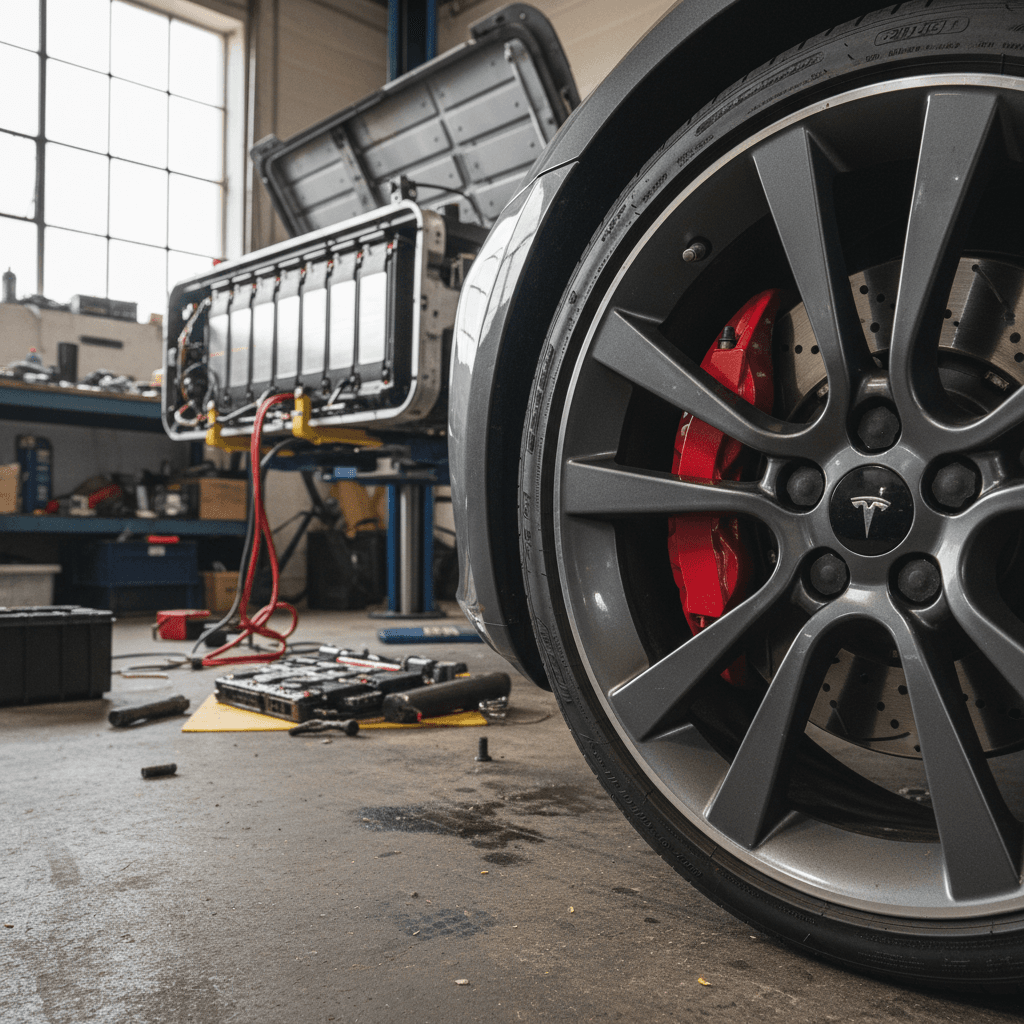
What actually drives Tesla Model X battery replacement cost
5 main factors that change your Model X battery bill
Why one owner sees $4,000 and another sees $24,000
Model year & pack size
Warranty status
Region & shop rate
Repair vs full replacement
Environment & corrosion
Diagnostic time & software
Sticker shock is real
Battery warranty vs. cash price: how much will you really pay?
From the factory, the Tesla Model X carries an 8‑year / 150,000‑mile Battery and Drive Unit Limited Warranty in the U.S., with a guarantee that the pack will retain at least 70% of its original capacity during that window. If a qualifying failure occurs inside that coverage period, Tesla typically repairs or replaces the pack at no cost beyond normal diagnostic fees.
When warranty usually covers it
- Complete, sudden battery failure well inside 8 years/150,000 miles.
- Safety‑related faults in the pack or drive unit.
- Capacity drops below Tesla’s stated threshold (around 70%) while under warranty, and Tesla confirms it.
In these cases, your out‑of‑pocket cost is typically limited to small fees or nothing at all.
When you’re likely paying cash
- The vehicle is beyond 8 years or 150,000 miles.
- Damage is traced to an impact, flood, or unauthorized modification.
- Range anxiety from normal, gradual degradation that Tesla still considers within spec.
Here, you’re in the territory of the $17,000–$26,000 replacement range or a smaller bill for targeted repair.
Extended coverage options
Repair vs. full pack replacement on a Model X
Not every battery issue on a Model X leads automatically to a full pack replacement. In fact, many owners are surprised to learn that module‑level repairs and component replacements are increasingly common as the fleet ages and independent EV shops gain experience.
Model X battery problems: repair vs replace
Typical approaches and cost ballparks for common high‑voltage battery issues on a Tesla Model X.
| Issue | Typical fix | Who usually does it | Approximate cost range (2025) |
|---|---|---|---|
| Faulty contactor or relay | Replace contactor/relay; inspect harness and seals | Tesla or independent EV specialist | $1,000–$3,000 |
| Minor module fault, pack otherwise healthy | Module‑level repair or replacement, re‑seal and test | Specialist EV shop; some Tesla centers | $3,000–$8,000 |
| Significant cell/module failures across pack | Re‑manufactured or new pack, plus labor | Tesla or high‑end independent | $17,000–$26,000 |
| Crash or flood damage to pack | Complete pack replacement, inspection of wiring and cooling | Usually Tesla or insurance‑approved facility | Often covered by insurance; if not, $20,000+ |
Actual pricing varies widely by region and shop. These are directional 2025 ranges, not quotes.
Don’t assume replacement is your only option
Signs your Model X battery may need attention
- Noticeably slower Supercharging speeds that don’t improve with warm weather or different stations.
- Sudden, large drops in displayed range after charging.
- Warning messages such as “Battery needs service” or repeated drive‑unit/charging faults.
- The car refusing to fast‑charge or charge above a low state‑of‑charge limit.
- Unusual noises from the pack area during charging, like loud clicking or buzzing beyond normal contactor sounds.
Don’t ignore warnings
How long does a Tesla Model X battery last?
Real‑world data from high‑mileage Teslas suggests that most packs retain well over 70% of their original capacity past 150,000 miles, and many owners never need a replacement during the life of the vehicle. Degradation is front‑loaded: it tends to be steeper in the first few years, then slows.
What affects Model X battery lifespan most?
How you treat the pack matters as much as the chemistry
Fast‑charging habits
Climate
State of charge window
Mileage and use pattern
Charging equipment
Software & updates
The reassuring reality
Ways to cut the cost of a Model X battery job
Smart ways to keep a battery issue from breaking the bank
1. Confirm warranty status first
Before you panic, check the Tesla app or your paperwork to verify <strong>in‑service date and mileage</strong>. Many Model X vehicles on the road today are still inside the 8‑year/150,000‑mile battery warranty window.
2. Ask specifically about repair options
When you receive a quote, ask whether the service center has explored <strong>module‑level repair or component replacement</strong> instead of a full pack swap.
3. Get a second opinion from an EV specialist
In some regions, independent EV shops offer <strong>remanufactured packs or advanced repairs</strong> for less than Tesla’s full replacement price. Make sure the shop has strong references and EV experience.
4. Involve your insurer for damage‑related failures
If a curb strike, collision, or flood preceded the failure, your <strong>comprehensive or collision coverage</strong> may be on the hook, not you. Document everything and file a claim promptly.
5. Consider selling or trading before failure
If diagnostics point to a tired pack that’s still usable, it can make sense to <strong>sell or trade the vehicle while it’s still driving well</strong>, instead of waiting until it’s immobile.
6. Evaluate extended service plans carefully
Some third‑party contracts genuinely cover high‑voltage components; others don’t. Read for exclusions around EV batteries and ask for sample contracts in writing.
Used Model X shoppers: battery checklist
If you’re considering a used Model X, you don’t need to be afraid of the battery, but you do need to be informed. A little homework up front can tell you whether you’re looking at a solid long‑term partner or a looming five‑figure repair.
Battery questions to ask before you buy a used Model X
Key items that reveal how much life and value is left in the pack.
| Question | Why it matters | What good looks like |
|---|---|---|
| What is the in‑service date and mileage? | Determines how much of the 8‑year/150,000‑mile battery warranty remains. | Several years and tens of thousands of miles of coverage left is ideal. |
| What’s the current rated range at 100%? | Gives a rough indication of capacity versus new. | A modest drop from new, often 5–15%, is normal; big drops deserve more digging. |
| How was the car charged day‑to‑day? | Heavy DC fast‑charging can accelerate wear. | Mostly home Level 2 charging with occasional fast‑charge road trips is a good sign. |
| Any battery‑related service history? | Shows whether issues have already been addressed. | Clean history or documented, successful repairs are positive. |
| Any warning messages or recent range drops? | Active problems are red flags that may foreshadow expensive work. | No current warnings, and range behavior has been stable over time. |
Whenever possible, get documentation. Screenshots, service invoices, and inspection reports all help.
Bring data to the test drive
How Recharged helps you manage battery risk
At Recharged, every used EV we list, including Tesla Model X, comes with a Recharged Score Report. That means verified battery health data, real‑world range estimates, and pricing that already bakes in the pack’s actual condition.
Buying a Model X through Recharged
Battery transparency from day one
Verified battery health
Fair market pricing
Flexible ownership options
Turn a liability into leverage
Tesla Model X battery replacement cost: FAQ
Frequently asked questions about Model X battery costs
Bottom line: When to worry about Model X battery costs
A Tesla Model X battery replacement is one of the most expensive repairs you’ll ever see on any vehicle, and it’s smart to understand the stakes. In 2025, a worst‑case, out‑of‑warranty full pack replacement typically runs in the high teens to mid‑twenties in thousands of dollars. The good news is that many Model X owners will never face that bill, thanks to long‑lived packs, robust warranty coverage, and repair options that don’t require swapping the entire battery.
If you already own a Model X, focus on good charging habits, timely diagnostics, and confirming your warranty status. If you’re shopping for a used one, insist on credible battery health information up front. Buying through a platform like Recharged, where every vehicle includes a Recharged Score Report, expert guidance, and fair pricing based on real battery condition, turns a potential liability into a manageable part of the ownership story, so you can enjoy the Model X for what it is: one of the most capable family EVs on the road.