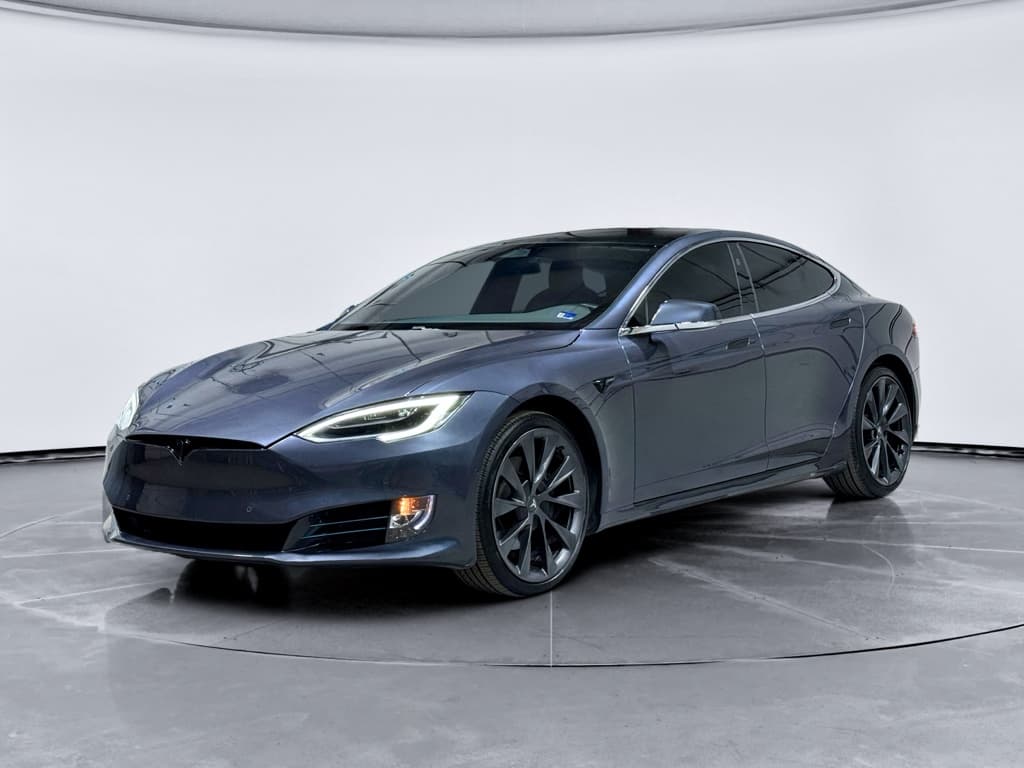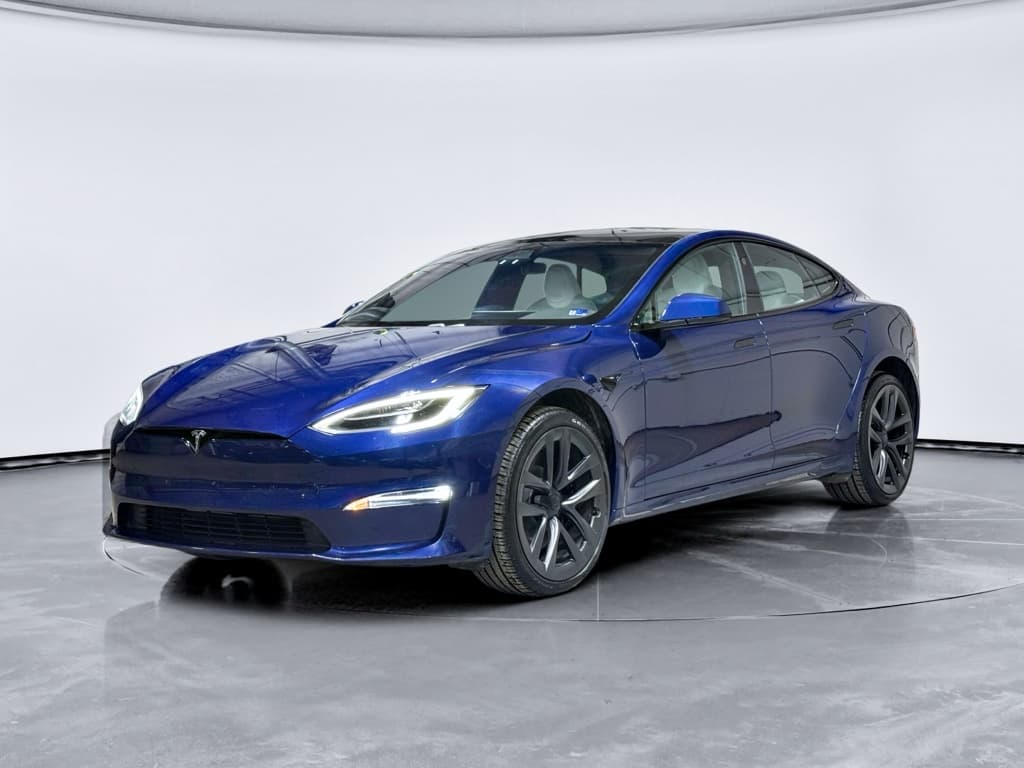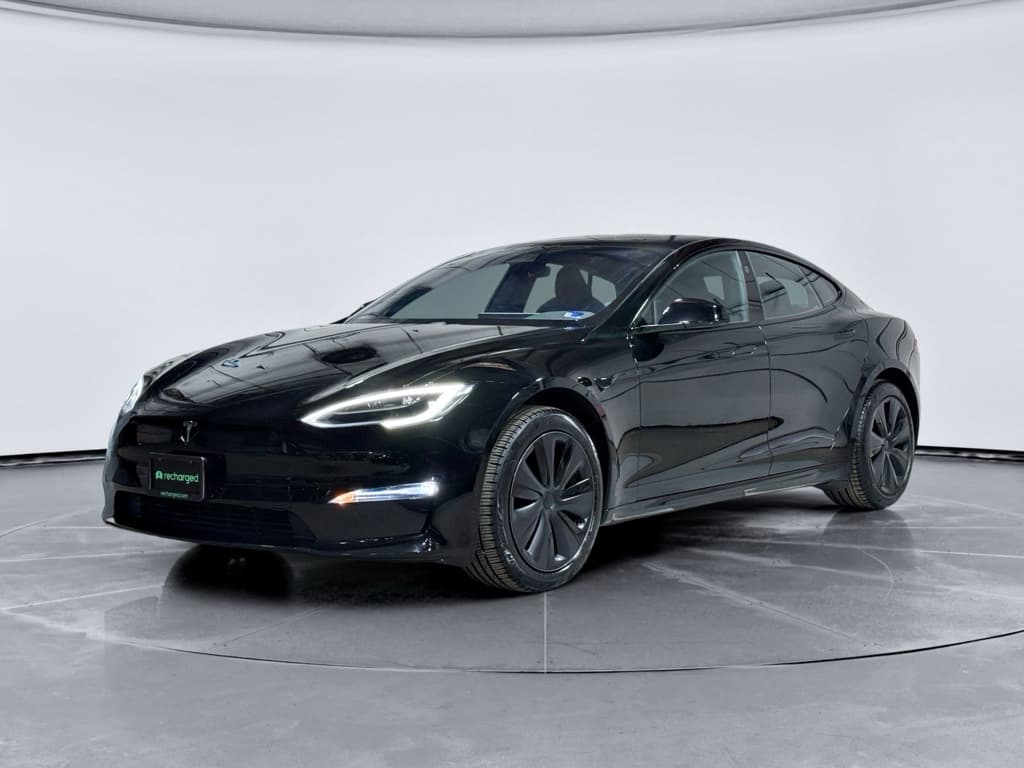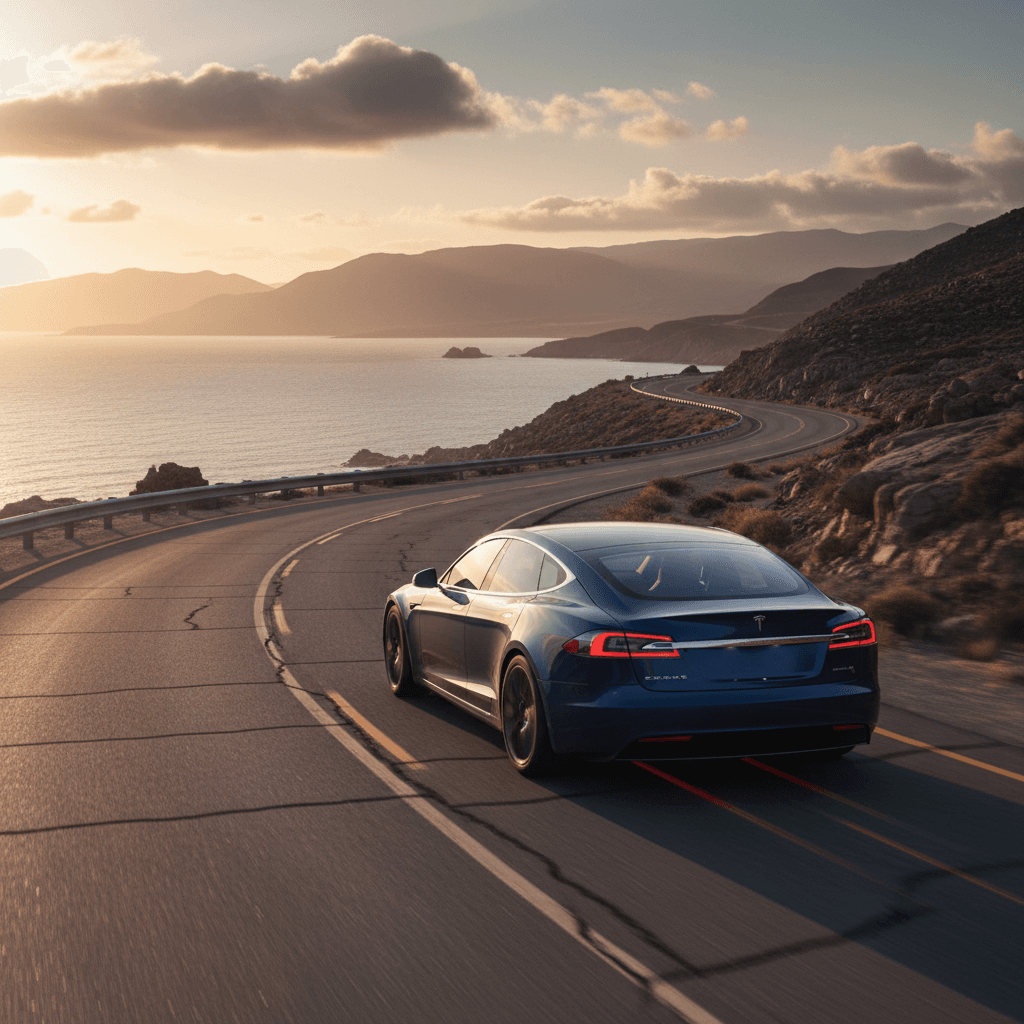
Take a Tesla Model S on a proper road trip and you very quickly learn two things. First, the car is a genuine electric grand tourer: fast, quiet, eerily composed at 80 mph. Second, the brochure range number is a fairy tale written by an optimist with a tailwind. This Tesla Model S road trip review is about what actually happens when you point the nose at the horizon for 500–1,000 miles and live with the battery, the Superchargers and your own bladder.
Which Model S Are We Talking About?
Why the Tesla Model S Is Built for Road Trips
Tesla Model S Long-Distance Snapshot
As a road trip tool, the Model S starts with a few unfair advantages. The massive battery (roughly 95–100 kWh usable in recent cars) gives you genuinely long legs. All‑wheel drive is standard, and the car is geared for high‑speed serenity: at a cruise, the cabin feels more like business class than family sedan. And then there’s the Supercharger network, which is still the closest thing EVs have to a nationwide circulatory system.
Core Tesla Model S Road Trip Strengths
Where it genuinely beats most gas and EV rivals
Serious Highway Range
Integrated Supercharger Network
Long-Haul Comfort
Think in Legs, Not in Full Charges
Real-World Highway Range: What You Actually Get
Let’s address the fantasy first. On paper, a modern Long Range Model S promises roughly 400+ miles on a charge. On an actual interstate, running 70–80 mph with climate control on and luggage in the back, you will not see that number. You’re trading laboratory virtue for real‑world velocity, and the battery makes you pay by the mile.
Typical Tesla Model S Road Trip Range (Recent Dual-Motor Cars)
Approximate highway ranges assuming 100% to 10% battery use. Real results vary with speed, temperature, elevation and wind.
| Scenario | Avg Speed | Weather | Approx Range | Notes |
|---|---|---|---|---|
| Best case | 65 mph | 60–70°F, light wind | 330–350 mi | Slow lane, efficient driving, minimal HVAC |
| Realistic road trip | 72–75 mph | 60–80°F | 270–300 mi | What most owners see when they’re not hypermiling |
| Fast cruising | 80+ mph | 70–90°F | 230–260 mi | High aero drag; Plaid owners live here |
| Cold weather | 70–75 mph | Below 35°F | 210–240 mi | Battery + cabin heating penalty, especially first hour |
Think in conservative ranges. If you get more, you’ve bought yourself flexibility.
Don’t Plan to Zero
The useful insight is this: a Model S gives you enough real‑world range that you can drive like a normal person and still keep charging stops to a civilized minimum. Even owners who complain about not seeing the EPA number are typically clocking 280–300 interstate miles per long stint when they want to push it.
Supercharger Experience on a Long Drive
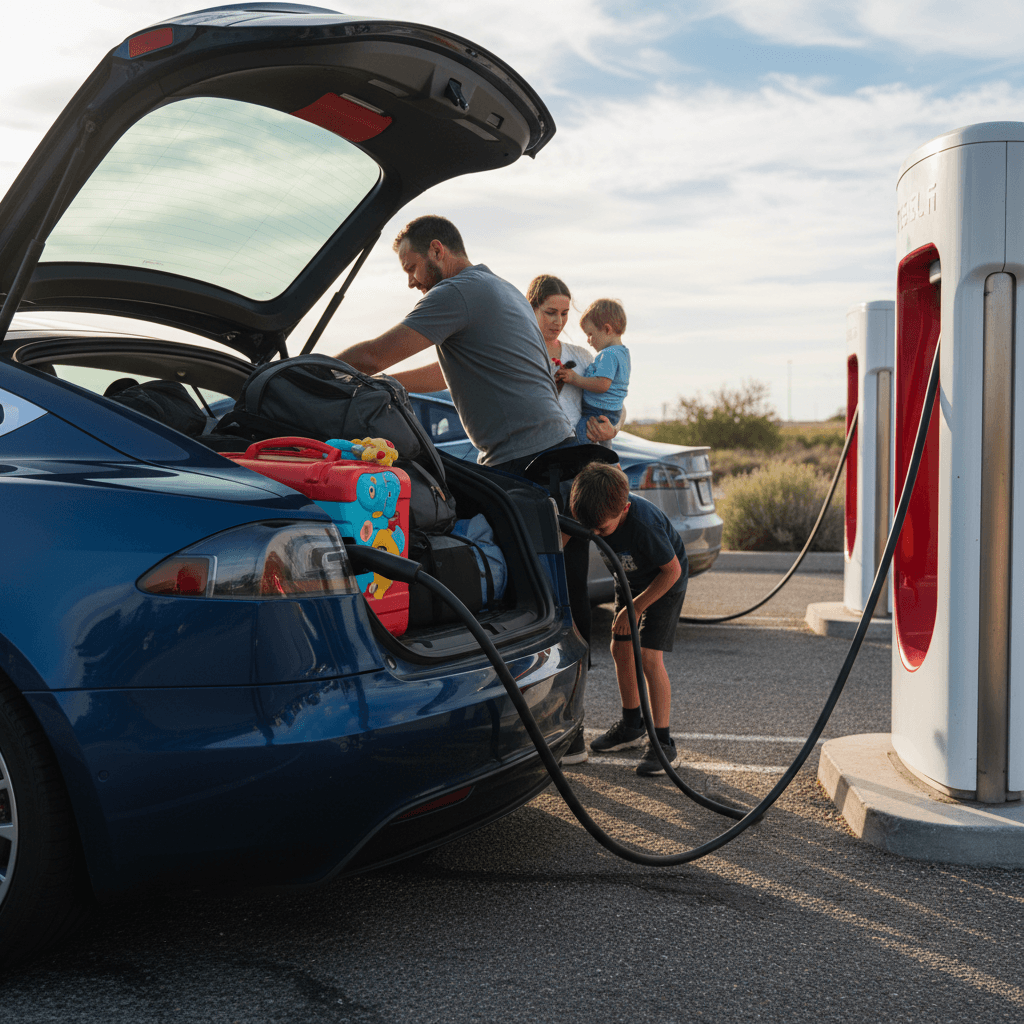
Here’s where the Model S turns anxiety into routine. You punch in your destination, the car suggests Supercharger stops, and then, this is the trick, it starts preconditioning the battery before each one so you can hit peak charge rates as soon as you plug in. You glide off the freeway, back into a stall, tap the connector and walk away.
- Peak DC charge up to about 250 kW on recent Model S variants under ideal conditions.
- The fastest part of charging is roughly 10–55%; above that, the curve tapers to protect the battery.
- On a road trip, your sweet spot is charging from about 10–15% up to 60–70%, which often takes 15–25 minutes.
- Tesla’s network typically maintains very high site uptime, so you spend more time driving and less time hunting for a working stall.
When It Works, It’s Invisible
What You’ll Like
- Stalls are usually exactly where you’d expect them: near interstates, food and restrooms.
- Navigation shows live stall availability and estimated arrival SOC.
- Billing is automatic through your Tesla account, no cards, no apps, no RFID rites of passage.
What Can Irritate
- At busy urban sites, you can still find queues, especially around holidays.
- Shared power cabinets can reduce charge speed if every stall is full.
- Once you creep past 80–90%, charge rates drop so much you feel every minute.
Road Trip Charging Rule of Thumb
Comfort, Noise and Storage Over 500+ Miles
An EV can have heroic range and still be a lousy road trip partner if the seats go medieval on your spine. The Model S, particularly in its refreshed 2021+ form, is the opposite: it feels like it was engineered by someone who has actually driven from Los Angeles to Denver in a single go.
How the Model S Feels After a Full Day on the Road
Seats, ride and quiet all matter more than 0–60 on a 900‑mile day
Seats & Driving Position
Ride & Noise
Cargo & Storage
Climate Control and Range
Autopilot and FSD: Fatigue-Fighter or Gimmick?
Long‑distance driving is an endurance sport of micro‑corrections. In the Model S, Autopilot and the optional Full Self‑Driving (FSD) package act as a sort of electronic caddie, taking over the dull work, lane‑keeping, speed, traffic flow, while you remain responsible for the outcome.
How It Helps on Road Trips
- Adaptive cruise maintains speed and distance, especially useful in variable traffic.
- Lane‑centering reduces the constant tiny steering corrections that make your shoulders ache.
- On long, straight interstates, it genuinely lowers mental fatigue, so you arrive fresher.
What It Doesn’t Fix
- You must stay engaged and ready to intervene at all times, this is not a nap machine.
- It can still behave oddly around construction, merges and erratic drivers.
- Relying on it completely is a fast way to become bored and complacent.
Important Safety Note
Planning a Tesla Model S Road Trip: Step-by-Step
Planning a long drive in a Model S isn’t harder than in a gas car; it’s just different. Instead of asking “Where’s the cheapest fuel?” you’re asking “Where’s a good place to stop every 150–220 miles?” The car will suggest answers, but a little preparation makes the whole thing feel deliberate rather than improvised.
Tesla Model S Road Trip Planning Checklist
1. Start with a Healthy Charge
Leave home or your first hotel between <strong>80–100%</strong> depending on the length of your first leg. Don’t panic about 100% for trips; occasional full charges are fine.
2. Build Your Route in the Car
Enter your final destination in the Tesla navigation and review its suggested Supercharger stops and arrival battery percentages. Adjust if you prefer slightly shorter or longer legs.
3. Layer in Real Life
Align charging with <strong>meals and bathroom breaks</strong>. If the car suggests a stop 30 minutes after lunch, consider adjusting so you arrive with 15–20% instead of 40% and save a future stop.
4. Aim for 10–70% Charge Windows
On the road, try to arrive with ~10–20% and leave around 60–70%. This keeps you on the fast part of the charge curve and minimizes waiting.
5. Check Weather and Elevation
Headwinds, mountains and cold weather all eat range. Give yourself an extra buffer, say, <strong>20–25%</strong>, for high‑altitude or winter segments.
6. Book Lodging with Charging
Hotels with Level 2 chargers effectively give you a <strong>full "tank" by morning</strong>. When you can, choose lodging where the car fuels while you sleep.
Use Third-Party Apps as a Second Opinion
Cost to Road Trip a Tesla vs a Gas Car
Beyond the novelty of silent acceleration and one‑pedal driving, there’s the unromantic question: does a Model S actually save you money on a long drive compared with a similar luxury gas sedan?
Illustrative 1,000-Mile Road Trip Cost: Tesla Model S vs Gas Sedan
Ballpark U.S. figures assuming mostly highway driving. Your actual costs will vary with local electricity and fuel prices.
| Vehicle | Energy Use | Energy Price Assumption | Total Energy Needed | Approx Trip Cost |
|---|---|---|---|---|
| Tesla Model S (recent Long Range) | ~3.1 mi/kWh highway | $0.35/kWh average Supercharger | ~322 kWh | ≈ $110–$120 |
| Gas luxury sedan (25 mpg) | 25 mpg highway | $3.75/gal regular | 40 gallons | ≈ $150 |
| Gas performance sedan (20 mpg) | 20 mpg highway | $4.25/gal premium | 50 gallons | ≈ $210 |
Think in rough ratios, not exact pennies. Electricity pricing can swing widely by region.
The Model S typically wins the cost battle, especially against performance‑oriented gas rivals. The spread isn’t always dramatic on fast‑charge heavy trips, but factor in lower maintenance and you start to see why people happily drive these things across the country.
Used Tesla Model S: Still a Great Road Tripper?
If you’re looking at a used Tesla Model S as your road‑trip chariot, the story gets more nuanced. Early cars (pre‑2016) had smaller packs and more basic driver‑assist tech, while later cars added range, better seats and more refined suspensions. What makes or breaks a used road‑trip car is battery health and how it’s been treated.
Questions to Ask About a Used Model S
- What’s the current full‑charge range compared to original EPA rating?
- How often was it fast‑charged vs. home charged?
- Has it spent long stretches at 100% state of charge?
- Any warnings or limitations on Supercharging?
How Recharged Can Help
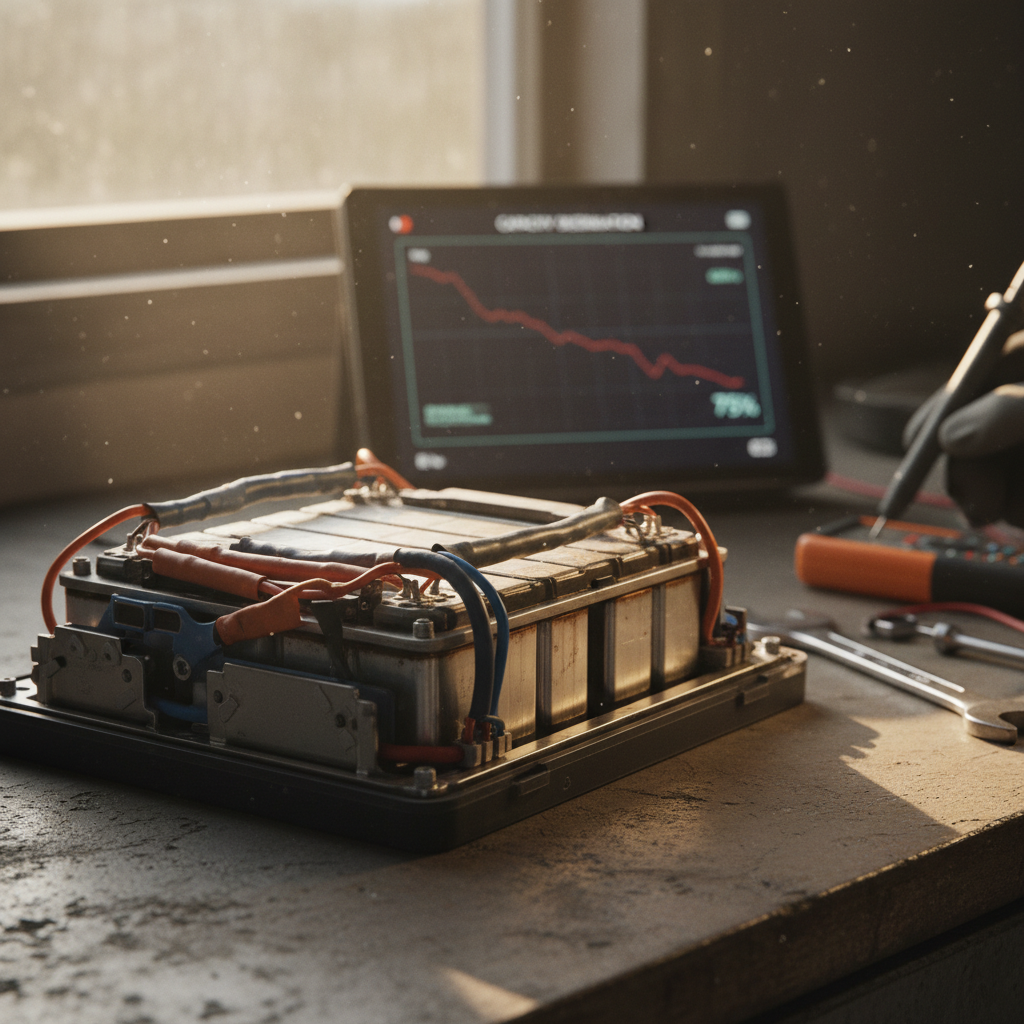
Every vehicle on Recharged comes with a Recharged Score battery health report, so you know how much real‑world highway range to expect before you ever leave the driveway. Our EV specialists can also talk through used EV buying checklists and help you compare road‑trip worthiness across different Model S years.
Why a Healthy Used Model S Is a Road-Trip Steal
FAQ: Tesla Model S Road Trips
Common Tesla Model S Road Trip Questions
Bottom Line: Is the Tesla Model S a Good Road Trip Car?
The Tesla Model S is not a perfect long‑distance machine. You will stop more often than in a colossal‑tank diesel, and you will learn to think in state‑of‑charge percentages and charging curves. But as a grand touring EV, it’s among the very best: long‑legged, quiet, fast, supported by a dense and mostly invisible charging network.
If you value comfort, low running costs and minimal planning drama, the Model S makes a persuasive argument that the age of the electric road trip has already arrived. And if you’re shopping for a used example, working with a specialist marketplace like Recharged, with battery‑health diagnostics, fair‑market pricing and nationwide delivery, turns that first big highway run from an experiment into a confident first chapter.