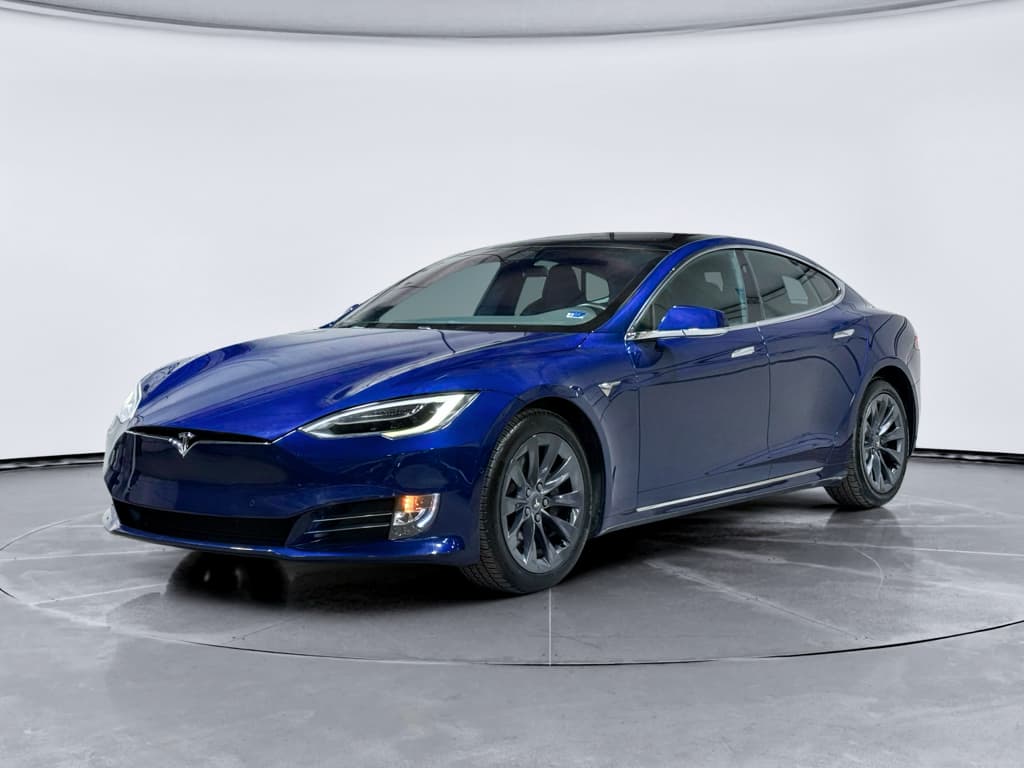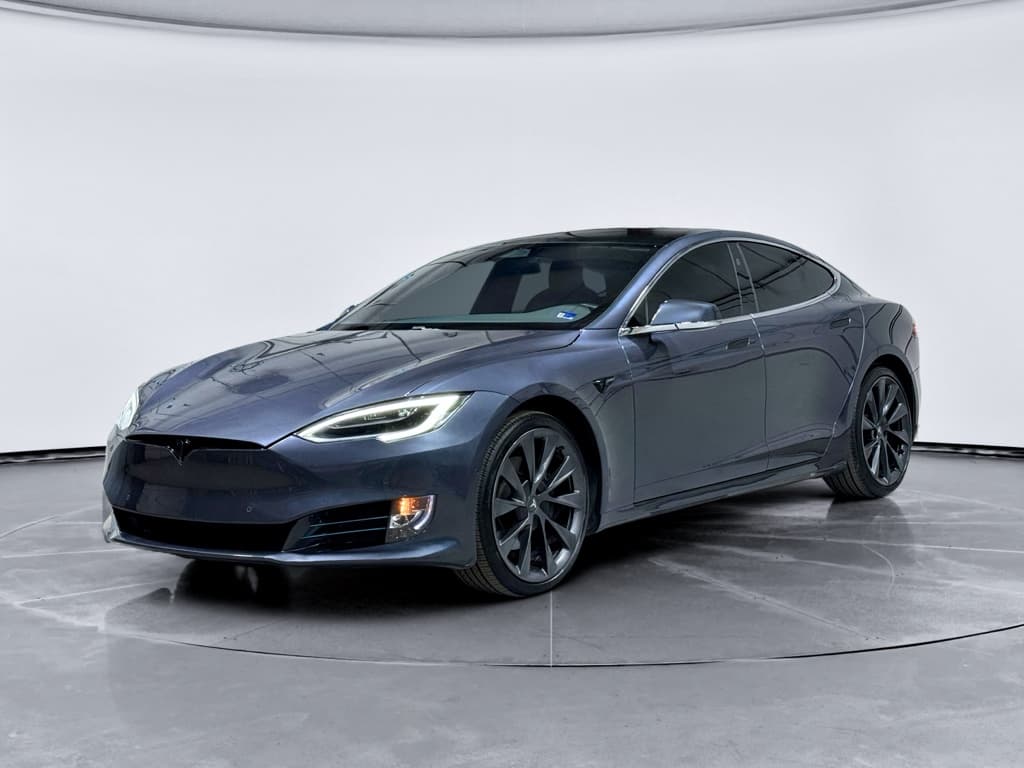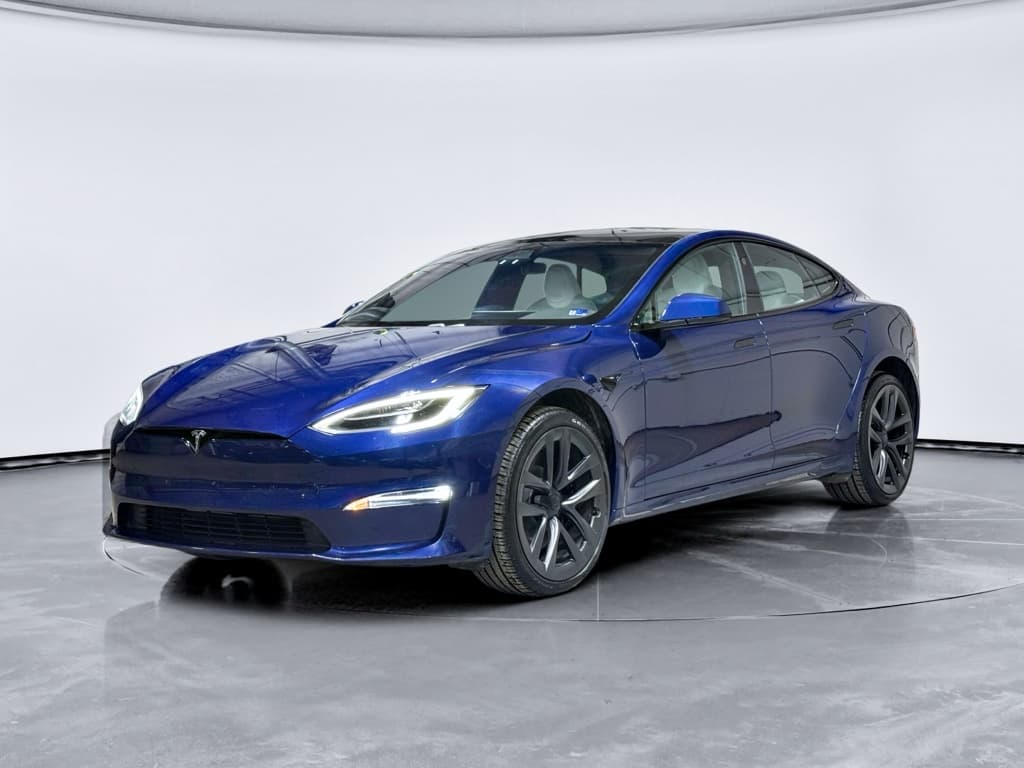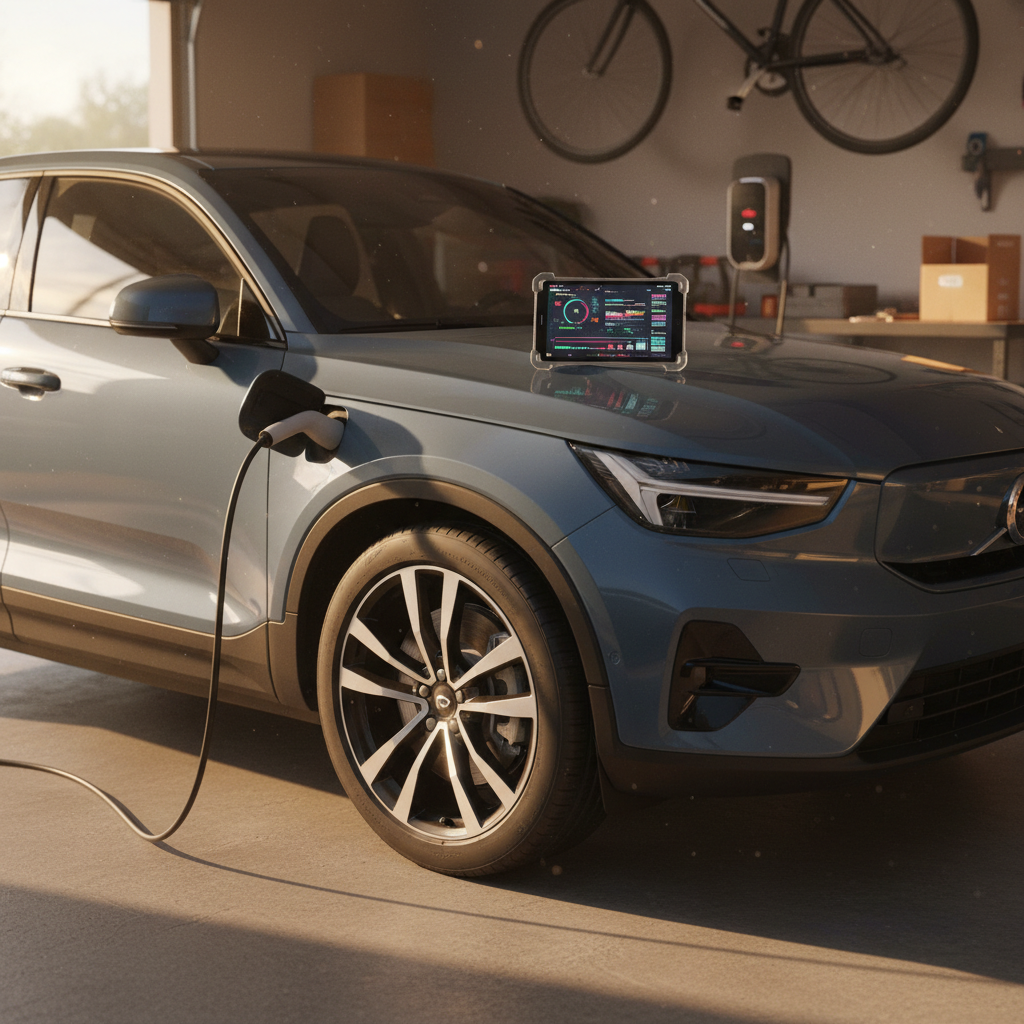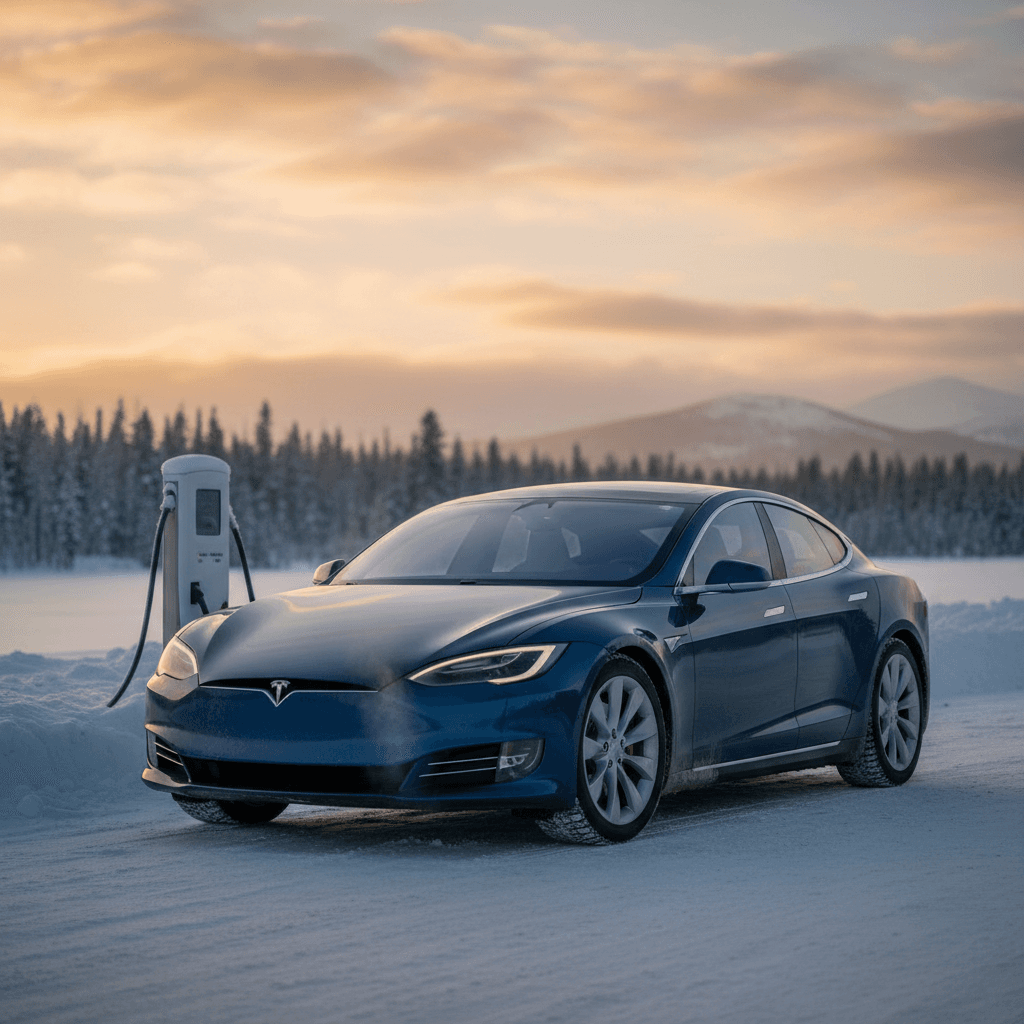
If you’ve driven a Tesla Model S through a real winter, you already know the EPA range sticker doesn’t tell the whole story. Cold soaked batteries, snow-covered roads, and a toasty cabin can carve 20–40% off your rated range on the coldest days. Understanding how Tesla Model S range in cold weather actually behaves is the difference between a relaxed drive and white‑knuckle watching the battery gauge.
Key takeaway up front
Why cold weather hits EV range, especially the Model S
Every EV loses range in the cold for the same two big reasons: the battery chemistry is less efficient and the car has to spend energy heating itself and you. The lithium‑ion pack in a Model S likes the same temperatures you do, roughly 60–80°F. When the pack is much colder, internal resistance rises. The car draws more power to deliver the same acceleration, and it limits fast‑charging speeds to protect the cells.
- Energy spent warming the battery instead of moving the car
- Cabin heat using an electric heater or heat pump instead of free engine waste heat (as in a gas car)
- Thicker winter tires and slush increasing rolling resistance
- Snow, wind, and wet roads increasing aerodynamic and drivetrain drag
Think in terms of energy overhead
EPA range vs. winter reality for Tesla Model S
Before you can estimate winter range, you need a baseline. Recent Tesla Model S Long Range versions are EPA‑rated at roughly 380–405 miles on 19‑inch wheels, depending on model year, while Plaid trims are a bit lower. Earlier cars and used examples you see on the market can have ratings from the mid‑200s to 300‑plus miles depending on battery size and wheels.
Typical EPA combined range for recent Model S trims
Approximate EPA ratings for common late‑model Tesla Model S variants on 19-inch wheels. Check the window sticker or Tesla’s site for the exact number for your VIN.
| Model / Battery | Approx. EPA range (mi) | Notes |
|---|---|---|
| Model S 85 / 90 (2014–2016) | 260–294 | Older packs; many now sold used |
| Model S 100D / Long Range (2017–2020) | 335–370 | Pre‑refresh long‑range variants |
| Model S Long Range (2021–2024) | ~390–405 | Newer styling, heat pump in latest years |
| Model S Plaid (2021–2024) | ~350–396 | Performance tuned, slightly lower range |
These baselines help you estimate how much range you’ll have left after winter losses.
Those are warm‑weather, mixed‑driving test results. Independent winter testing in Scandinavia and North America, plus aggregated owner data, typically shows modern Teslas, including the Model S, delivering about 80–90% of rated range in mild cold and dropping further as temperatures and trip lengths fall.
Model S winter range at a glance
How much Model S range you lose at different temperatures
Let’s turn the percentages into mileage so you can plan real drives. We’ll use a late‑model Model S Long Range with a 400‑mile EPA rating as an example. Your numbers will scale up or down based on your own rating and battery health, but the relative drops are similar across Model S variants.
Approximate winter range for a 400‑mile Model S
Real‑world estimates assuming a healthy battery, 19" wheels, and normal driving.
Cool weather (45–60°F)
Expected usable range: ~340–370 miles (85–92% of rated)
- Light cabin heat, mostly highway
- Minimal snow and dry roads
- Preconditioning optional but helpful
Typical winter (25–40°F)
Expected usable range: ~300–340 miles (75–85% of rated)
- Regular use of cabin heat and seat heaters
- Some snow or wet roads
- Best case if you precondition while plugged in
Deep cold (0–25°F)
Expected usable range: ~240–300 miles (60–75% of rated)
- Short trips and multiple cold starts
- Heavy defrost and high cabin temps
- No preconditioning = worst‑case numbers
These are planning numbers, not promises
Short trips vs. road trips in the cold
The biggest surprise for new EV drivers is how different winter range feels on a 10‑minute errand versus a three‑hour highway run. A Tesla Model S has to warm the battery and the cabin from near‑freezing on every cold start. On short hops, that overhead dominates your energy use; on a long freeway leg, it gets spread over many miles.
Short, stop‑and‑go winter driving
- Multiple cold starts per day
- Battery never fully warms up
- Cabin heat cycles on/off frequently
- Lots of low‑speed city driving
Result: You might only see 50–65% of rated range on a per‑charge basis, especially in sub‑freezing temps.
Long highway runs in winter
- One long warm‑up, then steady cruising
- Battery reaches optimal temperature
- Cabin heat settles to a steady draw
- More efficient, consistent speed
Result: It’s common to see 70–85% of rated range if you keep speeds reasonable and precondition before departure.
Lean on scheduled departure
Model S generations, heat pump, and winter hardware
Not all Model S sedans behave the same way in the cold. Over time, Tesla has updated battery chemistry, thermal management, and HVAC hardware. That matters if you’re cross‑shopping used Model S options or comparing your experience to a friend’s newer car.
What affects winter range on different Model S years?
Key hardware differences you’ll see when shopping used.
Early Model S (2012–2016)
- Resistive cabin heater only
- Older battery chemistries
- Less sophisticated preconditioning controls
- More noticeable range hit in deep cold vs. newer cars
Later Model S (2017–present)
- Refinements to battery thermal management
- Software improvements for preconditioning
- Incremental efficiency gains
- Newer packs generally hold range better over time
What about a heat pump?
Planning a winter trip in a Tesla Model S
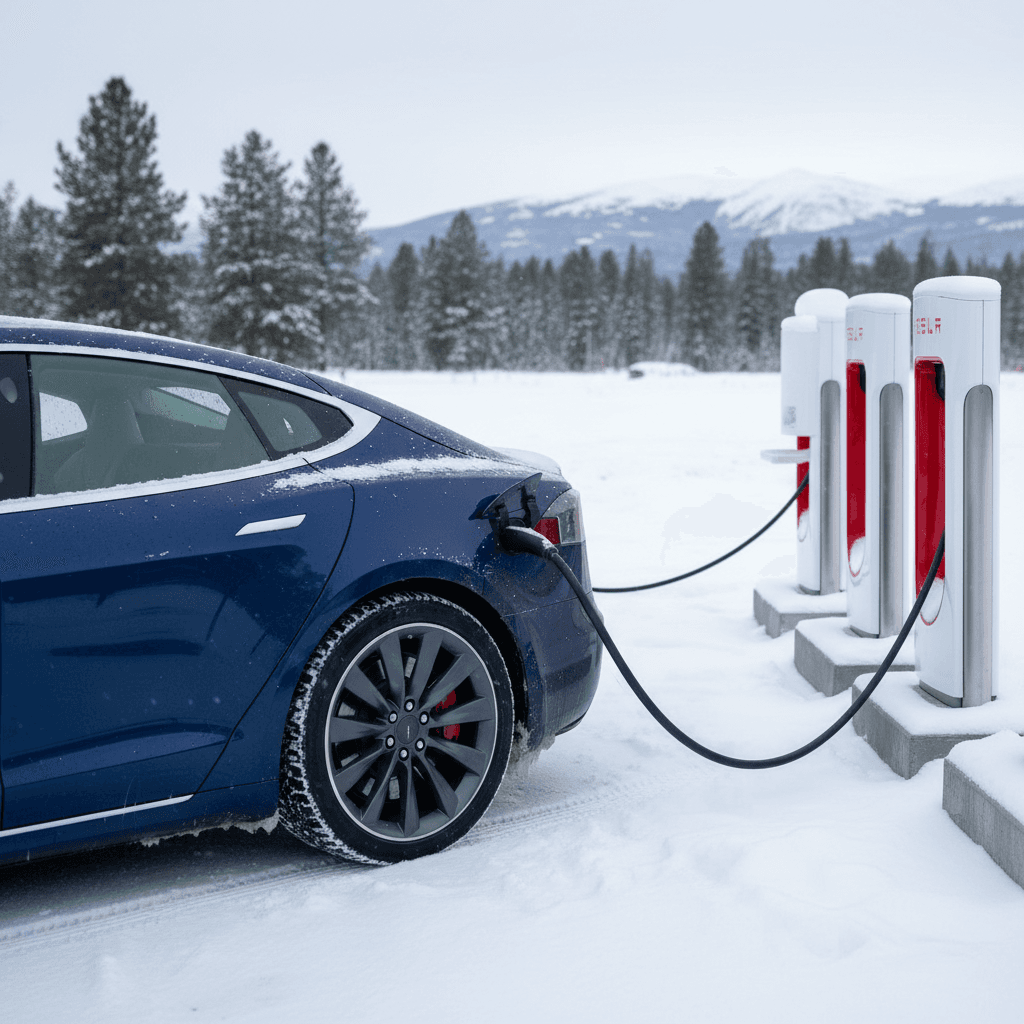
The good news: a well‑planned winter trip in a Model S can be uneventful, even in serious cold. The Supercharger network, in particular, is dense enough on major corridors that you can simply drive from charger to charger, adding a bit more cushion than you would in July.
Step‑by‑step: planning a cold‑weather road trip
1. Start with your real baseline
Don’t assume the EPA sticker. Use your recent <strong>warm‑weather</strong> highway consumption (Wh/mi) or trip averages to understand how your Model S behaves before winter adds any penalty.
2. Apply a conservative winter factor
For sub‑freezing routes, plan on <strong>70% of rated range</strong> as your planning number, then build in a 10–20% battery buffer on top of that. That means stopping earlier and more often than the in‑car nav sometimes suggests.
3. Precondition while plugged in
Use the app to heat the cabin and, where available, the battery before departure, especially before a first fast‑charge stop. Warming the pack from the grid instead of the battery preserves driving range.
4. Target 10–80% state of charge
In deep cold, Supercharging from 10–80% tends to be faster and more efficient than topping off from 80–100%. Plan your stops around those more efficient charging windows when possible.
5. Watch elevation and wind
Headwinds, steep grades, and heavy snow can punish range more than temperature alone. If your route includes mountains or strong winter storms, widen your charging margins another 10% or more.
6. Let the car help you
Tesla’s trip planner accounts for temperature and elevation. Use its suggestions but cross‑check with your conservative buffer. If the car predicts arrival under 10%, knock your speed down 5–10 mph.
Driving habits that matter most in winter
Once the thermometer drops, the way you drive your Tesla Model S has an outsized impact on how far a charge will take you. Unlike in a gas car, slow and smooth not only saves fuel, it also reduces how often the battery and cabin need to be reheated from cold.
- Moderate your speed. Above ~70 mph, aerodynamic drag rises steeply. In winter air, that drag costs even more. Driving 65 instead of 75 mph can be the difference between arriving with 18% or 8%.
- Use seat and steering‑wheel heaters first. They sip power compared with cranking the cabin to 75°F. Many Model S owners are comfortable with cabin temps around 68°F plus heated seats.
- Avoid jackrabbit starts. Hard launches demand big bursts of power from a cold pack, which is exactly when it’s least efficient.
- Limit unnecessary idling. Leaving the car “on” in a parking lot with heat blasting will chew through range quickly when it’s 10°F outside.
- Clear snow and ice before you drive. A snow‑covered car and packed wheel wells add weight and drag, and caked‑on ice can hide sensors your driver‑assist systems rely on.
Small tweaks, big dividends
Battery health vs. winter range loss on a used Model S
If you’re considering a used Tesla Model S, you care about two different questions: how much range the car loses in winter (temporary) and how much permanent capacity the battery has lost with age and mileage (degradation). It’s easy to confuse the two because both show up as reduced range on the screen.
Temporary winter range loss
- Happens whenever it’s cold out
- Disappears when temperatures return to mild weather
- Affected by trip length, preconditioning, and driving style
- Normal to see 15–30% drops in deep winter
Long‑term battery degradation
- Slow loss of maximum capacity over years
- Measured best as projected range at 100% charge in mild temps
- Older Model S packs often retain 80–90% of original capacity after many years, but it varies by use
- Doesn’t reverse when the weather warms up
How Recharged helps you separate the two
When winter range loss is normal, and when to worry
Some winter behavior is completely normal for a Tesla Model S; other symptoms can signal that something’s off with the battery or drivetrain. Knowing the difference can save you unnecessary stress, or point you toward a needed service visit.
Red flags vs. normal winter behavior
Normal: Blue battery icon and limited regen
A blue section on the battery gauge and dotted regen line after an overnight cold soak are expected. They’ll disappear after the pack warms up through driving or preconditioning.
Normal: 20–30% higher Wh/mi in winter
Seeing your efficiency climb from, say, 280 Wh/mi in summer to 340–380 Wh/mi in winter is typical, especially on short trips and in sub‑freezing weather.
Worth watching: Sudden large drops at mild temps
If you’re losing 30–40% of range on a 50°F day at moderate speeds, compare against other trips and consider whether strong headwinds, elevation, or a roof box might be to blame.
Concerning: Massive loss only on your car
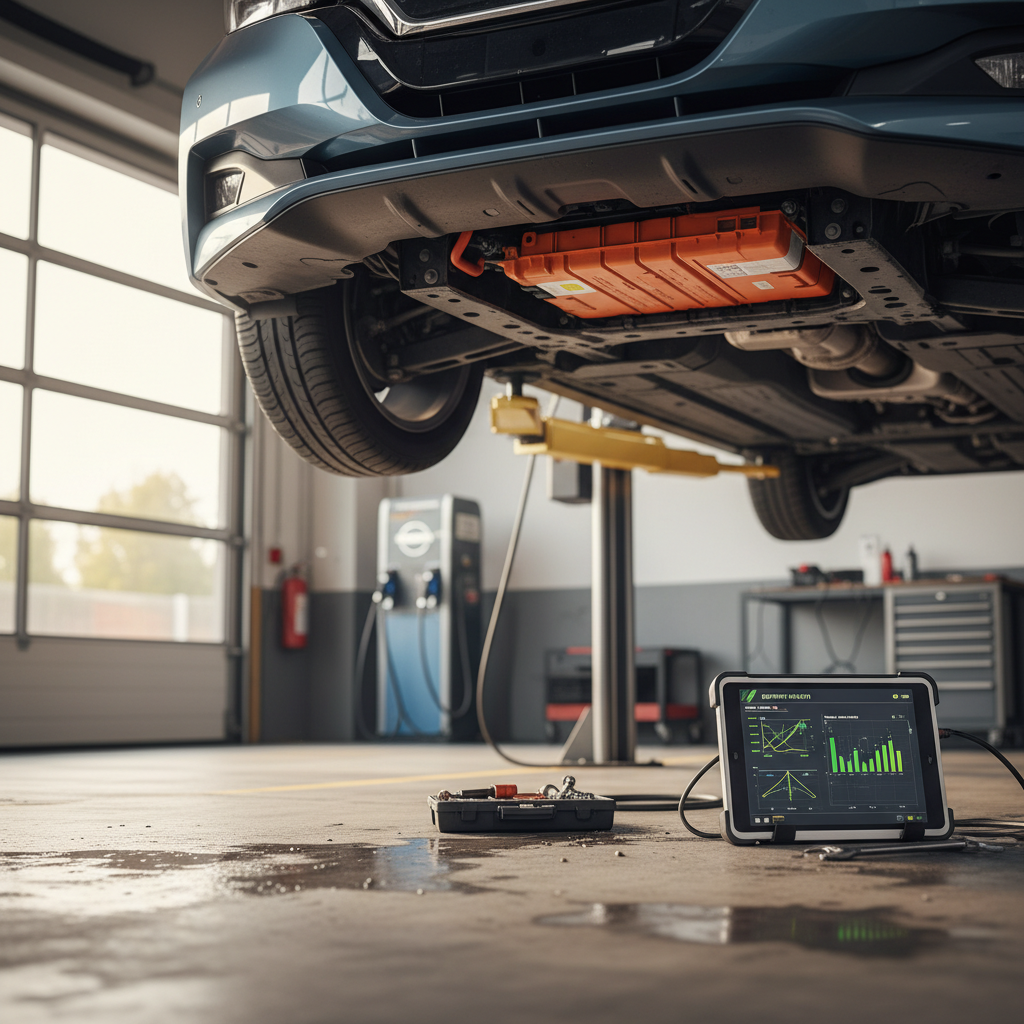
If your Model S is dramatically worse than similar cars in comparable conditions, especially outside of winter, that’s worth logging and discussing with a shop that understands EV diagnostics.
Concerning: Rapid drop in projected 100% range
If the car’s estimated full‑charge range falls sharply over a few months, even in mild weather, that points to possible pack health issues rather than just winter effects.
Don’t ignore charging problems in cold weather
FAQ: Tesla Model S range in cold weather
Frequently asked questions about Model S winter range
Bottom line: Is a Tesla Model S a good winter car?
In cold weather, a Tesla Model S isn’t a 400‑mile cruiser, it’s a comfortable, quiet grand tourer with real‑world winter range more in the 250–320‑mile band, depending on temperature, driving style, and battery health. That’s still plenty for most commutes and many road‑trip legs; it just takes more attention to planning than a summer afternoon cruise.
If you understand how Tesla Model S range in cold weather behaves, precondition before you drive, and give yourself honest buffers on long legs, winter driving becomes predictable instead of stressful. And if you’re shopping used, leaning on tools like the Recharged Score Report, with verified battery health and transparent pricing, helps you choose the Model S that will deliver the winter range you need for years to come.