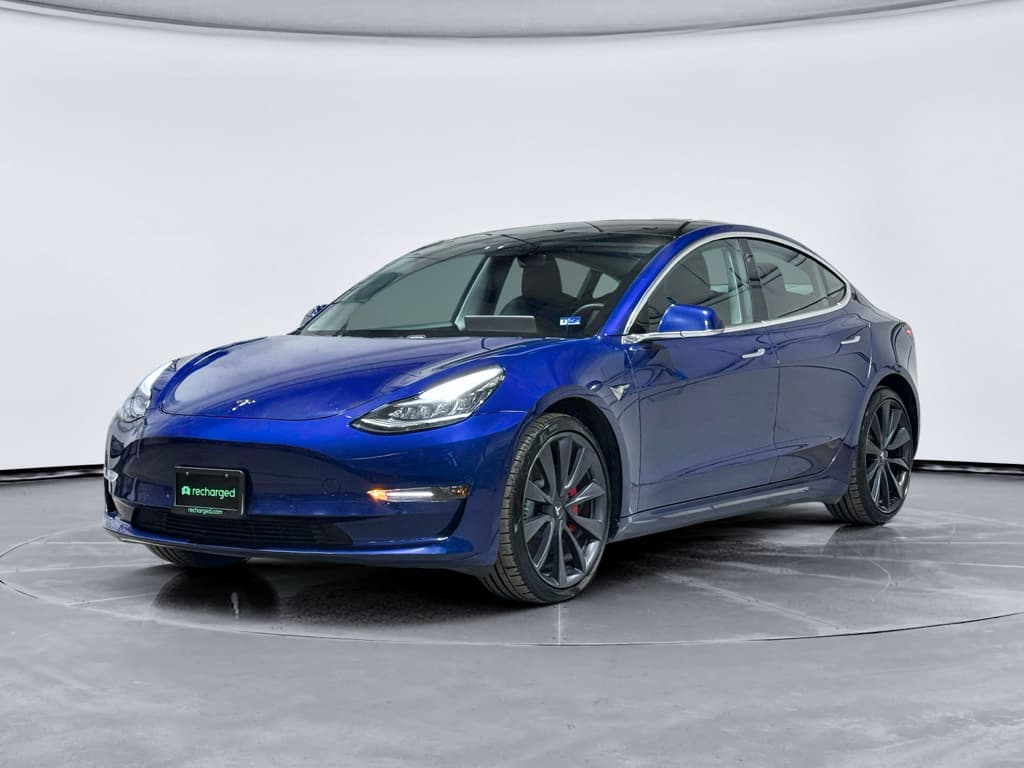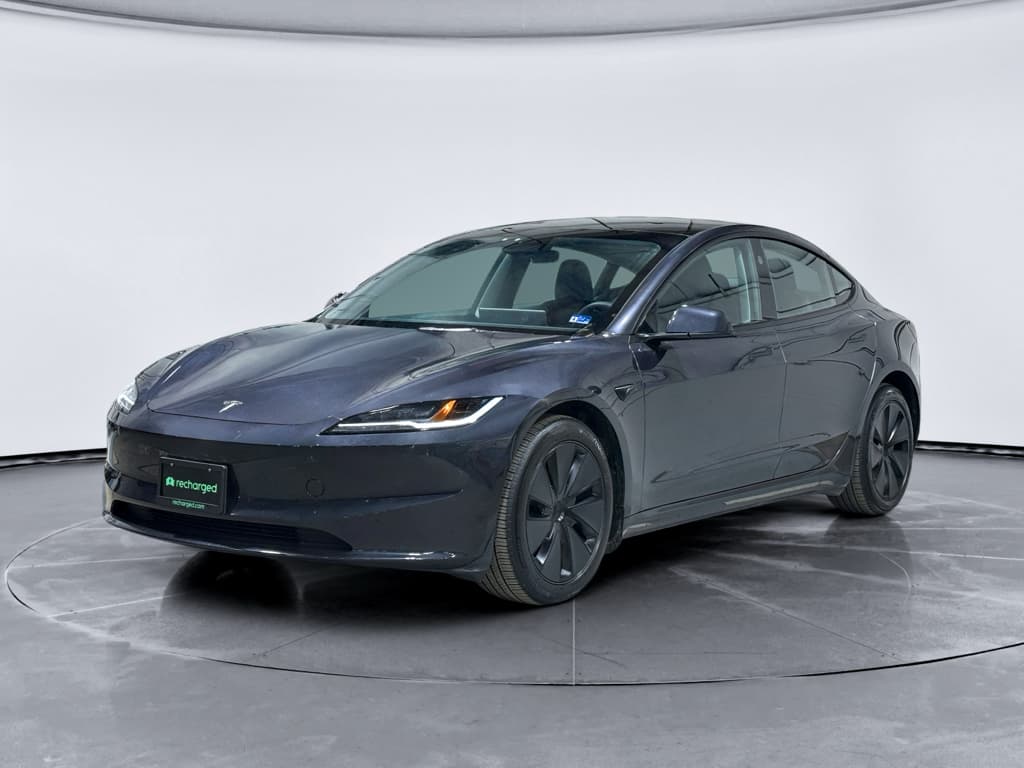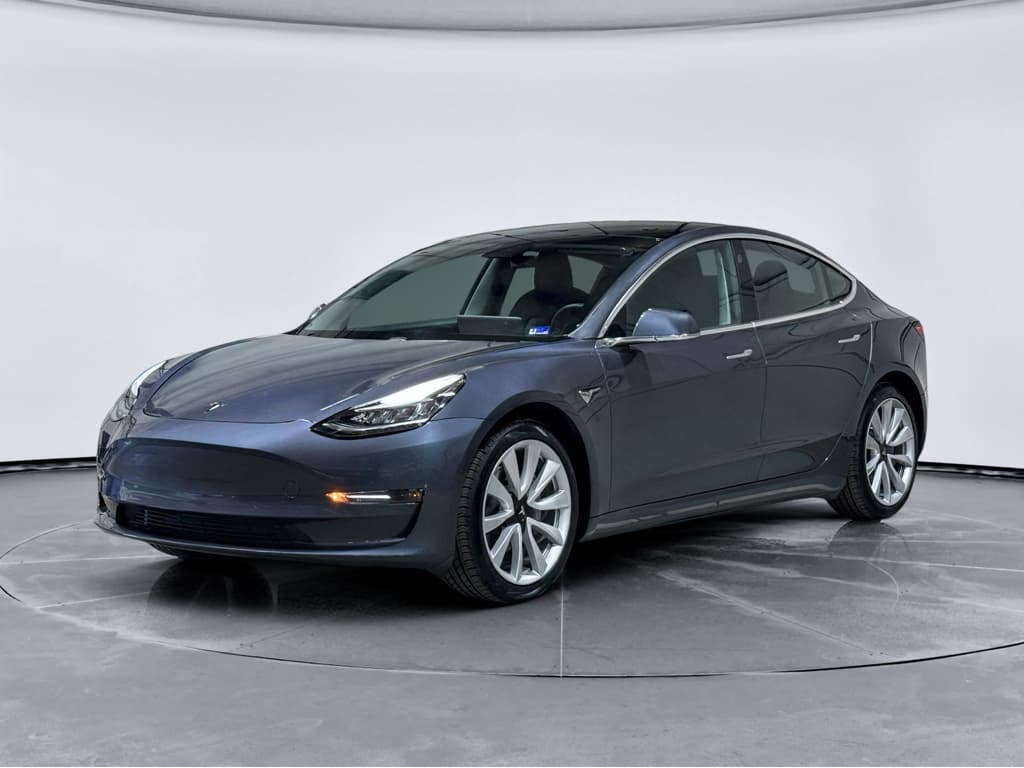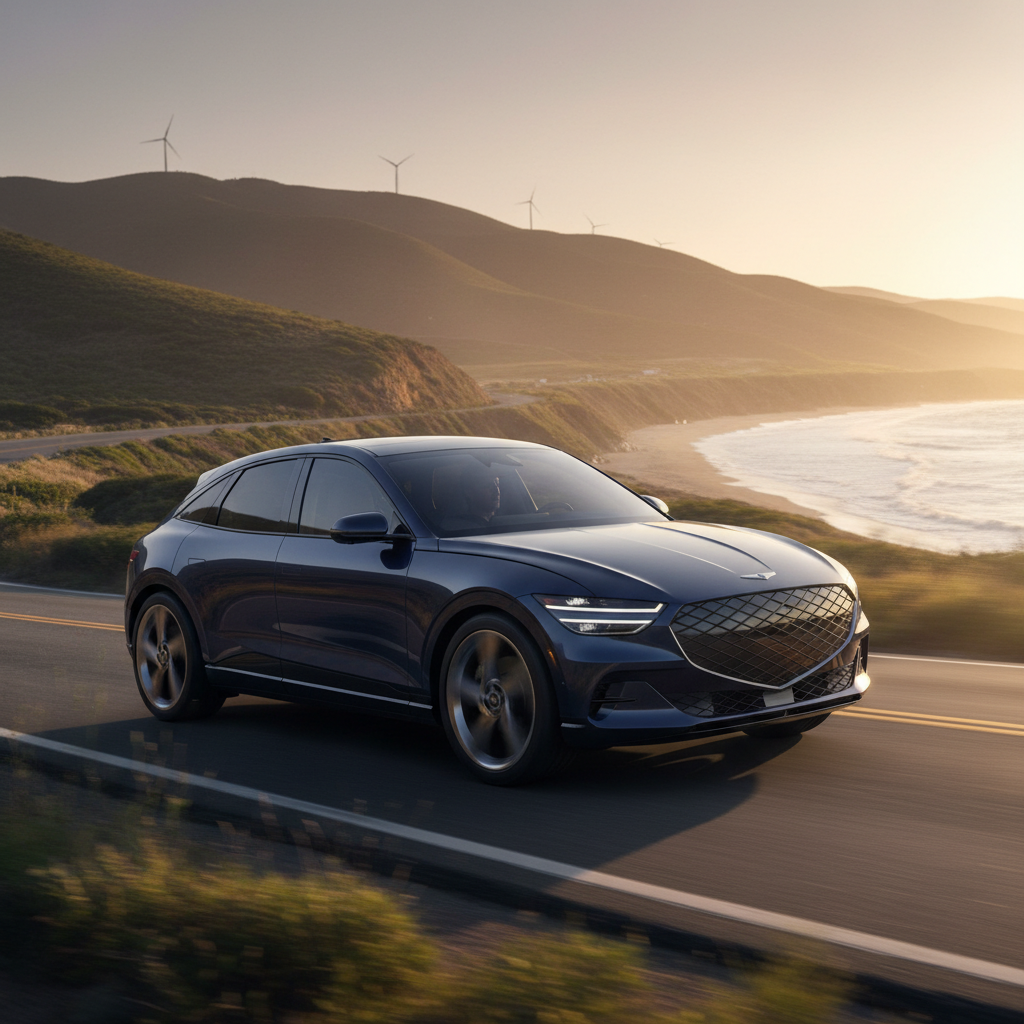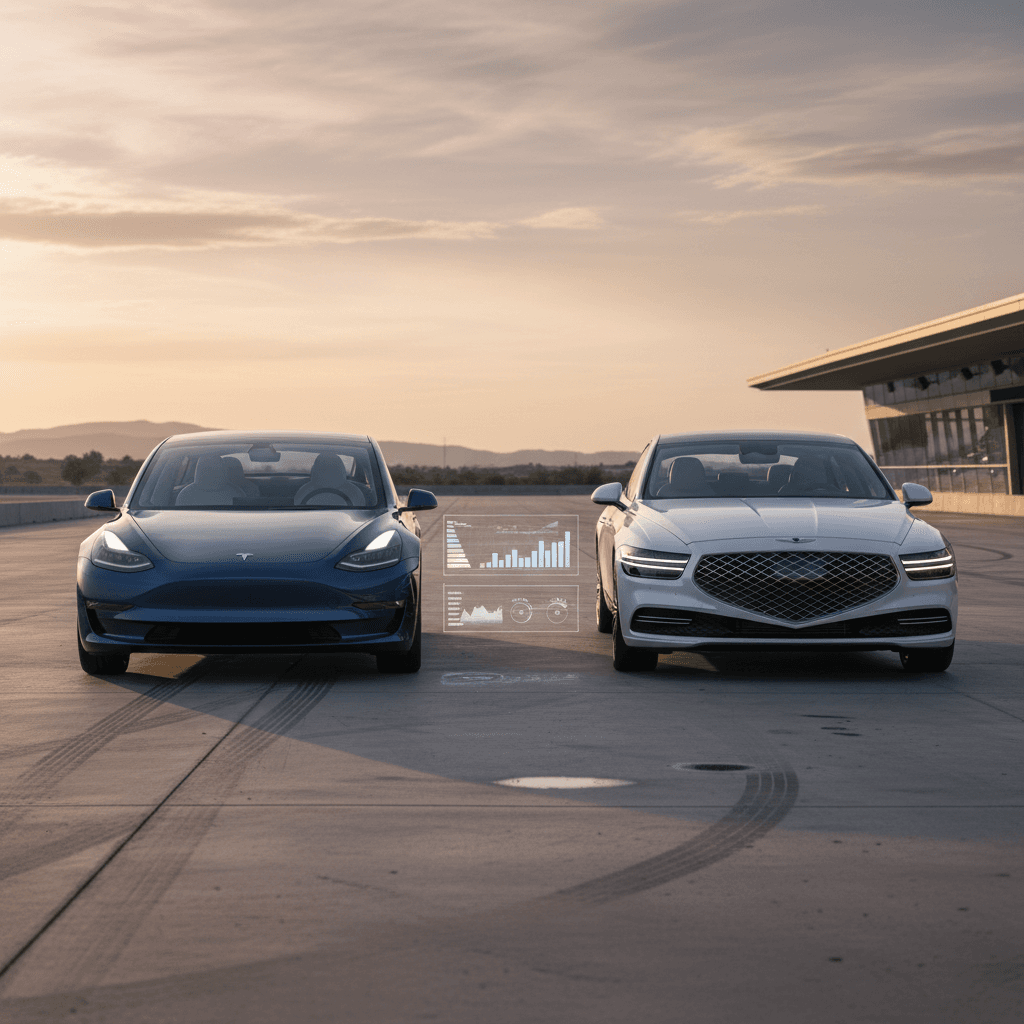
If you’re cross-shopping the Tesla Model 3 vs Genesis Electrified G80, you’re really deciding between two very different visions of an electric sedan. One is a compact, efficiency-obsessed tech product. The other is a mid-size luxury car that just happens to be electric. The “better” choice comes down to how you drive, how you charge, and how much you care about comfort versus connectivity.
Two excellent cars, very different missions
Tesla Model 3 vs Genesis Electrified G80: who each car really suits
Tesla Model 3: best if you want…
- Maximum range per dollar and high efficiency
- Easy access to the Supercharger network
- A compact, easy-to-park sedan
- Strong software, OTA updates, and app experience
- Lower energy and maintenance costs
Genesis Electrified G80: best if you want…
- True mid-size luxury and rear-seat comfort
- A quiet, refined ride with high-end materials
- Flagship features like massaging seats and rich audio
- To replace a gas E‑Class/5 Series with an EV
- Rarer, more exclusive EV that feels special
Used-market reality in 2026
Quick specs: Model 3 vs Electrified G80 at a glance
Core specs comparison
High-level differences between a typical dual-motor Tesla Model 3 and a Genesis Electrified G80 sold in North America.
| Spec | Tesla Model 3 (dual motor) | Genesis Electrified G80 |
|---|---|---|
| Size class | Compact sport sedan | Mid-size luxury sedan |
| Drive | Dual-motor AWD (popular trims) | Dual-motor AWD |
| Battery (usable, approx.) | ~75–80 kWh (Long Range) | ~90 kWh usable (94.5 kWh gross) |
| EPA/WLTP-type range* | ~330–360 miles (LR, ideal spec) | ~280–300 miles real-world, ~350+ miles WLTP |
| DC fast-charge peak | Up to ~250 kW on V3 Supercharger | Around 180–230 kW on 800V DC fast charger |
| Home AC charging | 11.5 kW onboard (48A) | Up to ~11 kW AC (48A) |
| 0–60 mph (quick trims) | High 3s to low 4s seconds | Low to mid 4s seconds |
| Cabin character | Minimalist, tech-heavy | Traditional luxury, rich materials |
| Charging connector (US) | NACS (Tesla) | CCS, some with NACS adapters depending on year |
| Typical used price (2021–2023 cars) | Lower to mid-$20Ks into $30Ks depending on trim & miles | Often upper-$40Ks to $60Ks+ due to low supply and original price |
Exact numbers vary by model year and wheel size, but this gives you the real-world ballpark most shoppers care about.
About range numbers
Range & efficiency: how far will they actually go?
If your top question is “which goes farther on a charge?” the Tesla Model 3 usually wins on efficiency, while the Electrified G80 isn’t far behind in absolute range but uses more energy to move a larger, heavier body.
Real-world range expectations
Ballpark numbers for typical mixed driving in decent weather, on reasonably sized wheels.
Tesla Model 3
- Long Range trims commonly deliver 280–330 miles in mixed driving when driven reasonably.
- Very high efficiency in city and suburban driving; highway speeds eat into range, but less than many rivals.
- Smaller, lighter body means fewer kWh used per mile, great if you rack up commuter miles.
Genesis Electrified G80
- Official ratings around 280–300 miles EPA-style; overseas WLTP figures can be higher.
- Owners report real-world results in the 260–320 mile band depending on speed and climate.
- Large battery (roughly 90 kWh usable) offsets the G80’s size and weight but can’t match Model 3 efficiency.
Efficiency vs comfort trade-off
Charging & road trips: Tesla Superchargers vs CCS fast charging
On paper, both sedans boast headline-worthy DC fast-charging numbers: roughly 10–80% in the low‑20‑minute range on a strong charger. In practice, your experience will hinge more on where you live and which network you can rely on than on a 10–20 kW difference in peak speed.
Charging & network snapshot
Tesla Model 3 charging experience
- Superchargers integrated into the car’s nav and Tesla app; plug in, walk away, get billed automatically.
- Trip planner handles charging stops and preconditions the battery.
- As more brands adopt NACS, some Superchargers are opening to non-Tesla EVs, but a Tesla still gets the most seamless access and stall compatibility.
- At home, a 240V Level 2 setup typically adds 30–40+ miles of range per hour, depending on trim.
Genesis Electrified G80 charging experience
- Uses the CCS standard in the U.S., so you’ll rely on Electrify America, EVgo, and regional fast-charging networks.
- The car supports 800V fast charging; on a healthy 350 kW station, 10–80% in the low 20-minute range is realistic.
- Some markets included three years of 30‑minute EA sessions with new purchases; on a used car, the clock may have expired.
- Fast road-trip charging is good when the station is, but the network is less consistent than Tesla’s in many parts of the U.S.
How to think about road trips
Comfort, space & luxury: minimalist vs full-lux vibe
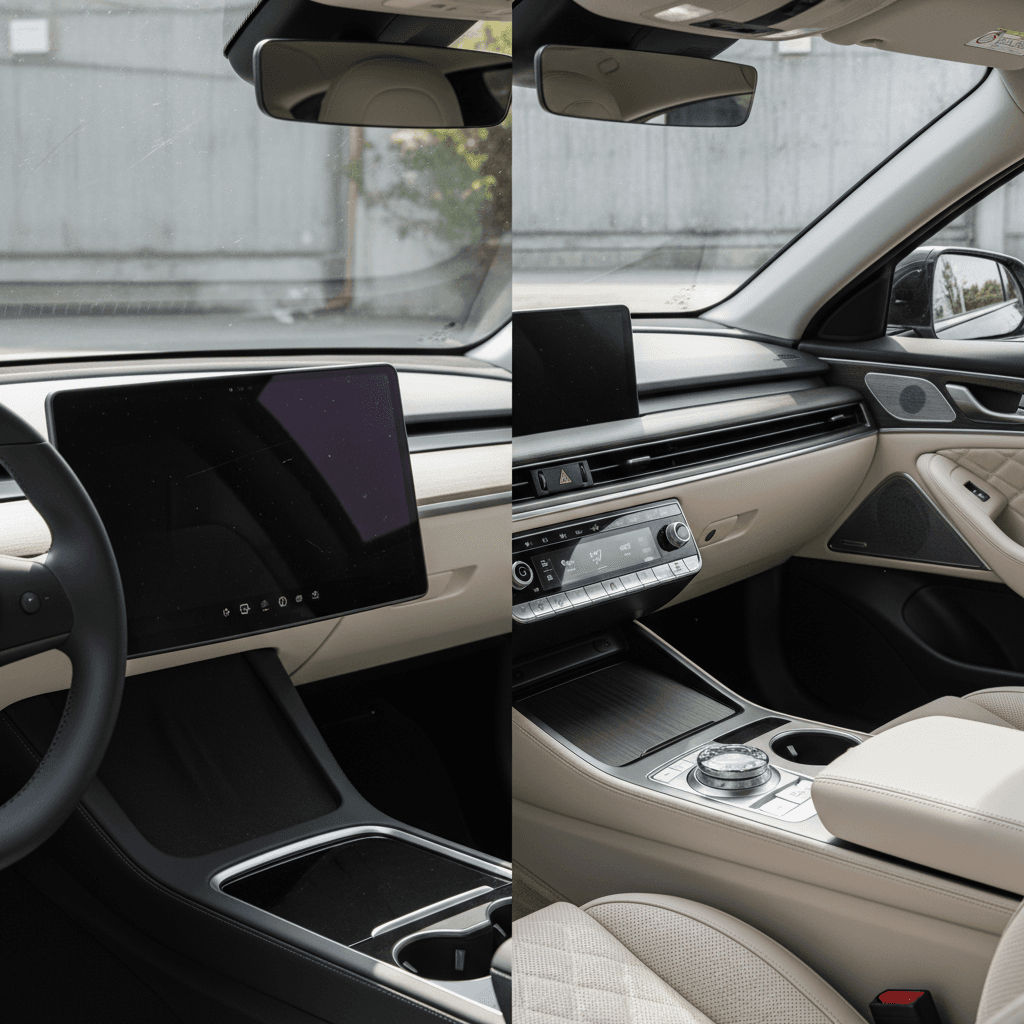
This is where the comparison stops being close. The Genesis Electrified G80 is simply in another league for ride comfort, rear-seat space, noise isolation, and perceived luxury. The Model 3 is comfortable enough for most drivers, but it’s intentionally sparse and sporty, not opulent.
Cabin & comfort comparison
How each car feels from behind the wheel, and in the back seat.
Tesla Model 3
- Clean, minimalist dashboard with a single center screen.
- Firm but controlled ride, especially on larger wheels, sporty rather than plush.
- Front seats are comfortable; rear space is tight for tall adults on long drives.
- Noise isolation has improved with updates, but you’ll still hear more wind and road noise than in the Genesis.
- Interior materials are modern and durable but don’t try to mimic German or Korean luxury sedans.
Genesis Electrified G80
- Traditional luxury layout with a wide console, separate instrument cluster, and generous use of leather, wood, and metal trim.
- Substantially more rear legroom and shoulder room, adult-friendly for real road trips.
- Active noise cancellation and heavier insulation make it one of the quietest cabins among EV sedans.
- Available massaging seats, high-end audio, and detailed ambient lighting feel like a true executive car.
- Higher seating position and big seats make long hauls less fatiguing.
If passengers matter, Genesis pulls ahead
Tech, safety & driving feel
Both sedans are loaded with safety tech, but they present it differently. Tesla leans heavily on software, over-the-air updates, and a screen‑first cockpit. Genesis layers its driver-assistance into a more conventional luxury interface, with most functions reachable via physical buttons and a rotary controller in addition to the touchscreen.
Tesla Model 3 strengths
- Best-in-class EV software: smooth OTA updates, feature additions over time, well-integrated app.
- Simple, responsive user interface with frequent improvements.
- Strong driver-assistance suite with lane keeping, adaptive cruise, and available more advanced automated-driving features depending on option set and region.
- Instant, playful acceleration; low center of gravity makes the Model 3 feel agile and fun.
- Supercharger integration with routing is still the benchmark for EV road-trip usability.
Genesis Electrified G80 strengths
- Full suite of advanced safety tech: adaptive cruise, lane centering, blind-spot view monitors, 360° cameras, and more, often standard or widely available.
- Calm, confident driving feel, it glides rather than darts, with enough power to be quick but not frenetic.
- Interface splits responsibilities between a high-res touchscreen, digital cluster, head-up display, and physical controls.
- Augmented-reality navigation and detailed camera views make low-speed maneuvering easier, especially in tight cities or garages.
- Less software experimentation; feature set is more “what you buy is what you get,” which some owners actually prefer.
Safety is a draw, experience is not
Ownership costs & used-market reality
From an ownership-cost standpoint, the Tesla Model 3 usually wins on initial price, energy costs, and parts availability. The Genesis Electrified G80 starts from a much higher MSRP when new and remains rare on the used market, with pricing that reflects its luxury positioning and limited supply.
Cost considerations on the used market
Why a used Model 3 and a used Electrified G80 don’t play in the same price bracket.
Tesla Model 3
- Huge supply of used cars across multiple model years and trims, from early Standard Range to newer Long Range and Performance variants.
- Plentiful independent and mobile service options; parts and expertise are easier to find.
- Excellent efficiency keeps electricity bills low, especially if you can time charging for off-peak rates.
- Insurance costs are competitive but can vary by region and trim, Performance cars often cost more to insure.
Genesis Electrified G80
- Much smaller production run, especially in North America, selection is thin and often concentrated near major metro areas.
- Original sticker price was comparable to high-spec gasoline G80s and rival German luxury sedans, so even used examples can be pricey.
- Energy costs are higher than a Model 3’s because the car is heavier and less efficient, though still far cheaper than fueling a similar gas luxury sedan.
- Service network is smaller; for EV-specific work you’ll generally be visiting a Genesis dealer or a Hyundai EV specialist with the right tooling.
How Recharged can help on costs
Battery health & long-term confidence
Battery longevity is critical when you’re choosing between two used EVs that may be several years old. Here, both cars have solid foundations, but Tesla’s much larger fleet and longer real-world track record give shoppers more data to lean on.
- Tesla Model 3: Millions of cars on the road globally, and long-term data suggests moderate, gradual degradation for most owners who charge sensibly. Earlier cars with different chemistries behave slightly differently, but in general, a well-cared-for Model 3 still offers strong range after 5–7 years.
- Genesis Electrified G80: Far fewer data points, but it uses a large, modern battery with robust thermal management. That big buffer means that even if you’ve lost some capacity, the car can still deliver range numbers that compete with many newer EVs.
- Both cars benefit from good charging habits: favor Level 2 at home, avoid constant 100% charges if you don’t need them, and treat DC fast charging as a road-trip tool, not a daily habit if you have other options.
Don’t buy a used EV blind
So which is better: Tesla Model 3 or Genesis Electrified G80?
There’s no universal winner in the Tesla Model 3 vs Genesis Electrified G80 matchup, it’s about fit. The Model 3 is the better all-around EV for most buyers: more efficient, easier to charge on road trips, cheaper to buy and run, and backed by a massive ecosystem of parts, knowledge, and software support.
The Electrified G80, on the other hand, is the better luxury car by a wide margin. If you want a mid-size sedan that feels like a true executive car, with quiet isolation, big back seats, and materials that can stand next to German benchmarks, the Genesis is in a different league from the Model 3.
Choose the Tesla Model 3 if…
- You prioritize value, efficiency, and charging convenience.
- You live in an area with lots of Superchargers and want effortless road trips.
- You like a minimalist, tech-forward cockpit and care about frequent software updates.
- You want the widest possible choice of trims and price points on the used market.
Choose the Genesis Electrified G80 if…
- You want a true luxury sedan that happens to be electric.
- Rear-seat space, quiet, and ride comfort matter more than ultimate efficiency.
- You mostly charge at home and your public-charging options are decent.
- You’re comfortable owning a rarer EV with a smaller support ecosystem because you value the uniqueness.
Where Recharged fits into the decision
Ready to find your next EV?
Browse VehiclesChecklist: how to choose between Model 3 and Electrified G80
Practical steps before you decide
1. Map your daily driving and charging
List your average daily miles and where you’ll charge (home, work, public). If you can install home Level 2, both cars work. If you rely heavily on public fast charging, the Model 3’s Supercharger access becomes a major advantage.
2. Decide how much space you really need
If you often carry adults in back or need a roomy family sedan, the Electrified G80’s size matters. If it’s mostly you and one passenger, a Model 3’s smaller form factor is plenty and easier to park.
3. Set a realistic budget range
Price out used Model 3s and the few used Electrified G80s available in your region. Expect the Genesis to cost notably more for a similar model year, mileage, and condition, reflecting its luxury positioning and rarity.
4. Compare charging networks where you live
Open PlugShare, A Better Routeplanner, or similar tools and map chargers near home and along any regular road-trip routes. Count nearby Superchargers vs CCS sites and look at recent user check-ins for reliability.
5. Insist on a battery health report
For either car, ask for objective battery diagnostics, not just a guess based on the dashboard range estimate. On Recharged, the Recharged Score Report shows this up front so you can compare apples to apples.
6. Test drive both styles of cabin
If possible, drive a Model 3 and an Electrified G80 back to back. The difference in seating position, visibility, and cabin feel is immediate. Decide whether you’re more drawn to the tech-product feel or the classic luxury vibe.
FAQ: Tesla Model 3 vs Genesis Electrified G80
Frequently asked questions
If you walk away with one takeaway, make it this: the Tesla Model 3 is the better default choice for most EV shoppers who value efficiency, charging ease, and tech. The Genesis Electrified G80 is the better special choice for drivers who want a true luxury sedan experience and are willing to pay, and plan around charging, to get it. Either way, treating battery health, charging access, and real ownership costs as first‑class factors will matter more than any spec-sheet bragging right when you live with the car every day.